9 Types of Shades for Windows and Which to Choose for Your Room


In this article 9 sections
Window shades are the unsung heroes of interior design—balancing light control, privacy, and energy efficiency. However, with the overwhelming number of styles available, choosing the right mechanism for your US home can feel complicated. From the energy-saving power of cellular shades to the sleek modern look of zebra blinds, we break down the 9 most common types of window treatments to help you make an informed decision.
1. Roller Shades
Roller shades are the definitive choice for the modern minimalist. They feature a single piece of fabric that wraps neatly around a casing at the top of your window frame. Available in fabrics ranging from sheer to blackout, and materials like vinyl or polyester, they offer the cleanest look when raised.
The Pros: Contrary to older misconceptions, modern roller shades are incredibly durable and arguably the easiest shade to clean—most can simply be wiped down with a damp cloth. They are perfect for achieving a clutter-free look.
The Trade-off: While excellent for privacy (especially in blackout fabrics), standard roller shades do leave slight "light gaps" on the sides unless you install side channels. If you live in a very hot climate, consider pairing them with a solar fabric for heat reduction.

2. Roman Shades
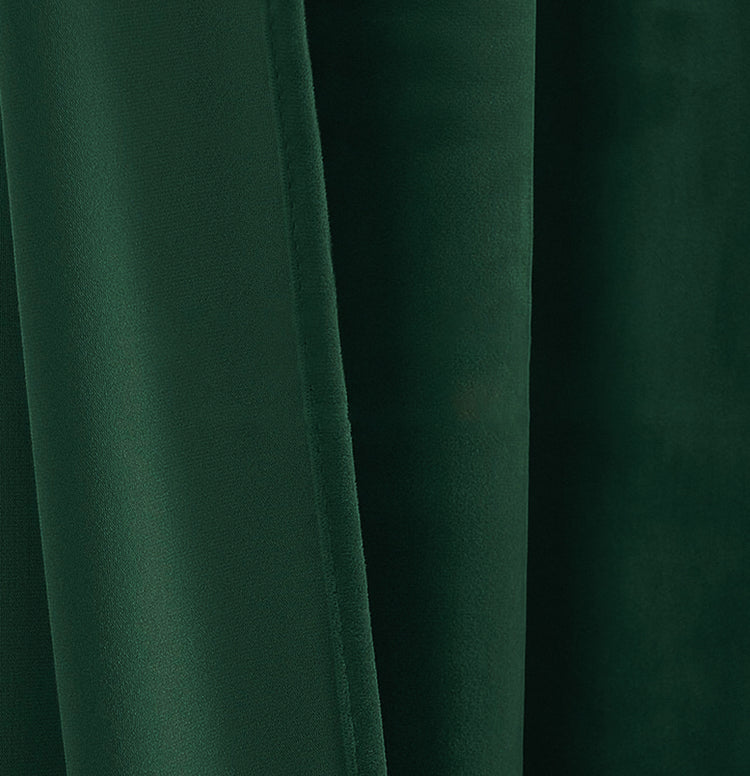
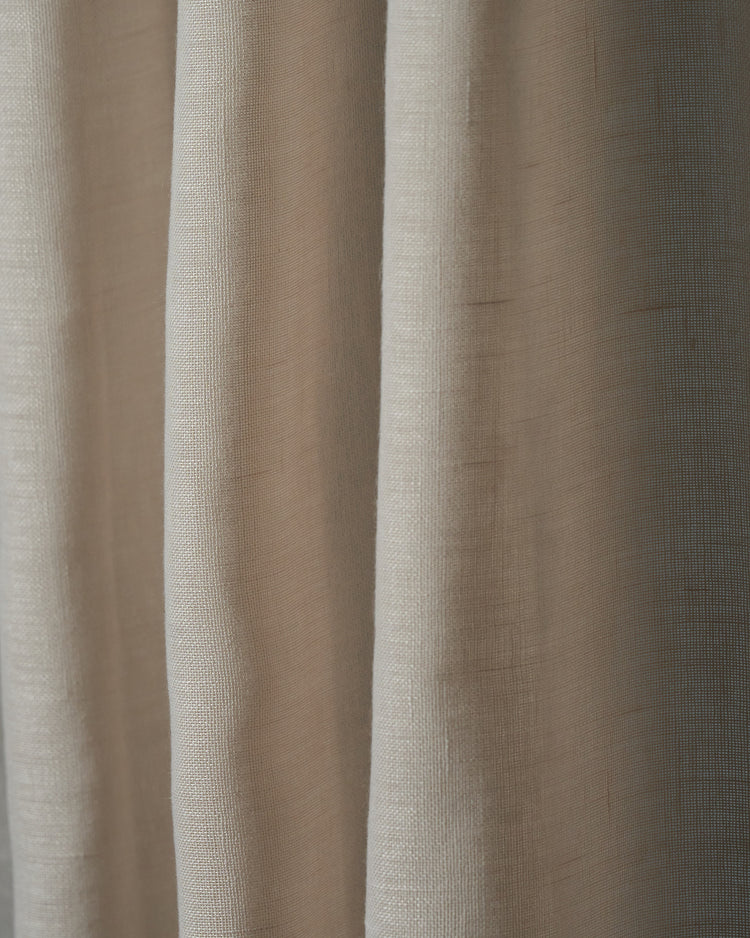
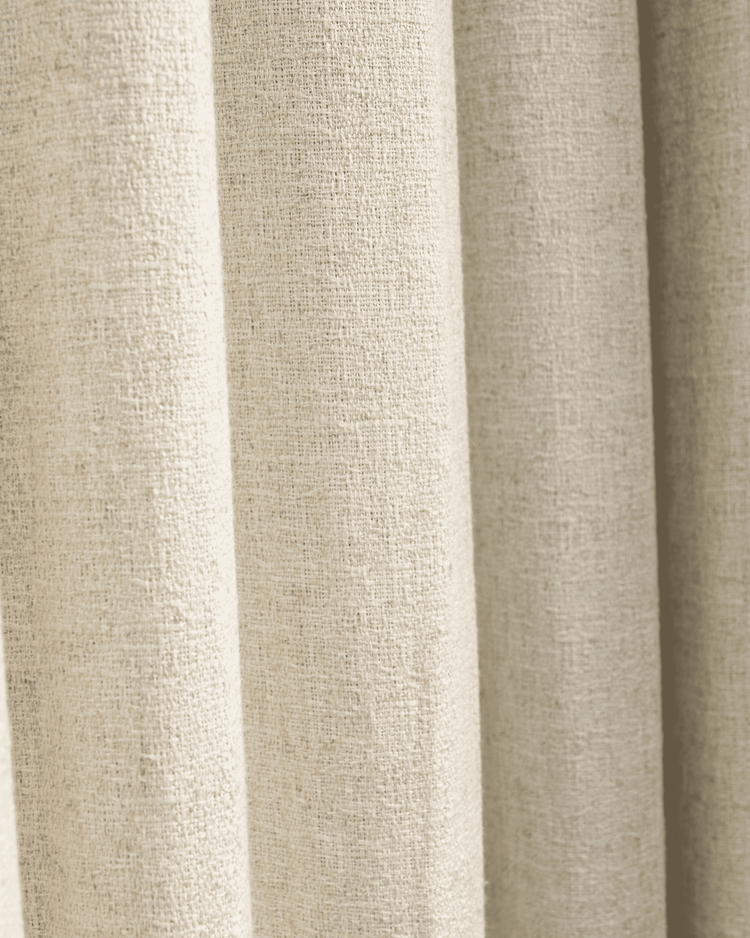
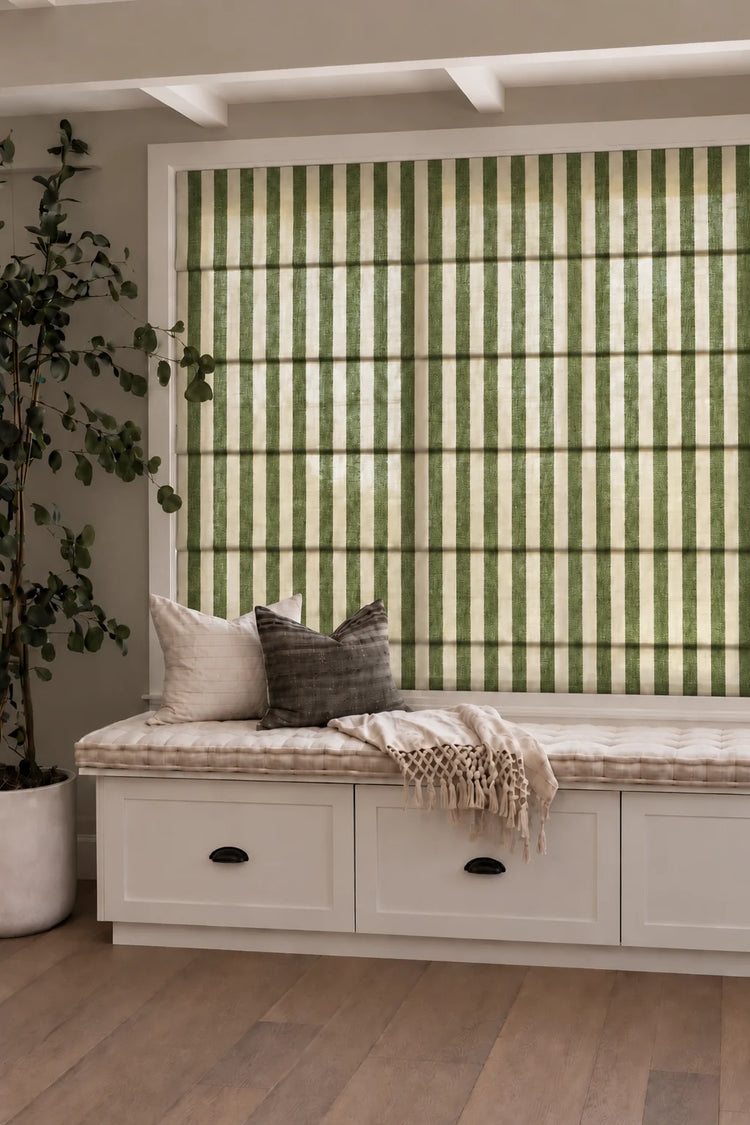
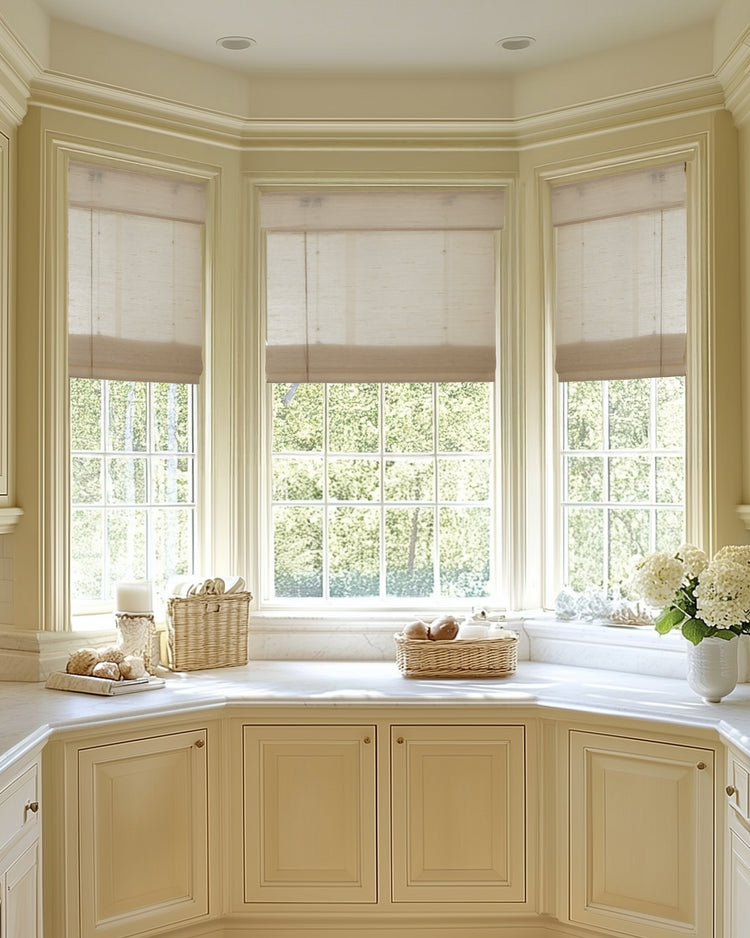
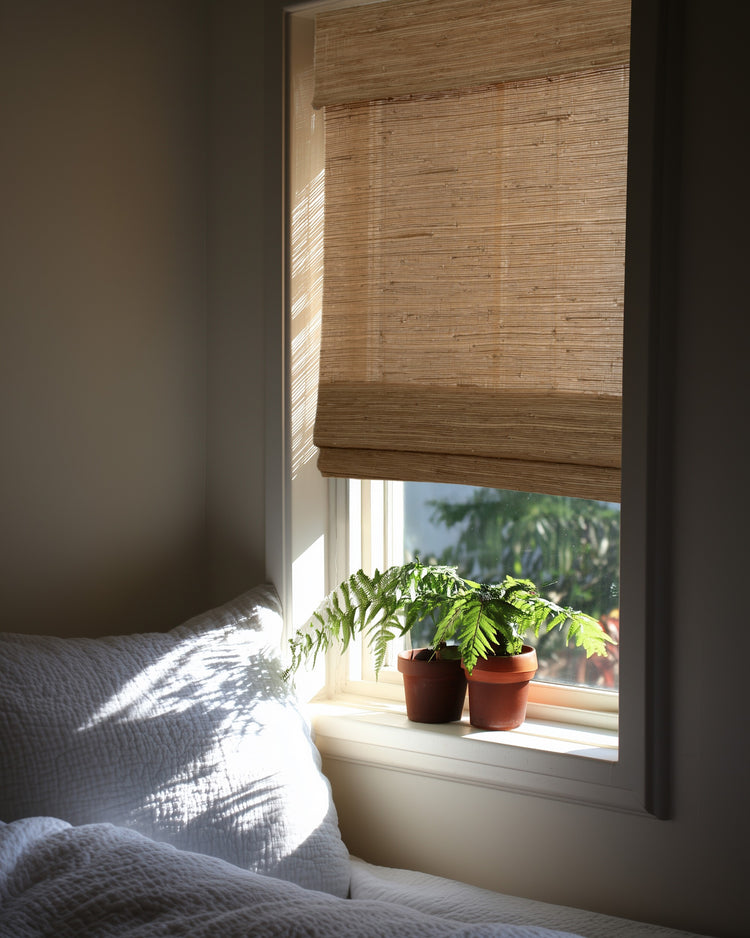
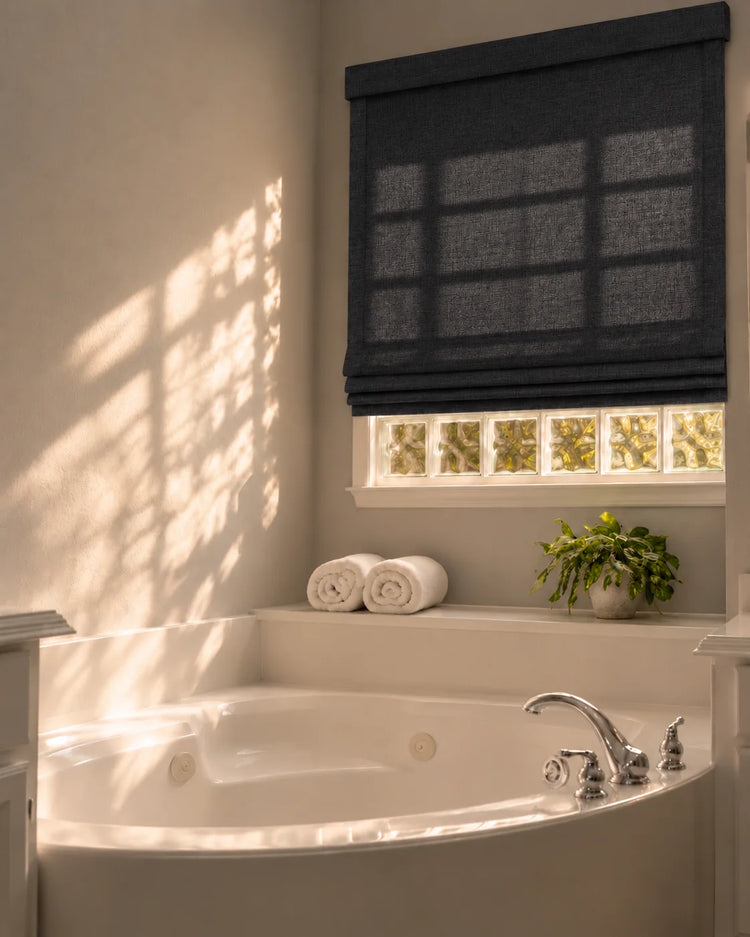
Roman shades combine the softness of drapery with the functionality of a shade. When raised, the fabric stacks evenly in neat horizontal folds (pleats). They are often the go-to choice for living rooms and bedrooms where you want to add texture, warmth, and a touch of luxury.

 Tailored Folds
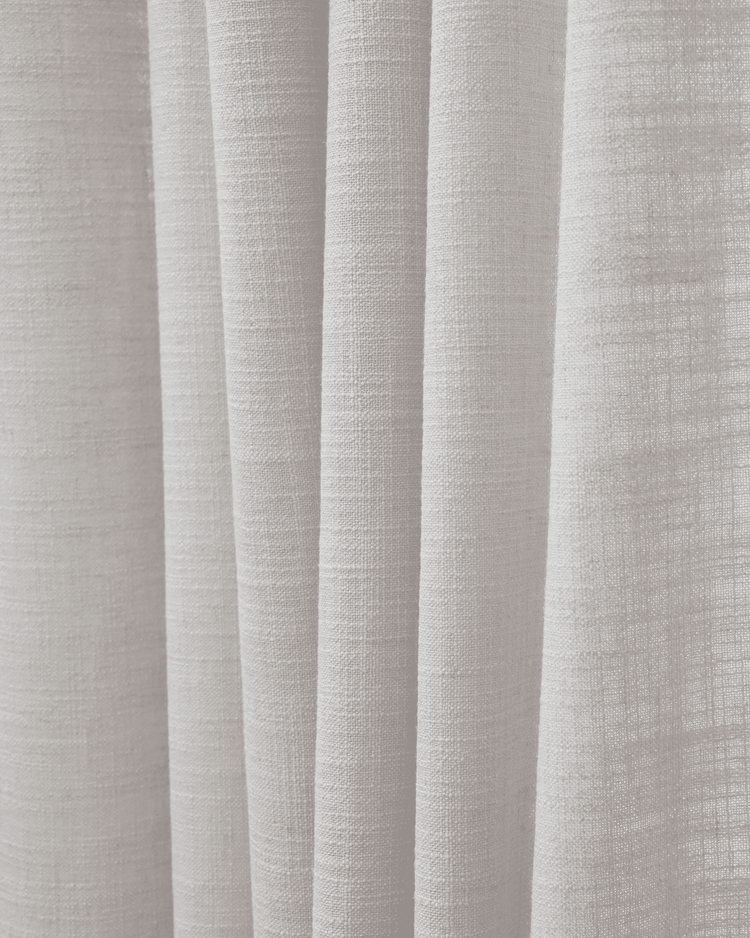
 Textured wave
 Motorized Option
 Child-Safe Cordless
Roman shades offer excellent versatility. You can choose a light-filtering liner for a soft glow or a blackout liner for total privacy and sleep support. They provide better insulation than standard roller shades due to the layers of fabric.
Style Tip: Roman shades are ideal for making a design statement. However, because they are made of soft fabric, they require more delicate cleaning (often vacuuming or professional cleaning) compared to vinyl shades.
3. Solar Shades
Solar shades are technically a type of roller shade, but they use a specialized open-weave fabric designed to manage UV rays and glare. They are categorized by "openness" percentages (e.g., 1%, 3%, 5%), which dictates how much you can see out and how much light gets in.
Why Choose Them: They are the best option for preserving your view while protecting your floors and furniture from UV fading. They reduce heat gain significantly, lowering your summer cooling bills.
Important Note: Solar shades provide privacy during the day (you can see out, neighbors can't see in). However, at night, this effect reverses: if your lights are on, people outside can see in. They are best used in common areas, not bathrooms or bedrooms.
4. Cellular (Honeycomb) Shades
Cellular shades are the workhorses of energy efficiency. Their unique honeycomb structure traps air in distinct pockets, creating an insulation barrier between your window and your room. This keeps your home warmer in winter and cooler in summer.
They are often the top recommendation for extreme climates or drafty windows. Available in single or double-cell designs, they offer supreme light blocking and sound absorption.
Vertical Cellular Shades
For large sliding glass doors or patio openings, vertical cellular shades are a superior alternative to clunky vertical blinds. They slide side-to-side on a track system rather than up and down. This orientation effectively covers wide expanses while maintaining the same thermal benefits as their horizontal counterparts.
5. Zebra Shades (Dual Sheer)
Zebra shades, also known as dual sheer or layered shades, offer the ultimate control over light. They consist of a continuous loop of fabric with alternating sheer and solid bands. By aligning or offsetting these bands, you can switch instantly between a "slatted" view (like a blind) and full privacy (like a roller shade).
They are a favorite in modern contemporary homes, offering a high-end look that eliminates the need for a separate sheer curtain.
6. Interior Shutters
Shutters are considered "hard window treatments" and are often treated as a permanent upgrade to the home, potentially increasing resale value. Usually made of wood, composite, or PVC, they are installed directly into the window frame.
The Reality: Shutters are a premium investment—they are generally more expensive than soft shades and require precise installation (often by a professional). However, they are unmatched in durability, curb appeal, and their ability to withstand wear and tear. They are excellent for controlling airflow and light simultaneously.
7. Tie-Up Shades
Tie-up shades offer a casual, farmhouse, or cottage aesthetic. They hang flat from a rod and are manually rolled up and tied in place with ribbons or cords attached to the fabric. They are decorative and relaxed.
Safety Warning: Because traditional tie-up shades often utilize loose cords or ribbons, they can pose a risk to small children or pets. If you love this look for a nursery or kids' room, ensure you look for modern "faux tie-up" versions that are sewn in a fixed position or utilize safe, breakaway components.
8. Sheer Shades
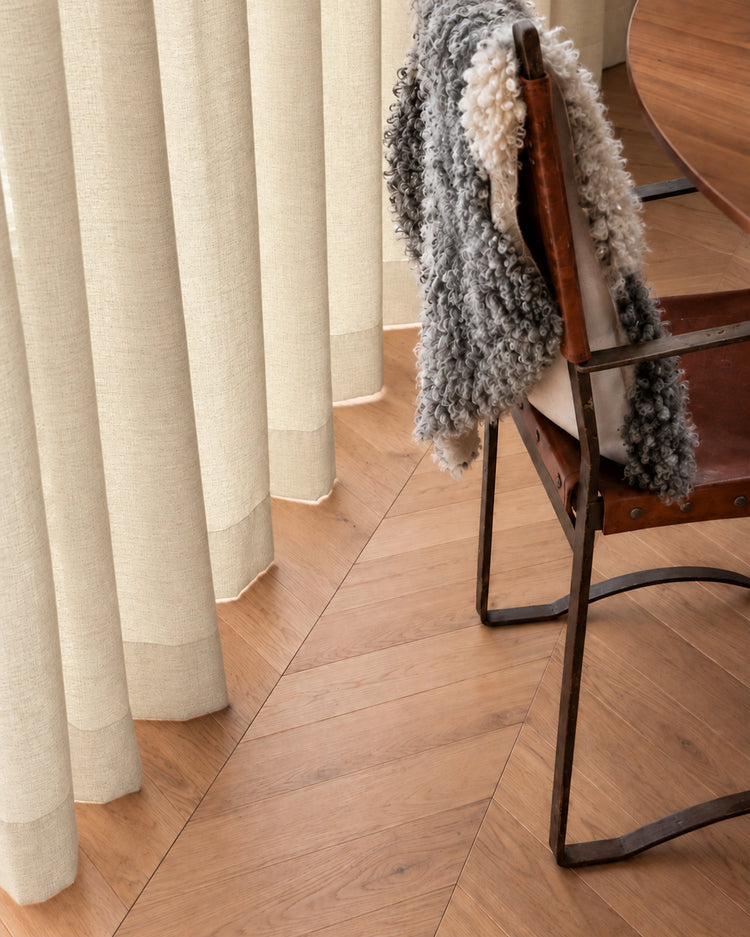
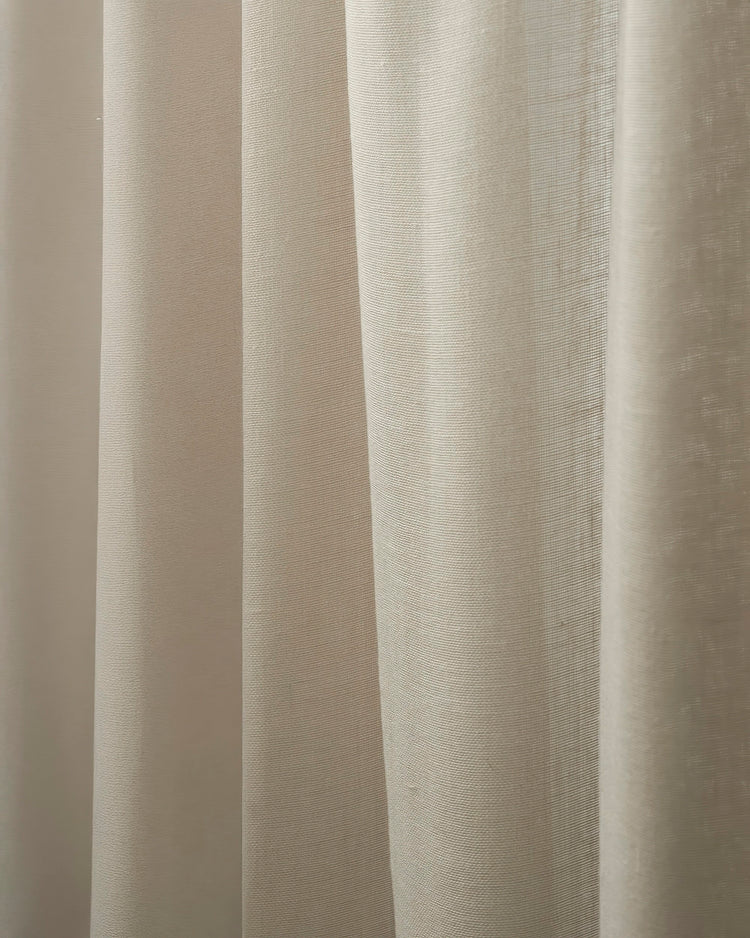
Sheer shadings (often called privacy sheers) feature soft fabric vanes suspended between two layers of sheer fabric. They offer the soft focus of a curtain with the functionality of a blind. When the vanes are open, you get a filtered view out; when closed, you get privacy.
They are perfect for formal dining rooms or living rooms where soft, diffused light is desired. Note that while they offer daytime privacy, silhouettes and shadows may still be visible at night if interior lights are bright.
9. Motorized Shades
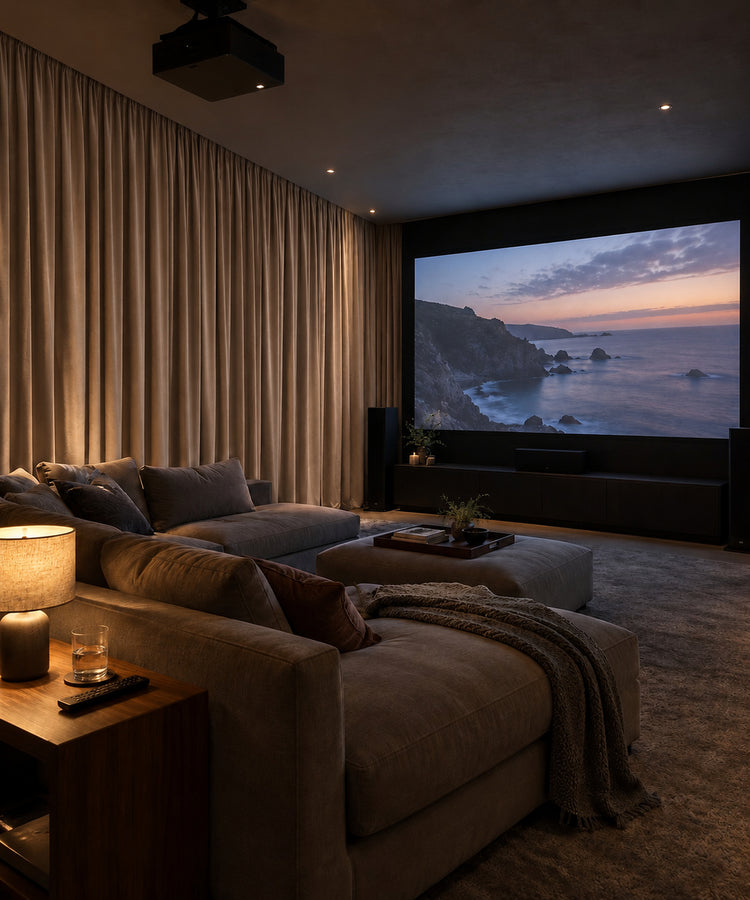
Motorization isn't just a style—it's the future of home living. Almost any of the shades listed above (Roller, Zebra, Cellular, Roman) can be upgraded with motorization.
Why Upgrade?
- Safety: Motorized shades are 100% cordless, making them the safest option for homes with children and pets.
- Convenience: Control hard-to-reach windows with the touch of a button.
- Smart Integration: Many modern motorized shades pair with apps, Alexa, or Google Home, allowing you to schedule your shades to rise with the sun or lower automatically to save energy during the hottest part of the day.