What to Ask Before Ordering Custom Size Curtains Online


In this article 8 sections
- Start with what your custom curtains need to do
- Measure the window, wall, and hardware before ordering
- Choose fabric, liner, and fullness as one system
- Pick a header style that works with your hardware
- Use swatches and previews before checkout
- Final checklist before ordering custom curtains online
- FAQ: Ordering custom size curtains online
- Final takeaway
Ordering custom size curtains online can feel simple at first: choose a fabric, enter a size, pick a header, and check out. But the details matter. A beautiful curtain can still feel wrong if the width, lining, fullness, or hardware does not match the room.
The safest way to order custom curtains is to answer a few practical questions before you buy. What does the room need the curtains to do? What exactly are you measuring? Which liner, header style, and panel layout will work with your window and daily routine?
Use this guide as a pre-checkout checklist before ordering custom curtains online. It will help you make a more confident choice and avoid the most common sizing, fabric, and style mistakes.
Start with what your custom curtains need to do
Before comparing colors or header styles, decide what job the curtains need to handle first. This should guide almost every choice that follows.
Most rooms need custom curtains for one or more of these reasons:
- blocking light for sleep or glare control
- adding privacy without making the room feel heavy
- helping drafty or sunny windows feel more comfortable
- softening the room while keeping a tailored, finished look
- covering a wide, tall, or non-standard window size
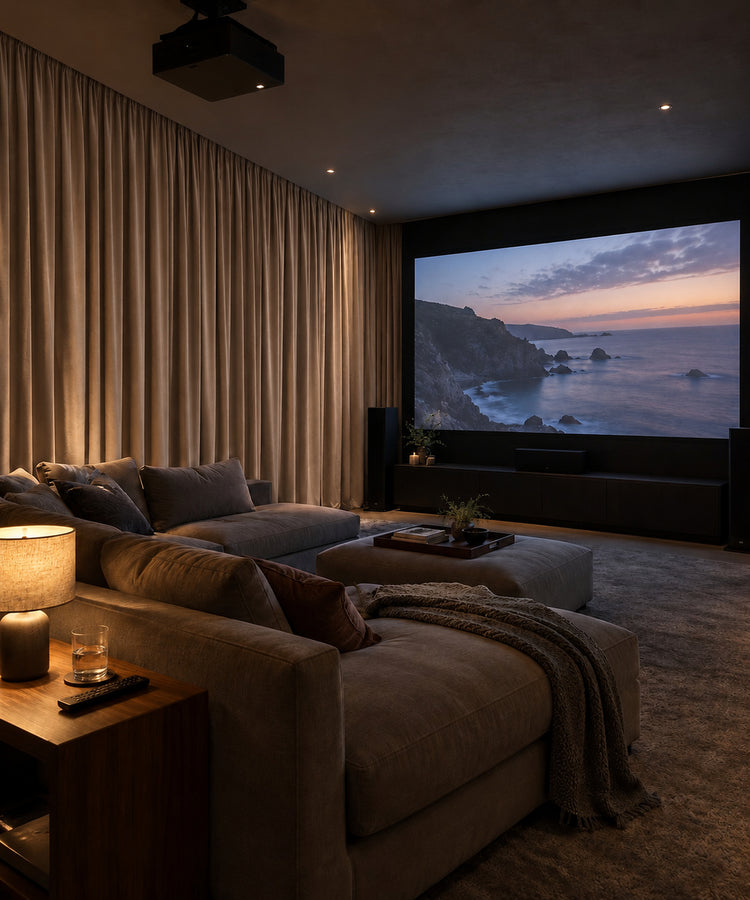
A bedroom usually needs stronger light control than a dining room. A living room may need privacy during the day without losing too much natural light. A nursery, media room, or west-facing room may need a more performance-focused setup.
The U.S. Department of Energy notes that window coverings can help manage heat gain and heat loss, depending on the construction and how they are used. That does not mean curtains will replace insulation or climate control, but it does mean lining and fabric choice can affect how a room feels day to day.

 Kid-friendly
 OEKO-TEX® Certified
 Durable
 Low maintenance
If the room needs strong darkness, start with blackout curtains. If comfort near a cold or sunny window is the main issue, compare thermal curtains. If the goal is mostly softness and privacy, a lighter fabric with the right liner may be enough.

Measure the window, wall, and hardware before ordering
Many custom curtain mistakes happen because the shopper measures only the glass or window opening. Curtains are part of a larger setup. You also need to think about rod width, mounting height, stack-back space, and finished length.
Know what size the product page is asking for
Different brands and product pages may ask for measurements in different ways. Some ask for finished panel size. Some guide you from window width. Others separate single-panel width from total pair coverage.
Before entering a number, confirm whether you are providing:
- raw window width
- rod or track width
- finished curtain panel width
- total coverage width for a pair
- finished curtain length
TheHues' curtain measurement guide is the best place to start if you want the curtains to fit the actual room, not just the window opening.
Decide how high and wide the curtains should hang
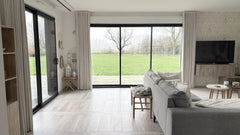
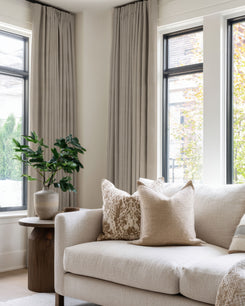
Rod placement changes how the whole window looks. A higher rod can make the room feel taller. A wider rod can let the panels clear more glass when open, which helps preserve daylight and view.
Ask these questions before you measure:
- Will the rod or track sit inside the window frame or outside it?
- How far above the trim can the curtain start?
- How much space is available on each side for the panels to stack?
- Do you want the curtain to kiss the floor, break slightly, or puddle?
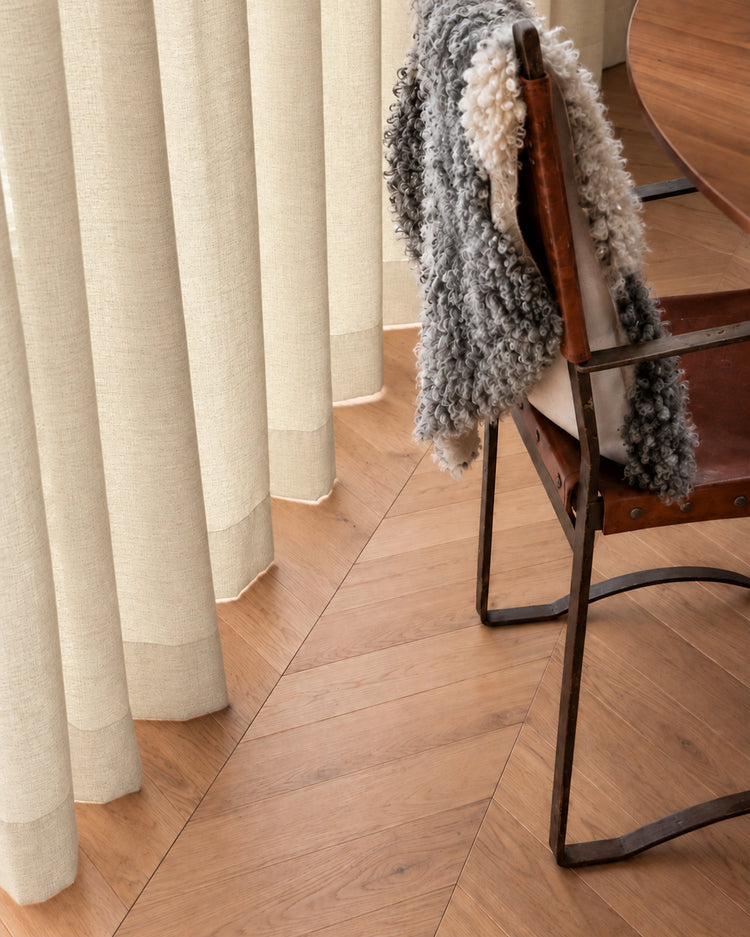
If you want floor-to-ceiling curtains, finished length is especially important. A clean floor-length look and a soft puddle are different choices, and each requires different measurements.

Choose one panel or two based on function
Panel count affects balance, fullness, stack-back, and daily use. A single panel can work well for narrow windows, one-sided operation, or a decorative side stack. Two panels usually feel more balanced on standard and wide windows.
If you open and close the curtains every day, two panels are often easier to use because each side carries less fabric. If the window is narrow or sits close to a wall, one panel may look cleaner and take up less space.
For a deeper comparison, read TheHues' guide on one curtain panel or two before placing the order.
Choose fabric, liner, and fullness as one system
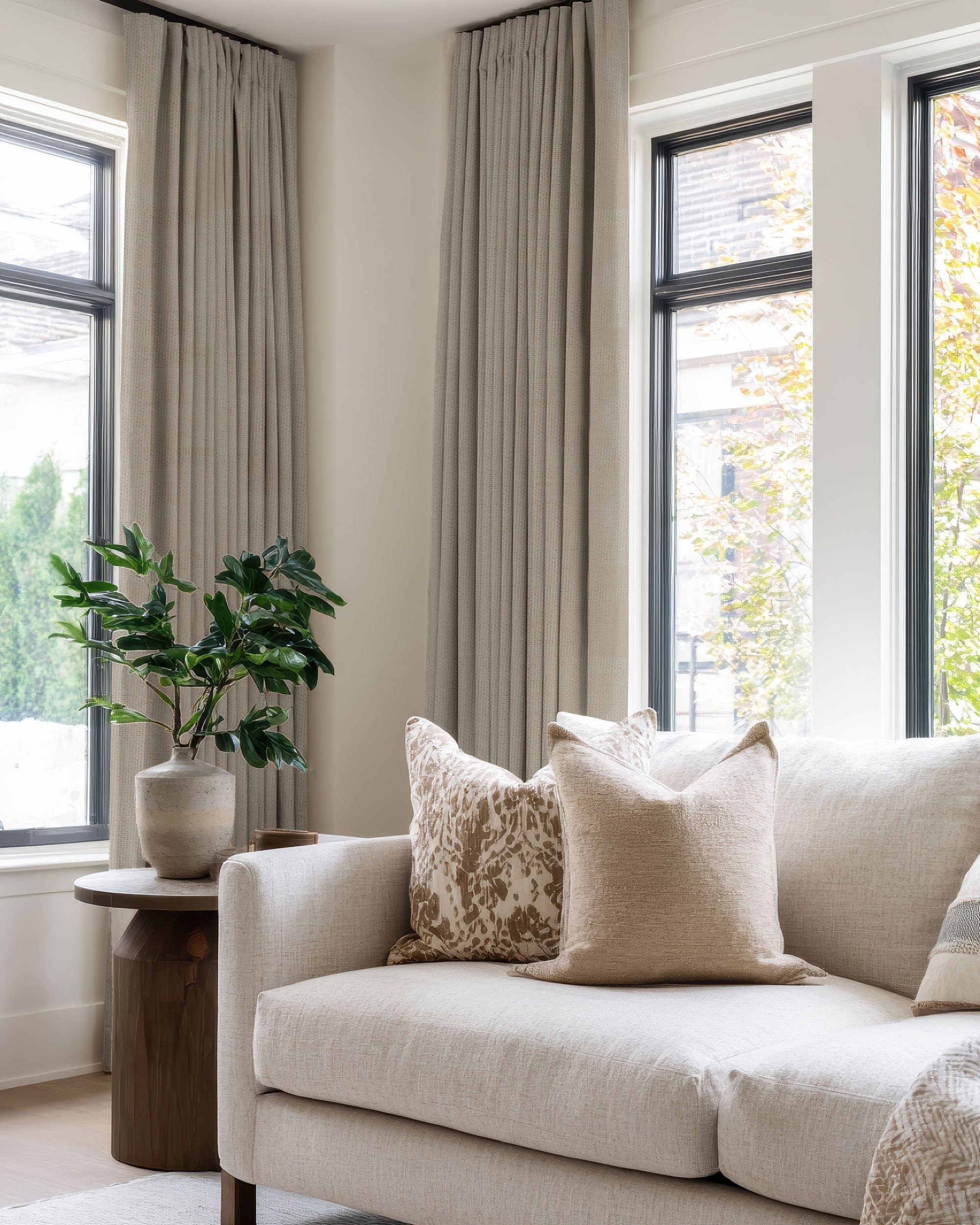
Color matters, but it is not the only decision. Fabric weight, lining, and fullness work together to determine how the curtains hang, how much light they block, and how heavy they feel in the room.
Match fabric weight to the room
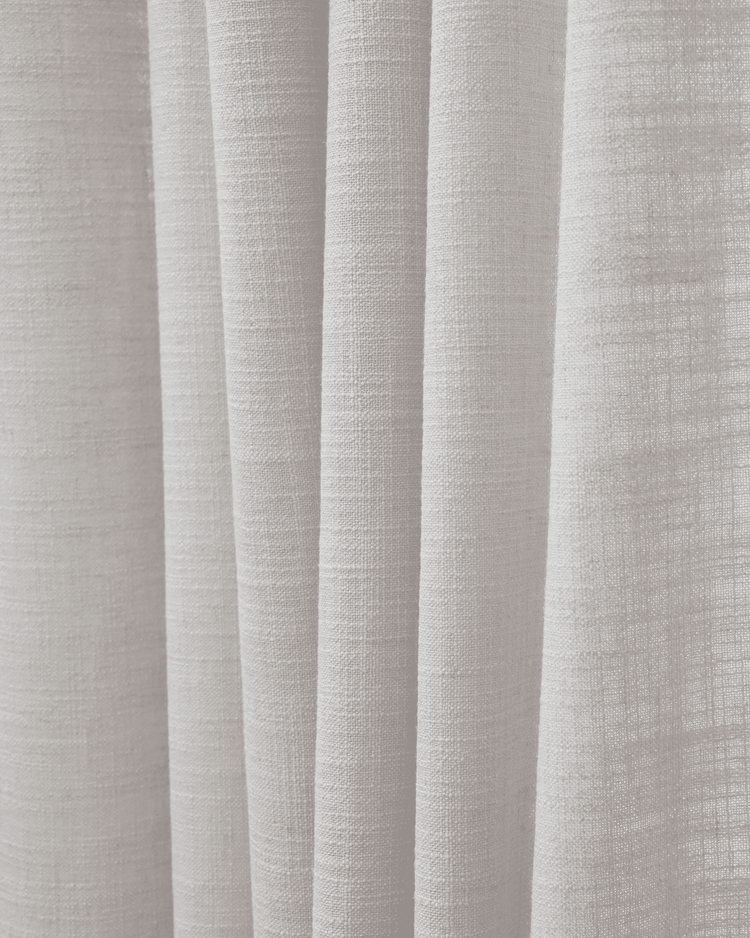
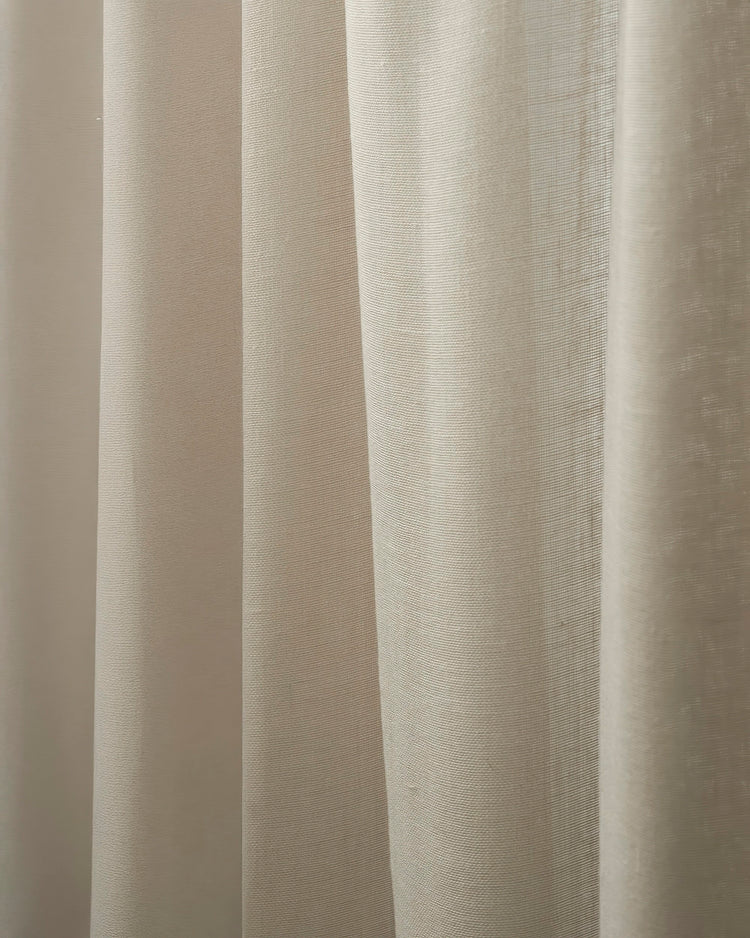
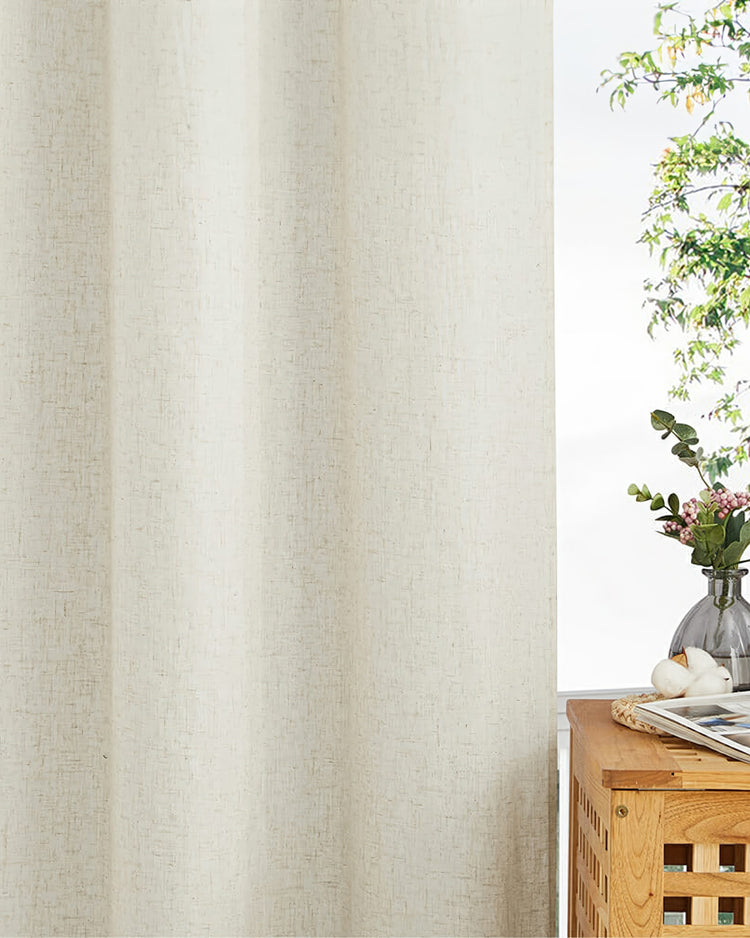
Lighter fabrics tend to feel more relaxed and airy. Heavier fabrics often look more structured and may support better light control when paired with the right liner. Neither is automatically better. The better choice depends on the room.
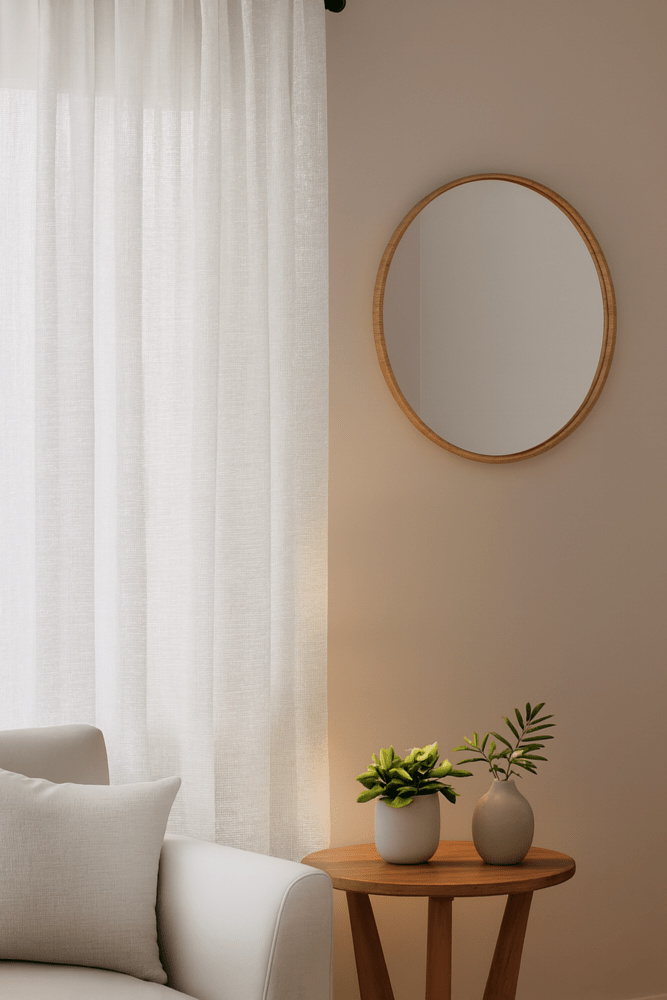
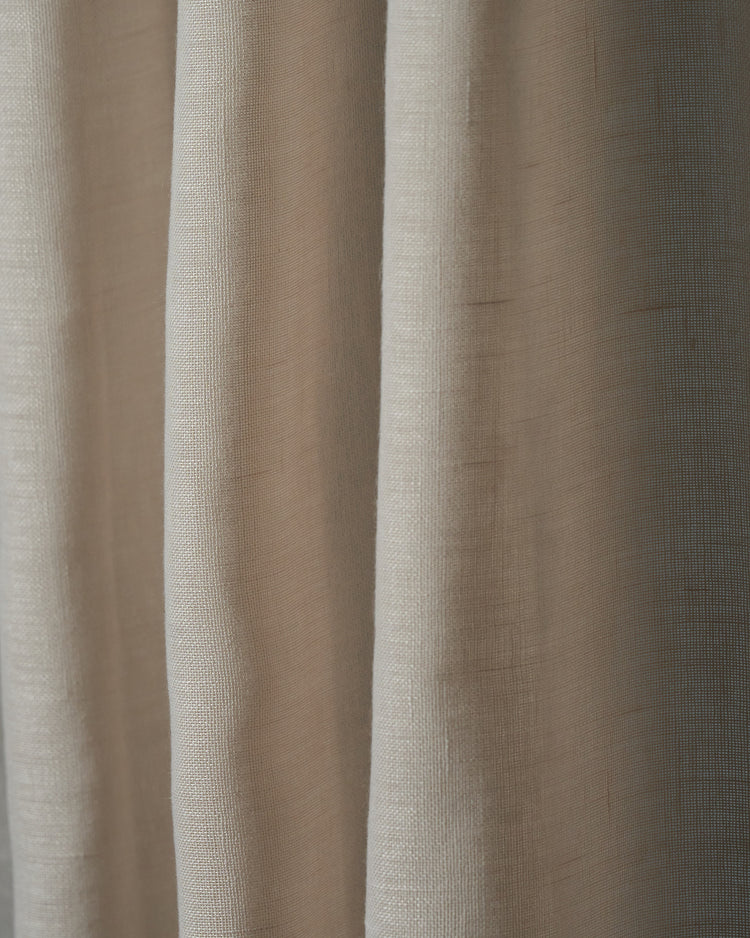
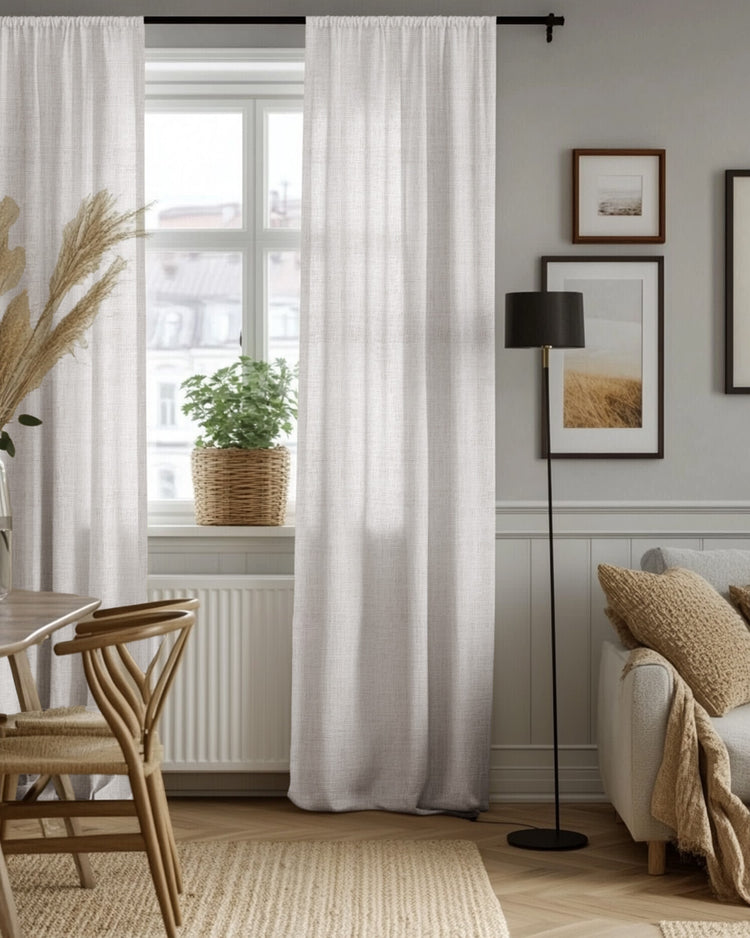
For example, a soft linen-look curtain may be ideal for a dining room or casual living room. The same fabric may not be enough for a bedroom that needs darkness, privacy, and a calmer sleep environment.
Do not treat the liner as an afterthought
The liner can change both performance and appearance. It affects privacy, light control, insulation, fabric body, and how the back of the curtain looks from outside.
Common liner decisions include:
- Unlined: best for a lighter, softer look where privacy is not the main concern
- Privacy or light-filtering lining: useful when you want softness and modest coverage
- Blackout lining: better for bedrooms, nurseries, media rooms, and strong glare
- Thermal lining: helpful for drafty windows, strong sun, or rooms that need extra comfort support
Review the curtain liner guide before choosing. In many rooms, the liner is what turns a nice fabric into a curtain that actually solves the problem.
Think about fullness and stack-back
Fullness is the extra fabric that creates folds when the curtains are closed. Without enough fullness, custom curtains can look flat or stretched. With too much fullness, they can look bulky, especially on smaller walls or narrow rooms.
Ask these questions before checkout:
- How full should the curtains look when closed?
- How much fabric will stack at the sides when open?
- Will the stack cover too much glass or block the view?
- Does the header style add extra bulk?
This matters most for wide windows, sliding doors, and rooms where every inch of daylight matters.

Pick a header style that works with your hardware
The header style is the top construction of the curtain. It affects how the curtain hangs, how smoothly it moves, and whether it works with your rod or track.
Confirm hardware compatibility first
Not every header works with every system. Grommets need a compatible rod. Pleated styles often work with rings, hooks, or tracks. Rod pocket and back tab styles can look soft and simple, but they may not glide as easily for daily open-and-close use.
Before ordering, confirm:
- whether you are using a rod or track
- the rod diameter or track type
- how often the curtains will move
- whether the header works with the fabric and liner thickness
If you want a quick comparison, use TheHues' curtain header guide before choosing the final style.
Match the header to the room style
Header style also changes the mood of the room. Grommets often feel casual and clean. Pleated curtains feel more tailored. Rod pocket and back tab styles can feel softer and more relaxed, depending on the fabric.
The right choice should support both the room style and the way you will use the curtains. A formal bedroom, a casual family room, and a high-traffic sliding door may each need a different answer.

Use swatches and previews before checkout
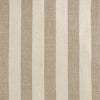
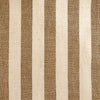
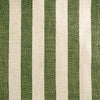
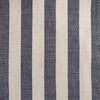
Online product photos are helpful, but they cannot show every detail. Fabric color can shift with natural light, wall color, flooring, and evening lamps. Texture can also look flatter on a screen than it does in the room.
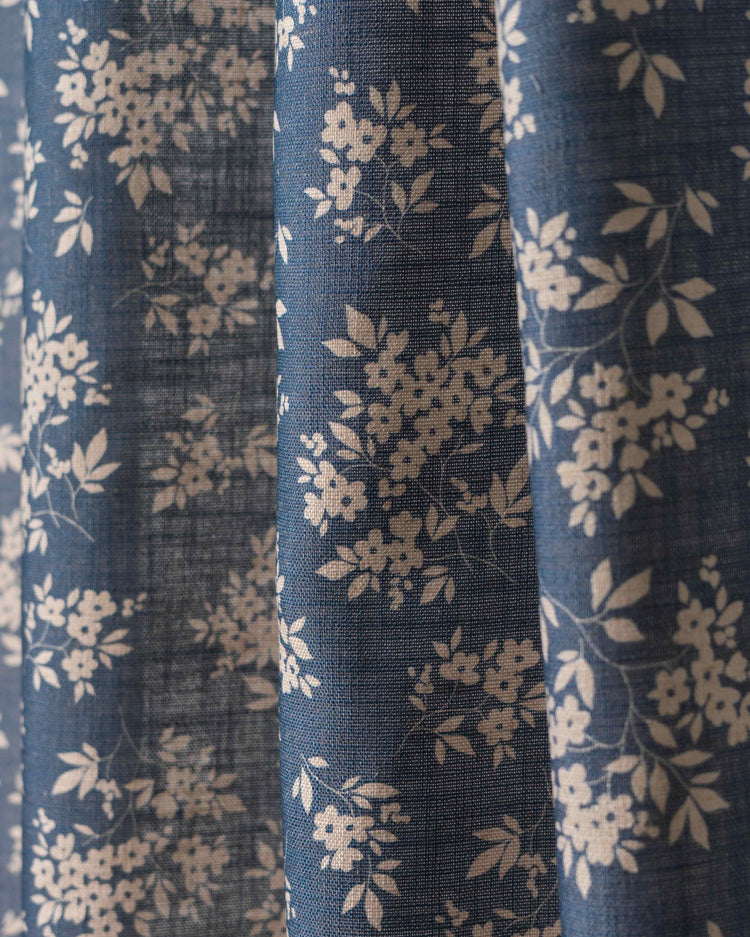
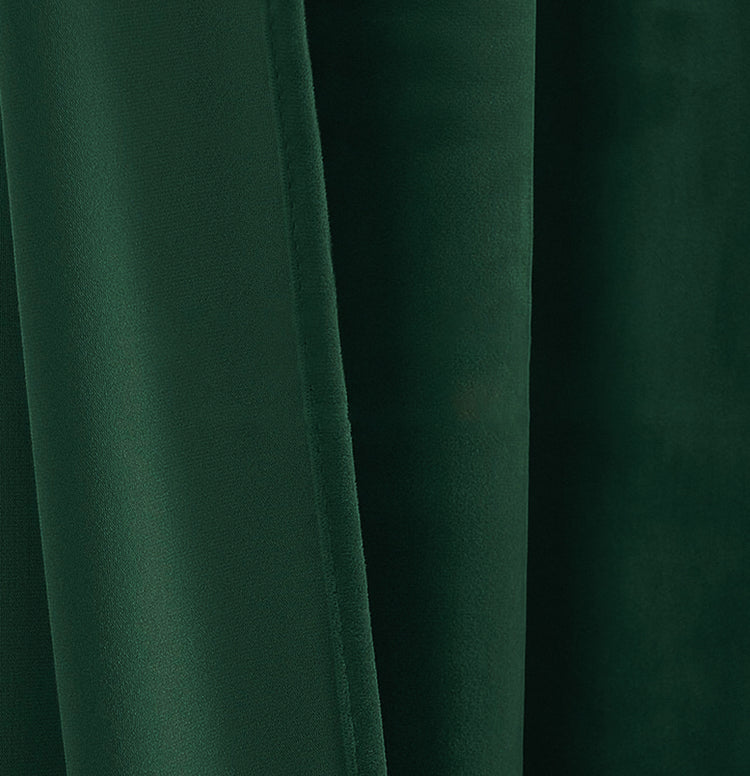
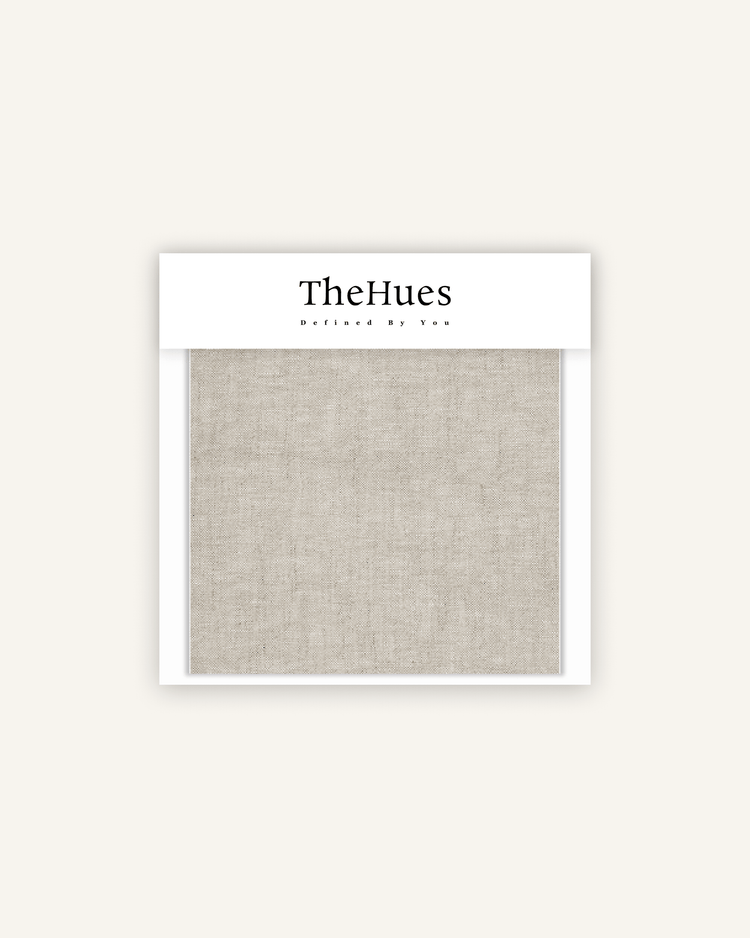
If you are choosing between close neutrals, textured fabrics, or a darker color, order curtain swatches first. Hold them vertically near the window and check them at different times of day.
Swatches help you answer questions like:
- Does the undertone work with the wall color?
- Does the fabric feel too heavy or too thin for the room?
- Does the texture still look good in evening light?
- Does the color work with flooring, trim, and furniture?
If the fabric looks right but you are still unsure about scale, header style, or panel layout, use the visualization tool or ask for help through the free design service before placing the order.
Final checklist before ordering custom curtains online
Before you complete your order, run through this checklist:
- What is the room's main need: blackout, privacy, thermal comfort, glare control, or style?
- Am I measuring the window, the rod, the finished panel, or total coverage?
- Do I need one panel or two for the way this window will be used?
- Where will the rod or track be mounted?
- Does the fabric weight match the room and daily use?
- Which liner gives the right level of light control and privacy?
- Will the curtains have enough fullness without looking bulky?
- Does the header style work with my rod or track?
- Have I checked swatches in the room's real light?
- Have I reviewed shipping, modification, and return details before checkout?
| Decision | Best question to ask | Why it matters |
|---|---|---|
| Room function | What problem should the curtains solve first? | It guides fabric, liner, and opacity. |
| Measurement | Am I entering finished size or window size? | It prevents curtains from looking too narrow or too short. |
| Panel count | Will one panel or two work better day to day? | It affects balance, operation, and stack-back. |
| Lining | Do I need privacy, blackout, or thermal support? | It changes both performance and visual weight. |
| Header style | Does this header work with my hardware? | It affects movement, style, and installation. |
FAQ: Ordering custom size curtains online
Should I measure the window or the curtain size?
Start by measuring the window and the wall around it, but always confirm what the product page is asking for. Some custom curtain forms ask for finished curtain size, while others guide you from window or rod measurements.
Are custom curtains worth it for standard windows?
They can be. Even standard windows may need a custom width, length, lining, or header style to look finished. Custom curtains are especially useful when you want a cleaner fit, better coverage, or a specific fabric and liner combination.
Should custom curtains touch the floor?
In most living rooms and bedrooms, curtains look best when they touch or nearly touch the floor. A slight break or puddle can work in more decorative rooms, but it needs to be intentional and measured carefully.
Do blackout curtains need special measurements?
Blackout curtains often work better when they extend beyond the window frame and hang with enough width to reduce side gaps. The fabric, liner, rod placement, and return space all affect how much light control you get.
What should I do if I am unsure about color?
Order swatches and test them in your room before buying. Check the fabric in morning light, afternoon light, and evening light. If the color works but the full setup is hard to picture, use a visualization tool or request design support.
Final takeaway
Ordering custom curtains online is easier when you slow down before checkout. Start with the room's job, measure for the full window treatment setup, choose fabric and liner together, confirm the header style, and test swatches in your real light.
A good custom curtain order is not just about choosing a pretty fabric. It is about making sure the size, function, and style all support the room.
When you are ready, compare TheHues custom curtains, confirm your numbers with the curtain measurement guide, and use the free design service if you want a second opinion before ordering.