Blinds for French doors: what actually works


In this article 5 sections
The Reality of Covering French Doors
French doors are architectural features, not just openings. The challenge isn't just covering the glass; it's doing so without ruining the door's function or aesthetic. Most standard window treatments fail here because they stick out too far, slam against the glass when the door swings, or block the handle.
Before you drill a single hole, you need to understand the constraints of your specific door type.
The 3 Biggest Deal-Breakers
1. The Handle Conflict
This is where 90% of buyers fail. If you have lever handles (which rotate up and down), they likely sit less than 2 inches from the glass. Standard 2-inch wood blinds will block the lever, trapping you inside. Rule of thumb: Measure the depth from the glass to the back of the handle. Your window treatment must be at least 1/2 inch thinner than this gap.
2. The "Sway" Factor
Unlike windows, doors move. A blind that hangs freely will crash against the glass every time you open the door. You absolutely need a system that anchors at the bottom (hold-down brackets) or tracks along the frame.
3. The Mounting Surface
Stop and check your door material.
- Wood: Easy. Use included screws.
- Steel: Do NOT use plastic anchors; they will rip out of the foam core. Use self-tapping sheet metal screws or, better yet, magnetic rods.
- Fiberglass: extremely risky to drill (cracking risk). Stick to adhesive or command-strip solutions if possible, or hire a pro.
The Best Solutions (Ranked by US Market Needs)
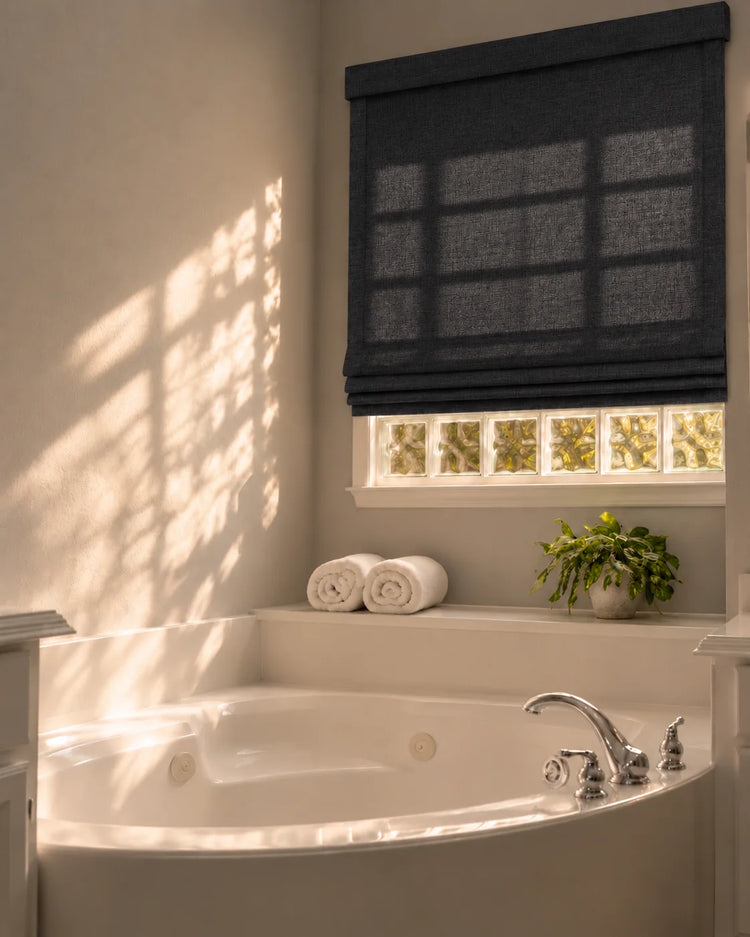
1. Roller & Solar Shades (Best for Modern Function)
Why they work: They have the slimmest profile. When rolled up, they disappear into a small cassette, leaving your view completely unobstructed. They sit flat against the glass, avoiding the handle.
The caveat: You must buy a "cassette" valance to hide the roll, or it looks unfinished. Ensure the cassette depth doesn't hit your door trim.
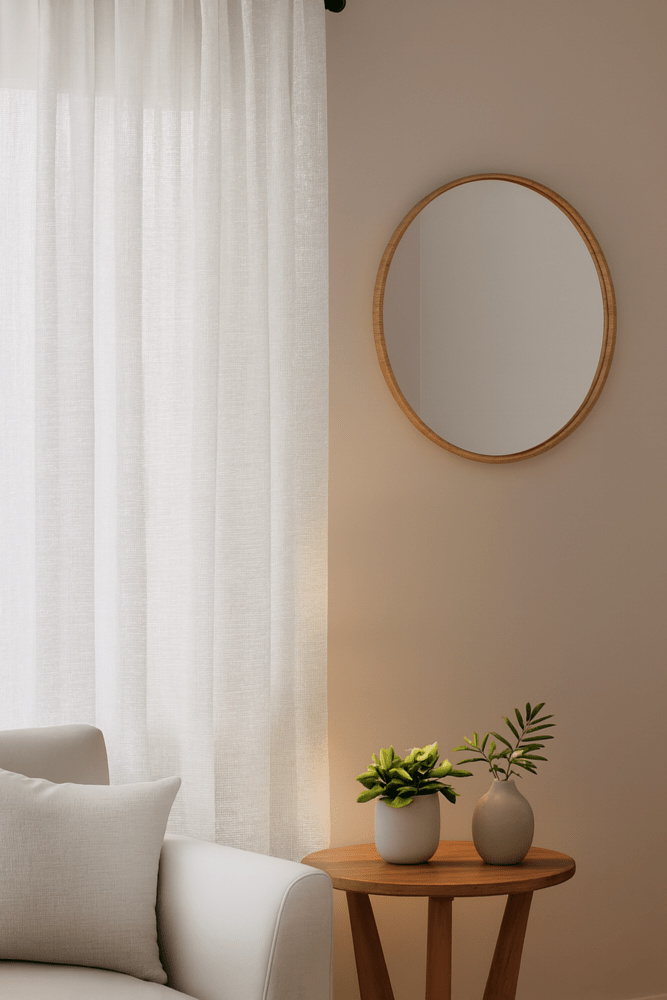
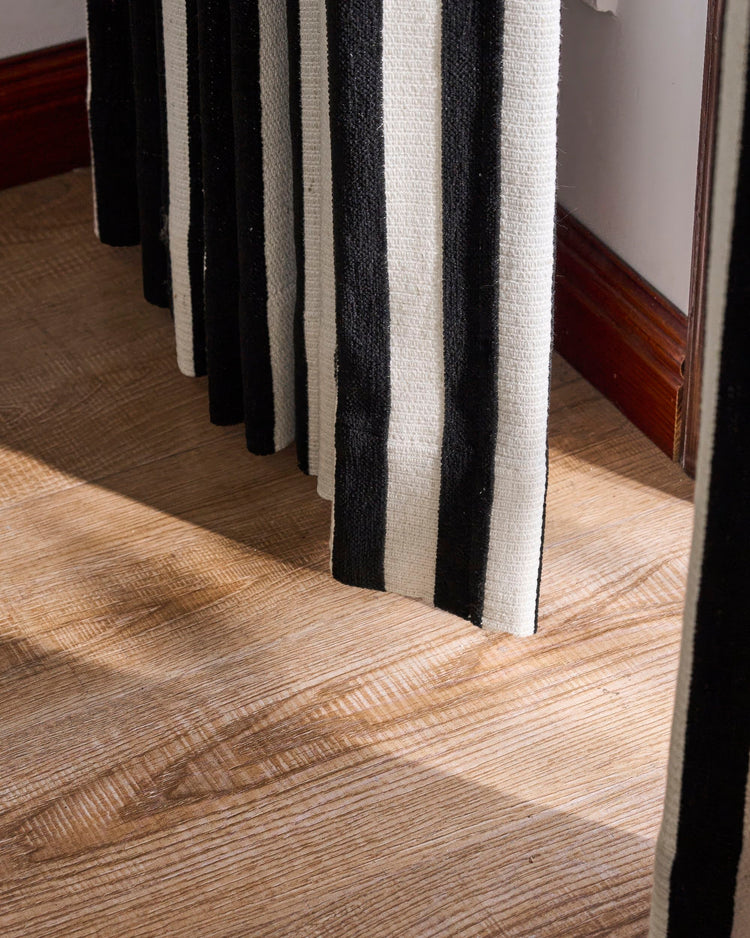
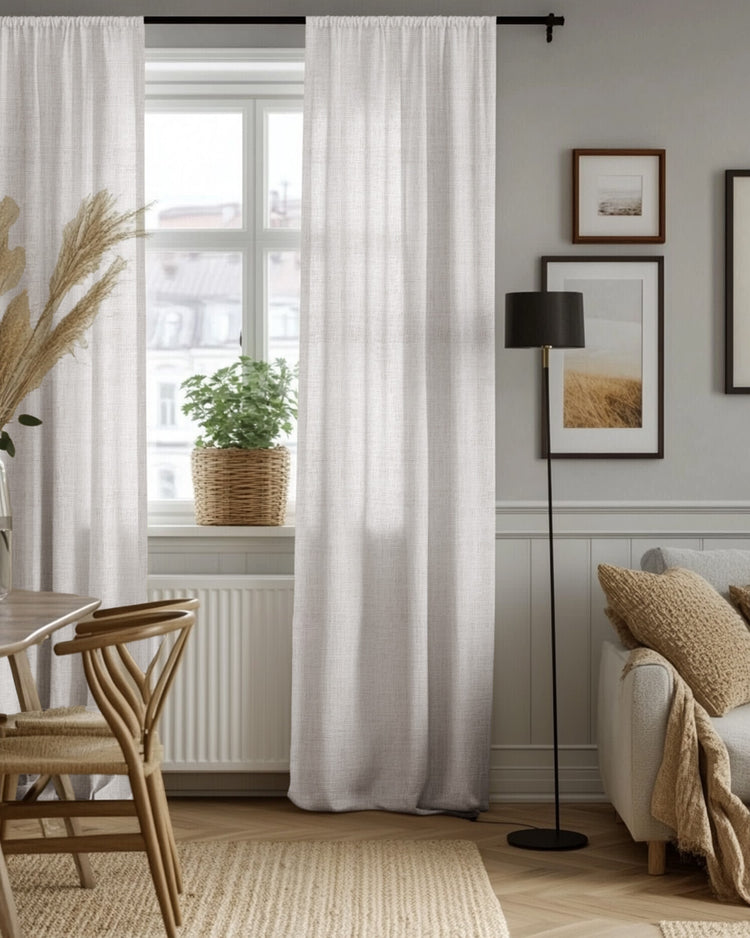
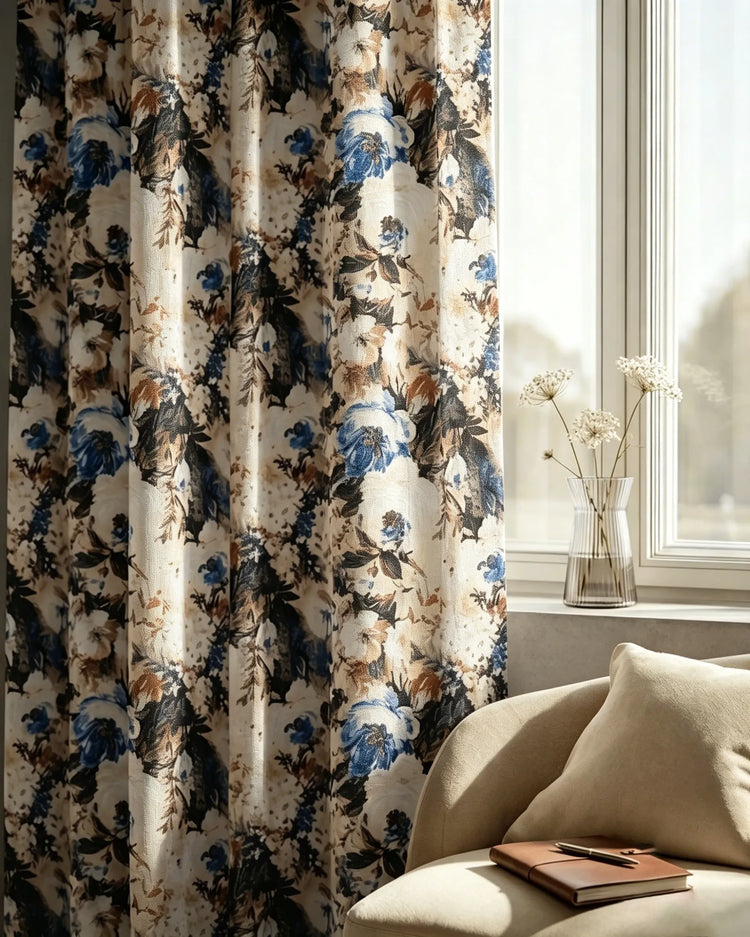
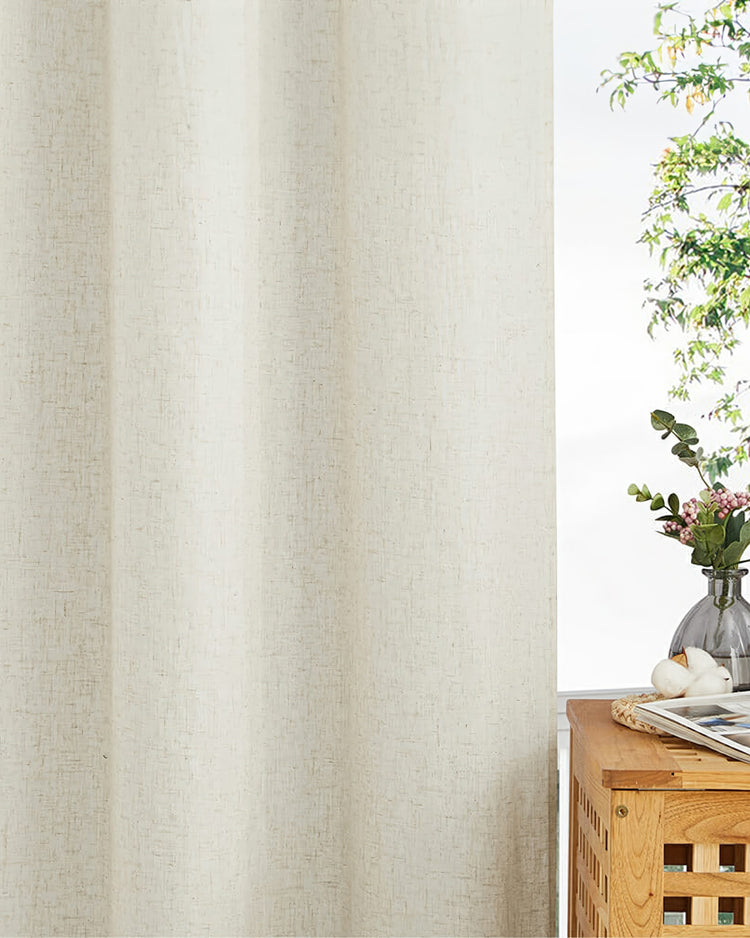
2. Door Panels / Curtains (Best for Traditional Style)
Why they work: This is a classic American look. These are fabric panels attached by rods at both the top and bottom of the window. You can cinch them in the middle with a tie-back (hourglass look) to let light in.
Bonus: If you have steel doors, you can use magnetic curtain rods to install these in seconds with zero drilling.
3. Cellular (Honeycomb) Shades (Best for Insulation)
Why they work: If your French doors are drafty single-panes, these are the best insulators. They compress into a tiny stack at the top when raised. Like roller shades, they are lightweight and easy to secure with hold-down brackets.
4. Plantation Shutters (The Premium Choice)
Why they work: Shutters are mounted directly to the door frame and become part of the door itself. Manufacturers cut a "curved cutout" around your handle, solving the clearance issue entirely. There is no swaying or rattling.
The caveat: This is the most expensive option and usually requires professional measurement.
5. Faux Wood Blinds (Use with Caution)
Why they work: They match the blinds in the rest of your house.
The Warning: Only use 1-inch slats. Standard 2-inch or 2.5-inch slats project too far and are heavy, causing them to bang loudly against the door. They often look bulky and disproportionate on narrow door windows.
Installation: Inside vs. Outside Mount
Forget "Inside Mount" for 99% of French doors. The glazing bead (the trim holding the glass) is rarely deep enough.
You will almost certainly be doing an Outside Mount. This means screwing the blinds into the flat surface of the door just outside the glass frame.
Pro Tip: Add 1 to 2 inches to your width measurement on both sides (total +2 to +4 inches) to prevent "light bleed" where the sun sneaks in through the sides.
Realistic Price Expectations (Per Door Panel)
Prices have risen significantly. For a standard door glass size (approx. 22" x 64"):
- Fabric Door Panels + Rods: $40 - $80 (DIY friendly)
- Custom Roller/Solar Shades: $70 - $150
- Cellular Shades: $80 - $180
- Custom Shutters: $300 - $600+ (Installed)
- Motorization upgrade: +$150 - $250 per shade