How to Choose Throw Pillows


Stop Buying Flat, Boring Pillows: The Designer's Guide
Most people treat throw pillows as an afterthought, grabbing whatever is on sale at a big-box store. That is a mistake. Pillows are the "jewelry" of your living room—they are the fastest, highest-impact way to change a room's vibe without painting walls or buying new furniture.
But there is a difference between a "lived-in" look and a messy couch. Here is how to style them like a pro.

1. The "Rule of Three" for Selection
Don't just buy matching sets. That looks like a furniture showroom, not a home. To get that curated magazine look, use this simple formula to mix your pillows:
- One Solid: Pull a color from your rug or curtains.
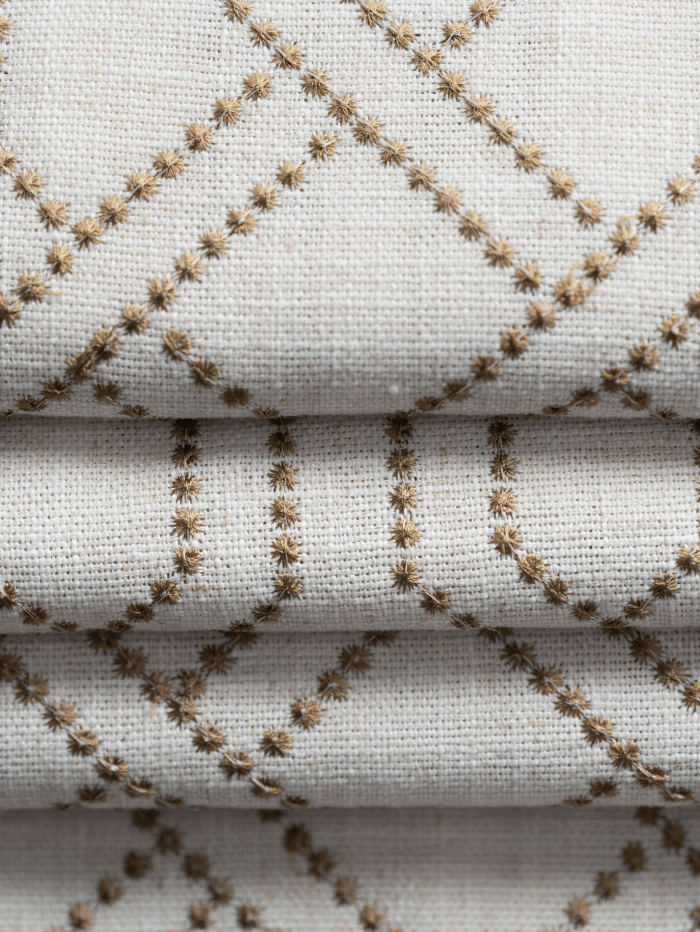
- One Pattern: A geometric or organic print to add movement.
- One Texture: Something tactile like fur, velvet, or boucle.
If you are afraid of color, texture is your best friend. A statement piece like the Arctic Fox Faux Fur Pillow adds massive visual weight and luxury without clashing with your existing neutral palette.

2. Size Matters (And the Insider Secret)
The number one mistake homeowners make? Buying pillows that are too small. An 18-inch pillow on a large sectional looks like a postage stamp.
- Standard Sofas: Use 20x20 or 22x22 inch squares in the corners.
- The "Size Up" Hack: This is the secret designers use. If your pillow cover is 20 inches, buy a 22-inch insert. This overstuffing ensures the pillow looks plump, expensive, and fills out the corners perfectly. No more sad, floppy pillows.
3. Arrangement: The 2-2-1 Method
Stop throwing them randomly on the couch. Use the 2-2-1 method for a foolproof layout:
Place two large squares in the corners (anchors), two slightly smaller squares inside those, and one lumbar pillow in the center to tie it all together.

Odd Numbers vs. Even Numbers
Modern design favors odd numbers (groups of 3 or 5). It feels relaxed and unpretentious. Even numbers create symmetry, which feels more formal and traditional. Know the vibe you are aiming for before you arrange.

4. Texture and Layering
If your sofa is leather, you need soft fabrics to soften the look. If your sofa is velvet, you need linen or cotton to provide relief. Contrast is key.
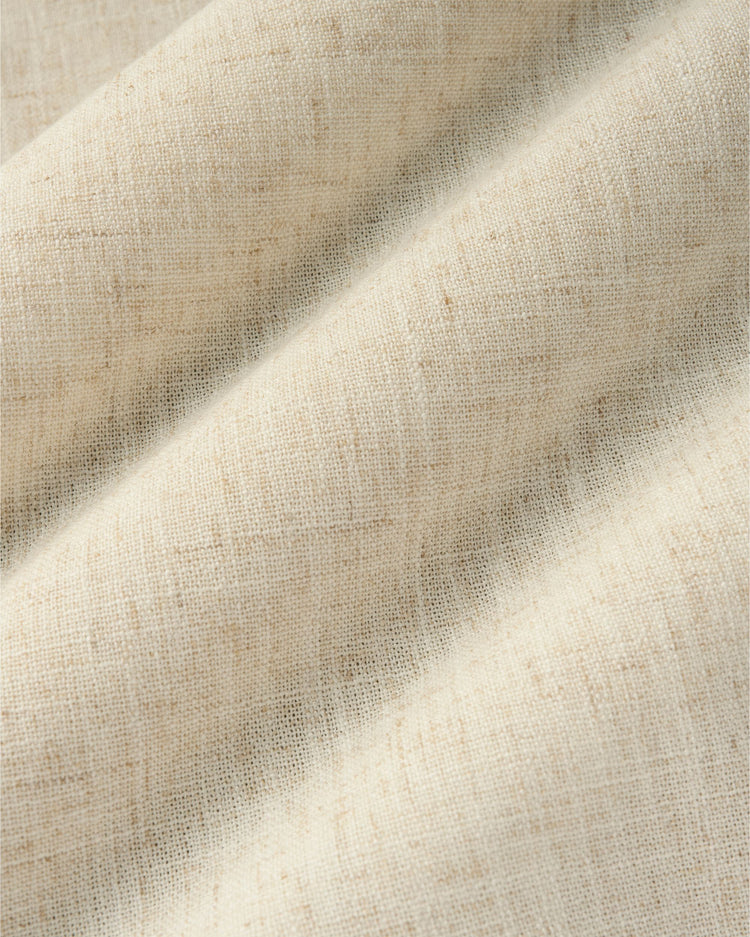
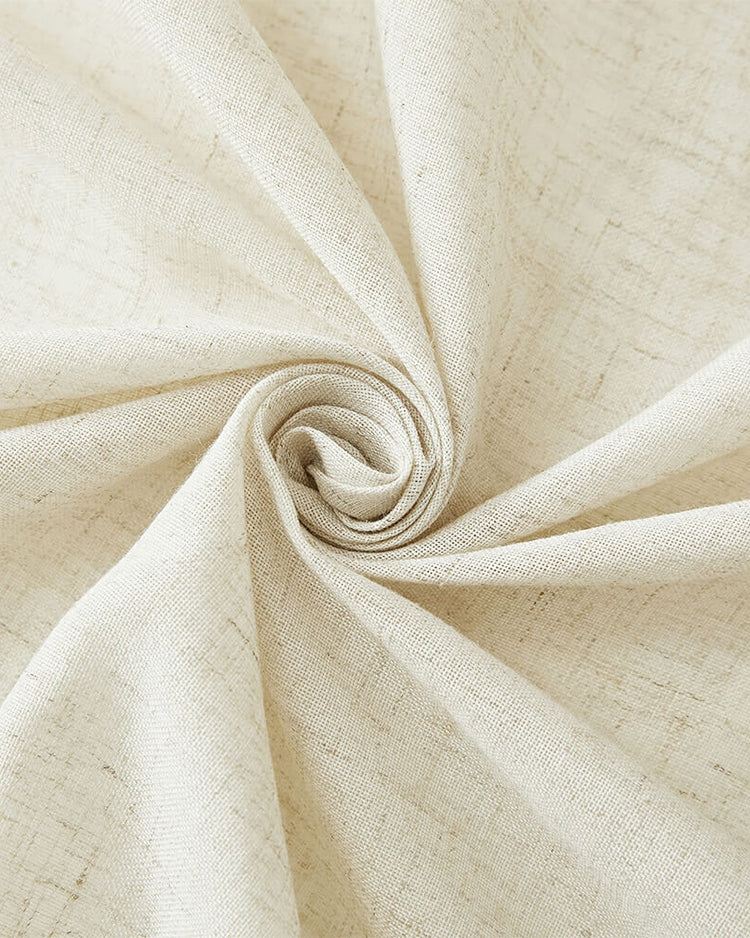
Try pairing a smooth velvet pillow with a rougher weave like faux linen. This tactile difference makes the room feel "finished."

 100% Blackout
 Better sleep
 Noise Reducing
 Energy Saving
5. The "Karate Chop" Test (Inserts)
The cover is just the skin; the insert is the muscle. You have two main choices, and they drastically change the look of your room.
- Polyfill (The Budget Option): These are cheap and hold a stiff shape, but they bounce back immediately. They cannot be "chopped" and often look generic.
- Down & Feather (The Luxe Option): These offer that sink-in comfort and can be styled with the famous "V-chop" on top. They require occasional fluffing.
- The Best of Both Worlds: If you have allergies or ethical concerns about feathers, look for premium down-alternative (microfiber). They mimic the weight and "chop-ability" of down without the allergens or the high price tag.