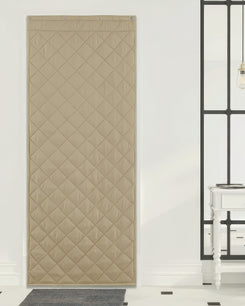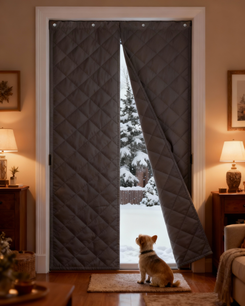


Stop adjusting your thermostat. If certain rooms in your home feel significantly colder in winter or suffocatingly hot in summer, your HVAC system isn't the problem—your doors are. External doors are massive sources of energy loss, acting as weak points in your home's insulation envelope. The result is a drafty environment and sky-high utility bills.
That’s where thermal door curtains come in. Unlike standard window treatments, these are engineered with heavy-duty, insulated fabrics designed to create a seal against the elements. They turn a drafty entryway into a climate-controlled zone. Here is everything you need to know about upgrading your home with thermal door curtains.

Why You Need Thermal Door Curtains
If you can feel cold air creeping across the floorboards near your entryway, you are literally paying to heat the outdoors. Here is why an insulated door curtain is a functional necessity.
1. Stop Energy Loss Immediately
Let’s look at the numbers. The Department of Energy suggests that roughly 25% to 30% of residential heating and cooling energy use is due to heat loss through windows and doors. Thermal curtains act as a heavy insulating layer that traps air (convective heat loss) and blocks the transfer of temperatures (conduction). This barrier allows your HVAC system to rest, directly lowering your monthly energy costs.
2. Eliminate Cold Drafts and Hot Spots
It’s not just about money; it’s about comfort. Heat blocking curtains physically stop the movement of air. By installing them over drafty doors, you stabilize the room temperature, eliminating those annoying cold spots near the floor or the entryway.
3. Serious Soundproofing
Thick thermal fabrics serve a dual purpose: they are excellent sound absorbers. If you live near a busy street, a highway, or have noisy neighbors, TheHues Oxford door curtain can dampen outside noise by up to 15 decibels. This creates a quieter, more sanctuary-like atmosphere inside.
Designing Your Space: Function Meets Style

In the past, "thermal" meant bulky, ugly, and industrial. That is no longer the case. Modern thermal drapes allow you to insulate your home without sacrificing interior design.
Strategic Placement Ideas
Thermal curtains aren't just for the front door. They solve problems throughout the house:
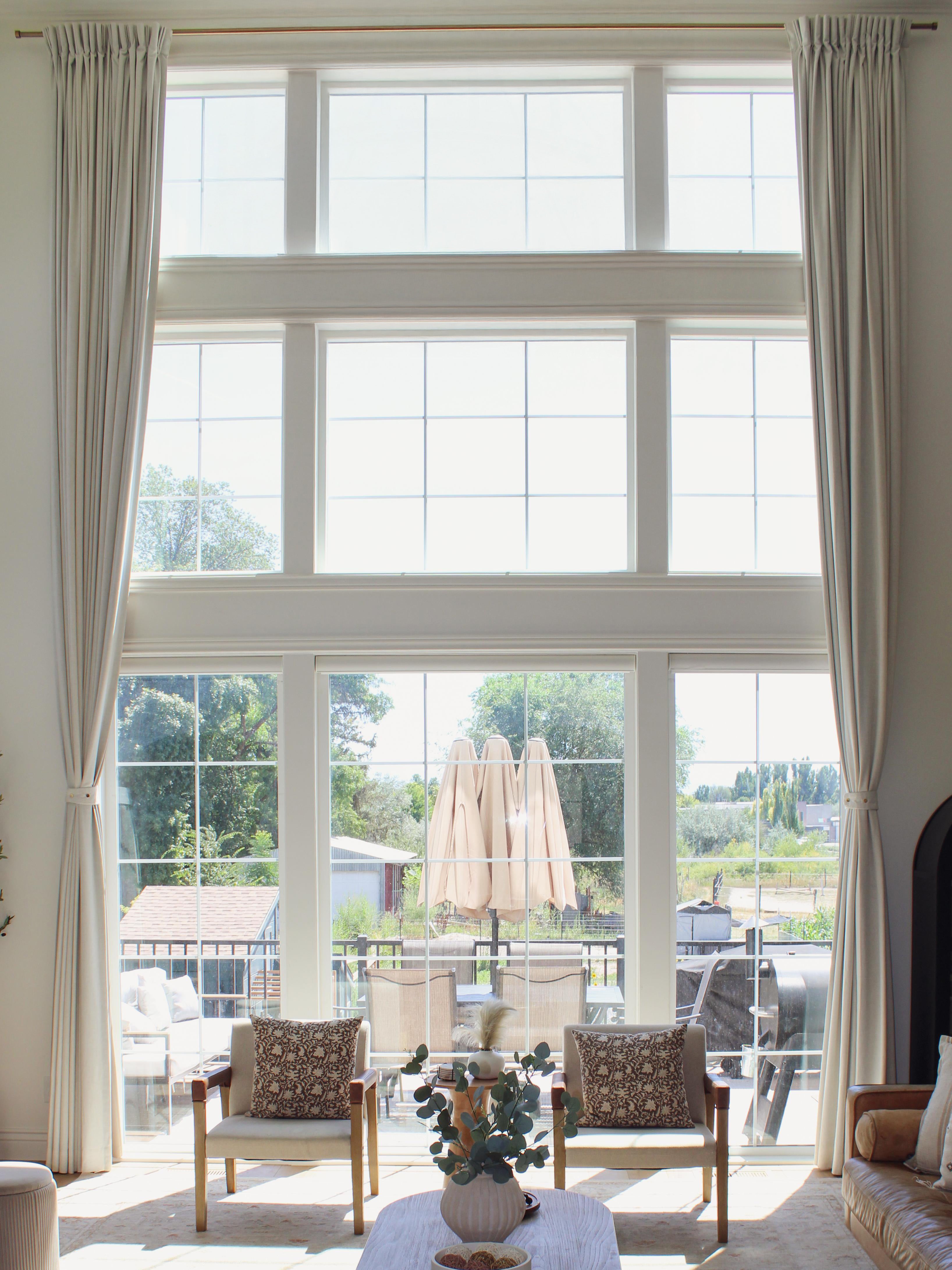
- The Entryway: A floor-to-ceiling curtain over the front door adds a dramatic, high-end look while stopping the primary source of drafts. Velvet or heavy textured fabrics work best here for a welcoming statement.
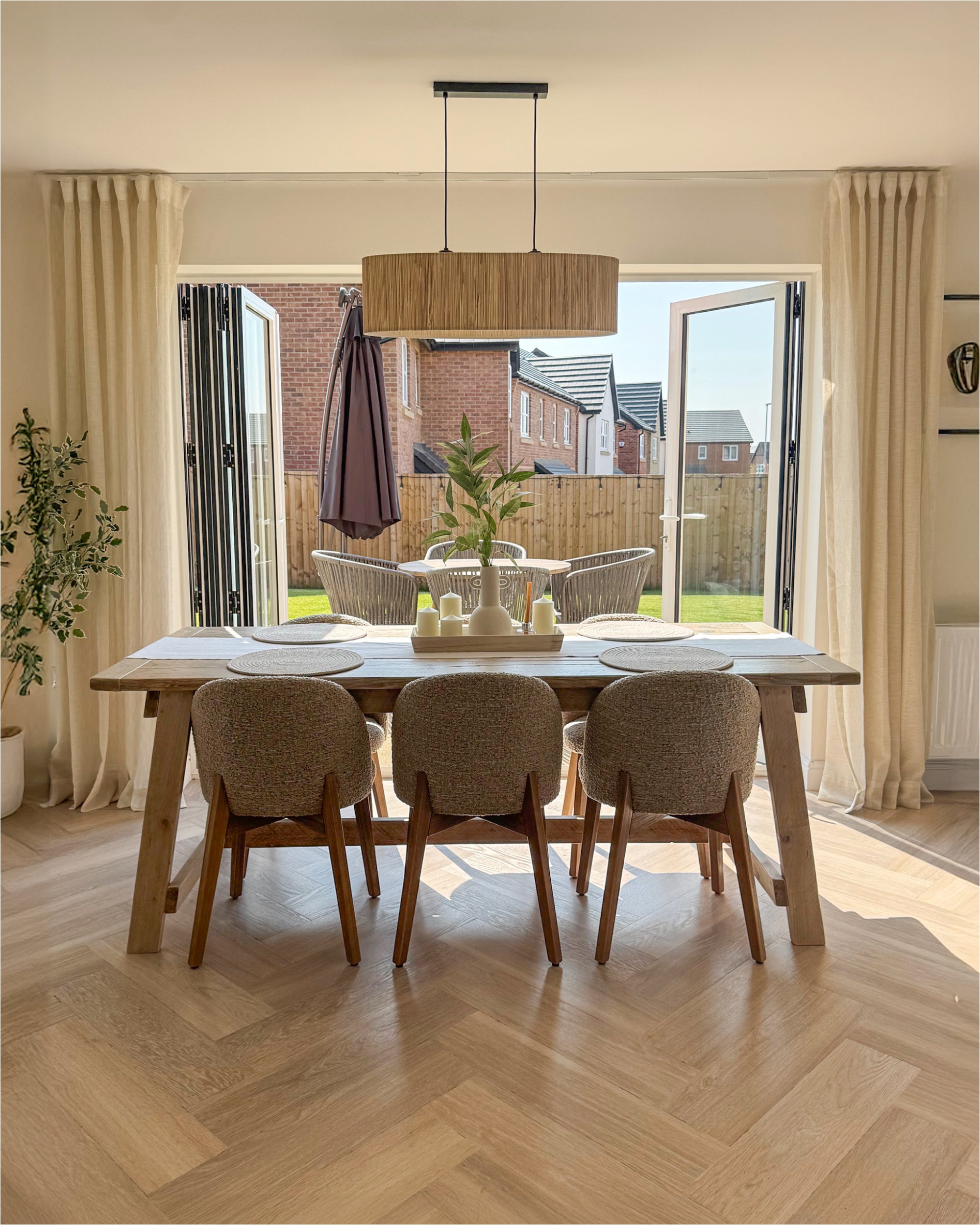
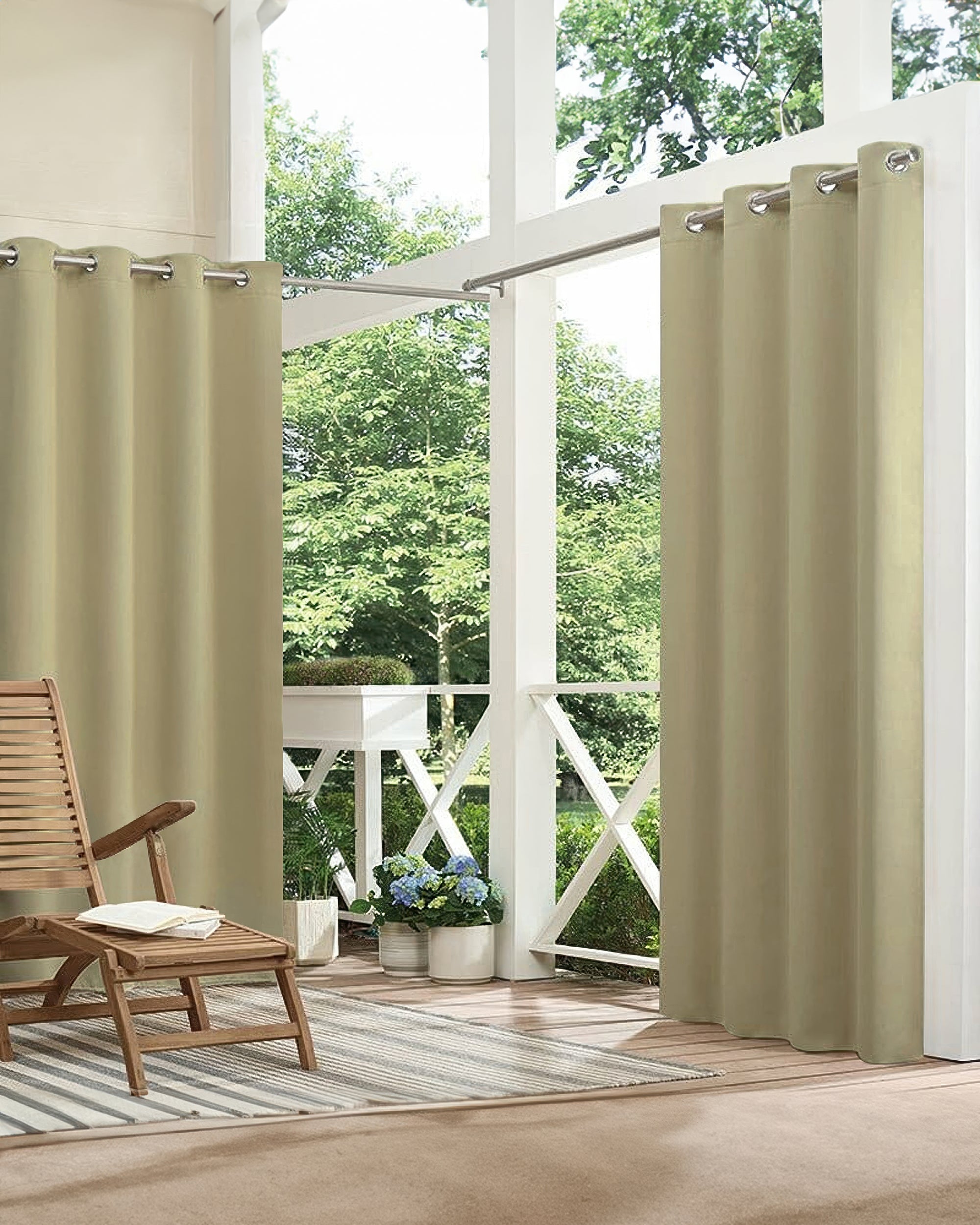
- Patio and Glass Doors: Large glass panes are terrible insulators. A thermal curtain here is essential for temperature regulation. Ensure you use a rod that allows the curtain to slide fully open to let in sunlight when you want it.
- Mudrooms and Kitchens: If your back door leads to a cold mudroom or kitchen, a thermal curtain acts as a flexible wall, keeping the cold out of your living space.
- Room Division: In open-concept apartments or lofts, thermal curtains act as soft room dividers that help zone your heating and cooling, so you aren't paying to heat empty space.
Fabric and Aesthetics
Material Matters
To be effective, the fabric must have weight and density:
- Heavy-duty Polyester: The industry standard for a reason. These blends are durable, affordable, and often feature a specialized thermal backing that maximizes insulation without being impossible to clean.
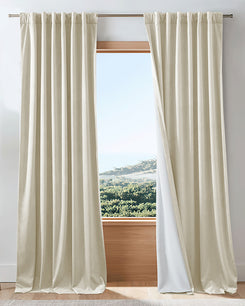
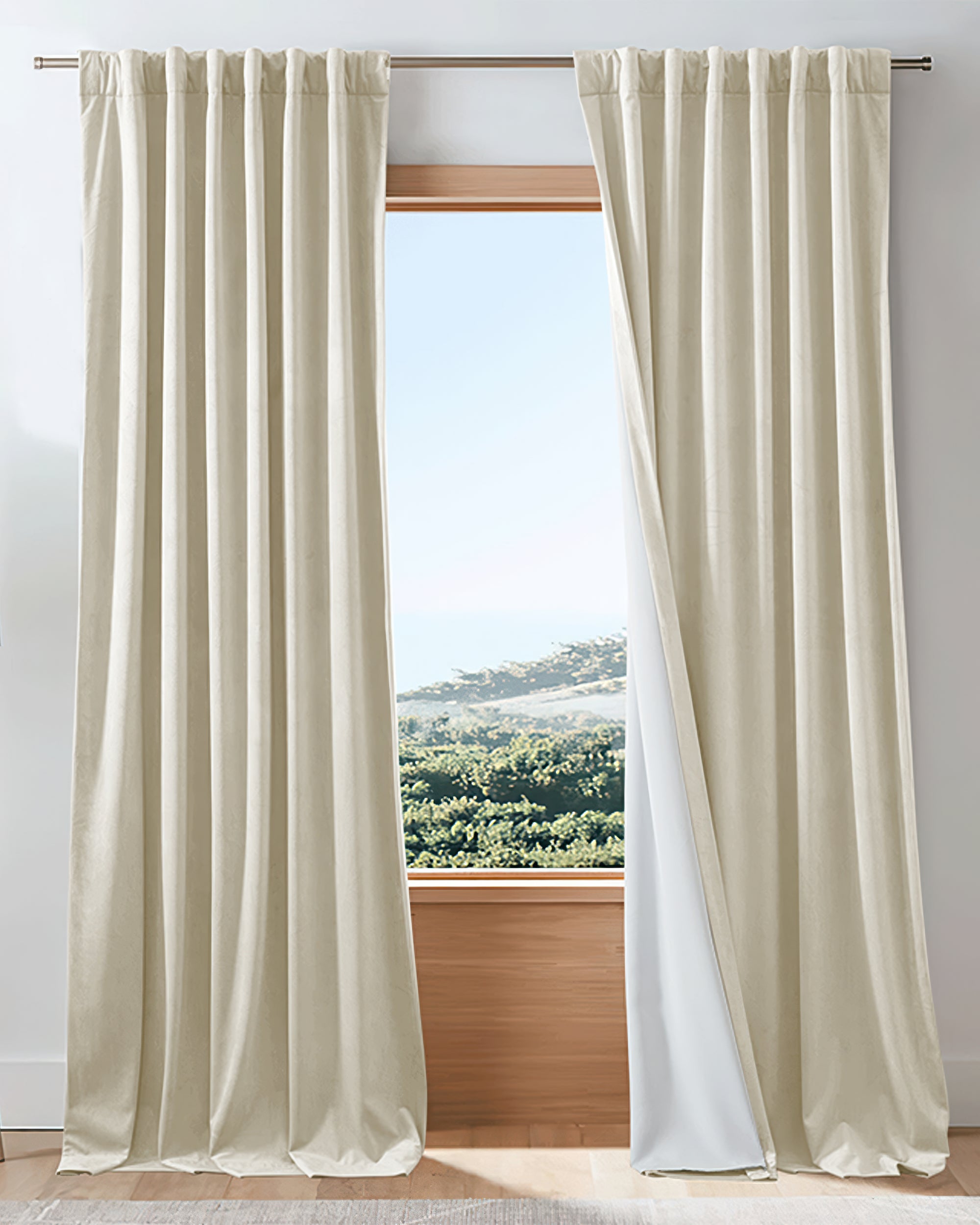
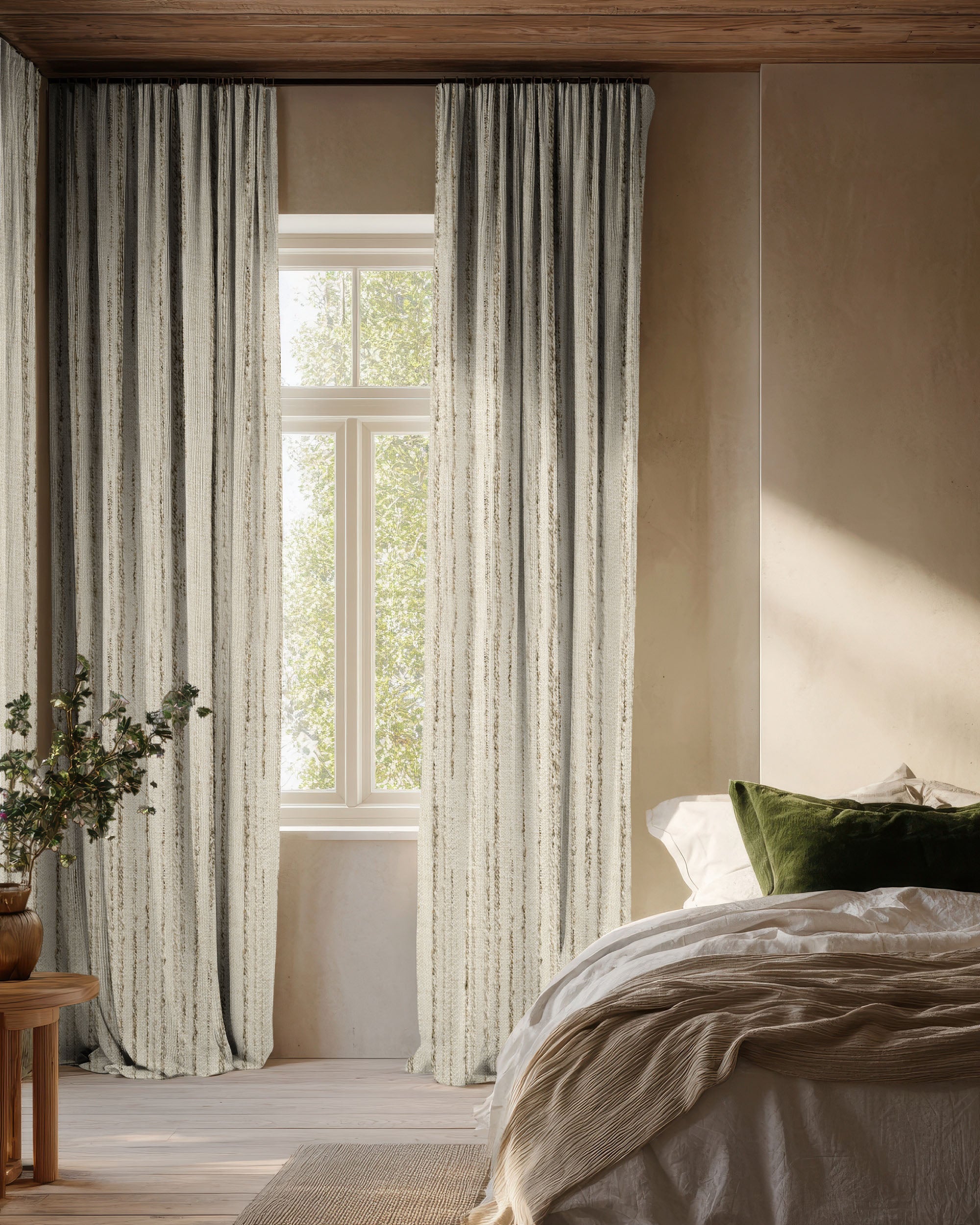
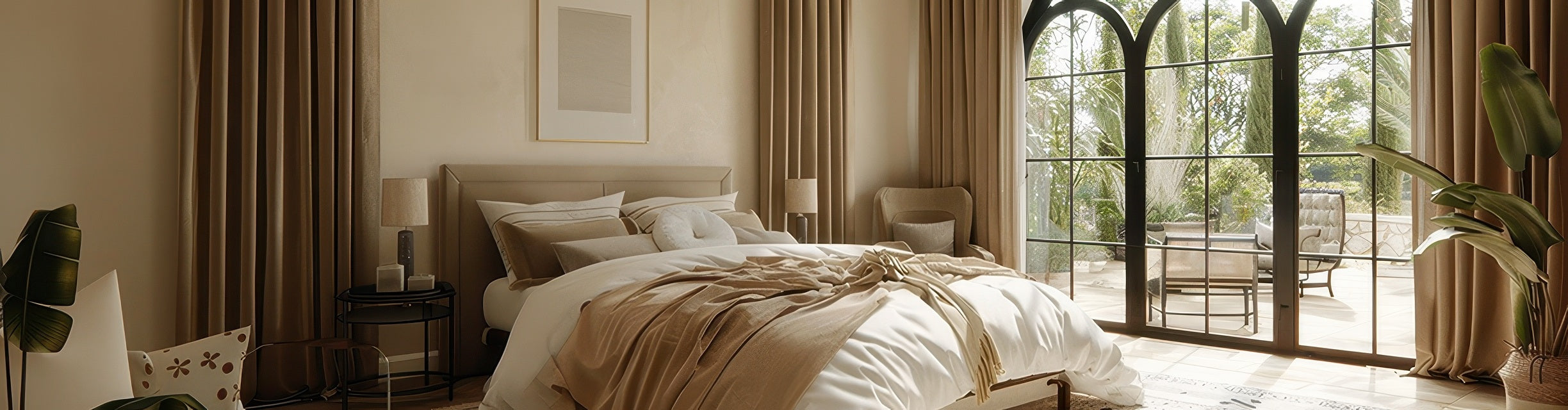
- Velvet: The premium choice. Velvet offers superior sound absorption and a luxurious look, making it perfect for formal living rooms or master suites.
- Linen Blends with Lining: If you prefer a natural look, you can choose linen-style fabrics, provided they are reinforced with a thick thermal lining to handle the insulation work.
Matching Your Style
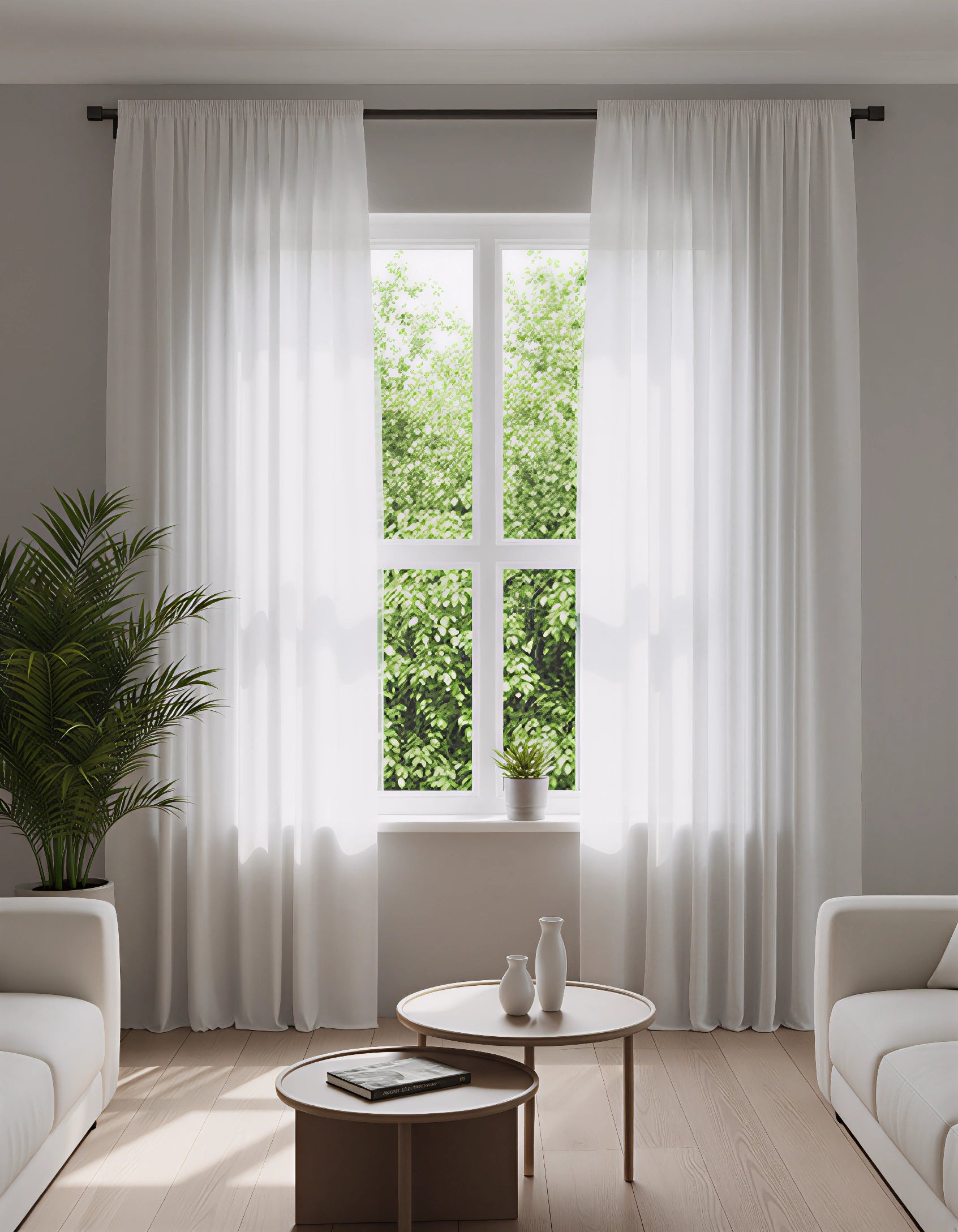
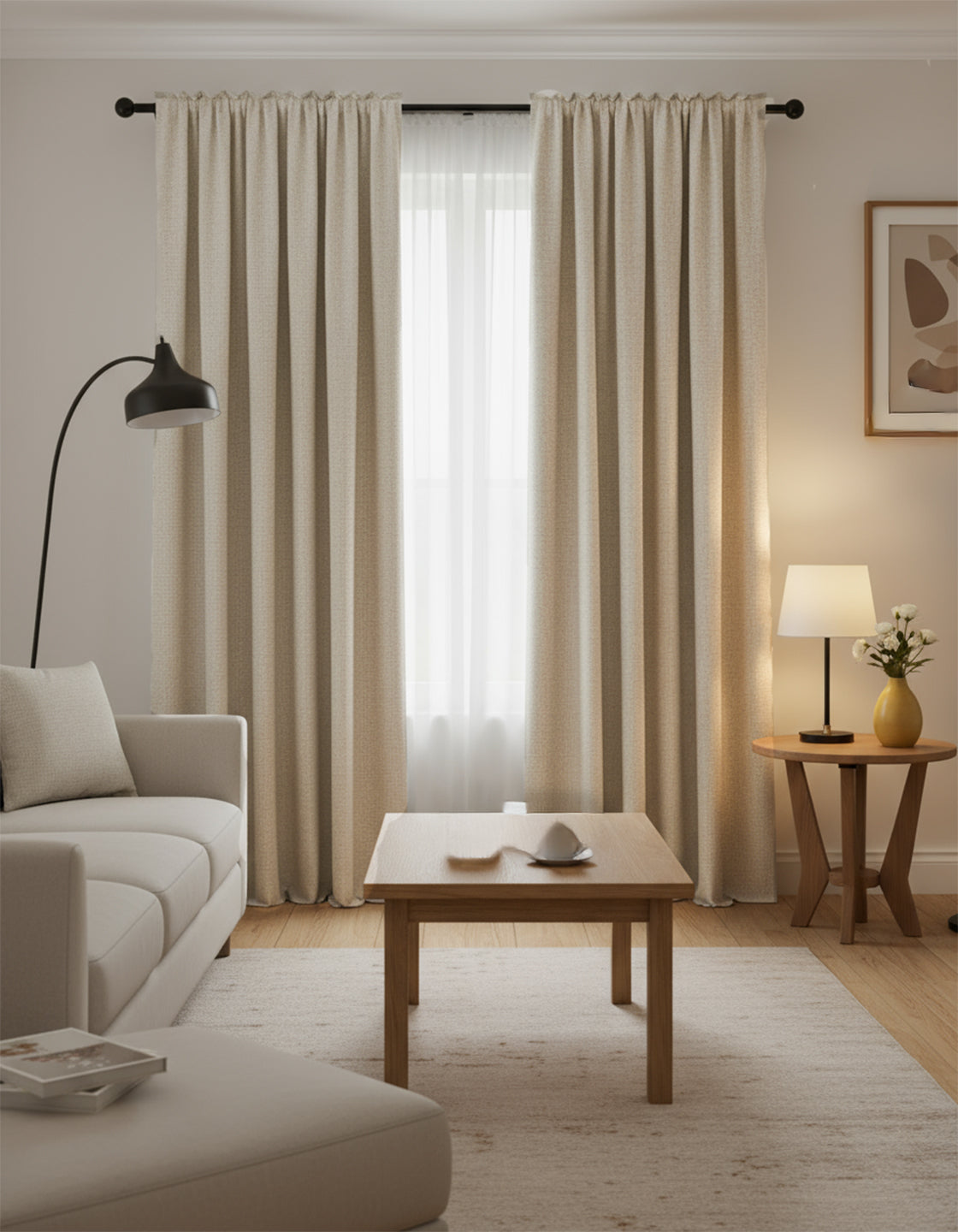
- Modern & Minimalist: Choose matte fabrics in neutrals like slate gray, taupe, or clean white to blend with the walls.
- Traditional: Opt for rich, deep tones like navy blue, emerald, or burgundy in velvet or jacquard weaves.
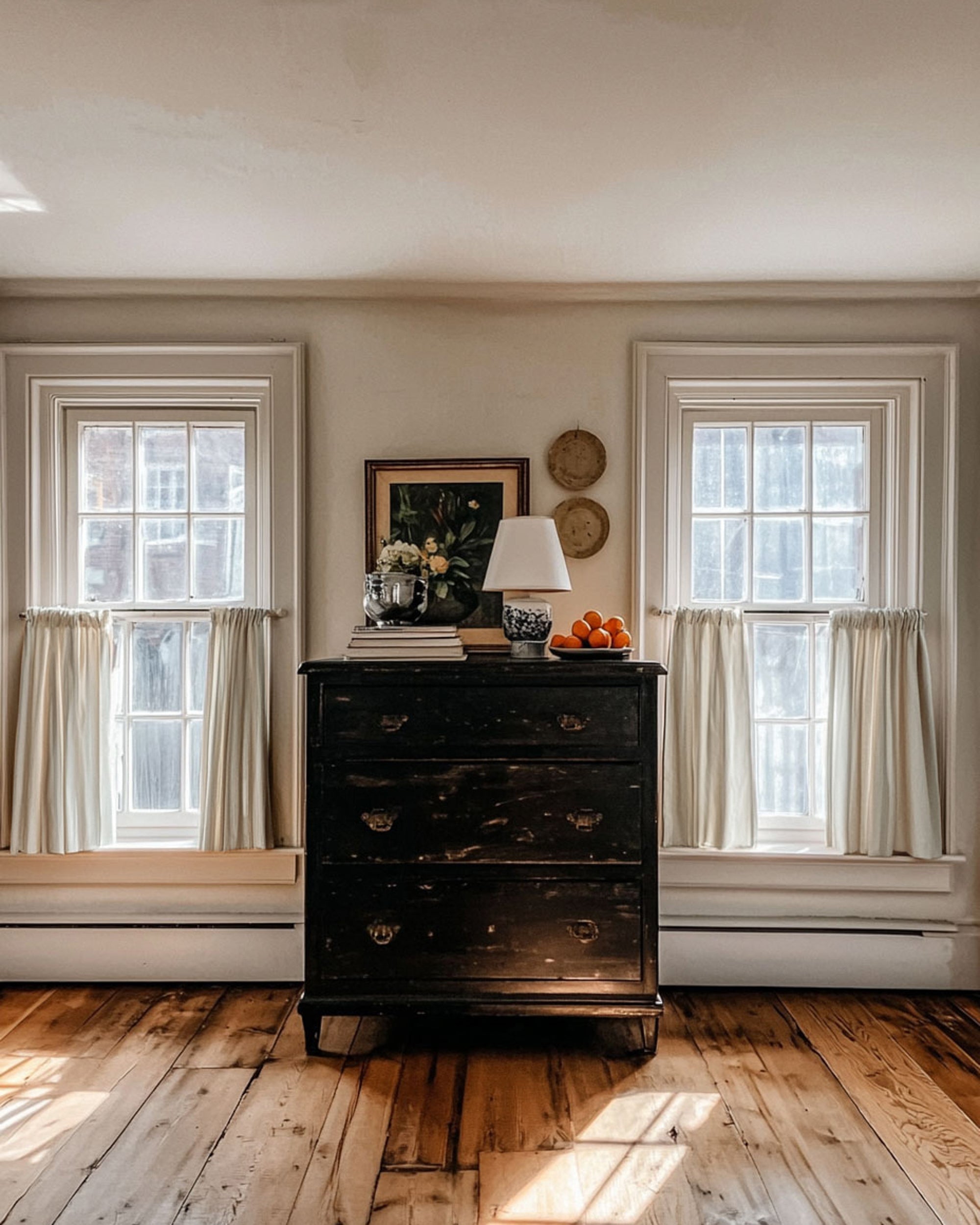
- Farmhouse: Earthy tones, textured weaves, and beige or rust colors complement rustic wood elements perfectly.

Why "Custom" is Critical for Thermal Performance
Here is the most important rule of insulation: Gaps equal leaks.
If you buy a standard "one-size-fits-all" curtain from a big-box store, it will likely be too narrow or too short for your specific door frame. If air can flow around the sides or bottom of the curtain, the thermal benefit is lost.
This is why custom thermal door curtains are an investment that pays for itself:
- Total Coverage: Custom curtains from TheHues are made to your exact measurements. This ensures the fabric extends beyond the door frame on all sides, creating a true thermal seal.
- Floor-to-Ceiling Fit: Standard curtains often hover above the floor, letting cold air rush in. Custom sizing allows for a "puddle" effect or a floor-grazing fit that blocks bottom drafts completely.
- Design Freedom: You aren't limited to what's on the shelf. You choose the header style, the color, and the width to match your home perfectly.
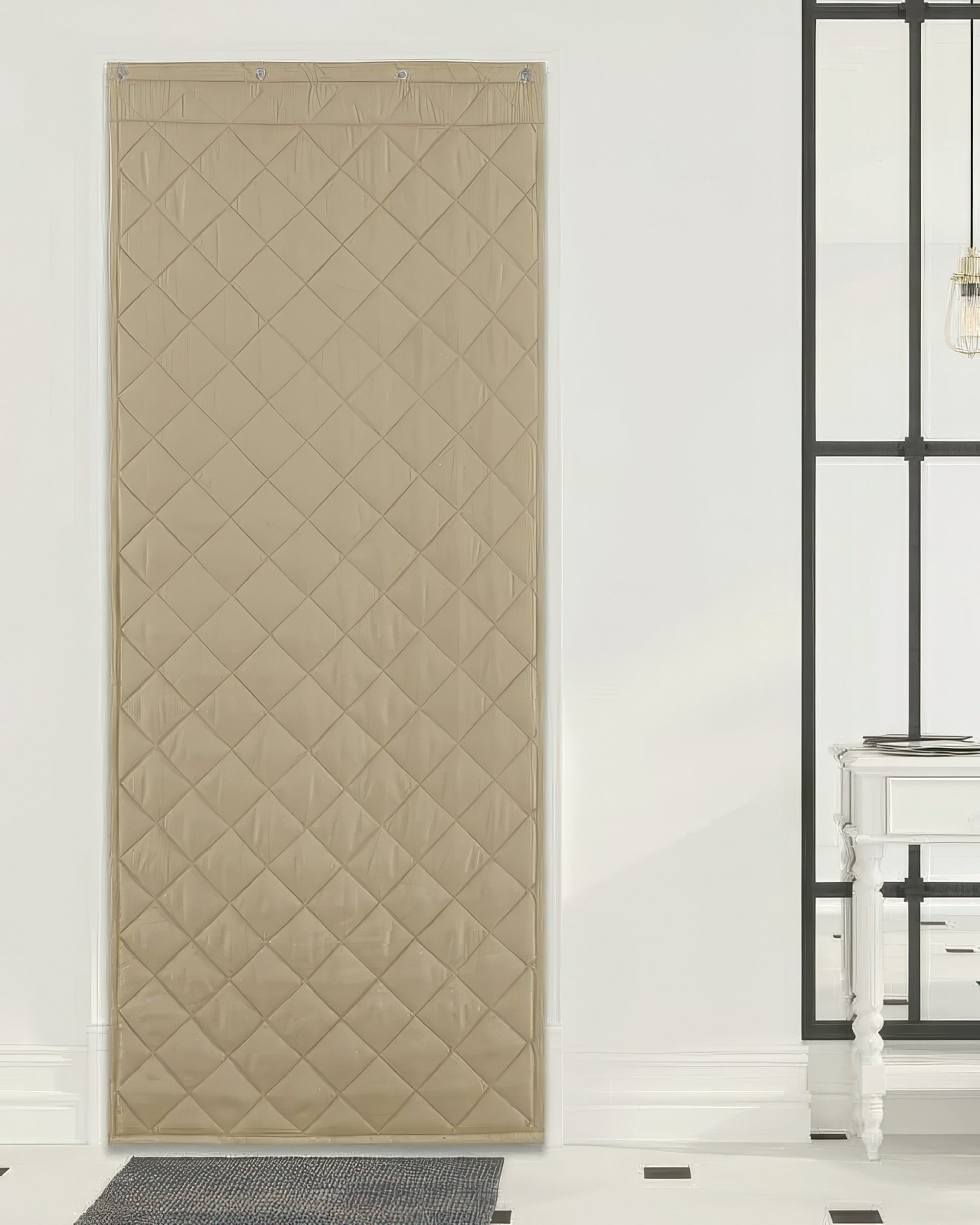
Expert Installation for Maximum Efficiency
Even the thickest fabric will fail if installed incorrectly. To maximize your energy savings, follow these mounting principles:
1. High and Wide
Don't mount the curtain rod inside the door frame if you can avoid it.
Go High: Install the rod 4 to 6 inches above the door frame.
Go Wide: Extend the rod 3 to 6 inches beyond the frame on both sides.
This overlaps the wall, trapping the layer of air between the door and the curtain, which acts as an insulator.
2. The Right Hardware
Thermal fabrics are heavy. Ensure your rod or track system is rated for the weight of the drapery. If you are using a rod, a center support bracket is often necessary to prevent sagging. For a modern, seamless look, consider ceiling-mounted tracks, especially for sliding glass doors.
Ready to stop the drafts? Don't settle for standard sizes that leave gaps. Explore custom thermal options to seal your home and lower your bills effectively.