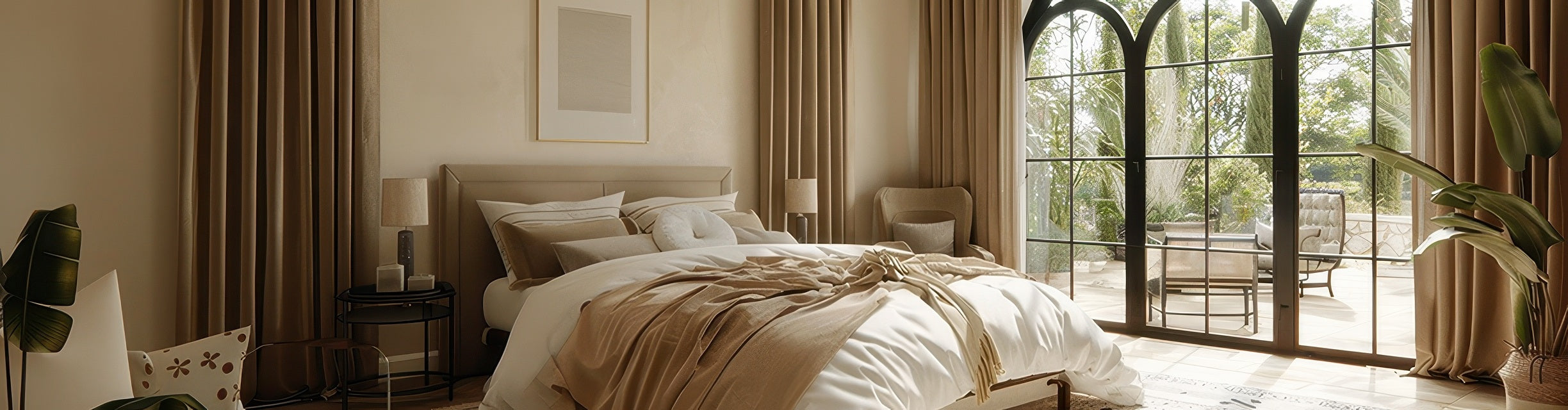
What to Look for When Choosing Sustainable Curtains


In this article 5 sections
The Truth About Sustainable Curtains: Material, Efficiency, and Longevity
When we talk about an eco-friendly home, we often look at furniture and paint, but window treatments are frequently overlooked. The reality is that curtains sit in a gray area of sustainability. While they are essential for privacy and light control, the textile industry is historically one of the largest polluters.
However, the narrative is changing. Sustainable window treatments aren't just about using "organic" fabric; they are about energy efficiency, non-toxic production, and longevity. If you want to reduce your carbon footprint without sacrificing style or function, here is how to navigate the world of eco-friendly window dressings.
Why Your Curtain Choice Matters
Standard mass-produced curtains are often treated with formaldehyde to prevent wrinkling or dyed with azo dyes that can release volatile organic compounds (VOCs) into your home. Beyond the chemical concerns, cheap "fast fashion" curtains degrade quickly in sunlight, leading to more textile waste in landfills.
Switching to sustainable options benefits you in three ways:
- Health: Reducing exposure to airborne toxins (crucial for nurseries and bedrooms).
- Energy Efficiency: High-quality soundproof and thermal curtains insulate your windows, significantly lowering your heating and cooling bills.
- Longevity: Better materials last longer, reducing the need for replacement.

Top Materials for Eco-Conscious Homes
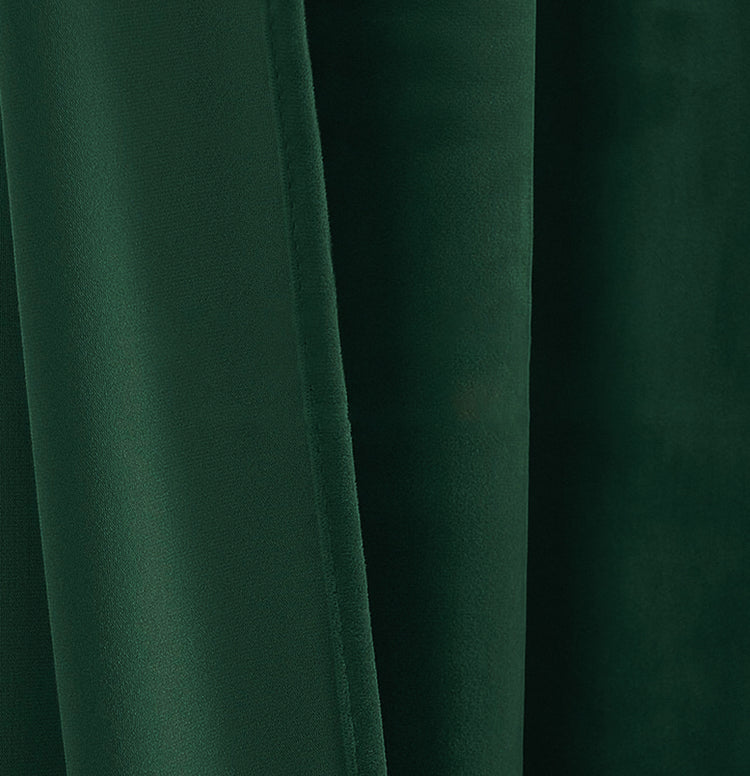
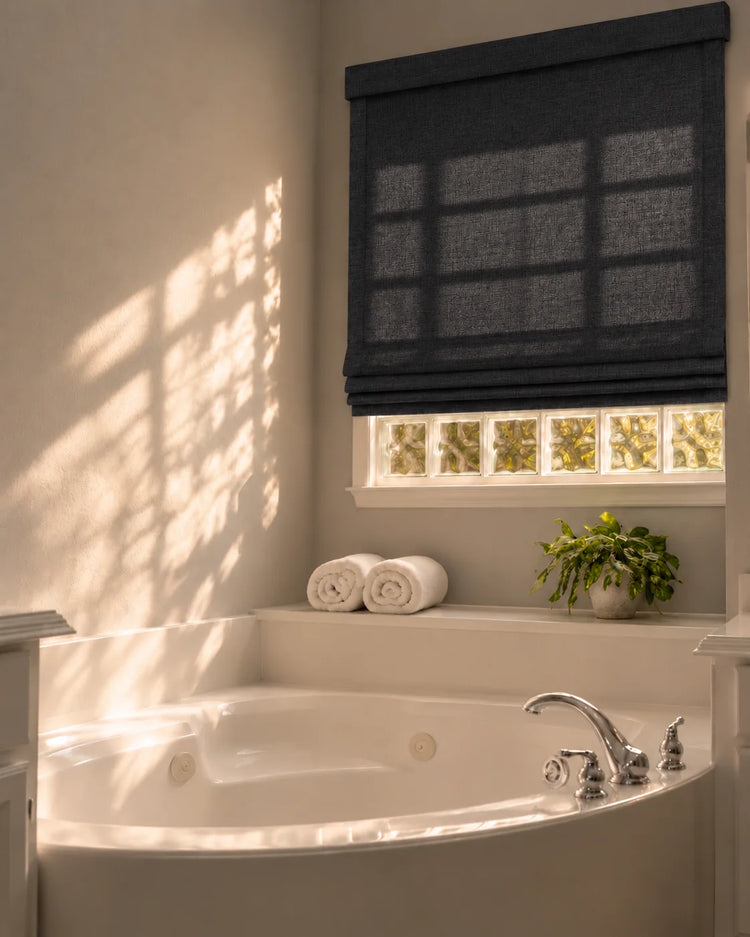
There is no single "perfect" fabric, but there are superior choices depending on your needs. If you need light filtration, natural fibers are excellent. If you need total blackout and insulation, recycled synthetics are often the standard.
1. Linen (The Natural Aesthetic)
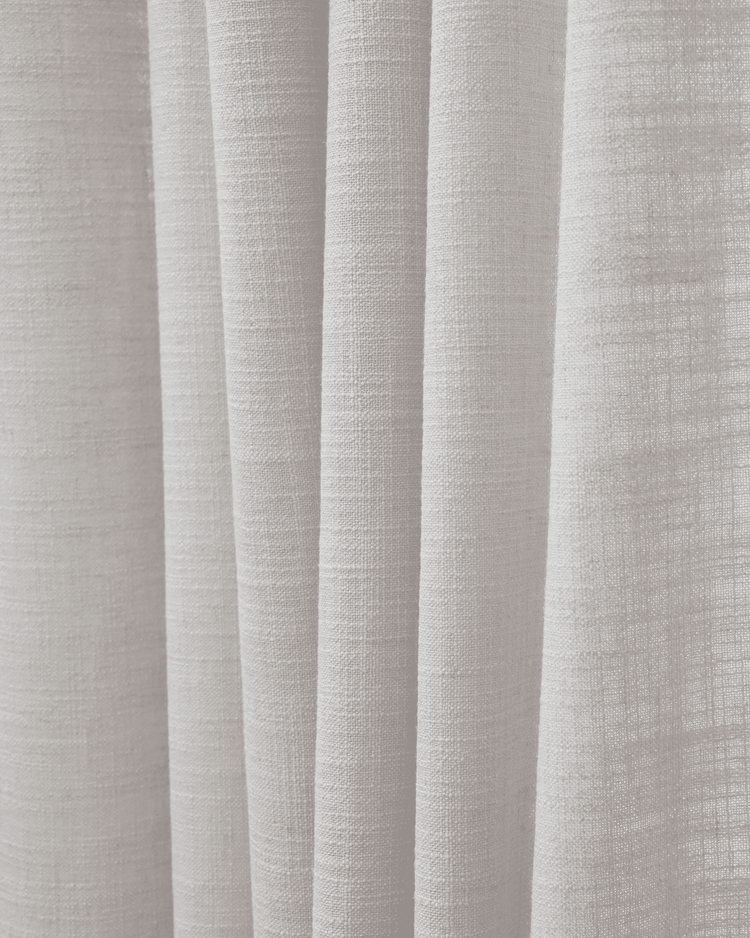
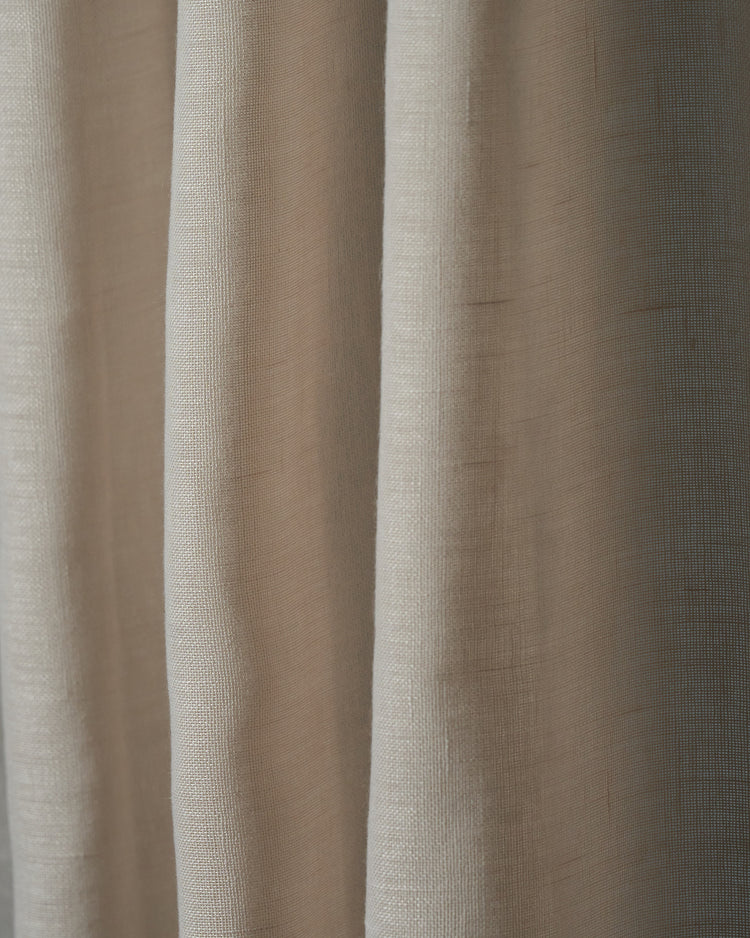
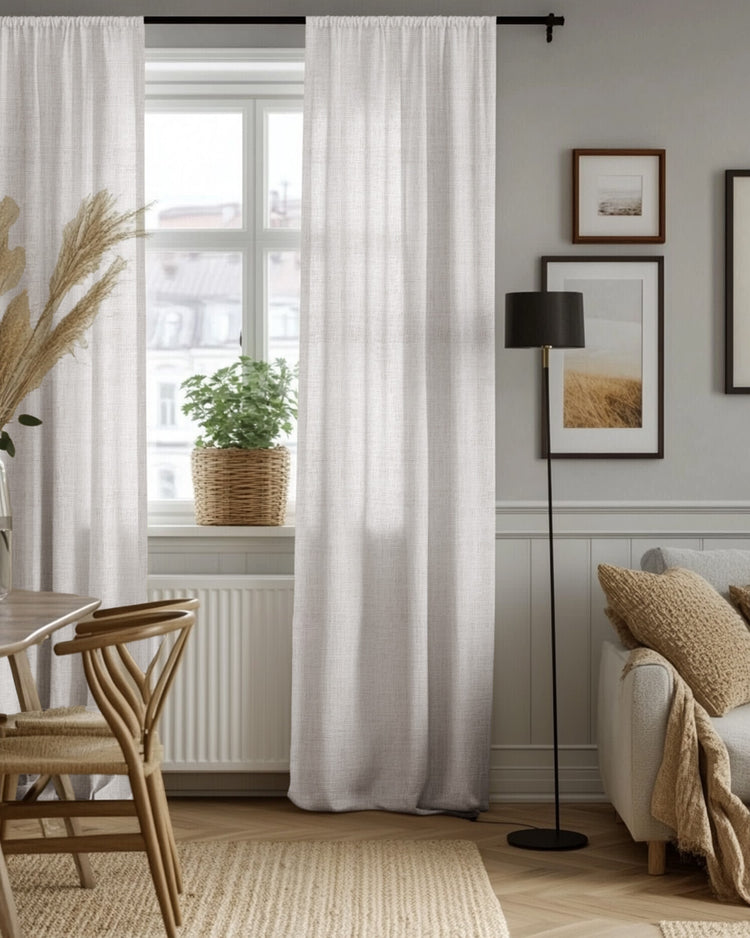
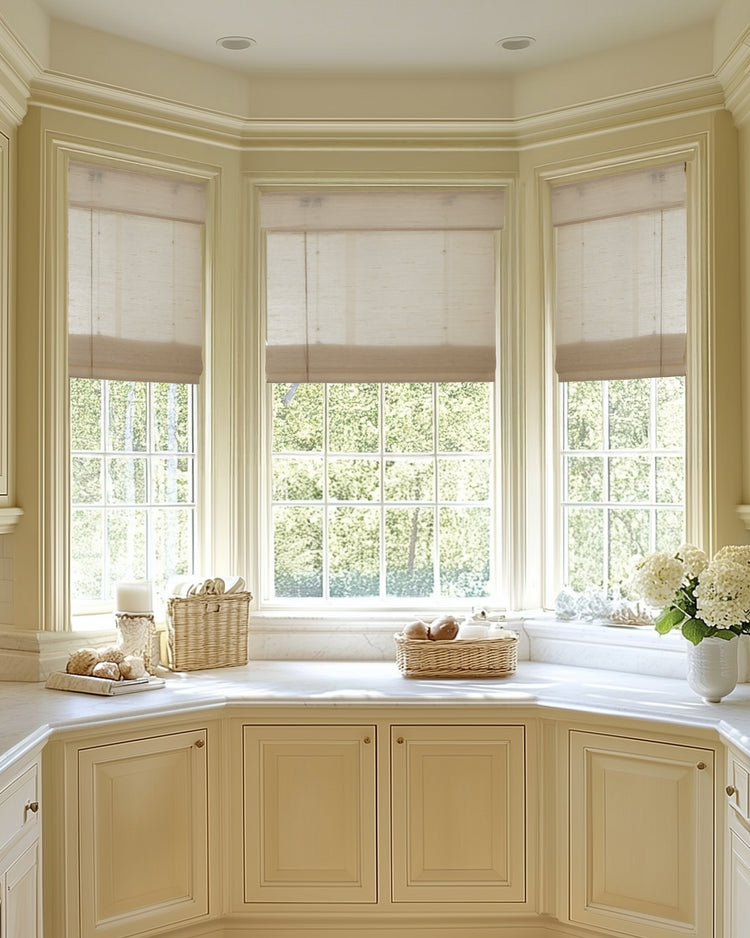
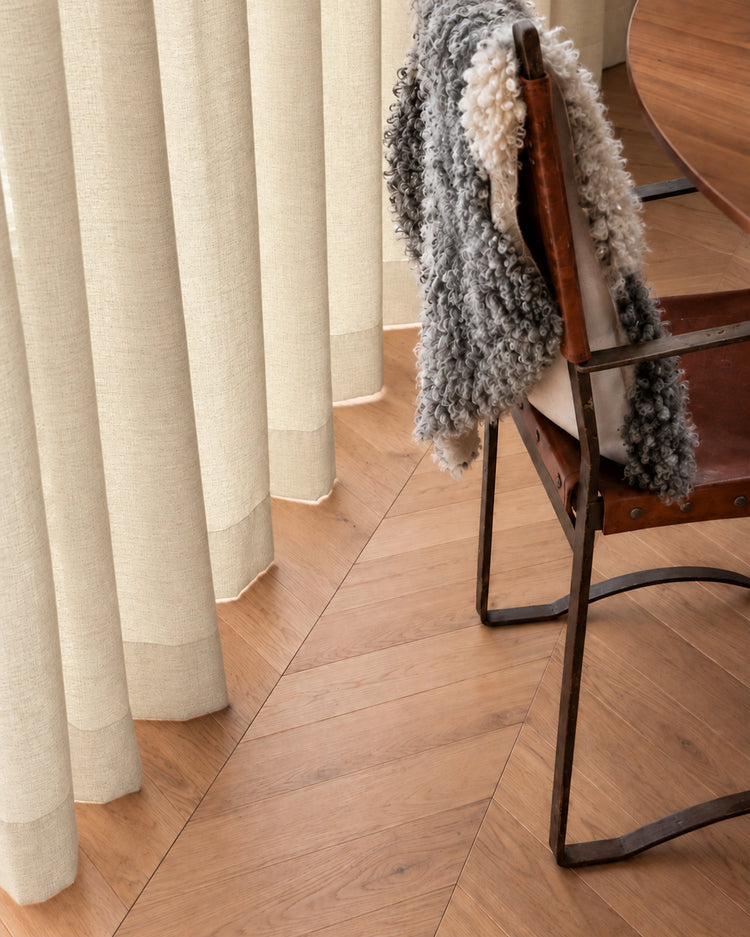
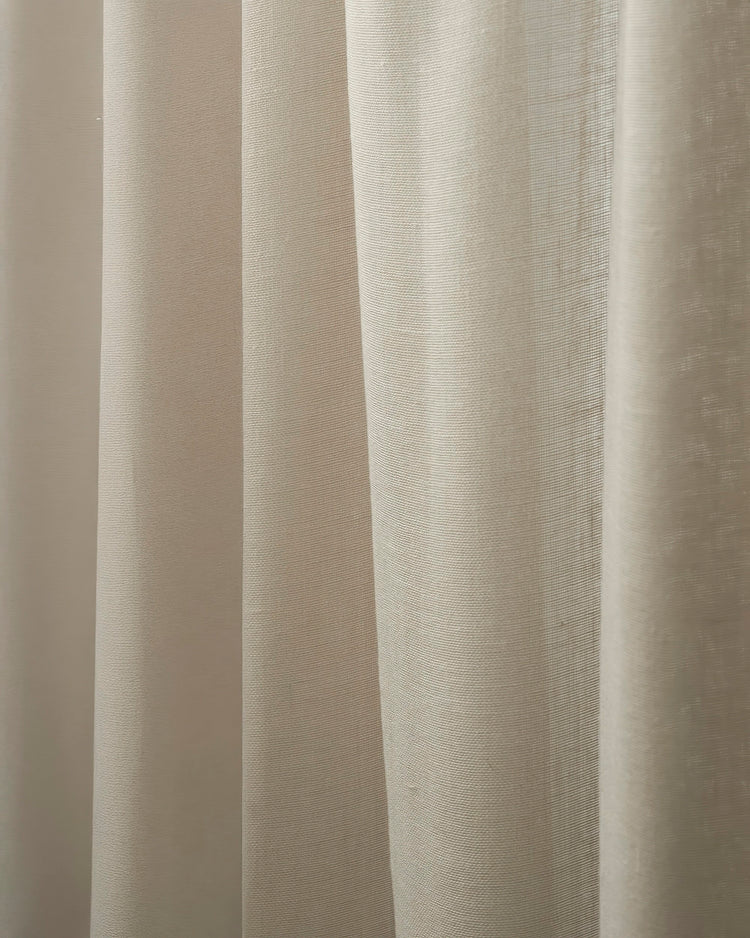
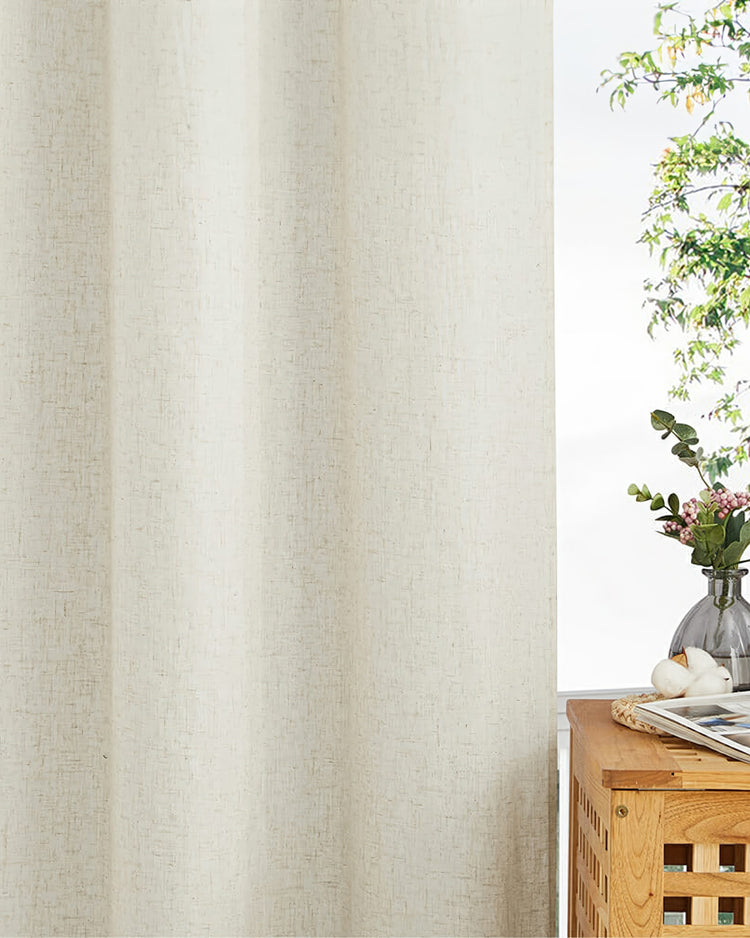
Linen, made from the flax plant, is biodegradable and requires significantly less water and pesticides to grow than conventional cotton. It offers a breezy, sophisticated look that elevates any room. Linen curtains are naturally antimicrobial and durable, though they offer less soundproofing than heavier fabrics.
2. Industrial Hemp
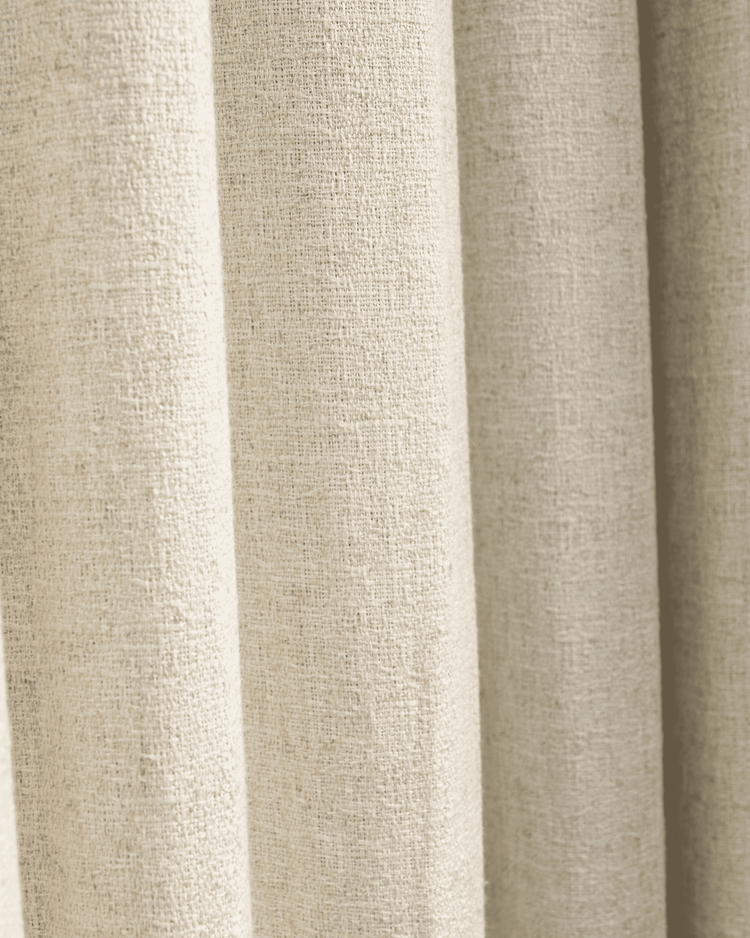
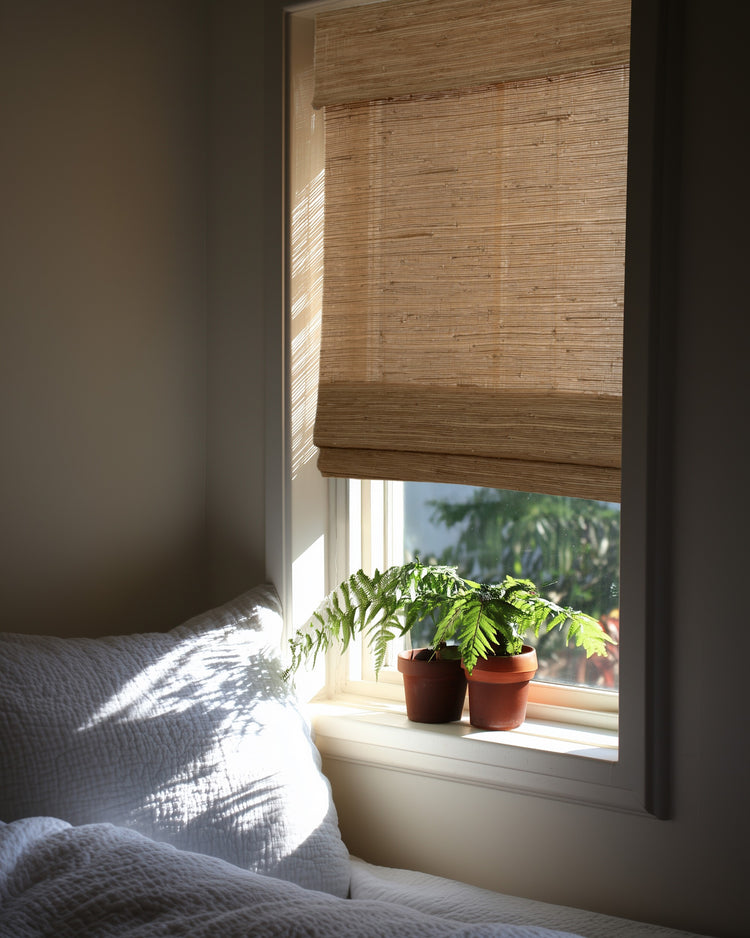
Hemp is a powerhouse crop that regenerates soil and grows rapidly without toxic pesticides. As a textile, it is incredibly robust. Hemp curtains have a similar texture to linen but are often heavier and more resistant to UV fading.

 100% Blackout
 Better sleep
 Noise Reducing
 Energy Saving
3. Organic Cotton
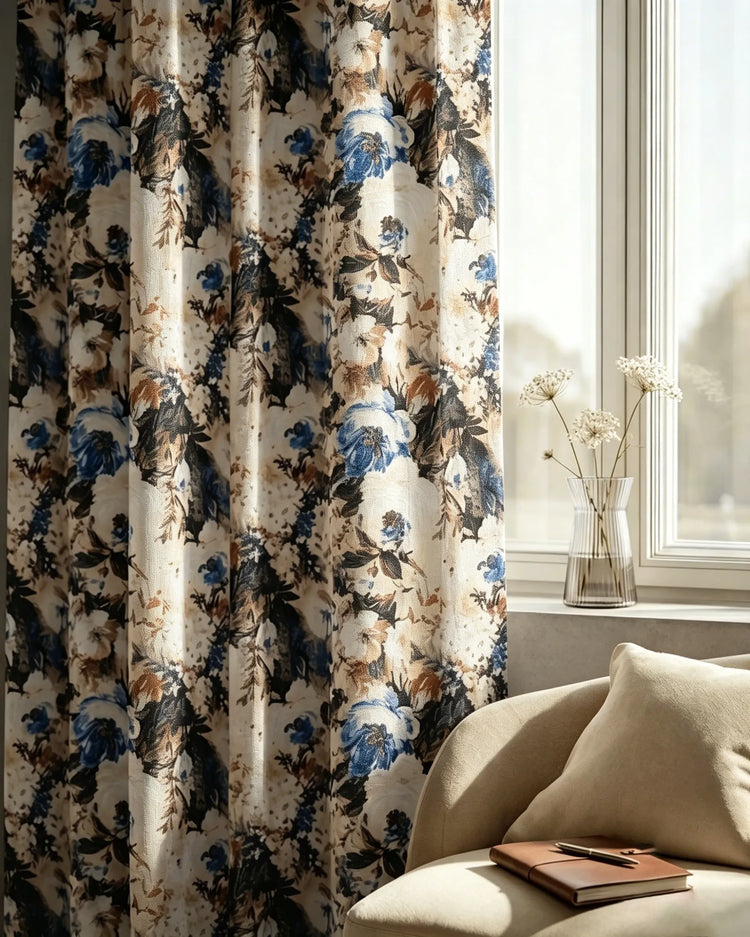
Conventional cotton is one of the most chemically intensive crops in the world. Organic cotton, however, forbids the use of GMOs and toxic synthetic pesticides. It is a safer choice for your home’s air quality. If you are looking for cotton curtains, look for the GOTS (Global Organic Textile Standard) certification to ensure it is truly organic.
4. Recycled Polyester (rPET)
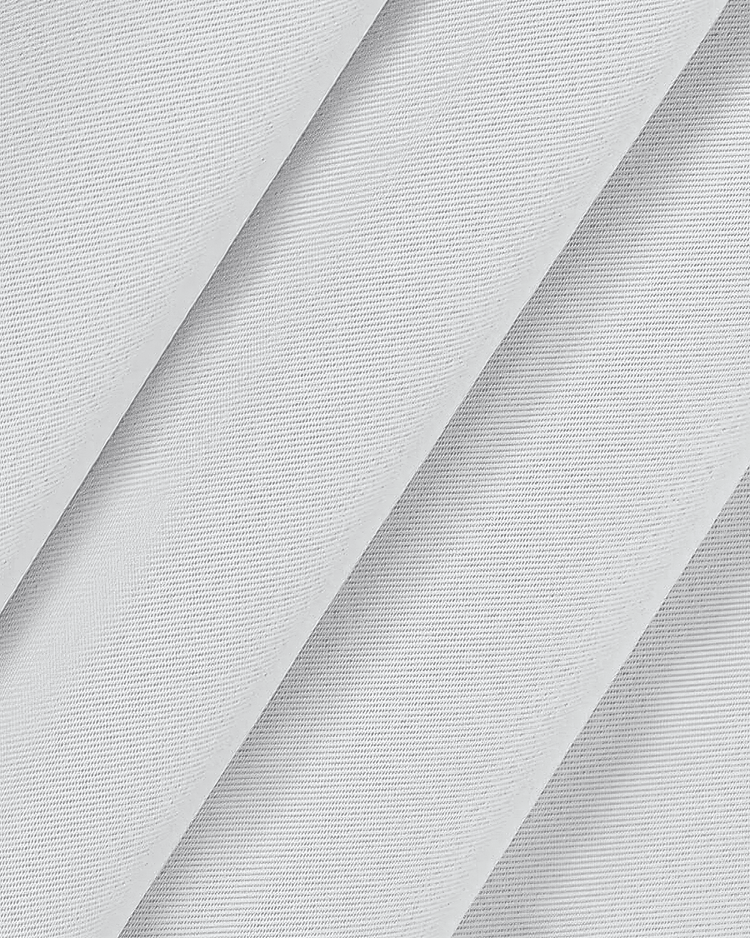
This is the sweet spot for performance curtains. While natural fibers are great for aesthetics, they often lack the density required for soundproofing and thermal insulation. Recycled polyester gives a second life to plastic bottles and prevents them from entering the ocean. These curtains are durable, easy to clean, and provide the mass needed to block noise and regulate indoor temperature effectively.
The "Hidden" Sustainability: Energy Efficiency
Sustainability isn't just about what the product is made of; it’s about how it performs. Windows are the biggest source of energy loss in a home.
A high-quality, 3-layer thermal insulated curtain acts as a barrier. By keeping heat out in the summer and warmth in during the winter, you reduce the load on your HVAC system. Using less electricity to heat and cool your home is one of the most impactful ways to fight climate change.
How to Shop Smarter: A Checklist
Don't just look at the color; look at the label. Here is what to check before you buy:
Look for Certifications
In the US market, the gold standard is OEKO-TEX Standard 100. This certification ensures that every thread, button, and dye used in the curtain has been tested for harmful substances. It guarantees the product is safe for human health.
Check the Lining
If you are buying cotton or linen curtains for a bedroom, ensure they have a high-quality lining. Unlined natural fabrics will degrade quickly under direct UV exposure. A proper lining extends the life of the curtain, which is the definition of sustainability.
Have a Disposal Plan
Before you upgrade, consider the lifecycle of your old curtains. Don't throw them in the trash. Many animal shelters accept old clean curtains for bedding, or you can use textile recycling bins (often found at local farmers' markets or designated drop-off points). True sustainability is a closed loop.