Beyond Heat: Why Thermal Curtains Are the Best Renter Hack for Noisy Neighbors


In this article 12 sections
- Do Thermal Curtains Really Help With Noise?
- Why Thermal Curtains Can Reduce Noise
- Thermal Curtains vs. Soundproof Curtains
- What to Look for in Noise-Reducing Thermal Curtains
- Simple At-Home Tests Before You Buy
- How to Install Thermal Curtains for Better Noise Reduction
- What Thermal Curtains Can and Cannot Block
- How to Handle Low-Frequency Noise
- Best Rooms for Noise-Reducing Thermal Curtains
- Renter-Friendly Noise Reduction Tips
- FAQ
- Final Takeaway
Thermal curtains are best known for helping rooms feel warmer in winter and cooler in summer. But if you live near traffic, neighbors, construction, or a busy street, you may be wondering something else: do thermal curtains reduce noise?
The honest answer is yes, they can help soften outside noise, but they will not make a room completely soundproof. Heavy thermal curtains work best as a practical sound-dampening layer. They can reduce echo, muffle sharper outdoor sounds, and make a bedroom, apartment, nursery, or home office feel calmer.
If replacing windows or adding built-in soundproofing is not an option, thermal curtains are one of the easiest renter-friendly ways to improve comfort without making structural changes.

Do Thermal Curtains Really Help With Noise?
Thermal curtains can help reduce noise because they are usually heavier, thicker, and more tightly constructed than standard decorative curtains. The same qualities that help them insulate against heat and cold can also help soften sound.
However, it is important to set realistic expectations. Thermal curtains are not the same as professional acoustic panels or studio-grade soundproofing. They cannot fully block low traffic rumble, bass, or vibration moving through walls and floors.
What they can do well is:
- Soften street noise near windows
- Reduce sharp sounds such as voices, horns, or passing cars
- Lower echo inside the room
- Add a heavier barrier between the window and the living space
- Make bedrooms, nurseries, and home offices feel quieter and more restful
The result is usually not silence. It is a room that feels less harsh, less echoey, and more comfortable.
Why Thermal Curtains Can Reduce Noise
Sound travels through air, gaps, glass, and hard surfaces. A bare window gives sound a relatively easy path into the room. A heavy thermal curtain adds a soft, dense layer in front of that window.
Thermal curtains help with noise in three main ways:
1. More Fabric Mass
Heavier fabric generally absorbs and softens more sound than thin fabric. A lightweight sheer may look airy, but it does very little to reduce noise. A heavier curtain with more body can help muffle sound before it spreads through the room.
2. Tighter Construction
Many thermal curtains use dense weaves, blackout linings, or multi-layer construction. These layers reduce airflow and light gaps, which can also help reduce the amount of sound passing through the window area.
3. Better Room Softening
Hard rooms echo more. Glass, drywall, wood floors, and tile surfaces can make sound feel sharper. Heavy curtains add softness to the room, which can reduce echo and make noise feel less intense.
This is why heavy curtains often make a room feel calmer even when they do not fully block every outside sound.
Thermal Curtains vs. Soundproof Curtains
When shopping online, you may see terms like “thermal,” “blackout,” “soundproof,” and “acoustic” used together. These words are related, but they do not always mean the same thing.
Thermal curtains are mainly designed to help with temperature control. They usually use thicker fabric or special lining to reduce heat transfer near windows.
Blackout curtains are mainly designed to block light. Many blackout curtains are also heavier, so they may provide some noise reduction.
Soundproof curtains is a stronger claim. In most homes, curtains can help dampen sound, but they cannot fully soundproof a room by themselves.
Instead of relying only on the product label, look at the construction details:
- Is the fabric heavy and tightly woven?
- Does it have a thermal or blackout lining?
- Does it cover the full window with extra width?
- Can it hang close enough to reduce gaps?
- Does the header style help create better coverage?

 100% Blackout
 Better sleep
 Noise Reducing
 Energy Saving
What to Look for in Noise-Reducing Thermal Curtains
If noise reduction is one of your goals, choose thermal curtains based on weight, coverage, lining, and installation—not color alone.
1. Heavy or Multi-Layer Fabric
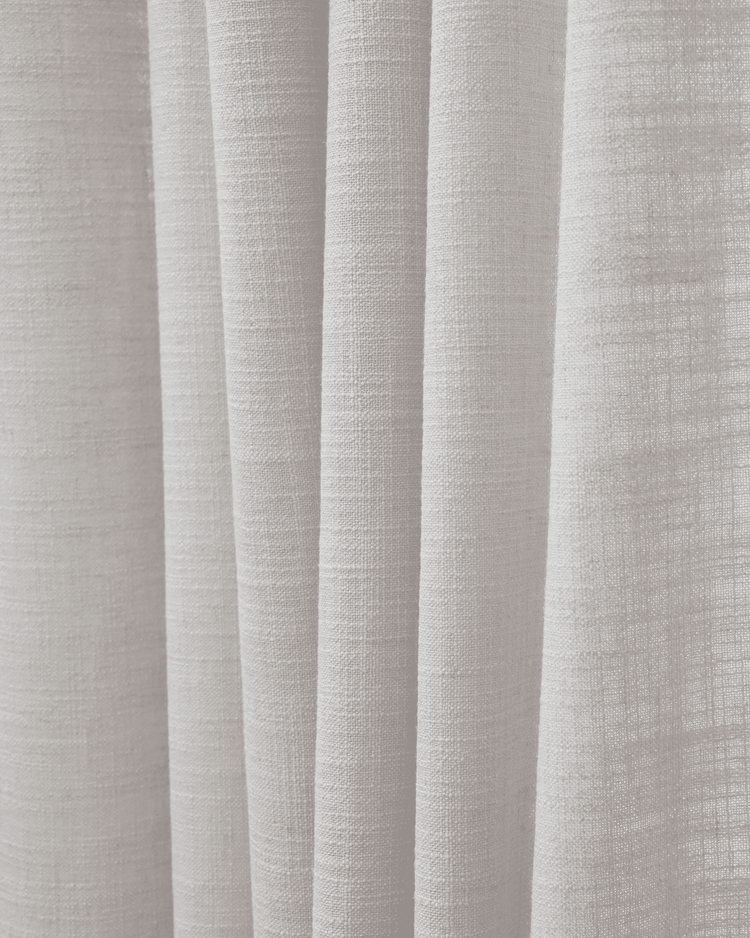
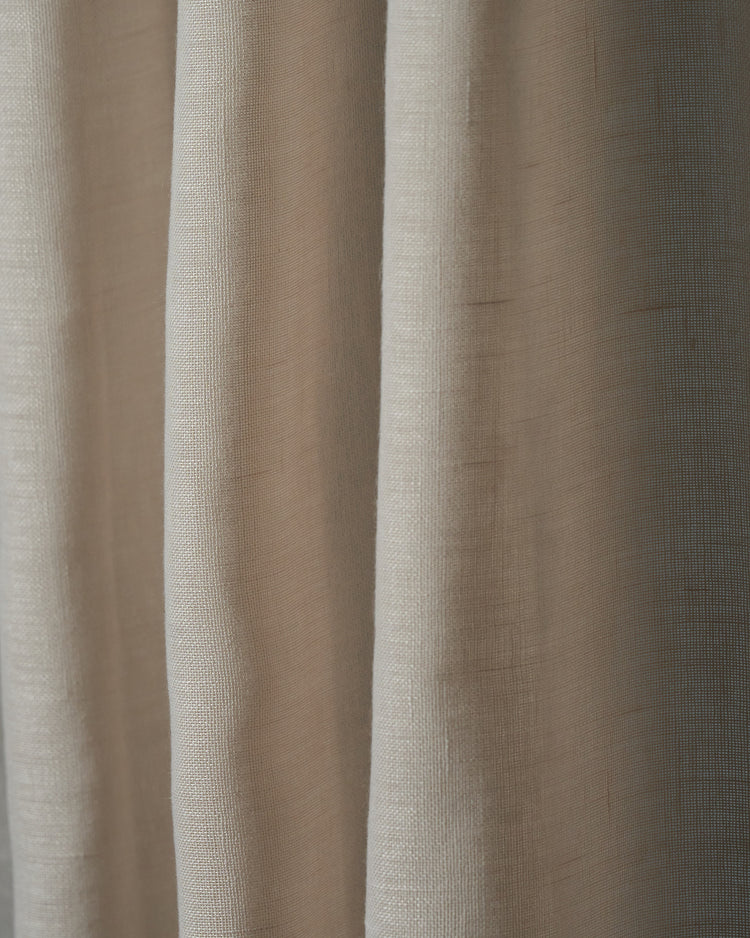
Heavier curtains usually provide better sound dampening than thin, lightweight panels. Look for dense fabrics such as velvet, heavy linen blends, or multi-layer blackout and thermal curtains.
For rooms near traffic, neighbors, or street noise, a substantial fabric will usually perform better than a thin decorative curtain.

2. Blackout or Thermal Lining
Lining adds weight and structure. A blackout or thermal liner can help the curtain block light, reduce drafts, and soften outside noise at the same time.
If you want better sleep, more privacy, and a quieter room, lined curtains are usually a better choice than unlined panels.
3. Full Coverage Around the Window
Noise can pass through gaps. A curtain that barely covers the window will not perform as well as one that extends beyond the frame.
For better coverage, choose curtains that are:
- Wider than the window
- Long enough to reach close to the floor
- Mounted high and wide when possible
- Full enough to create soft folds instead of pulling flat
If you are unsure about width or length, start with the TheHues curtain measurement guide before ordering.
4. A Header Style With Fewer Gaps
The curtain header affects both the look and the performance. Some header styles leave more openings for light, air, and sound.
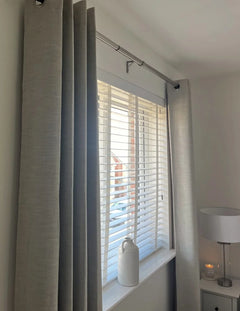
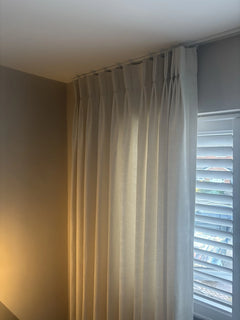
For stronger coverage, rod pocket, back tab, pinch pleat, or track-style curtains can often sit closer and cleaner than grommet curtains. Grommet curtains are easy to use, but the ring openings and larger folds may leave more small gaps near the top.
If you are comparing top styles, use TheHues curtain header guide before choosing your final setup.
Simple At-Home Tests Before You Buy
You do not need professional tools to judge whether a curtain is likely to perform better than a basic panel. A few simple checks can help.
1. The Flashlight Test
Hold your phone flashlight behind the fabric. If you can clearly see the beam or shapes through the curtain, it is likely more light-filtering or room-darkening than true blackout.
If only a soft glow comes through, the curtain is more likely to provide stronger coverage. This does not measure sound directly, but it helps you understand how dense and well-lined the fabric may be.
2. The Weight Test
Pick up the fabric or panel. A more substantial curtain usually hangs closer, drapes better, and covers gaps more effectively.
Weight alone is not everything. Construction, lining, and installation matter too. But if noise reduction is a priority, very thin curtains are usually not the best choice.
3. The Gap Check
Imagine where sound can enter: above the rod, along the sides, and below the curtain. If the setup leaves large gaps around the window, even a heavy curtain will not perform as well as it could.
How to Install Thermal Curtains for Better Noise Reduction
Even the best thermal curtains need the right installation. Sound can slip through gaps, so coverage matters just as much as fabric quality.
1. Use Enough Width
Avoid curtains that match the exact window width. When the fabric is pulled flat, it has less ability to absorb sound and usually looks less polished.
For a fuller look and better coverage, aim for curtain width around 2 to 2.5 times the window or rod width. This creates deeper folds that help soften sound and improve the overall look.
2. Mount the Rod High and Wide
Mounting the rod higher and wider helps the curtain cover more of the window area. This reduces light gaps, improves privacy, and may help soften noise around the edges.
For many windows, extending the rod several inches beyond each side of the frame gives the curtain room to cover the opening more fully.
3. Choose Strong Hardware
Heavy thermal curtains need hardware that can support the weight. Weak rods, shallow brackets, or low-quality tension rods may sag over time.
If you are using heavy lined curtains, choose sturdy rods, secure brackets, and wall anchors when needed. For renters who cannot drill, look for heavy-duty tension rods that are rated for the curtain weight.
4. Reduce Side Gaps
Side gaps let in light, air, and sound. If possible, use a return rod, wraparound rod, or a curtain setup that brings the fabric closer to the wall.
For a renter-friendly option, removable fasteners or low-profile clips may help keep curtain edges closer to the wall. Always test removable products carefully to avoid wall damage.
5. Cover the Bottom Gap Safely
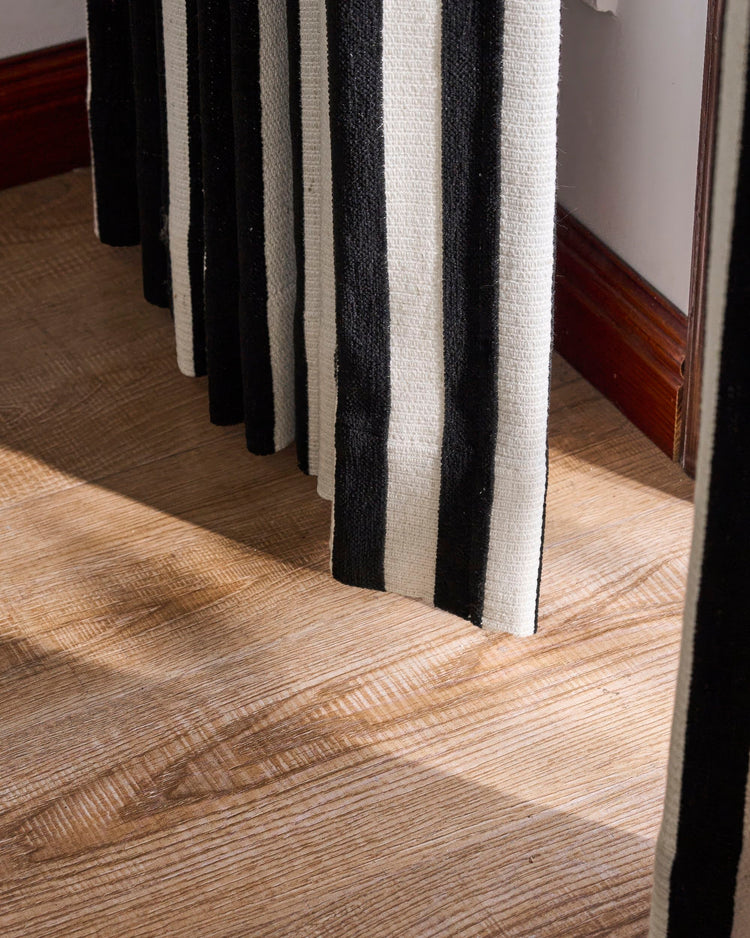
Floor-length curtains usually perform better than short curtains because they reduce the gap under the window.
However, safety comes first. If you have a radiator, baseboard heater, or other heat source below the window, keep curtains away from it and follow the heater manufacturer’s safety guidance. Do not let fabric rest on or too close to a heat source.
If curtains must stop above the heater, you can still reduce drafts and some sound by using a window-safe draft blocker on the sill where appropriate.
What Thermal Curtains Can and Cannot Block
Thermal curtains are helpful, but they have limits. Understanding those limits will help you choose the right solution.
They Work Best For:
- Street voices
- Light traffic noise
- Birds, sirens, and sharper outdoor sounds
- Neighbor noise through windows
- Echo inside the room
- General window-area noise in bedrooms or apartments
They Are Less Effective For:
- Deep bass
- Heavy trucks or train rumble
- Vibration through walls or floors
- Construction noise very close to the home
- Noise coming through ceilings, doors, or shared walls
Low-frequency noise often travels through the building structure, not just the window. Curtains can soften the room, but they cannot stop structural vibration by themselves.
How to Handle Low-Frequency Noise
If your main problem is deep traffic rumble, engines, or bass, thermal curtains may help slightly, but you may need a layered approach.

One practical option is a sound machine. Many people find lower, softer sounds such as brown noise more comfortable than high-pitched white noise. This does not block outside noise, but it can help cover sudden changes in sound and make the room feel more consistent for sleep or focus.
For best results, combine:
- Heavy thermal or blackout curtains
- Good curtain coverage around the window
- Soft furnishings such as rugs, bedding, and upholstered furniture
- A sound machine if sudden noise is disturbing sleep
If you are dealing with serious noise issues, you may also need to look at window inserts, door seals, weatherstripping, or professional acoustic solutions.
Best Rooms for Noise-Reducing Thermal Curtains
Bedrooms
Bedrooms are one of the best places to use thermal curtains for noise reduction. They can help block light, improve privacy, soften outside sound, and make the room feel more restful.
Nurseries and Kids’ Rooms
For nurseries, thermal curtains can help create a darker and calmer nap environment. Choose secure hardware, safe cord-free options, and curtains that stay away from cribs, heaters, and climbing areas.
Home Offices
In a home office, thermal curtains can reduce glare and soften outside noise during calls or focused work. They are especially useful for street-facing rooms or apartments.
Living Rooms
In living rooms, heavy curtains can make the space feel warmer, softer, and less echoey. They may not block all outside sound, but they can make the room feel more comfortable during daily use.
Renter-Friendly Noise Reduction Tips
If you rent, you may not be able to replace windows or install permanent acoustic treatments. Thermal curtains can still help when installed carefully.
- Choose heavier lined curtains instead of thin decorative panels.
- Use a sturdy renter-friendly rod that can support the curtain weight.
- Mount the curtain as high and wide as your lease allows.
- Use removable fasteners to reduce side gaps where safe.
- Add a rug, upholstered furniture, or soft bedding to reduce echo.
- Use a sound machine for nighttime traffic or sudden noise changes.
For more ideas, read TheHues guide on how to soundproof a bedroom.
FAQ
Are thermal curtains the same as soundproof curtains?
No. Thermal curtains are mainly designed for temperature control, while soundproof curtains are marketed for noise reduction. In real homes, heavy thermal curtains can help dampen sound, but no curtain can fully soundproof a room by itself.
Do blackout curtains reduce noise too?
Many blackout curtains can reduce some noise because they are often thicker and more tightly constructed than standard curtains. The heavier and better fitted the curtain is, the more likely it is to soften sound.
What curtain fabric is best for noise reduction?
Dense, heavy fabrics usually work best. Velvet, heavy linen blends, and multi-layer blackout or thermal curtains are stronger choices than lightweight sheers or thin unlined panels.
Should noise-reducing curtains touch the floor?
Floor-length curtains usually provide better coverage because they reduce the gap below the window. However, keep curtains safely away from radiators, baseboard heaters, and other heat sources.
Can thermal curtains block traffic noise?
They can soften some traffic noise, especially sharper sounds from the window area. They are less effective against deep traffic rumble or vibration that travels through walls, floors, and the building structure.
Final Takeaway
Thermal curtains can help reduce noise, but they work best when you think of them as part of a comfort system rather than a complete soundproofing solution.
Choose heavy, lined curtains with enough width and length to cover the window well. Install them high and wide, reduce gaps where possible, and combine them with soft room furnishings or a sound machine if needed.
For bedrooms, apartments, nurseries, and street-facing spaces, this layered approach can make the room feel noticeably calmer, darker, and more comfortable.
To get started, compare TheHues thermal curtains, review heavyweight thermal blackout curtains, or use the free design service if you want help choosing the right setup for your room.