Can White Blackout Curtains Truly Block Light? A Guide to Quality Construction


In this article 10 sections
- Can white blackout curtains really make a room dark?
- Why some white blackout curtains look gray or glow in daylight
- Blackout vs. room darkening vs. light filtering white curtains
- How to test white blackout curtains before committing
- How to stop light gaps around white blackout curtains
- When white blackout curtains are a good choice
- Common mistakes to avoid with white blackout curtains
- White blackout curtain care tips
- FAQ about white blackout curtains
- Final takeaway
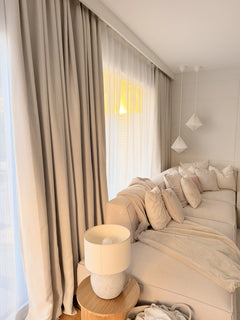
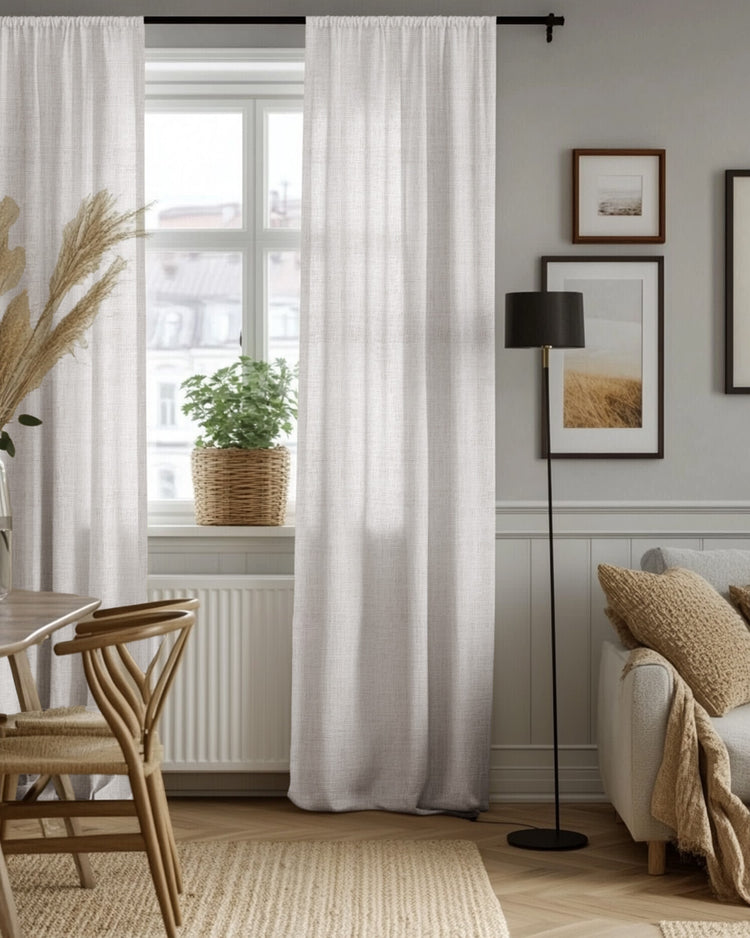
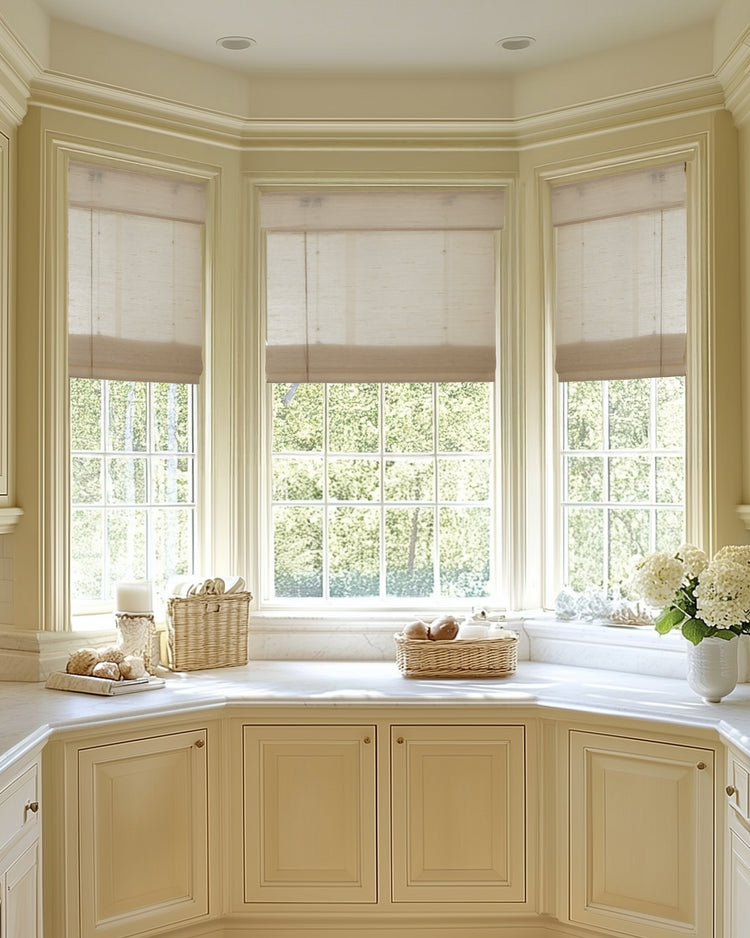
White blackout curtains are a popular choice for bedrooms because they keep the room feeling bright and soft while still supporting better light control. The challenge is that not every white curtain labeled “blackout” will look crisp in daylight or make the room dark enough for sleep.
If your goal is an airy bedroom with stronger light blocking, focus on three things: the curtain construction, the liner or backing, and how the curtains are installed around the window. Color matters, but fabric layers and edge coverage usually matter more.
This guide explains how white blackout curtains work, why some white curtains still glow in the morning, what product labels really mean, and how to choose a setup that looks clean without leaving light gaps around the window.

Can white blackout curtains really make a room dark?
Yes, white blackout curtains can make a room much darker, but only when the fabric and installation are designed for the job. A white face fabric by itself is usually not enough. The curtain needs a dense weave, blackout backing, or a separate blackout liner to reduce light passing through the panel.
The other half of the result comes from fit. Even a strong blackout fabric can disappoint if sunlight leaks around the top, sides, center split, or bottom edge. For bedrooms, nurseries, media rooms, and night-shift sleep spaces, choose the curtain and the installation together.
If you are still comparing options, start with TheHues blackout curtains, then review the fabric, liner, header style, and finished size before ordering.
Why some white blackout curtains look gray or glow in daylight
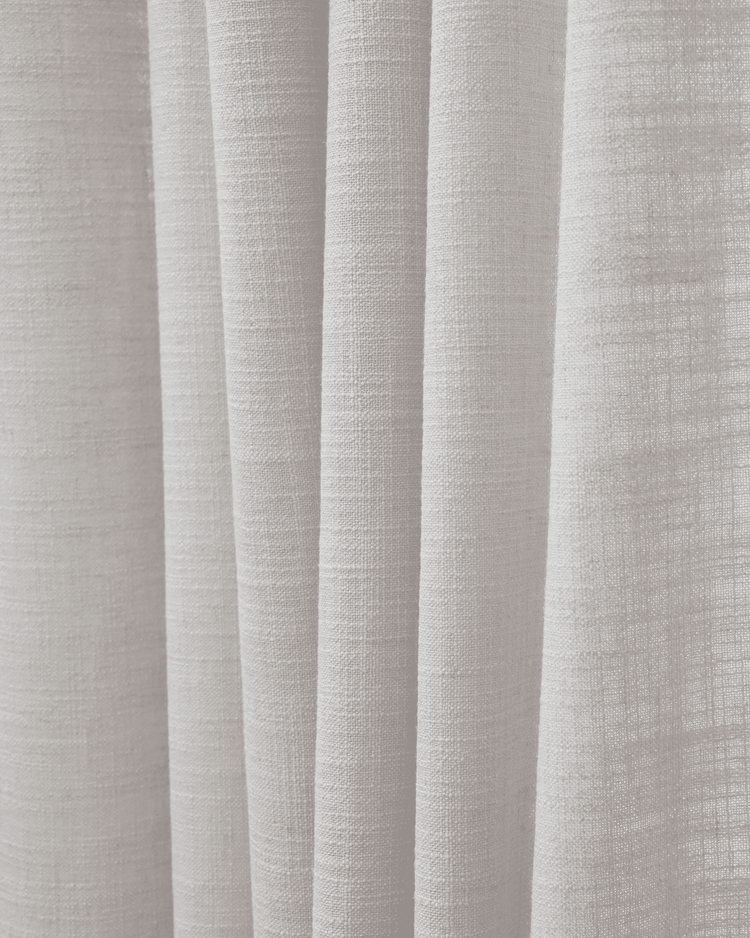
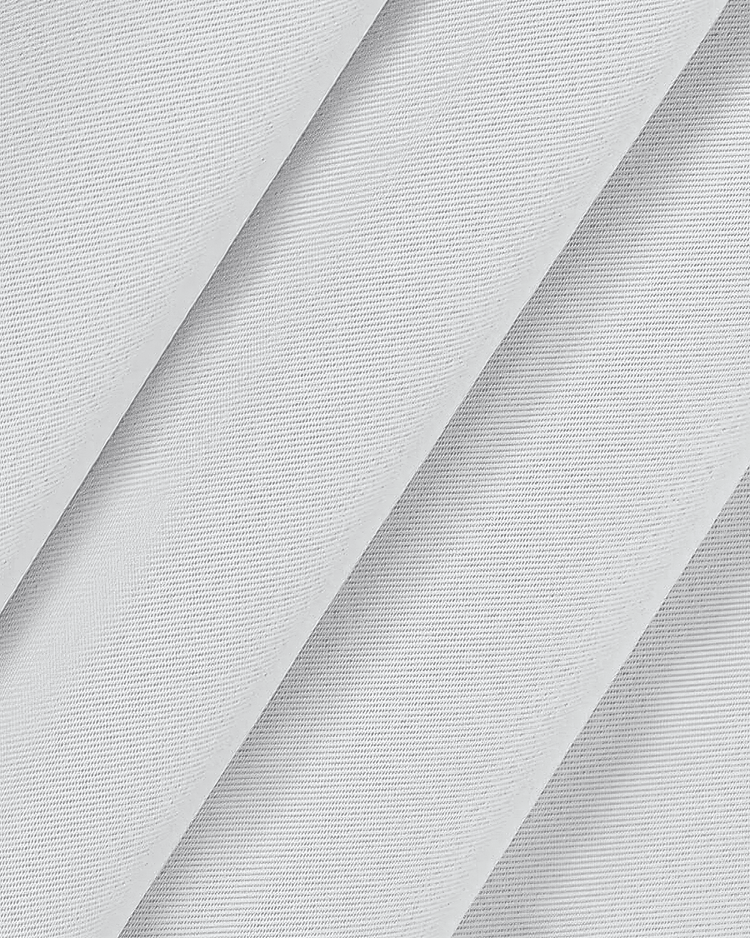
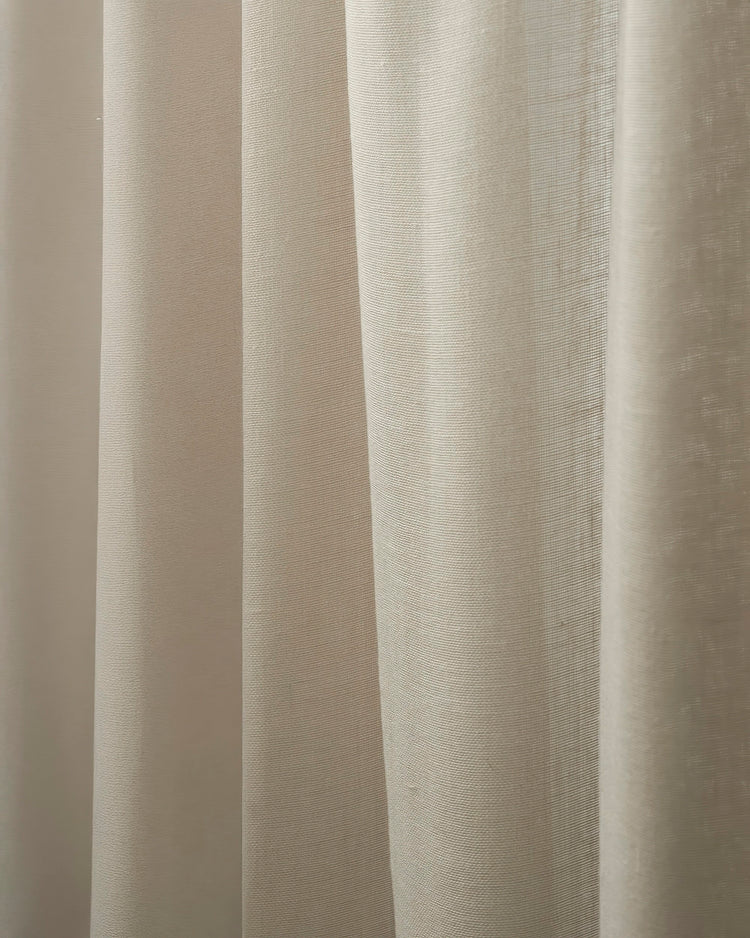
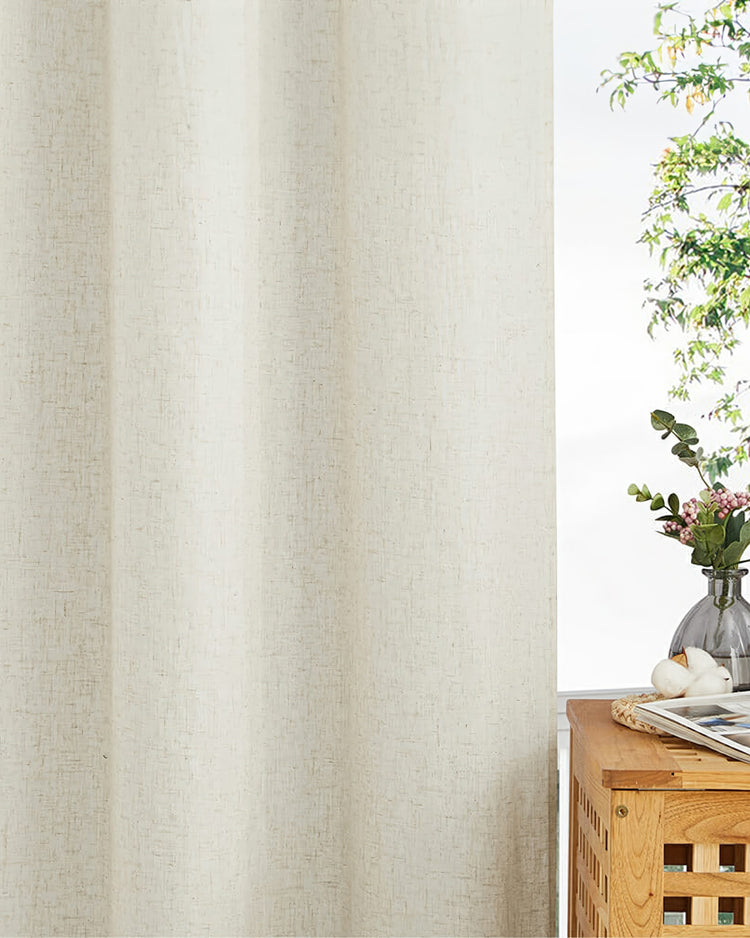
White curtains can behave differently from darker blackout curtains because the face fabric reflects more light and shows shadow more easily. If the blackout layer behind the fabric is dark, thin, or fused too close to the white front, the curtain may look slightly gray during the day.
This does not always mean the curtain is poor quality. It usually means the construction is not the right match for a crisp white look.
Check the curtain construction, not just the color
When shopping for white blackout curtains, look beyond the product photo. The important question is how the light-blocking layer is built.
- Coated blackout fabric: A blackout coating is applied to the back of the fabric. This can work well, but the hand feel and appearance vary by construction.
- Multi-layer blackout fabric: Several layers work together to reduce light passing through the panel. This can help the curtain look more substantial.
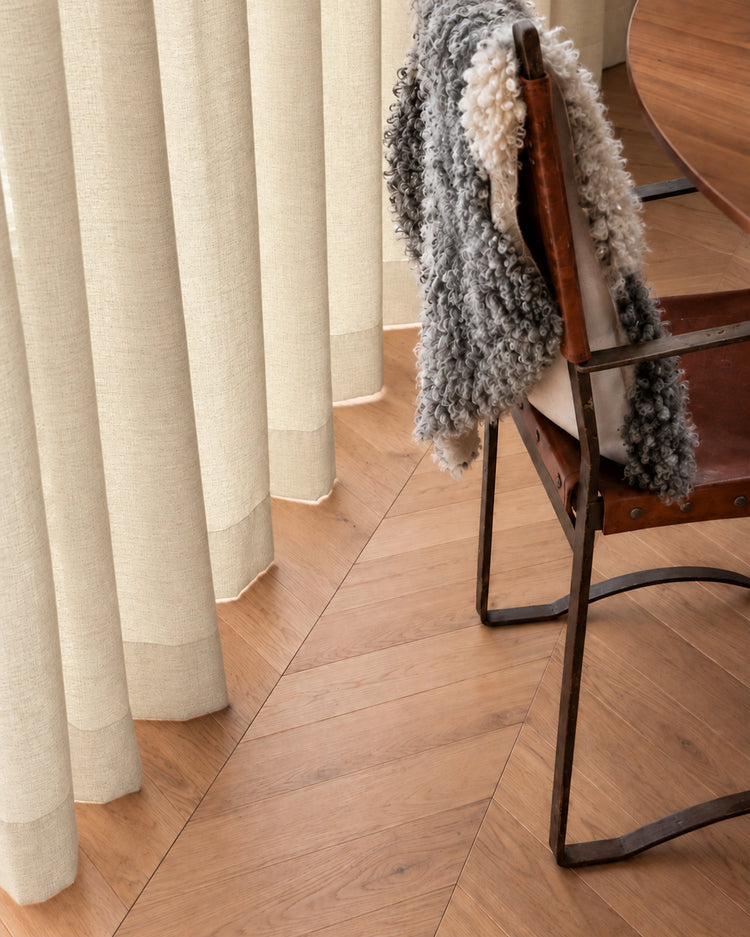
- Separate blackout liner: A decorative white face fabric is paired with a separate liner behind it. This often gives a softer drape and a more finished custom look.
For a bedroom where both appearance and darkness matter, a separate liner or thoughtfully layered construction is often the safer direction. Use the TheHues curtain liner guide to compare light-filtering, room-darkening, blackout, and thermal options before deciding.

 100% Blackout
 Better sleep
 Noise Reducing
 Energy Saving
Blackout vs. room darkening vs. light filtering white curtains
Product labels can be confusing because different brands use “blackout,” “room darkening,” and “light filtering” in different ways. The safest approach is to match the label to the room's job instead of assuming every white curtain will perform the same.
| Label | What it usually does | Best for | What to watch for |
|---|---|---|---|
| Light filtering | Softens glare while allowing daylight through | Living rooms, kitchens, dining areas | Not enough for sleep darkness or strong privacy at night |
| Room darkening | Dims the room and reduces brightness | Guest rooms, offices, rooms that need moderate light control | White fabric may still glow in direct sun |
| Blackout | Blocks most to nearly all light through the fabric, depending on construction | Bedrooms, nurseries, media rooms, night-shift sleep spaces | Light can still leak around the edges if the curtains are not installed well |
If you need a true sleep-friendly setup, do not rely on the label alone. Check the liner, fabric density, return coverage, and finished size. You can also compare the difference in TheHues' guide to blackout, room-darkening, and light-filtering curtains.
How to test white blackout curtains before committing
If you already have a sample or panel, test it in real light before judging it from a product photo. White fabrics are especially sensitive to daylight, wall color, and the color of the backing.

Use a simple light test
- Hold the fabric or sample against a bright window during the day.
- Check whether the fabric glows, shadows, or changes color.
- Use a phone flashlight behind the fabric to see how much light passes through the material.
- Look at the front side and the window-facing side separately.
This test will not perfectly recreate a full installed curtain, but it can help you compare fabrics more honestly. If you are still deciding between white, ivory, and warm neutral options, ordering curtain swatches first can prevent an expensive mismatch.
Check the window-facing side
The backing or liner color affects both room performance and exterior appearance. Some homes, apartments, and HOAs prefer window treatments that look white or neutral from the street. If that matters in your space, check the liner before ordering.
How to stop light gaps around white blackout curtains
Many blackout curtain complaints are really installation problems. The fabric may be doing its job, while sunlight still enters around the edges.

Mount the curtains wider than the window
For better light control, the curtain should cover more than the glass. Extending the rod or track beyond the window frame gives the panels room to overlap the wall and reduces side glow.
Mount higher to reduce top light leaks
A low rod can leave a bright strip above the curtain. Mounting higher, or using a ceiling-mounted track when appropriate, can make the room look taller and reduce light entering from the top.
Use enough width and fullness
Flat, stretched panels leave less room for overlap. A fuller curtain closes more naturally and helps reduce small gaps at the center and sides.
Consider return rods or side overlap
A wraparound or French return rod curves back toward the wall, helping the fabric sit closer to the window area. This can be useful in bedrooms and media rooms where side light is especially noticeable.
If you are ordering from scratch, confirm finished width and length with the TheHues curtain measurement guide. A good blackout fabric still needs the right size to perform well.
When white blackout curtains are a good choice
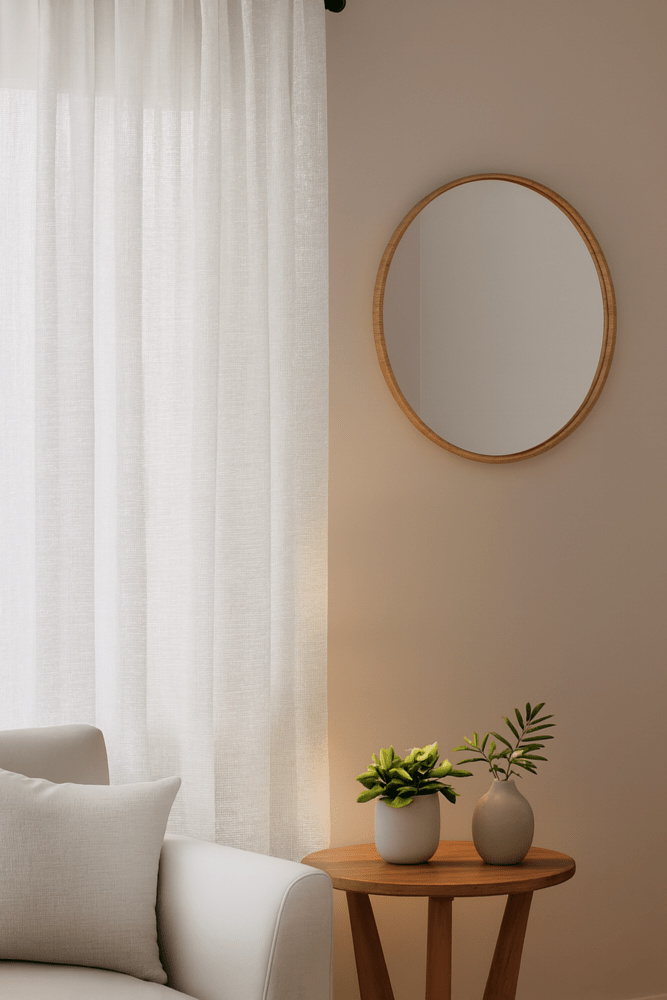
White blackout curtains are a strong option when you want light control without making the room feel visually heavy. They are especially useful in rooms where dark curtains would feel too dramatic or would compete with a softer color palette.
- Bedrooms: White blackout curtains can support a calm, clean look while helping reduce morning light.
- Nurseries: A lined white curtain can help with nap-time darkness without making the room feel dark all day.
- Guest rooms: White is easy to coordinate with different bedding and wall colors.
- Media rooms: White blackout curtains can work when the room needs light control but the design still needs to stay bright.
- Small rooms: Lighter curtains often feel less bulky than dark panels, especially on large windows.
If your room also gets strong heat or cold near the window, compare blackout options with thermal curtains. Thermal performance depends on fabric, liner, window condition, and installation, but the right setup can help the room feel more comfortable when closed.

Common mistakes to avoid with white blackout curtains
- Choosing room-darkening when you need blackout: Room-darkening curtains may still glow in direct sun.
- Ignoring the liner: The backing affects light control, drape, color purity, and care requirements.
- Measuring only the glass: Blackout curtains need extra coverage around the window, not just exact glass width.
- Using too little fabric: Panels that are too narrow can stretch flat and leave center gaps.
- Skipping swatches: White, ivory, cream, and warm linen tones can look very different in real room light.
- Assuming fabric alone solves everything: Installation determines how much light enters around the curtain edges.
White blackout curtain care tips
White curtains show dust, fingerprints, and pet hair more easily than darker fabrics, so care matters. Always follow the product care label because blackout coatings and liners can be sensitive to high heat, harsh washing, or aggressive drying.
For most blackout curtains, a safer routine is to vacuum gently with a brush attachment, spot clean small marks, and avoid high heat unless the care label specifically allows it. If the curtain has a separate liner, check whether the face fabric and liner have different care requirements.
FAQ about white blackout curtains
Do white blackout curtains work as well as dark blackout curtains?
They can work very well when the curtain has the right blackout construction and enough edge coverage. Dark fabrics may look naturally denser, but white curtains can still provide strong light control with the right liner or backing.
Why do my white blackout curtains still glow?
The fabric may be room-darkening rather than true blackout, or the backing may allow some light to diffuse through the white face fabric. Light may also be leaking around the top, sides, center split, or bottom edge.
Are white blackout curtains good for bedrooms?
Yes, they are a good choice when you want a bedroom to feel bright during the day but darker when the curtains are closed. For the best result, choose proper blackout lining and size the curtains wider and higher than the window frame.
Can white blackout curtains help with heat?
They can help manage sunlight and room comfort when closed, especially if the window-facing side is light colored or lined. Results depend on the window, fabric, liner, installation, and how much direct sun the room receives.
Should I choose white or ivory blackout curtains?
Choose white if your room has crisp white trim, cooler wall colors, or a clean modern palette. Choose ivory, cream, or natural linen tones if the room has warm wood, beige walls, brass finishes, or softer traditional styling. Swatches are the safest way to compare undertones.
Final takeaway
White blackout curtains can give you both a soft, bright look and better sleep-friendly darkness, but only if you choose the right construction and install them with enough coverage. The fabric blocks light through the panel. The sizing and hardware reduce light around the panel.
Start by choosing the right blackout or liner option, test the fabric in your room's real light, then confirm width, length, and mounting position before ordering. If you want help choosing between white, ivory, and lined options, use the visualization tool or request support through the free design service before placing a custom order.