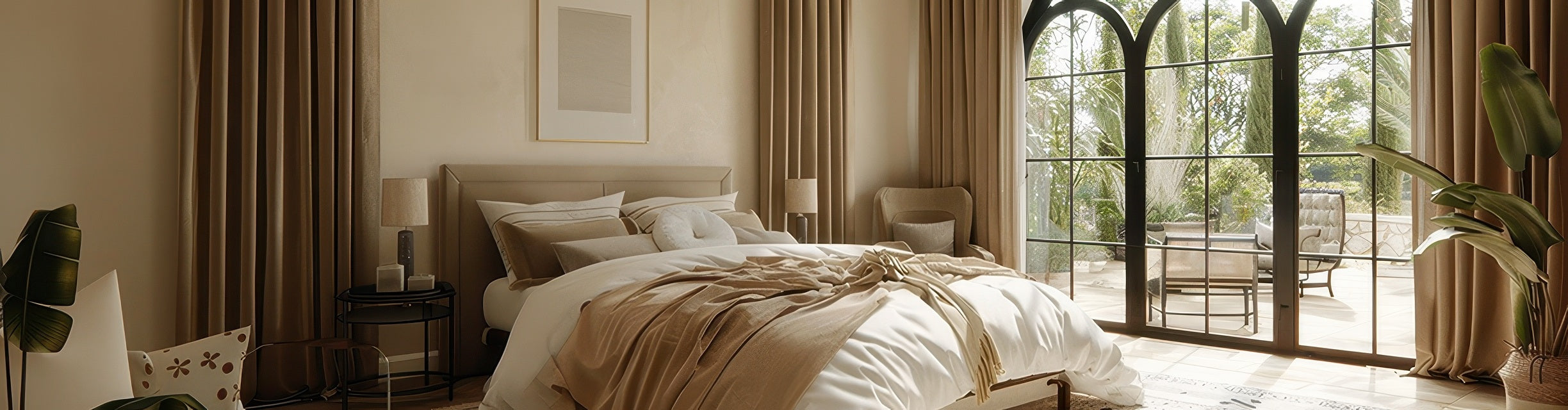
Best Dining Room Window Treatments Ideas


The dining room has evolved. It’s no longer just a museum for your grandmother's china; for many Americans, it’s a homework station, a home office, and the spot for Friday night pizza. Because this room has to work harder than ever, the window treatments need to strike a balance: durable enough for daily life, but polished enough to elevate the space.
If you choose the wrong curtains, the room feels dark and heavy. Choose correctly, and you add texture, height, and warmth. Here is the no-nonsense guide to dining room curtains that actually fit modern lifestyles.
1. Fabric Selection: The "Big Three"
Forget the hundreds of fabric options. For a dining room, you really only need to choose between three main vibes. Consider your lifestyle and the "washability factor" before you decide.
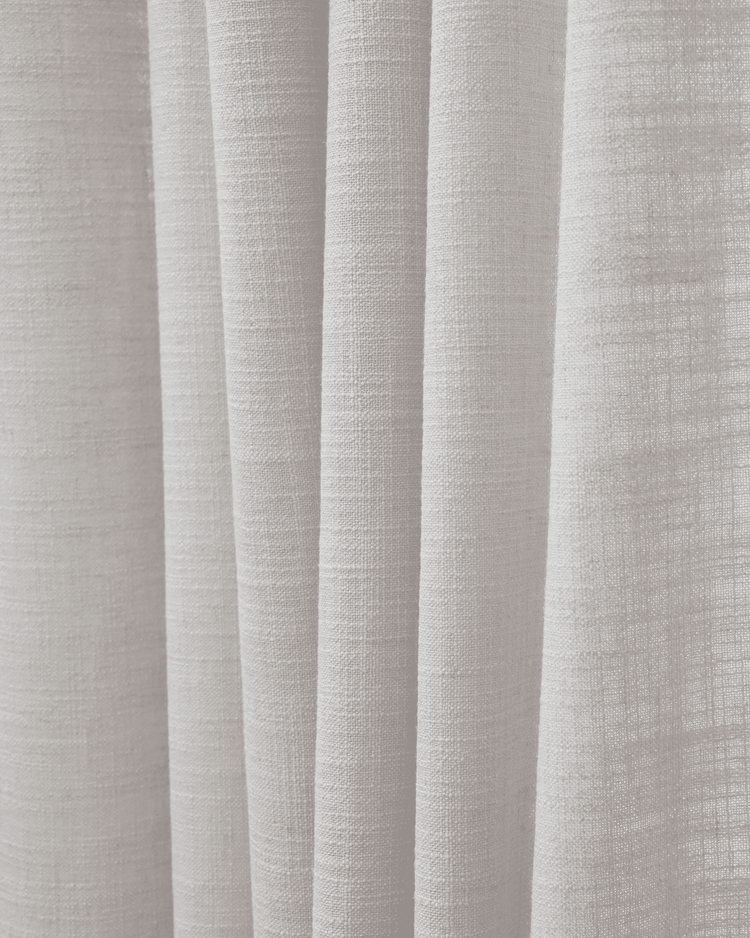
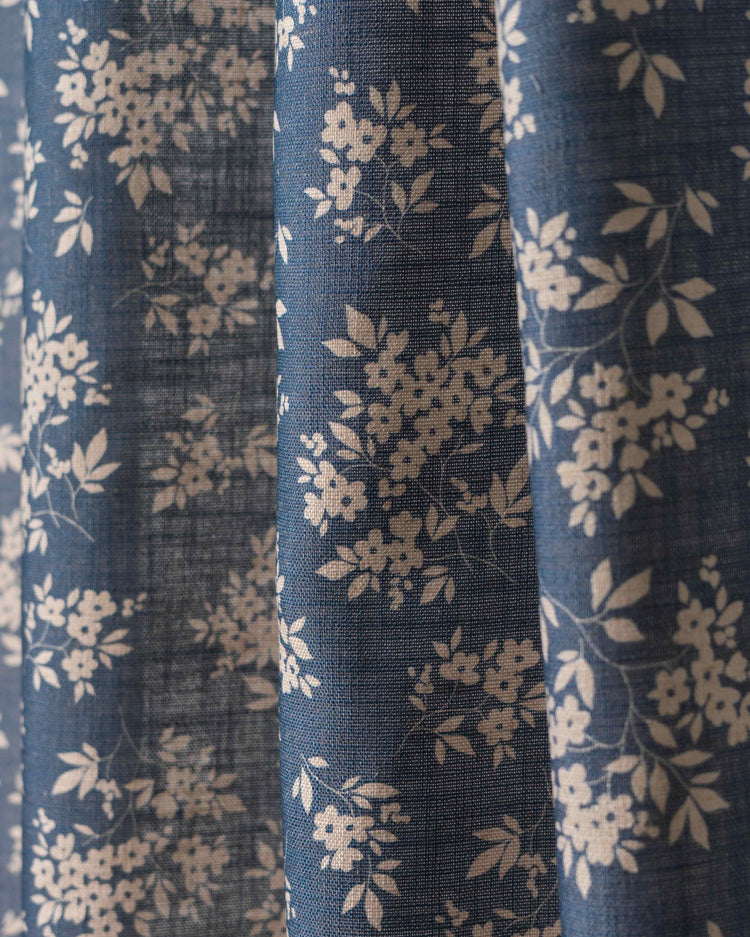
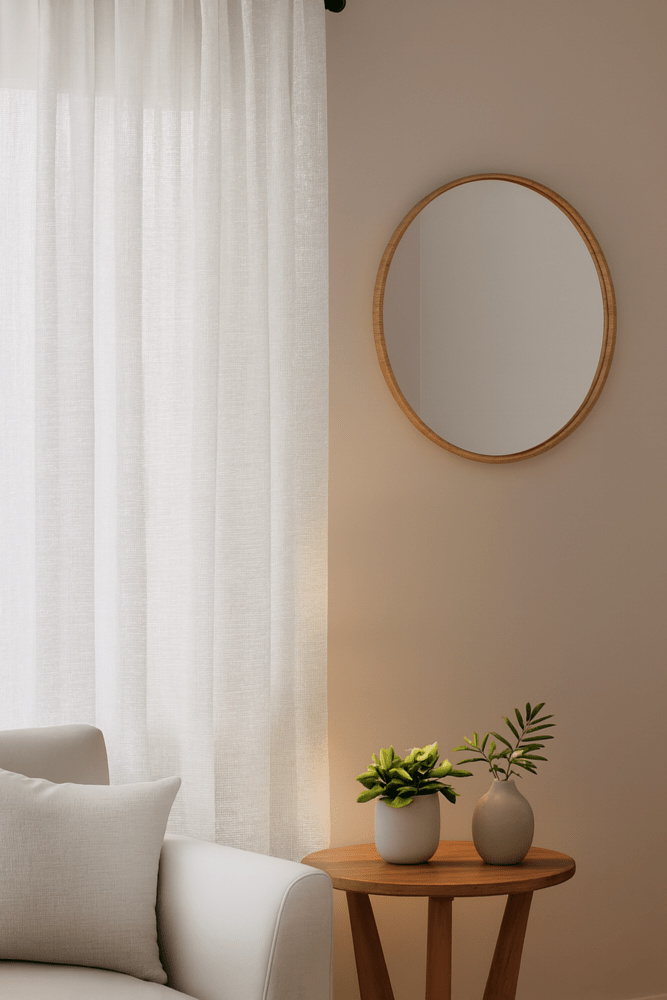
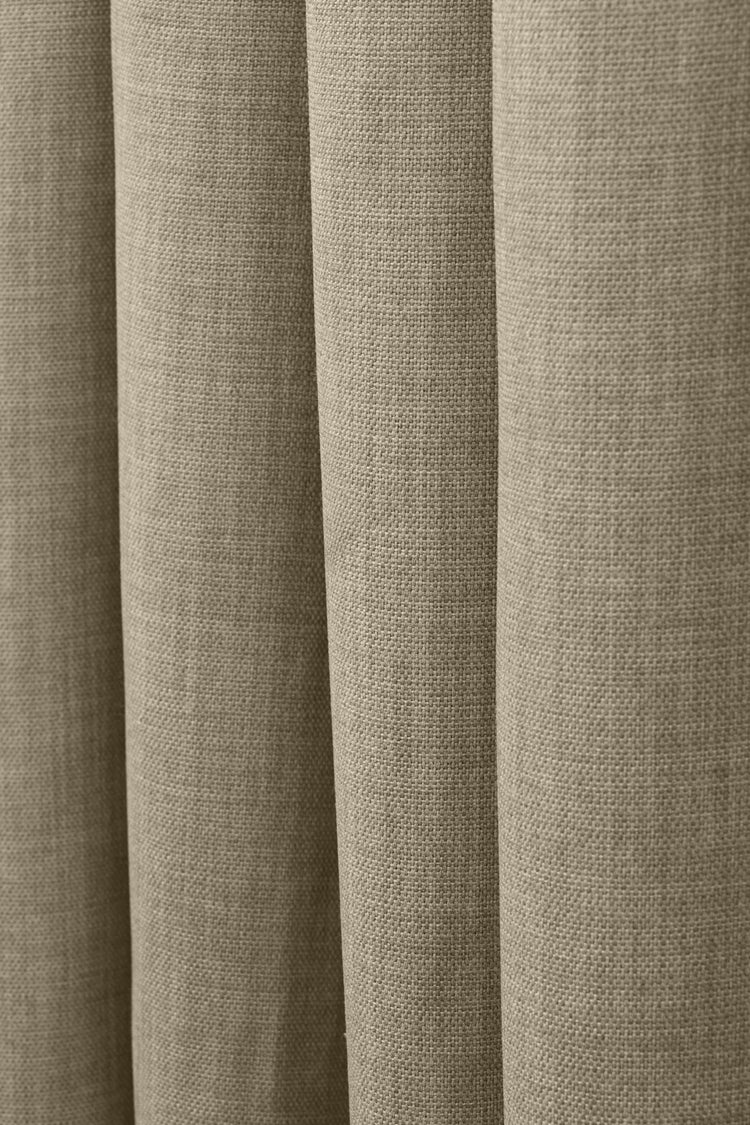
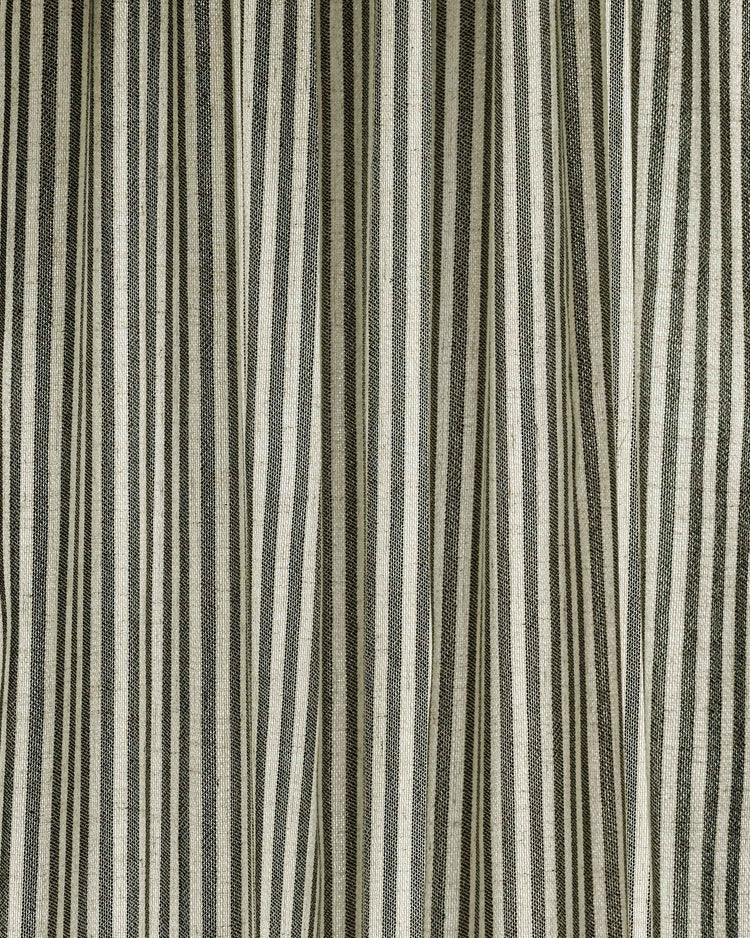
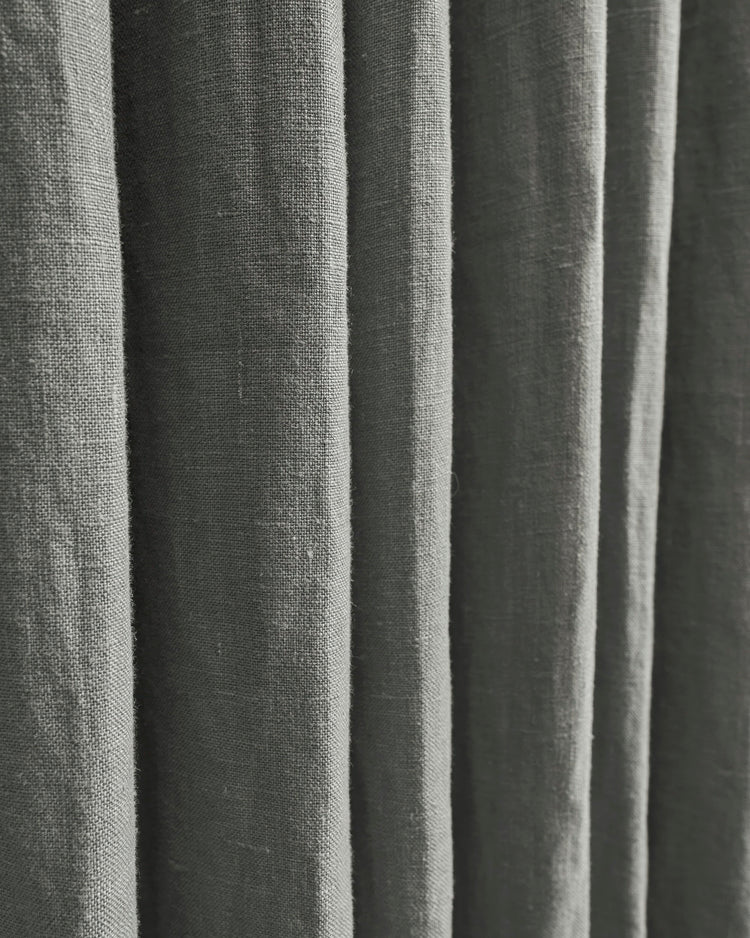
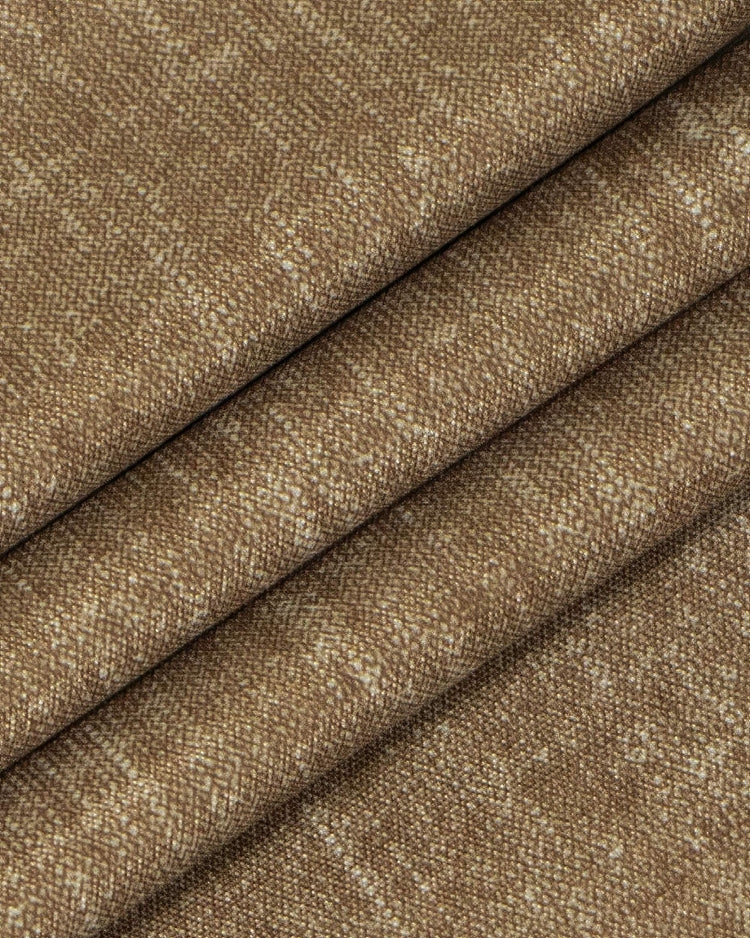
The Crowd Favorite: Linen and Textured Blends
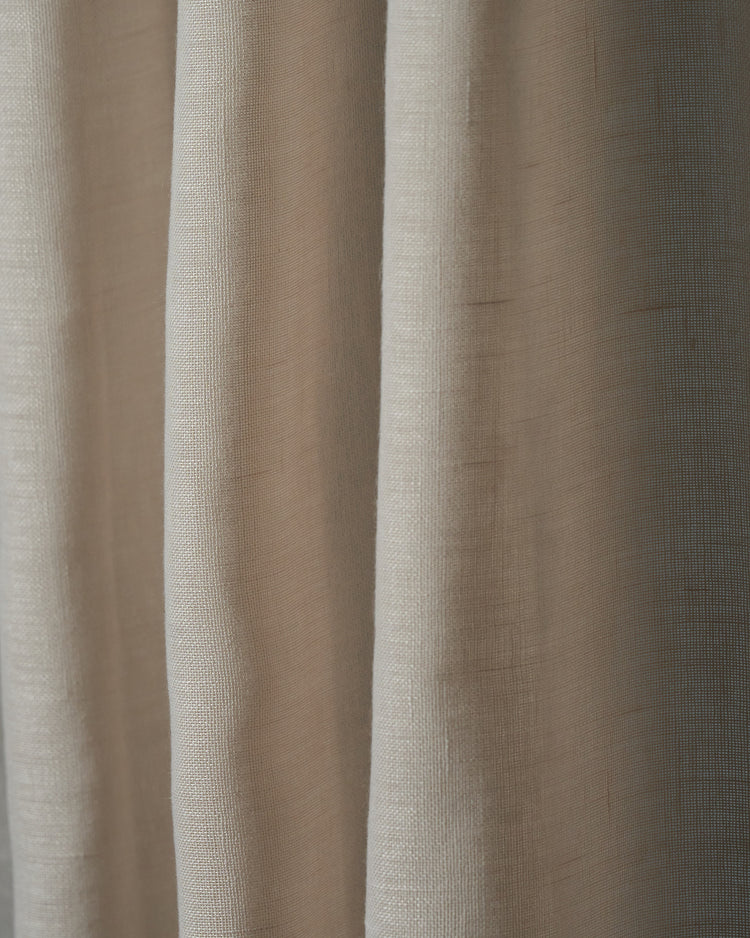
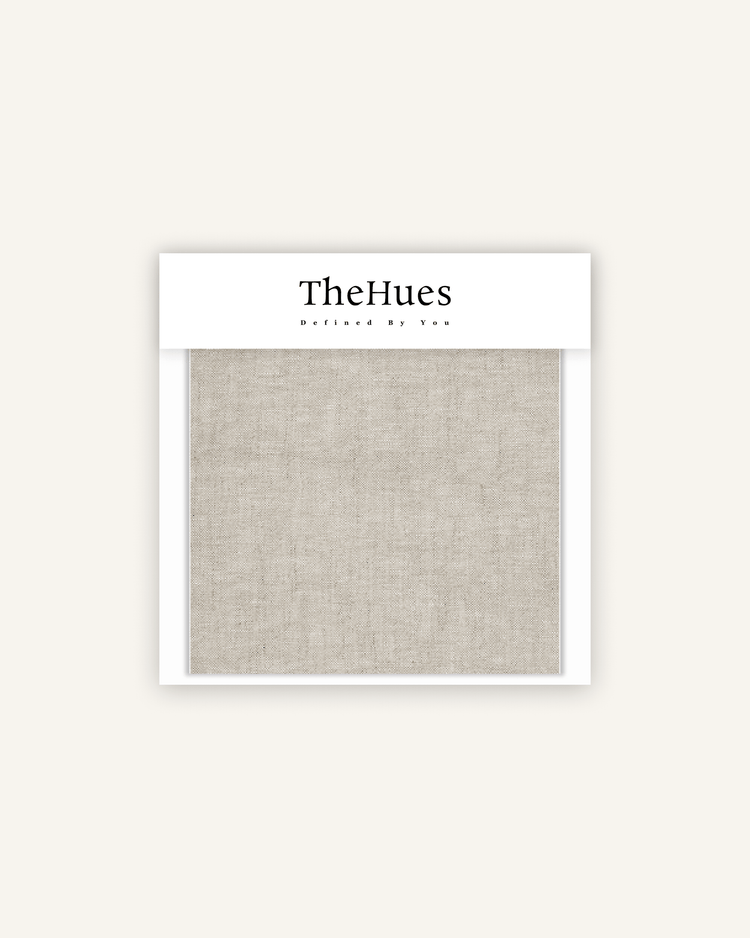
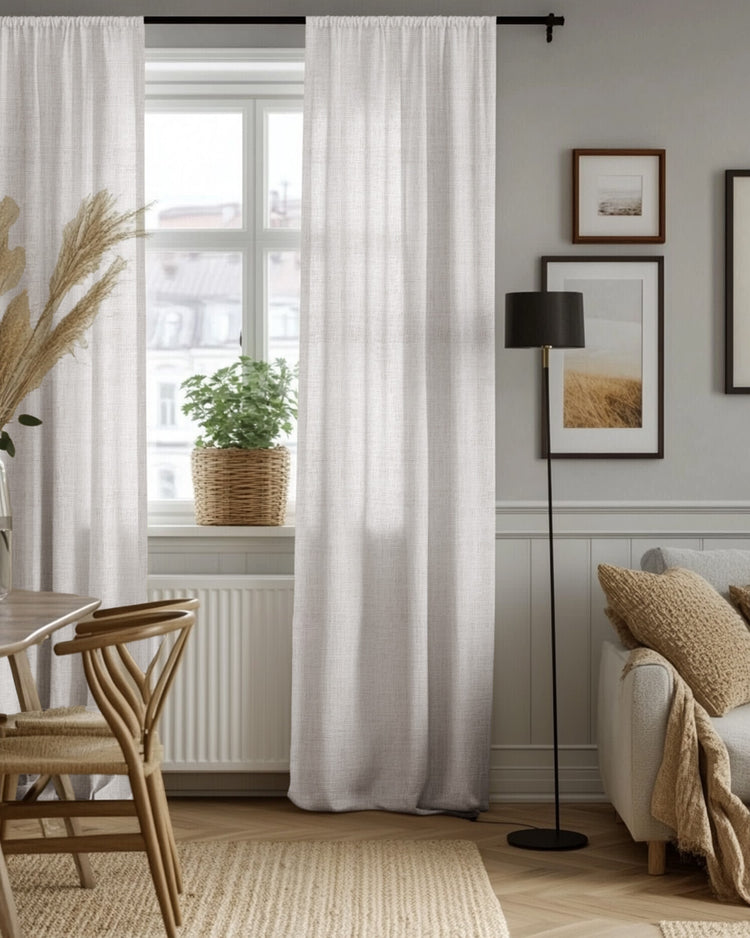
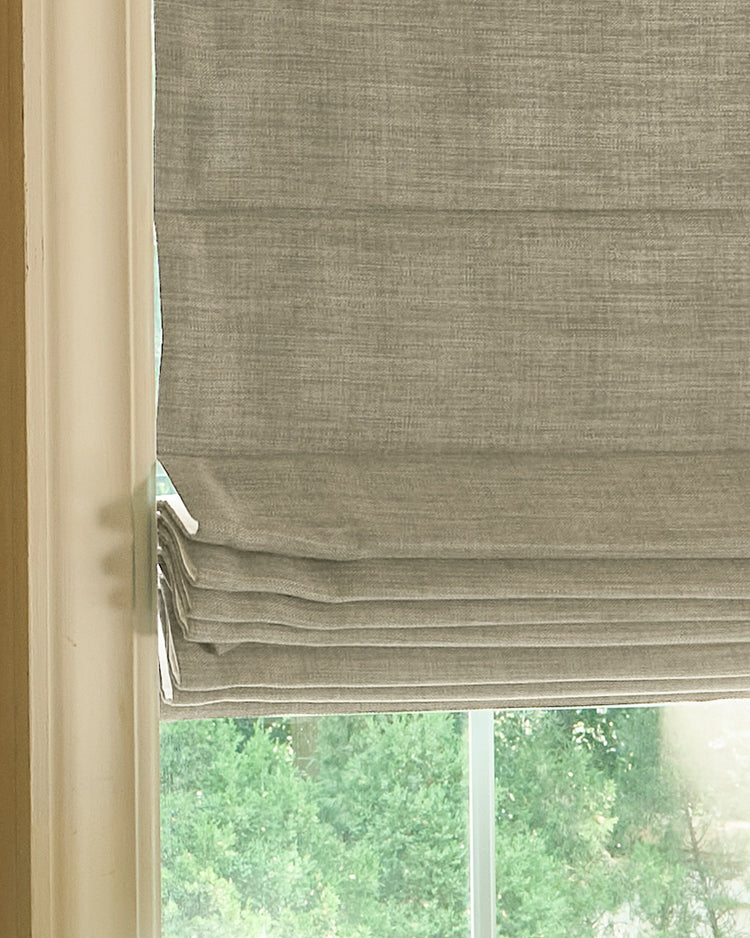
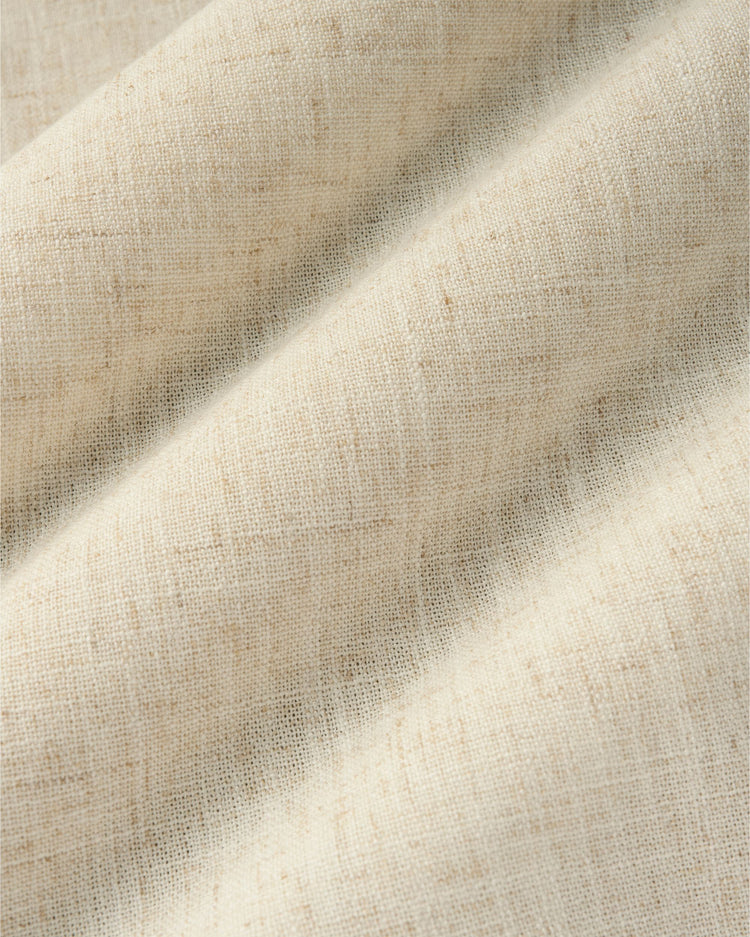
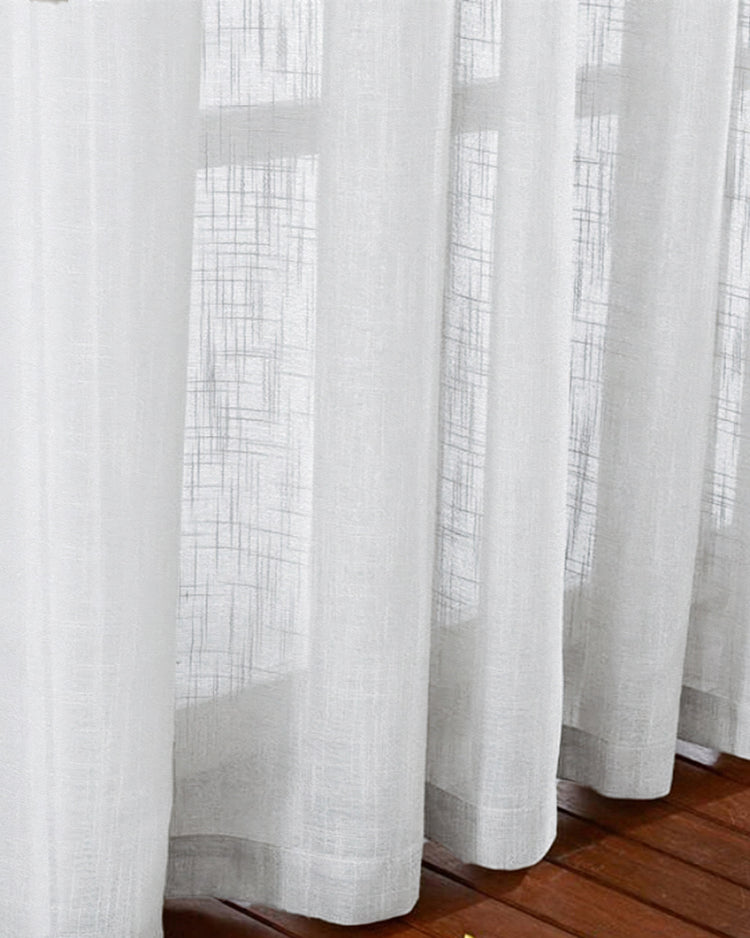
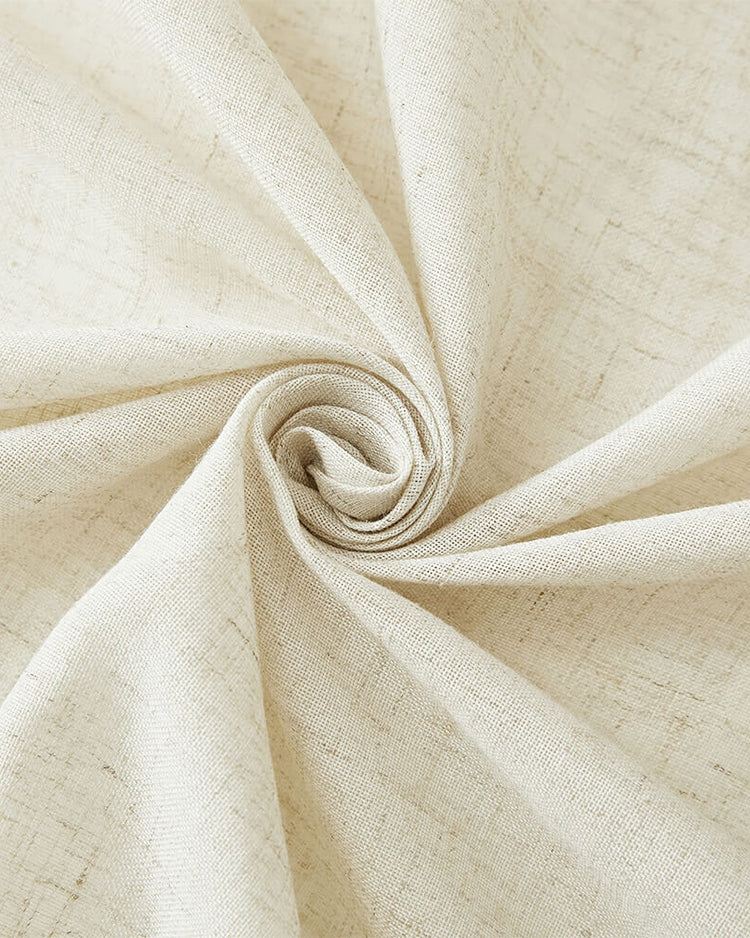
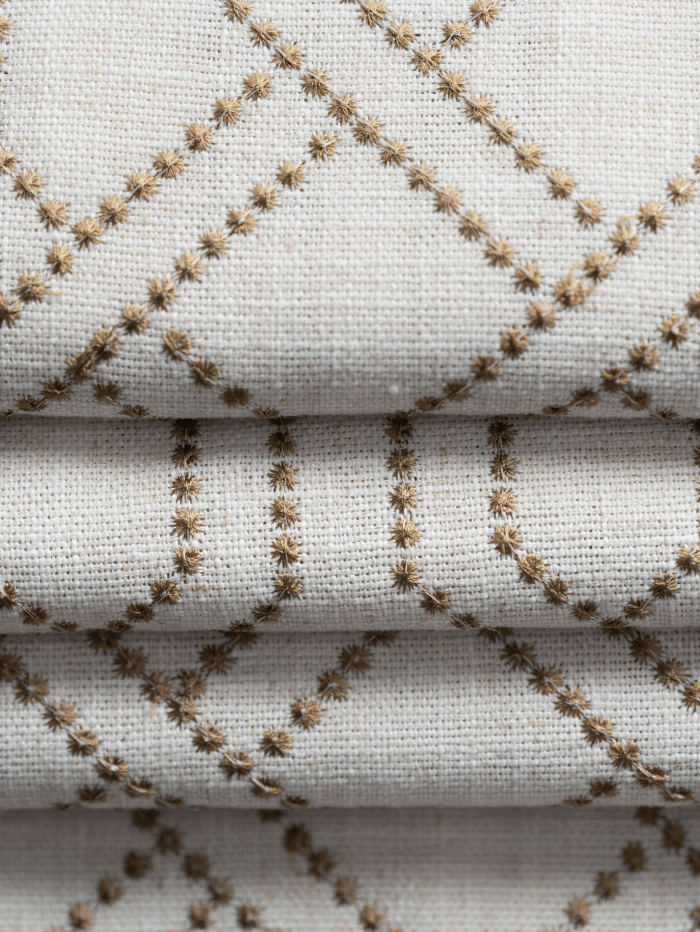
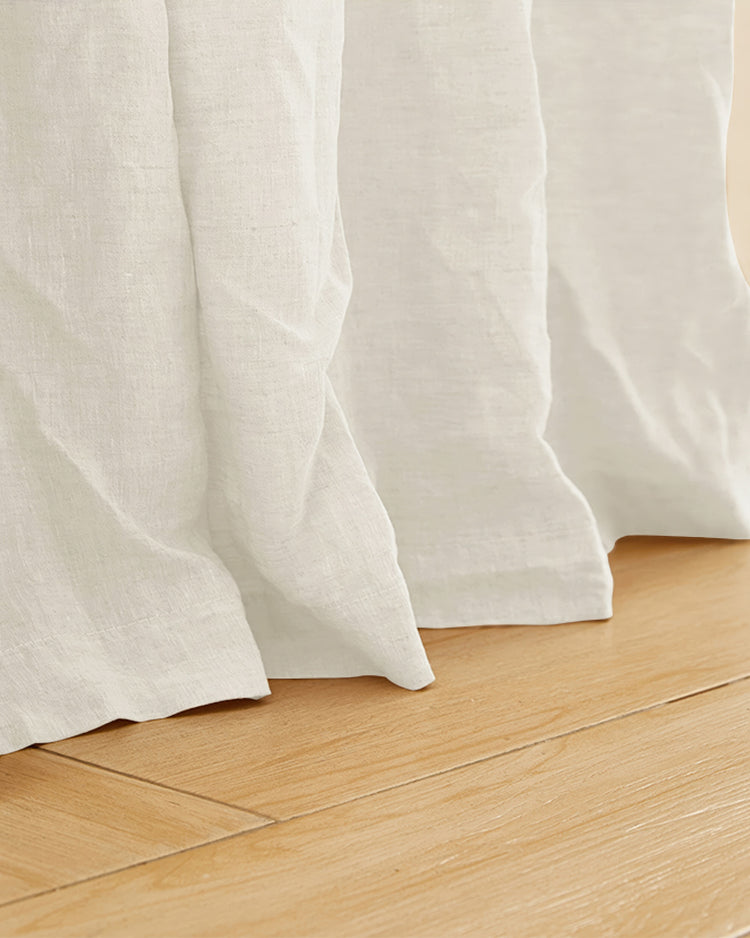
If you want that breezy, "Pottery Barn" aesthetic, this is your lane. Linen (or high-quality faux linen) offers a sophisticated texture that isn't as stuffy as velvet but offers more privacy than sheers.
- Why it works: It filters light beautifully, creating a warm glow during the day while blocking harsh glare.
- The Reality Check: Real linen wrinkles. If you hate ironing, look for a polyester-linen blend. They hang better and resist shrinking in the wash.

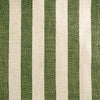
 Textured wave
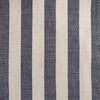
 Relaxed Drape
 Breathable comfort
 Timeless design
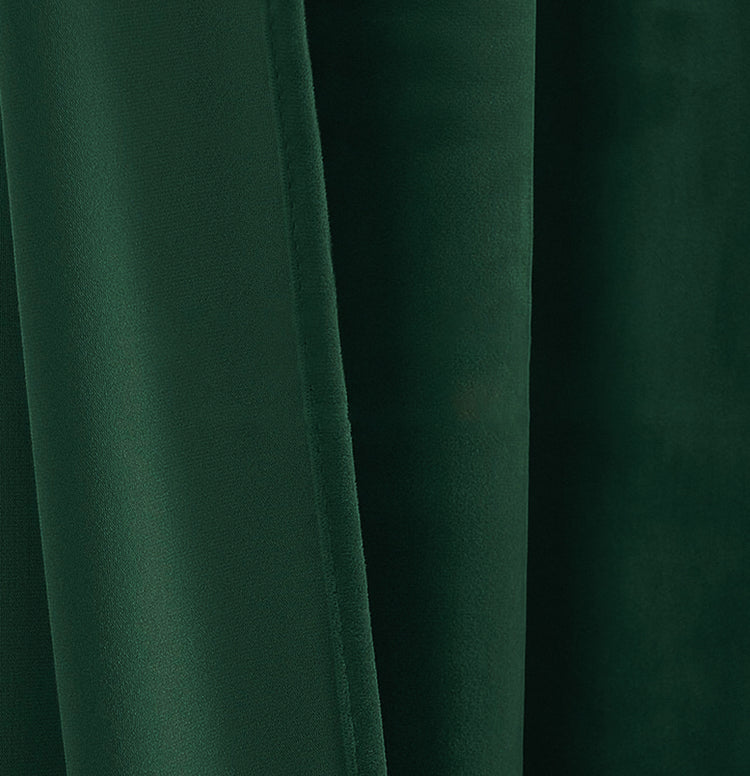
The Drama Choice: Velvet
Velvet immediately makes a room feel finished and expensive. It is perfect for drafty windows because the weight adds insulation.
- Why it works: It absorbs sound, making echoes in open-concept dining rooms less harsh. Deep greens, navies, or cognac tones look stunning against neutral walls.
- The Reality Check: Avoid cotton velvet if your dining room is close to the kitchen, as it can trap odors. Opt for "performance velvet" (synthetic blends) which are easier to clean and resist fading.
The Layering Piece: Sheers
Sheer curtains are rarely enough on their own in a dining room unless you have zero privacy concerns. However, they are the secret weapon for layering.
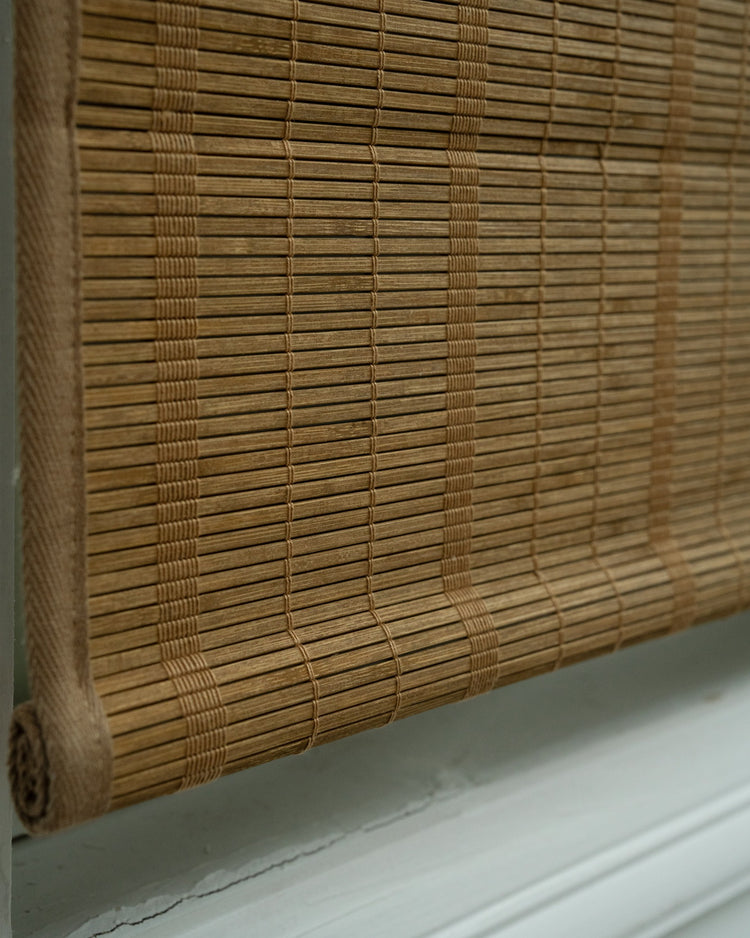
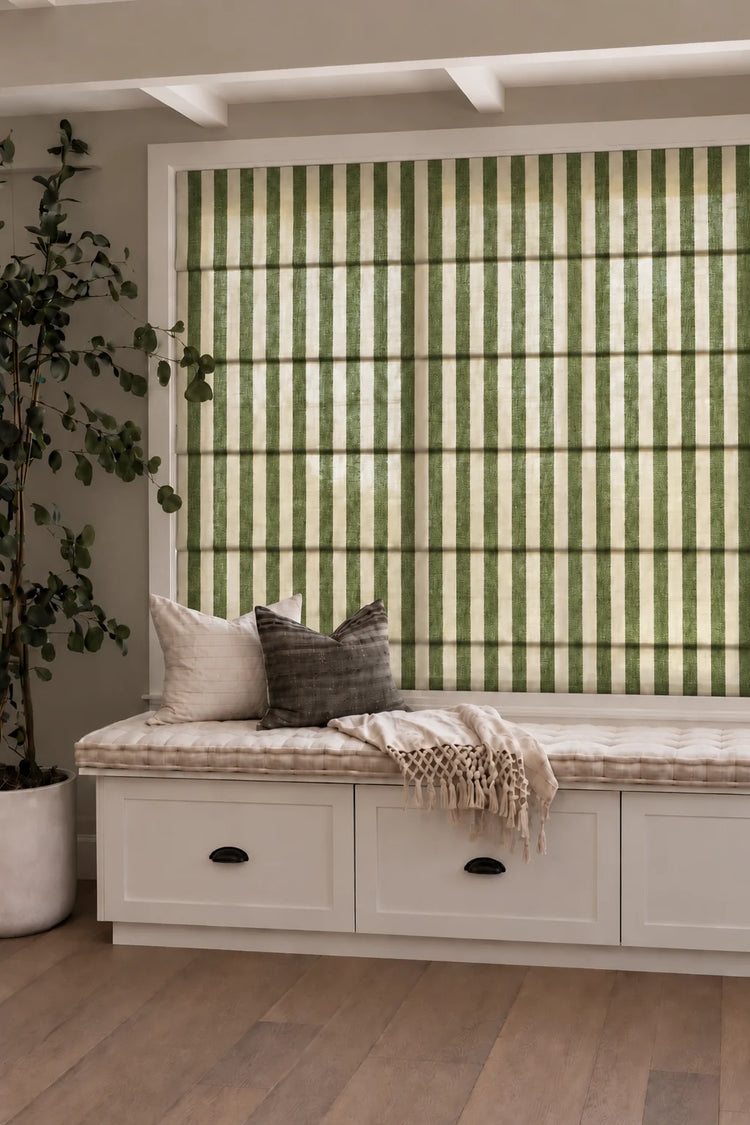
- The Strategy: Pair sheers with a bamboo roman shade or a heavier drape. This gives you privacy at night (close the drapes/shade) and beautiful diffused light during the day (sheers only).
2. Liner: Privacy without the "Cave Effect"
A common mistake is thinking you need "Blackout Curtains" in a dining room. Unless you are using the room for movie nights, 100% blackout can feel too heavy and industrial.
Instead, look for Room Darkening or Privacy Liners. These provide body to the curtain (so they hang nicely) and prevent your neighbors from seeing in, but they don't turn your 2 PM lunch into midnight. If you choose a dark fabric (charcoal, navy, black), remember that these visually shrink the room. Use them only if you have good lighting or high ceilings.
3. The "High and Wide" Rule
Most people hang their curtains incorrectly. They mount the rod right above the window frame, which makes the ceiling look lower and the window look smaller.
- Height: Mount your rod at least 6 to 10 inches above the window frame—or halfway between the frame and the ceiling molding. This draws the eye up.
- Width: Extend the rod 6 to 12 inches past the window on each side. When the curtains are open, they should rest against the wall, not cover the glass. This maximizes natural light.
4. Sizing Cheat Sheet
Don't guess. Using the wrong size makes expensive curtains look cheap.
- Fullness: You generally need 2 times the width of the window in fabric. If your window is 40 inches wide, you need 80 inches of curtain width total (two 40+ inch panels) for proper pleating.
-
Length:
- 8-Foot Ceilings: Do not buy 84-inch panels if you are mounting high. You likely need 96-inch panels. You can hem them or hang the rod slightly higher to have them "kiss" the floor.
- 9-Foot Ceilings or Higher: You will likely need 108-inch panels.
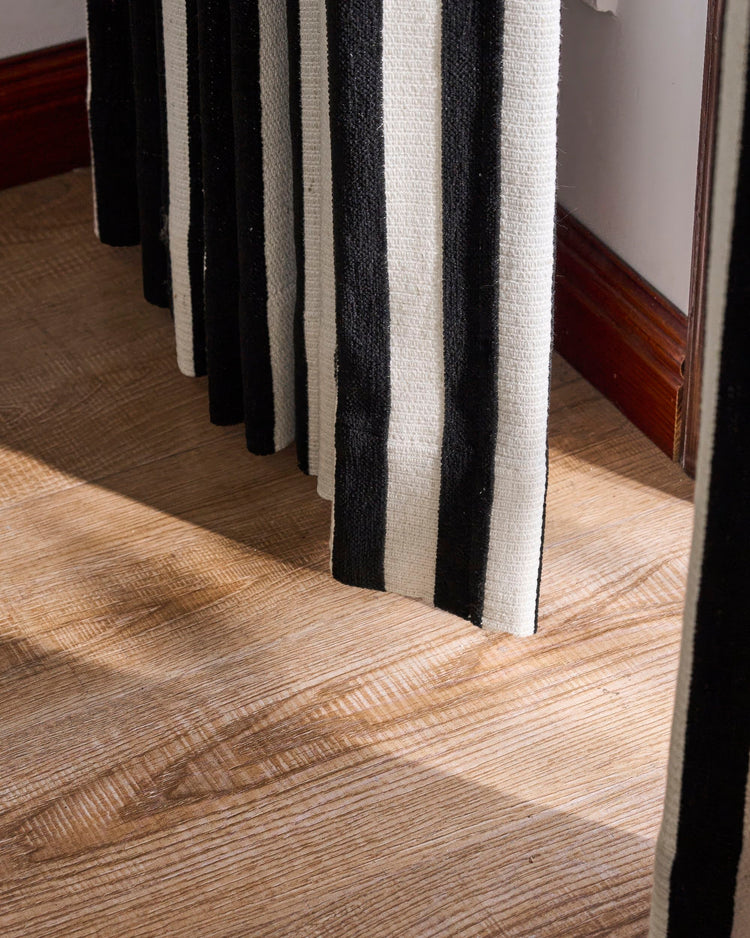
- The Hover: The most modern look is for curtains to hover about 1/2 inch off the floor. The "puddled" look (fabric gathering on the floor) collects dust and pet hair—avoid it in high-traffic dining areas.
5. Hardware Matters
Since dining room curtains often stay stationary (you might not close them every night), the hardware is a major design element. Avoid thin, flimsy rods. For dining rooms, a rod diameter of 1 inch or 1.25 inches is standard to support the visual weight of the fabric. Skip the tassel tiebacks—they tend to look dated. If you need to hold curtains back, use modern metal holdbacks or simply "train" your curtains to hang in straight, crisp folds.