Outdoor Porch Curtains: How to Choose the Right Ones for Sun, Rain, and Wind


In this article 7 sections
Your porch should be an extension of your living room, but harsh elements often turn it into a "look but don't touch" zone. Between the blinding glare, nosy neighbors, and unpredictable weather, many homeowners underutilize their most valuable square footage.
Outdoor curtains are the most cost-effective solution to reclaim this space. They function as a flexible wall—blocking UV rays, mitigating wind, and adding architectural polish without the price tag of permanent remodeling.
This guide covers exactly how to choose the right curtains for your specific climate and how to avoid common installation mistakes.
1. Heat Control: Dealing with the "Greenhouse Effect"
In high-heat regions like Arizona, Texas, or Florida, standard fabric isn't enough. You need technical fabrics designed to break the thermal bridge.
What to look for: Prioritize curtains labeled "thermal insulated" or "triple-weave." These aren't just thick cloth; they often feature a high-density middle layer that blocks 85-99% of light. This can lower the "feels like" temperature of your porch by 10-15 degrees by eliminating direct solar gain.
TheHues Thermal Insulated Patio Curtains utilize a heavy-duty triple weave that maximizes shade coverage. They are essential for south-facing or west-facing porches that get hammered by the afternoon sun.

2. Water Protection: Waterproof vs. Water-Resistant
If you are in the Pacific Northwest or the humid Southeast, moisture is your primary enemy. However, there is a trade-off between water protection and airflow.
- Water-Resistant (Best for most): Repels light rain and dries fast. The fabric breathes, preventing heat traps. ideal for covered porches where rain blows in sideways.
- Waterproof (Best for open areas): Features a PU or vinyl coating that completely blocks water. Great for exposed pergolas, but can create a "shower curtain" effect if airflow is poor.
TheHues Waterproof Curtains feature specially coated panels designed to shed water rapidly, preventing the moisture saturation that leads to mold.

 Kid-friendly
 OEKO-TEX® Certified
 Durable
 Low maintenance
3. Wind Management: The "Ballooning" Problem
The most common complaint with outdoor curtains is that they blow around wildly in the wind, knocking over drinks or flapping noisily. Standard weighted hems often aren't enough for gusty days.
The Pro Solution: Top and Bottom Grommets. This secures the curtain on two rods (or a rod and a steel cable), creating a fixed panel that stays taut regardless of wind speed.
TheHues Top & Bottom Grommet Curtains solve this mechanical issue immediately. They stay in place, maintain privacy, and prevent wear and tear caused by flapping.

Safety Note: In true severe weather or hurricane warnings, always tie back or take down your curtains to prevent damage to the structure.
4. Sizing Guide: Avoid the "Flat Sheet" Look
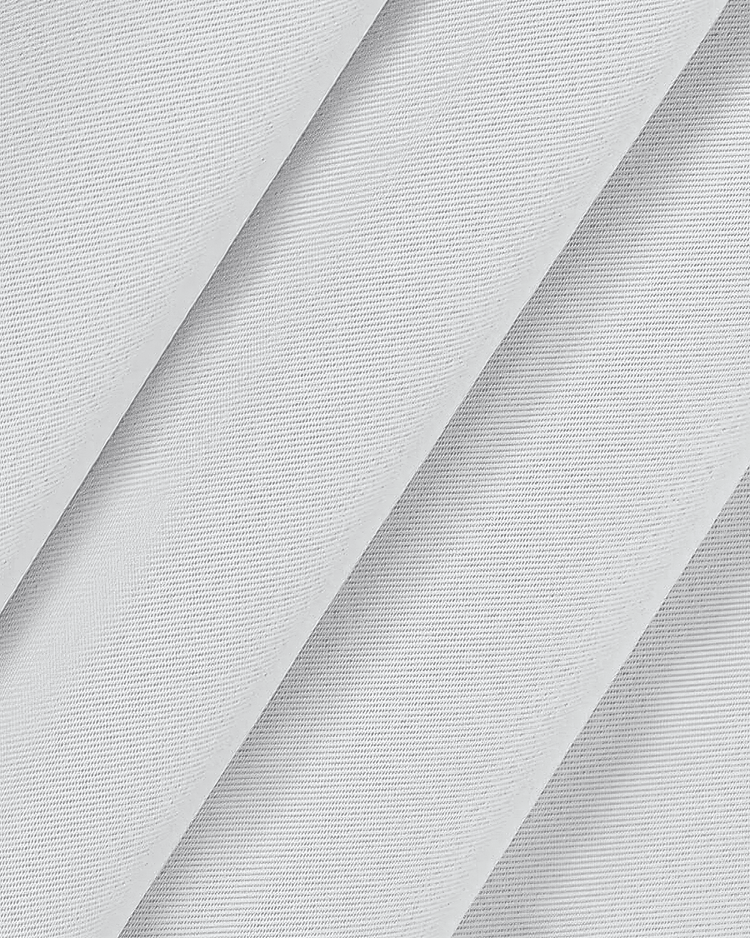
A common mistake is buying curtains that match the exact width of the opening. When closed, these look flat, stretched, and cheap. For a luxurious, professional look, you need to account for fullness.
The Rule of Thumb: Buy panels with a combined width of 1.5 to 2 times the width of the space you are covering. This ensures that even when closed, the curtains have nice ripples and folds.
5. Privacy & Aesthetics
The HOA Check
Before installing, quickly check your Homeowners Association (HOA) guidelines. While curtains are usually permitted, some neighborhoods restrict specific colors. When in doubt, neutrals (beige, grey, white) are usually the safest bet.
Opacity Levels
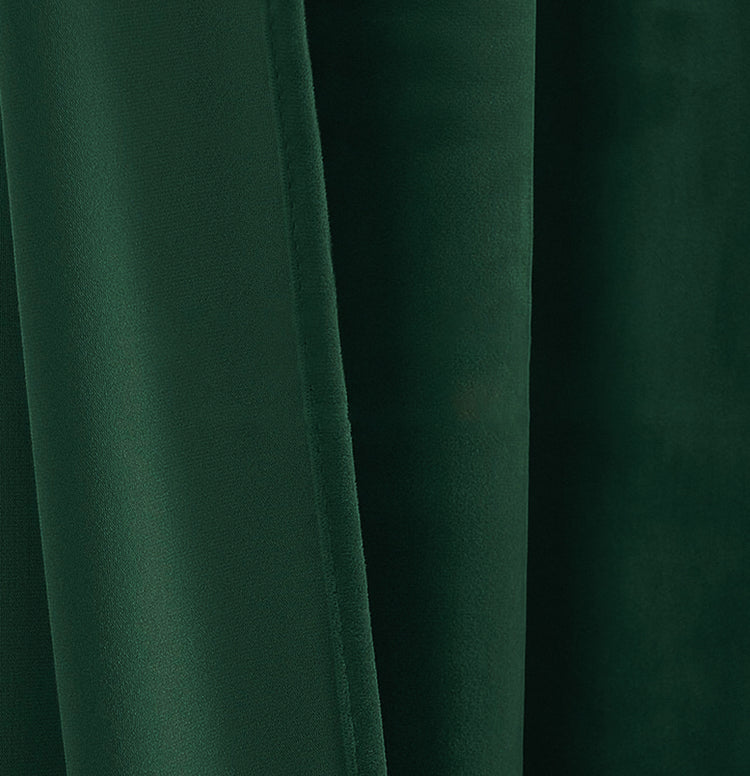
For total privacy (blocking views from a busy street), stick to darker solids. TheHues Outdoor Patio Curtains in navy, grey, or chocolate provide complete visual blockage.

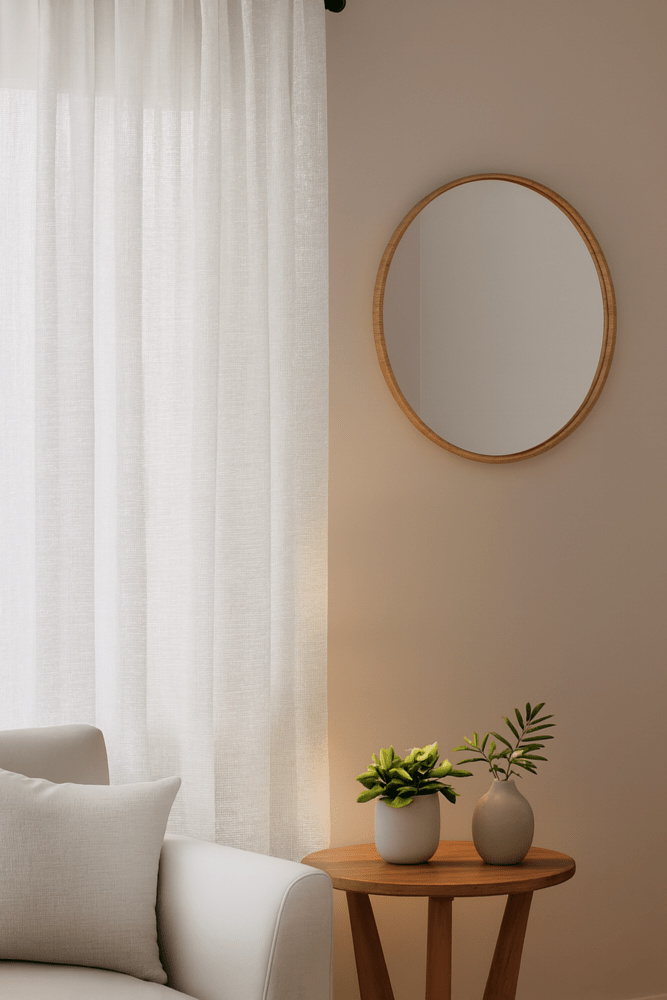
If you want an airy resort vibe and don't mind silhouettes being visible, layer sheer curtains with solid panels. This gives you the flexibility to choose between light filtration and total privacy.
Style & Patterns
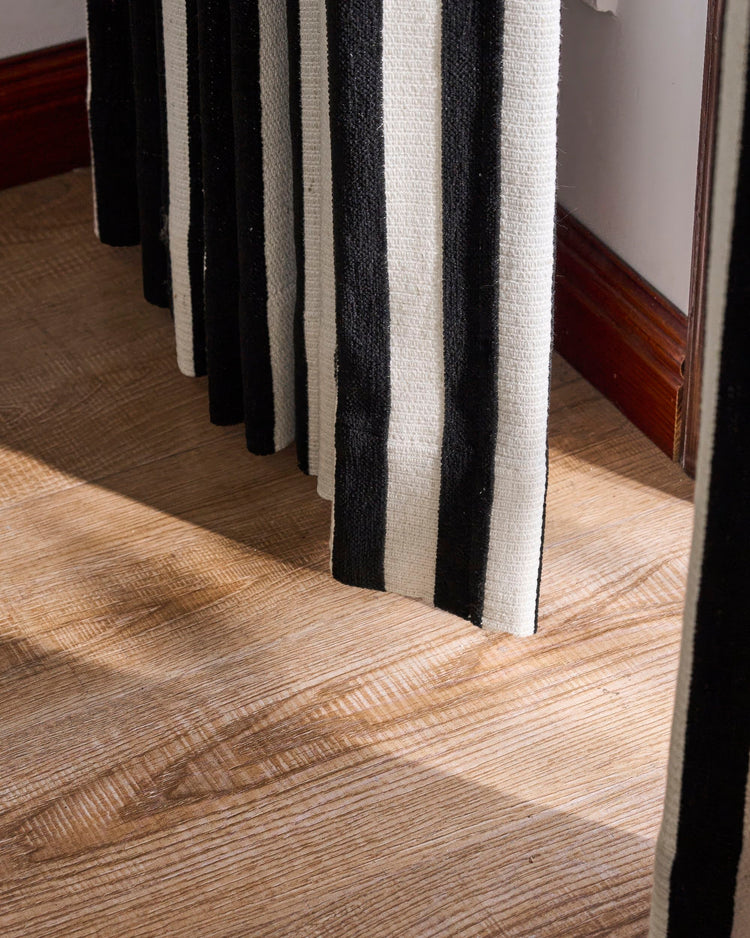
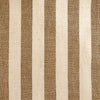
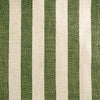
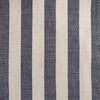
Stripes: Classic Black and White stripes offer a timeless nautical look that hides dirt better than solid white. Check out these striped options.

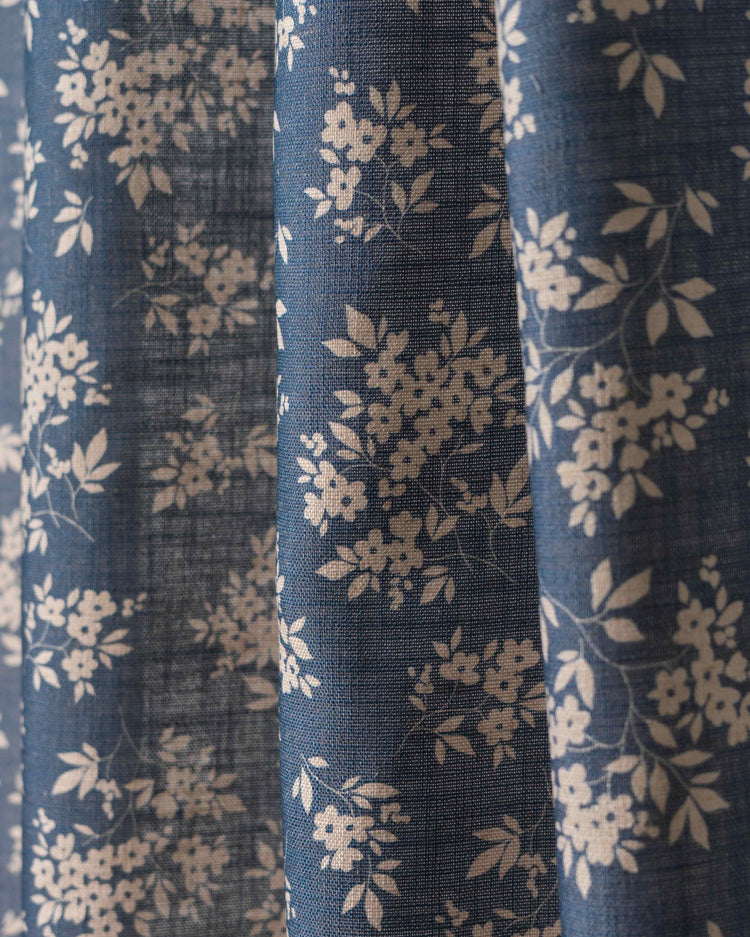
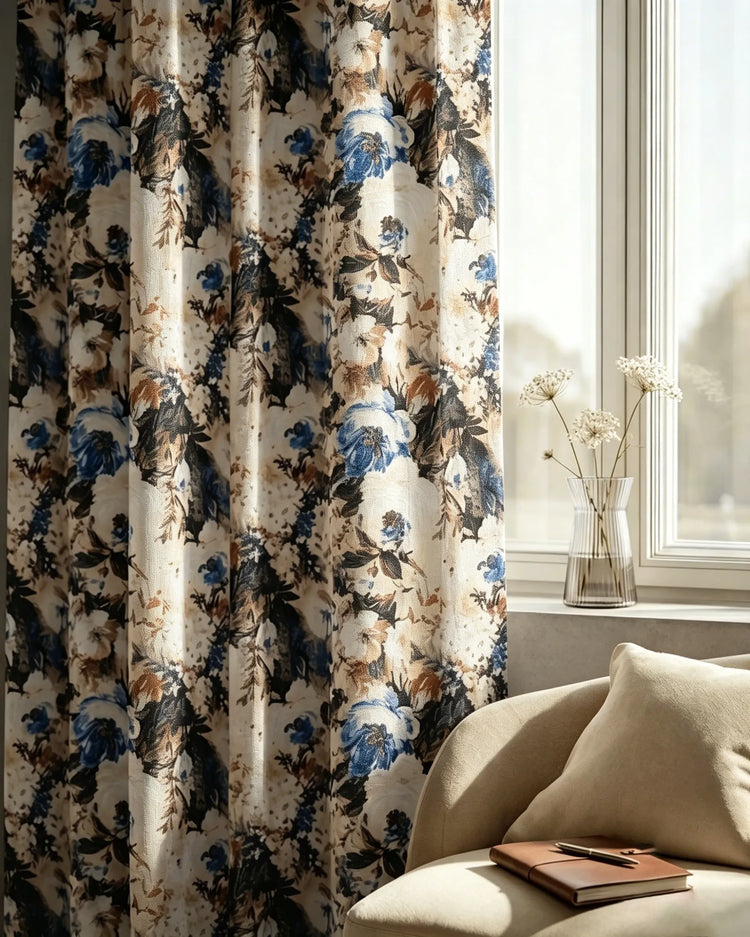
Botanicals: For a tropical aesthetic, leaf prints can act as "visual landscaping," adding greenery to a concrete patio.

Palm leaf curtains are particularly effective around pool areas.

6. Installation & Hardware
Ensure your rod diameter is at least 1-1.5 inches to support the weight of outdoor fabric (standard grommets are 1.6 inches). Do not use untreated wood or standard indoor tension rods—they will rust or rot.
- Wood Posts: Use exterior-grade screws (stainless steel or coated deck screws).
- Brick/Stucco: You must use masonry anchors. If you are renting or cannot drill, consider heavy-duty outdoor tension rods, but be aware they may slip in high winds.
7. Maintenance: Extending Lifespan
Outdoor curtains generally last 3-5 years, but maintenance is key.
- Regular Clean: Shake them out or hose them down monthly to remove pollen and dirt, which can trap moisture.
- Mildew Removal: Do not use harsh bleach unless the care label explicitly permits it, as it can degrade UV coatings. Use a mixture of water, white vinegar, and mild dish soap for spot treatment.
- Winter Storage: In snow-heavy climates, take them down during winter. Freezing and thawing cycles are the fastest way to degrade the fabric.
Ready to upgrade your outdoor space? Browse the full TheHues outdoor curtain collection to find the right fit for your climate.