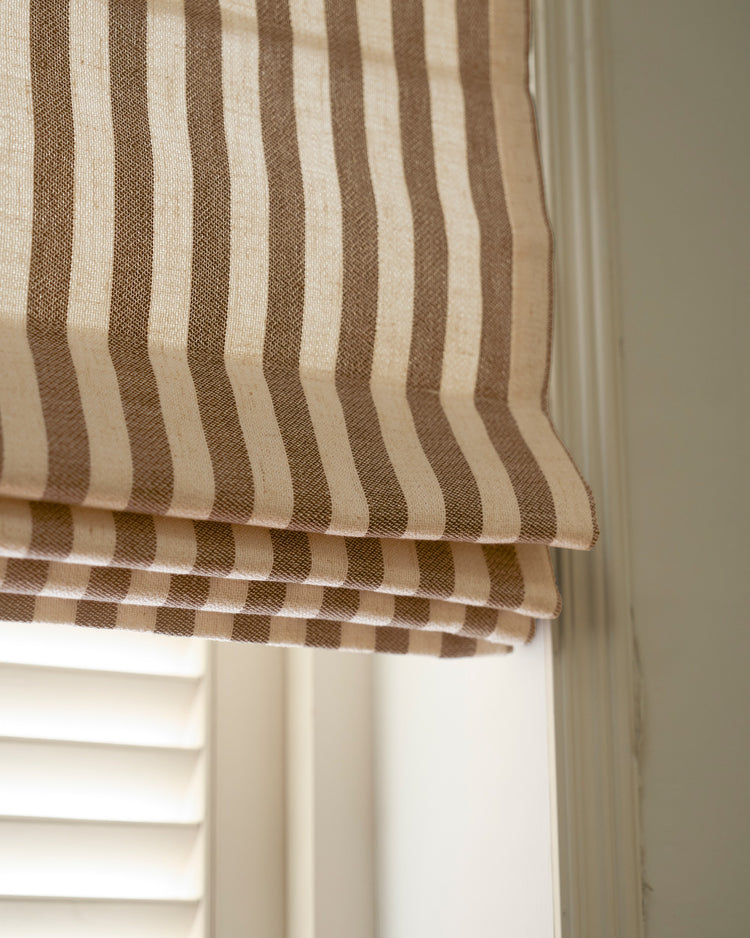
Do thermal curtains keep cold out?


Standing near a window in winter can make a room feel colder than it really is. Even when the heater is running, cold glass, drafts, and air movement around the window can make the space feel uncomfortable.
So, do thermal curtains block cold air? Yes, they can help. Thermal curtains create an insulating layer between the window and the room, helping slow heat loss and reduce the cold feeling near glass. They are especially useful for older windows, drafty rooms, apartments, bedrooms, and large window areas.
However, thermal curtains are not a complete replacement for new windows, air sealing, or home insulation. They work best when they are properly installed, fully closed at the right times, and sized to reduce gaps around the window.
Short Answer: Yes, But With Limits
Thermal curtains can help block cold air and reduce heat loss near windows, but the result depends on your window type, curtain construction, and installation.
The U.S. Department of Energy notes that properly installed window coverings can help reduce heat loss in winter and reduce heat gain in summer. Thermal curtains can be especially helpful when used on older, drafty, or single-pane windows.
In practical terms, you may notice:
- Less cold air feeling near the window
- A cozier bedroom or living room at night
- Reduced drafts around older windows
- Better privacy and light control
- Some improvement in summer heat control if the backing is light or reflective
The most important thing to remember is this: thermal curtains only work when they cover the window well. If they are hung loosely with large gaps at the top, sides, or bottom, they will perform more like regular decorative curtains.
If you are choosing thermal curtains for winter comfort, start with TheHues thermal curtains buyer’s guide to compare fabric, lining, and installation options.

How Thermal Curtains Help Block Cold Air
Thermal curtains work by adding a thicker barrier between the room and the window. Most standard curtains are mainly decorative, while thermal curtains are designed with denser fabric, added lining, or insulating layers.
They help in three main ways:
1. They Slow Heat Transfer
Windows lose heat faster than most walls. A thermal curtain adds an extra layer of fabric in front of the glass, which helps slow the movement of heat from the warm room toward the colder window.
2. They Create a Still-Air Pocket
When thermal curtains hang close to the window, they create a pocket of still air between the curtain and the glass. Still air helps reduce heat movement. This is one reason proper installation matters so much.
If the curtain is too far from the window or leaves large gaps, air circulates more freely and the insulating effect becomes weaker.
3. They Reduce Drafts Around the Window Area
Thermal curtains cannot repair a leaky window frame, but they can help reduce the feeling of drafts by covering the window area more completely.
For the best result, the curtain should overlap the window frame, reach low enough to reduce bottom gaps, and sit close enough to the wall to limit air movement around the sides.

 100% Blackout
 Better sleep
 Noise Reducing
 Energy Saving
Types of Thermal Curtains
Not all thermal curtains are built the same way. The fabric and lining affect how well they block cold air, how they hang, and how easy they are to care for.
Triple-Weave Thermal Curtains
Triple-weave curtains use dense interwoven layers instead of a separate foam backing. They often feel softer and drape more naturally than coated curtains.
They are a good choice when you want a balance of comfort, style, and everyday usability. They can help reduce cold near the window, but they may not provide the strongest insulation compared with heavier lined or multi-layer curtains.
Foam-Backed or Coated Thermal Curtains
Foam-backed or coated thermal curtains use a backing layer to improve insulation, privacy, and light blocking. These curtains can be more structured and may feel heavier than triple-weave styles.
They can work well for bedrooms, media rooms, drafty windows, and spaces where performance matters more than a soft, breezy drape.
Multi-Layer or Interlined Curtains
Multi-layer curtains use a decorative face fabric with one or more functional layers behind it. These may include blackout, thermal, or insulating liners.
This is often the best option when you want both a more custom look and stronger comfort benefits. The face fabric can still look polished while the liner handles insulation, privacy, and light control.
If you are comparing curtain construction, TheHues blackout curtains and thermal options can help you choose the right balance between style and performance.
What Affects How Well Thermal Curtains Work?
Thermal curtain performance depends on more than fabric thickness. Installation, window type, curtain length, and daily use all matter.
1. Gap Control
Gaps are one of the biggest reasons thermal curtains underperform. Cold air and warm air can move around the top, sides, bottom, and center opening if the curtain does not cover the window well.
For better performance:
- Mount the rod high enough to reduce top gaps.
- Extend the curtain beyond the window frame on both sides.
- Use enough width so the curtain is not pulled flat.
- Choose a header style that sits closer to the wall.
- Make sure two-panel curtains overlap well in the center.
A valance, cornice, curtain track, or wraparound rod can also help reduce airflow around the top and sides.
2. Header Style
The top of the curtain affects both style and insulation. Grommet curtains are popular and easy to use, but the ring openings may leave more space for air movement.
For better cold-air control, rod pocket, back tab, pinch pleat, or track-style curtains can often sit closer and create cleaner coverage.
If you are unsure which style fits your room, compare options in TheHues curtain header guide.
3. Window Type
Older single-pane windows usually benefit more from thermal curtains because they have less built-in insulation. Modern double-pane or triple-pane windows may already perform better, so the added benefit from curtains may feel more subtle.
| Window Type | Likely Benefit From Thermal Curtains | Best Use Case |
|---|---|---|
| Single-pane windows | High | Older homes, drafty rooms, rentals |
| Older double-pane windows | Moderate | Bedrooms, living rooms, large windows |
| Modern high-performance windows | Lower but still useful | Privacy, light control, added comfort |
| Large glass doors or picture windows | Moderate to high | Cold glass areas, west-facing rooms, patio doors |
4. Window Direction
Window direction changes how you should use thermal curtains.
In winter, sunny south-facing windows may provide helpful warmth during the day. You may want to open curtains when the sun is shining, then close them after sunset to retain heat.
For north-facing or shaded windows, keeping thermal curtains closed more often in cold weather may help the room feel warmer.
In summer, west-facing windows often become hot in the afternoon. Closing thermal curtains during peak sun can help reduce heat gain, especially if the curtains have a white or reflective backing.
5. Climate
Thermal curtains tend to feel more valuable in climates with strong temperature swings. A cold winter climate may benefit from reduced drafts and heat loss, while a hot climate may benefit more from blocking afternoon sun.
Your local climate, window direction, and room use should all shape your curtain choice.
Watch Out for Heating Vents and Radiators
Before buying floor-length thermal curtains, check what sits below your window.
In many homes, heating vents, radiators, or electric baseboard heaters are placed under windows. A long curtain can trap warm air behind the fabric, pushing heat toward the cold glass instead of into the room.

If you have a vent or heater below the window, consider these options:
- Use sill-length or apron-length curtains that stop above the vent.
- Use a vent deflector to guide warm air into the room.
- Choose blinds or shades with a valance instead of long curtains.
- Keep curtain fabric safely away from electric baseboard heaters.
Safety comes first. Always follow the heater manufacturer’s clearance guidelines, especially around electric baseboard heaters and radiators.
When Thermal Curtains May Not Help Much
Thermal curtains are useful, but they have limits. They cannot fix every window or home comfort problem.
They may not make a big difference if:
- The window frame has large air leaks.
- The glass is cracked or the seal has failed.
- The home has poor wall, attic, or floor insulation.
- The curtains are rarely closed.
- The curtain is too narrow, too short, or hung with large gaps.
- There is a heating vent directly behind the curtain.
If you see frost, heavy condensation, rotting frames, or damaged seals, fix those issues first if possible. Curtains can improve comfort, but they cannot repair window damage.
Condensation Considerations
Condensation can happen when warm indoor air meets cold glass. Thermal curtains can sometimes make this more noticeable because they reduce airflow near the window.
This is more common with older single-pane windows or windows that already have moisture issues. To reduce the risk, open the curtains during part of the day, keep the room ventilated, and wipe away moisture when needed.

How to Use Thermal Curtains in Winter
For winter comfort, use thermal curtains strategically instead of leaving them in one position all day.
- Open curtains during sunny periods to let natural warmth into the room.
- Close curtains after sunset to help reduce heat loss.
- Keep curtains closed at night on cold windows.
- Make sure the curtain overlaps the window frame.
- Reduce side and top gaps where possible.
Bedrooms, nurseries, living rooms, and older homes often benefit most from this routine.
How to Use Thermal Curtains in Summer
In summer, thermal curtains help most when they block strong sun before the room overheats.
- Close curtains on west-facing windows during hot afternoons.
- Use white or reflective backing when heat control matters.
- Open curtains when outdoor temperatures drop and the sun is no longer direct.
- Keep airflow in mind if heat builds up behind the curtain.
For more summer-specific guidance, read TheHues guide on whether blackout curtains keep heat out.
Are Thermal Curtains Better Than Blinds?
Thermal curtains and blinds solve different problems.
Standard blinds are useful for privacy and light control, but their slats leave gaps where air can move. Thermal curtains usually provide fuller fabric coverage over the window, which can help reduce drafts and heat loss when installed well.
However, cellular shades can be very effective for insulation because their honeycomb structure traps air close to the glass. In very cold or hot rooms, layering cellular shades with thermal curtains can provide stronger comfort than either one alone.
If you are comparing options, read TheHues guide to blackout curtains vs. blinds.

Can You Use Thermal Curtains With Existing Blinds?
Yes. Layering thermal curtains over blinds can improve comfort, privacy, and light control. The blinds sit close to the glass, while the curtains add a second insulating layer and soften the room visually.
For the best result:
- Close the blinds first.
- Close the thermal curtains over them.
- Make sure the curtains overlap the frame.
- Avoid trapping heat behind curtains if there is a vent or heater below the window.
You can also read TheHues guide on how to layer curtains beautifully for more styling ideas.
Do Thermal Curtains Reduce Noise?
Thermal curtains can help reduce some noise because they are usually thicker and heavier than standard curtains. They may soften street sounds, voices, and echo inside the room.
They will not completely soundproof a room, but they can make bedrooms, apartments, and street-facing spaces feel calmer.
If noise control matters, compare TheHues soundproof curtains or choose heavier thermal curtains with good window coverage.
FAQ
Do thermal curtains really block cold air?
Yes, thermal curtains can help reduce the cold feeling near windows by slowing heat loss and limiting drafts. They work best when they are wide enough, closed fully, and installed to reduce gaps.
Are thermal curtains worth it for old windows?
Yes, they are often most useful for older or single-pane windows because those windows usually lose more heat. Thermal curtains will not replace new windows, but they can make the room feel more comfortable.
Should thermal curtains touch the floor?
Floor-length curtains can improve coverage, but only when there is no heating vent, radiator, or electric baseboard heater directly below the window. If there is a heat source, choose a safer shorter length or follow clearance guidelines.
What color thermal curtains work best?
For winter, fabric thickness, lining, and fit matter more than the front color. For summer heat control, a white or reflective window-facing backing can help reduce solar heat gain.
How long do thermal curtains last?
It depends on fabric quality, backing, sunlight exposure, and care. Follow the product care instructions carefully, especially for foam-backed, coated, velvet, or lined curtains.
Do thermal curtains work if they are open?
Not for insulation. Thermal curtains need to cover the window to help block cold air or heat gain. When they are open, they mainly serve as decoration and may help only slightly with room softness.
Final Takeaway
Thermal curtains can block cold air and make a room feel more comfortable, but they work best when they are chosen and installed correctly.
For the best results, use thermal curtains on windows that feel drafty, cold, or sun-exposed. Choose dense fabric or lined construction, mount the curtains to reduce gaps, and close them during the coldest or hottest parts of the day.
If your windows have major air leaks, failed seals, or structural damage, fix those issues first if possible. Thermal curtains are a comfort upgrade, not a window repair.
To get started, compare TheHues thermal curtains, review the thermal curtains buyer’s guide, or use the free design service if you want help choosing the right setup for your room.