Draft busters: Why you should hang thermal curtains on your front door & hallways


In this article 11 sections
- Why Use Thermal Curtains on Doors and Hallways?
- Front Door Thermal Curtains: What to Consider First
- Are Swing-Arm Rods Good for Door Curtains?
- Renter-Friendly Option: Magnetic Rods for Steel Doors
- How to Use Hallway Curtains for Better Comfort
- Thermal Curtains Near Stairways
- How to Choose the Right Thermal Door Curtain
- How to Make Door Curtains Look Intentional
- Best Places to Use Thermal Curtains Beyond Windows
- FAQ
- Final Takeaway
Drafty doors, chilly entryways, and long hallways can make a home feel colder than it should. Even when your heating system is working, cold air around a front door or air movement through a hallway can make nearby rooms feel uncomfortable.
Thermal curtains can help by adding a soft insulating layer where your home needs it most. A well-placed curtain across a front door, hallway opening, or stairway area can reduce drafts, slow heat movement, and make the space feel warmer and more comfortable.
In this guide, you will learn where thermal door curtains work best, how to choose hardware for different door types, what renters should know, and when hallway curtains are helpful—or when they may interfere with airflow.
If you are still comparing options, start with TheHues thermal curtains buyer’s guide or browse thermal curtains designed for comfort, privacy, and everyday use.

Why Use Thermal Curtains on Doors and Hallways?
Most people think of curtains as window treatments, but they can also work well in draft-prone areas. Doors and hallways often have more air movement than homeowners expect.
A front door may let in cold air through small gaps around the frame, glass panels, sidelights, or mail slots. A hallway can move warm air away from the room you actually use most. In two-story homes, open stairways can also pull warm air upward.
Thermal curtains help by creating a flexible barrier. They do not replace weatherstripping, insulation, or a well-sealed door, but they can make a noticeable comfort difference in specific problem areas.
Thermal curtains are especially useful for:
- Drafty front doors
- Entryways that feel cold in winter
- Doors with glass panels or sidelights
- Apartment doors where permanent changes are limited
- Hallway openings between warm and cold zones
- Older homes with uneven temperatures
- Rooms connected to sunrooms, additions, or stairways
Front Door Thermal Curtains: What to Consider First

A front door curtain can help reduce drafts and make an entryway feel more finished. Before choosing the curtain or rod, look at how your door opens, where the handle sits, and whether the door has glass panels or sidelights.
The best setup should do three things:
- Cover the drafty area well
- Clear the door handle and swing path
- Stay easy to open, close, and tie back during daily use
For Inward-Opening Front Doors
Many front doors open inward, which gives you more curtain installation options. A ceiling-mounted rod or wall-mounted rod can work well as long as the curtain clears the door handle and does not block the door from opening fully.
For a clean look, mount the rod close enough to the door to reduce drafts, but far enough out to clear the handle, trim, and any lock hardware. In many homes, a few inches of clearance is enough, but always measure your specific door before ordering.
If your door has sidelights, consider a wider curtain that covers both the door and the side glass. Sidelights can be beautiful, but they may also make the entryway feel colder in winter.

For easier daily use, add a tieback or holdback so the curtain can be pulled aside during the day and released at night for extra warmth.
For Outward-Opening Doors
If your door opens outward, the curtain usually needs to sit on the interior side without interfering with the door swing. A tension rod inside the frame or a wall-mounted rod above the opening may work, depending on your door design.
In this setup, the curtain mainly helps reduce the cold feeling from the glass, frame, or surrounding area. It may not seal the door as tightly as a full wall-mounted curtain, but it can still improve comfort.
For best results, pair the curtain with basic draft-control steps such as:
- Weatherstripping around the door
- A door sweep at the bottom
- A storm door where appropriate
- A curtain that covers glass panels or sidelights
The curtain helps most when the door itself is already reasonably sealed.
Are Swing-Arm Rods Good for Door Curtains?
Swing-arm rods can be useful for doorways because they let the curtain move out of the way. They work especially well with lighter fabrics and smaller door panels.
However, heavy thermal curtains need stronger support. A thick lined curtain can put stress on a swing-arm rod, especially if the rod is used every day. Over time, lightweight hardware may sag or pull away from the wall.
If you want to use a swing-arm rod with heavy thermal curtains, choose heavy-duty hardware and install it securely into studs or with proper wall anchors. For many homes, a fixed ceiling-mounted or wall-mounted rod with a tieback is the more stable option.
Renter-Friendly Option: Magnetic Rods for Steel Doors
If you rent or cannot drill into the door or wall, magnetic curtain rods can be a simple option for steel doors. They attach without tools and can be removed later with minimal impact.

Magnetic rods are best for lightweight to medium-weight curtains. Heavily lined thermal or blackout curtains may need stronger mounted hardware.
Before ordering a magnetic rod, check whether your door is actually magnetic. Some doors look like metal but have coatings or materials that reduce magnet strength.
Try this quick test:
- Place a strong magnet on the door.
- Check whether it holds firmly or slides down.
- Test the area where the rod will sit, not just the center of the door.
If the magnet holds firmly, a magnetic rod may work. If it slides or feels weak, choose another installation method.
Magnetic hardware will not work on fiberglass, aluminum, wood, or non-magnetic doors.
How to Use Hallway Curtains for Better Comfort
Hallway curtains can help separate warmer and cooler parts of the home. They are useful when you want to keep heat in the rooms you use most or reduce drafts moving through long open spaces.
This can work well in:
- Older homes with long hallways
- Openings between a living room and a sunroom
- Guest wings or rooms that are not used often
- Transitions between a new addition and the main house
- Homes with radiant heat, baseboard heat, or wood stoves
However, hallway curtains are not right for every HVAC layout.
Do Not Block Return Vents
Many U.S. homes use forced-air heating and cooling systems. These systems rely on supply vents and return vents to move air properly.
Return vents are often located in hallways. If a curtain blocks a return vent, the system may have to work harder, airflow may become uneven, and the home may feel less comfortable.
Before adding a hallway curtain, check for:
- Return vents on hallway walls
- Supply vents near the opening
- Thermostats that may be affected by blocked airflow
- Doors or pathways that need to stay clear
If a hallway contains a major return vent, it is usually better to target the draft at the source, such as the front door, instead of dividing the hallway with a curtain.
Thermal Curtains Near Stairways
Open stairways can move warm air upward, especially in winter. A curtain can sometimes help manage this airflow, but safety is more important than insulation.
A loose curtain at the bottom of a staircase can create a tripping hazard, especially in low light or in homes with children, pets, or frequent guests.
If you want to use a curtain near stairs, consider these safer options:
- Install the curtain at the top of the stairs when practical.
- Use secure tiebacks to keep the path open during the day.
- Choose a curtain that does not drag or block the walking path.
- Avoid placing loose fabric where people step or turn.
A stairway curtain should always be easy to move, easy to secure, and clearly out of the traffic path.

How to Choose the Right Thermal Door Curtain
The best thermal door curtain should balance insulation, safety, durability, and appearance. Because doors are high-traffic areas, choose a curtain that is easy to move and strong enough for daily use.
Choose the Right Fabric Weight
Heavier curtains usually provide better draft control, privacy, and sound softening. However, they also need stronger hardware.
For front doors and hallways, a medium-to-heavy thermal curtain is often a practical choice. For magnetic rods or tension rods, choose a lighter option unless the hardware is rated for more weight.
Choose a Practical Length
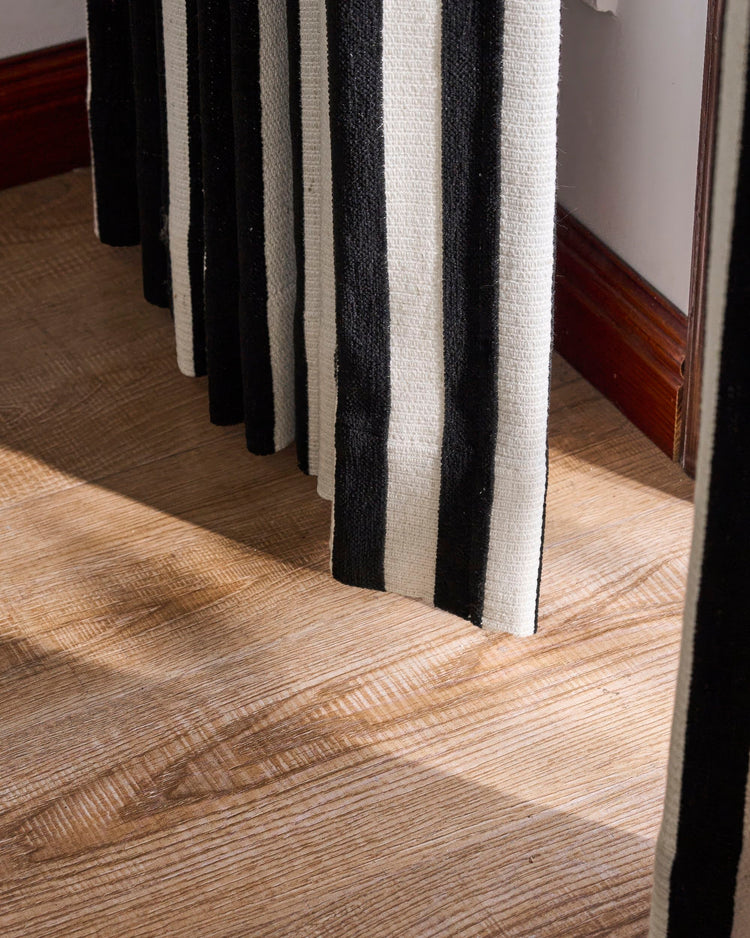
For maximum draft reduction, a curtain that reaches close to the floor can help reduce cold air movement. For high-traffic areas, a slight floor clearance may be easier to live with.
Common options include:
- Just above the floor: Cleaner movement and less dragging.
- Light break: Slightly better draft control with a softer look.
- Sill or door-panel length: Better for magnetic rods, glass panels, or doors with obstacles.
If the curtain is near a heater, radiator, or baseboard unit, keep fabric safely away from the heat source and follow the heater manufacturer’s clearance guidance.
Use Tiebacks or Holdbacks
Tiebacks or holdbacks are especially useful for front doors and hallways. They keep the curtain open during busy parts of the day and let you close it when you need more warmth or privacy.
For doorways, choose tiebacks that are easy to use with one hand and do not leave fabric in the walking path.
How to Make Door Curtains Look Intentional
A door curtain should not look like an afterthought. With the right fabric and hardware, it can feel like a designed part of the entryway.
Match the Curtain to the Room
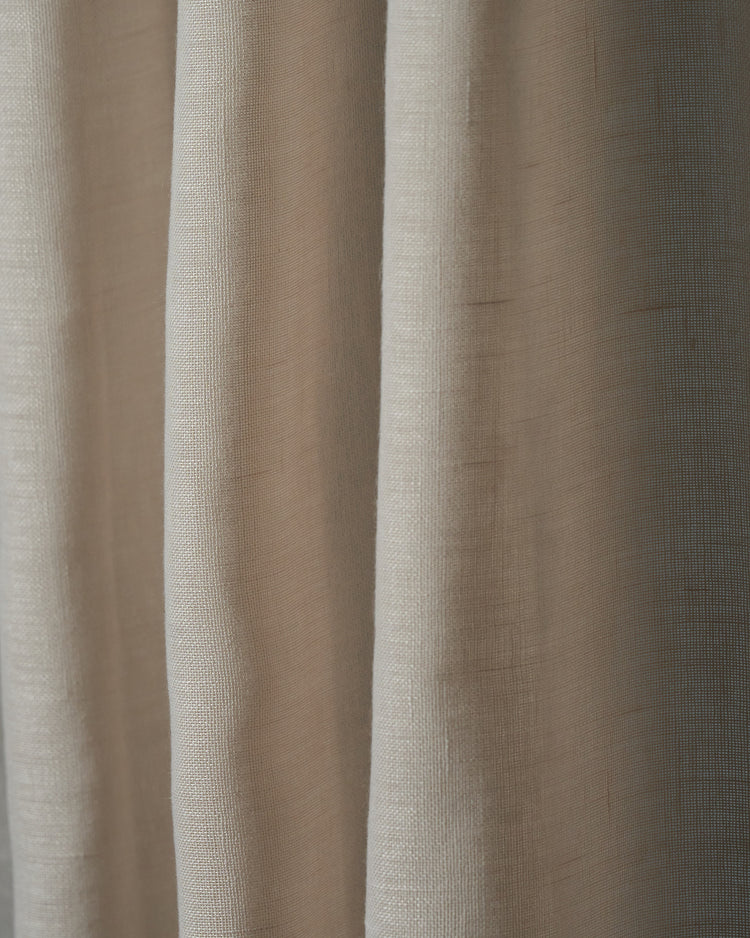
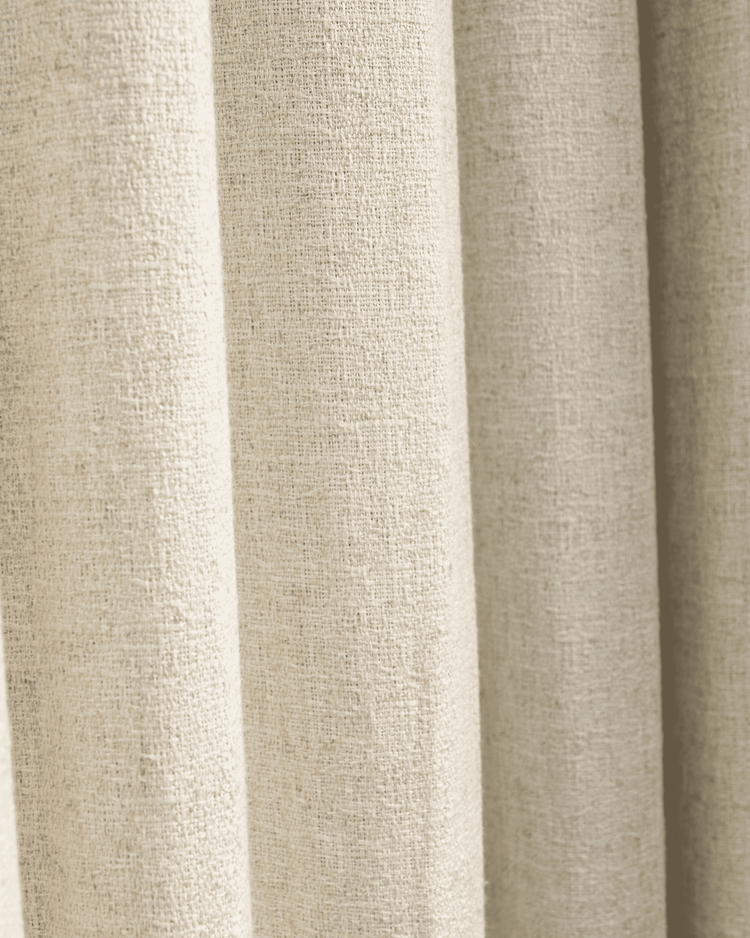
For a soft neutral entryway, choose textured cream, beige, oatmeal, or warm gray. For a richer look, deep green, navy, charcoal, or warm brown can add depth.
If the doorway connects two rooms, choose a fabric that works with both sides.
Choose Hardware That Looks Finished
Hardware matters because it is highly visible near a door. Matte black, brushed nickel, brass, or wood-tone hardware can all work depending on the home’s style.
For heavier curtains, choose solid brackets, strong rods, and secure mounting. Good hardware improves both safety and appearance.
Balance Performance and Daily Use
A tighter curtain fit can improve draft control, but the curtain still needs to move easily. If the curtain is difficult to open, blocks the handle, or drags across the floor, you may stop using it.
The best setup is one that feels natural in daily life: open during the day, tied back when needed, and easy to close during cold evenings.
Best Places to Use Thermal Curtains Beyond Windows
Thermal curtains can work in several areas beyond standard windows:
- Front doors: To reduce drafts and soften the entryway.
- Back doors: To improve comfort near kitchens, mudrooms, or patios.
- Sliding doors: To help with cold glass, privacy, and evening warmth.
- Sunroom openings: To separate a cooler glass-heavy space from the main room.
- Hallway openings: To divide warm and cool zones when HVAC airflow allows.
- Stairway openings: To manage rising warm air when placed safely.
If you are choosing curtains for a door, consider TheHues custom curtains for a better fit, especially when the opening is wider, taller, or harder to size.
FAQ
Do thermal curtains work on front doors?
Yes. Thermal curtains can help reduce drafts and cold air near front doors, especially if the door has glass panels, sidelights, or small gaps around the frame. They work best when paired with basic weatherstripping and a proper door sweep.
Can I use a curtain instead of weatherstripping?
No. A curtain can improve comfort, but it should not replace weatherstripping. If air leaks around the door, seal those gaps first, then use the curtain as an added comfort layer.
Are magnetic curtain rods strong enough for thermal curtains?
Sometimes. Magnetic rods can work for lightweight to medium-weight curtains on steel doors. Heavy thermal or blackout curtains usually need stronger mounted hardware. Always check the rod’s weight rating and test the magnetic hold before installing.
Should a front door curtain touch the floor?
It depends on your goal. A curtain that reaches close to the floor can help reduce drafts, but a slight clearance may be easier for daily movement. Avoid long fabric near heaters or areas where it could become a trip hazard.
Can hallway curtains help keep rooms warmer?
They can help in certain homes by separating warmer and cooler areas. However, do not block HVAC return vents, supply vents, thermostats, or main walkways. In forced-air homes, airflow should stay clear.
What fabric is best for a thermal door curtain?
Medium-to-heavy thermal fabric, lined curtains, blackout thermal fabric, or dense woven curtains are good options. Choose a weight that matches your hardware and daily use.
Final Takeaway
Thermal curtains can make drafty doors, entryways, and hallways feel warmer and more comfortable. They are especially useful for front doors with glass, older homes, apartments, sunroom openings, and spaces where cold air is easy to feel.
The best results come from matching the curtain to the door type, choosing hardware that can support the fabric, and keeping HVAC airflow clear. For renters, magnetic rods may work on steel doors. For homeowners, ceiling-mounted or wall-mounted rods usually provide stronger support and a cleaner finish.
Thermal door curtains are not a replacement for weatherstripping or proper insulation, but they are a practical comfort upgrade that can also make an entryway look softer and more finished.
To get started, compare TheHues thermal curtains, review thermal door curtain options, or use the free design service if you want help choosing the right size, fabric, and installation style.