Unlocking the True Potential of Your Soundproof Curtains

In this article 9 sections
- Why sound can still get around your curtains
- Start with a quick window noise check
- Seal air gaps before judging the curtains
- Choose curtains with enough density and coverage
- Install curtains so sound cannot easily go around them
- When curtains are not enough
- Quick checklist for better noise-reducing curtains
- FAQ
- Final takeaway
Noise-reducing curtains can help make a room feel calmer, but they work best when the window area is treated as a whole system. If outside noise still comes through after you hang heavy curtains, the issue may not be the curtain fabric alone. Small air gaps around the window frame, light leaks at the edges, thin fabric, or poor coverage can all let sound travel around the panel.
The practical goal is not to promise a silent room. Curtains cannot replace new windows, wall insulation, or professional acoustic construction. But the right combination of sealing, curtain density, lining, fullness, and hardware can help soften everyday noise from traffic, neighbors, wind, and outdoor activity.
This guide explains how to check where noise is entering, how to improve the window seal, and how to choose curtains that are better suited for acoustic comfort.
Why sound can still get around your curtains
Sound behaves a lot like air around a window. If air can move through a gap, noise often follows. That is why a heavy curtain may help soften the room but still leave you hearing traffic, voices, or low rumbling sounds.
Higher-frequency noise, such as voices, birds, or sharper street sounds, is usually easier for fabric to soften. Low-frequency noise, such as trucks, bass, or machinery, is harder because it travels through structure and small openings more easily.
For most homes, the best starting point is simple: seal the obvious gaps first, then use heavier curtains to reduce the remaining sound and echo inside the room.

Start with a quick window noise check
Before buying new curtains or hardware, check whether the noise is coming through the glass, the sash, or the perimeter around the frame. This step helps you avoid spending money on the wrong fix.
Check for light around the frame
At night, turn off the room lights and look closely around the window frame. If possible, have someone shine a light from the other side of the window. Any visible light at the edge of the frame can point to a gap where air and sound may be entering.

Feel for drafts
On a breezy day, slowly move your hand around the window sash, sill, and trim. Pay attention to the bottom corners, meeting rail, and the area where the window frame meets the wall. If you feel air movement, sealing that area may help both comfort and noise control.
Listen with the curtain open and closed
Close the curtain fully, then listen near the top, sides, and bottom of the window. If the noise is louder near an edge, the curtain may need wider coverage, better stack-back planning, or hardware that allows the fabric to sit closer to the wall.
Seal air gaps before judging the curtains
If the window frame has gaps, even a dense curtain can underperform. Sealing does not need to be complicated, but the right method depends on whether you rent, own the home, and need the window to open regularly.
Removable options for renters
Renters usually need fixes that improve comfort without damaging paint, trim, or the lease agreement. These options can help with small gaps while remaining easier to remove later.
- Rope caulk: A pliable, removable material that can be pressed into small gaps around a window frame. It is useful for seasonal sealing, especially on windows you do not open every day.
- Draft stoppers: A simple option for the sill area if cold air or sound seems to enter at the bottom of the window.
- Removable tape: For windows that stay closed, painter's tape or removable weather-sealing tape may help reduce minor air movement. Always test first so it does not damage paint or finishes.

More permanent options for homeowners
Homeowners may have more flexibility to use longer-lasting sealing methods. If you are not comfortable working around trim or older windows, consider asking a qualified installer or contractor before applying permanent materials.
- Acoustic sealant: A flexible sealant that can help close small gaps where trim meets the wall. It is different from rigid materials that may crack as the building moves.
- Weatherstripping: Worn or compressed weatherstripping can allow air and noise to enter around operable windows. Replacing it can improve the seal.
- Trim and frame repair: If gaps are caused by damaged wood, loose trim, or shifting frames, sealing alone may not be enough.
| Sealing option | Best for | Removable? | What to check first |
|---|---|---|---|
| Rope caulk | Small seasonal gaps | Usually yes | Whether the window needs to open often |
| Draft stopper | Bottom sill drafts | Yes | Whether the noise is mainly at the sill |
| Removable tape | Minor gaps on closed windows | Usually yes | Paint and finish compatibility |
| Weatherstripping | Operable window edges | Sometimes | Window type and existing seal condition |
| Acoustic sealant | Permanent trim and frame gaps | No | Whether the gap is appropriate for sealant |
Choose curtains with enough density and coverage
Once air gaps are managed, the curtain itself matters more. For acoustic comfort, look for curtains with weight, lining, and enough width to create folds. Thin, unlined, or flat-hung panels may soften the look of a room, but they usually do less for noise.
Fabric weight matters
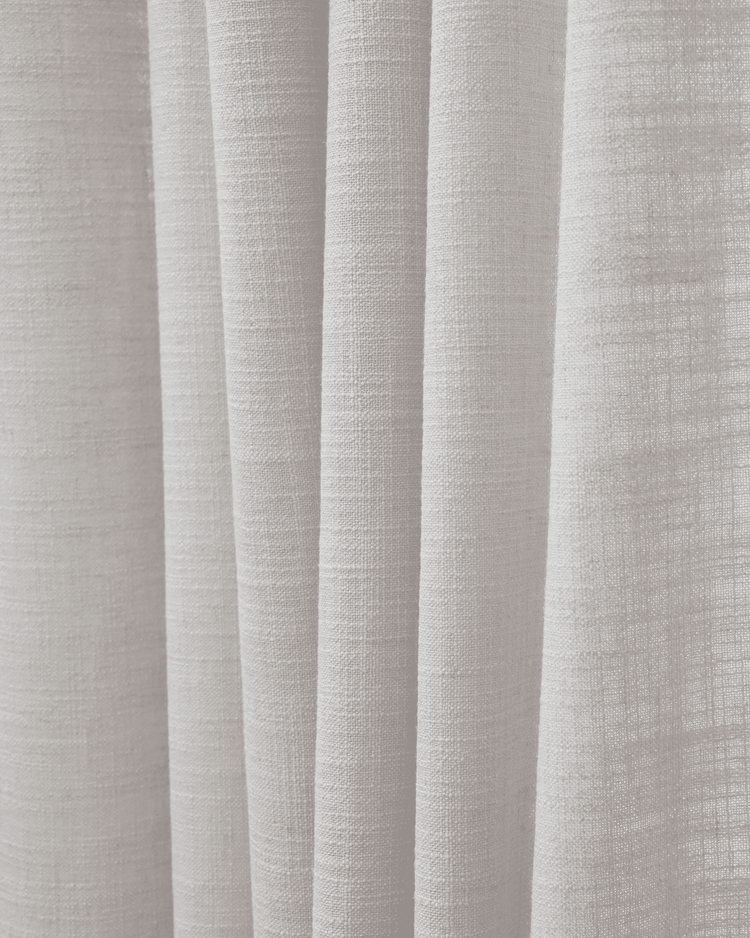
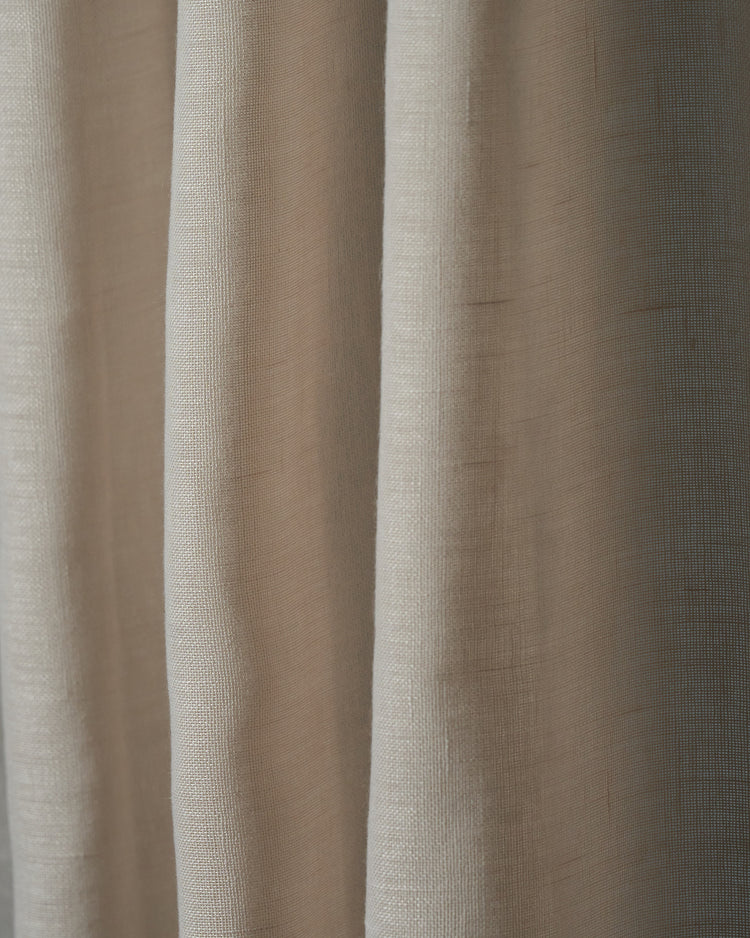
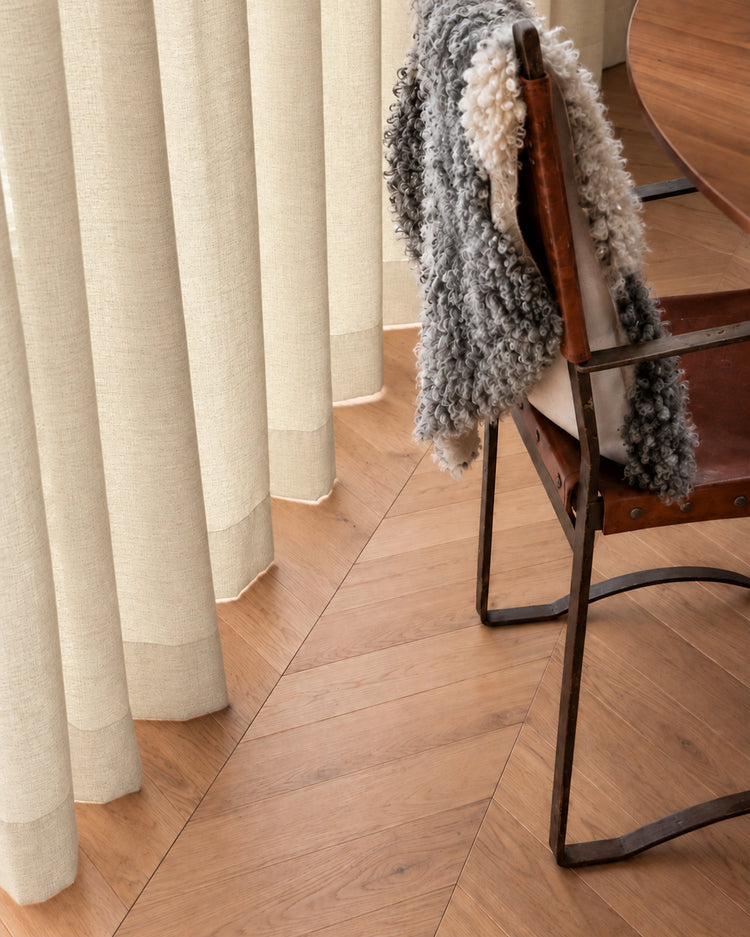
Heavier fabrics usually perform better for noise reduction than thin cotton, light linen, or sheer panels. Velvet, dense weaves, and layered constructions are often better choices when the room needs more privacy, darkness, or acoustic softness.
If you also need light control, compare blackout curtains and thermal curtains. A more substantial curtain can help with multiple comfort goals when it is measured and installed correctly.

 100% Blackout
 Better sleep
 Noise Reducing
 Energy Saving
Lining can make a real difference
Lining adds body, opacity, and structure. A lined curtain is usually better than a single thin face fabric when the goal is to soften outside noise. For bedrooms, nurseries, home offices, or street-facing living rooms, a heavier liner may also help with privacy and light control.
Before choosing, review the curtain liner guide so you can match the liner to the room's real needs instead of choosing the heaviest option by default.

Fullness helps the curtain absorb more sound
A curtain that barely covers the window will usually look flat and perform weakly. More fabric creates folds, and those folds give sound more surface area to hit. For a fuller look and better coverage, many rooms benefit from curtains wider than the window opening rather than panels that simply meet edge to edge.
For custom projects, start with the curtain measurement guide. Accurate width, length, and mounting position are especially important when you want curtains to help with noise.
Install curtains so sound cannot easily go around them
Even a good curtain can lose impact if sound slips around the edges. Pay attention to the top, sides, and bottom of the window treatment.
Mount the rod higher and wider
Mounting the rod higher and wider than the window frame gives the curtain more overlap. This can help reduce edge gaps and make the window look more finished at the same time.
When space allows, extend the rod beyond the frame so the panels can cover the side gaps when closed and stack off the glass when open.
Reduce side gaps
Side gaps are one of the most common reasons noise and light still enter the room. A return rod, wraparound rod, track system, or wider panel layout can help the fabric sit closer to the wall.
Use the right header style
Header style affects how closely the curtain hangs to the wall and how smoothly it operates. Some styles create more gaps at the top than others. If you are comparing options, use the TheHues curtain header guide before finalizing your order.

When curtains are not enough
Curtains can help reduce noise, but they are not a cure-all. If the main issue is very loud traffic, nearby construction, bass vibration, or poor window construction, you may need additional solutions beyond fabric.
Consider a broader fix if:
- the window glass vibrates when trucks pass
- the frame has visible damage or major gaps
- noise enters through walls, doors, vents, or floors instead of the window
- you need professional-level sound isolation for recording, sleeping, or work
In those cases, curtains can still be part of the room plan, but window repair, weatherstripping, secondary glazing, acoustic panels, or professional soundproofing may be needed.
Quick checklist for better noise-reducing curtains
- Check the window for light gaps and drafts before buying new curtains.
- Seal small air leaks with renter-friendly or permanent methods, depending on your home.
- Choose heavier, lined curtains instead of thin unlined panels.
- Measure for enough width so the fabric has folds when closed.
- Mount the curtain higher and wider to improve coverage.
- Reduce side, top, and bottom gaps wherever possible.
- Use the visualization tool to compare how a fuller or heavier curtain may look in the room before ordering.
FAQ
Do soundproof curtains really block noise?
Soundproof curtains can help reduce and soften some noise, especially higher-frequency sounds and room echo. They usually do not fully block low-frequency traffic, bass, or construction noise. For best results, pair heavier curtains with good window sealing and proper coverage.
Are blackout curtains good for noise reduction?
Blackout curtains can help with noise more than thin light-filtering panels because they are usually heavier and more opaque. However, blackout performance and noise reduction are not the same thing. Fabric weight, lining, fullness, and installation all matter.
Should curtains touch the floor for better noise control?
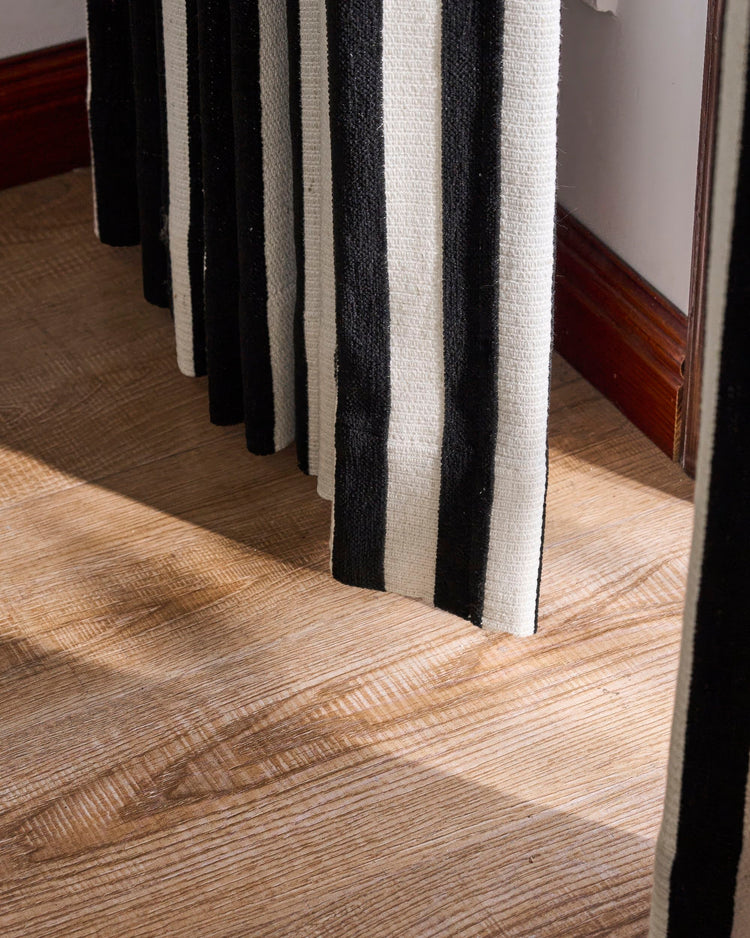
Longer curtains often help because they reduce bottom gaps and add more fabric mass. For most rooms, a curtain that reaches the floor or sits just above it will look more finished and usually perform better than a short panel.
Can I use sheer curtains for noise reduction?
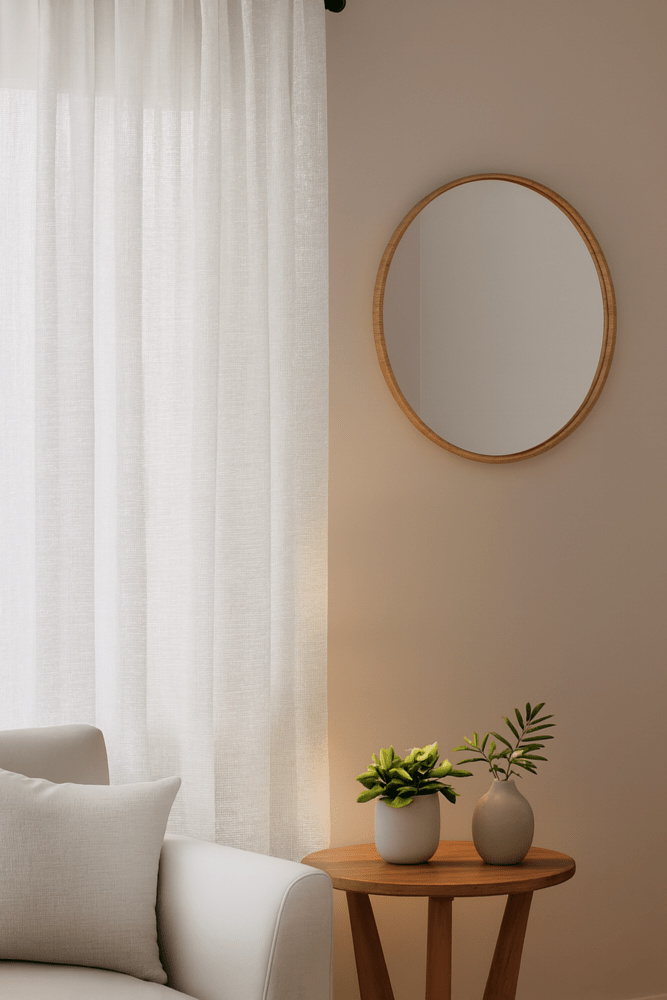
Sheer curtains are best for soft light and daytime privacy, not serious noise reduction. If you like the look of sheers, layer them with heavier blackout or thermal curtains for better comfort and coverage.
What should I do first if my room is still noisy?
Start with the window seal. Look for drafts, light gaps, and weak edges around the frame. After that, review curtain width, lining, rod placement, and side coverage before replacing the curtains.
Final takeaway
If your curtains are not making the room as quiet as you hoped, do not judge the fabric alone. Start by checking the window seal, then improve curtain density, lining, fullness, and edge coverage.
A well-planned curtain setup can help make everyday noise less intrusive, especially in bedrooms, home offices, nurseries, and street-facing rooms. For a more tailored result, compare custom curtains, review your measurements carefully, and use the free design service if you want help choosing the right setup for your room.