What Are Cordless Blinds? (How They Work, Safety Laws, and Are They Worth It?)


In this article 9 sections
- 1. What Are Cordless Blinds and Why Are They the New US Standard?
- 2. Benefit 1: They Eliminate Cord Hazards for Kids and Pets
- 3. Benefit 2: They Remove Cord Clutter for a Cleaner Look
- 4. Benefit 3: They Are Simple to Operate on Everyday Windows
- 5. Benefit 4: They Adapt Easily to High Windows and Smart Automation
- 6. The Hidden Trade-Offs: What to Consider Before Buying Cordless
- 7. How to Choose the Right Cordless System for Your Windows
- Frequently Asked Questions
- Is It Time to Switch to Cordless Blinds?
Window treatments have changed over the past few years. If you are updating an older space or buying window coverings for a new home, you have likely noticed that traditional dangling pull cords are disappearing from store shelves. In their place, cordless systems have become the standard choice across modern residential interior design.
1. What Are Cordless Blinds and Why Are They the New US Standard?
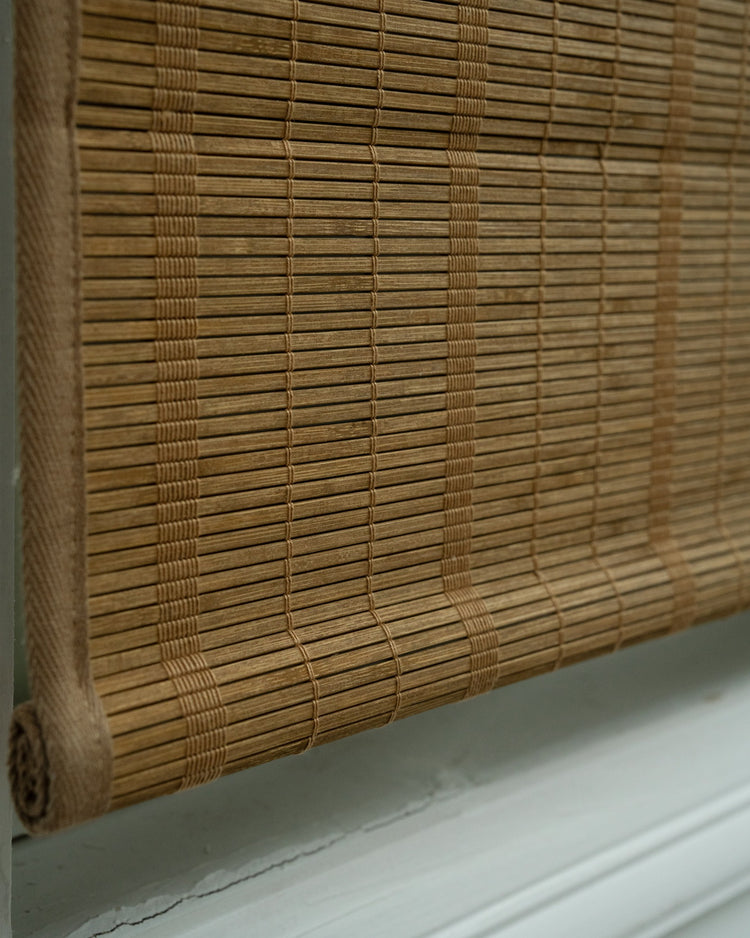
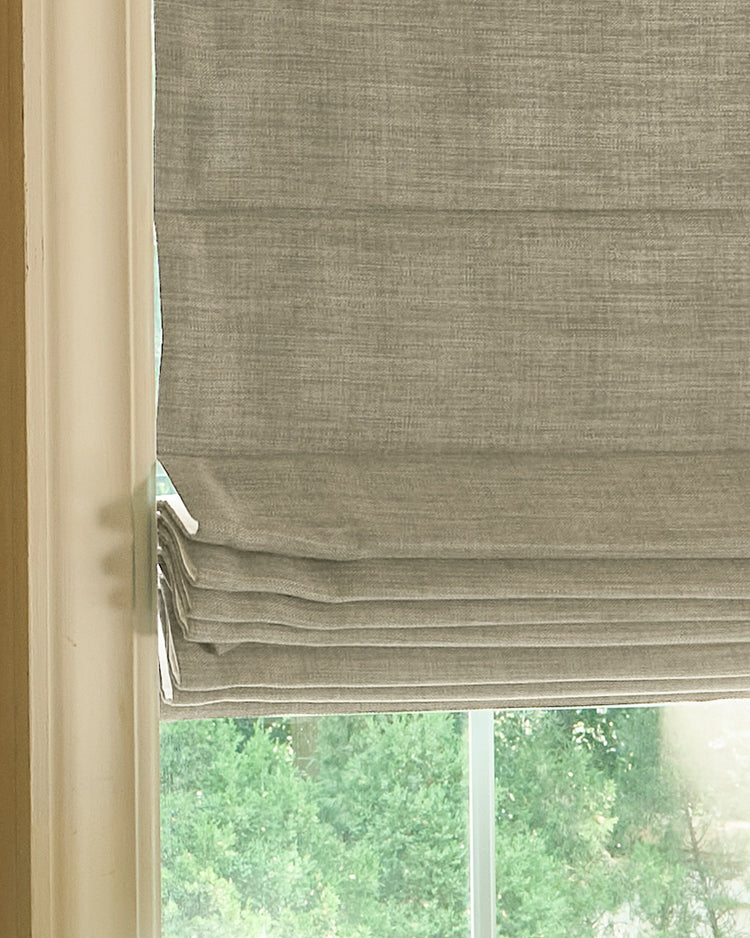
Cordless blinds lift and lower without hanging outer lift strings, relying instead on an internal spring assembly tucked inside the headrail or roller tube. You simply grab the bottom rail with your hand, push up to open, or pull down to close. On horizontal slat blinds, slatted tilting is typically controlled by a rigid wand rather than hanging lift cords.
The system holds its position through balanced friction. Heavy-duty springs counteract the weight of the fabric or slats, preventing the blind from creeping downward or snapping back up when you release your grip.
This shift to cordless design is driven by updated U.S. safety regulations. The U.S. Consumer Product Safety Commission (CPSC), alongside updated ANSI/WCMA standards, effectively restricted accessible operating cords on custom and stock window treatments. Today, cordless functionality is no longer a luxury upgrade—it is the baseline standard across American retail channels.
2. Benefit 1: They Eliminate Cord Hazards for Kids and Pets
Removing exposed pull cords directly eliminates the primary strangulation hazard associated with indoor window coverings. Traditional blinds with long lift strings, looped cords, and accessible inner cords have historically presented significant risks to toddlers and curious pets.
| Feature / Metric | Traditional Corded Systems | Modern Cordless Systems |
|---|---|---|
| Lift Mechanism | Long, accessible lift strings | Zero exposed hanging cords |
| Safety Hazards | Risk of inner-cord loop formation | Concealed internal cordage |
| Pet Impact | High entanglement hazard for pets | Smooth bottom-rail operation |
| Regulatory Status | Non-compliant with modern CPSC mandates | Meets updated national ANSI/WCMA standards |
Young children explore window sills without understanding the danger of hanging loops. Cordless mechanisms keep all lift strings entirely hidden inside the fabric structure, honeycomb cells, or slat routing holes. Nothing hangs down within reach, providing straightforward safety compliance for family spaces.

3. Benefit 2: They Remove Cord Clutter for a Cleaner Look
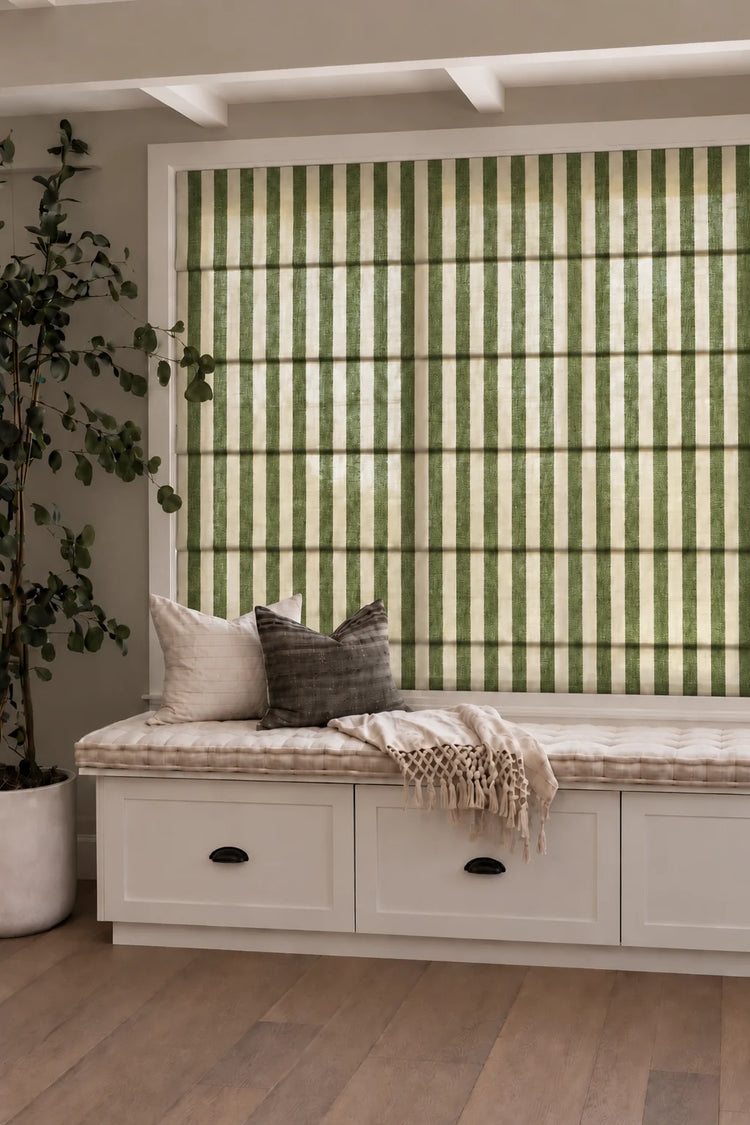
Cordless window treatments maintain clean, symmetrical lines across your windows by eliminating swinging strings and tangled cord cleats. Outer operating cords often wrap around tilt wands or collect dust over time, creating unnecessary visual noise around decorative window trim.
By removing external strings, the shade profile stays flush against the casing. This clean appearance suits several popular interior aesthetics:
- Modern Farmhouse: Highlights clean white trim work and uncluttered window frames.
- Minimalist Contemporary: Keeps horizontal lines continuous across wide glass spans.
- Traditional Interiors: Fits neatly inside shallow window casings without mounting extra wall anchors for cord cleats.
4. Benefit 3: They Are Simple to Operate on Everyday Windows
Cordless shades simplify daily height adjustments to a straightforward, one-handed push or pull. You place your hand near the center of the bottom rail and guide the shade to your target height.
Traditional corded blinds require angling a string to release an internal wheel lock, which frequently leads to uneven, crooked shades when the locking teeth fail to engage simultaneously.
Because internal spring coils handle the weight load on cordless systems, you can lift wide window treatments evenly without tugging, twisting, or leveling individual sides.

5. Benefit 4: They Adapt Easily to High Windows and Smart Automation
The underlying structure of a cordless shade allows straightforward integration with extension tools and motorized upgrades. Because operation depends on bottom-rail movement rather than manual cord pulls, adjusting hard-to-reach shades requires far less effort.
| Adaptation Type | Implementation & Mechanism | Daily Usage Benefit |
|---|---|---|
| Hard-to-Reach Windows | Attach an extension wand directly to bottom rail clear grip | Push up or pull down from floor level without using step ladders |
| Motorized & Smart Upgrades | Add rechargeable battery motors inside the shade's headrail | Control via remote, smartphone app, or automated voice commands |
Windows positioned high on a wall, behind deep kitchen sinks, or above wide sectional sofas can make manual reaching awkward. Extension wands hook onto a clear grip clip on the bottom rail, letting you raise or lower the shade from standing height on the floor.
For full convenience, battery-powered internal motors replace manual lift efforts entirely, allowing scheduling and remote operation through mobile apps or home automation systems.

6. The Hidden Trade-Offs: What to Consider Before Buying Cordless
Cordless window coverings offer clear safety and visual improvements, but they also have practical mechanical limits that buyers should understand beforehand.
| Factor | Key Considerations & Limitations |
|---|---|
| Spring Fatigue | Internal tension springs gradually lose strength over 5–10 years of heavy daily use. |
| Reach Limits | Tall windows require step stools or extension wands to reach the top rail when fully raised. |
| Size & Weight | Extremely wide or heavy window spans require segmented shades due to spring tension limits. |
| Initial Investment | Internal spring assemblies carry a higher upfront manufacturing cost than basic corded hardware. |
Tension Fatigue
Internal spring coils operate under continuous tension. Over 5 to 10 years of regular daily cycling, springs can slowly lose tension, causing the shade to drop an inch or two below the headrail instead of staying completely flush.
Reach Restrictions on High Ceilings
If you mount a manual cordless shade inside a window frame on a 9-foot or 10-foot ceiling, pushing the shade all the way up puts the bottom rail out of reach. Without an extension wand nearby or a motorized upgrade, daily manual operation becomes inconvenient.
Width and Weight Limits
Tension springs have strict weight capacities. Oversized windows exceeding 72 inches in width often require splitting the coverage into two separate shades mounted side-by-side to ensure the internal mechanism functions smoothly.
7. How to Choose the Right Cordless System for Your Windows
Matching your window frame dimensions with your room's functional requirements ensures long-term usability.
Step 1: Check Frame Depth for Mounting Options
- Inside Mount: Requires adequate window casing depth (typically 1.5 to 2.5 inches) so the headrail sits flush within the frame for a clean, recessed appearance.
- Outside Mount: Attaches to the surrounding wall or window trim, making it ideal for shallow frames or rooms where you want maximum light blocking by overlapping the window opening.
Step 2: Match Materials to Room Usage
| Material / Type | Ideal Room Applications | Core Function |
|---|---|---|
| Faux Wood / Vinyl Slat Blinds | High-humidity spaces like bathrooms, kitchens, and laundry rooms | Resists warping and moisture damage |
| Cellular / Honeycomb Shades | Bedrooms and home offices | Provides thermal insulation, sound absorption, and light blocking |
| Fabric Roller & Solar Shades | Living rooms and dining areas | Delivers soft light diffusion and view preservation |
Frequently Asked Questions
How do cordless blinds stay up without falling down?
Internal spring mechanisms inside the headrail balance the weight of the shade. Friction points along concealed internal routing cords keep the bottom rail locked at whichever height you release it.
Can you fix a cordless blind that will not stay down or retract properly?
Yes. If a cordless shade retracts automatically or sags, the internal spring tension or friction wheel needs resetting. Gently pull the shade down to its full extension, hold it level with both hands at the center of the rail, and slowly guide it back up to re-balance the spring tension wheel.
Are corded blinds completely illegal in the United States?
Older corded blinds are not illegal to own, but safety regulations restrict their manufacture and retail sale for residential applications. Federal standards require standard window treatments sold in the U.S. to use cordless mechanisms, hidden internal cords, or short tilt wands/cords.
How long do internal tension springs in cordless shades last?
Quality cordless shade mechanisms typically last 7 to 10 years under normal daily use. Lifting the shade evenly from the center of the bottom rail reduces wear on internal spring coils.
Is It Time to Switch to Cordless Blinds?
Cordless blinds offer clear advantages in home safety compliance, visual neatness, and everyday convenience. While high window placements and wide frames require careful planning regarding reach and spring weight limits, cordless systems remain the standard for modern interiors. Checking your window depth and daily light preferences will help you choose treatments that offer dependable performance for years to come.