Can you leave outdoor curtains outside year-round?


In this article 10 sections
- Can You Leave Outdoor Curtains Outside Year-Round?
- What Affects Whether Outdoor Curtains Can Stay Outside?
- Which Outdoor Curtain Materials Hold Up Best Outside?
- When Should You Take Outdoor Curtains Down?
- When Is It Fine to Leave Outdoor Curtains Up?
- A Simple Decision Table: Leave Them Up or Take Them Down?
- How to Make Outdoor Curtains Last Longer
- Outdoor Curtains vs. Shade Sails: Which Is Better for Year-Round Outdoor Comfort?
- FAQ
- Conclusion
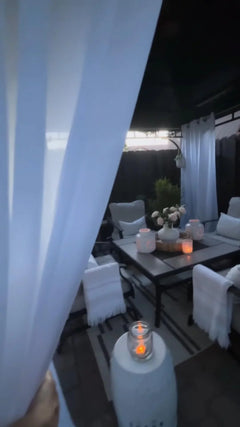
Can you leave outdoor curtains outside year-round? In many cases, yes—but it depends on your fabric, climate, exposure level, and hardware. A covered patio in a mild climate is very different from an open pergola facing snow, coastal wind, or direct afternoon sun.
If your curtains are truly outdoor-rated, installed in a partly protected space, and kept clean and dry, they can often stay outside for most or all of the year. If your space faces freezing winters, strong storms, salt air, or constant direct exposure, taking the curtains down during the harshest months will usually help them last longer.
This guide explains when outdoor curtains can stay up, when they should be stored, and how to choose a setup that works better for long-term outdoor use.

If you are planning a lower-maintenance patio setup, start by comparing outdoor curtains designed for sun, rain, privacy, and everyday outdoor use.
Can You Leave Outdoor Curtains Outside Year-Round?
You can usually leave outdoor curtains outside year-round when all three of these conditions are true:
- The fabric is made for outdoor use, not just indoor decorative use.
- The curtains hang in a partly protected area, such as a covered patio, porch, gazebo, or pergola with some shelter.
- Your local weather does not include long freezing periods, heavy snow, frequent storms, or strong wind exposure.
You should consider removing, rolling up, or tightly securing your curtains when one or more of these conditions apply:
- Your area has long, freezing winters.
- The curtains hang on a fully exposed pergola, balcony, or open deck.
- High winds are common in your area.
- The curtain hems touch damp flooring, decking, soil, or puddles.
- The rod, rings, hooks, or grommets are not rust-resistant.
The short answer is simple: outdoor curtains can stay outside longer when they are protected, properly sized, easy to dry, and securely installed.
What Affects Whether Outdoor Curtains Can Stay Outside?
1. Fabric Quality
The word “outdoor” does not tell the whole story. Two curtain panels can both be sold as outdoor curtains, but they may perform very differently after months of sun, rain, humidity, and wind.
Basic polyester outdoor curtains can work well for mild climates and partly covered patios. They are often affordable, easy to use, and suitable for seasonal outdoor spaces. However, if they stay outside through constant sun, moisture, and wind, they may fade or wear faster than higher-performance outdoor fabrics.
For longer outdoor use, look for fabrics designed to handle UV exposure, moisture, and color fading. Fabric construction, coating, and dyeing method can all affect how well the curtains hold up over time.

A good outdoor curtain should do more than handle a single rainy weekend. It should be able to manage repeated exposure, regular cleaning, and daily use in your actual outdoor space.
2. Exposure Level
A covered porch and a fully open pergola are not the same environment.
If your outdoor curtains hang behind a roofline, under a deep overhang, or inside a screened porch, they avoid much of the direct rain, harsh sun, and wind stress that cause early wear. In this type of setup, leaving the curtains outside for most of the year is usually more realistic.

By comparison, curtains on a fully exposed pergola receive direct contact from rain, wind, sun, dust, leaves, and temperature changes. Even if the fabric is outdoor-rated, full exposure will usually shorten its lifespan unless the curtains are secured and maintained carefully.
3. Hardware and Installation
Outdoor curtain performance is not only about the fabric. Hardware matters too.
Rusty rods, weak hooks, loose rings, and unsupported grommets can cause problems long before the fabric itself fails. Wind damage often starts at the top of the panel, where the curtain moves against the rod or pulls against the mounting points.
For better year-round performance, use outdoor-friendly hardware such as rust-resistant rods, secure brackets, sturdy hooks, and tie-backs. If your space gets regular wind, keeping the curtains tied back when not in use can reduce stress on both the panels and the hardware.
4. Local Climate
Climate is one of the biggest factors in deciding whether outdoor curtains should stay up year-round.
In mild climates such as parts of Southern California, central Texas, or the Southeast, outdoor curtains may stay up most of the year when they are properly installed and cleaned regularly.
In colder areas with snow, ice, and repeated freeze-thaw cycles, seasonal storage is usually the better choice. Freezing moisture can stiffen fabric, strain seams, and make curtain panels harder to handle without damage.
Coastal homes need a different kind of care. Salt air and wind-driven moisture can be hard on metal hardware, seams, and curtain tracks. If you live near the coast, choose stronger hardware and clean the curtains more often to remove salt and debris.
Which Outdoor Curtain Materials Hold Up Best Outside?
Basic Polyester Outdoor Curtains
Polyester outdoor curtains are common because they are practical, affordable, and easy to find. They can be a good choice for covered patios, porches, and seasonal outdoor spaces.
Their limits usually show up in fully exposed areas. Long sun exposure may cause fading over time. Constant dampness, pollen, leaves, and dirt can also increase the risk of mildew if the fabric does not dry properly.
For mild climates and semi-covered spaces, polyester can be a solid option. For fully exposed, year-round use, you may want a more durable outdoor fabric or a more protective installation.
Higher-Performance Outdoor Fabrics
If year-round use is your priority, higher-performance outdoor fabrics are usually worth considering. These fabrics are designed to better handle sunlight, moisture, and repeated outdoor exposure.
They often cost more upfront, but they may reduce the need for early replacement if your patio, porch, or pergola gets regular use throughout the year.

Waterproof Outdoor Curtains
Waterproof outdoor curtains are useful when your main concerns are rain protection, splash exposure, privacy, and keeping a patio more comfortable during changing weather.

 Kid-friendly
 OEKO-TEX® Certified
 Durable
 Low maintenance
However, waterproof does not automatically mean maintenance-free. In hot, humid, or poorly ventilated spaces, trapped moisture can still become a problem if folds stay damp or dirt builds up on the fabric. For best results, keep waterproof curtains clean, allow them to dry fully, and avoid leaving the hems in standing water.
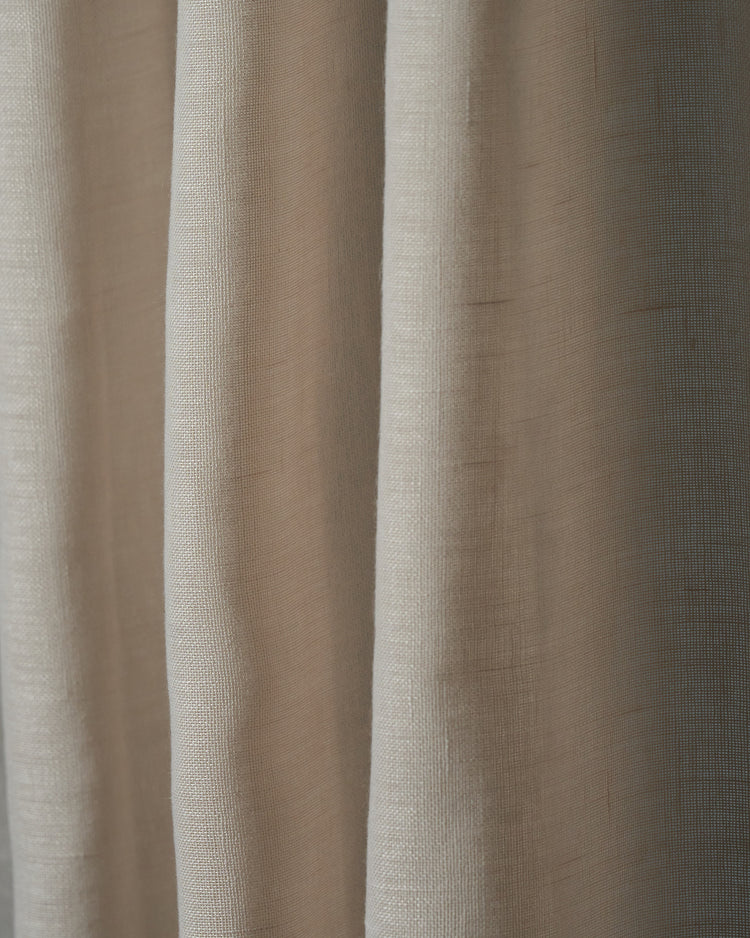
Outdoor Sheer Curtains
Outdoor sheer curtains can create a soft, relaxed look on a covered patio or porch. They work well for filtered light and light privacy, especially in warm-weather settings.
For exposed spaces, sheers are usually not the best year-round option. They are lighter, more vulnerable to wind movement, and less useful during heavy rain or colder seasons.
If you like the look of outdoor sheers, use them during milder months and switch to sturdier panels when the weather becomes rougher.
When Should You Take Outdoor Curtains Down?
During Harsh Winter Weather
If your area gets snow, ice, or long freezing periods, removing outdoor curtains for part of the season is usually the safer choice. Snow weight can pull on the panels, ice can stiffen the fabric, and repeated freezing and thawing can stress seams and hardware.
You do not need to remove them the moment temperatures drop, but long winter exposure rarely helps outdoor curtains last longer.

Before Major Storms
Strong wind can do more than move curtains around. It can twist rods, pull on brackets, stretch seams, damage grommets, and slam wet fabric against rough surfaces.
Before a major storm, choose one of these options based on your setup:
- Tie the panels back securely if the space is partly protected.
- Roll the curtains up if your system allows it.
- Take the curtains down if the area is open, exposed, or wind-prone.
This is a good rule even for better outdoor curtains. A durable curtain will still last longer when it is not left to fight severe weather unnecessarily.
When the Space Will Not Be Used for Months
If your patio or porch will sit unused for several months, storing the curtains can prevent unnecessary wear. This is especially true during winter, storm season, or long periods of damp weather.
Before storing outdoor curtains, clean them according to the care instructions and make sure they are completely dry. Storing damp curtains can lead to odor, mildew, or fabric damage.
When Is It Fine to Leave Outdoor Curtains Up?
Covered Patios and Screened Porches
Covered patios and screened porches are usually the most curtain-friendly outdoor spaces. If the panels are protected from direct downpours, kept off the ground, and tied back when not in use, many outdoor curtains can stay up for most or all of the year.
Mild Climates With Routine Maintenance
A mild climate does not mean no maintenance. It means maintenance is easier and more effective.
Rinse off dust and pollen, brush away leaves, and wash the panels when needed. Clean fabric dries faster and is less likely to develop mildew or stains.
Outdoor-Rated Fabric With Proper Hardware
If your setup includes outdoor-rated fabric, rust-resistant hardware, secure tie-backs, and proper ground clearance, year-round installation becomes much more practical.
Custom sizing can also help. Panels that are too long may drag in moisture, while panels that are too narrow may pull harder on the hardware and move more in the wind.
If you are not sure whether your current setup is sized correctly, use the curtain measurement guide before ordering replacement panels.
Need help visualizing the final look? Use the visualization tool to preview how different outdoor curtains may look in your space before you buy.
A Simple Decision Table: Leave Them Up or Take Them Down?
| Outdoor Setup | Can They Stay Up Year-Round? | Best Approach |
|---|---|---|
| Covered patio in a mild climate | Usually yes | Keep panels tied back, clean regularly, and watch the hems |
| Screened porch with light wind exposure | Usually yes | Use outdoor-rated fabric and rust-resistant hardware |
| Open pergola in a warm, rainy climate | Sometimes | Choose waterproof or quick-drying fabric and secure panels before storms |
| Open pergola in a snowy climate | Usually no | Remove curtains for winter or roll them up during the off-season |
| Coastal patio with salt air | Sometimes | Use durable fabric, rust-resistant hardware, and clean more often |
| Outdoor sheers in an exposed space | Usually no | Use them seasonally rather than year-round |
How to Make Outdoor Curtains Last Longer
Keep the Hems Off the Ground
Outdoor curtains should not sit in standing water, soil, or leaf buildup. Even durable fabric wears faster when the bottom edge stays damp.
Leave enough clearance so the curtains can hang cleanly without dragging. This is especially important on decks, patios, pool areas, and pergolas.
Clean Them Before Mildew Starts
Do not wait until you see dark spots or stains. Rinse off pollen, dust, salt, and dirt regularly. If the care instructions allow it, wash the panels with mild soap or machine wash them as directed.
Always let the curtains dry completely before tying them back tightly or storing them.
Use Tie-Backs
Tie-backs help reduce fabric movement in wind. They also keep panels from rubbing against posts, railings, furniture, or rough outdoor surfaces.
If your patio gets afternoon wind on most days, tie-backs are not just decorative. They are part of the durability setup.
Choose the Right Size
Ready-made outdoor curtains can be too short, too long, or too narrow for real patio and pergola openings. Poor sizing can create puddling, uneven tension, and extra movement in the wind.
Custom sizing lets you control width, length, fullness, and ground clearance more accurately. That helps the curtains look better and reduces stress points that can cause early wear.
If you are unsure which fabric and size combination fits your outdoor space, use the free design service for guidance before ordering.
Outdoor Curtains vs. Shade Sails: Which Is Better for Year-Round Outdoor Comfort?
Sometimes the better question is not whether curtains can stay up all year. It is whether curtains are the right solution for the problem you are trying to solve.
Outdoor curtains are a better choice when you want:
- Flexible side privacy
- A softer, more finished patio look
- Optional rain or splash protection
- The ability to open and close coverage as needed
A sun shade sail may be a better choice when you want:
- Fixed overhead shade
- Lower day-to-day handling
- More consistent heat and glare control over a seating area
- Less side-to-side fabric movement
If your main goal is overhead sun protection, a shade sail may be the more practical option. If your main goal is privacy, softness, and flexible coverage around a porch, patio, or pergola, outdoor curtains are usually the better fit.
Need a practical next step? Compare outdoor curtains for privacy-first spaces, or compare shade sails if overhead sun is your main concern.
FAQ
Do outdoor curtains get moldy?
They can if moisture, dirt, pollen, and organic debris stay on the fabric. Outdoor-rated fabric can reduce the risk, but poor airflow and damp hems can still create problems. Regular cleaning and proper drying are important.
Can outdoor curtains stay out in winter?
Sometimes. In mild winters and protected spaces, outdoor curtains may stay up. In freezing, snowy, or storm-prone climates, taking them down for part of the season is usually better for long-term durability.
Are waterproof outdoor curtains better than water-resistant curtains?
It depends on your space. Waterproof outdoor curtains are better for direct rain, splash exposure, and privacy in wet conditions. Water-resistant curtains may be a better fit when breathability matters and the space is only partly exposed.
What is the best fabric for pergola curtains?
For exposed pergolas, choose outdoor-rated fabric that can handle sun, moisture, and wind. Basic polyester may work in mild conditions, but higher-performance outdoor fabric and stronger hardware are usually better for longer use.
Should outdoor curtains touch the ground?
For outdoor use, it is usually better to keep the hems slightly above the ground. This helps prevent the fabric from sitting in water, dirt, leaves, or debris.
Conclusion
So, can you leave outdoor curtains outside year-round? Yes, but only when the fabric, hardware, exposure level, and climate work together.
A covered patio in a mild region is very different from an open pergola facing snow, coastal wind, or constant sun. If your curtains are outdoor-rated, kept clean, able to dry properly, and protected from extreme weather stress, they can often stay outside for most or all of the year.
If they face harsh winters, repeated storms, salt air, or full exposure, seasonal removal is usually the smarter choice.
Before replacing your current panels, decide what you need most: privacy, rain protection, shade, or a lower-maintenance outdoor setup. Then match the fabric, size, and installation to that goal.
For a cleaner fit and a more durable patio setup, compare custom outdoor curtains, check your size with the measurement guide, or use the free design service before ordering.