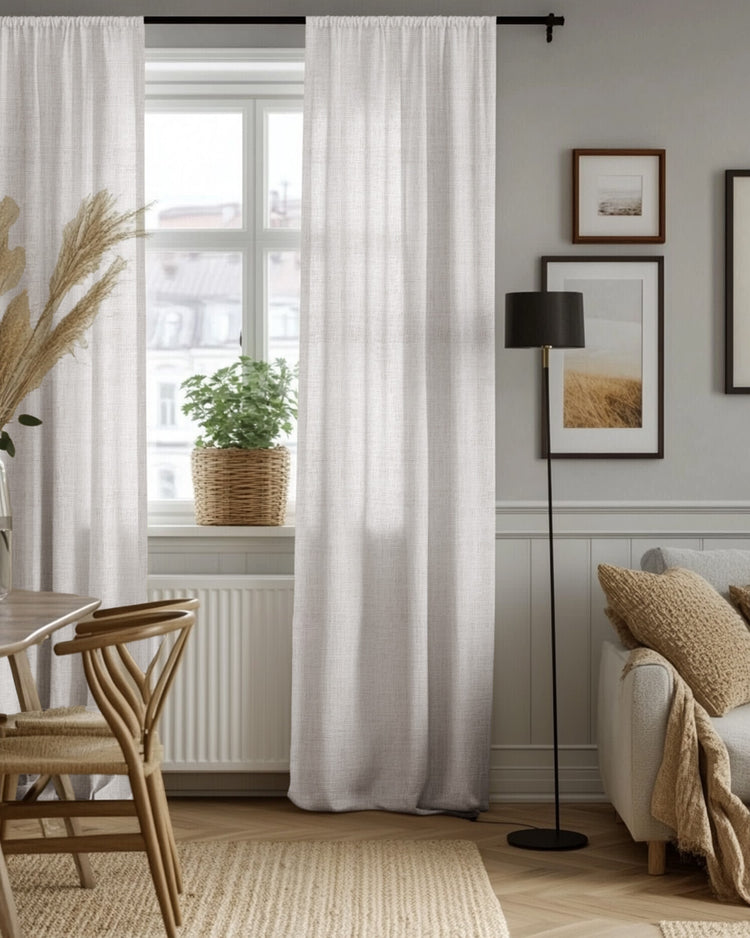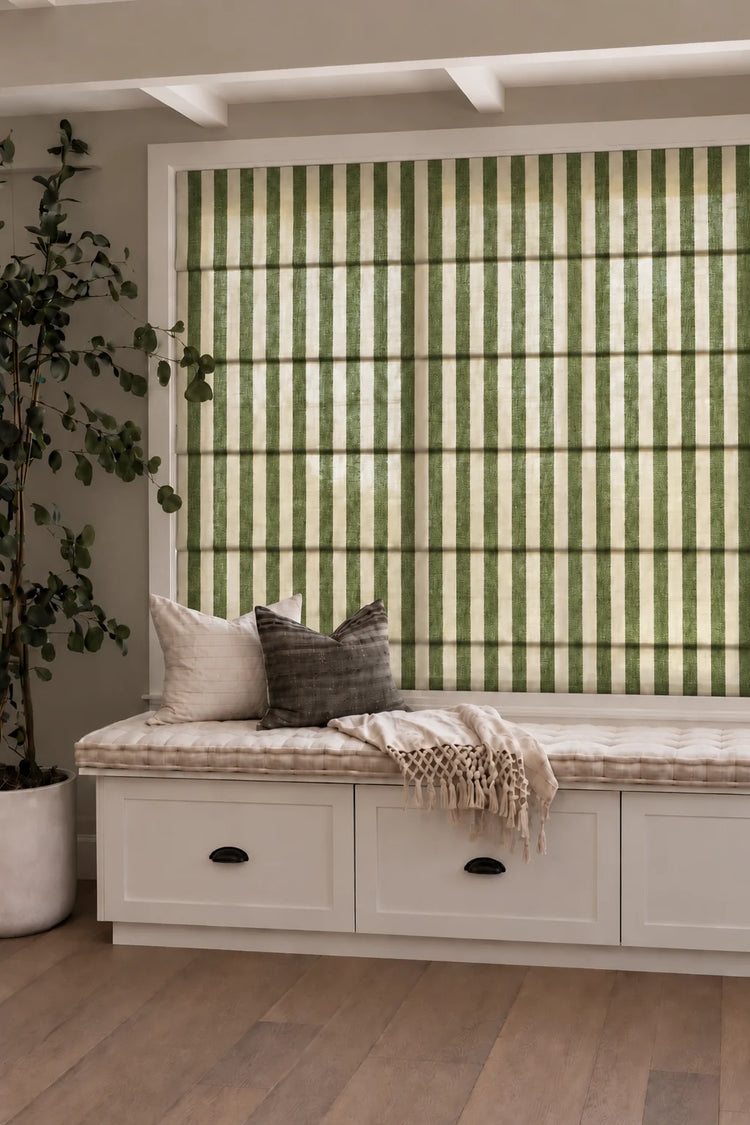
What is the difference between thermal and insulated curtains?


In this article 9 sections
- Thermal curtains vs. thermal insulated curtains: what is the real difference?
- The main types of thermal curtain construction
- What to check before buying thermal curtains
- Why some thermal curtains feel stiff
- Do thermal curtains really work?
- How to choose thermal curtains for your climate
- Quick comparison: which thermal curtain type should you choose?
- FAQ about thermal insulated curtains
- Final takeaway
Thermal curtains and thermal insulated curtains are often used to mean the same thing. In everyday shopping, both usually refer to curtains designed to help slow heat transfer around windows.
The important difference is not the name. It is the construction. Some thermal curtains use a foam-backed coating, some use a triple-weave fabric, and some use a separate interlining layer for a more tailored drapery feel. Each option can make sense, but they do not look, hang, clean, or perform the same way.
If you are choosing thermal curtains for winter comfort, summer sun, drafty windows, or a room that needs both insulation and light control, start with the fabric structure instead of the marketing label.
Thermal curtains vs. thermal insulated curtains: what is the real difference?
In most retail listings, “thermal curtains” and “thermal insulated curtains” are interchangeable terms. Both usually describe window treatments made to help reduce heat movement through the window area when the curtains are closed.
What changes from product to product is how that insulation is created. A low-cost coated panel, a soft triple-weave curtain, and a custom interlined drape may all be called thermal, but they can feel very different in the room.
That is why the better question is not only, “Is this curtain thermal?” It is, “How is this curtain made, and does that construction fit my room?”
The main types of thermal curtain construction
Thermal curtains are usually built in one of three ways. Understanding these constructions helps you avoid choosing a panel that solves one problem while creating another, such as a stiff drape, difficult care, or not enough light control.
| Construction type | How it works | Best for | What to watch for |
|---|---|---|---|
| Foam-backed or coated | A backing layer is applied to the fabric to add opacity and insulation. | Rooms that need strong light blocking and a more structured curtain. | May feel stiffer and may require more careful cleaning. |
| Triple weave | Multiple yarn layers are woven together, often with a darker middle layer. | Bedrooms, living rooms, and everyday spaces where softness and drape matter. | May be room-darkening rather than full blackout, depending on the fabric. |
| Interlined | A separate interlining layer is placed between the face fabric and lining. | Custom curtains for a fuller, more tailored look with added insulation. | Usually heavier, more expensive, and may need professional cleaning. |
Foam-backed thermal curtains
Foam-backed curtains can be useful when you want a strong barrier against light and temperature transfer. The backing adds structure, which can help the curtain feel more substantial.
The tradeoff is drape. Some coated curtains can feel stiff or less fabric-like, especially compared with softer woven options. Care can also be more limited because some coatings may not hold up well to machine washing.
Triple-weave thermal curtains
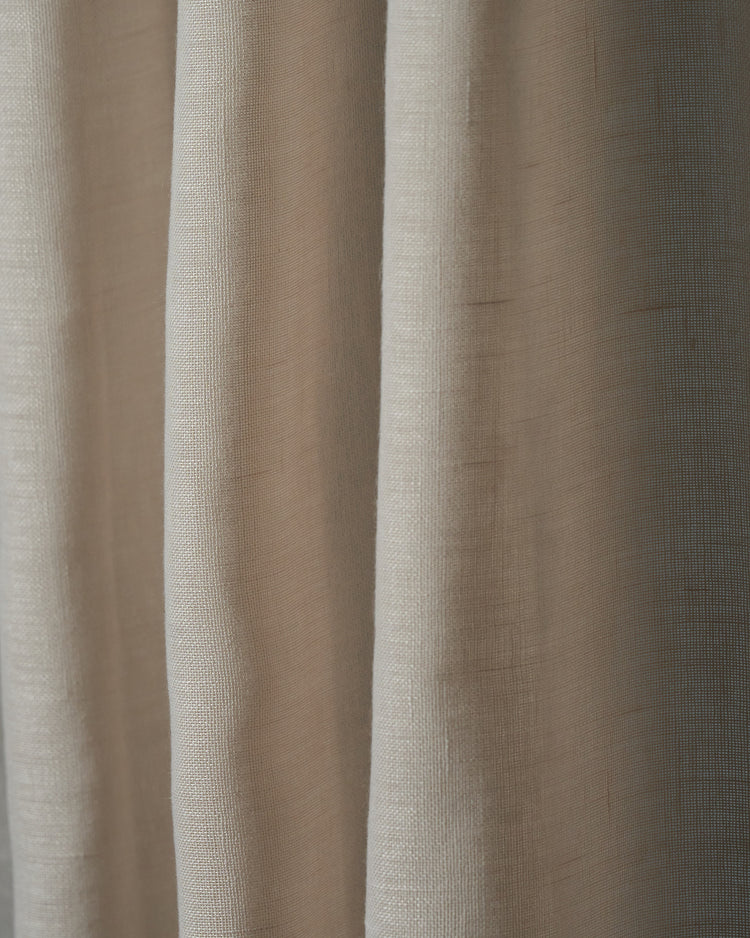
Triple-weave curtains are popular because they usually feel softer and more flexible than coated panels. Instead of relying on a thick backing, the insulating effect comes from the way the yarns are woven together.
This construction can be a strong choice for bedrooms, living rooms, and family spaces where you want thermal comfort without a plastic-like feel. The main thing to check is the product description: some triple-weave options are room-darkening, while others are designed for stronger blackout performance.
Interlined custom curtains
Interlined curtains use a separate layer between the decorative face fabric and the lining. This can add body, improve the way the curtain hangs, and help the window treatment feel more finished.
This construction is especially useful for custom curtains in rooms with large windows, tall ceilings, or a more tailored design goal. It can also add weight, so hardware and measurements need to be planned carefully.

 100% Blackout
 Better sleep
 Noise Reducing
 Energy Saving
What to check before buying thermal curtains
Product names can be vague, so look for practical details in the description. A curtain that says “thermal” should still tell you how it is built, how it blocks light, and how it should be cleaned.
Check the lining or backing
Look for words like foam-backed, coated, blackout lining, triple weave, interlined, or thermal liner. These terms tell you more than the label “thermal insulated curtains” by itself.
If the product page does not explain the construction, be cautious. The curtain may still work for your room, but you have less information to judge drape, light control, and care.
Think about fabric weight without chasing numbers
Heavier curtains often provide more body and can help reduce drafts when they are properly sized and closed. But weight alone does not guarantee better performance.
A well-sized curtain with enough side overlap, a suitable liner, and smooth hardware usually works better than a heavy panel that is too narrow or difficult to close.

Read the care instructions before you buy
Thermal curtain care varies by construction. Some woven curtains may allow gentle machine washing, while coated or interlined curtains often need spot cleaning or professional care.
This matters in homes with pets, children, dusty windows, or high-use rooms. A curtain that performs well but is hard to maintain may not be the best fit for everyday living.
Decide how much light control you need
Thermal performance and blackout performance can overlap, but they are not identical. A curtain can help with temperature comfort without fully blocking light. A blackout curtain can block light while also helping with insulation, depending on the fabric and lining.
If sleep is the main priority, compare blackout curtains and confirm the liner or fabric is designed for stronger light control. If temperature is the main priority, review the curtain’s construction, coverage, and installation plan.
Why some thermal curtains feel stiff
Many stiff thermal curtains use a coating or backing that adds structure. That backing can help with opacity and insulation, but it may also reduce the soft movement people expect from drapery.
If you want thermal comfort without a stiff look, consider these options:
- choose a softer triple-weave fabric if full blackout is not required
- use a separate liner behind a decorative curtain
- choose custom curtains with lining selected for both function and drape
- review header style and hardware so heavier curtains still move smoothly
The right choice depends on whether you care more about softness, blackout performance, insulation, easy cleaning, or a more structured look.

Do thermal curtains really work?
Thermal curtains can help make a room feel more comfortable, especially near cold, drafty, or sunny windows. They work best when they are closed, properly sized, and installed with enough coverage around the window.
The U.S. Department of Energy notes that window coverings can help with energy efficiency when chosen and used correctly. The exact result depends on your window type, climate, curtain construction, mounting method, and daily habits.
In simple terms, thermal curtains can help by creating a barrier between the room and the window. That barrier usually works better when there are fewer gaps at the top, sides, and bottom.
Installation matters as much as the curtain
A thermal curtain that is too narrow, too short, or mounted too far from the window will not perform as well as it could. For better coverage, measure beyond the glass and allow the curtains to overlap the wall around the window.
If you are starting from scratch, use the TheHues curtain measurement guide before ordering. Good measurements help the curtain look better and function better.

How to choose thermal curtains for your climate
The best thermal curtain setup depends on the room and the climate. A cold bedroom, a sunny living room, and a mixed-climate home may need different fabric and liner choices.
For cold climates
For winter comfort, focus on coverage and closing habits. Curtains should be wide enough to cover the window area well, long enough to reduce drafts near the sill or floor, and easy enough to close every evening.
Heavier fabrics and lined curtains can help the room feel more stable, especially near older or draftier windows. If the window also collects condensation, make sure the area can still dry during the day.
For hot climates or sunny rooms
For summer heat, consider curtains with a light-colored or lined window-facing side. This can help manage harsh sunlight better than a dark, unlined fabric facing direct sun.
In patios, sunrooms, or bright rooms, the goal may be glare control as much as insulation. The right solution may be thermal curtains, blackout curtains, shades, or a lighter fabric depending on how the room is used.
For mixed climates
In places with both cold winters and hot summers, choose a flexible setup. A lined custom curtain or a quality triple-weave curtain can be a practical middle ground if you want comfort, privacy, and a softer look.
If you are comparing options, the curtain liner guide can help you decide whether you need light filtering, room darkening, blackout, or thermal support.
Quick comparison: which thermal curtain type should you choose?
| Your priority | Start with | Why it helps |
|---|---|---|
| Softer drape for a living room | Triple-weave or lined custom curtains | Usually feels less stiff and more decorative. |
| Bedroom darkness | Blackout curtains with thermal support | Helps with light control and comfort when closed. |
| Drafty windows in winter | Thermal curtains with generous width and length | Better coverage helps reduce gaps around the window. |
| Easy maintenance | Check washable woven options first | Some coated and interlined curtains need more careful care. |
| A more tailored custom look | Custom curtains with the right liner | Lets you balance fabric, lining, size, and header style. |

FAQ about thermal insulated curtains
Are thermal curtains the same as blackout curtains?
No, not always. Thermal curtains are mainly about temperature comfort, while blackout curtains are mainly about blocking light. Some curtains do both, but you should check the product details instead of assuming one feature includes the other.
Do thermal curtains work in summer?
They can help in summer when they are closed against direct sun, especially if the window-facing side is light-colored or lined. The result depends on the window, sunlight exposure, fabric, and how consistently the curtains are used.
Why do some thermal curtains feel like plastic?
Some thermal curtains use a coated or foam-backed construction. That backing can add opacity and insulation, but it may also make the curtain feel stiffer than a woven or interlined option.
Can thermal curtains be machine washed?
It depends on the construction and care label. Some woven curtains may be machine washable on a gentle cycle, while coated, foam-backed, or interlined curtains may require spot cleaning or professional care.
How should I hang thermal curtains for better performance?
Use enough width to cover beyond the window frame, choose a length that suits the room, and reduce large gaps where air can move freely. For the best fit, confirm your measurements before ordering and choose hardware that can support the curtain weight.
Should I choose ready-made or custom thermal curtains?
Ready-made panels can work when the window is standard and speed matters. Custom curtains are usually better when you need precise sizing, better coverage, a specific liner, or a more finished look for large or unusual windows.
Final takeaway
Thermal insulated curtains can be useful, but the label alone does not tell you enough. Look at the construction, lining, care instructions, light-control level, and how the curtains will be installed.
For a soft everyday look, start with woven or lined options. For stronger bedroom light control, compare blackout curtains. For drafty or sunny windows, focus on coverage and a liner that matches the room’s real needs.
If you are unsure which setup fits your window, start with the measurement guide, review the liner guide, or use the free design service before placing a custom order.