How Long Do Custom Curtains Take? A Realistic Timeline From Order to Delivery


In this article 9 sections
- Quick answer: how long do custom curtains take?
- Why custom curtains take longer than ready-made panels
- The five stages of a custom curtain timeline
- What makes custom curtains take longer?
- How to get custom curtains faster without making mistakes
- When should you order custom curtains?
- Are custom curtains worth the wait?
- FAQ about custom curtain lead times
- Final takeaway
Custom curtains take longer than ready-made panels because they are made around your window size, fabric choice, header style, lining, and finishing details. For many homes, a realistic planning window is a few weeks from final order to delivery, but the exact timing depends on how simple or complex your curtain setup is.
If you are ordering for a move-in date, bedroom refresh, nursery, renovation, or holiday hosting plan, the most important step is not rushing checkout. It is making sure your measurements, fabric, lining, and header style are correct before production starts.
This guide explains how the custom curtain timeline usually works, what can slow an order down, and how to plan ahead so your curtains arrive with fewer surprises.
Quick answer: how long do custom curtains take?
Most custom curtain timelines depend on three things: how ready your measurements are, how complex the curtain construction is, and how the order ships after production. A simple order with standard fabric and a straightforward header usually moves faster than a large order with blackout lining, pleats, extra-long panels, or multiple rooms.
| Order type | What usually affects timing | Planning tip |
|---|---|---|
| Simple custom curtains | standard fabric, simple header, common size range | measure carefully before choosing shipping speed |
| Bedroom blackout curtains | blackout lining, fuller panels, better edge coverage | order earlier if sleep or light control is time-sensitive |
| Large or extra-long windows | more fabric, more handling, possible panel-split decisions | confirm width, length, and stack-back before checkout |
| Layered or whole-room projects | multiple products, different fabrics, more coordination | use design support before placing a final order |
If you are shopping with TheHues, check the current shipping policy before ordering. Delivery timing can depend on the product, order details, shipping method, and current processing conditions.
The best first step is to use the curtain measurement guide before you compare fabrics or delivery options. A fast order with the wrong size is still a delayed project.

Why custom curtains take longer than ready-made panels
Ready-made curtains are produced in preset sizes. Custom curtains are made to fit your selected width, length, header, lining, and fabric. That extra planning is the reason they can look more polished, but it also means the order needs more review before it reaches your window.
For many shoppers, custom is worth the added time because the result is better suited to the room. This is especially true for tall windows, wide living room spans, bedrooms that need stronger light control, and rooms where standard panels look too short or too narrow.
If you are still comparing product directions, start with custom curtains and narrow your options based on what the room needs first: privacy, light control, insulation, softness, or a more tailored finished look.
The five stages of a custom curtain timeline
When people ask how long it takes to get custom curtains, they often think only about sewing. In reality, the timeline starts before production and continues through final shipping.
1. Measuring and choosing the setup
This is the stage customers control the most. You need to decide the finished width, finished length, mount position, panel count, header style, lining, and how much fullness you want.
Do not measure only the glass and assume that number is enough. Curtains usually need extra width for coverage, stack-back, and a finished drape. Length also depends on whether you want the curtains to sit just above the floor, lightly touch the floor, or puddle intentionally.
Before placing an order, confirm:
- whether you are ordering one panel or a pair
- whether the measurement field asks for finished curtain size or window size
- how high and wide the rod or track will be mounted
- which header style fits your hardware
- whether the room needs lining, blackout, or thermal support
2. Fabric, lining, and order review
After the order is placed, the details need to be production-ready. Standard fabrics and simple configurations are easier to process. Specialty textures, heavy materials, layered curtains, or less common sizes may take more coordination.
Lining can also affect the timeline because it changes how the curtain is built. A decorative unlined panel is different from a lined curtain, a blackout curtain, or a thermal curtain. If your room needs insulation or stronger light control, review the curtain liner guide before you finalize the order.
3. Cutting, sewing, and header construction
This is the main production stage. The fabric is cut, sewn, lined if needed, and finished according to your selected header style.

Simple curtain panels usually require fewer steps. Pleated headers, blackout layers, interlining, oversized panels, and more structured finishing require more handling. That does not mean they are a bad choice. It only means they should be planned earlier when timing matters.
If you are choosing curtains for a bedroom, media room, nursery, or other light-sensitive space, the extra construction may be worth it. You can compare blackout curtains if room darkening is one of your main goals.

 Kid-friendly
 OEKO-TEX® Certified
 Durable
 Low maintenance
4. Quality check and packing
Before shipping, a custom order should be checked for size, stitching, alignment, selected header style, and finishing details. This part is easy to overlook because it happens behind the scenes, but it helps prevent bigger problems after delivery.
A careful quality check may add time, but it protects the final result. For custom curtains, accuracy matters more than shaving off a day and receiving panels that do not match the order.
5. Shipping and final delivery
Once production is complete, the order still needs to ship. Shipping speed matters, but it is only one part of the total timeline. Paying for faster shipping cannot fix incorrect measurements, late style changes, or an order that was not ready for production.
If you have a fixed deadline, compare your schedule with the current TheHues shipping guidance before checkout and leave a buffer for installation, steaming, styling, and any small adjustments after delivery.
What makes custom curtains take longer?
Some custom curtain delays come from production. Others come from decisions that were not fully settled before checkout. These are the most common timing factors to review.

Unclear measurements
Measurement issues are one of the easiest delays to avoid. If the width, length, rod placement, or panel count is unclear, the order may need review before production can move forward.
Measure the full area you want the curtains to cover, not just the glass. For wide windows, also think about where the fabric will stack when open. If there is not enough side space, the curtains may block more daylight than expected.
Detailed header styles
Header style affects both appearance and production. A simple rod pocket, grommet, back tab, or pleated header will not behave the same way on the same window.
Use the curtain header types guide before you order, especially if you are pairing custom curtains with existing rods, tracks, or rings.
Blackout, thermal, or layered construction
Performance curtains can take more work because they include more than a decorative face fabric. Blackout and thermal curtains may use special lining or layered construction to help with light control, privacy, temperature comfort, or a fuller drape.
These features can be very useful, but they should match the room. A bedroom may need blackout support. A sunny living room may benefit from thermal curtains. A casual dining room may only need soft filtering and privacy.

 Statement décor
 Luxury Velvet
 Foil Detailing
 Designed in Italy
Extra-wide or extra-long panels
Large windows require more fabric and more careful planning. Extra-wide panels can become heavy, harder to operate, or too bulky at the side if the panel split is wrong. Extra-long curtains require precise length decisions so the hem looks intentional.
For large windows, consider using the visualization tool before ordering. It can help you review how the curtain style may look in the room before you commit.
Last-minute changes
Custom orders become less flexible once production begins. Changing fabric, header style, size, or lining after checkout can slow the process or may not be possible depending on the stage of production.
Before you submit the order, review every detail: size, panel count, fabric, lining, header, color, quantity, and shipping method.
How to get custom curtains faster without making mistakes
The fastest custom curtain order is usually the one with clear decisions from the beginning. These steps can help reduce back-and-forth before production.
Start with measurements, not fabric
It is tempting to start with color, but measurements shape everything else. Finished width, finished length, mount height, and side return all affect how much fabric you need and which header styles make sense.
Use the measurement guide first, then choose fabric once you know the size and function of the window treatment.
Order swatches when color matters
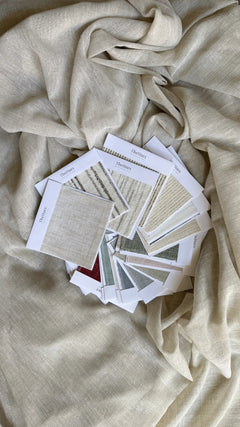
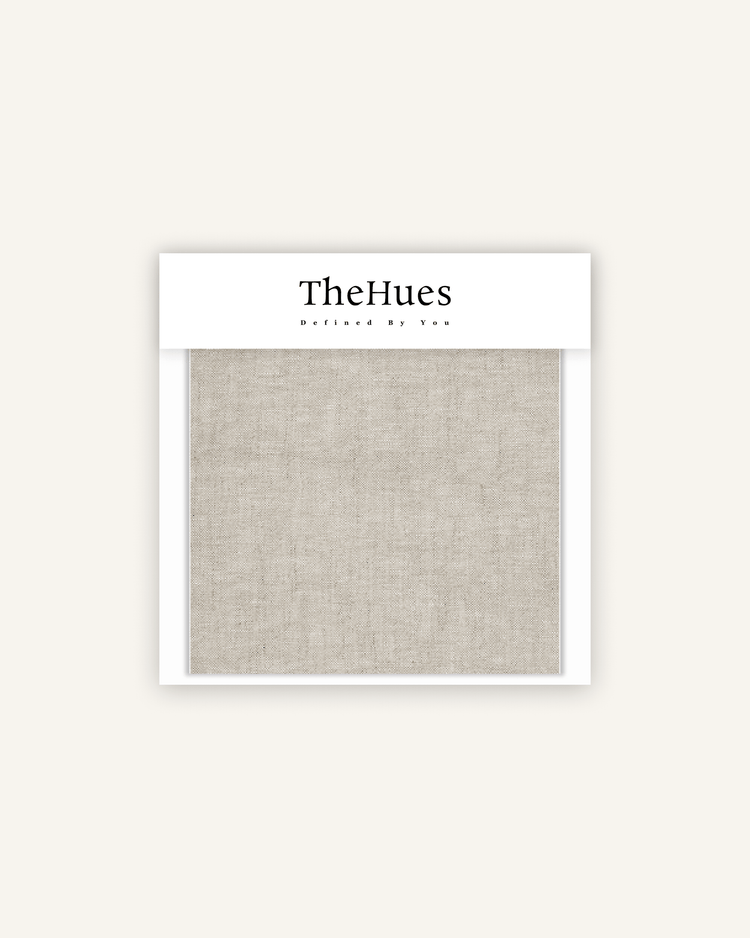
Fabric photos can shift depending on screen brightness and room lighting. If you are choosing between similar neutrals, textured fabrics, or darker colors, order curtain swatches before committing to the full order.
Test swatches near the window in morning light, afternoon light, and evening lamplight. This small step can prevent a much more frustrating mistake later.
Choose the room function first
Ask what the room needs most before choosing the prettiest fabric. Bedrooms often need light control. Living rooms may need privacy and softness. Drafty or sunny rooms may need thermal support. Patios and covered outdoor spaces need weather-appropriate materials.
When the function is clear, the right curtain category is easier to choose.
Use design help before checkout
If you are unsure about fabric, fullness, header style, or panel layout, use the free design service before placing the order. It is better to solve design questions before production than to second-guess them after checkout.
When should you order custom curtains?
The best time to order custom curtains is after the room measurements are stable but before the room deadline becomes urgent. Use the situation below that matches your project.

Before moving into a new home
Order once the window dimensions, mount plan, and wall finishes are reliable. If the space is still under renovation, wait until the numbers are stable. If the space is finished, order early enough to leave time for installation and styling.
Before a bedroom or nursery refresh
Order earlier when the room needs blackout performance. A bedroom can look unfinished for a few extra days, but if the room must support sleep, privacy, or a child’s routine, timing matters more.
Before holiday hosting
Do not plan around the best-case delivery window if guests are coming. Seasonal demand, shipping congestion, and last-minute home projects can all reduce flexibility. Build in extra time so the curtains can be installed and steamed before the room is needed.
Before a renovation reveal or styled room install
If curtains are part of a larger room plan with painters, furniture delivery, flooring, or photography, treat them as part of the project timeline. Finalize the curtain direction early so one late decision does not slow the whole room.
Are custom curtains worth the wait?
Custom curtains are usually worth the wait when the room needs better fit, better coverage, or better function than standard panels can provide.
Ready-made curtains are helpful when speed matters most. Custom curtains make more sense when you have wide windows, tall ceilings, non-standard dimensions, a strong need for blackout or privacy, or a room where the window treatment needs to look truly finished.
The value is not only in the fabric. It is in the way the curtain fits the opening, hangs from the hardware, covers the glass, stacks when open, and supports how the room is used every day.
FAQ about custom curtain lead times
Can custom curtains be rushed?
Sometimes, but it depends on the product, fabric, construction, and current processing conditions. Faster shipping may help after production, but it does not remove the time needed for measurement review, cutting, sewing, and quality checks.
Do blackout curtains take longer than standard curtains?
They can. Blackout curtains often involve added lining or layered construction, which may require more handling than a simple decorative panel. If blackout performance is important, plan ahead rather than choosing a lighter curtain only to save time.
Do pleated curtains take longer?
Pleated curtains may take longer than simpler header styles because they require more structure and precision. The final look can be more tailored, but the measurements and hardware need to be correct.
What is the fastest way to avoid custom curtain delays?
Confirm your measurements, header style, fabric, lining, panel count, and shipping method before checkout. Most avoidable delays happen when one of those decisions changes after the order is already moving.
Should I order swatches before custom curtains?
Yes, especially if color, texture, or undertone matters. Swatches help you see how the fabric looks in your actual room before you order full-size panels.
Final takeaway
Custom curtains take longer than ready-made panels because they are built around your specific window and room needs. The timeline depends on measurement readiness, fabric availability, construction details, quality checks, and shipping.
For the smoothest order, measure first, choose the room function, review the header and liner options, and use design help before checkout if the room still feels hard to picture. Once those decisions are clear, you can order with more confidence and fewer timing surprises.
Start with the curtain measurement guide, compare custom curtains, and use the free design service if you want a second opinion before placing your order.