How to Choose the Best Home Office Curtains


In this article 7 sections
If your home office feels like a sauna by 2 PM, or if you spend half your Zoom calls squinting through monitor glare, your window treatments are failing you. In a workspace, curtains aren't just decor—they are light management tools.
Buying the wrong curtains means fighting with glare, bad video lighting, and distracting echoes. This guide cuts through the fluff to help you choose the right setup for a productive US home office.
1. Light Control: Matching Fabric to Your Workflow
Your choice here depends entirely on your window direction and your job description.
Blackout Curtains (100% Light Block)
Best for: East/West facing windows, Video Editors, Designers, Programmers (Dark Mode users).
If you cannot tolerate any glare on your monitor, or if the sun hits your face directly during meetings, you need Blackout Curtains. These use high-density weaves or foam backings to kill light completely.
The Trade-off: It will be pitch black. You will need high-quality artificial lighting (ring lights or monitor bars) to avoid eye strain.

 100% Blackout
 Better sleep
 Noise Reducing
 Energy Saving
Room Darkening (85-95% Light Block)
Best for: Most general office work, Writers, Analysts.
Room Darkening Curtains are the "Goldilocks" option. They kill the harsh glare that washes out your screen but allow enough ambient light to keep your circadian rhythm in check so you don't feel like you're working in a cave.
Sheer / Light Filtering
Best for: North-facing windows, boosting privacy without losing daylight.
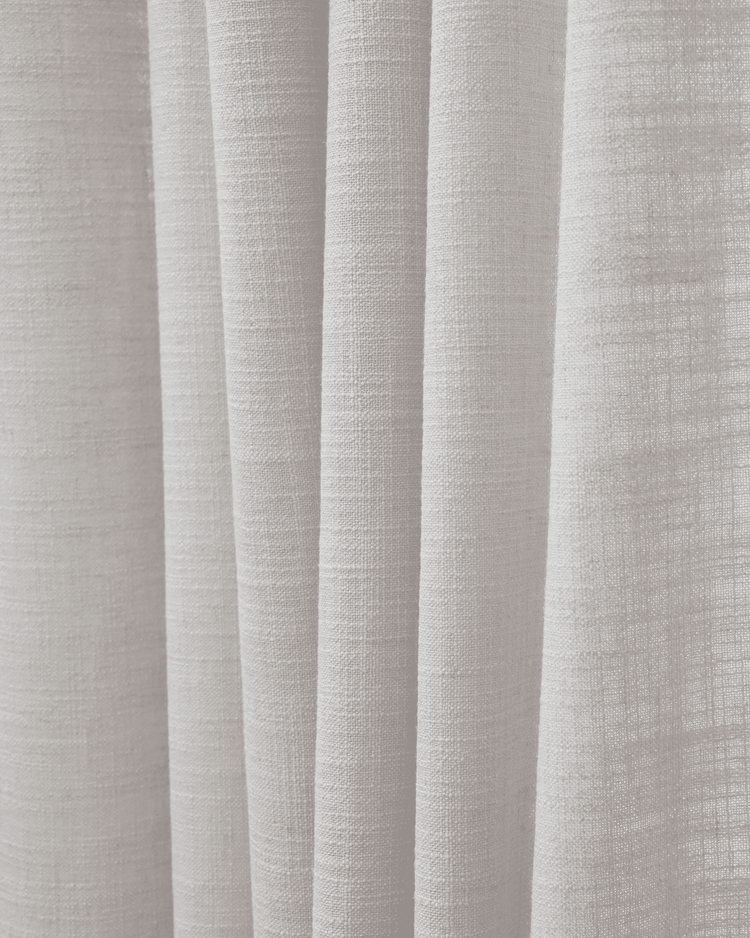
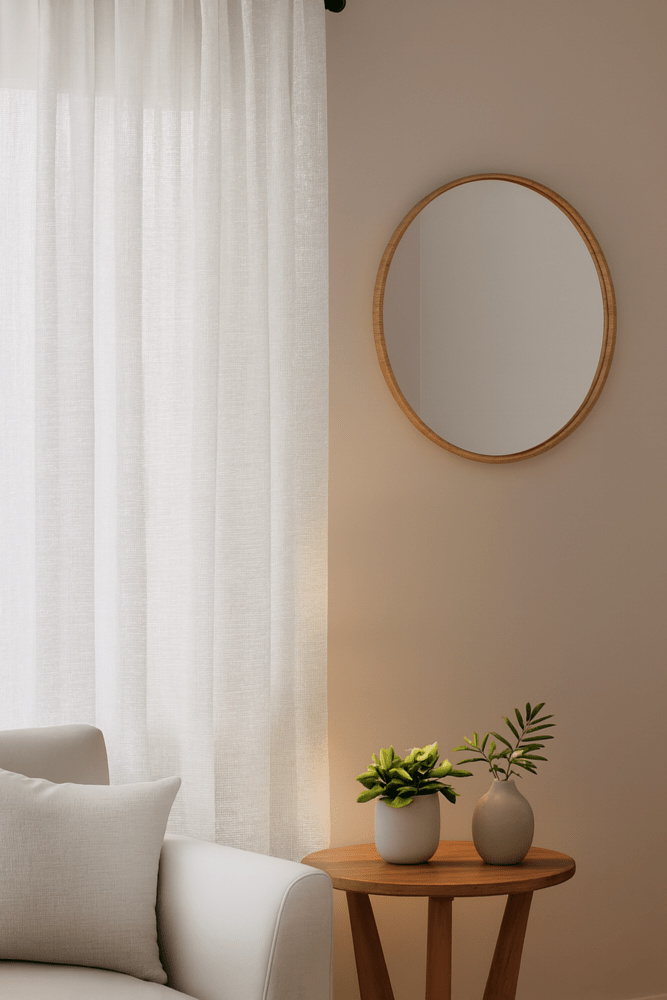
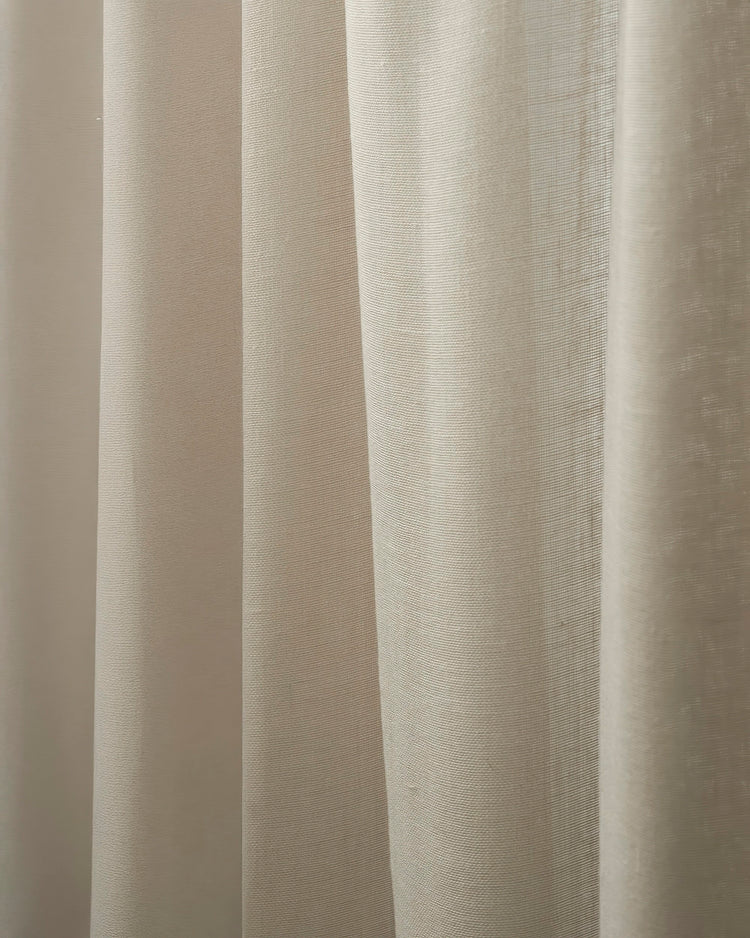
Sheers diffuse light, turning harsh sunbeams into a soft glow. This creates excellent natural lighting for video calls (fills in shadows on your face). However, they will not stop heat or heavy glare.
Pro Tip: Use a double rod. Install blackouts on the outer rod for focus time, and sheers on the inner rod for casual work.
2. The "Echo" Factor: Sound Dampening
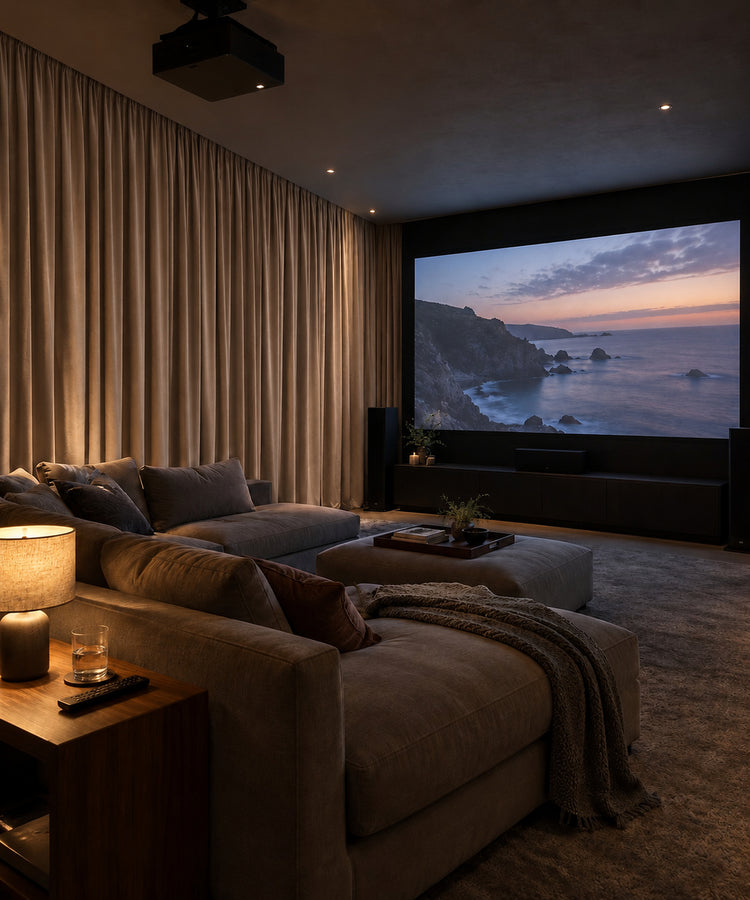
Hard surfaces (desks, monitors, hardwood floors) create echo. On video calls, this makes you sound distant and unprofessional. Heavy curtains—specifically Velvet or thick thermal weaves—act as sound absorbers. They won't soundproof the room from a lawnmower outside, but they will significantly reduce the "empty room" echo inside, making your voice sound richer on calls.
3. Header Style: The Usability Detail Everyone Forgets
In a bedroom, you might only open curtains once a day. In an office, you might adjust them five times an hour as the sun moves. How the curtain attaches to the rod matters.
- Grommet (Metal Rings): The best choice for offices. They slide effortlessly along the rod with one hand.
- Rod Pocket: Avoid these. They are difficult to slide and often require two hands to adjust evenly.
- Pinch Pleat: Professional and formal, but requires rings to slide smoothly.
4. Thermal Insulation: ROI on Energy Bills
If you sit near a window, you feel the draft. Thermal curtains aren't just about comfort; they are about cost.
In older homes with single-pane windows, a proper thermal curtain can reduce heat loss by up to 25%. In the summer, reflective backings (white on the street side) bounce heat away, keeping your office cooler without overworking the AC.
5. Color & Video Backgrounds
Your curtains are likely your Zoom background. Choose wisely.
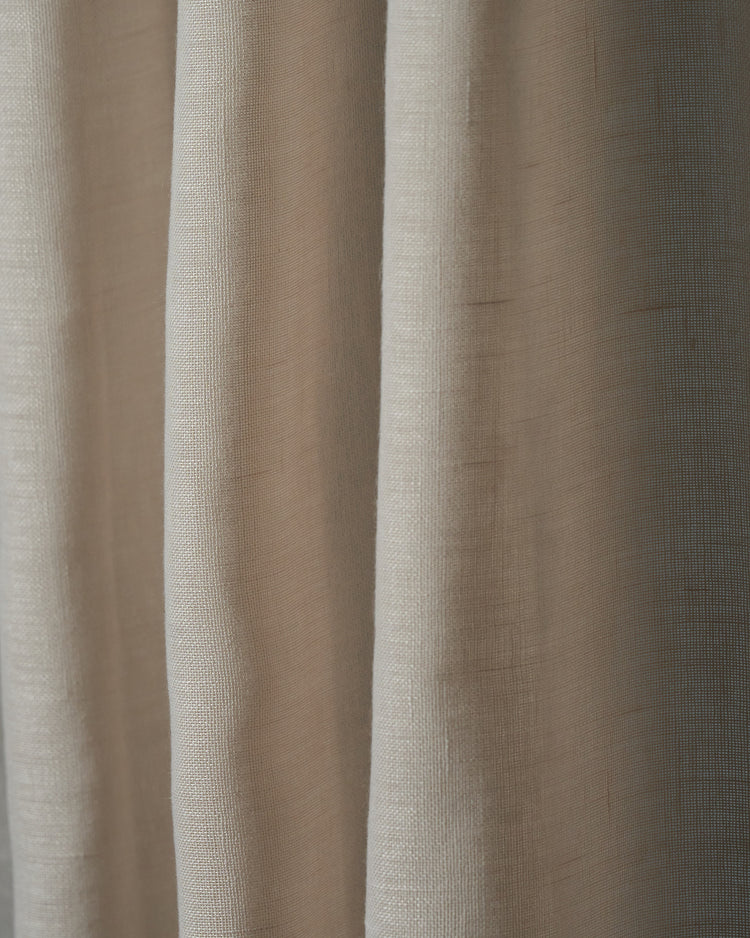
- Solid Mid-Tones (Navy, Sage, Grey, Mocha): The safest bet. They look professional, hide dust better than white, and don't distract the camera.
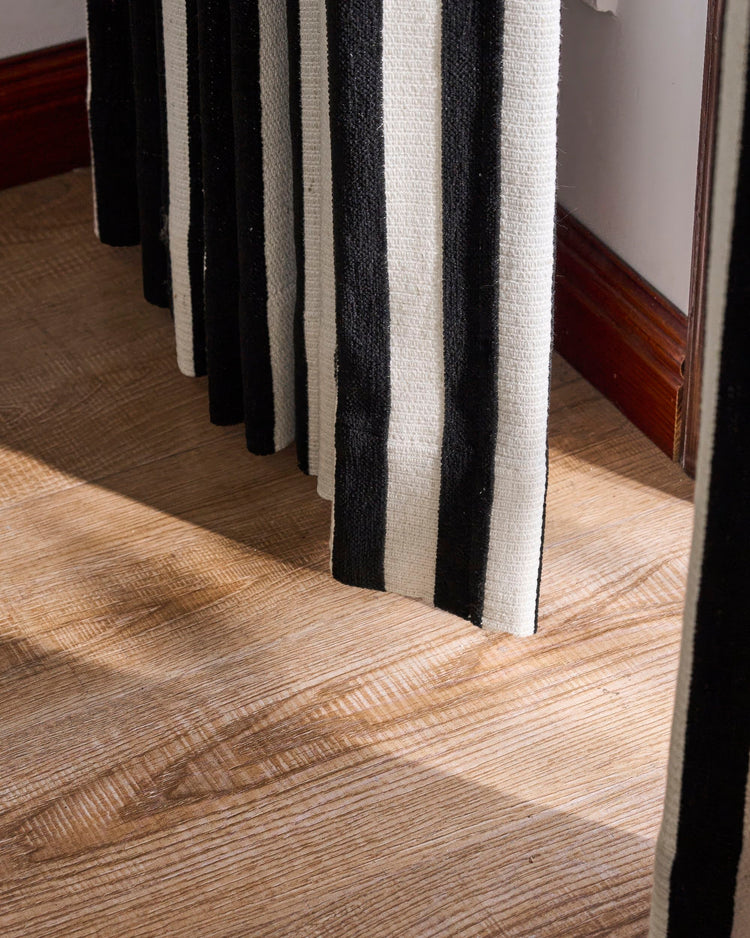
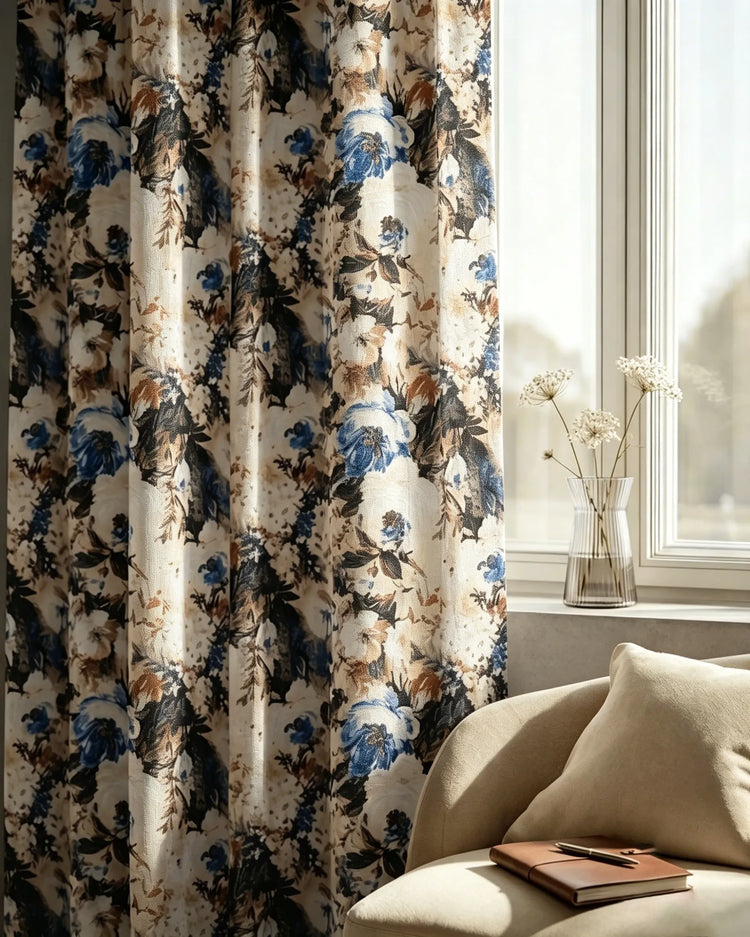
- Avoid Busy Patterns: Detailed patterns can cause a "moiré effect" (shimmering) on low-quality webcams.
- Avoid Bright Whites/Neons: These can mess with your webcam's auto-exposure, making your face look too dark by comparison.
6. Installation: The "High and Wide" Rule
Don't mount the rod directly on the window frame. It makes the room feel small and crowded.
- Go High: Mount the rod 6–12 inches above the window frame (or close to the ceiling). This makes your ceilings look higher.
- Go Wide: Extend the rod 8–12 inches past the window on both sides. This allows the curtains to stack completely clear of the glass when open, maximizing natural light.
- Go Long: Unless you have a radiator or a desk pushed flush against the wall, always choose floor-length curtains (hovering 1/2 inch off the floor). Short curtains that end at the sill usually look unfinished and dated in modern decor.
Quick Decision Guide
-
Problem: Sun hits my monitor at 3 PM.
Solution: Blackout curtains with Grommet header (easy to close fast). -
Problem: My room echoes on calls.
Solution: Heavy Velvet or Thermal lined curtains (pleated or grommet). -
Problem: I look like a ghost on camera.
Solution: Sheer curtains to diffuse light, or a warm-colored solid curtain as a backdrop. -
Problem: Renter with boring blinds.
Solution: Install a tension rod or command-strip hooks to add curtains without drilling holes.