Soundproof Blackout Curtains: Restoring Tranquility to Your Morning Routine


In this article 8 sections
- Do soundproof curtains actually help with sleep?
- Sound blocking vs. sound absorption: what curtains really do
- What to choose in noise-reducing curtains for a bedroom
- How to install curtains for better noise reduction
- What else helps if curtains are not enough?
- Quick checklist before buying bedroom noise-reducing curtains
- FAQ about soundproof curtains for sleep
- Final takeaway
City noise can make a bedroom feel harder to settle into, especially when traffic, neighbors, construction, or early-morning street activity reaches the window. Blackout and noise-reducing curtains can help make the room feel darker, softer, and more comfortable, but they are not the same as professional soundproofing.
The most useful way to think about them is simple: curtains can help absorb echo, soften sharper sounds, reduce light, and add a heavier barrier at the window. They cannot fully block low-frequency rumble, replace upgraded windows, or seal every gap in the room.
This guide explains what soundproof curtains can realistically do for sleep, which materials and lining choices matter, how to install them for better coverage, and when you should combine curtains with other simple noise-control steps.
Do soundproof curtains actually help with sleep?
They can help, especially when the problem is a mix of light, echo, and everyday outside noise. The biggest benefit is usually comfort rather than total silence.
Heavy curtains can soften high-frequency sounds such as voices, birds, light traffic, and street activity. They can also reduce echo inside a bedroom with hard floors, bare walls, or large windows. When the curtain also includes blackout lining, the room stays visually calmer after a noise wakes you up.
That combination matters because sleep disruptions rarely come from one thing alone. A room that is bright, echoey, and exposed to outside noise will feel more alert than a room that is dark, soft, and visually settled.

Sound blocking vs. sound absorption: what curtains really do
Before choosing curtains for a noisy bedroom, it helps to separate two ideas: sound blocking and sound absorption.
Sound blocking means stopping noise from entering a room. That usually requires sealed windows, solid walls, better glass, door seals, and construction-level materials. Fabric alone cannot fully stop sound transmission, especially low-frequency noise from trucks, bass, engines, or heavy machinery.
Sound absorption means reducing how sound bounces around once it reaches the room. This is where curtains can help. Thick fabric, soft folds, and multiple layers can absorb part of the sound energy, making sharp noises feel less harsh and the room less echoey.
| Feature | Sound blocking | Sound absorption |
|---|---|---|
| Main goal | Reduce sound entering the room | Soften sound inside the room |
| Typical solution | Sealed windows, upgraded glass, wall construction | Heavy curtains, rugs, upholstered furniture, soft surfaces |
| Best for | Persistent traffic, bass, machinery, structural noise | Voices, sharper street sounds, echo, general room comfort |
| What to expect from curtains | Limited help on their own | Useful improvement when fabric, fullness, and coverage are right |
For most homes, the realistic goal is not a silent bedroom. It is a darker, softer, less reactive room that feels easier to rest in.

What to choose in noise-reducing curtains for a bedroom
If you are comparing curtains for a noisy bedroom, do not judge by the word “soundproof” alone. Look at the construction details that actually affect performance: fabric weight, lining, fullness, coverage, and how close the curtain sits to the wall.
Choose heavier fabric with a soft surface
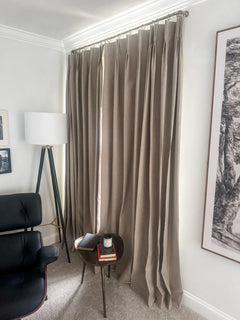
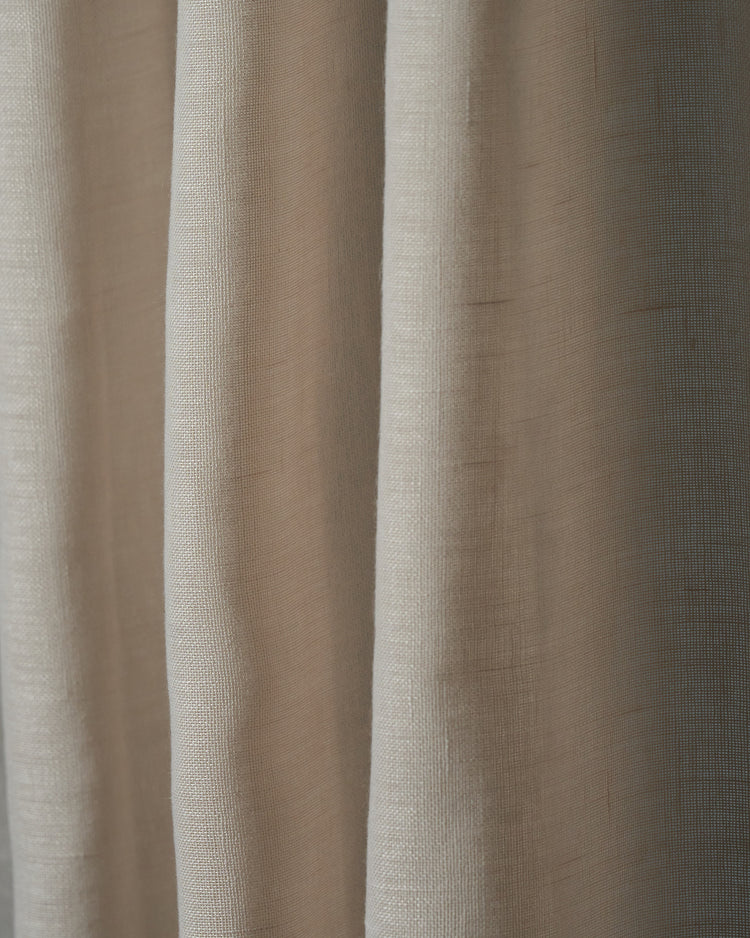
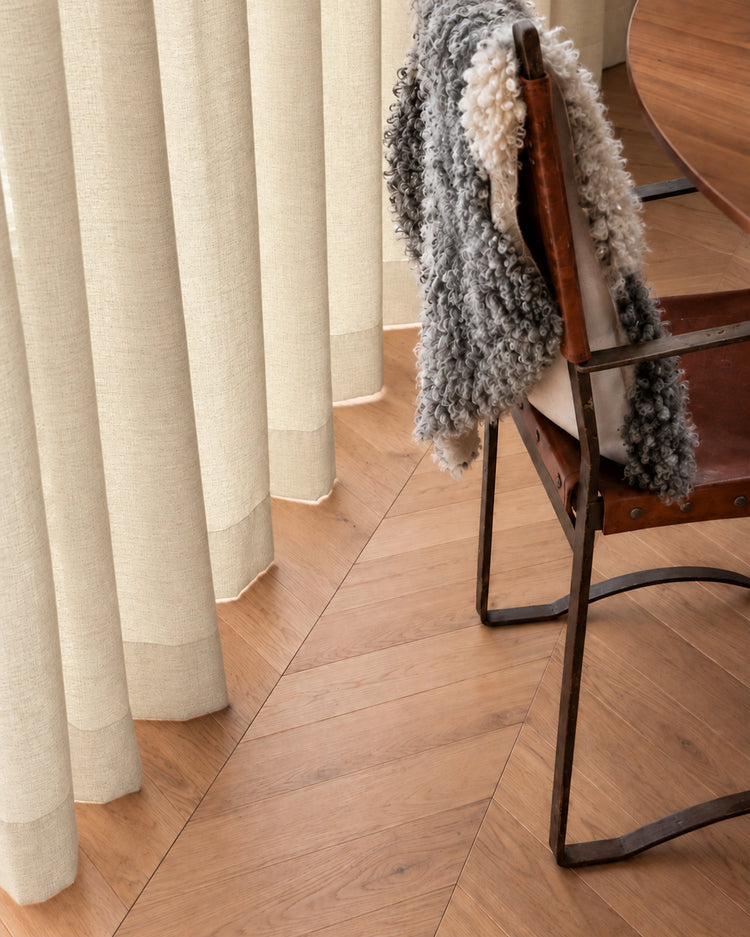
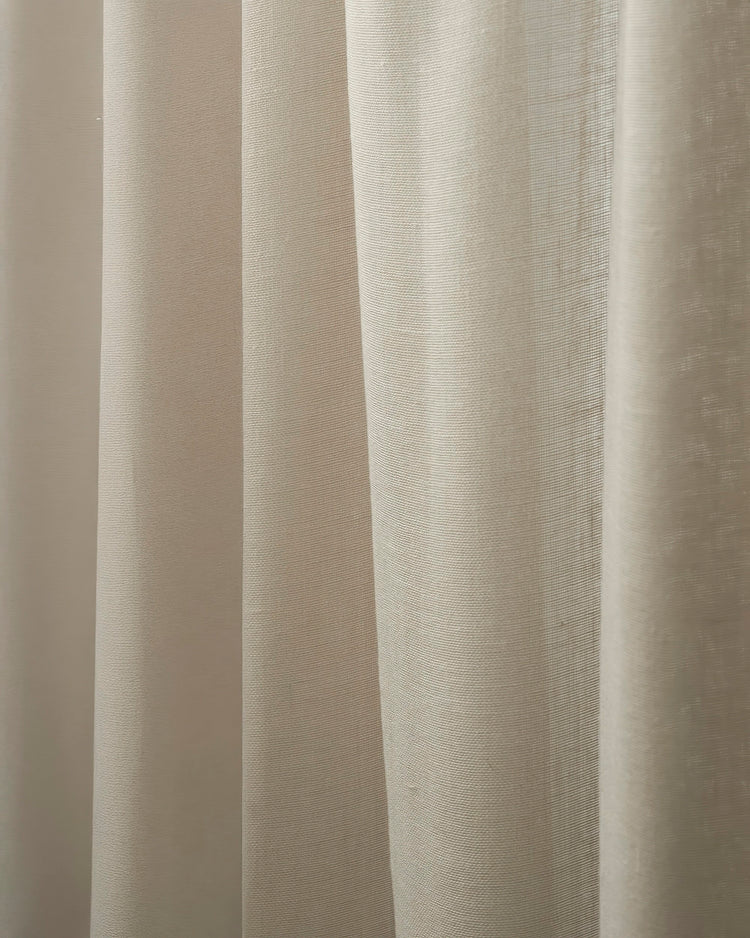
Dense fabrics usually perform better than thin, flat fabrics because they add mass and absorb more sound. Velvet, chenille-style textures, suede-like fabrics, and heavier woven materials can all be good directions for bedrooms where noise is a concern.
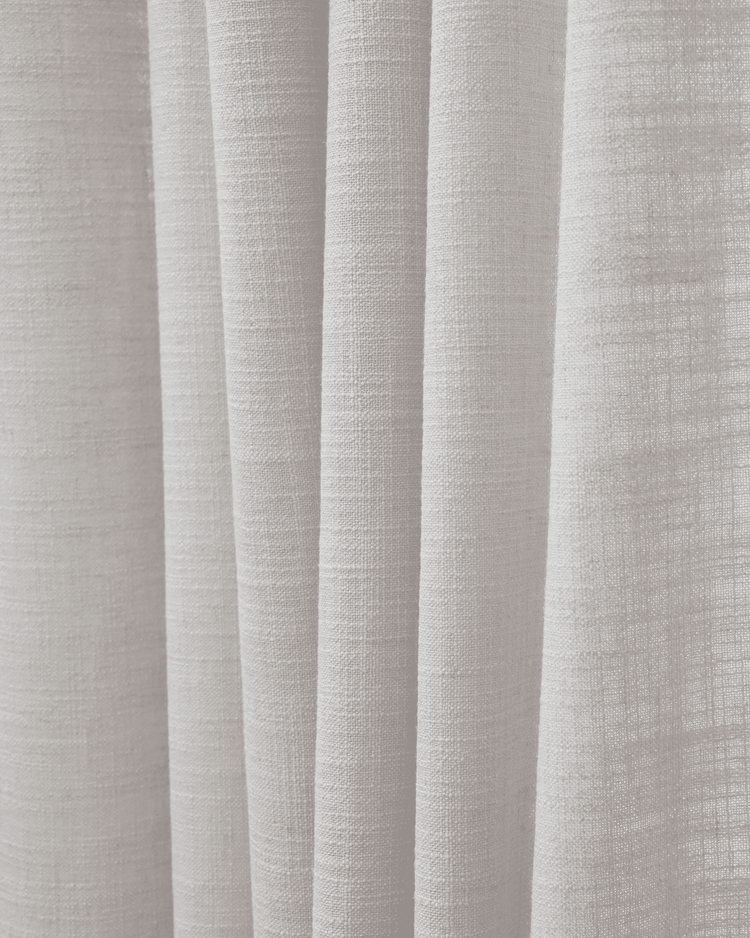
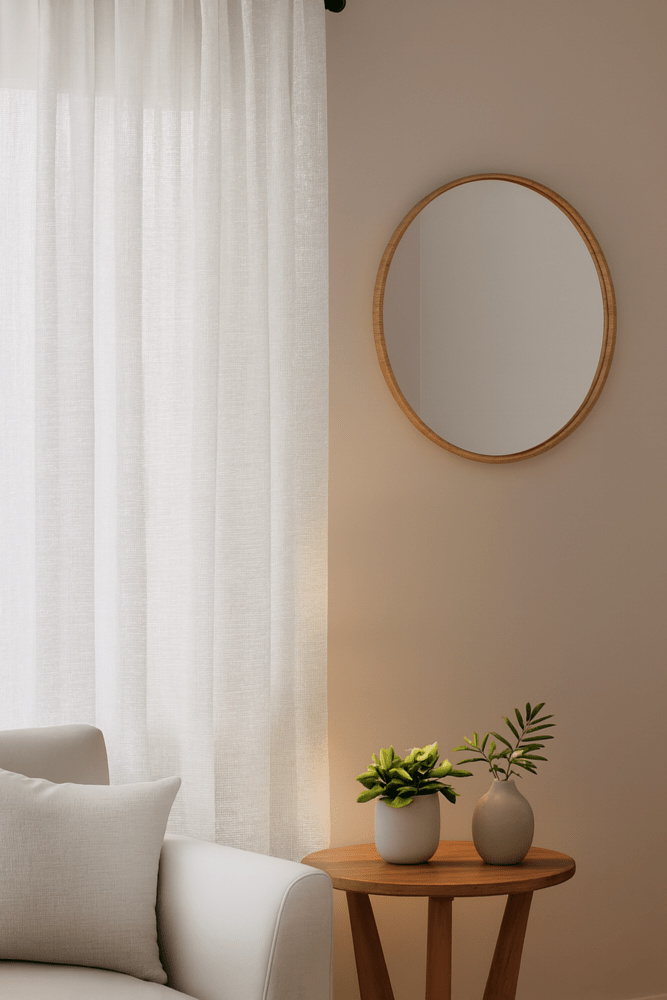
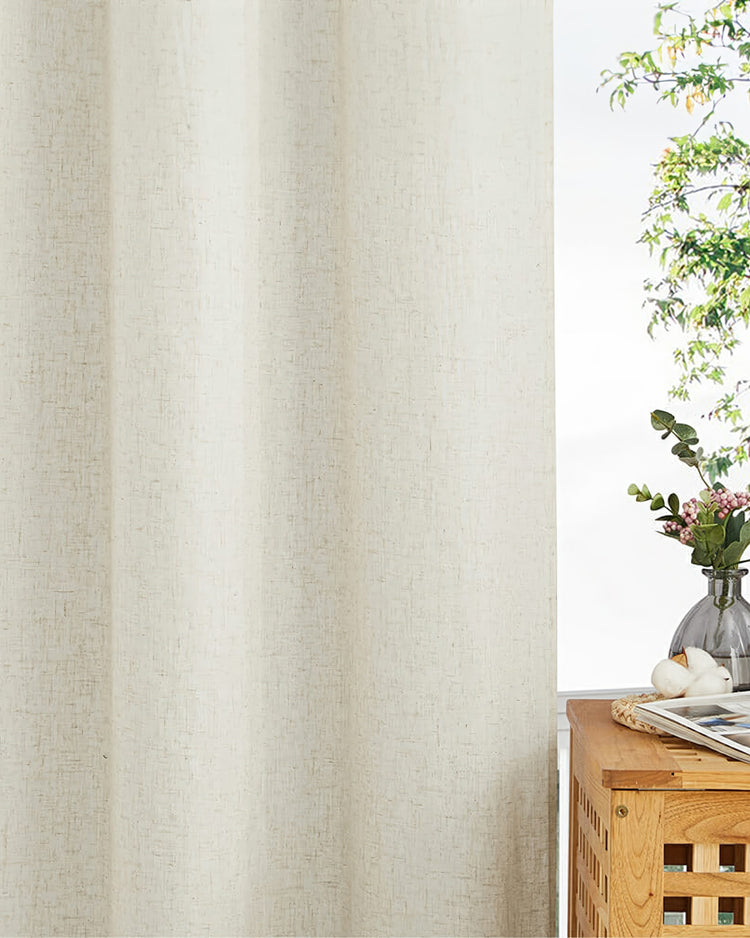
Smooth, lightweight fabrics may look airy, but they usually do less for acoustic comfort. They can still be beautiful for privacy or filtered light, but they are not the best first choice if your main issue is noise.
If you want a made-to-measure setup instead of trying to force standard panels to fit, start by comparing custom curtains and reviewing fabric weight, lining, and header options together.

 100% Blackout
 Better sleep
 Noise Reducing
 Energy Saving
Add blackout lining when light is part of the problem
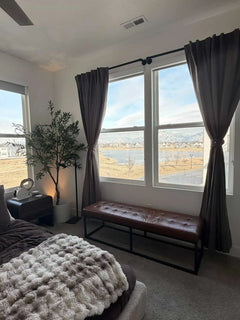
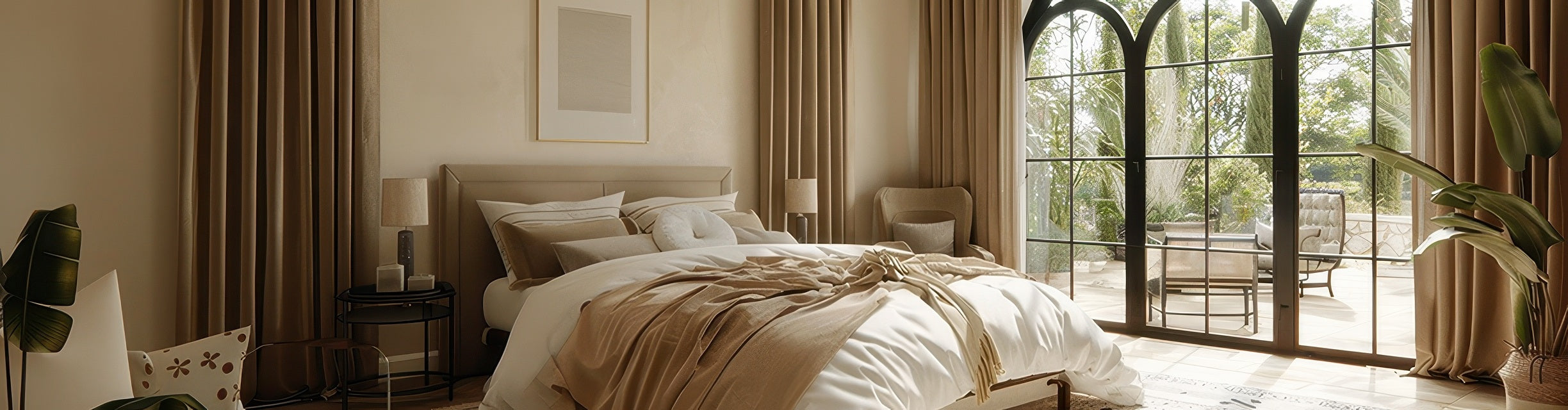
For sleep, light control and noise comfort often work together. A heavier blackout curtain can help reduce morning brightness, streetlights, headlights, and visual distraction. That makes the room feel calmer even when some sound still gets through.
If your bedroom faces a street, parking lot, shared walkway, or bright exterior light, compare blackout curtains before choosing a lighter decorative panel.
A liner can also give the curtain more body, helping the fabric hang straighter and feel more substantial. For a closer look at lining choices, use the curtain liner guide before ordering.
Use enough fullness
A flat curtain panel usually does less for sound absorption than a curtain with soft folds. Fullness creates more fabric surface area and helps the panel hang with depth instead of stretching tightly across the window.
For a bedroom, enough fullness also makes the curtains look more finished when closed. This is especially important for wide windows, sliding doors, and rooms where the curtains will be used every night.
Consider thermal benefits, but keep expectations realistic
Some heavier curtains can also help the room feel more stable near drafty or sunny windows. That does not replace window repair, insulation, or HVAC improvements, but it can make the window area feel less exposed.
If your bedroom is both noisy and uncomfortable in winter or summer, compare thermal curtains as part of the same decision. A curtain that helps with darkness, softness, and temperature comfort may be more useful than a thin panel chosen only for color.
How to install curtains for better noise reduction
The right curtain can underperform if it is installed too narrowly, too low, or too far from the wall. Sound and light both travel through gaps, so coverage matters.
Mount the rod or track higher and wider
When possible, mount the curtain hardware above the window frame and extend it past the sides. This gives the curtain more room to cover the window fully and reduces the exposed edges where light and sound can leak through.
For bedrooms, a higher and wider setup also makes the window look more finished. Use the curtain measurement guide before ordering so your finished width and length match the actual hardware plan.
Reduce side gaps with better hardware
Standard straight rods can leave a small gap between the wall and the curtain. For light sleepers, that edge gap can matter because both light and sound may travel around the side of the panel.

A return rod, wraparound rod, or track setup that lets the fabric sit closer to the wall can improve edge coverage. This is not the same as sealing the room, but it can help the curtain work more effectively.
Let the curtain reach the floor
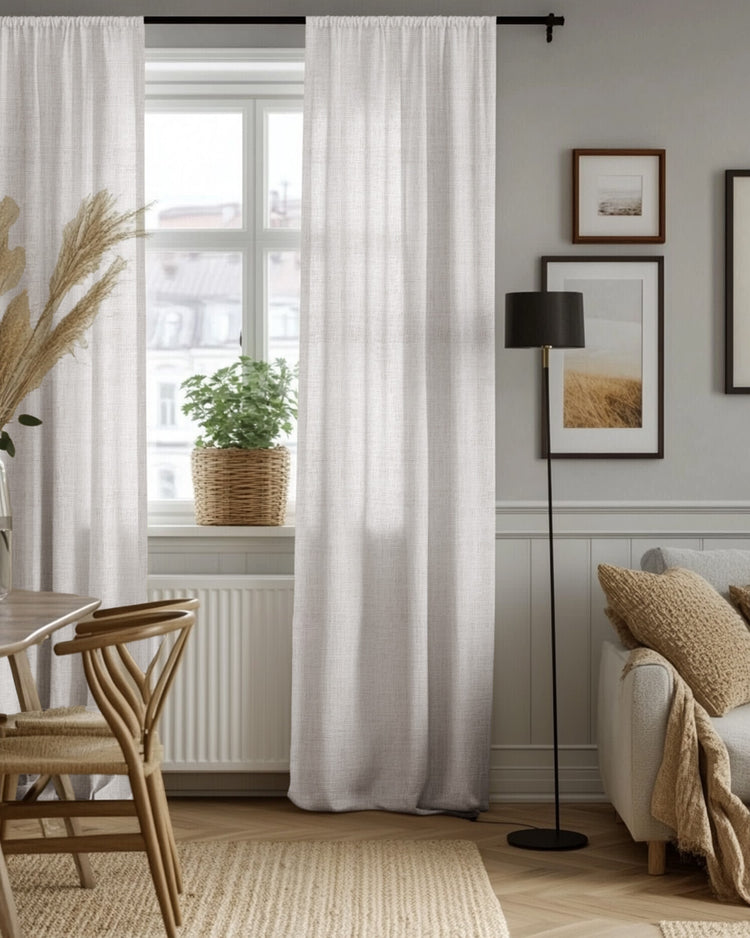
Short curtains leave a visible and functional gap at the bottom. For better bedroom coverage, floor-length curtains usually work better than sill-length panels. A tailored floor-kissing length is often the easiest to maintain, while a slight break can add softness if the fabric is heavy enough.
If you are unsure which length works best, review your header style and mounting height before ordering. The curtain header guide can help you understand how the top style changes the finished drop and drape.

What else helps if curtains are not enough?
If your bedroom still feels noisy after installing heavier curtains, check the window area before blaming the fabric. Small air gaps, old seals, loose sashes, and exposed hard surfaces can all reduce the result.
- Seal obvious drafts. If air can move around the window, sound often follows.
- Add soft surfaces. Rugs, upholstered headboards, fabric bedding, and soft furniture can reduce echo.
- Use a white noise machine or fan. This can help mask low, steady noise that curtains cannot fully block.
- Check the door gap. Noise may enter from the hallway or another room, not only the window.
- Consider professional help for serious noise. If the issue is heavy traffic, bass, or building vibration, curtains alone may not be enough.
The best results usually come from layering several small improvements instead of expecting one curtain panel to solve every noise problem.

Quick checklist before buying bedroom noise-reducing curtains
Before you order, review these details:
- Is the main problem noise, light, privacy, temperature, or a mix of all four?
- Does the room need blackout lining for sleep?
- Is the fabric heavy enough to hang with body?
- Will the finished width create soft folds when closed?
- Can the rod or track extend beyond the window frame?
- Will the curtain reach the floor?
- Are there window gaps or drafts that should be sealed first?
If you are choosing for a specific bedroom, nursery, apartment, or street-facing window, the visualization tool can help you compare the look before you commit to the final fabric and length.
FAQ about soundproof curtains for sleep
Can curtains completely soundproof a bedroom?
No. Curtains can help soften noise and reduce echo, but they cannot fully soundproof a room. True soundproofing usually requires sealing gaps, upgrading windows, improving walls, or using professional acoustic construction.
What type of curtains are best for outside noise?
For outside noise, choose heavier curtains with dense fabric, enough fullness, good edge coverage, and a lining that adds body. Blackout or thermal-lined curtains can be useful when the room also needs darkness or temperature comfort.
Are blackout curtains good for noise?
Blackout curtains can help with noise when they are made from heavier fabric and installed with enough coverage. Their main job is light control, but the extra weight and lining may also make the bedroom feel softer and less echoey.
Do longer curtains reduce noise better?
Floor-length curtains usually work better than short curtains because they cover more of the window area and leave fewer open gaps. The fabric still needs enough weight and fullness to make a noticeable difference.
Should I choose curtains or cellular shades for a noisy bedroom?
Cellular shades can help with insulation and light control, but heavier curtains usually add more soft surface and visual weight for acoustic comfort. In some bedrooms, layering a shade inside the window with curtains outside the frame gives a stronger overall setup.
Final takeaway
Soundproof curtains are better understood as noise-reducing curtains. They can help make a bedroom darker, softer, and more comfortable, especially when outside noise is sharp, inconsistent, or paired with unwanted light.
For the best result, choose heavier fabric, consider blackout or thermal lining, use enough fullness, and install the curtains high, wide, and close enough to reduce edge gaps. Then support the setup with simple fixes like sealing drafts, adding rugs, and using steady background sound when needed.
If you want help choosing the right fabric, liner, and size for your room, start with the measurement guide or use the free design service before placing your order.