Why You Should Buy Custom Curtains


In this article 6 sections
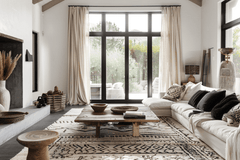
Creating a home that feels curated and high-end often comes down to one detail: the window treatments. While ready-made drapes are convenient, they rarely offer the polished, "designer" look that elevates a room. Custom curtains are not just about covering a window; they are about architectural correction—making ceilings feel taller, windows look wider, and rooms feel finished.
With modern online design tools, you no longer need an expensive interior designer to achieve this look. However, the difference between a "good enough" room and a "stunning" room lies in the details. Here is why investing in custom window treatments is the smartest upgrade you can make for your home.
1. The "High & Wide" Designer Look (Perfect Fit)
The single biggest advantage of custom curtains is the ability to manipulate the visual proportions of your room. Standard store-bought curtains come in fixed lengths (usually 84" or 96"), which often forces you to mount the rod right above the window frame. This makes the room feel smaller.
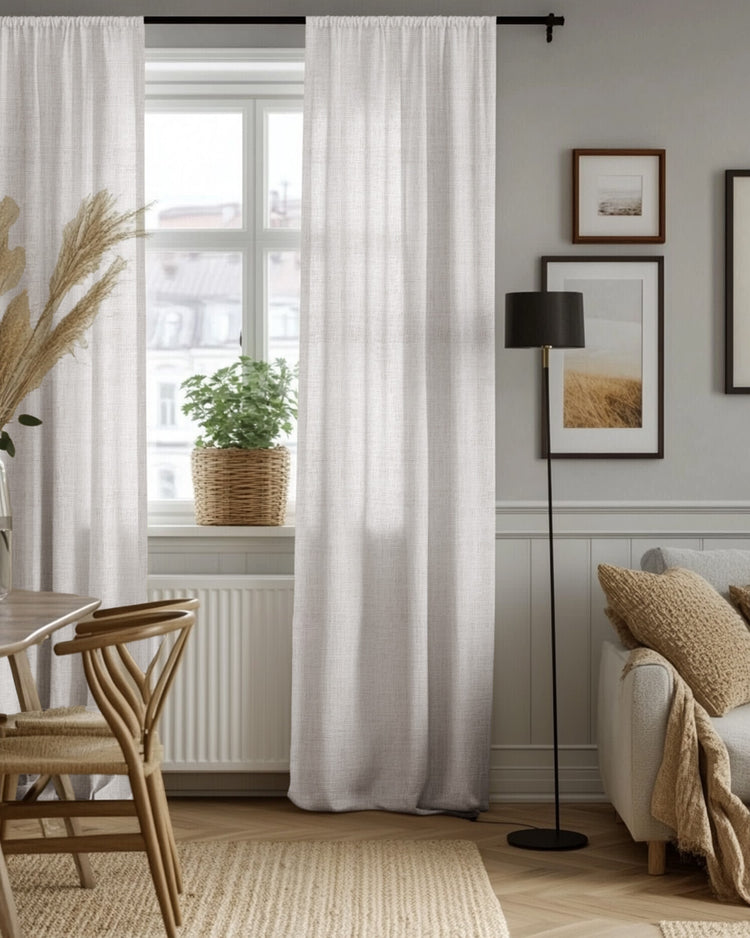
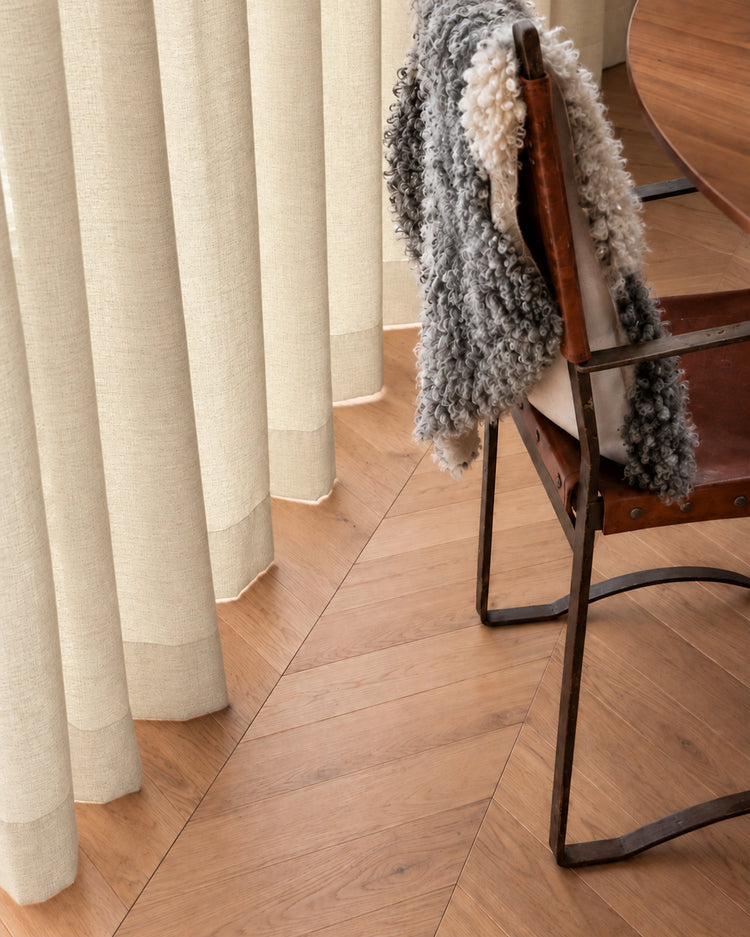
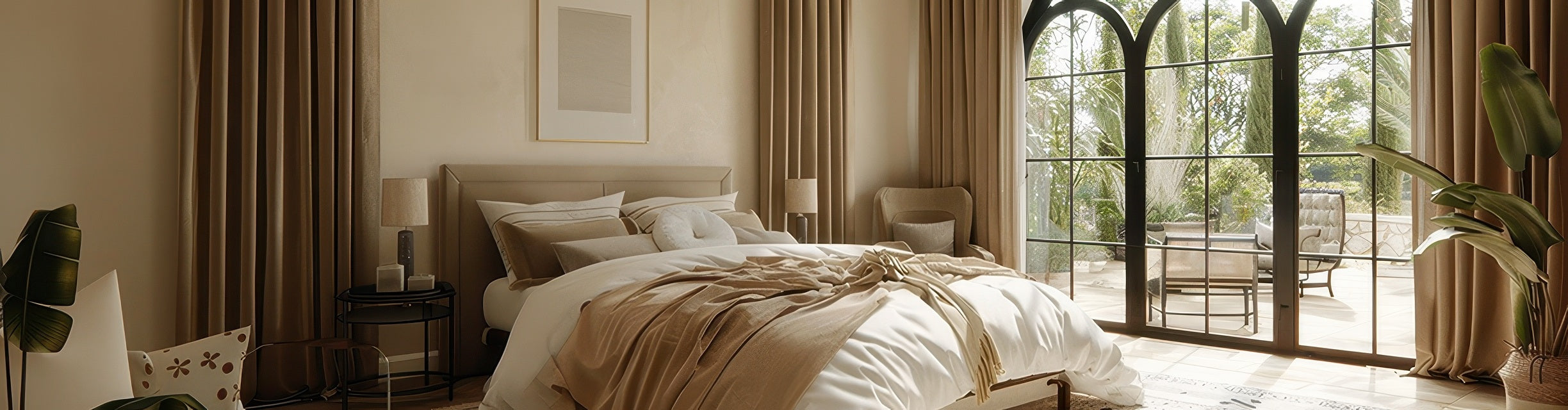
With custom curtains, you can specify the exact length to mount your rod high (near the ceiling) and the width to extend wide (past the frame). This tricks the eye into thinking your windows are larger and your ceilings are higher. Whether you want a clean "kiss" of the floor or a romantic "puddle," custom sizing ensures you don't have awkward gaps or flooding.

A Note on Measuring (Don't Skip This)
Precise measuring is critical. Unlike blinds, curtains require "fullness" to look luxurious.
- Length: Measure from the top of your rod (or track) to the floor.
- Width: Do not just measure the window glass. Measure the rod width. For a rich, pleated look, the total fabric width should usually be 1.5x to 2x the width of the window.
2. Superior Craftsmanship and Durability
Mass-produced curtains are often unlined or use lightweight, single-stitch construction that degrades quickly in sunlight. Custom workmanship implies longevity. At TheHues, our curators prioritize weighted hems (so the curtain hangs straight), reinforced seams, and premium linings. This heavy-duty construction prevents the "flaring" common in cheap drapes and ensures the fabric retains its shape and color for years.
3. Fabric Control: Texture, Weight, and Opacity
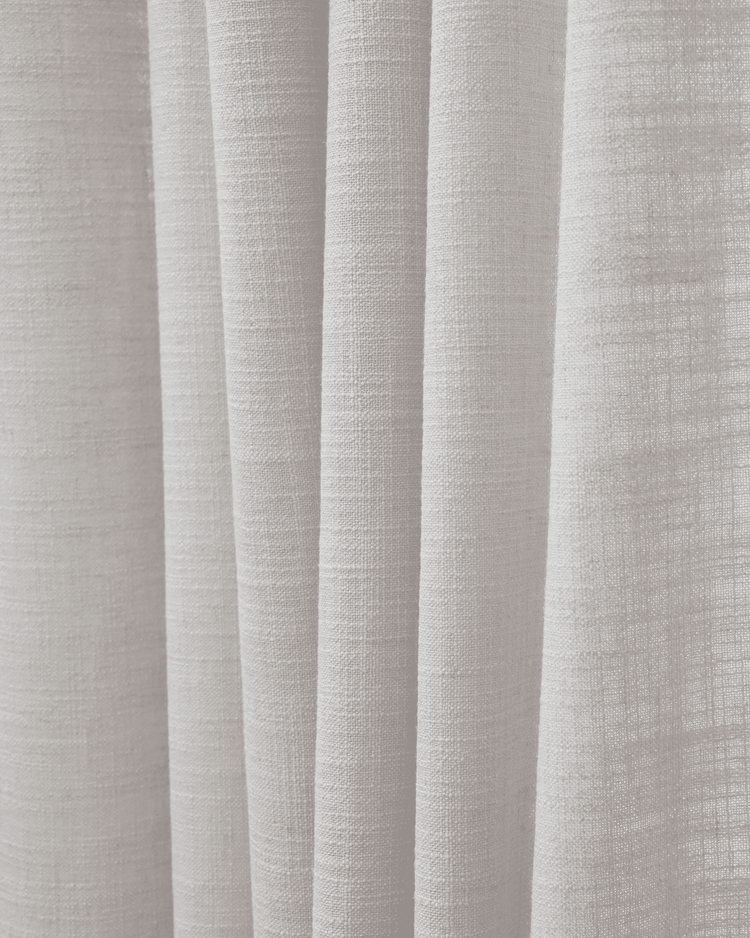
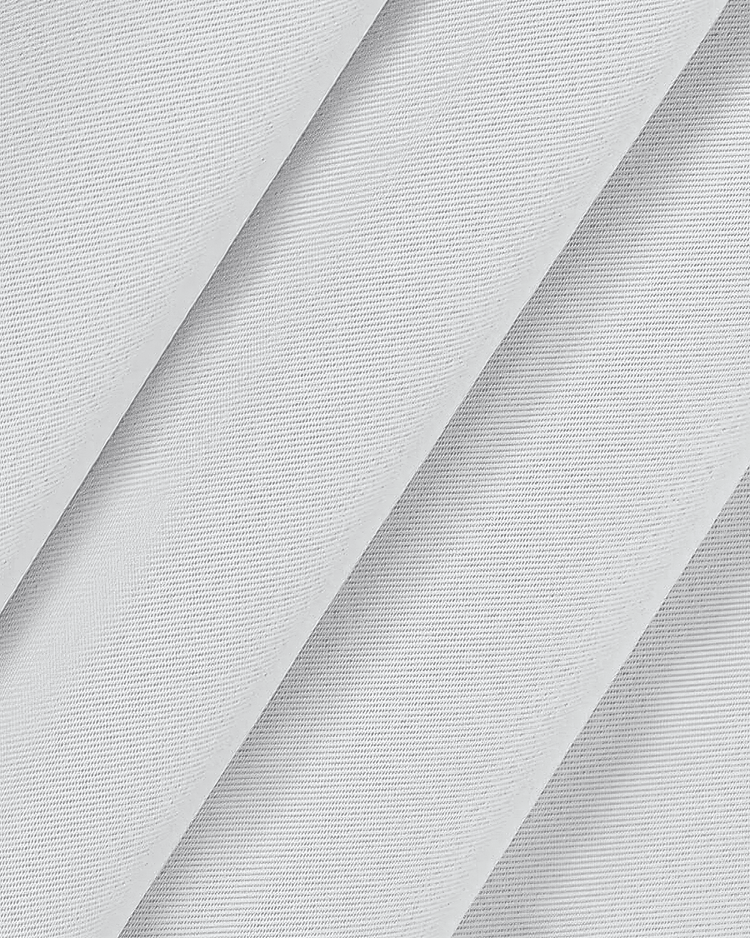
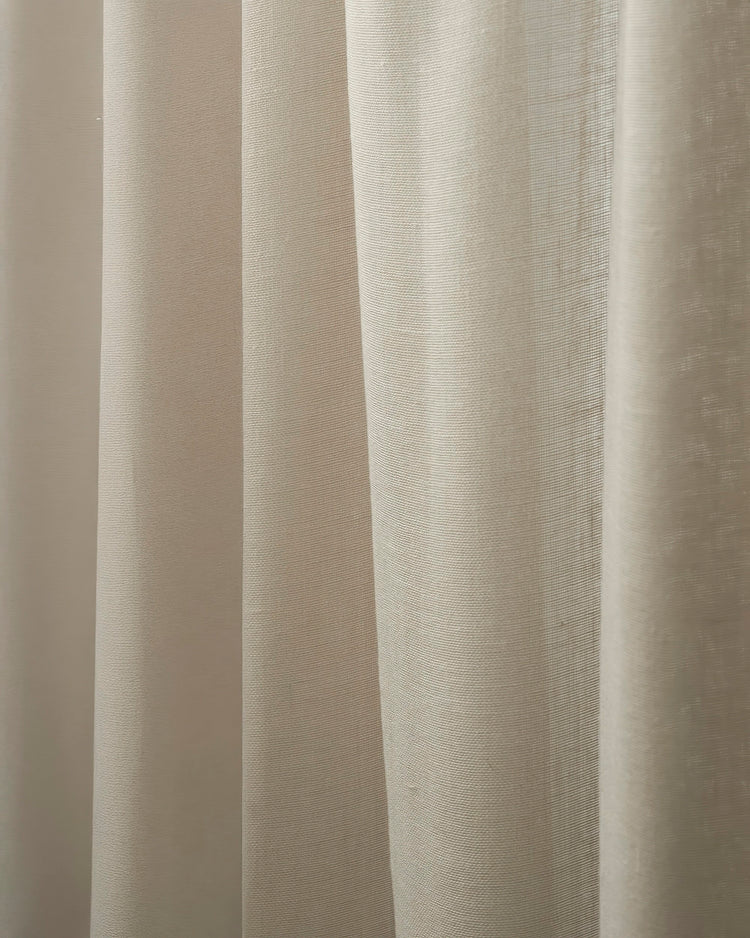
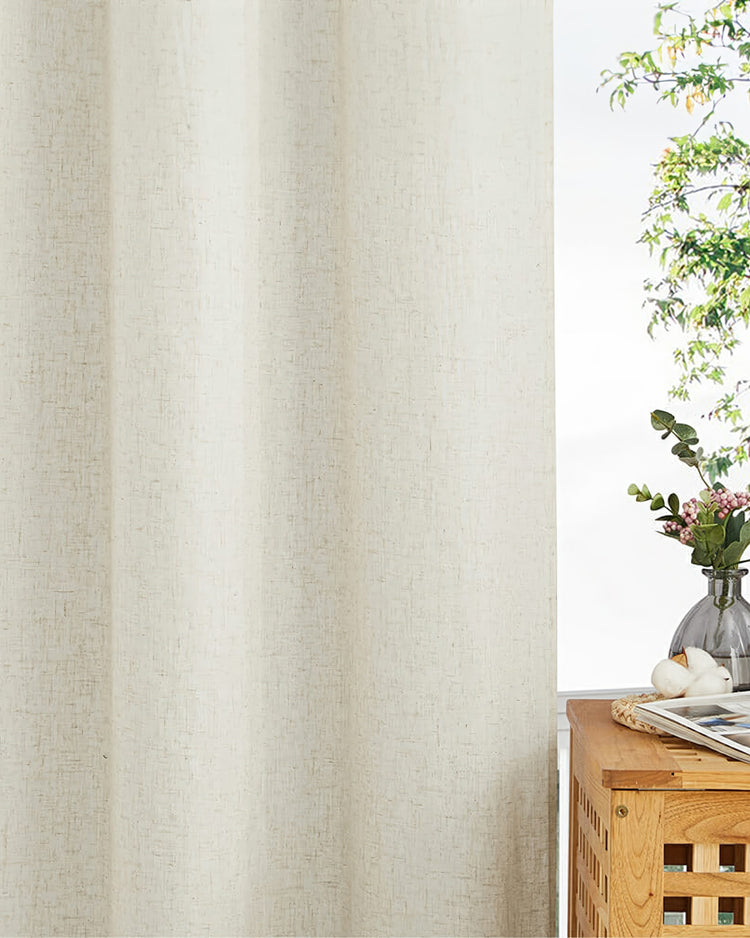
The right curtain fabric dictates the mood of the room. Ready-made options limit you to basic polyester blends, but custom allows you to select based on function and aesthetic.
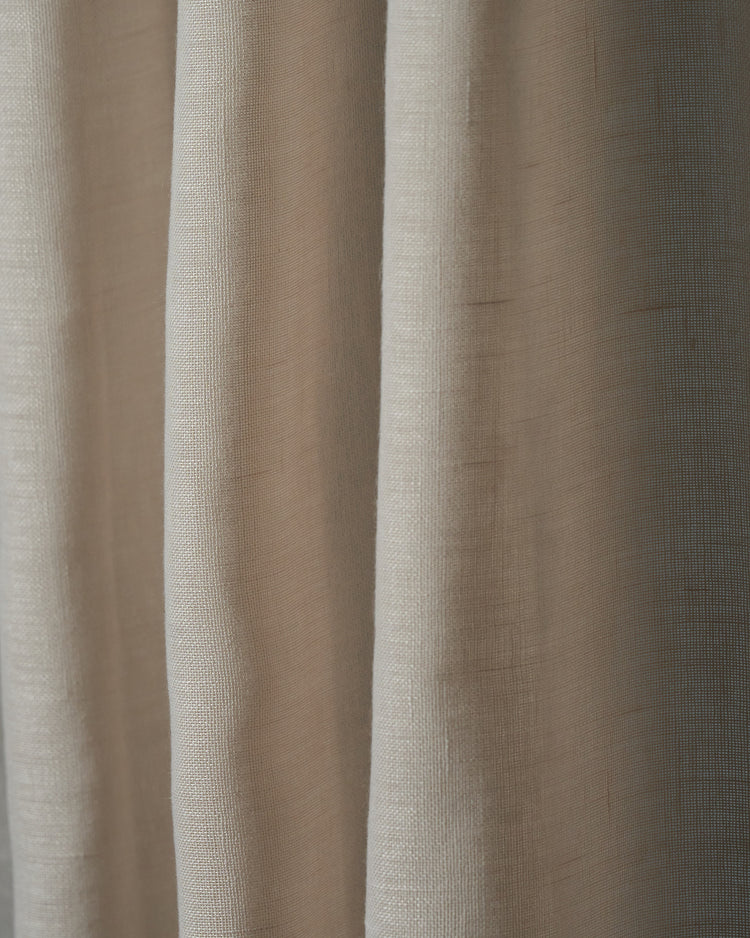
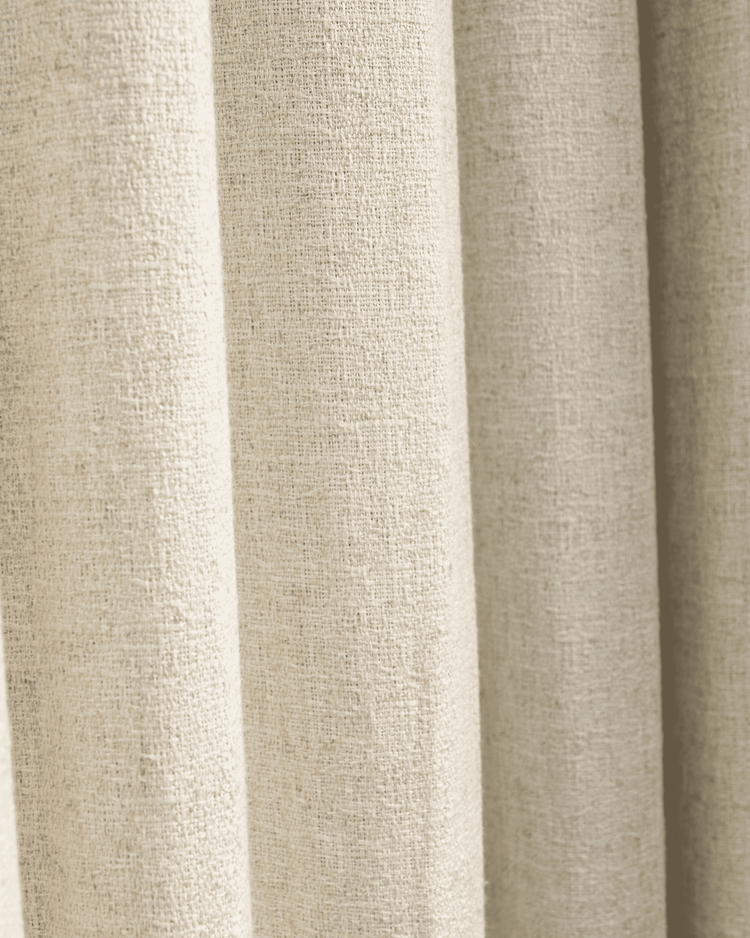
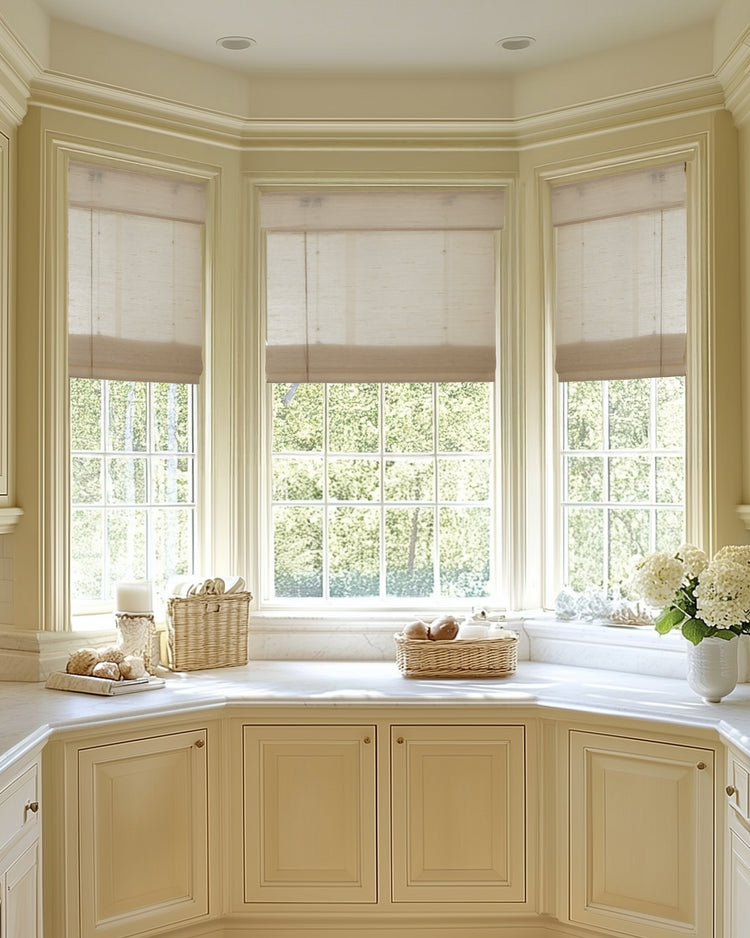
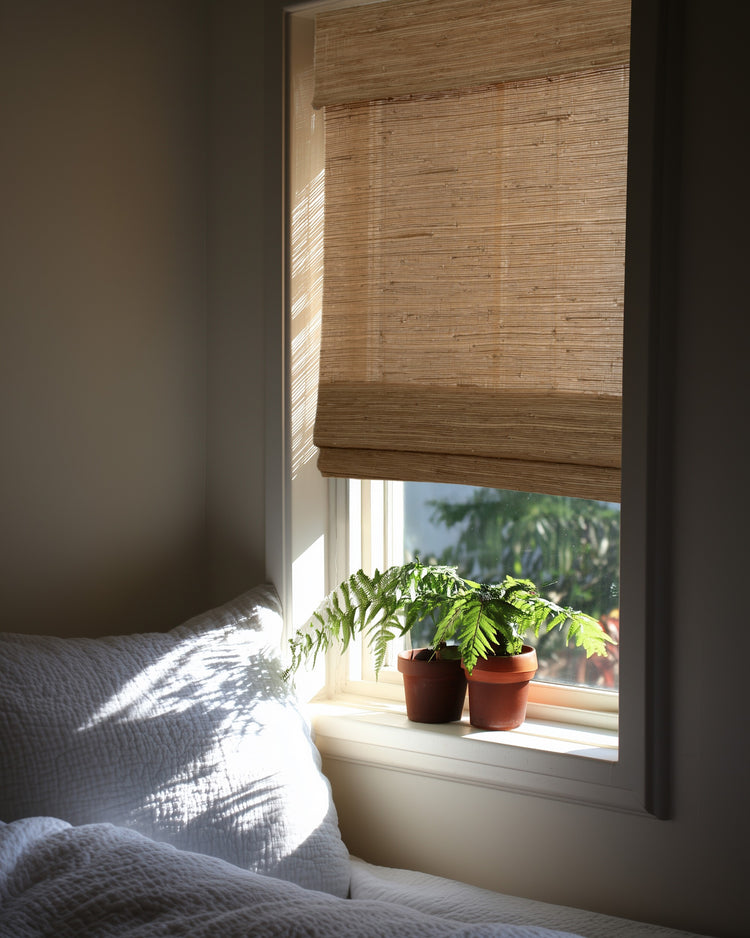
- Linen & Cotton: For an airy, organic, and breathable feel.
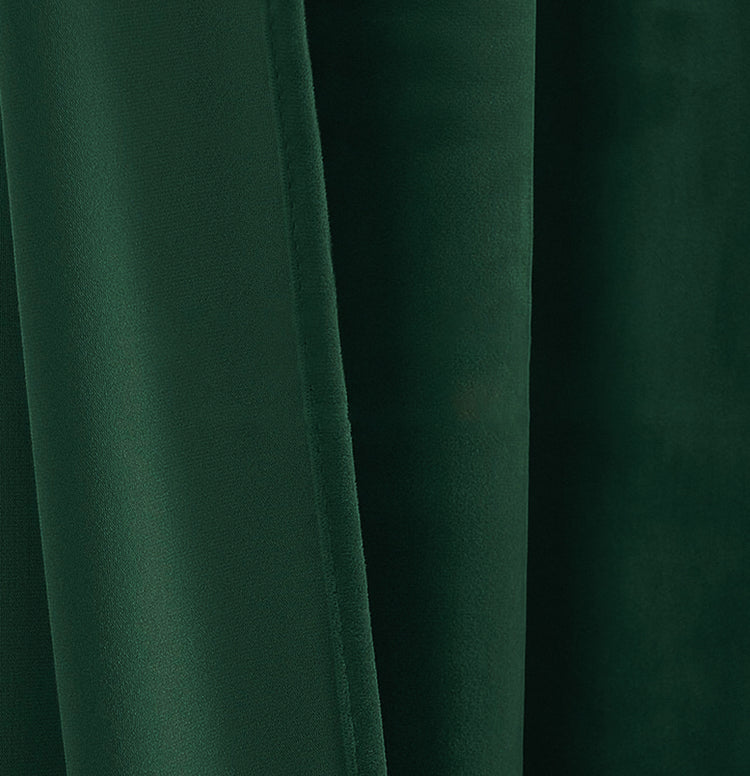
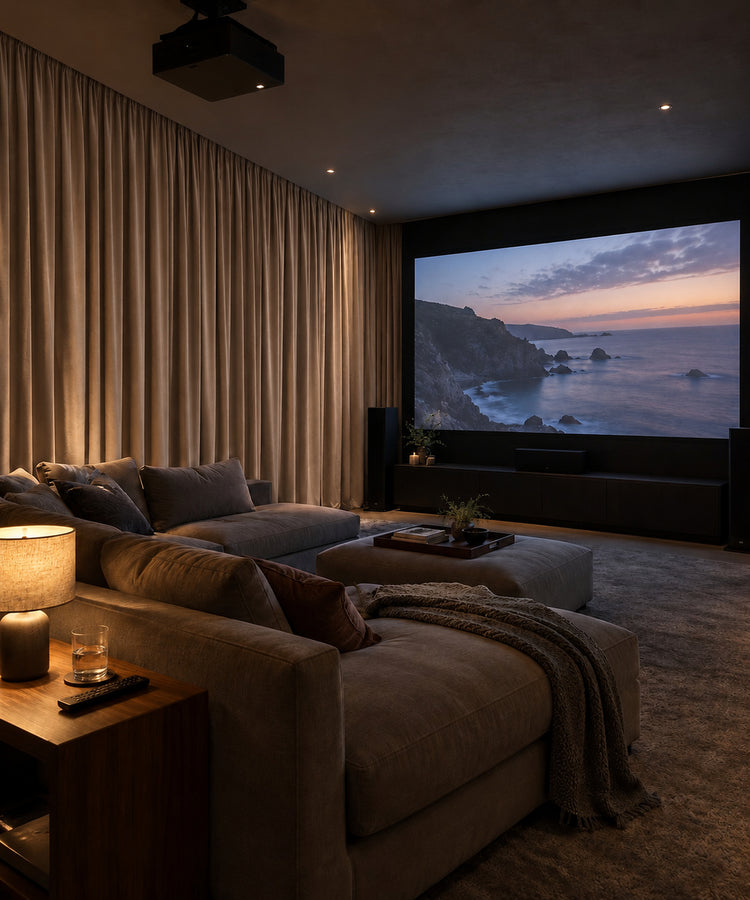
- Velvet: For drama, sound dampening, and insulation.
- Performance Fabrics: For high-traffic areas or homes with pets.
You can also dictate the lining. A beautiful face fabric can be paired with a blackout liner for a bedroom or a privacy liner for a living room, giving you total control over light filtration.

 100% Blackout
 Better sleep
 Noise Reducing
 Energy Saving
4. Custom Colors to Match Your Palette

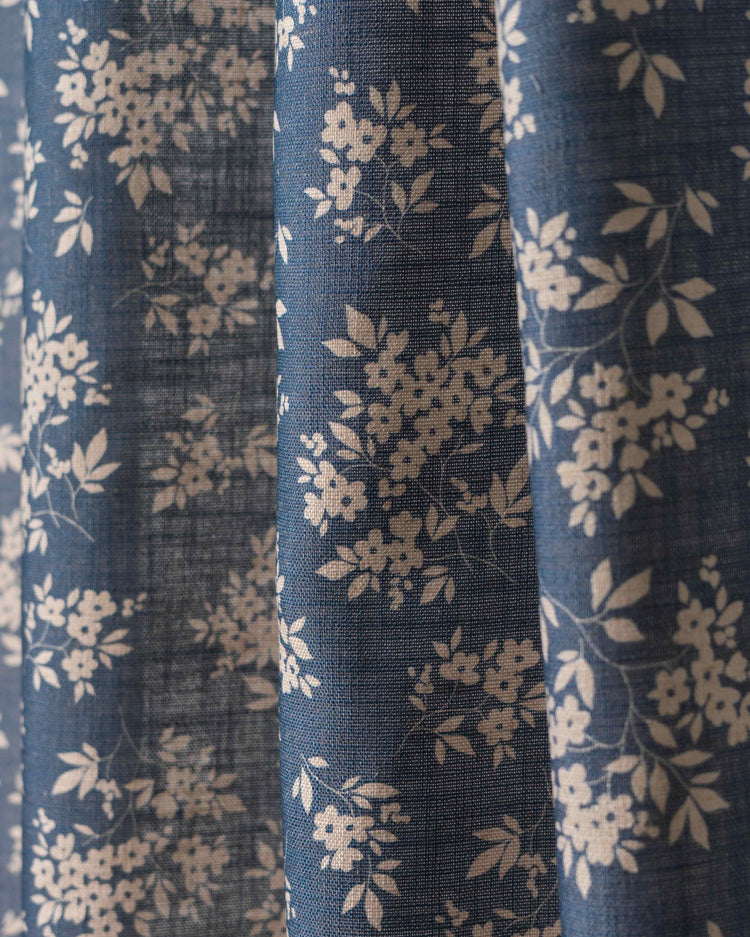
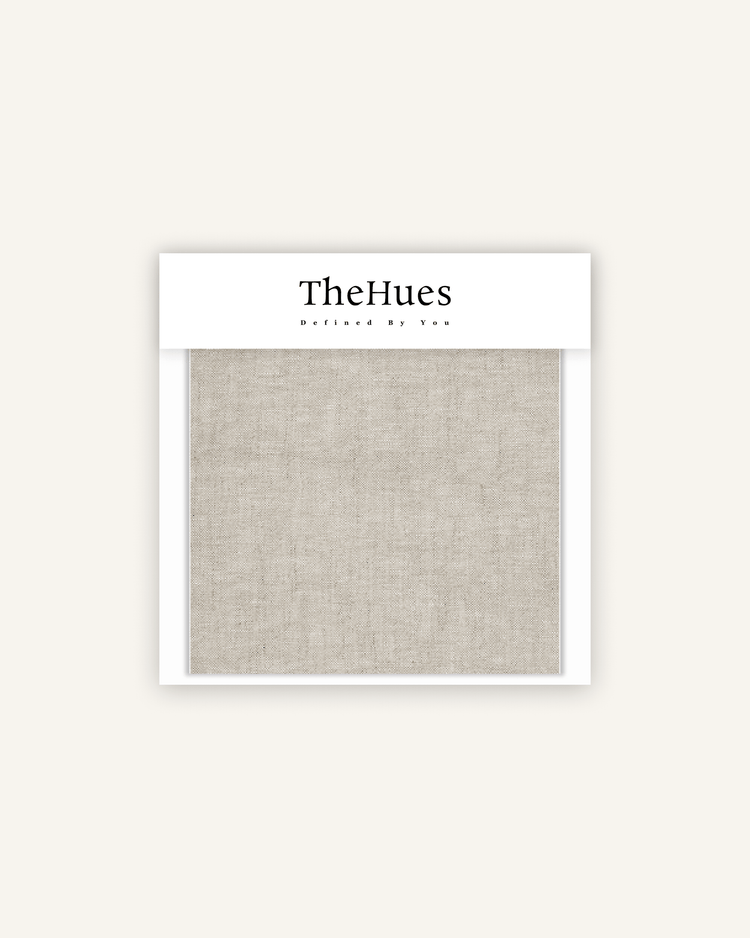
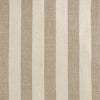
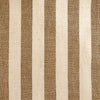
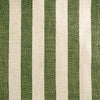
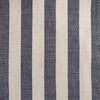
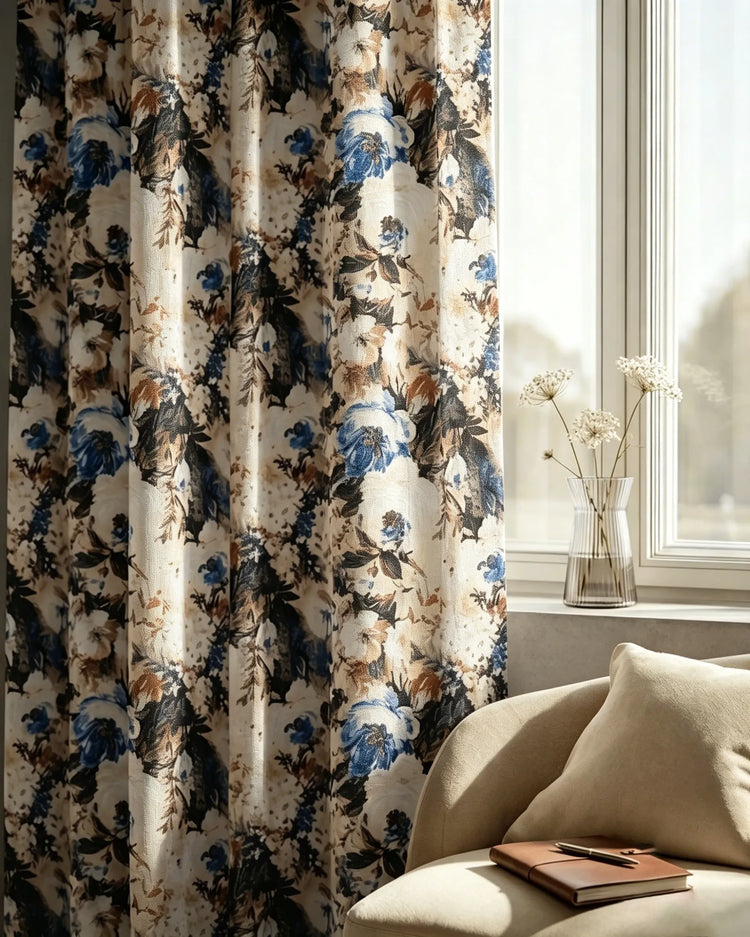
Off-the-shelf curtains often come in a limited rotation of "trend" colors. If your walls are a specific shade of "Greige" or you need a pattern to tie a rug and sofa together, custom is the only path. We highly recommend ordering curtain fabric swatches first. Viewing the fabric in your own lighting—both day and night—is the only way to guarantee a perfect color match.
5. Heading Styles define the Aesthetic

The "Heading" is how the curtain attaches to the rod, and it drastically changes the style of the room. Customization allows you to choose the perfect mechanic for your hardware:
- Modern: Grommet Top (available in Silver, Black, or Anti-Brass finishes) offers a clean, industrial wave.
- Classic: Pinch Pleat creates a tailored, formal look that holds its shape beautifully.
- Versatile: Rod Pocket and Back Tab offer a casual, gathered appearance suitable for relaxed spaces.
At TheHues, we offer 6 distinct heading types, even on heavy fabrics like velvet curtains, ensuring your hardware and fabric work in harmony.
6. True Energy Efficiency (Thermal & Sound)

A major hidden benefit of custom drapery is the layering. Standard curtains are often a single layer of fabric. Custom thermal curtains can be constructed with multiple layers (Face Fabric + High-Density Interlining + Backing).
This multi-layer construction creates a dead-air space that acts as an insulator, potentially reducing window heat loss by up to 25%. This isn't just about darkness; it's about temperature control. Products like TheHues insulated 100 blackout curtains provide a barrier against drafts in winter and solar heat gain in summer, lowering utility bills while dampening street noise.