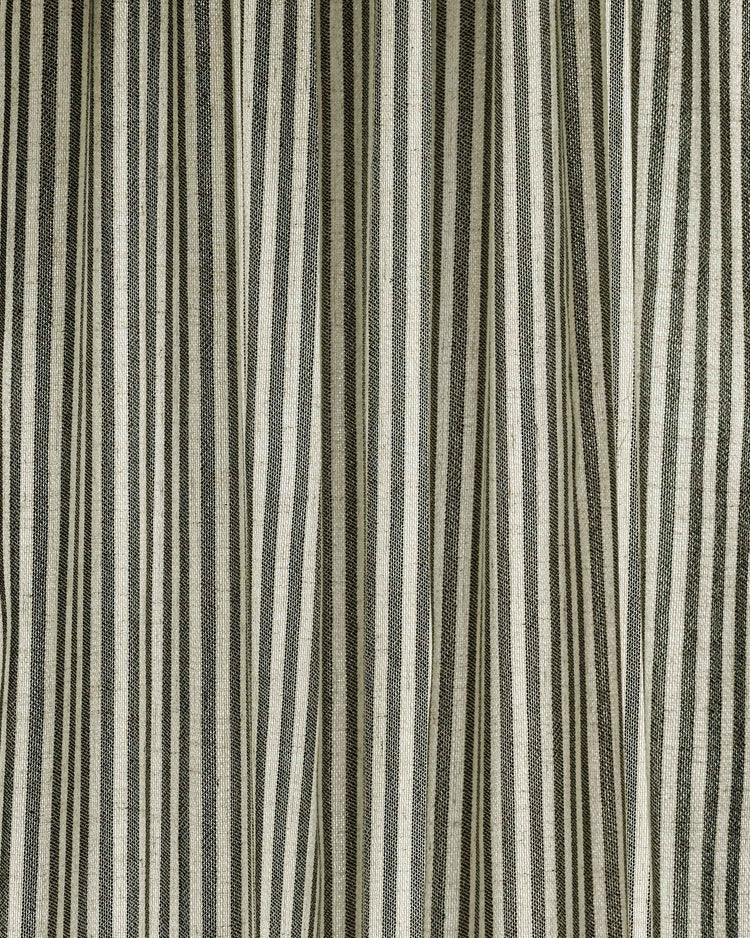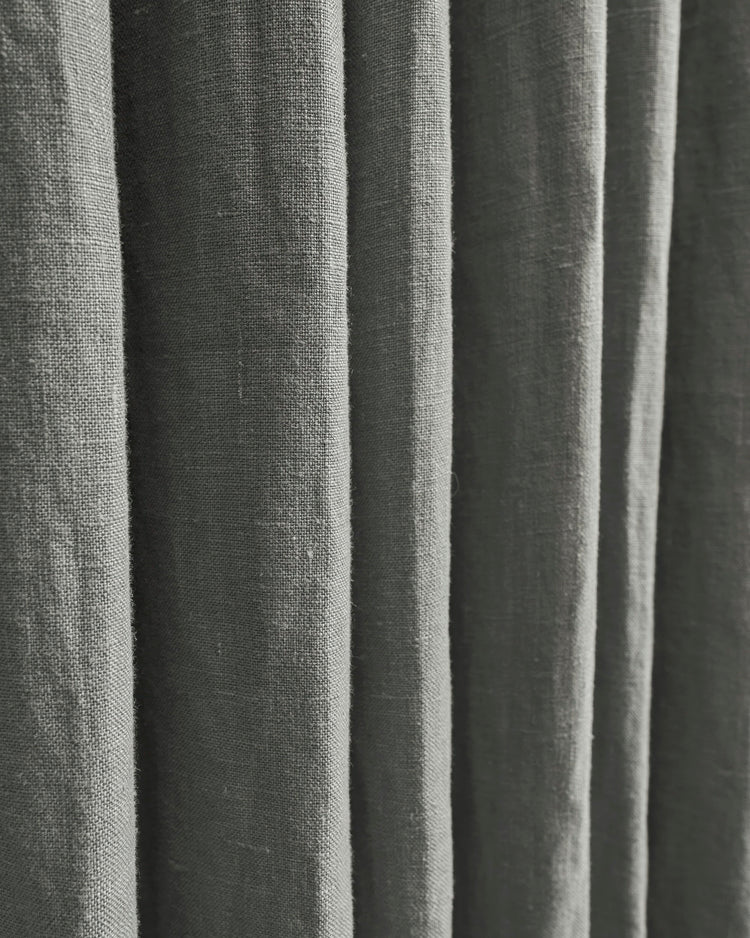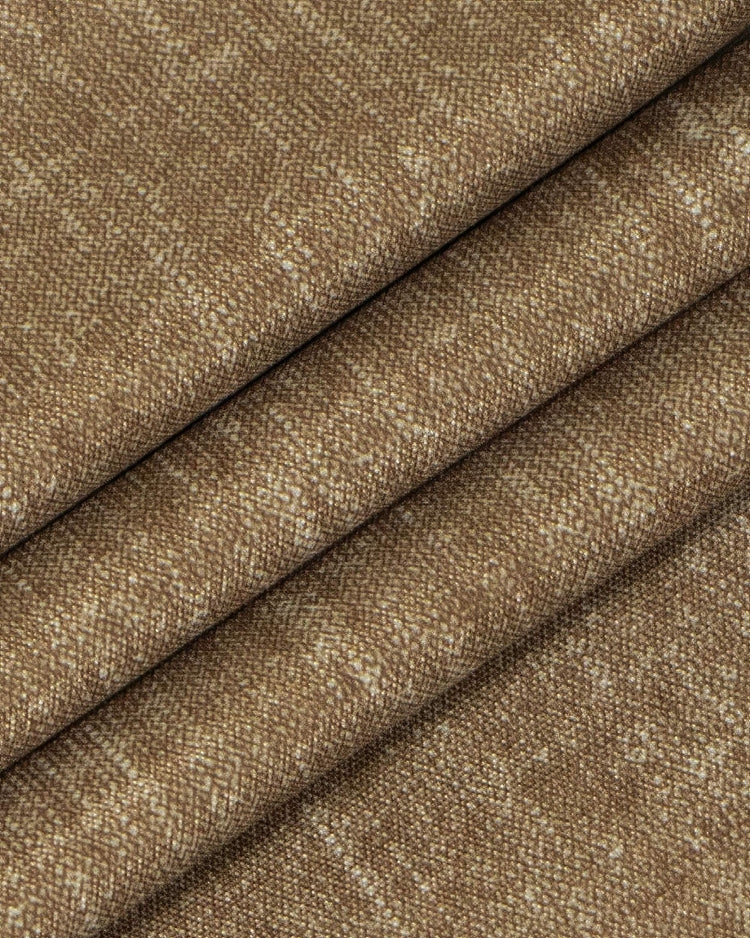
Flame Retardant Fabrics: How to Identify FR, IFR, DFR, PFR and NFR Fabrics


When specifying curtains or drapery for a hospitality or commercial project, flame retardant fabrics are rarely optional. Fire codes require them. Inspection teams verify them. And the wrong classification can delay an installation, trigger a respecification, or create a long-term compliance problem that surfaces only after the first cleaning cycle.
The challenge is that "flame retardant" is not a single category. It is an umbrella term covering five distinct classifications, FR, IFR, DFR, PFR, and NFR, each with different performance characteristics, maintenance requirements, and compliance implications. Suppliers do not always explain the differences clearly, and the terminology is not standardized across every manufacturer.
This guide breaks down each classification, explains how to identify them during procurement, and maps the right fabric type to specific hospitality and commercial applications.
Why the flame retardant classification matters for project specifications
Specifying "flame retardant curtains" without identifying the classification is like specifying "blackout" without defining the light-blocking percentage. The label alone does not tell you how the fabric achieves its fire performance, how long that performance lasts, or what maintenance the fabric requires to stay compliant.
The specific classification, FR, IFR, DFR, PFR, or NFR, determines:
- Durability: whether fire performance is permanent, durable, or temporary
- Maintenance: whether the fabric needs retreatment after cleaning
- Compliance longevity: how long the fabric remains certified without intervention
- Lifecycle cost: the total cost of ownership over the life of the installation
- Respecification risk: the likelihood of needing to replace the fabric due to lost compliance
For trade program buyers and FF&E purchasing teams managing multi-room installations, including hotels, healthcare facilities, and event venues, the classification directly affects project budgets, maintenance schedules, and long-term fire-code compliance.

FR (Flame Retardant): topically treated fabrics
FR is both the general umbrella term for all flame retardant fabrics and a specific classification for topically treated fabrics. When a supplier uses "FR" as a classification rather than a general descriptor, it typically refers to this category.
How it works: The fabric is woven from fibers that do not inherently meet fire-code standards. After weaving, a flame-retardant chemical is applied to the surface through spraying or dipping.
Key limitation: The treatment is water-soluble. Washing, steam cleaning, or extended moisture exposure can reduce or fully remove the chemical from the fabric. Once that happens, the fabric may no longer pass fire-code testing.
Maintenance: FR-treated fabrics require periodic retreatment to maintain compliance. After cleaning, the fabric should be retreated and retested.
Certification period: Typically certified for one year. Must be retested or retreated after cleaning to maintain certification.
Best for: Short-term installations, event drapery, or applications where the fabric will not be laundered. FR-treated fabric is generally the lowest-cost option upfront, but the ongoing retreatment requirement increases total cost of ownership over time.
What to watch for: All cottons and other natural fibers certified as flame retardant are FR-treated. Some synthetic fabrics are also topically treated. If a vendor lists a natural-fiber curtain as "flame retardant" without specifying IFR, it is almost certainly FR-treated.

IFR (Inherently Flame Retardant): flame resistance built into the fiber
IFR fabric, or inherently flame retardant fabric, is the most common classification for commercial and hospitality curtain projects where long-term compliance matters.
How it works: The fabric is woven from fibers that meet fire-code standards through the fiber composition itself, without any chemical treatment applied after weaving. The flame-retardant property is part of the fiber structure, not an applied coating.
Key advantage: Flame retardancy is permanent for the life of the fabric. Repeated washing, dry-cleaning, or moisture exposure does not reduce fire performance.
Maintenance: No retreatment is needed. IFR fabrics maintain their fire performance through every cleaning cycle.
Certification: IFR fabrics do not require recertification after cleaning. The fire performance is inherent and permanent.
Best for: Hospitality guest rooms, high-traffic commercial spaces, healthcare facilities, and any application where curtains will be laundered regularly. IFR eliminates retreatment logistics and simplifies long-term compliance tracking.
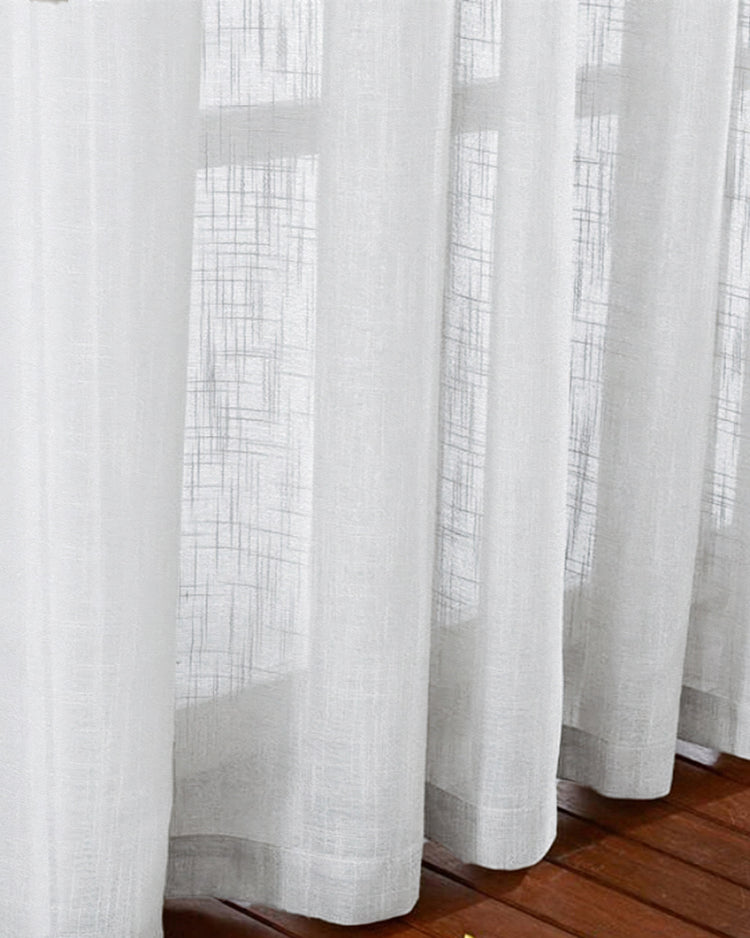
For hospitality projects that require full light blocking with NFPA 701 compliance, an IFR blackout curtain delivers both performance requirements in a single fabric. For applications that need light diffusion rather than blackout, an IFR sheer curtain provides flame retardancy with visual openness.

DFR (Durably Flame Retardant): chemically bonded treatment
A durable flame retardant fabric, DFR occupies the middle ground between FR-treated and IFR fabrics.
How it works: The fabric is treated with a flame-retardant compound that chemically bonds to the fiber structure, rather than sitting on the surface. Unlike FR topical treatments, DFR chemicals are not water-soluble.
Key advantage: The treatment is durable through washing and dry-cleaning for an extended period. DFR fabrics withstand cleaning cycles far better than FR-treated fabrics.
Key distinction from IFR: DFR is still a treatment applied after weaving, not a property inherent to the fiber composition. Over a very long period, the bonded chemical may eventually degrade, though significantly slower than an FR topical treatment.
Key distinction from FR: The DFR treatment is chemically bonded rather than surface-applied, making it resistant to water and cleaning solvents. It does not wash off in the same way that FR topical treatments do.
Best for: Projects that need strong flame retardant performance combined with specific natural fiber aesthetics or texture requirements that IFR synthetics may not offer. DFR is a practical choice when the design specification calls for a fiber type that is not available in IFR construction.
A DFR flame-retardant curtain can be the right fit when the project requires a specific fabric hand or drape characteristic that a DFR-treated fiber provides.
PFR (Permanently Flame Retardant): is it the same as IFR?
PFR is the classification that causes the most confusion during procurement. In most industry usage, PFR and IFR mean the same thing: the fabric is woven from fibers that are non-combustible for the life of the fabric, with no treatment required and no retreatment needed.
Why both terms exist: Different manufacturers and testing organizations adopted different terminology for the same concept. Some suppliers label their fabrics PFR; others label identical fiber constructions as IFR. Neither term is wrong, but the inconsistency can create confusion during specification review.
What to verify: When a supplier labels a fabric as PFR, confirm that the fire performance is achieved through the fiber composition itself, not through a durable chemical treatment branded as "permanent." A genuinely PFR fabric should behave identically to IFR: permanent fire performance, no retreatment, no recertification after cleaning.
Practical guidance: If a specification calls for IFR and a vendor offers PFR, request the test report and fiber composition. If the fiber is inherently non-combustible and requires no treatment, the fabric meets the IFR requirement regardless of which label the manufacturer uses.
NFR (Non-Flame Retardant): does not meet fire codes
NFR fabric does not meet fire-code standards and has not been treated to achieve flame retardancy.
Why it matters for project specifications: NFR fabric cannot be installed in any commercial or hospitality application where fire codes require flame retardant compliance. This includes hotel guest rooms, lobbies, restaurants, healthcare facilities, theaters, and most public commercial spaces in the United States.
Common risk scenario: Decorative fabrics sourced from residential or consumer-focused suppliers may be NFR. If the fabric does not carry a specific FR, IFR, DFR, or PFR classification, it should be assumed NFR until a test report confirms otherwise.
Can NFR fabric be treated? Some NFR fabrics can be topically treated to achieve FR compliance. However, this converts the fabric to FR-treated status with all the maintenance and retreatment requirements that come with it. Not all NFR fabrics are suitable for treatment, as metallic fabrics and certain synthetics cannot be made flame retardant through topical application.

FR vs IFR vs DFR vs PFR vs NFR: comparison for project specifications
| FR (Treated) | IFR (Inherent) | DFR (Durable) | PFR (Permanent) | NFR | |
|---|---|---|---|---|---|
| How achieved | Topical chemical applied after weaving | Built into fiber composition | Chemical bonded to fiber after weaving | Built into fiber composition | Not flame retardant |
| Durability | Temporary, washes off | Permanent, life of fabric | Durable, extended period | Permanent, life of fabric | N/A |
| Retreatment needed | Yes, after each cleaning | No | Rarely, over very long periods | No | N/A |
| Certification period | ~1 year, must retest after cleaning | Life of fabric | Extended, verify with supplier | Life of fabric | Does not certify |
| Wash resistance | Poor, water-soluble | Full | Strong, not water-soluble | Full | N/A |
| Best application | Events, temporary installations | Hotels, hospitals, commercial | Design-specific fiber needs | Same as IFR | Not permitted in code-required spaces |
| Lifecycle cost | Low upfront, high ongoing | Higher upfront, lowest ongoing | Moderate | Higher upfront, lowest ongoing | N/A |
How to verify flame retardant classification during procurement
Knowing how to identify flame retardant fabric, whether it is a fire retardant curtain fabric for a hotel ballroom or a sheer for a hospital atrium, starts with verification. Accepting a fabric labeled "flame retardant" without confirming the specific classification is a compliance risk. These steps help specification reviewers and purchasing teams confirm what they are actually ordering.
-
Request the NFPA 701 test report. For US projects, NFPA 701 is the relevant standard for curtains and hanging fabrics. The test report should be current and issued by an accredited testing laboratory.
-
Confirm the specific classification. The test report or product documentation should state whether the fabric is FR-treated, IFR, DFR, or PFR. If the vendor labels the fabric only as "flame retardant" without a classification, ask directly.
-
Check the test date and certification period. For FR-treated fabrics, verify the certification is still current. For IFR and PFR fabrics, the certification should apply for the life of the fabric.
-
Ask about retreatment requirements. If the fabric requires retreatment after cleaning, it is FR-treated or possibly a lower-grade DFR. This affects your maintenance budget and compliance tracking.
-
Verify fiber composition for IFR and PFR claims. If a vendor claims IFR or PFR, the fiber itself should be inherently non-combustible. Request the fiber composition and confirm it supports the claimed classification.
-
Separate NFPA 701 from BS 5867. These are different standards for different markets. NFPA 701 applies to US projects. BS 5867 applies to UK projects. Do not accept one as a substitute for the other.
NFPA 701: the US standard for curtain fire testing
NFPA 701 is the fire-testing standard specifically designed for curtains, draperies, and other hanging fabrics in the United States. It is the standard that most US building codes reference for commercial and hospitality window-treatment compliance. Understanding NFPA 701 fabric types, and how each classification performs under this test, is essential for writing accurate specifications.
What NFPA 701 tests: The standard measures how a fabric responds to direct flame exposure, specifically how far the flame propagates, how long the fabric continues burning after the flame source is removed, and whether burning drips self-extinguish.
Small-scale test requirements: - Fabric is exposed to a direct flame for 12 seconds - Char length must be less than 6.5 inches - After-flame time must be 2 seconds or less - Any burning drips must self-extinguish
Why it matters for specification: NFPA 701 certification confirms that a specific fabric, in its specific construction, passes the standard. The classification (FR, IFR, DFR) determines how long that certification remains valid and whether cleaning affects compliance.
Which flame retardant fabric type is right for your project
The right classification depends on the application, the cleaning cycle, and the project's long-term maintenance approach. Flame retardant hospitality fabrics, in particular, must balance durability with the realities of frequent laundering and high-occupancy turnover.
Hotel guest rooms: IFR is the standard recommendation. Guest room curtains are laundered regularly, and IFR eliminates retreatment logistics. Permanent fire performance means the curtains remain compliant through every cleaning cycle for the life of the fabric.
Lobbies and public areas: IFR or DFR, depending on the design specification. If the fabric aesthetic or texture requirement calls for a fiber type only available in DFR construction, DFR is appropriate. Otherwise, IFR is the simpler compliance path.
Event spaces and ballrooms: For permanent installations, IFR or DFR. For temporary or rental drapery, FR-treated fabric may be acceptable if retreatment is managed between uses.
Restaurants and dining areas: IFR provides the most reliable long-term compliance. Grease, moisture, and frequent cleaning make FR-treated fabric impractical in food-service environments.
Healthcare facilities: IFR is strongly preferred. Cleaning frequency in healthcare settings is high, and retreatment disrupts clinical operations.
For projects that need custom curtain options across multiple FR classifications, confirming the right fabric type early in the specification process avoids respecification later.
Frequently asked questions
What is the difference between IFR and PFR fabrics?
In most industry usage, IFR and PFR describe the same thing: flame retardancy that is inherent to the fiber composition and permanent for the life of the fabric. The terms are used interchangeably by different manufacturers. When evaluating a PFR-labeled fabric, confirm that the fire performance comes from the fiber itself, not from a chemical treatment.
Can FR-treated fabric lose its fire retardancy?
Yes. FR topical treatments are water-soluble. Washing, steam cleaning, or prolonged moisture exposure can reduce or remove the treatment. Once the treatment is compromised, the fabric may no longer pass NFPA 701 testing. Retreatment and retesting are required after each cleaning.
How often does FR-treated fabric need retreatment?
FR-treated fabric should be retreated after every cleaning event. The certification is typically valid for one year, and any cleaning within that period requires retreatment and retesting to maintain compliance.
Does NFPA 701 apply to all commercial curtains in the United States?
NFPA 701 is the standard most commonly referenced in US building codes for curtains, draperies, and hanging fabrics in commercial and hospitality settings. Local building codes may have additional requirements, so confirm the applicable code with the local authority having jurisdiction (AHJ) for your project.
How do I verify a fabric's flame retardant classification?
Request the NFPA 701 test report from the supplier. The report should identify whether the fabric is FR-treated, IFR, DFR, or PFR. Also request the fiber composition and ask whether the fabric requires retreatment after cleaning.
Can NFR fabric be treated to become flame retardant?
Some NFR fabrics can receive topical FR treatment. However, this converts the fabric to FR-treated status, which requires periodic retreatment after cleaning. Not all NFR fabrics are treatable, as certain synthetics and metallic fabrics cannot achieve flame retardancy through topical application.
What happens if a hotel installs curtains that fail NFPA 701?
Non-compliant curtains can result in failed fire inspections, code violations, and potential liability exposure. The curtains would need to be removed and replaced with compliant fabric, adding unplanned cost and installation downtime to the project.
If your project requires NFPA 701-compliant flame retardant fabrics and you need to confirm the right classification for your application, book a meeting with TheHues trade team to discuss your project requirements.