

Running a yoga studio requires a delicate balance between business chaos and zen calm. One of the fastest ways to lose a student’s loyalty is noise. If they can hear the HVAC rattling or a siren screaming during Savasana, the magic is broken.
For most studio owners, ripping open walls to install professional sound insulation isn't an option. This is where acoustic curtains bridge the gap. While they won't turn your studio into a recording booth, they are the most effective non-invasive tool to dampen noise, eliminate echo, and upgrade the "feel" of your sanctuary.
The Difference Between "Blocking" and "Absorbing"
It is vital to manage expectations: Fabric cannot completely block low-frequency noise (like a heavy truck rumbling by). To truly stop sound, you need construction mass.
However, heavy acoustic curtains excel at two things:
- Sound Dampening: They "muffle" the bleed of mid-to-high frequency sounds (voices, traffic hiss, wind), making the outside world feel much further away.
- Echo Reduction (The Hidden Benefit): Most studios are full of hard surfaces—mirrors, wood floors, drywall. This creates reverb, making the instructor's voice sound hollow or harsh. Heavy curtains absorb this internal sound, making the room feel warmer, quieter, and more intimate immediately.

Anatomy of a Commercial-Grade Curtain
Not all "thick" curtains create acoustic separation. To actually impact the sound in a yoga studio, you need specific technical qualities:
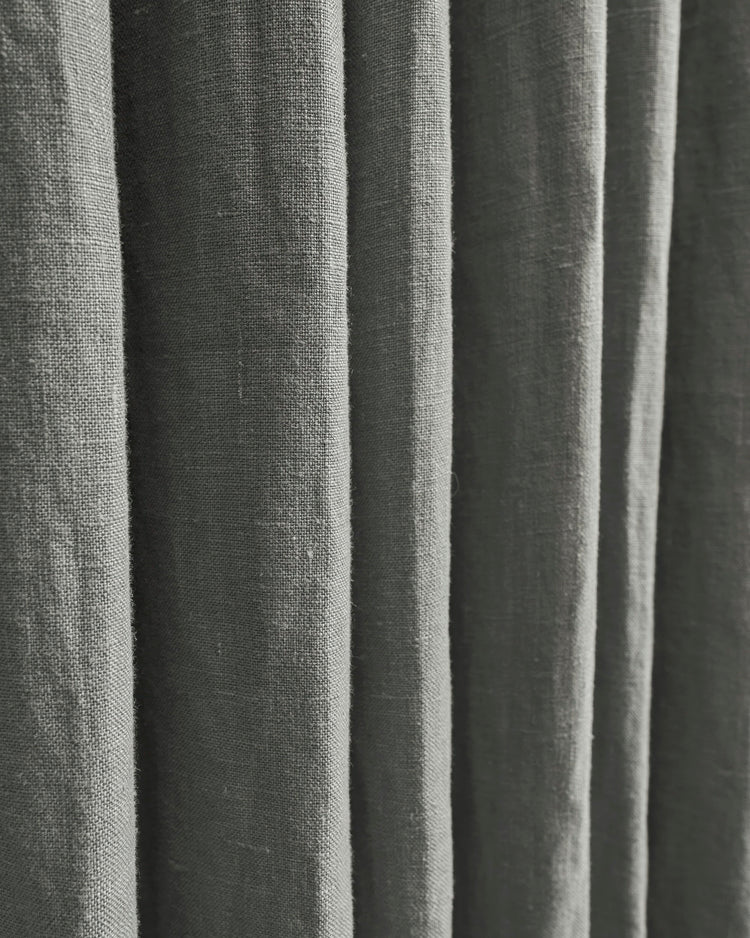
- High Density: Look for fabrics with high GSM (grams per square meter). You want heavy velvet, suede, or multi-weave polyester.
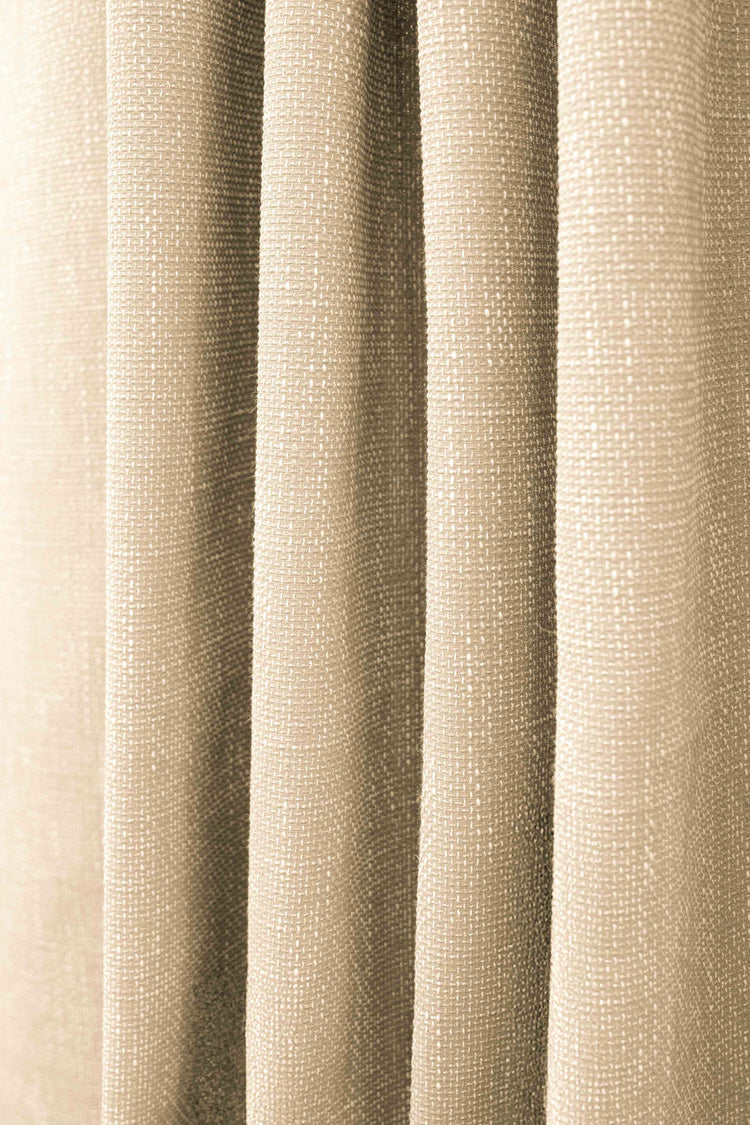
- Multi-Layer Construction: The best performers use a "sandwich" technique—a face fabric, a high-density liner (felt or similar), and a backing layer. This traps sound waves between the layers.
- Thermal Properties: As a bonus, these dense layers act as thermal insulators. This is crucial for controlling heating costs in Hot Yoga studios or preventing drafts in Yin classes.

 100% Blackout
 Better sleep
 Noise Reducing
 Energy Saving
Critical Considerations for US Studio Owners
1. Fire Safety Code (NFPA 701)
This is the most overlooked factor. If you are running a commercial space, your window treatments often need to meet NFPA 701 flame retardant standards to comply with local fire codes and insurance requirements. Do not risk your business liability by installing cheap residential drapes.
2. The "Fullness" Rule
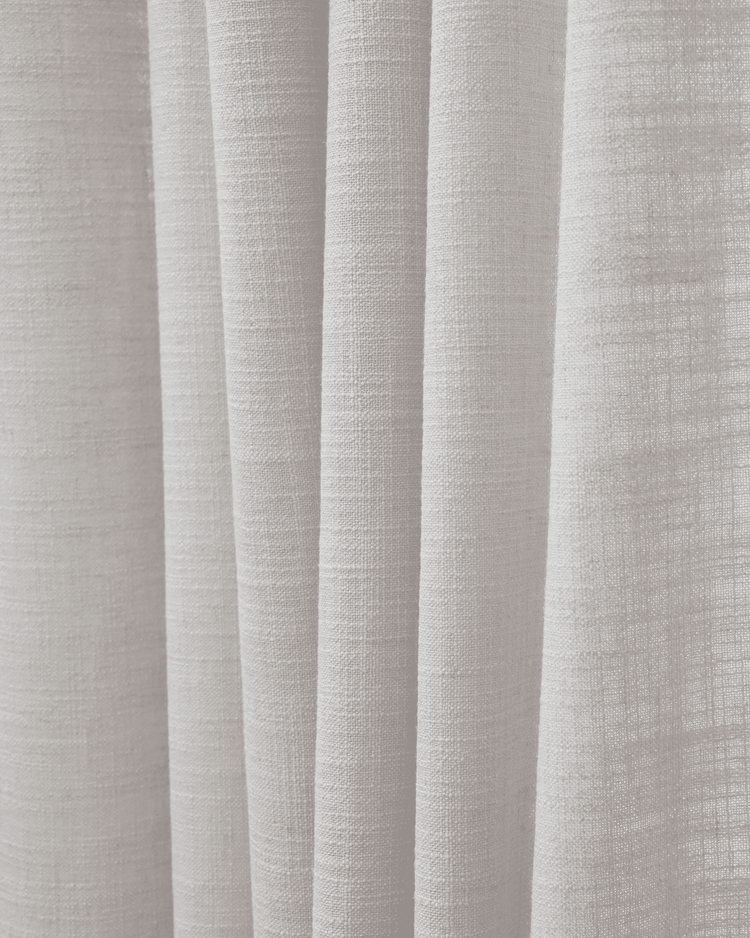
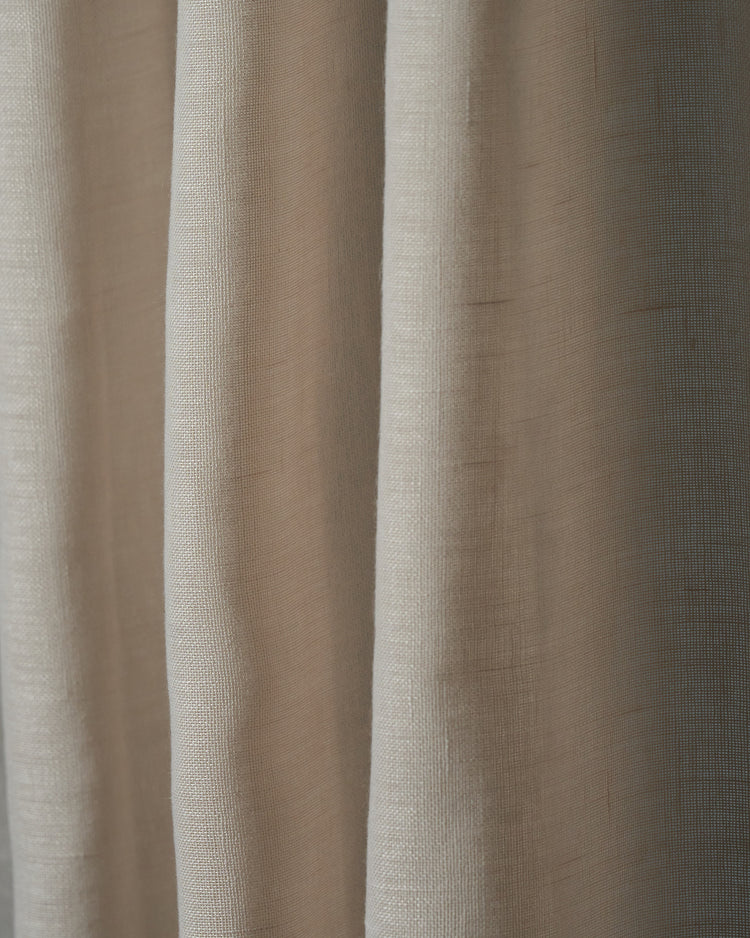
For acoustics, flat curtains do very little. You need "pleating" or fullness to trap sound. A good rule of thumb is to buy panels that are 1.5x to 2x the width of your window. The folds in the fabric act as a sound trap.
3. Coverage is Key
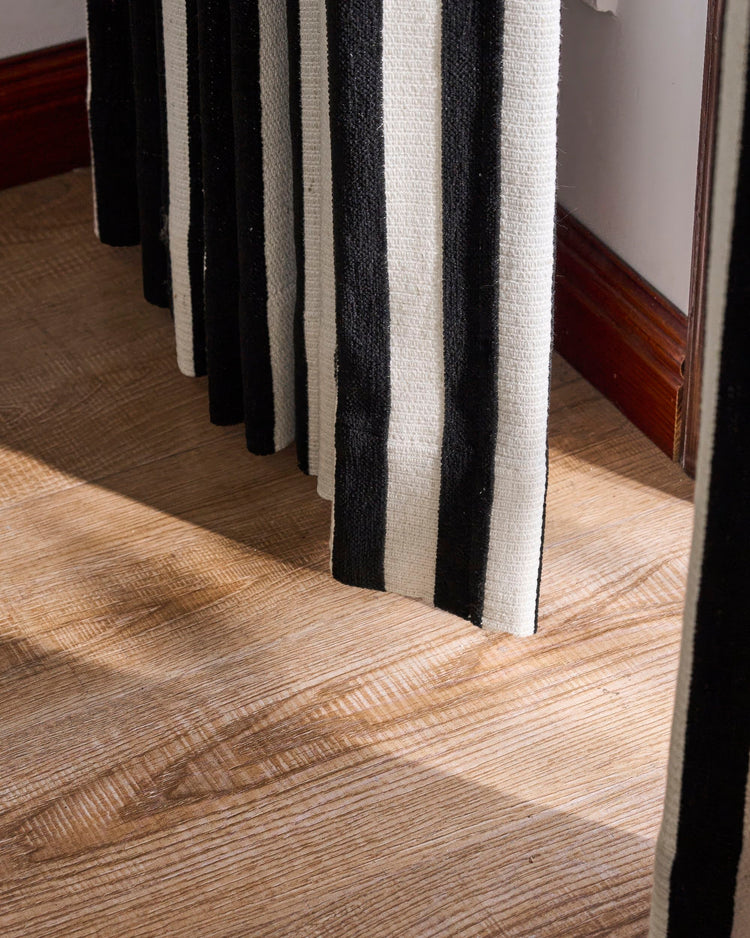
Sound is like water; it will leak through any gap. Install your rods high (closer to the ceiling) and let the curtains break slightly on the floor or hover just 1/2 inch above it. Covering the wall space around the window significantly improves performance compared to just covering the glass.

Installation: Don't Skimp on Hardware
Real acoustic curtains are heavy. A high-quality, 3-layer panel can easily weigh 10 to 15 pounds. Tension rods or cheap big-box store hardware will bow or rip out of the drywall.
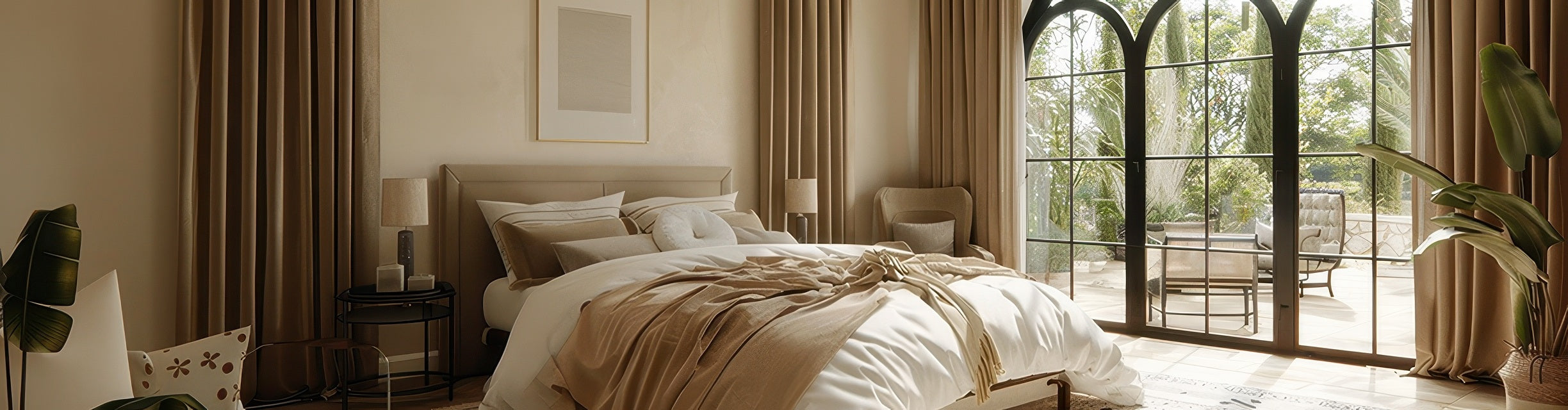
Use industrial-grade rods or ceiling-mounted tracks anchored into studs. Ceiling tracks are particularly popular in modern studios as they offer a sleek, floor-to-ceiling look that mimics high-end hotel design while maximizing sound coverage.
The Verdict: Are They Worth It?
If you are looking to block out the sound of a jackhammer next door, you need a contractor, not curtains. But for 90% of studios dealing with street chatter, traffic hiss, and internal echo, acoustic curtains are the highest ROI investment you can make.
They solve the auditory issues that distract students, they fix the lighting for meditation, and they visually soften the space to create that premium "sanctuary" vibe that justifies your membership prices.