Extreme Cold Warning: The Critical Survival Checklist (For Renters and Homeowners)


In this article 8 sections
Extreme cold can turn a home problem into a safety problem quickly, especially if the power goes out or the heating system cannot keep up. The first priority is always people, pets, water, and safe heat sources. Window treatments can help reduce drafts and slow heat loss, but they should be treated as one layer in a broader cold-weather plan.
This guide gives homeowners and renters a practical winter power outage checklist: what to do first, how to protect plumbing, how to create one warmer room, and how to use curtains, blankets, and temporary window coverings without creating fire or carbon monoxide risks.
Start with people, pets, and water
Before you focus on pipes or windows, make sure your household has water, warm clothing, medication, charged devices, flashlights, and a safe place to gather. During a winter outage, small decisions made early can make the next several hours much easier.

Fill clean containers for drinking water
Fill pitchers, reusable bottles, pots, and other clean containers with drinking water while the water system is still working. A common emergency-planning target is about one gallon of drinking water per person per day, but your household may need more if you have infants, pets, medical needs, or limited access to stores.
Use the bathtub only for utility water
If you expect a water interruption, clean the bathtub and fill it with cold water for toilet flushing and basic washing. Treat this as utility water, not drinking water, unless it has been properly treated according to local emergency guidance.
Keep buckets, towels, trash bags, and basic cleaning supplies nearby. In a cold-weather emergency, sanitation can become just as important as warmth.
Protect plumbing before the house gets too cold
Frozen pipes can cause major water damage. The right steps depend on your home type, whether you own or rent, and whether you can access shut-off valves.

Find the water shut-off before you need it
If you own the home, locate the main water shut-off valve before temperatures drop further. It may be in a basement, crawl space, garage, utility room, or near the street. If a pipe bursts, knowing where this valve is can reduce damage.
If you rent, you may not have access to the main shut-off. In that case, identify the small isolation valves under sinks and behind toilets, then contact your landlord or property manager if you see signs of freezing, leaks, or loss of heat.
Open cabinets and let faucets drip when appropriate
Open kitchen and bathroom cabinet doors so warmer room air can reach plumbing on exterior walls. In many homes, letting faucets drip can help reduce pressure in the line if ice begins to form. Use both hot and cold lines when your plumbing layout makes that practical.
Do not use this as a substitute for professional advice if your home has a known plumbing issue. If you are unsure, follow your local utility or plumber’s winterization guidance.
Be careful with toilets, traps, and winterizing products
If you need to leave a home that may freeze, a plumber or local emergency office may recommend shutting off the water and draining lines. For traps and toilets, use only products intended for plumbing winterization, such as non-toxic RV or marine antifreeze, and follow the label. Never use automotive antifreeze in household fixtures.
Create one warmer room instead of trying to heat the whole home
When heat is limited, it is usually more practical to concentrate warmth in one room than to treat the whole house the same way. Choose a small interior room if possible, or a room that is easier to close off from drafts.

Pick a room with the fewest heat leaks
Look for a room with a door, fewer exterior walls, and as few large windows as possible. Close doors to unused rooms. Roll towels at the bottom of doors where cold air leaks through. Keep blankets, sleeping bags, warm layers, and pet supplies in that room.
If the room has windows, close the curtains or temporary coverings before the room loses too much heat. It is easier to keep a room warm than to recover warmth after cold air has already settled in.
Use temporary window layers for short-term cold protection
Glass loses heat quickly, especially in older homes or drafty apartments. If you do not have insulating window treatments, temporary layers can help in a storm:
- Plastic film or taped plastic: creates an air pocket over the window when installed carefully.
- Blankets or heavy fabric: can be hung over the window as a temporary insulating layer.
- Towels at sills: can reduce small drafts where cold air enters near the bottom edge.
Keep fabric away from heaters, candles, fireplaces, and other heat sources. Temporary emergency layers should never create a fire risk.
Use thermal curtains as a longer-term comfort layer
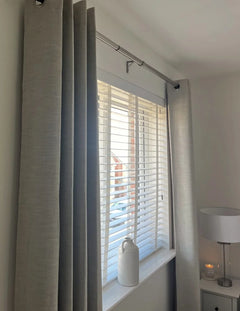
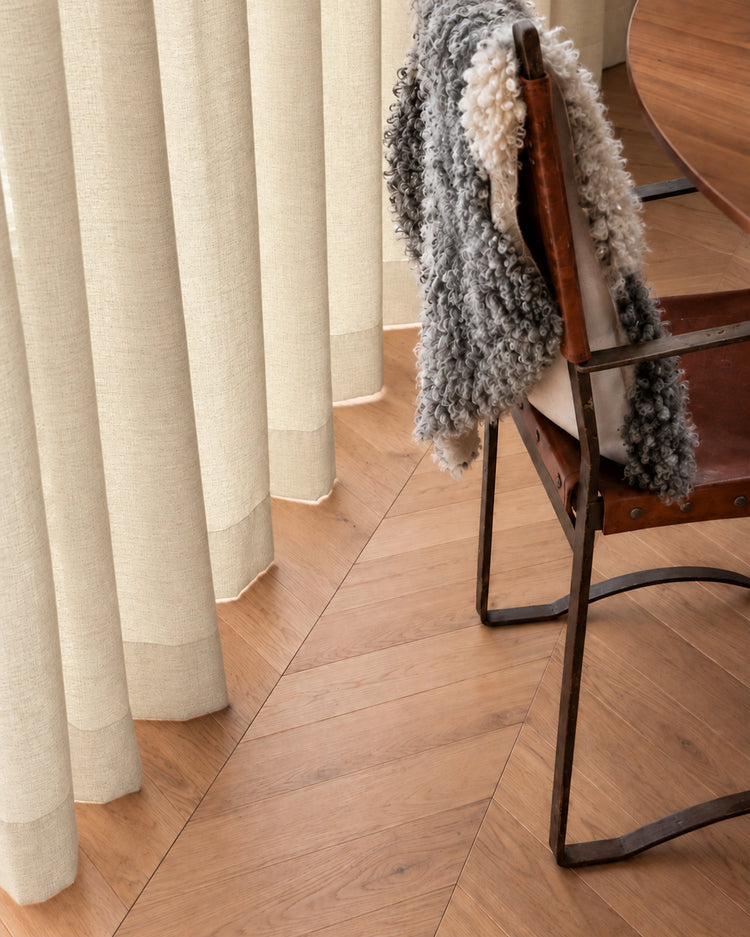
For everyday winter comfort, temporary plastic and taped blankets are not ideal. A better long-term setup usually starts with draft control, then adds well-fitted thermal curtains or lined curtains over the window.
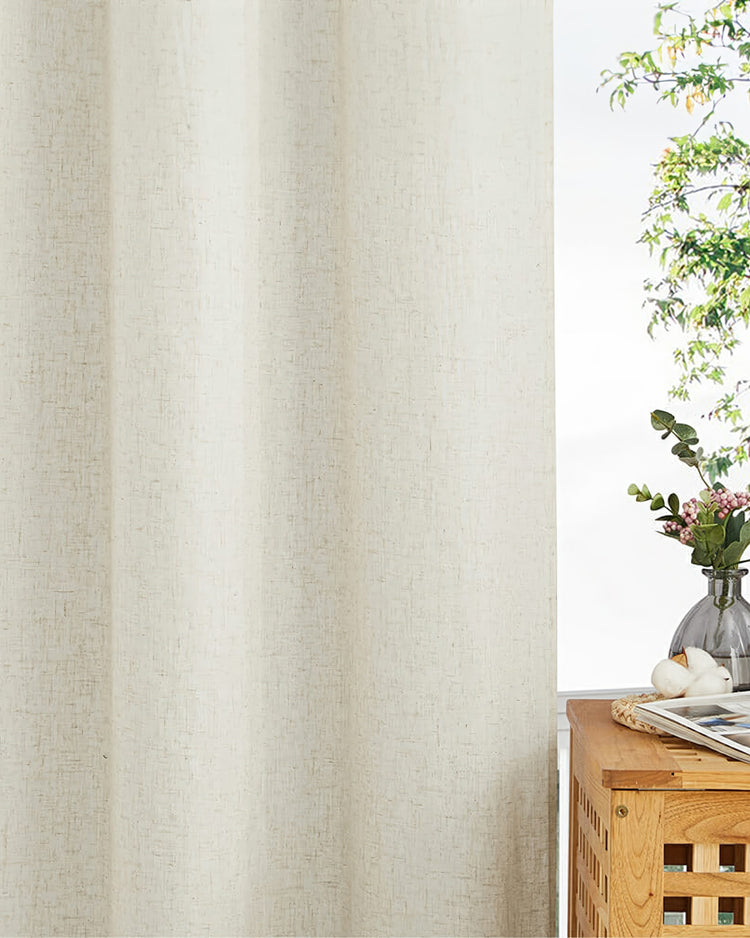
Thermal curtains can help rooms feel more comfortable when they are sized wide enough, mounted close enough to the wall, and closed during the coldest part of the day or night. Their results depend on the window, installation, fabric, liner, and the rest of the room.
If you are planning a more permanent setup, compare custom curtains with the TheHues curtain liner guide so you can choose the right balance of insulation, light control, privacy, and drape.
Fire and carbon monoxide safety come first
Cold weather emergencies often create a second danger: unsafe heat. Do not bring outdoor heat sources indoors, and do not use appliances in ways they were not designed to be used.

- Do not use grills indoors. Charcoal grills, propane grills, and camp stoves belong outside and away from openings.
- Do not use a gas oven for heat. It is not a safe home-heating method.
- Run generators outside only. Keep generators away from windows, doors, garages, vents, and enclosed areas.
- Use battery lights when possible. Lanterns and flashlights are safer than candles.
- Check carbon monoxide alarms. If an alarm sounds, leave the home and follow emergency instructions.
If you use a fireplace, wood stove, or other combustion appliance, make sure it is properly maintained and vented. A fireplace that has not been inspected or cleaned should not be tested for the first time during a winter emergency.
How curtains can help after the emergency passes
After the power comes back or the cold snap ends, take note of where the home felt weakest. Did cold air come through old window frames? Did one room stay comfortable while another dropped quickly? Did certain windows feel cold even when the heat was on?
Those clues help you choose the right long-term window treatment. Start with air leaks first, then add fabric and lining where they can actually help.
For drafty bedrooms
Use a wider, floor-length curtain setup when it is safe to do so. A heavier liner can add body and comfort, while better side overlap can reduce drafts around the window. If you need darkness as well as winter comfort, compare blackout curtains with thermal or multi-layer options.
For living rooms with large windows
Large glass areas can make a room feel colder in winter and hotter in summer. A custom width helps the curtain cover the wall area around the window instead of barely covering the glass. Use the curtain measurement guide before ordering so the panels are wide enough to close well and stack neatly when open.
For rentals
Renters can still improve winter comfort. Start with removable draft control, then use curtain hardware that fits your lease rules. A well-sized curtain that moves easily is often more useful than a very heavy panel that is difficult to hang or close.

 100% Blackout
 Better sleep
 Noise Reducing
 Energy Saving
Winter outage checklist
| Priority | What to do | What to avoid |
|---|---|---|
| Water | Fill drinking containers and reserve bathtub water for utility use | Assuming tap water will always stay available |
| Pipes | Locate shut-off valves, open cabinets, and follow local drip guidance | Waiting until a pipe has already frozen |
| Warmth | Close off one room and layer clothing, blankets, and window coverings | Trying to heat the whole home with unsafe methods |
| Windows | Use temporary layers during the storm and consider thermal curtains later | Letting fabric touch heaters, candles, or fireplaces |
| Safety | Use battery lights and keep generators outdoors | Using grills, camp stoves, or gas ovens indoors |
FAQ
Can thermal curtains keep a room warm during a power outage?
Thermal curtains can help slow heat loss through windows, but they are not a heat source. They work best when the window is reasonably sealed, the curtains cover the window well, and the room is closed off from drafts.
Should I close curtains during extreme cold?
Usually yes, especially at night or when the sun is not helping warm the room. During sunny daytime hours, you may choose to open south-facing curtains briefly to let in passive solar warmth, then close them again before temperatures drop.
Are curtains safe near baseboard heaters or radiators?
Only when there is proper clearance. Do not let curtains rest on heaters, radiators, or other heat sources. Follow the heater manufacturer’s clearance instructions, and choose sill-length curtains or shades when floor-length fabric would create a safety issue.
What is the safest lighting during a winter outage?
Battery-powered lanterns and flashlights are usually safer than candles. If you use candles, keep them away from fabric, pets, children, drafts, and anything that can catch fire.
What should I do after the outage to improve winter comfort?
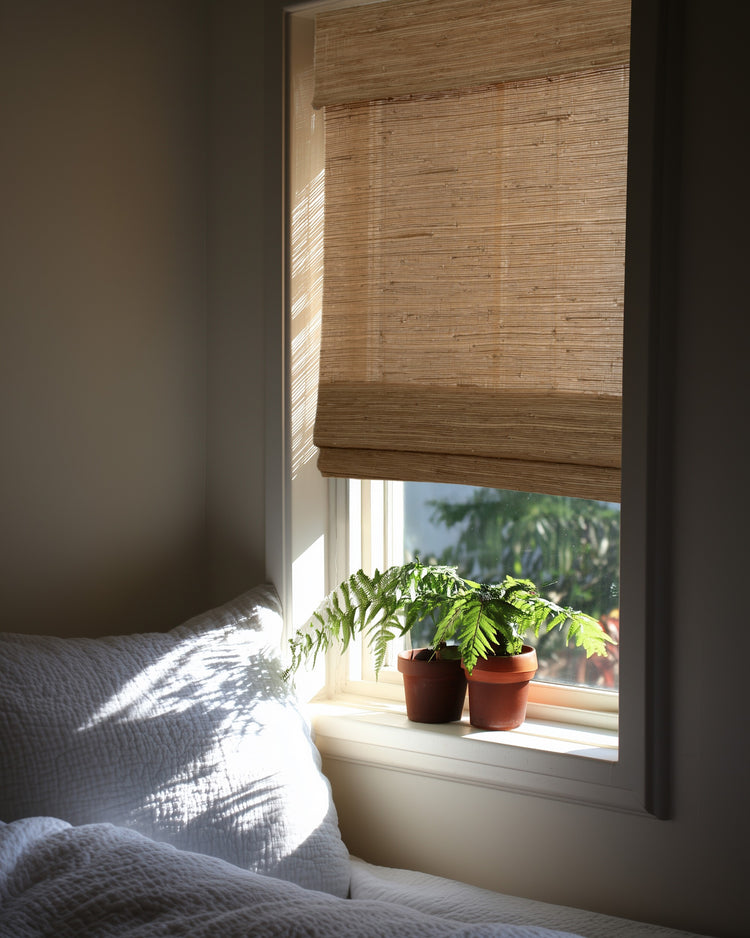
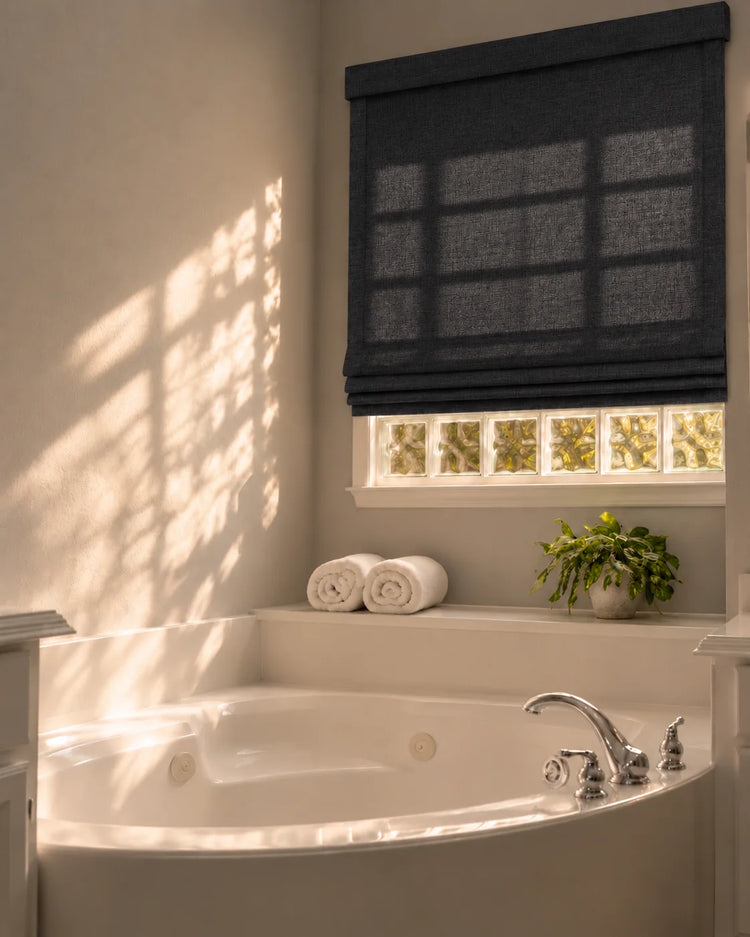
Review the coldest windows first. Seal drafts, check hardware placement, and consider thermal curtains, blackout curtains, Roman shades, or layered window treatments based on the room’s real problem.
Final takeaway
A winter power outage plan should start with safety, water, plumbing, and one warmer room. Curtains are not the whole plan, but they can be a useful part of it. In the moment, temporary layers can reduce drafts. After the emergency, properly measured thermal or lined curtains can help the room feel more comfortable during future cold snaps.
For a long-term upgrade, start with thermal curtains, compare liner options in the curtain liner guide, and confirm the finished size with the measurement guide before ordering.