How to Minimize Noise Pollution in Busy Homes


In this article 5 sections
Noise pollution isn't just an annoyance; it’s a stressor that invades your sanctuary. Whether it’s street traffic, construction, or just a loud household, unwanted sound disrupts sleep, focus, and relaxation. While you cannot completely soundproof a home without major structural renovation, you can significantly reduce noise transfer and reverberation to create a calmer environment. Here is a strategic approach to lowering the volume in your home.
1. The Audit: Identify the Weak Points
Before buying equipment, you need to identify where the sound is leaking in. Sound acts like water; it flows through the path of least resistance. In most US homes, the primary culprits are:
- Windows: Single-pane glass or unsealed frames are the number one entry point for street noise.
- Doors: Hollow-core interior doors block almost no sound, and exterior doors often have gaps at the threshold.
- Hard Surfaces: Hardwood floors, drywall, and large glass panes reflect sound, creating echoes that amplify the noise volume inside.
You don't need a decibel meter to know there is a problem. If you can hear a conversation clearly through a closed door or window, that barrier is failing you.

2. Fortify Your Windows (The High-ROI Solution)
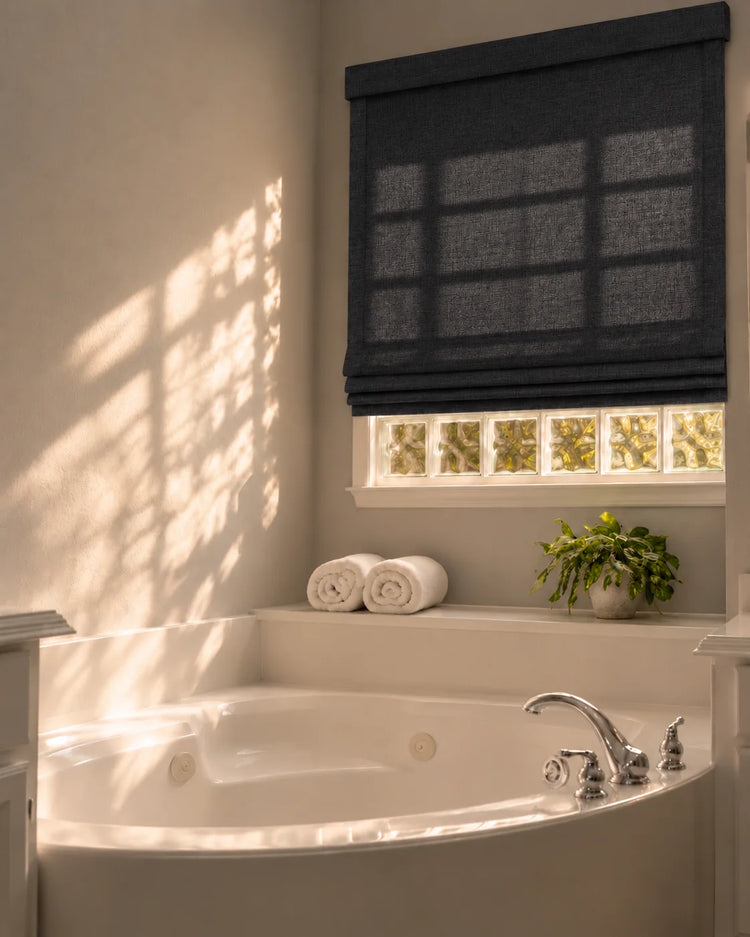
Replacing windows is expensive. The most cost-effective solution for renters and homeowners alike is to treat the window opening itself. You need mass to block sound waves, and soft materials to absorb echo.
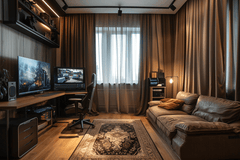
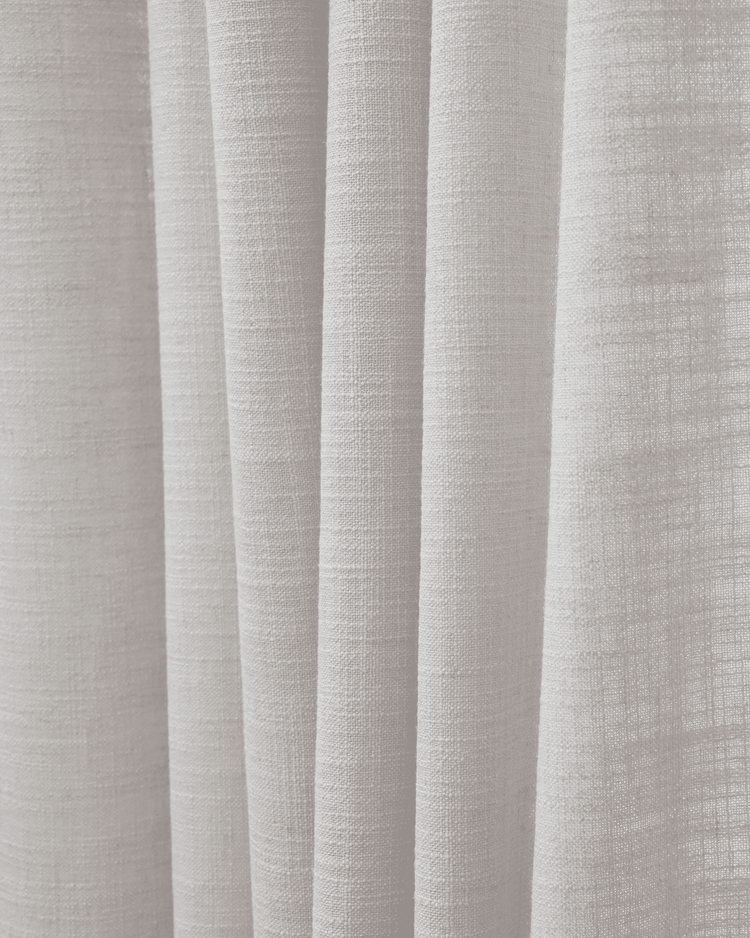
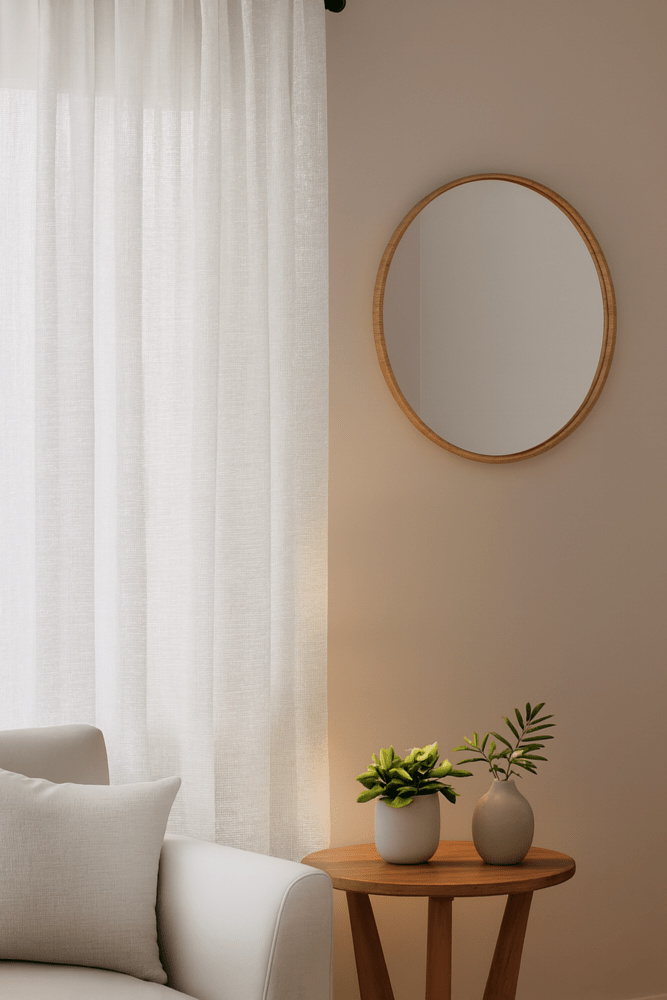
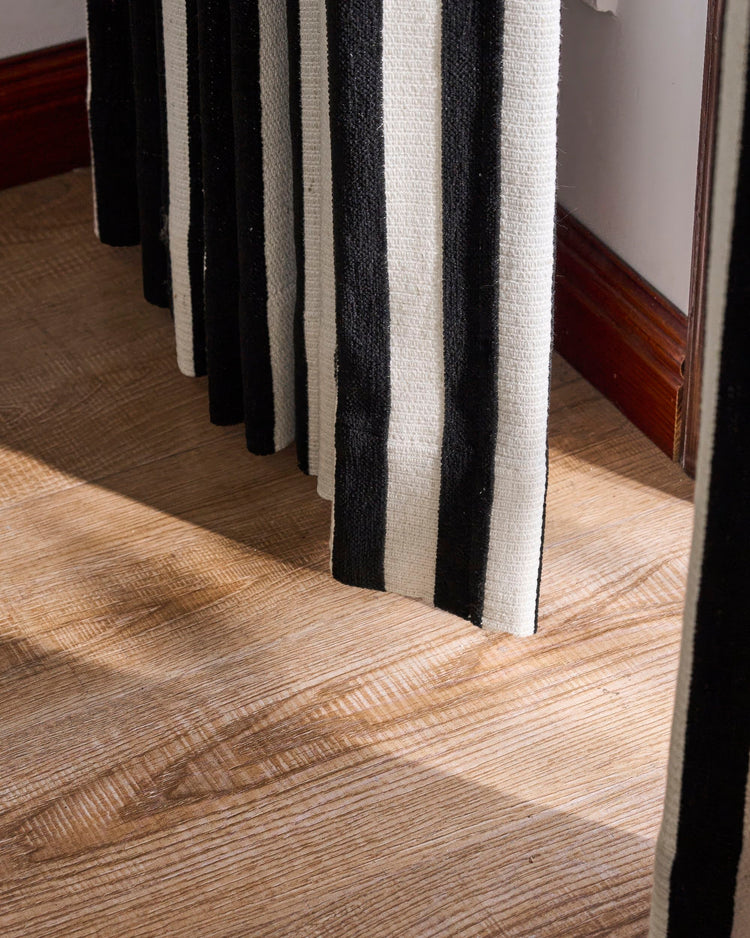
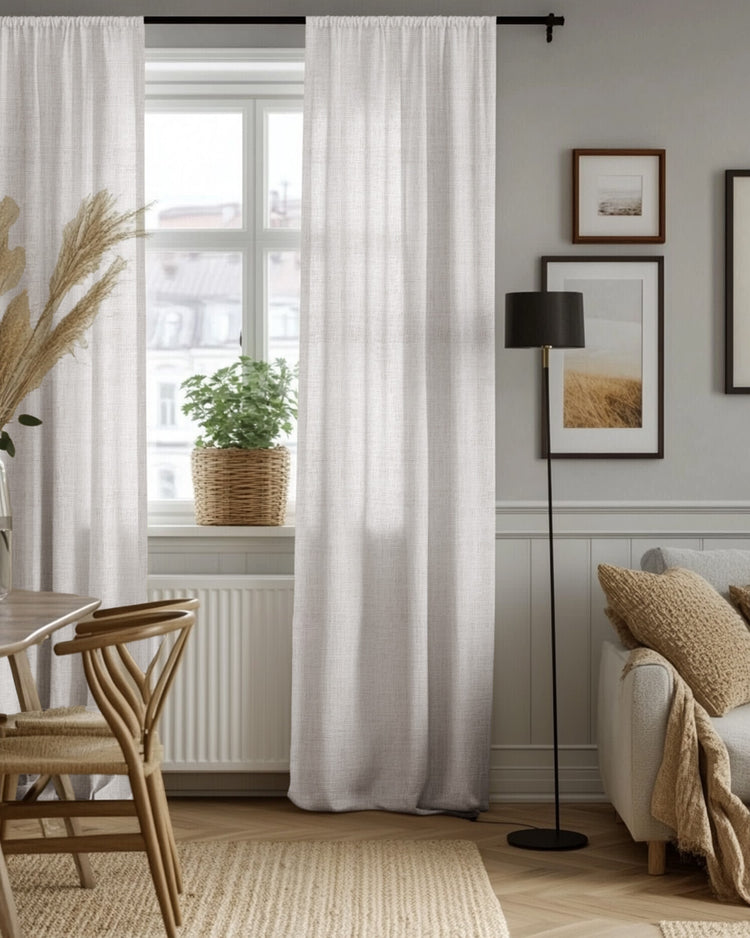
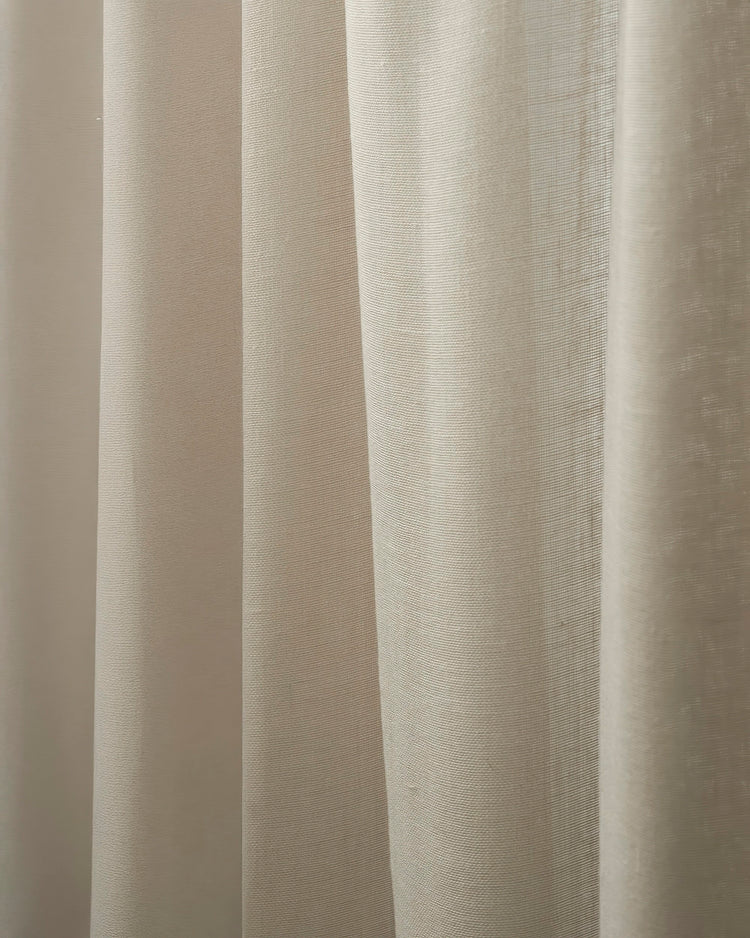
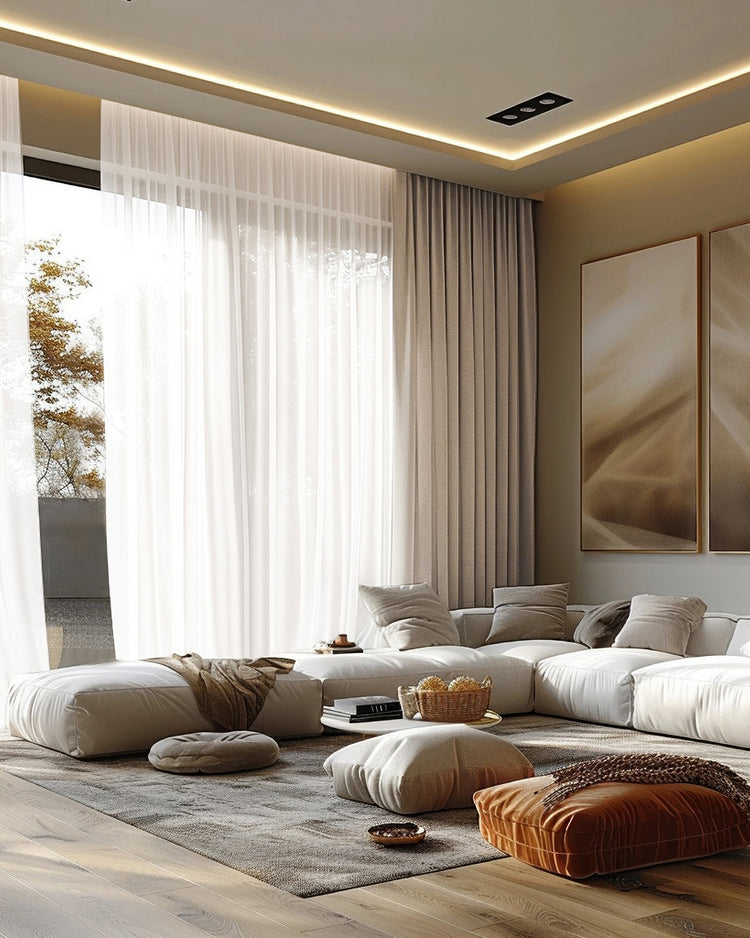
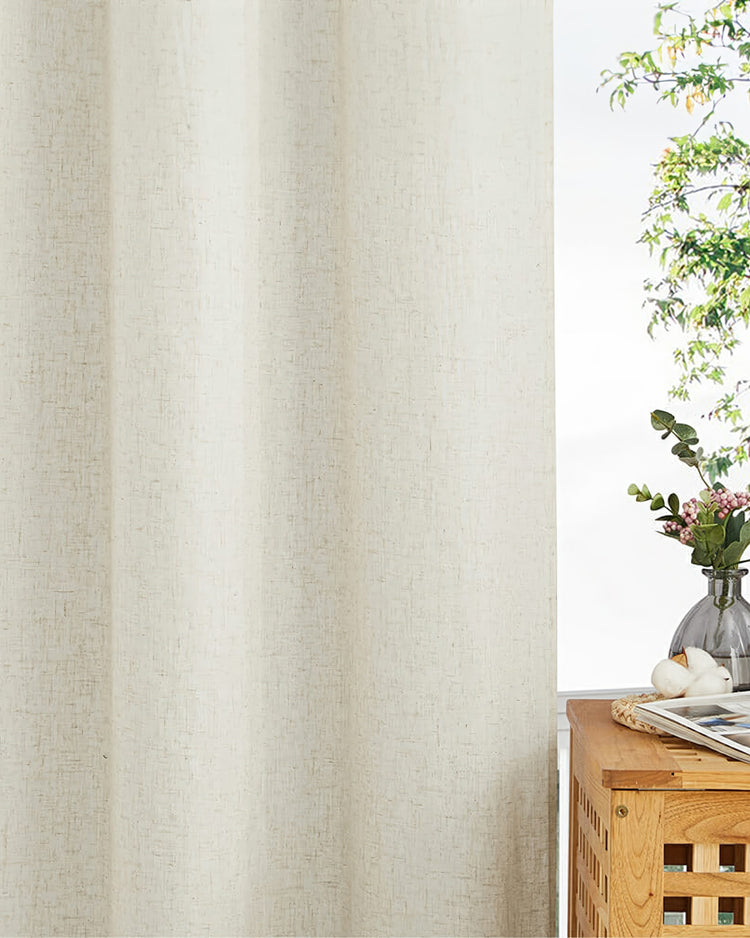
This is where specialized window treatments come in. While standard drapes offer privacy, they do little for acoustics. You need high-density, multi-layered fabrics. One of the most effective upgrades you can make is installing soundproofing curtains. Unlike sheer or standard cotton drapes, these are engineered with density in mind.
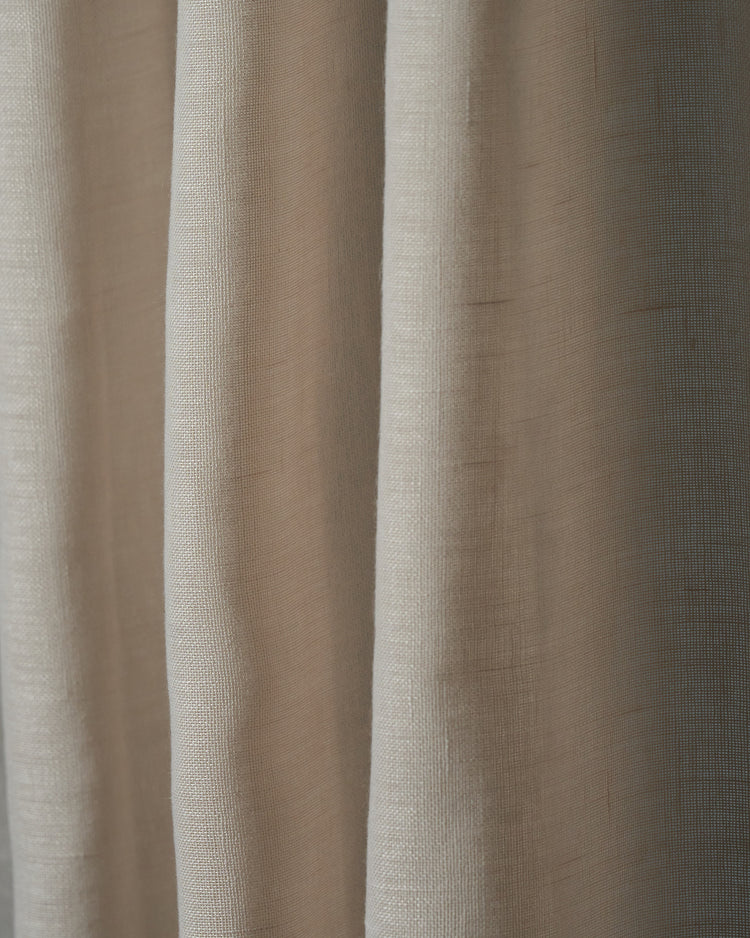
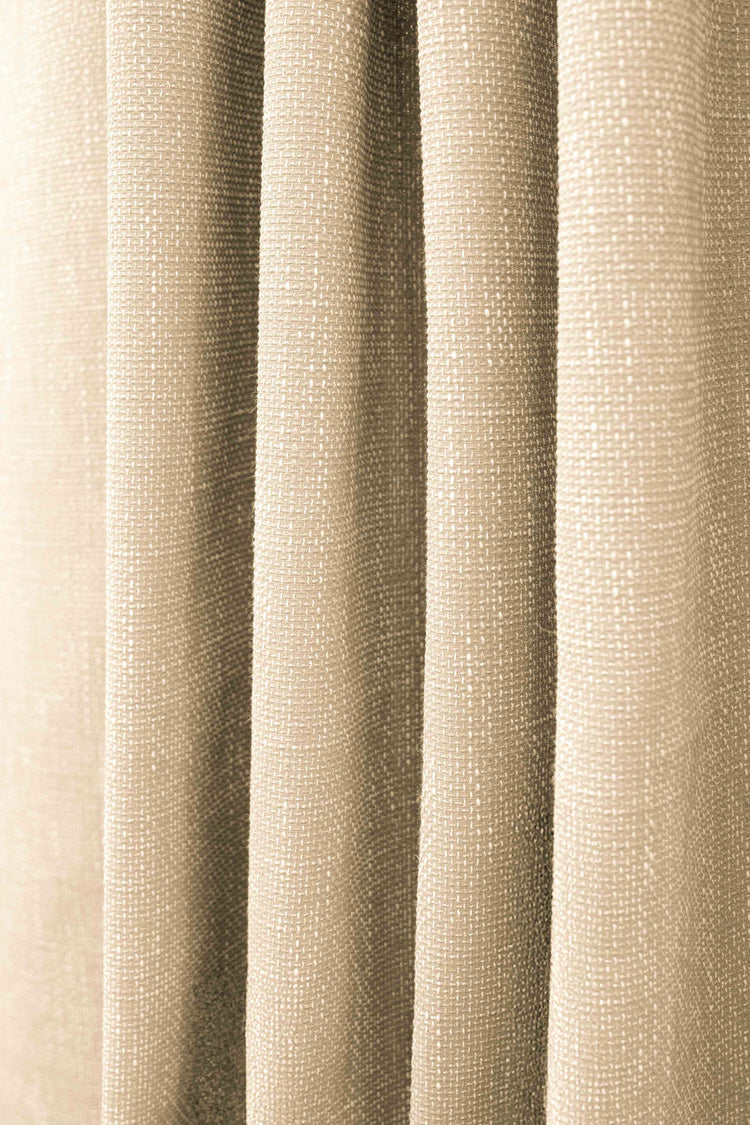
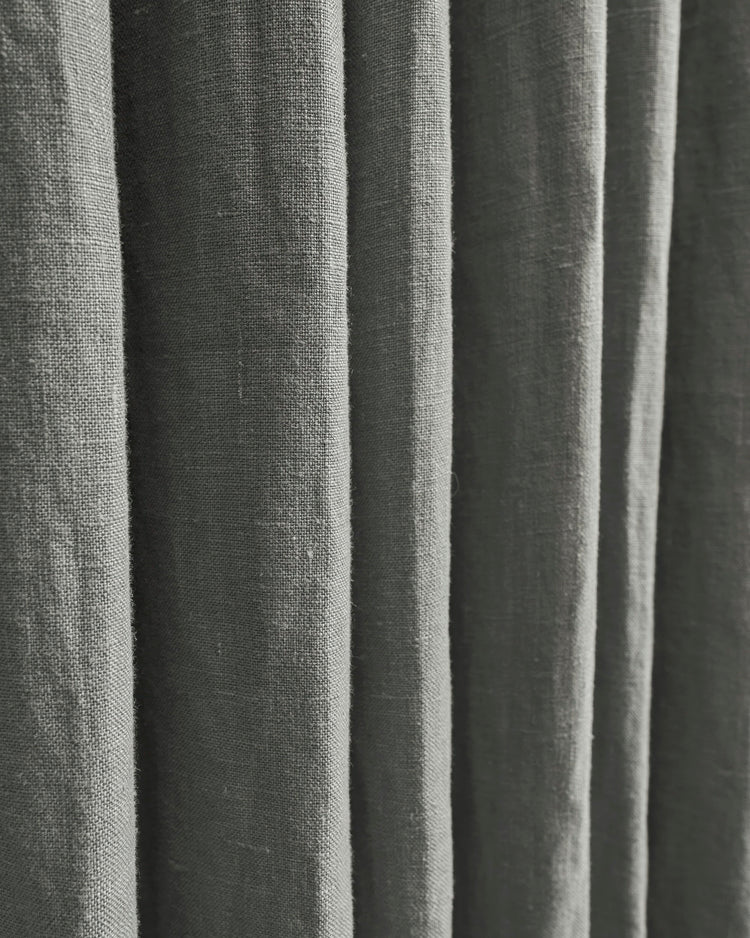
Ideally, you should look for 3 layer soundproof curtains. The triple-weave technology serves a dual purpose: the heavy layers add the mass required to dampen external noise (like traffic), while the soft fabric texture absorbs internal sounds to stop them from bouncing around the room. As a bonus, these heavy curtains act as total blackouts, solving both light and noise pollution simultaneously.

3. Soften the Space: The Science of Absorption
Have you ever noticed how loud a room sounds when it is empty? That is because sound bounces off hard surfaces (walls, floors, ceilings). To lower the ambient volume, you need to "soften" the room using sound-absorbing materials.
Strategically placing soft textures interrupts sound waves:
- Textiles: Add thick area rugs to hardwood floors to stop footfall noise and echo.
- Wall Treatments: Tapestries or acoustic panels can reduce sound reflection.
- Window Treatments: As mentioned, soundproof curtains for windows provide a large surface area of absorption.
When selecting a soundproofing curtain, ensure it covers the entire window frame and extends as close to the floor and ceiling as possible. The more coverage you have, the more sound dampening you achieve.
4. Seal the Gaps
Even the best heavy soundproof curtains work best when combined with a sealed environment. Inspect your window frames and door jambs. If you can see light coming through, sound is coming through.
- Weatherstripping: Apply foam or rubber weatherstripping to the perimeter of doors and windows.
- Door Sweeps: Install a heavy rubber sweep at the bottom of exterior and interior doors.
- Acoustic Caulk: Seal cracks around window frames where air might be leaking in.

 100% Blackout
 Better sleep
 Noise Reducing
 Energy Saving
5. Establish Quiet Zones
Technology and renovations can only do so much; the rest is behavioral. In a busy household, constant noise often comes from a lack of boundaries. Designate specific areas—like the home office or the master bedroom—as "Quiet Zones."
Combine these behavioral rules with your physical upgrades. If a bedroom is fitted with sound-dampening curtains and sealed windows, and the family respects the "quiet hours" rule, you create a true sanctuary. You don't need absolute silence to feel at peace; you just need to lower the noise floor enough to relax.