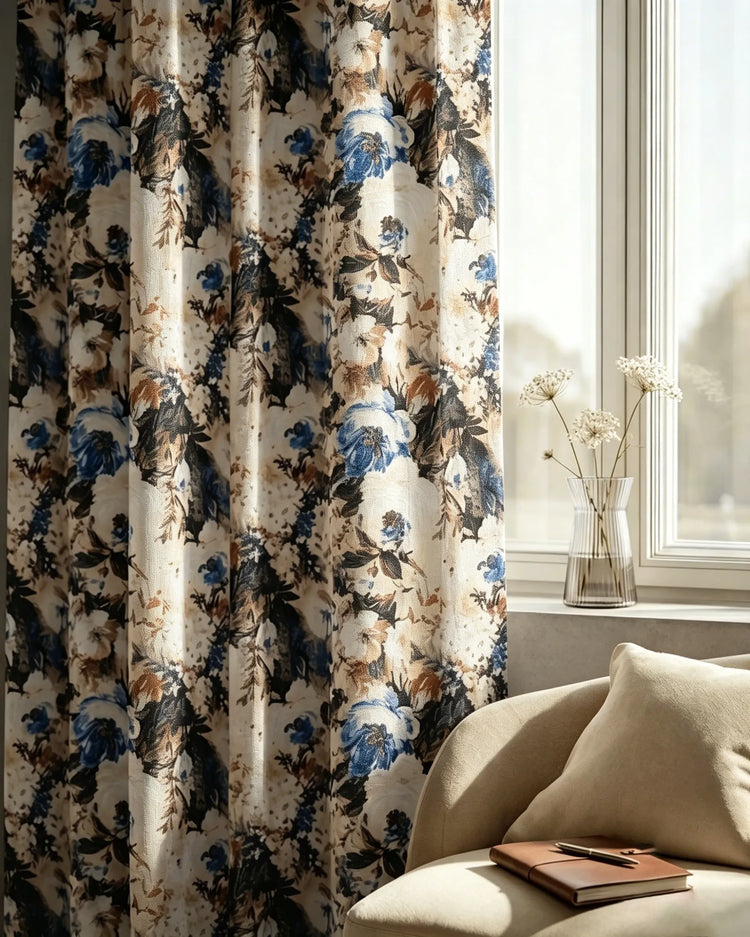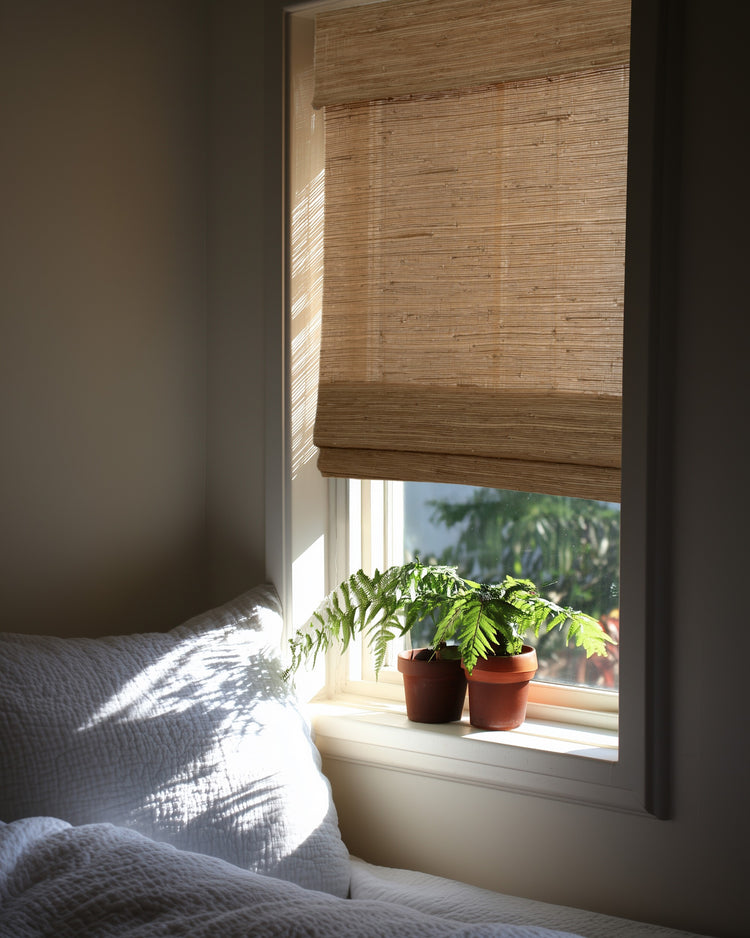
How to make curtains look custom: 9 details designers never skip


In this article 7 sections
The easiest way to make curtains look custom is not always choosing the most expensive fabric. It is getting the proportion, length, fullness, header style, and finishing details right from the start.
If you have ever hung new curtains and still felt that something looked off, the problem was probably not your room. Most curtains look generic for a few common reasons: the rod sits too low, the panels are too narrow, the fabric stops short of the floor, or the curtain header does not match the style of the space.
In this guide, you will learn how to make curtains look custom, which details can improve ready-made panels, and when made-to-measure curtains are worth choosing for a cleaner, more tailored result.
How to Make Curtains Look Custom: Start With Proportion
Custom-looking curtains usually have one thing in common: the proportions feel intentional. Before thinking about fabric color or pattern, focus on where the rod sits, how wide the panels are, and how the curtains meet the floor.
Hang the Rod High and Wide
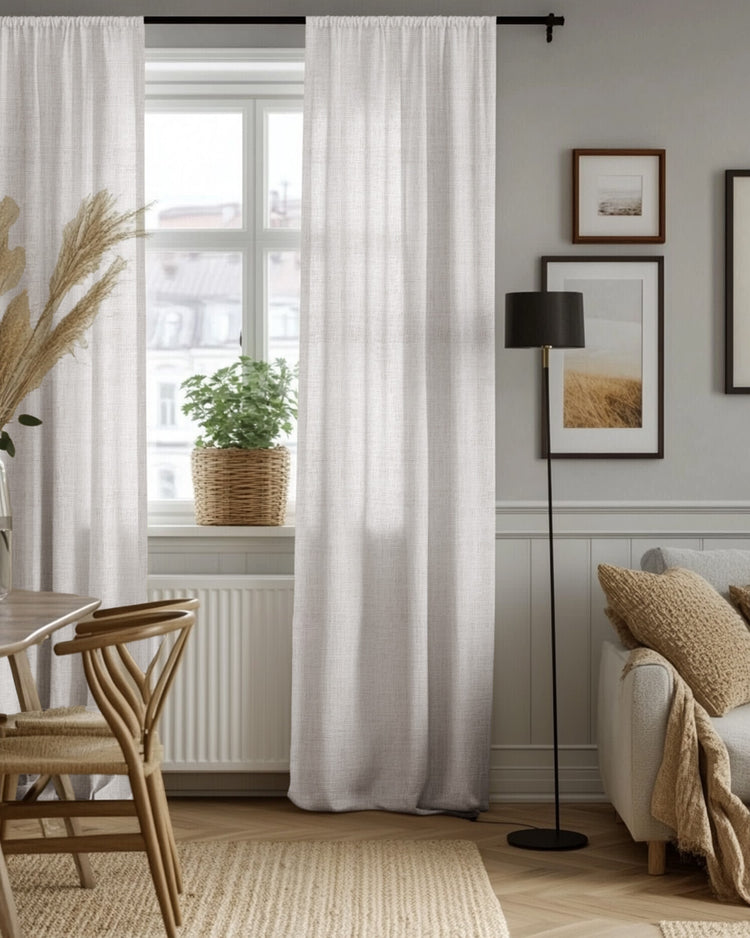
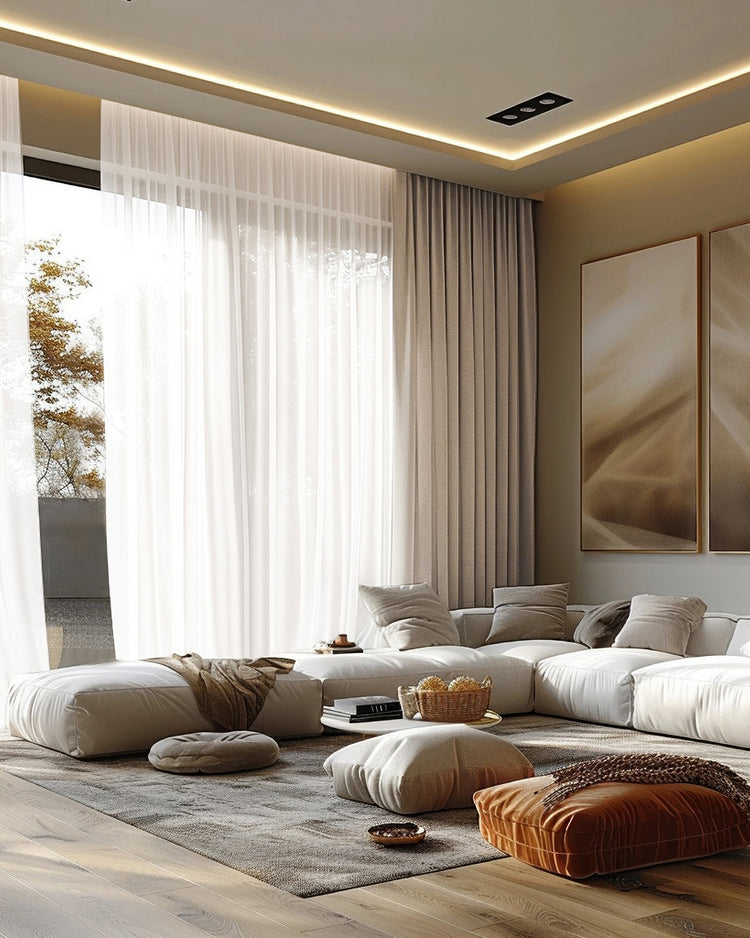
A curtain rod hung too close to the window frame can make the window look smaller and the room feel less finished. For a more tailored look, mount the rod higher than the frame and extend it wider than the window.
A good starting point is to place the rod about 4 to 6 inches above the window frame. If your ceiling height allows it, you can go higher to create a longer vertical line. This helps the room feel taller and gives the curtains a more designed appearance.
For width, extend the rod beyond each side of the window so the panels can stack back neatly when open. In many rooms, extending the rod about 8 to 12 inches past each side of the frame works well. This keeps the fabric from blocking too much glass during the day and makes the window look larger.

Use Enough Fullness
Flat curtains rarely look custom. They often look skimpy because there is not enough fabric to create soft, even folds.
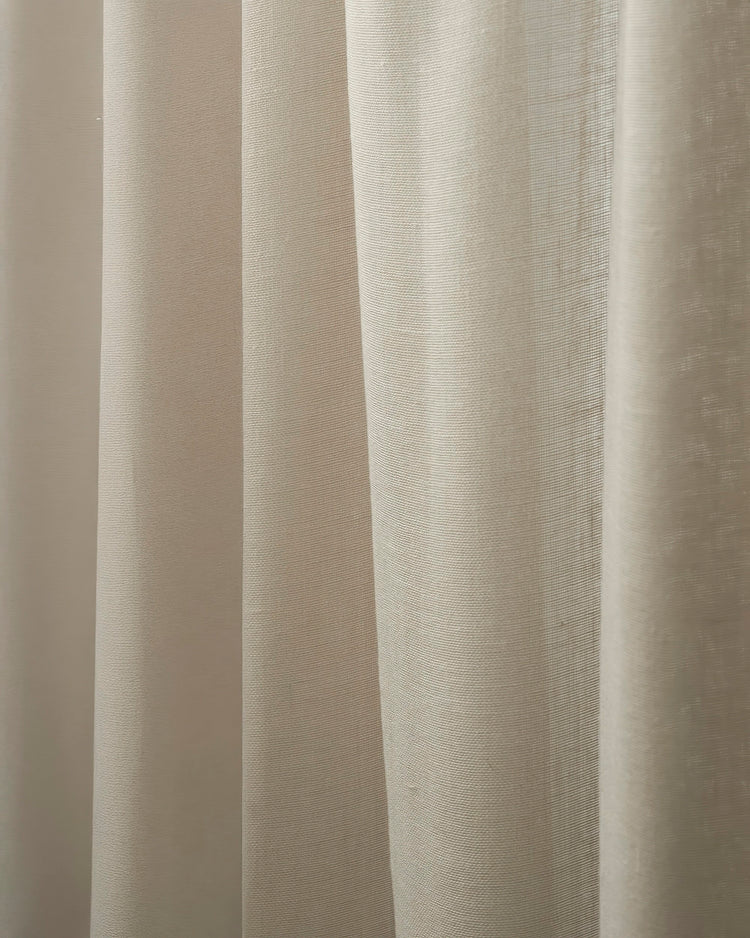
For most curtains, aim for a total curtain width that is about 2 to 2.5 times the width of the window or rod. Sheer curtains may need even more fullness because the fabric is lighter and more transparent.
For example, if your window is 60 inches wide, one narrow panel on each side may technically cover the window, but it will not create the full, polished look most people want. More width gives the curtains better movement, deeper folds, and a softer finish across the room.

Get the Floor Length Right
Too-short curtains are one of the fastest ways to make a room feel unfinished. Even beautiful fabric can look temporary if the hem floats too far above the floor.
For a custom-looking finish, choose one of these common curtain lengths:
- Float: The curtain hangs about 1/2 inch above the floor. This is practical for casual rooms, kids' rooms, and high-traffic areas.
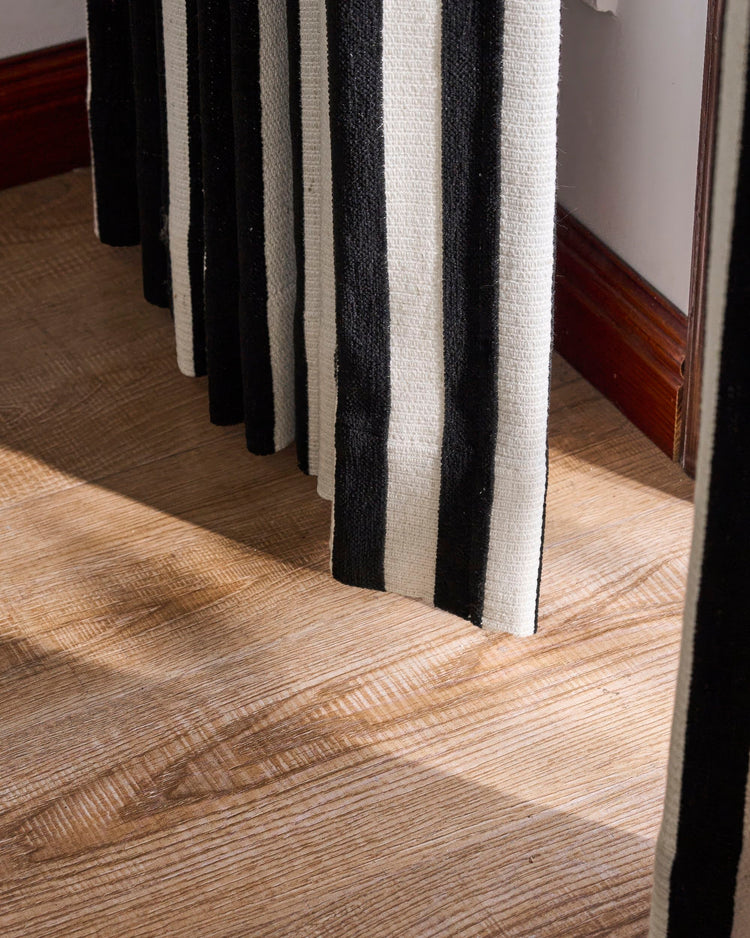
- Kiss: The curtain just touches the floor. This creates a clean and tailored look for living rooms, bedrooms, and dining spaces.
- Break: The curtain rests about 1 inch on the floor. This gives the room a slightly softer and more relaxed designer look.
Bedrooms and formal living rooms often look good with a kiss or slight break. Kitchens, playrooms, and busy walkways usually work better with a small float.
Need help before ordering? Start with the curtain measurement guide, then use the visualization tool to see how different curtain styles may look in your space.
9 Details That Make Curtains Look Custom
1. Accurate Width and Length
Custom-looking curtains fit the window, the wall, and the room. They do not simply cover the glass.
This matters even more for tall walls, uneven floors, bay windows, sliding doors, and extra-wide openings. Small sizing mistakes can become very noticeable once the curtains are installed. A made-to-measure length and width can solve the “almost right” look that often happens with standard panels.
2. A More Tailored Header Style
The curtain header has a major effect on how custom the room feels. Pleated headers usually look more tailored because the folds are structured and consistent. Grommet curtains are easy to use, but they often create a more casual, ready-made look.
If you want a softer but still elevated style, compare options in the curtain header style guide. Pinch pleat, tailored pleat, and other structured headers can make the same fabric feel more refined.

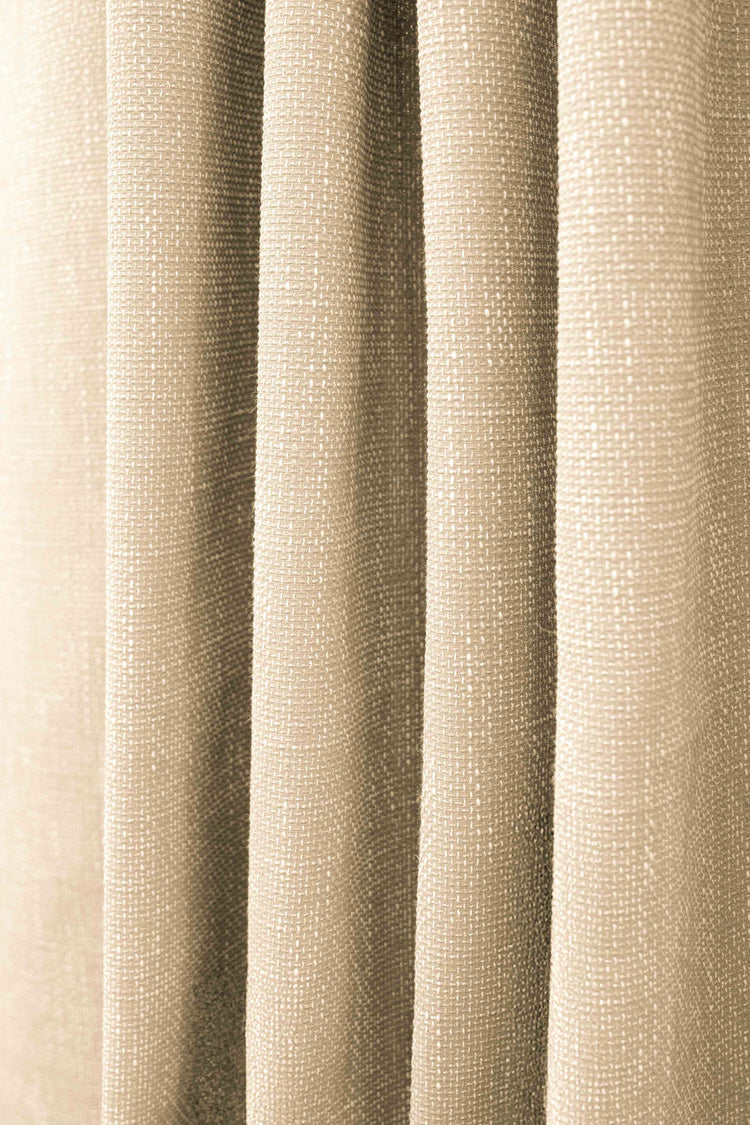
3. Fabric With Body and Drape
Fabric does matter, but it works best after the size and proportions are right. Most custom-looking curtains have enough body to fall in a clean line instead of clinging, twisting, or looking too thin.
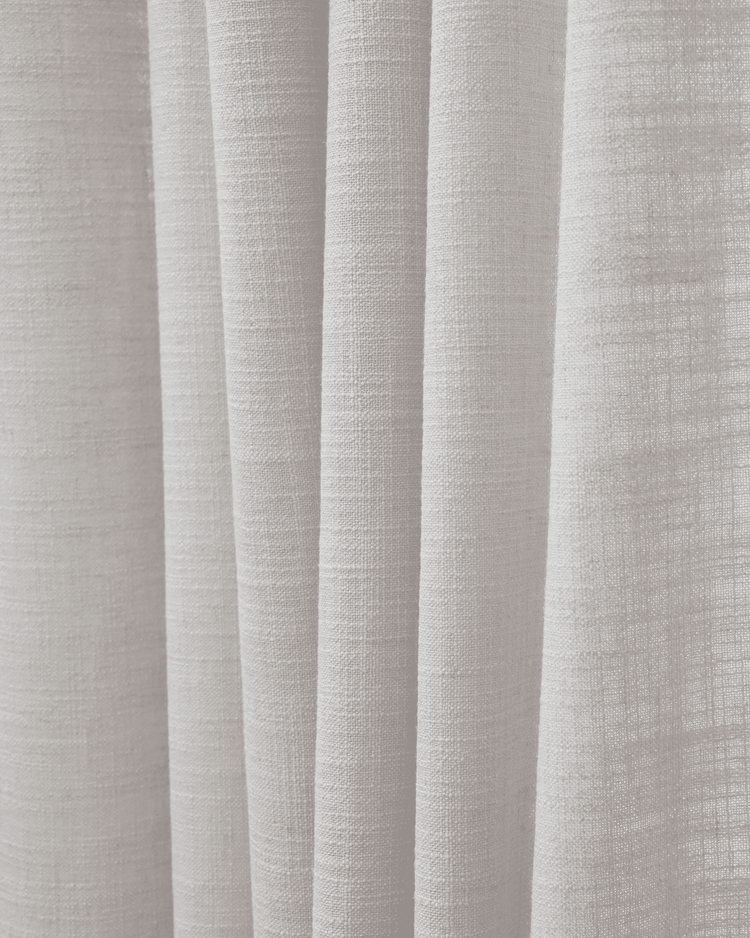
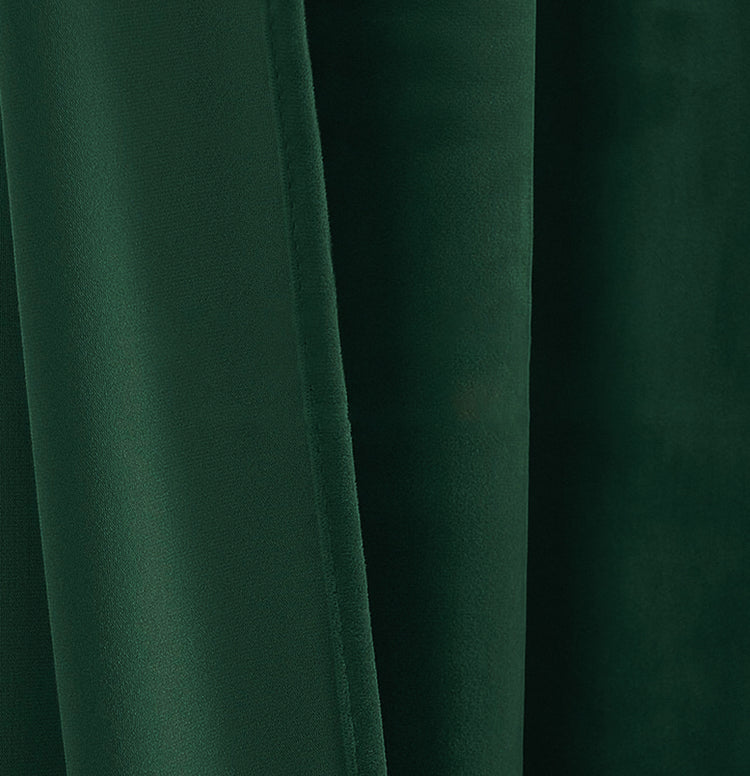
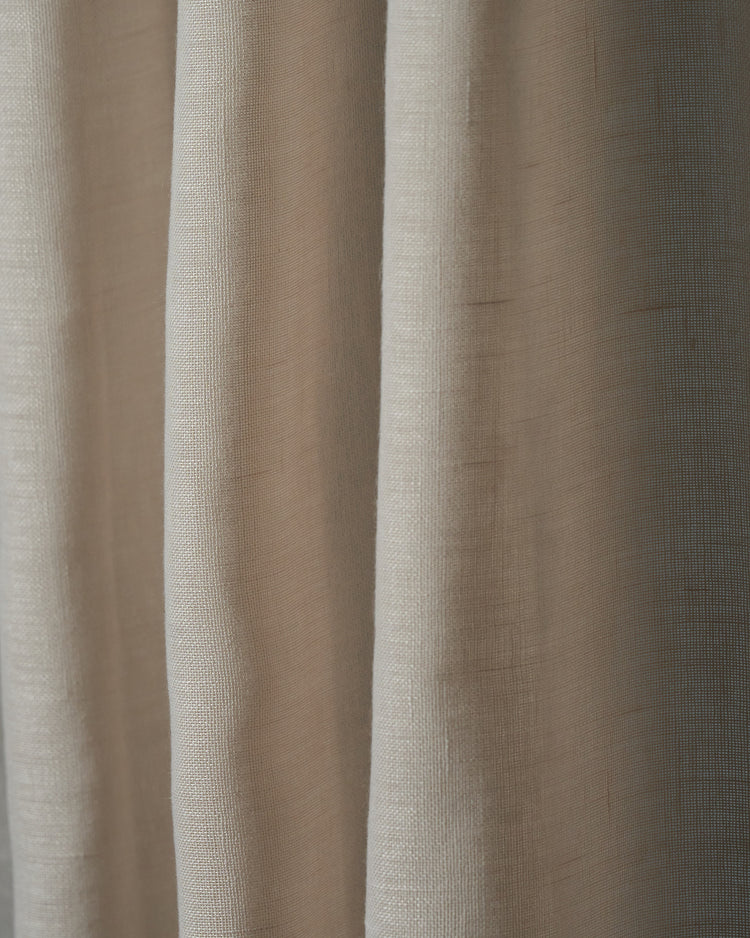
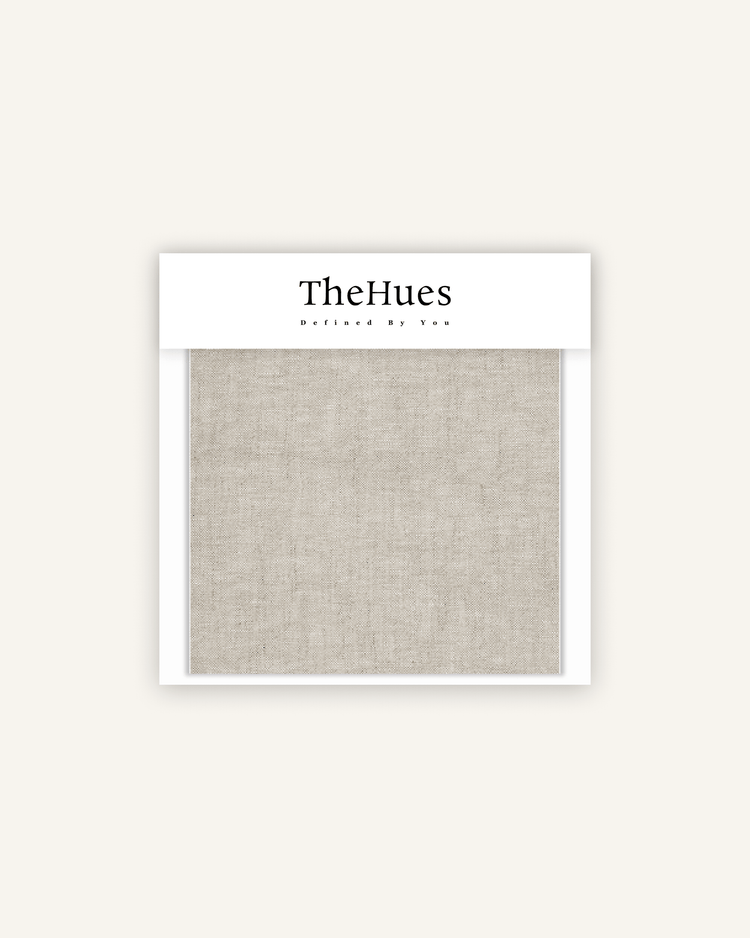
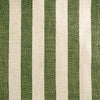
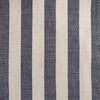
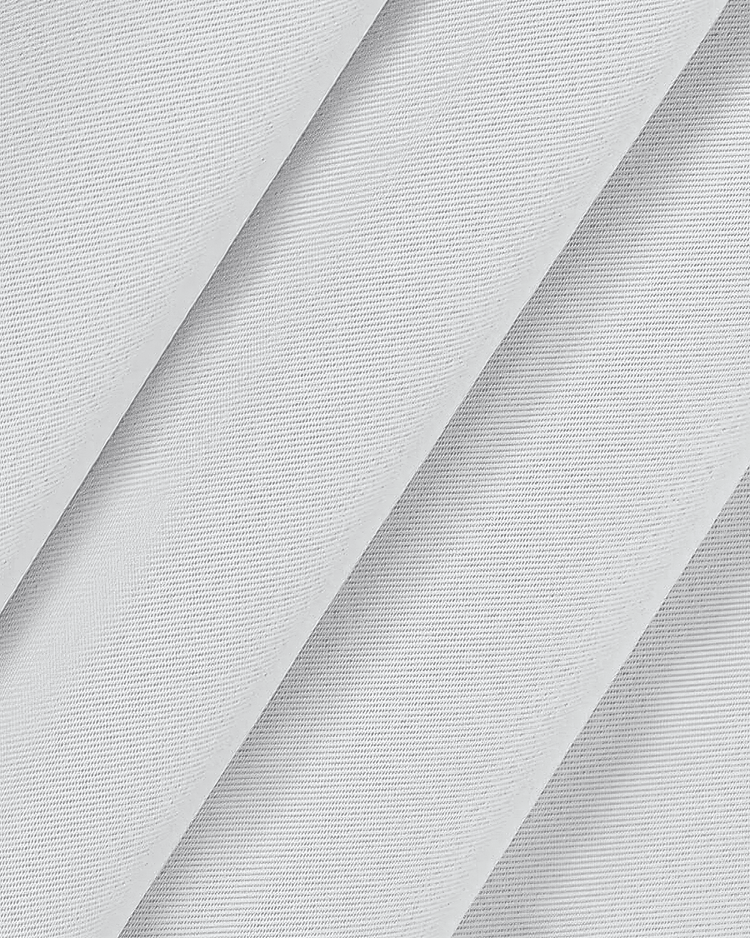
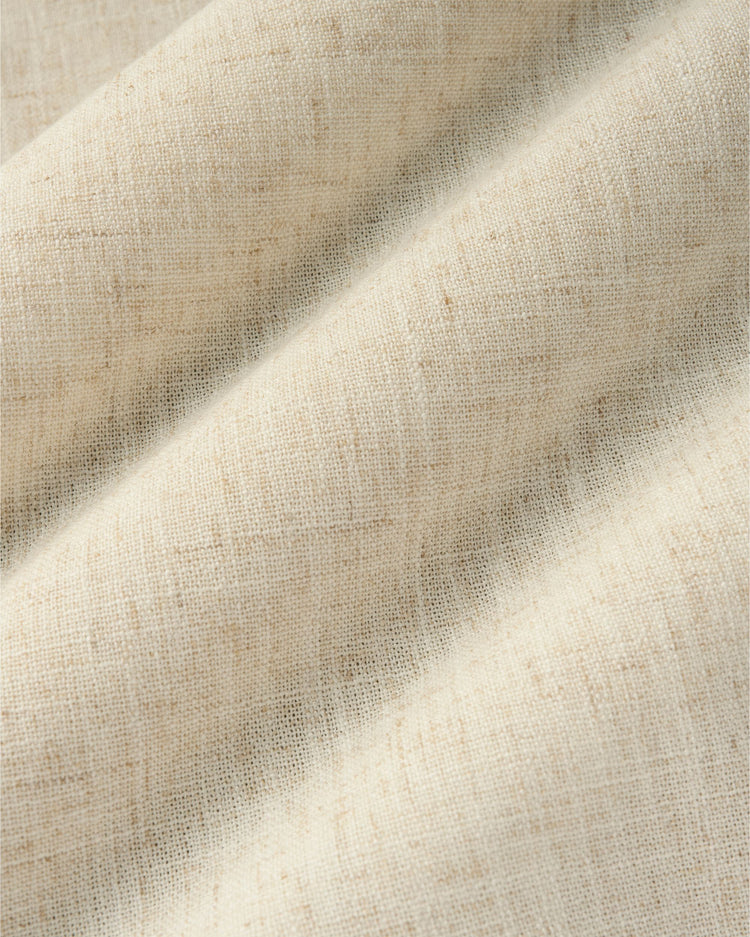
Linen blends, velvets, textured weaves, and lined cotton fabrics often hold their shape better than very lightweight, unlined panels. That does not mean every room needs heavy curtains. It means the fabric should match the purpose of the room.
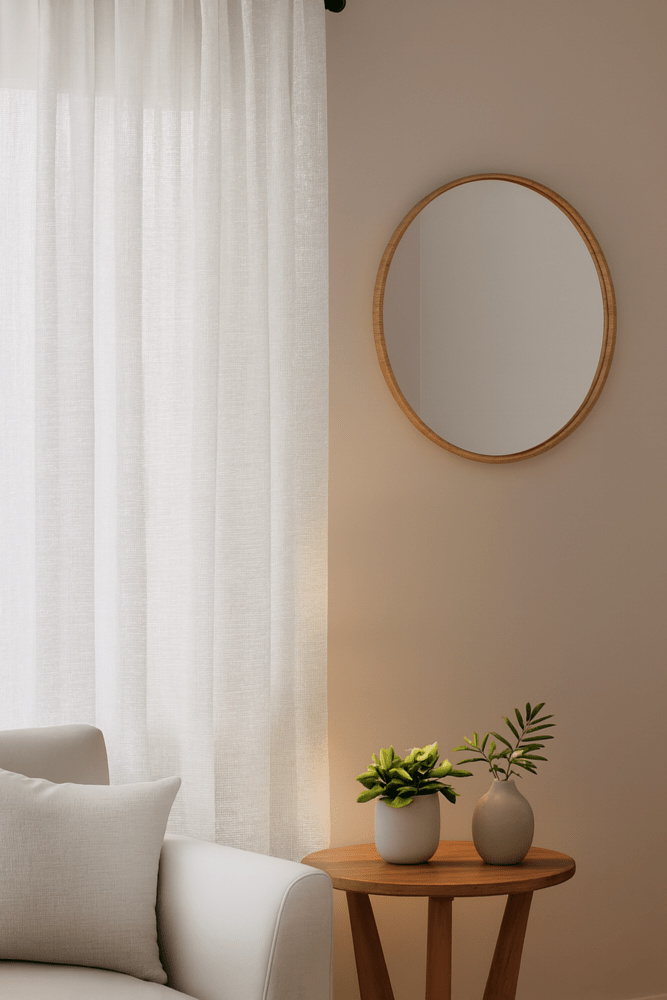
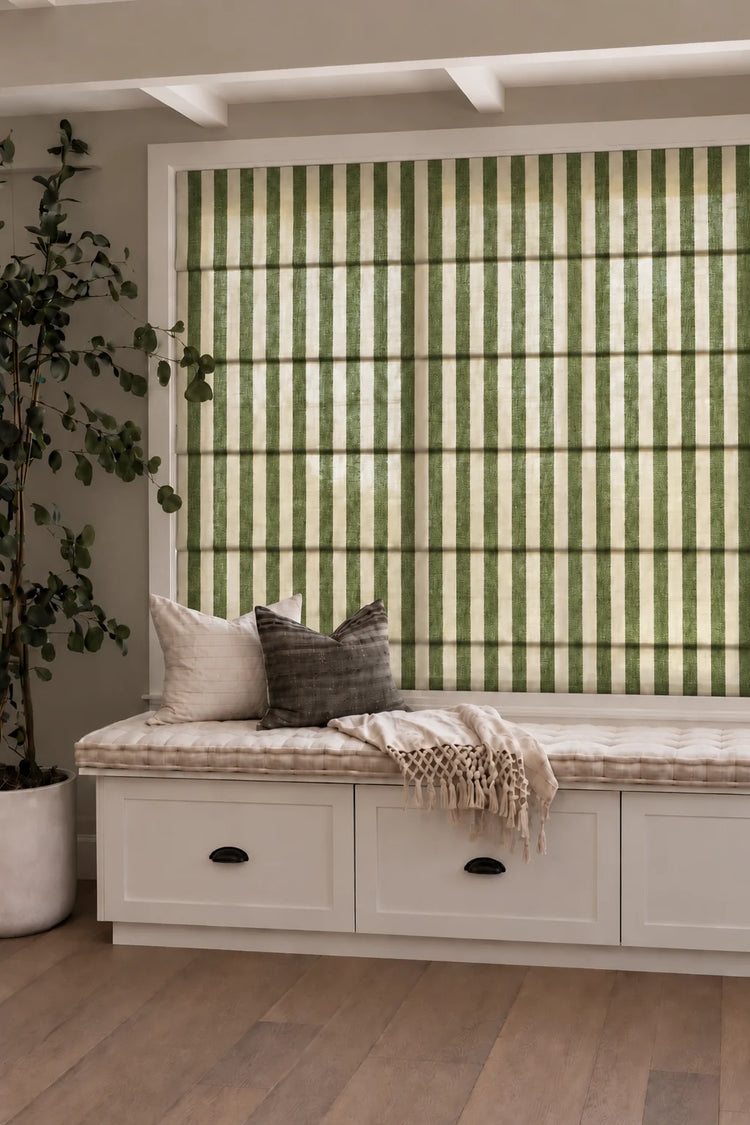
In a bedroom, a richer fabric can support privacy, softness, and light control. In a bright living room, a lighter weave can still look custom if the rod placement, fullness, and hem length are correct.

 Plant-based fiber
 Organic hand-feel
 Eco-conscious material
 Timeless elegance
4. The Right Lining
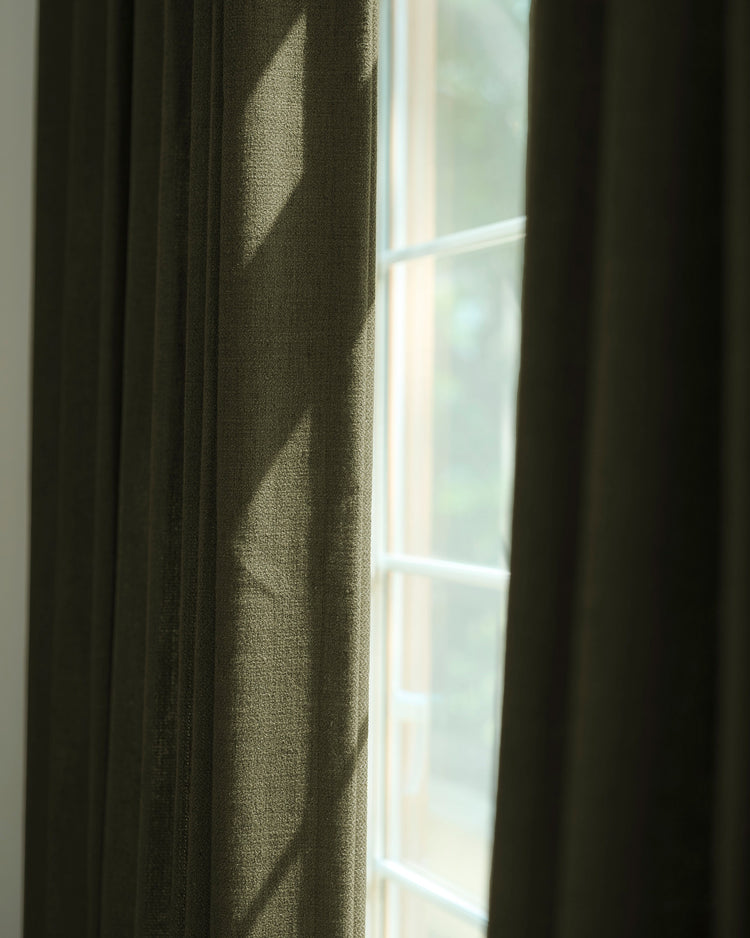
Lining changes how curtains look and perform. It can help the front fabric hang more smoothly, add privacy, improve light control, and make the folds look more stable.
For bedrooms, nurseries, media rooms, and street-facing windows, lining can make a big difference. A blackout or privacy liner can help the curtains feel more substantial while also making the room more comfortable for daily use.

 Statement décor
 Luxury Velvet
 Foil Detailing
 Designed in Italy
If you are comparing blackout, privacy, or insulation options, use the curtain liner guide before choosing fabric alone.
5. Better Hardware
Custom-looking curtains rarely hang from weak or undersized hardware. The rod, rings, brackets, finials, or track all help frame the window treatment.
A heavier rod can make wide curtains look more balanced. Rings can help the folds move more evenly. A curtain track can create a clean, modern look, especially for floor-to-ceiling curtains or large openings.
The hardware does not need to be ornate. It simply needs to feel properly scaled to the wall, the curtain weight, and the style of the room.
6. Clean Stack-Back
Stack-back is the space where curtains sit when they are open. Many ready-made curtain setups ignore this detail, which is why the fabric often blocks part of the window even during the day.
For a more custom look, give the panels enough room to rest beside the window instead of in front of the glass. This is another reason to extend the curtain rod wider than the frame. It keeps the window more open and makes the whole setup look more intentional.
7. Steamed and Trained Folds
Fresh curtains often come out of the package with wrinkles, stiff folds, or uneven lines. Steaming the panels after hanging them can make a major difference.
If the curtains are pleated, shape the folds by hand and let them hang for a few days. This small finishing step helps the curtains look settled instead of newly unpacked.
8. A Straight, Clean Hem
The bottom edge of the curtain matters. A hem that twists, flares, or buckles can make the entire treatment look cheaper.
Proper lining, enough fabric weight, and accurate sizing all help the curtain fall straighter. If your current panels are slightly too long or uneven, hemming and steaming may improve the look. If the fabric is too thin or unstable, a made-to-measure option may be the better fix.
9. Intentional Layering
Layering can make curtains look custom when it solves a real function problem. Sheers behind drapes can soften daylight. Blackout curtains over a lighter layer can improve sleep while still giving the room a lighter daytime look.
The key is to keep the layers coordinated. The rods or tracks should align, the stack-back should be planned, and the room should still feel easy to use.
Not sure whether to choose one layer or two? Use the free design service to get guidance before ordering.
How to Make Ready-Made Curtains Look More Custom
You do not always need a fully custom order to improve your curtains. If your panels are close to the right size, a few upgrades can make them feel much more finished.
Move the Rod Higher and Wider
If the panels are long enough, raising and widening the rod is usually the fastest improvement. This changes the scale of the whole wall and helps the window feel larger.
Add More Width
Buying extra panels can create the fullness that standard curtain sets often lack. This works especially well in living rooms and dining rooms, where a generous drape can make the space feel more polished.
Hem, Steam, and Shape the Folds
If the curtain length is close but not exact, hemming can sharpen the finish. Steaming removes wrinkles, and shaping the folds by hand helps the fabric hang more evenly.
Upgrade the Hardware
A better rod, rings, or curtain track can make the same fabric look more refined. This is a smart upgrade when the curtain panels are decent but the overall setup still feels basic.
Add Simple Trim Carefully
A slim border or contrast edge can work well, but only when the rest of the curtain setup is already balanced. Trim cannot fix panels that are too short, too narrow, or poorly hung.
When Custom Curtains Are Worth It
Styling tricks can improve many curtain setups, but some windows need true custom sizing to look right. If the size, shape, or function of the window is difficult, made-to-measure curtains are often the cleaner solution.
Extra-Wide Windows and Sliding Doors
Wide openings usually show the limits of standard curtain sizes. You may need more width, more stack-back room, or a header style that can support the fabric properly.
If you are working with a large window or patio door, custom size curtains can help you avoid narrow panels, uneven fullness, and crowded stack-back. You may also find these ideas for hanging curtains on wide windows helpful before choosing your final setup.
Floor-to-Ceiling Curtains
Floor-to-ceiling curtains can make a room feel taller and more architectural, but they require accurate measurements. Even a small length mistake becomes easy to notice when the eye follows one long vertical line from ceiling to floor.
If you want a clean floor-to-ceiling look, custom sizing is usually the safest choice.
Rooms That Need Blackout, Privacy, or Better Light Control
When curtains need to do more than decorate, the details matter. Bedrooms, nurseries, media rooms, and street-facing rooms often need better coverage at the sides, enough fullness, and the right lining.
In these spaces, fit and liner choice can affect both the look and the performance of the room. The custom curtains collection can help you match style, fabric, lining, and size more precisely.
Specific Header and Hardware Combinations
Some curtain styles depend on exact construction. If you want a refined pleated top, a precise finished length, and smooth daily operation on a large opening, custom curtains are often easier than trying to adjust stock panels.

If your window is hard to fit, start with the custom curtains collection, then preview your setup with the visualization tool.
The Best Custom Curtain Look by Room
Bedroom
Bedrooms usually benefit from fuller panels, a clean floor finish, and a lining that supports privacy or blackout. For a restful look, choose a fabric and header style that feel calm rather than busy.
Living Room
Living rooms can handle more visible texture and more generous fullness. If the curtains stay open most of the day, focus on high-and-wide rod placement, clean stack-back, and fabric that frames the window nicely.
Wide Windows and Patio Doors
Wide windows and patio doors need enough fabric first. Do not under-order width. If you are unsure whether one panel or two makes more sense, read one curtain panel or two before buying.
Formal Spaces
Formal rooms often look best with pleated headers, fuller panels, lined fabric, and a kiss or slight break at the floor. These details create a more structured and polished finish.
Casual Spaces
Casual rooms usually look better with simpler headers, a clean float above the floor, and fabrics that feel easy to live with. The goal is still tailored, but not overly formal.
Mistakes That Make Curtains Look Cheap
Even good fabric can look wrong if the basic details are off. These are the most common curtain mistakes to avoid:
- Panels that are too short: The room instantly feels under-scaled.
- Not enough width: The curtains look stretched instead of soft and full.
- A rod that is too low: The window looks smaller and less finished.
- A rod that is too narrow: The panels block the glass when open.
- The wrong header style: A casual top can fight a more tailored room.
- No lining: The curtains may look thin, limp, or unfinished.
- No stack-back allowance: The open curtains look crowded.
- Skipping the final finish: Wrinkles and untrained folds make new curtains look unfinished.
The custom look is usually not about adding more decoration. It is about making each detail feel deliberate.
Final Takeaways
If you want curtains to look custom, focus on the details that change the silhouette first: rod placement, panel width, floor length, header style, lining, and hardware.
Fabric matters, but only after the fit is right. Some windows can look dramatically better with a higher rod, more fullness, better hardware, and properly steamed folds. Other spaces, especially wide windows, tall walls, bedrooms, and rooms that need blackout or privacy, may benefit more from made-to-measure curtains.
Measure first. Choose the header style second. Then decide how much privacy, light control, texture, and fullness the room needs.
For a cleaner result, use the curtain measurement guide, compare options in the curtain header style guide, or request help through the free design service before ordering.