5 Home Designer Tips To Wake Up Your Window


In this article 7 sections
- 1. Mount Rods High and Wide to Fake Custom Window Proportions
- 2. Ditch Basic Grommets for Tailored Pleats and Proper Hems
- 3. Layer Woven Shades with Side Panels for Instant Depth and Privacy
- 4. Swap Out Flimsy Rods for Heavyweight Architectural Hardware
- 5. Use Light-Filtering Fabrics to Maximize Natural Daylight
- Frequently Asked Questions
- Refreshing Your Space Through Design
Bare glass and low-hung drapes reduce perceived room volume, making standard ceilings feel cramped and rooms feel dark. Raising hardware proportions, selecting structured fabric tailoring, and incorporating natural woven textures convert plain window frames into clean architectural features that elevate your home interior.

1. Mount Rods High and Wide to Fake Custom Window Proportions
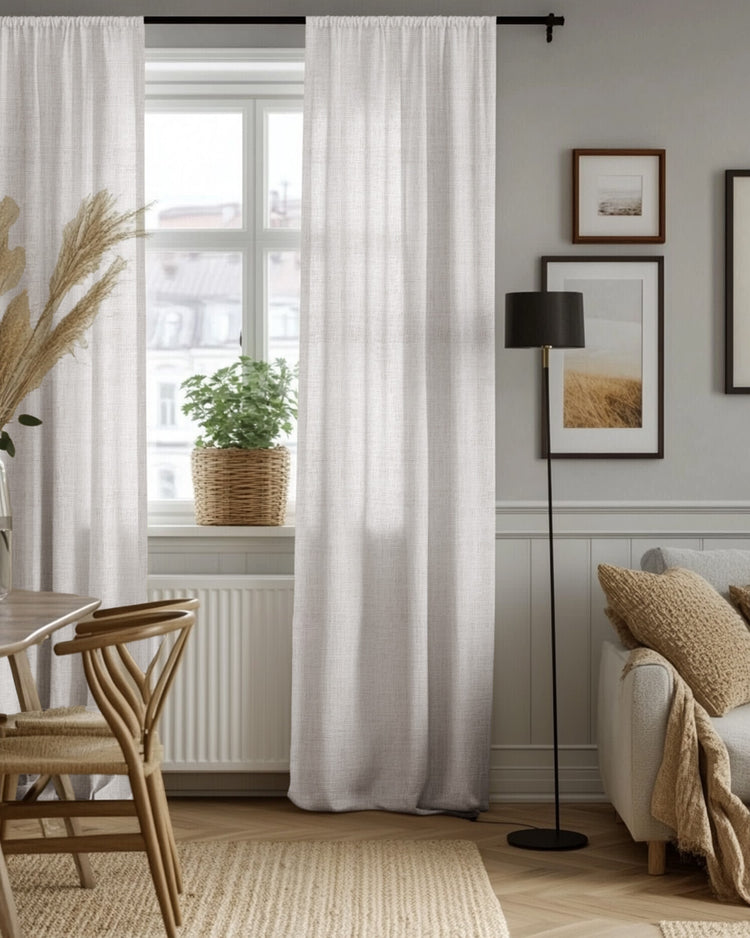
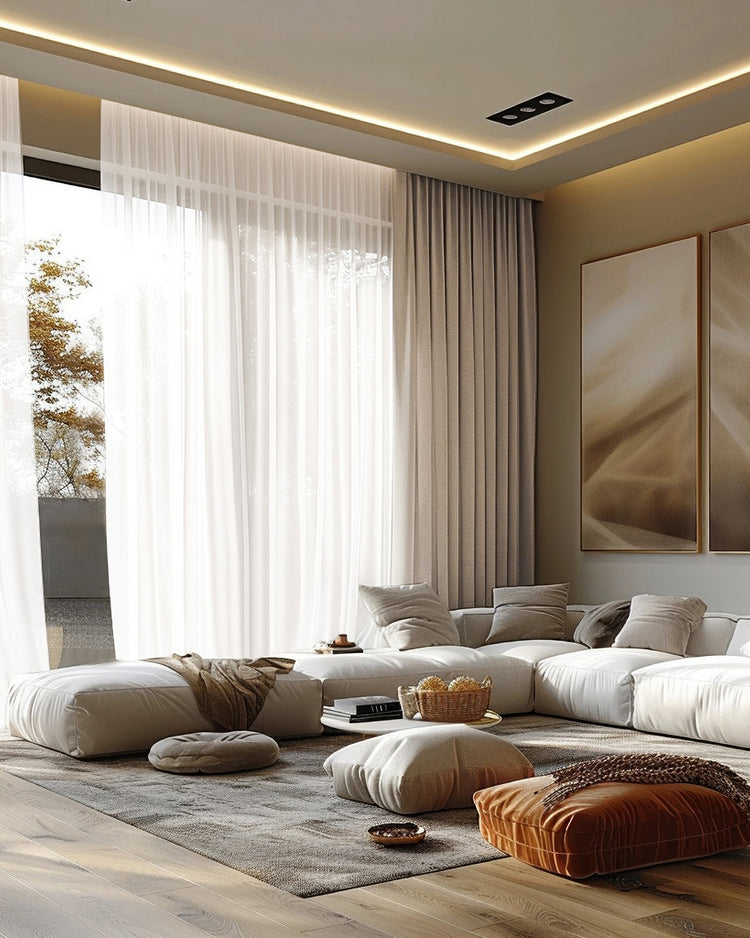
Mounting curtain rods four to six inches above the window casing—or just below the crown molding—creates an optical illusion of higher ceilings and larger windows. Placing hardware directly on the window casing truncates vertical lines and compresses room proportions.
Extending the rod four to twelve inches beyond the side trims allows open curtain panels to rest against the wall rather than covering the glass pane. This keeps window openings unobstructed, allowing maximum natural sunlight to enter living spaces.
| Mounting Approach | Hardware Placement | Visual Effect on Room | Impact on Natural Light |
|---|---|---|---|
| Standard Frame Mount | Directly on window trim | Compresses vertical height; makes room feel lower | Panels block 20–30% of glass area when opened |
| Designer High-and-Wide | 4–6 inches above frame; extended wider than casing | Elongates walls; creates illusion of expansive glass | 100% of glass remains clear when panels are pulled back |
2. Ditch Basic Grommets for Tailored Pleats and Proper Hems
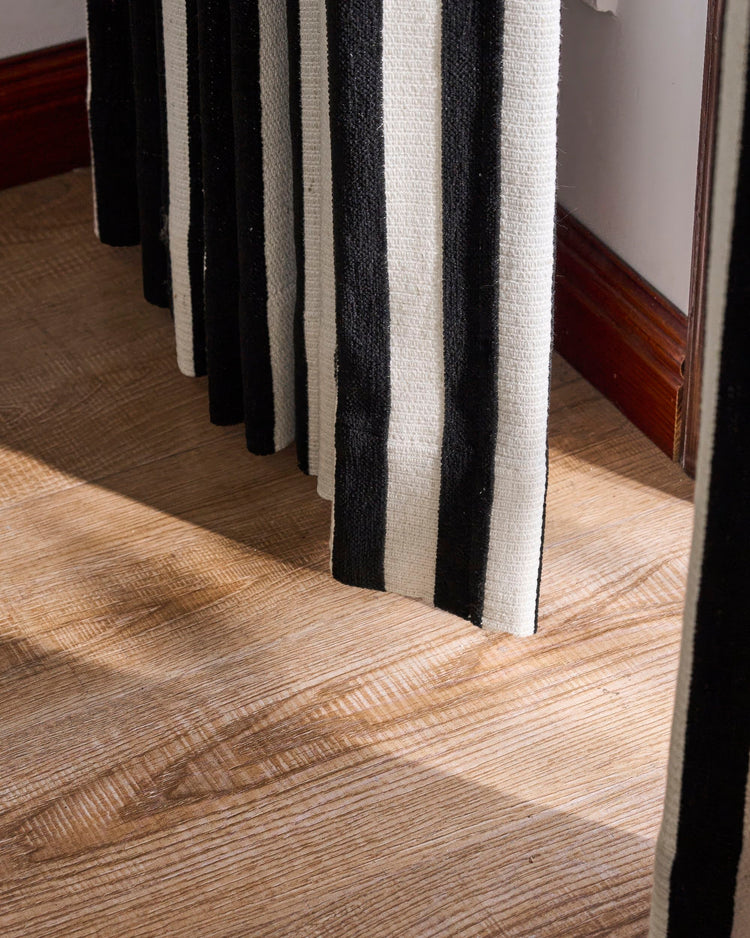
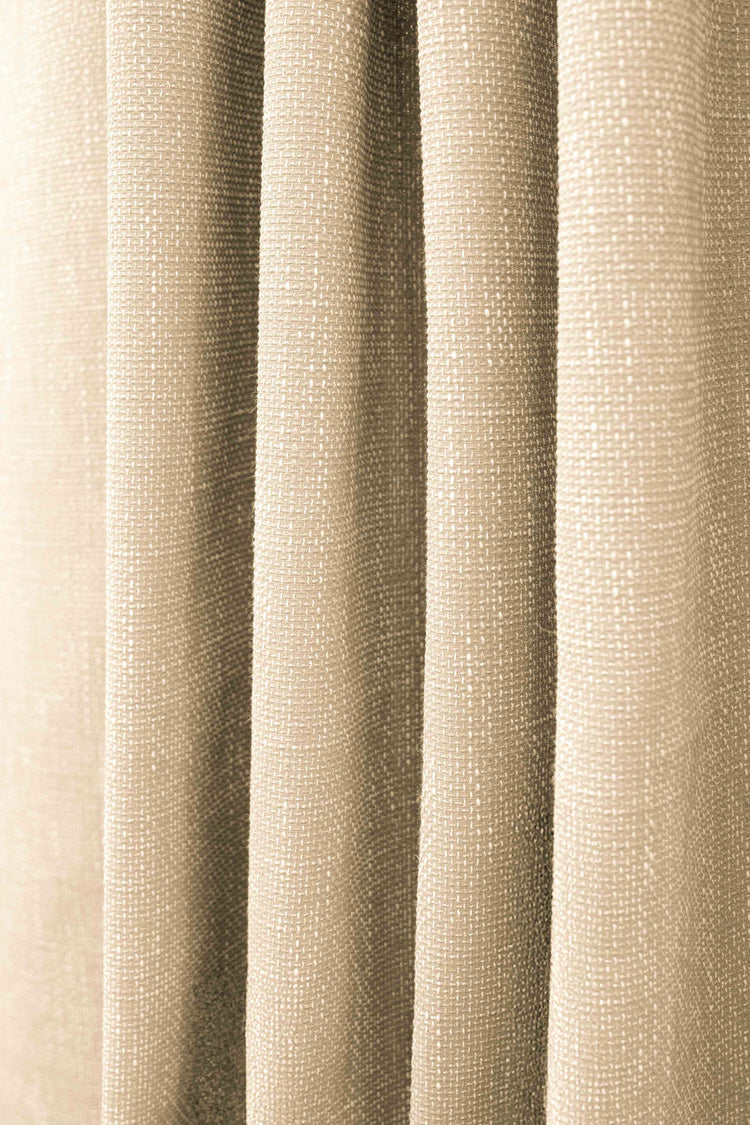
Tailored pleats and exact floor-hovering hems turn off-the-shelf curtain panels into crisp, custom-looking drapery. Metallic grommets and simple rod pockets slide unevenly along rods, creating messy fabric bunching. Pinch pleats, tailor pleats, and ripple folds arrange fabric into uniform vertical channels that maintain structure over time.
For clean execution, drapes should hover one-quarter inch above the floorboards. This clearance prevents fabric from gathering floor dust and pet hair while maintaining a continuous vertical line from ceiling to floor.
3. Layer Woven Shades with Side Panels for Instant Depth and Privacy
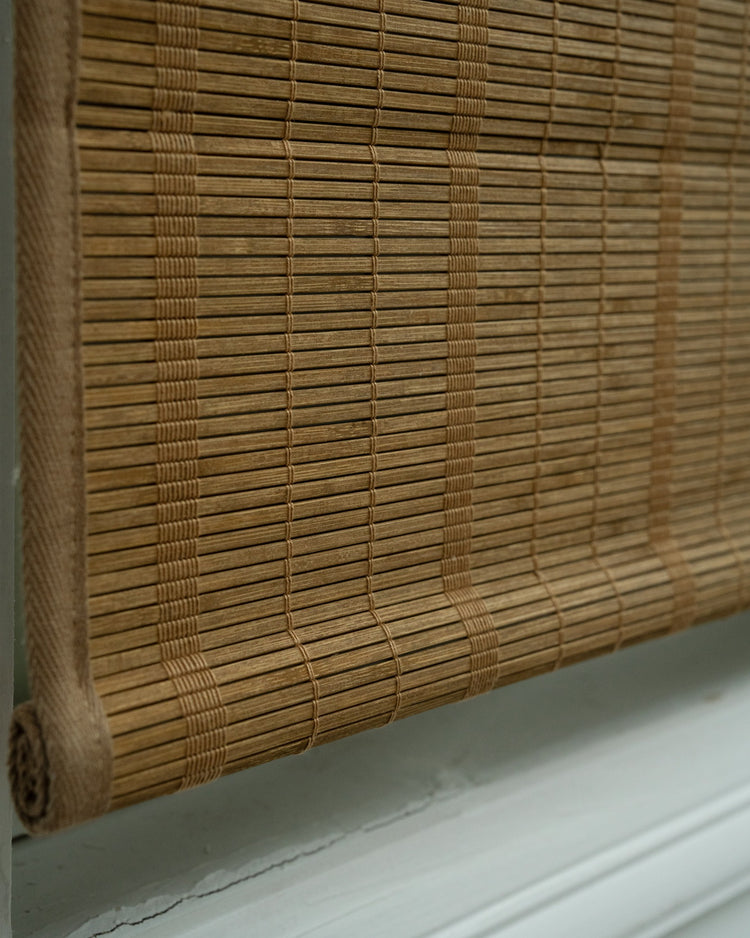
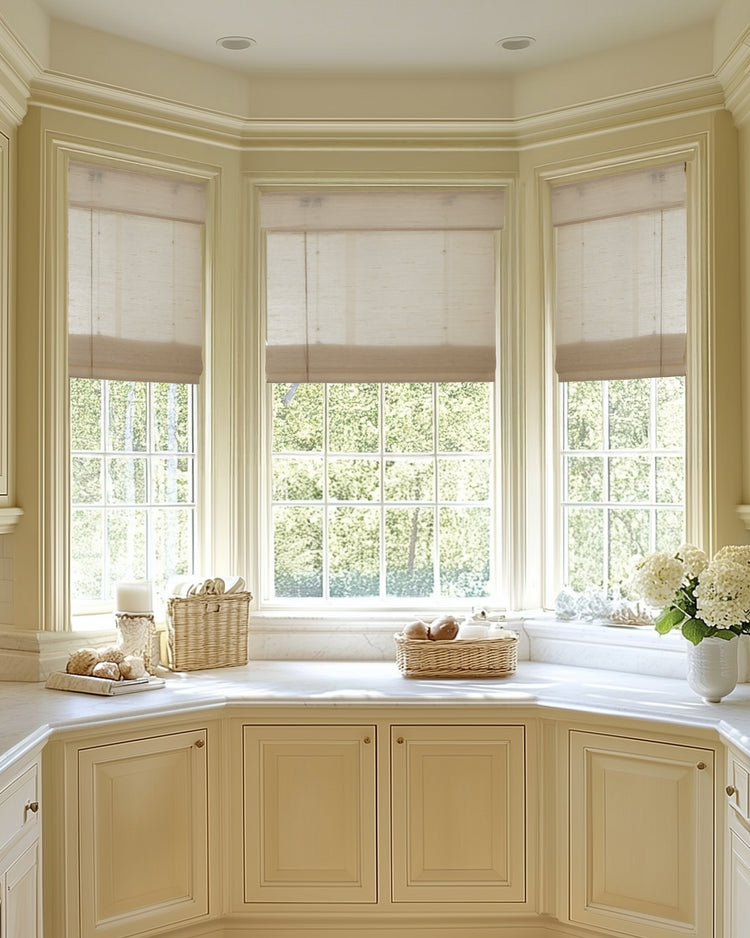
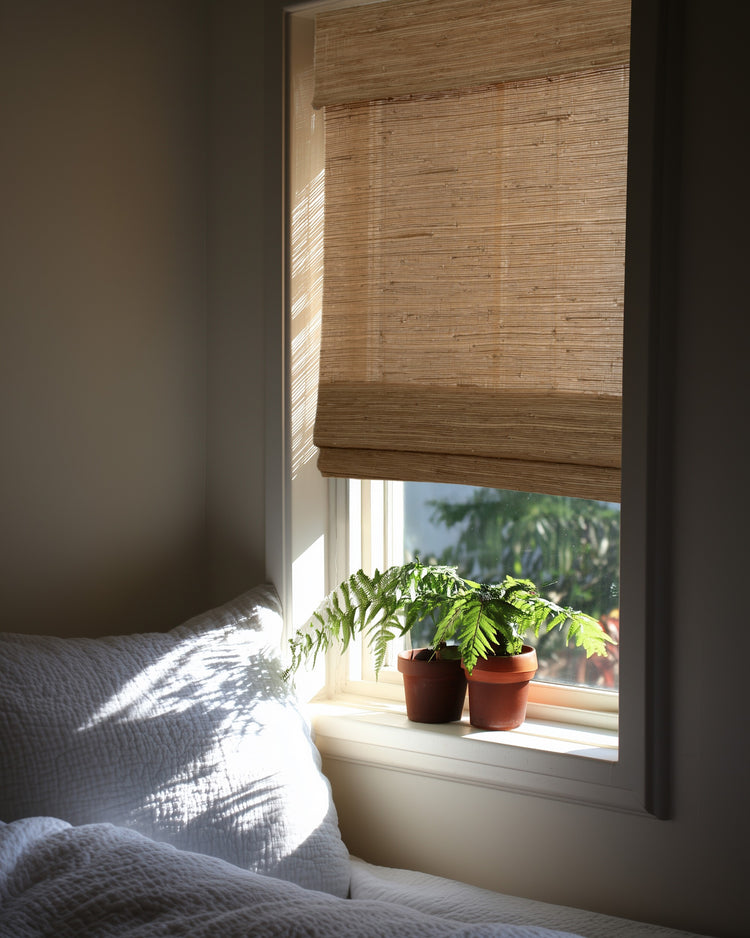
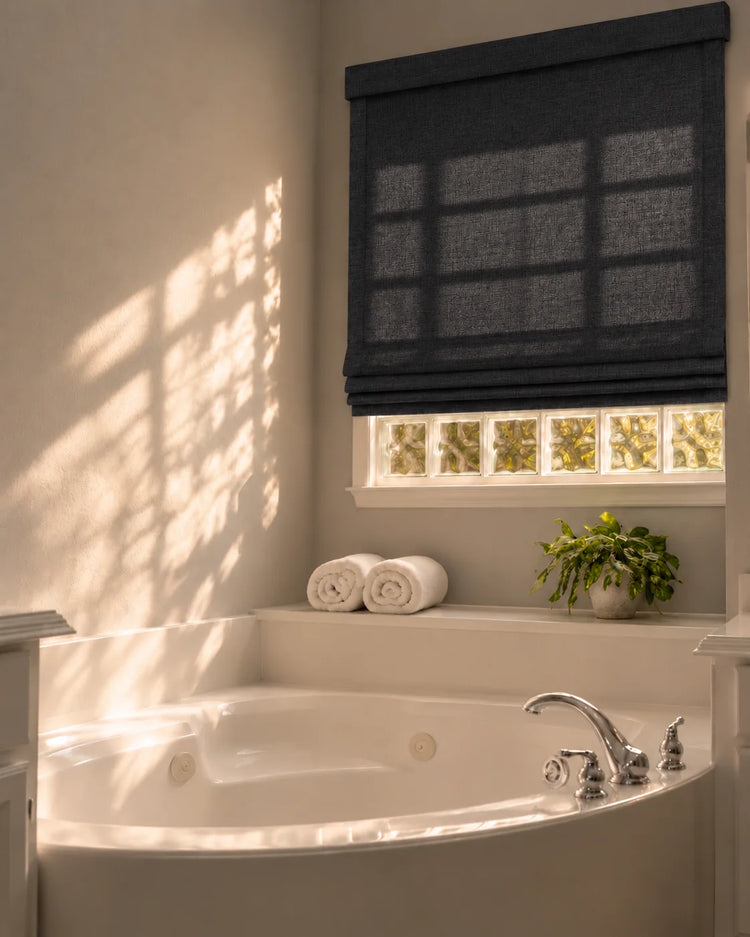
Combining inside-mount woven wood shades with stationary drapery panels adds rich tactile contrast and versatile light management to single-window setups. Bamboo or matchstick woven shades installed within the window casing introduce warm, organic tones that balance plain drywall and painted trim.
Adding unlined side drapes softens the hard perimeter of the window frame. This layered setup provides flexible daytime glare control through the woven shade while keeping outdoor views framed and balanced. Note that inside-mount shades require at least two inches of window casing depth for flush installation.
| Layering Combination | Inner Treatment (Casing) | Outer Treatment (Wall) | Functional Advantage |
|---|---|---|---|
| Textural Contrast | Inside-mount woven wood shade | Stationary linen side panels | Softens hard window trim while adding warmth |
| Light & Privacy Control | Sheer light-filtering roller shade | Lined blackout curtain panels | Delivers ambient light by day and privacy by night |

4. Swap Out Flimsy Rods for Heavyweight Architectural Hardware
Installing solid metal hardware with a minimum one-inch diameter prevents middle sag and grounds the overall room color palette. Thin, telescoping rods with visible center seams bow under fabric weight, making drapes look unstable.
Substantial metal hardware remains rigid across wider window spans and accommodates heavier drapery rings. Matching metal rod finishes—such as matte black, brushed brass, or oil-rubbed bronze—to door hardware, cabinet pulls, and lighting fixtures unifies hardware details across open-concept layouts.

5. Use Light-Filtering Fabrics to Maximize Natural Daylight
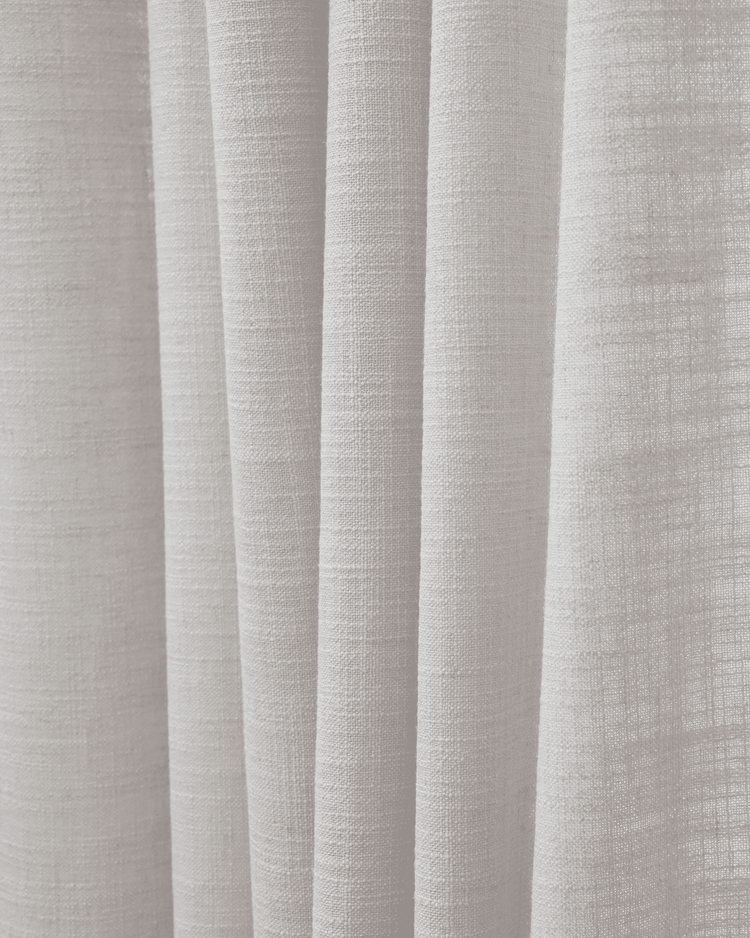
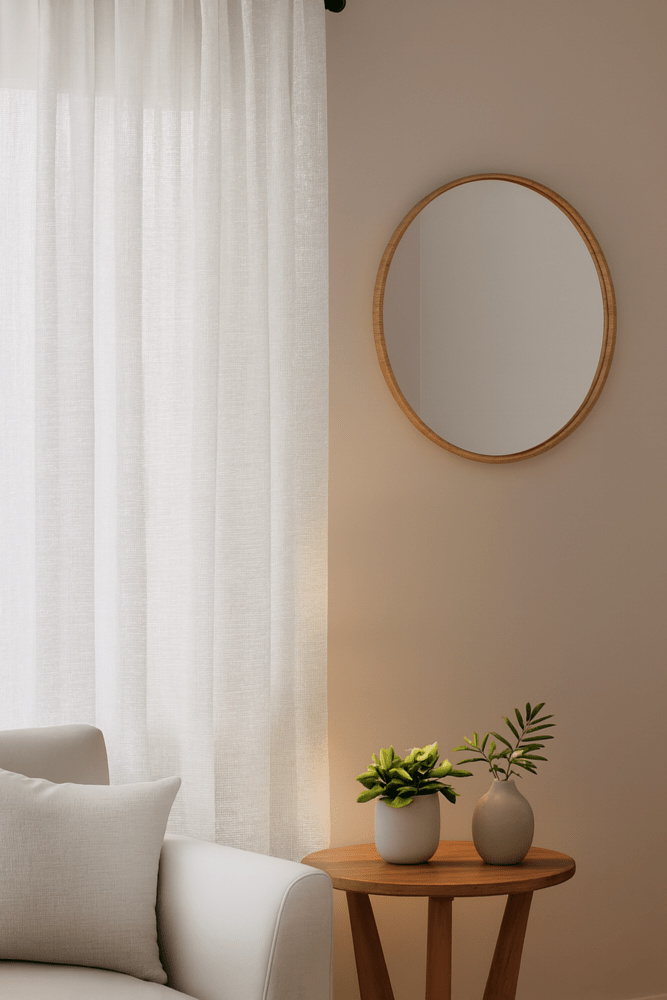
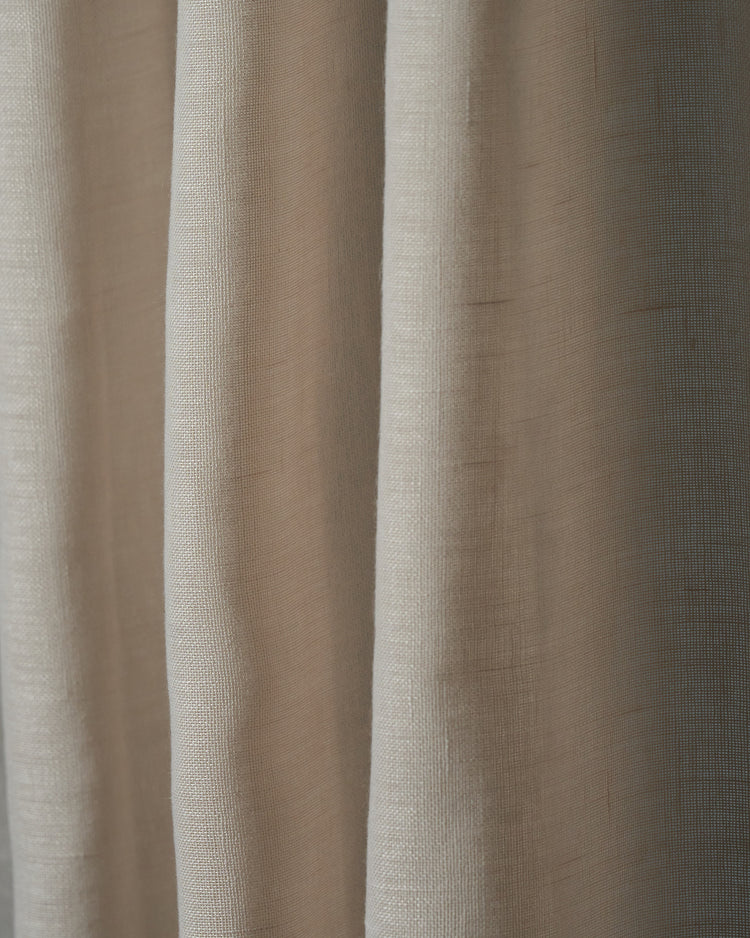
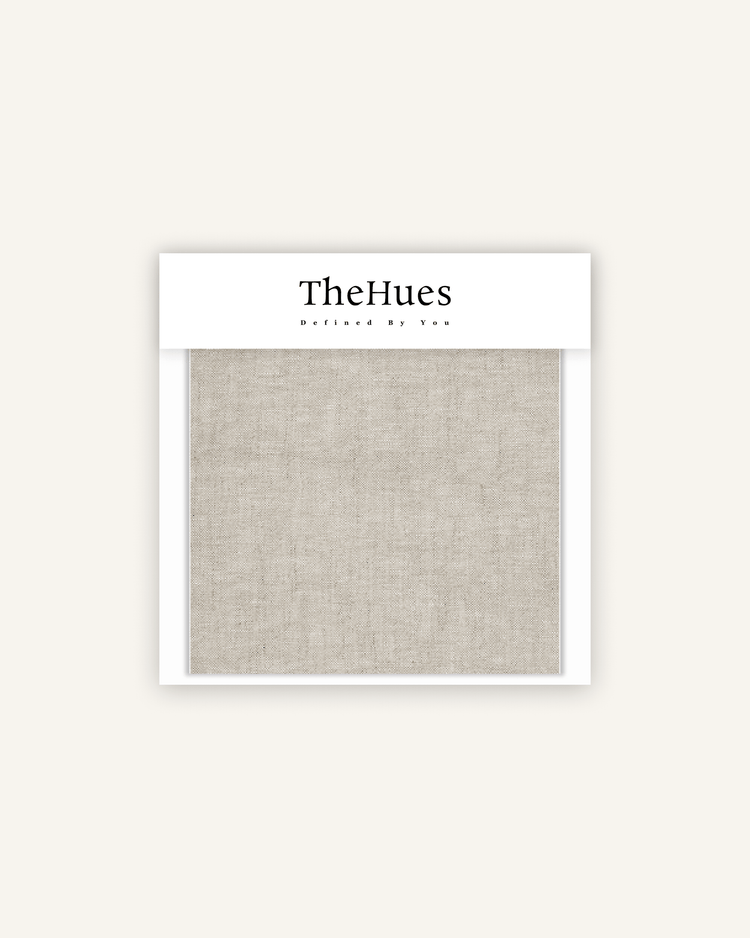
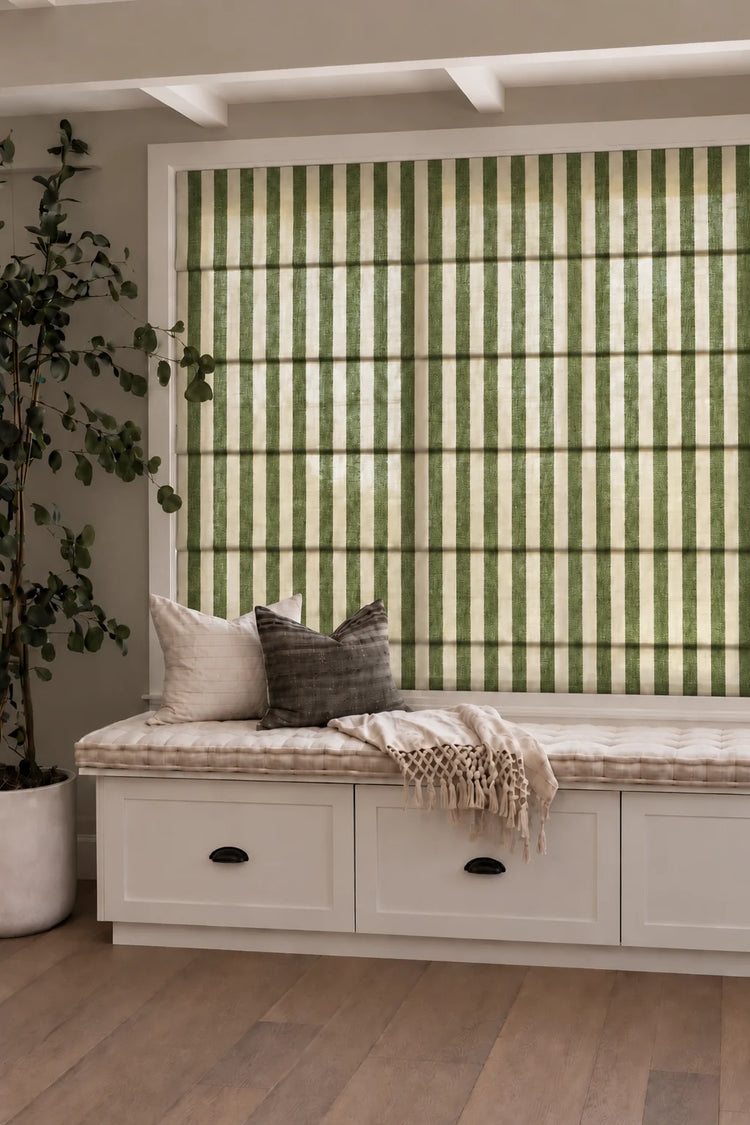
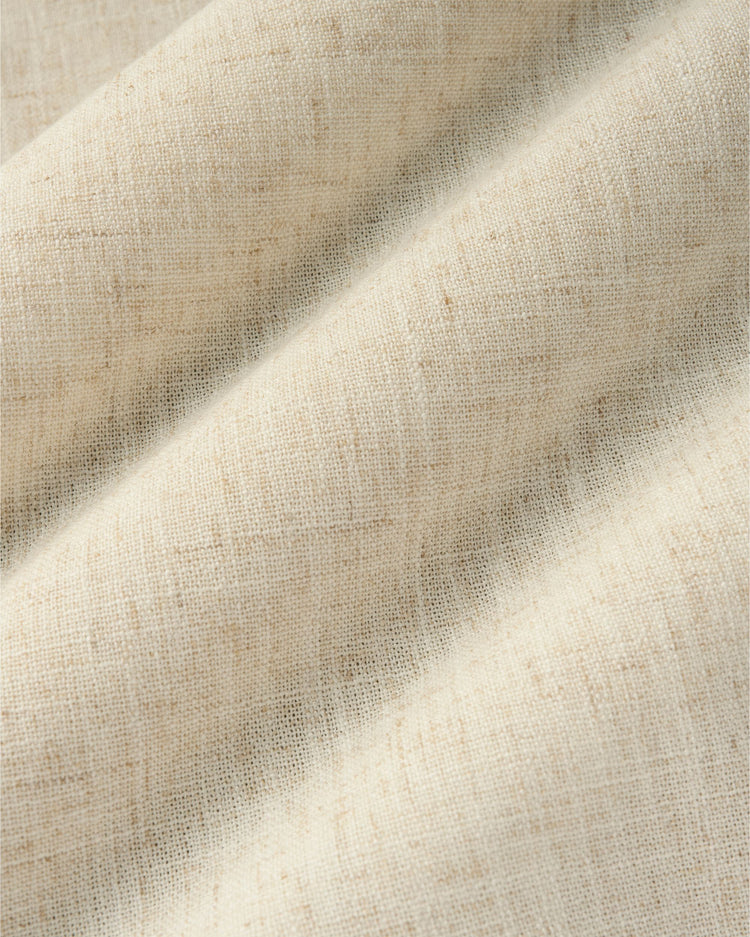
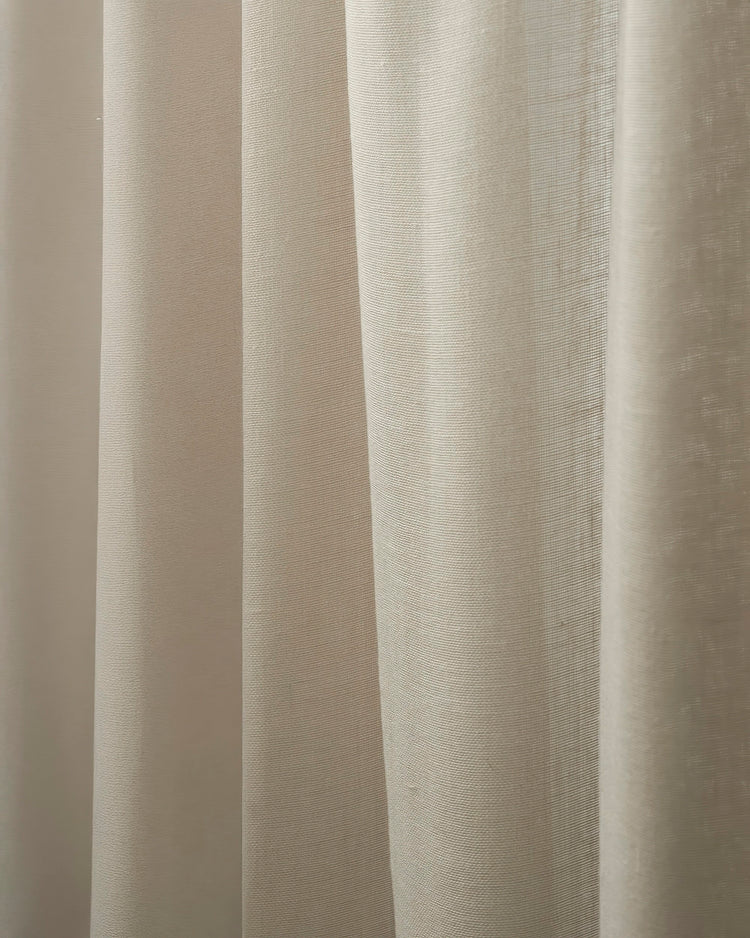
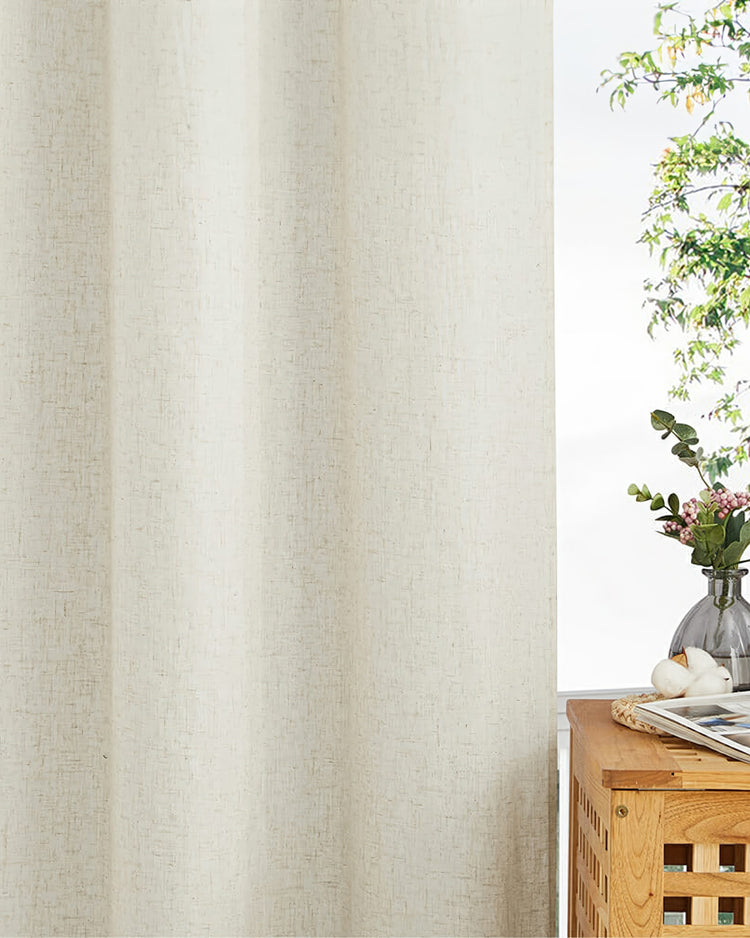
Swapping heavy blackout drapes for translucent linen blends converts direct glare into soft ambient illumination across living areas. Opaque fabrics shut out daylight and trap shadows in room corners during the day.
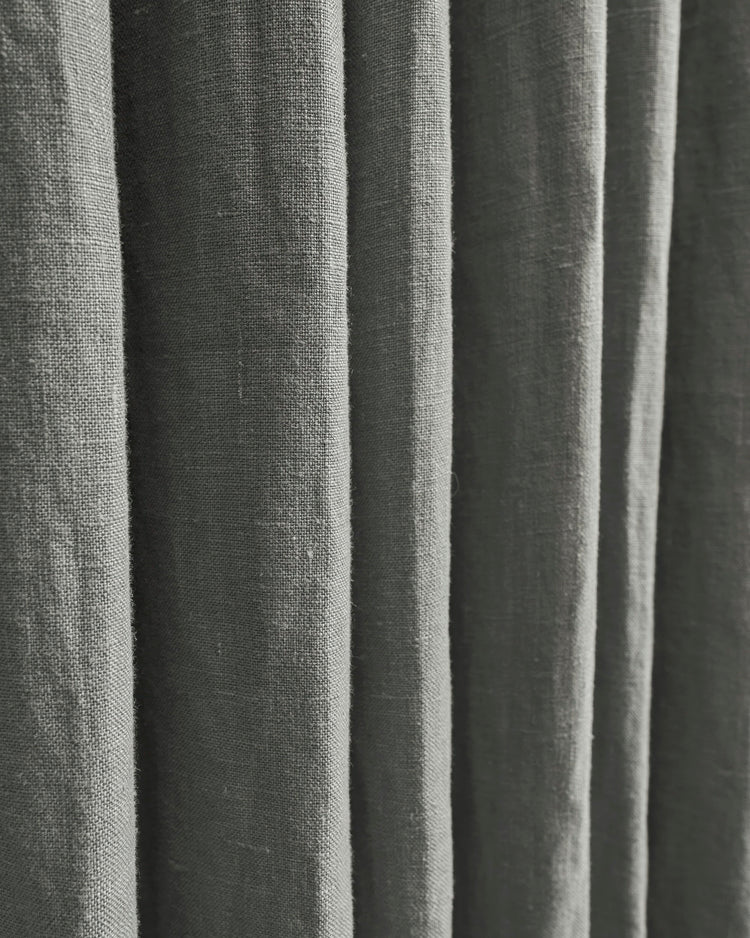
Linen-blend textiles diffuse direct sun rays, eliminating screen glare while maintaining bright interior light levels. These breathable fabrics also catch subtle indoor airflow, introducing gentle texture to static glass expanses.
Frequently Asked Questions
What standard curtain length should I buy for 8-foot or 9-foot ceilings?
For eight-foot ceilings, buy 96-inch panels instead of standard 84-inch panels. This allows you to mount the rod near the ceiling line and hem the bottom fabric to hover just above the floorboards. For nine-foot ceilings, select 108-inch panels to maintain high-and-wide mounting proportions.
How can renters achieve a designer window look without drilling holes?
Renters can install no-drill tension-lock drapery rods or bracket systems that clamp directly onto existing window trim casings without screws. Pairing lightweight to medium-weight linen-blend panels with these non-damaging systems creates an elevated look without risking security deposit deductions.
How do I train store-bought curtains to fall in neat, uniform folds?
After mounting your curtain panels, steam out shipping creases thoroughly. Gather the fabric manually into uniform vertical folds from top to bottom, then loosely bind the gathered panel with ribbon strips in three places (top, middle, and bottom). Leave the fabric bound for 48 to 72 hours so the fibers set into structured, permanent folds.
Refreshing Your Space Through Design
Updating window treatments comes down to correcting proportions and choosing structured materials. By raising curtain rods, choosing pinch-pleated tailoring, layering textures, and opting for light-diffusing fabrics, you turn simple glass openings into functional architectural elements. Focusing on correct scale and durable hardware ensures your windows frame interior spaces effectively for years to come.