Are shade sails worth it? A practical look at shade sail pros and cons


In this article 8 sections
- Quick answer: are shade sails worth it?
- Shade sail pros and cons at a glance
- When shade sails are worth the money
- When a shade sail is not the best investment
- Shade sail vs pergola vs awning vs outdoor curtains
- How to decide before buying a shade sail
- FAQ about shade sails
- Final takeaway: are shade sails worth it?
A shade sail can be one of the simplest ways to make a hot patio, deck, pool area, or side yard more usable. It adds overhead shade without the visual weight or cost of a full roof structure. But it can also disappoint if you expect it to behave like a pergola, awning, or permanent patio cover.
If you are comparing shade sail pros and cons, the real question is simple: are shade sails worth it for your space, weather, budget, and expectations?
The short answer is yes, shade sails are often worth it when you need targeted sun relief, flexible placement, and a cleaner outdoor look. They are usually not the best choice when you need full rain protection, strong privacy, or a setup that requires no planning around anchors, slope, and tension.
Quick answer: are shade sails worth it?
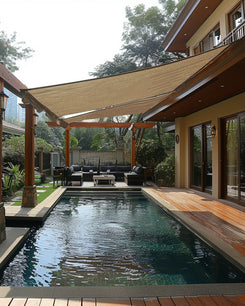
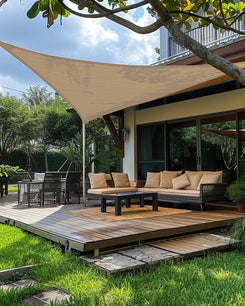
Shade sails are worth it when they solve the right problem. They work especially well over patios, decks, poolside seating, garden paths, and outdoor dining areas that get harsh sun during the day.
The CDC notes that UV rays are usually strongest from 10 a.m. to 4 p.m., and the EPA explains that shaded surfaces can stay much cooler than unshaded materials. In everyday terms, good shade can make an outdoor area feel more comfortable and more usable.
Still, a shade sail is not a full roof. It gives targeted coverage, and its performance depends on the fabric, shape, anchor points, slope, and how the sun moves across your yard.
| Shade sails are a good fit if... | Shade sails may not be the best fit if... |
|---|---|
| You need overhead shade more than full enclosure | You want a true roof replacement for all-weather protection |
| You have strong anchor points or can add them | Your layout has no realistic support points |
| You want a lighter look than a pergola | You prefer a heavy, permanent structure |
| Your patio has an awkward shape or unusual coverage zone | You need side privacy more than overhead shade |
| You are willing to plan slope, drainage, and tension | You want a no-planning installation |
If you are not sure whether your space can support a sail, start with the shade sail measurement guide. It can help you avoid choosing a size or shape that will not tension correctly in your outdoor layout.

Shade sail pros and cons at a glance
Most homeowners do not need a complicated answer. They need to know what a shade sail does well, what it does not do, and what to check before buying.
The biggest advantages of shade sails
- Flexible coverage: A sail can shade areas that are difficult to cover with a standard pergola, especially corners, narrow patios, and poolside seating.
- Lighter visual weight: It adds shade without making the yard feel boxed in.
- Often lower upfront cost: In many projects, a sail is less involved than building a full outdoor structure.
- Custom sizing helps: A made-to-measure sail can cover the area you actually use instead of forcing your patio to fit a stock size.
- Airflow can stay comfortable: Breathable fabric is often a good choice when heat buildup is the main issue.
The biggest disadvantages of shade sails
- They are not always waterproof: Many sails are designed mainly for UV relief and airflow.
- Wind matters: A breezy yard may be manageable, but a highly exposed site needs more careful planning.
- Anchor points are critical: The fabric is only one part of the system. Posts, wall mounts, and hardware carry the real load.
- Shade moves throughout the day: A sail gives targeted shade, not perfect coverage from morning to sunset.
- Poor geometry causes problems: Flat mounting, weak tension, or poor slope can lead to sagging, pooling, or disappointing coverage.

When shade sails are worth the money
A shade sail is most worthwhile when it solves one clear outdoor problem. It should not be expected to do every job at once.
You want cooler sun relief without building a full structure
This is the strongest reason to choose a shade sail. If your patio gets direct afternoon sun and the furniture, decking, or concrete becomes uncomfortable, a properly placed sail can make the area easier to use.
The comfort improvement usually comes from two things: less direct sun on the seating area and less heat buildup on hard outdoor surfaces. If your main complaint is that a patio becomes too hot to sit in for part of the day, a sail may be enough.
Your layout is hard to cover with a standard pergola
Pergolas work best in simple, structured layouts. Real patios are often more complicated. You may have a narrow side yard, an offset seating area, a pool edge, a grill zone, or a patio that does not form a clean rectangle.
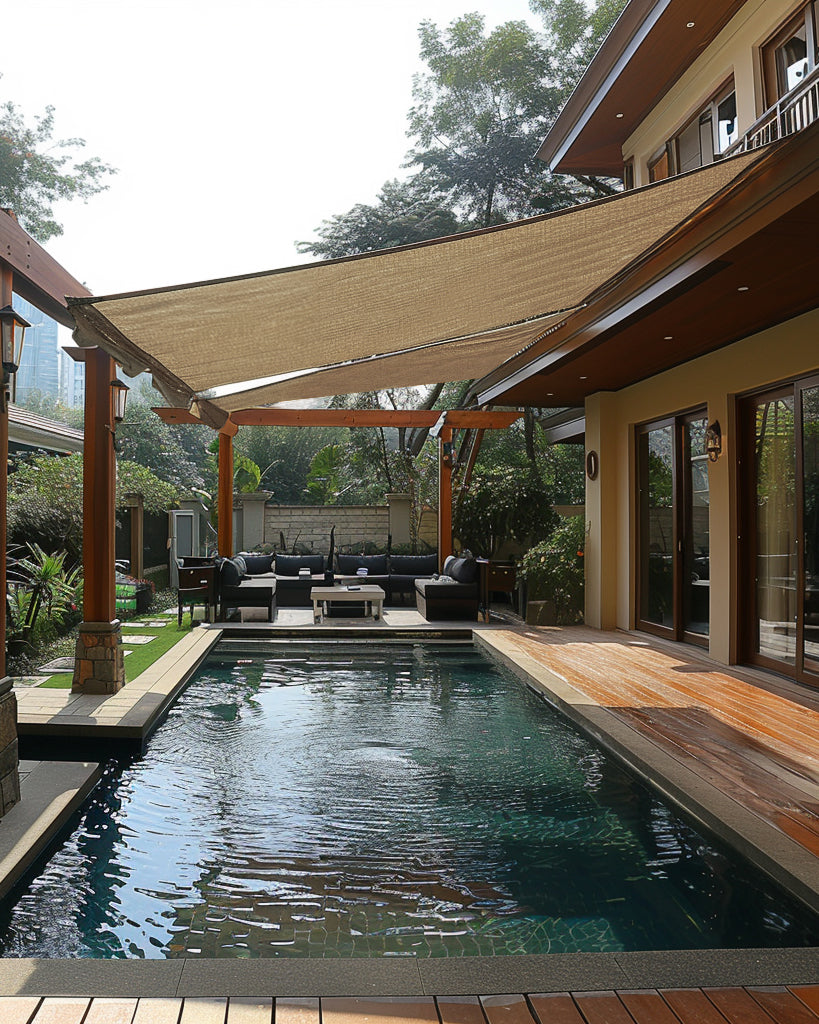
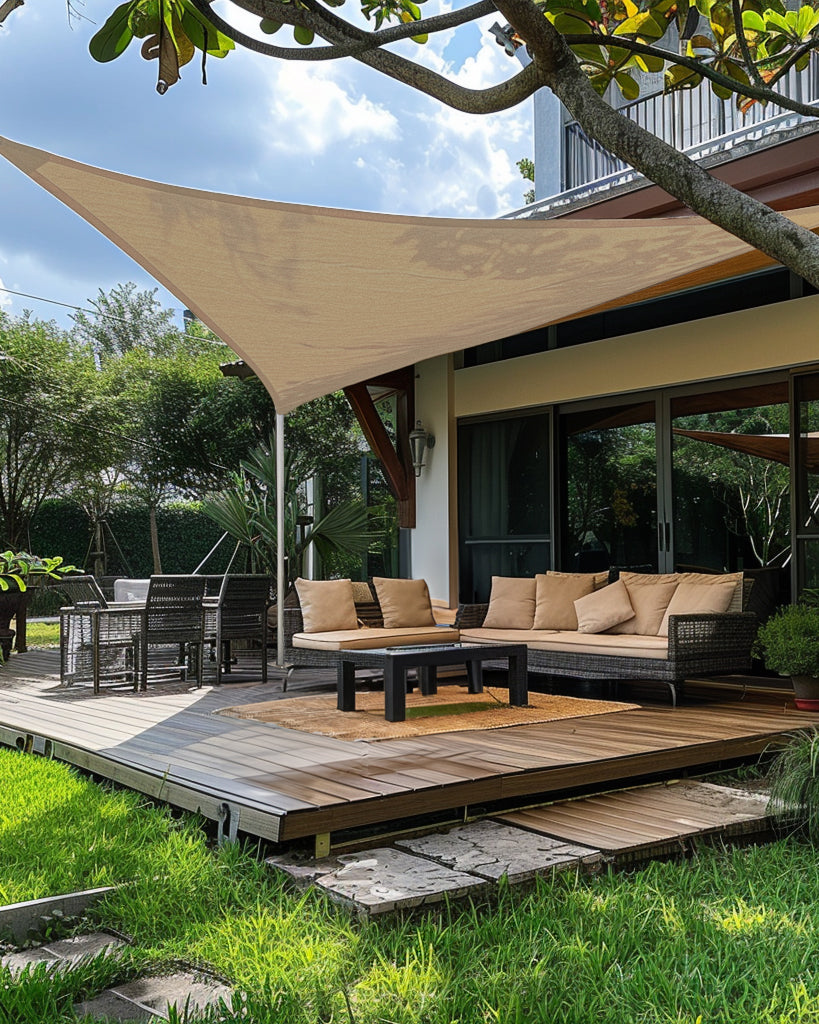
That is where triangle and rectangle shade sails can be useful. A triangle shade sail can soften a corner or cover a smaller seating area. A rectangle shade sail can work better over a dining table, lounge zone, or broader patio.
If you are unsure which shape fits your yard, review TheHues' guide on what shape of shade sail is the best before choosing by color or style alone.
 Kid-friendly
 OEKO-TEX® Certified
 Durable
 Low maintenance
You know whether you need breathable or waterproof performance
This is one of the most important shade sail decisions. Breathable and waterproof shade sails solve different problems.
If your main goal is cooler shade and better airflow, breathable fabric is usually the simpler choice. If your main goal is light rain protection over a seating or dining area, a waterproof shade sail may make more sense.
The tradeoff is that waterproof shade sails need more careful slope and runoff planning. Water should not sit in the middle of the sail. A flat waterproof setup may look clean at first, but it can sag, pool, and stress the anchors when rain collects.

You want a custom fit instead of a close-enough size
Outdoor shade is not very forgiving when the size is wrong. A standard sail that is almost right can still leave the wrong chair in full sun, pull at awkward angles, or look loose after installation.
A custom sun shade sail gives you more control over the actual coverage zone. This matters most when your patio is irregular, your anchor heights vary, or you need to leave walking space around the edge.
Before ordering, measure the full area you want to shade, not just the furniture footprint. Then think about where the sun hits during the hours you actually use the space.
When a shade sail is not the best investment
Shade sails are useful, but they are not the right answer for every outdoor space. If your expectations match a different product category, a sail may feel disappointing even if the product itself is well made.
You need year-round weather protection
A shade sail can reduce harsh sun and, in some setups, help with light rain. It does not behave like a permanent roof.
If you want to keep cushions fully protected, sit outside during frequent storms, or create a covered patio that works in most weather, a pergola, roof extension, or another more substantial structure may be closer to what you need.
Your site is very windy or storm exposed
Wind changes the entire project. A shade sail needs tension to perform well, and exposed yards put more stress on the fabric, corners, anchors, and hardware.
This does not mean shade sails cannot work in breezy areas. It means the anchor plan, fabric choice, hardware, and seasonal use matter more. In storm-prone or highly exposed locations, you may need to remove the sail during severe weather or choose a more permanent engineered solution.
If you are wondering about seasonal use, TheHues' guide on whether you can leave shade sails up all summer can help you think beyond the first sunny weekend.
You need privacy more than overhead shade
A shade sail solves top-down sun. It does not block side views, street exposure, low evening sun, or a neighbor's sightline in the same way.
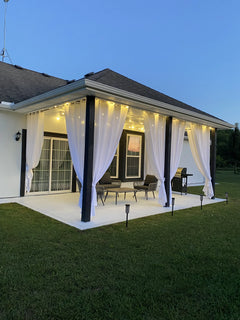
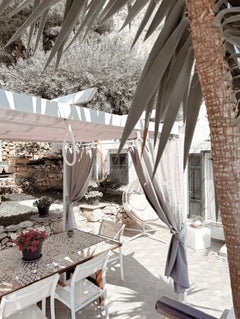
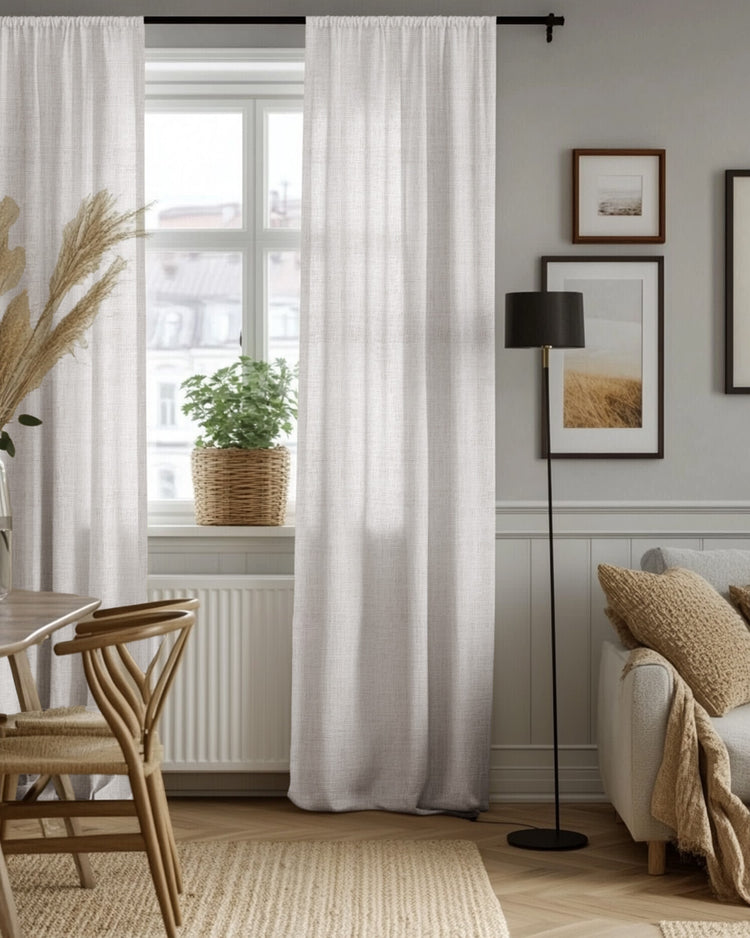
If your main problem is privacy on a porch, balcony, pergola, or side patio, outdoor curtains may be a better starting point. They can provide side screening, softness, and flexible coverage that an overhead sail cannot provide on its own.
You do not want to plan slope, runoff, or anchors
The most common shade sail problems usually come from planning, not fabric. A sail needs secure attachment points, enough height difference for drainage, and enough tension to stay smooth.
This is especially important for waterproof sails. A nearly flat waterproof sail can collect water, sag, and put unnecessary strain on the hardware. A better plan is to create a clear high side and low side so rain can move away from the fabric.
Shade sail vs pergola vs awning vs outdoor curtains
If you are still deciding whether a shade sail is the best use of your budget, compare it with the alternatives by function rather than appearance alone.

| Option | Best for | Main strengths | Main tradeoffs |
|---|---|---|---|
| Shade sail | Targeted sun relief over patios, decks, pools, and awkward layouts | Flexible placement, lighter visual footprint, often lower upfront cost | Needs good anchors, does not replace a roof, shade shifts during the day |
| Pergola | Homeowners who want a more permanent outdoor structure | Architectural look, strong presence, can support other upgrades | Higher cost, heavier build, less flexible for odd layouts |
| Retractable awning | Patios and decks attached to the house | Adjustable coverage, useful over doors and outdoor dining areas | Not ideal for every detached layout and still needs proper structure |
| Outdoor curtains | Porches, pergolas, balconies, and patios that need privacy or side coverage | Better for low sun, sightline control, and a softer finished look | Does not solve overhead sun by itself |
The phrase shade sail vs pergola is really a question about priorities. Choose a pergola when you want permanence, structure, and a more built-in outdoor room. Choose a shade sail when you want targeted coverage with less visual bulk and more flexibility around an unusual layout.
There is also room to layer solutions. Some patios use a sail for overhead sun and outdoor curtains for side privacy. Others use a pergola frame with fabric shade added underneath. The best answer is the one that matches how you actually use the space.
How to decide before buying a shade sail
Once you understand the pros and cons, use this simple checklist before ordering.
1. Define the main problem
Write down the real goal in one sentence:
- I need overhead shade for a west-facing seating area.
- I need light rain coverage over a small outdoor dining table.
- I need to reduce sun on a poolside lounge area.
- I need more privacy from a nearby window or street.
If your main goal is side privacy, a shade sail may not be the first product to compare.
2. Choose breathable or waterproof fabric
Breathable fabric is usually better for airflow and hot-weather comfort. Waterproof fabric is better when light rain coverage matters, but it needs a more deliberate slope and drainage plan.
3. Match the shape to the coverage zone
Do not choose a triangle only because it looks modern, or a rectangle only because it feels familiar. Choose the shape that covers the seating, dining, or walking area you care about most.
Also check the sun position during the hours you use the patio. The most attractive sail shape is not always the one that shades the right area at 4:30 p.m.
4. Verify the anchor points
Every corner needs a strong, sensible attachment point. Before ordering, ask:
- Do I already have strong support points?
- Will I need posts?
- Are the pull angles realistic?
- Can I create enough height difference for tension and runoff?
If those answers are unclear, use the shade sail measurement guide before choosing a final size.
5. Get help if the layout is awkward
A narrow patio, mixed wall-and-post install, or multi-level deck does not mean a shade sail will not work. It just means the planning matters more.
The free design service can help when you want a second opinion before committing to a custom configuration.
FAQ about shade sails
Are shade sails waterproof?
Some shade sails are waterproof, and some are not. Breathable sails are designed mainly for UV relief and airflow. Waterproof sails are designed to shed rain, but they need proper slope, tension, and drainage to work well.
Do shade sails hold up in wind?
They can, but wind performance depends on the fabric, hardware, anchor strength, tension, and local exposure. A protected backyard is very different from a rooftop deck, coastal yard, or open hillside.
What is the main disadvantage of a shade sail?
The main disadvantage is that it solves a specific shade problem rather than every outdoor comfort problem. It is not a roof, privacy wall, or storm shelter. It works best when you use it for targeted overhead shade.
Is a shade sail cheaper than a pergola?
Often, yes, especially if you already have good support points. A pergola is usually a larger structural project. However, once you add posts, hardware, engineering, and labor, a premium sail setup can become a more involved investment.
How long do shade sails last?
It depends on fabric quality, sun exposure, weather, hardware, installation, and maintenance. A well-planned sail in a mild location will usually have an easier life than a poorly tensioned sail in a windy, high-sun area.
Final takeaway: are shade sails worth it?
Shade sails are worth it when you want targeted overhead shade, good airflow, flexible placement, and a lighter look than a permanent structure. They are especially helpful for patios, decks, pools, and awkward outdoor layouts that do not suit a standard pergola.
They are not the best choice if you need full weather protection, strong side privacy, or a setup that ignores wind, runoff, and anchor quality.
The smartest order is simple: measure first, decide between breathable and waterproof fabric, match the shape to the coverage zone, and then compare products. Start with the shade sail measurement guide, review the custom sun shade sail collection, and use the free design service if your layout needs a second opinion before you buy.