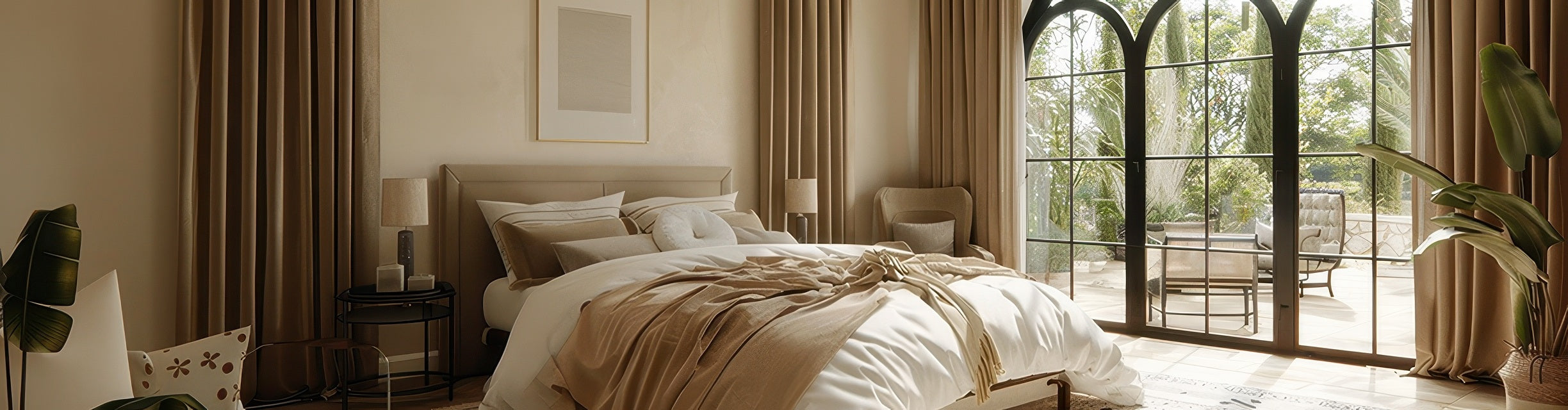
How to Add Texture and Warmth with Textiles in the Dining Room


In this article 6 sections
The dining room is often the most neglected space in the house. We spend thousands on dining tables and lighting fixtures, yet leave the windows bare or covered with cheap blinds. The result? A room that feels cold, echoes loudly, and looks unfinished.
There is a specific reason professionally designed dining rooms feel inviting while DIY rooms often feel "off." The secret isn't the furniture—it’s the fabric. Specifically, custom drapery that brings acoustic softness and visual weight to the space.

Why Off-the-Shelf Curtains Fail in Dining Rooms
Let’s address the elephant in the room: standard retail curtains rarely work in a main living space. The issue isn't just color availability; it is scale.
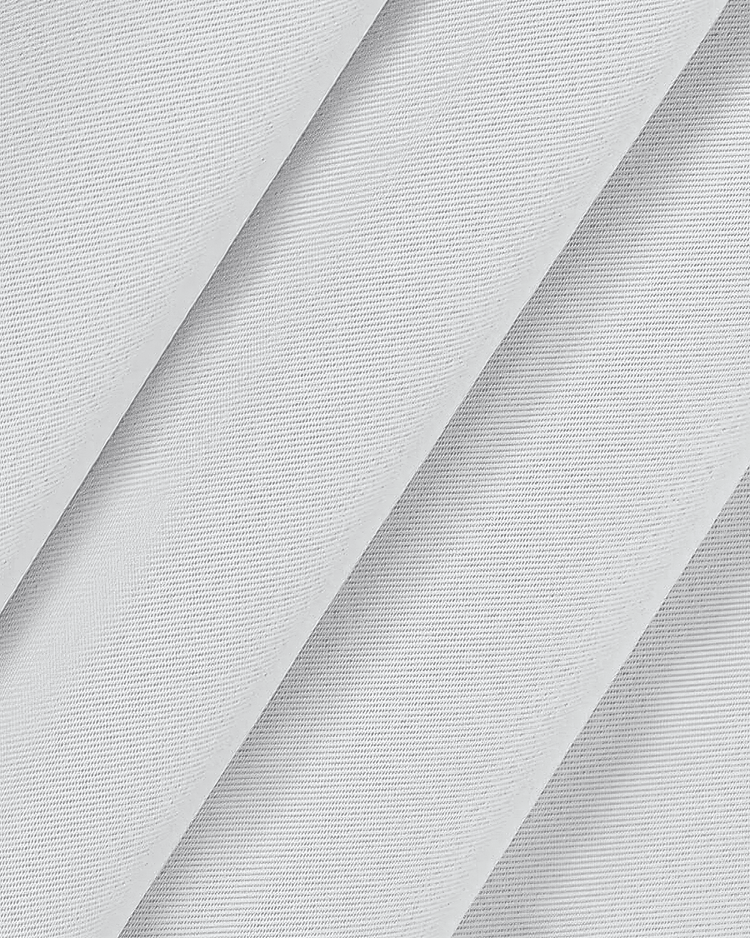
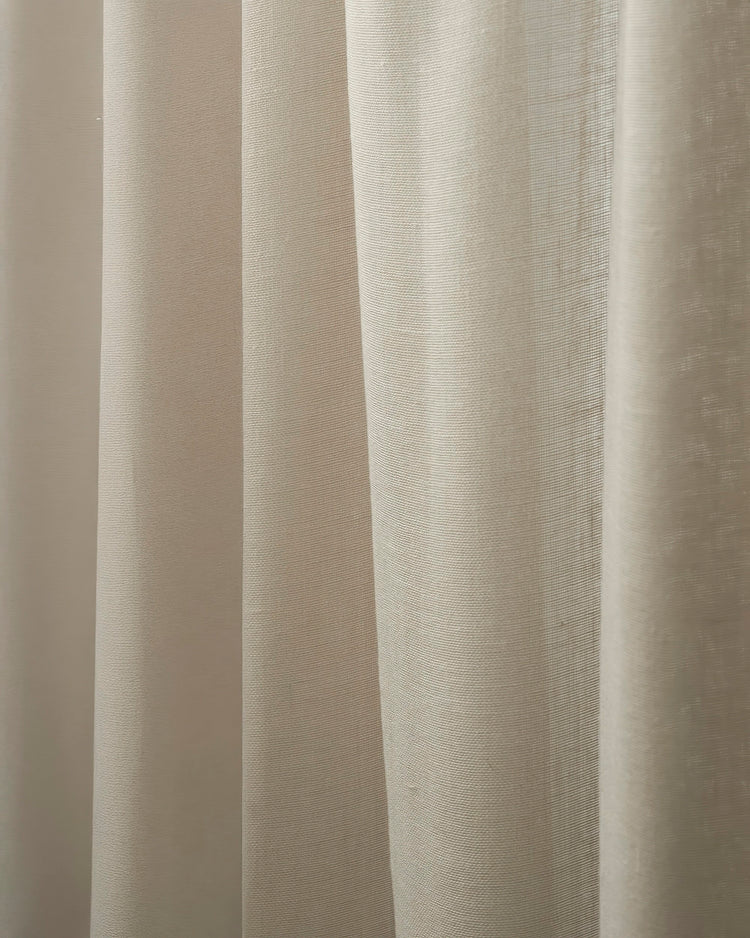
Standard panels are typically 50 inches wide. When you close them over a standard American dining window, they pull flat, losing all their pleating and elegance. They look like sheets tacked to a wall. Custom curtains offer proper fullness—meaning the fabric maintains its beautiful, rippled folds even when closed. This is the difference between a "dorm room" look and a "designer" look.
The Functional Argument: Acoustics and Privacy
Decorating is about more than aesthetics; it is about how a room feels to live in.
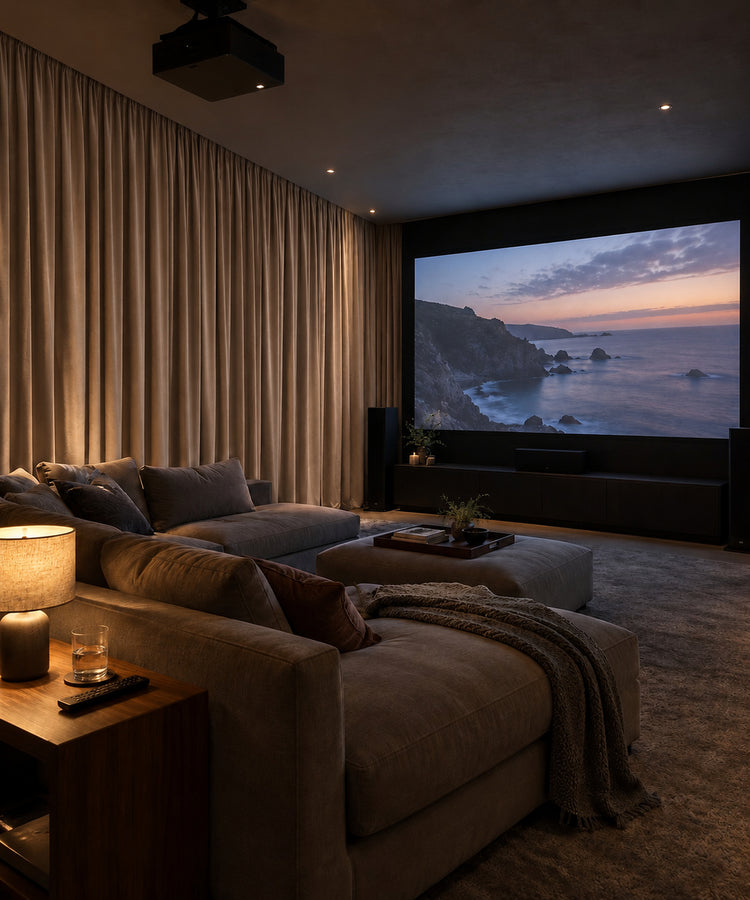
- The Echo Effect: Modern homes with open floor plans, hardwood floors, and glass windows are acoustic nightmares. Heavy, custom-lined drapes absorb sound, making dinner conversation clearer and more intimate.
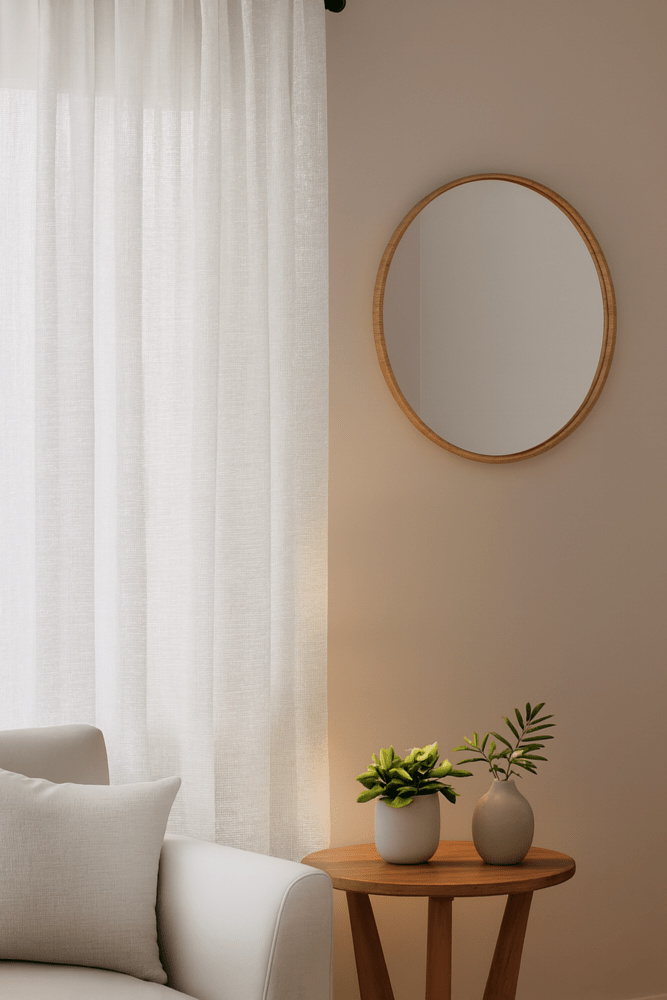
- The "Fishbowl" Problem: You want sunlight during brunch, but you don't want your neighbors watching you eat dinner. Custom drapery allows you to layer—pairing light-filtering sheers for the day with privacy-lined panels for the evening.
Matching Fabric to Your Lifestyle

A common mistake is trying to match your curtains perfectly to your rug or upholstery. Avoid this. It makes the room look like a hotel lobby, not a home.
Instead, aim for contrast in texture:
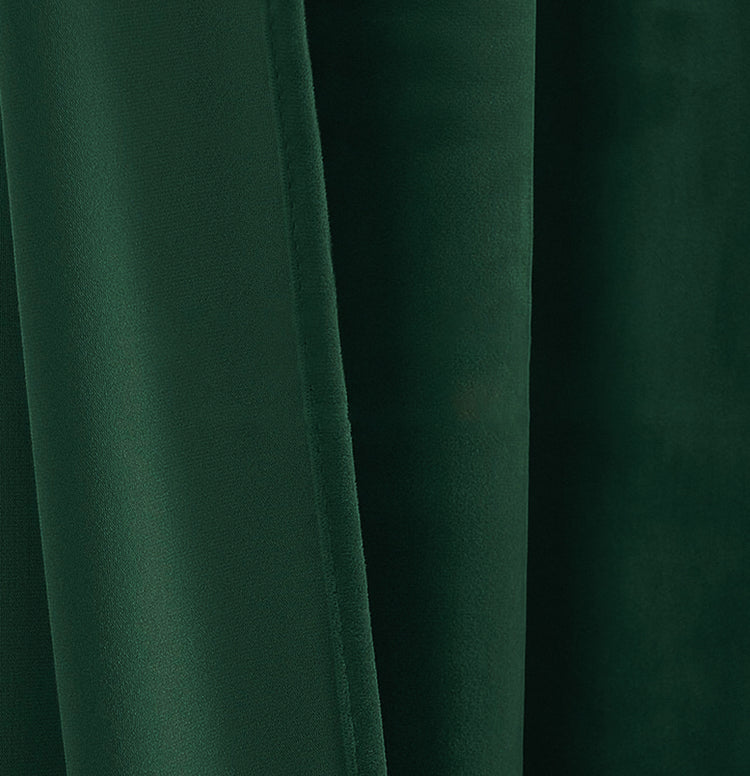
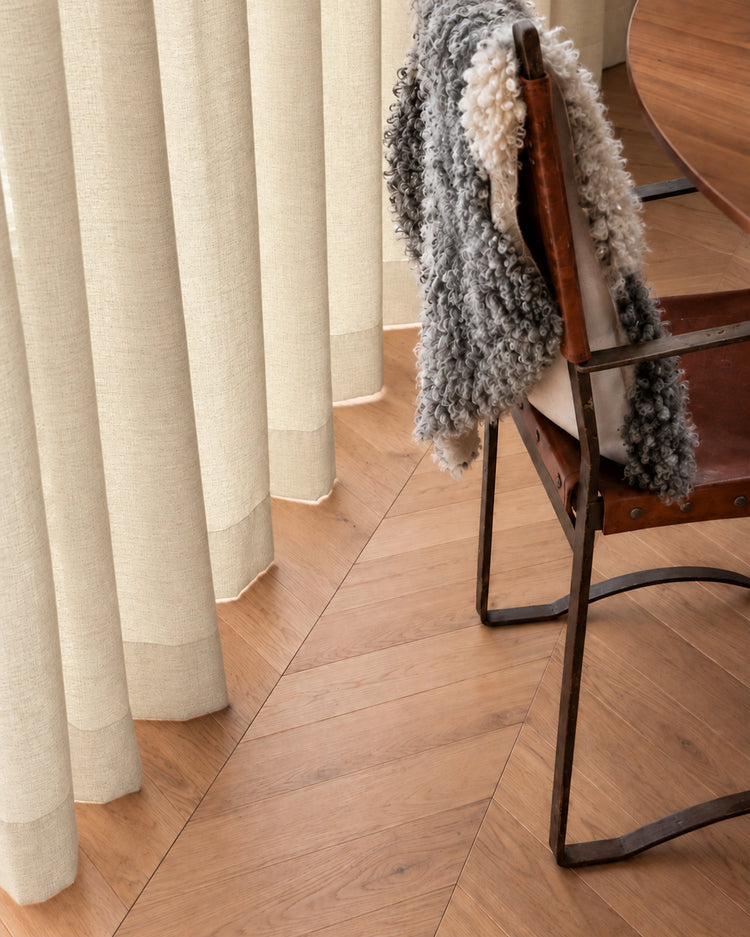
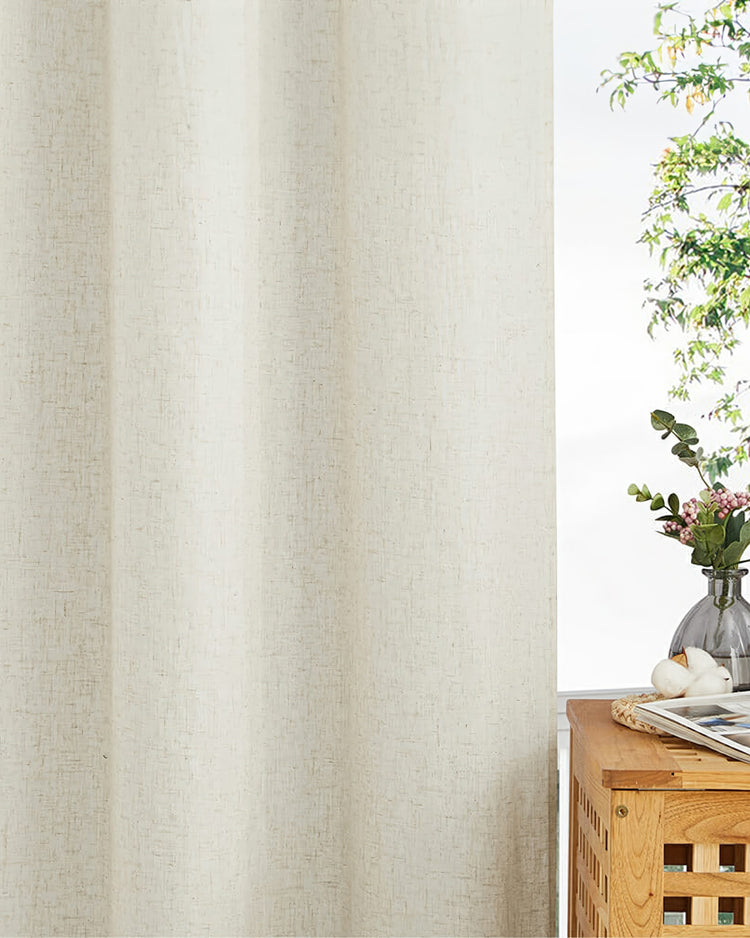
- If your table is heavy wood and chairs are leather: Soften the room with a Linen or Velvet drape to break up the hard surfaces.
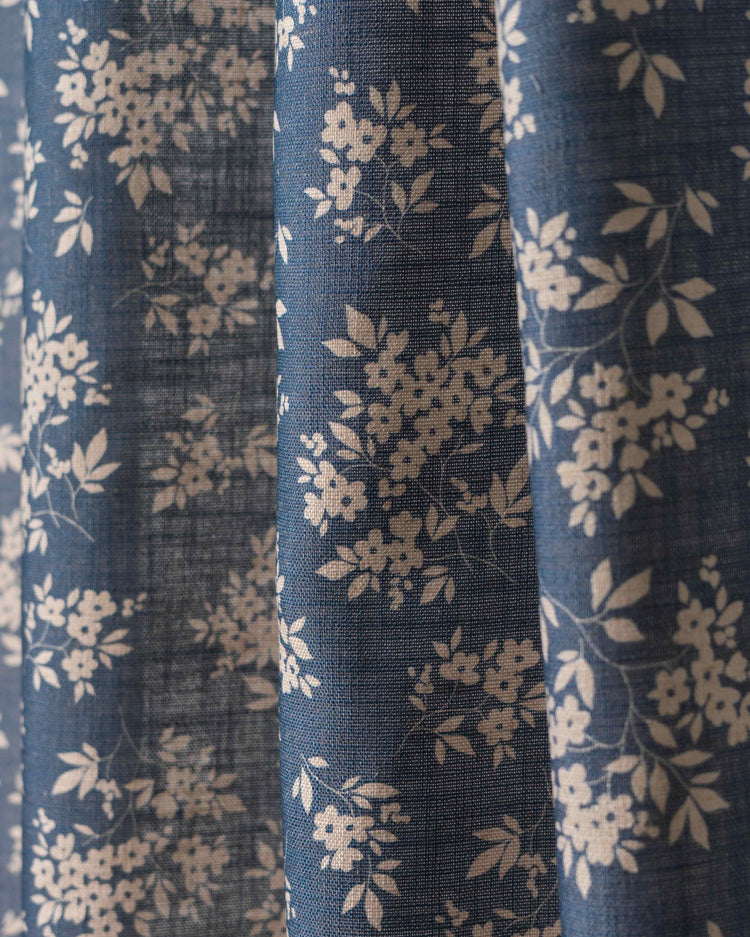
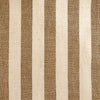
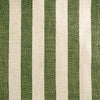
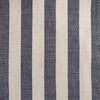
- If your room is neutral: Use the curtains to introduce a subtle weave or a deep, grounding tone like charcoal, navy, or olive.
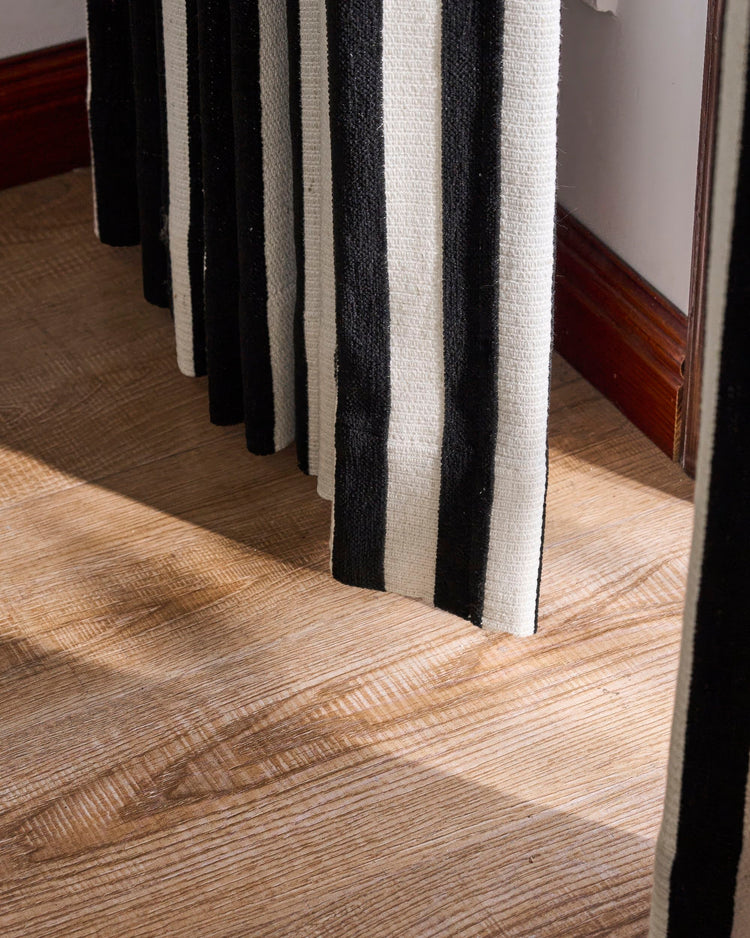
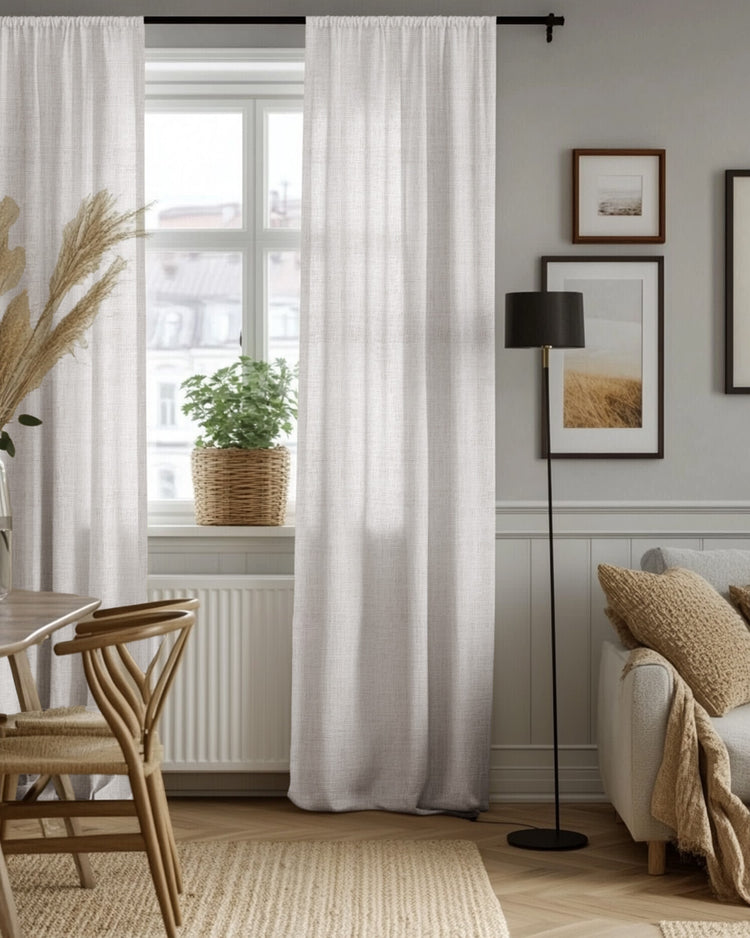
- The "Puddle" Debate: In high-traffic dining rooms, avoid pooling fabric on the floor (which collects dust). Aim for a "kiss" length—where the fabric hovers less than half an inch off the floor for a tailored, clean line.
The Rule of Height
The single biggest trick designers use? Hang it high. Do not mount your curtain rod directly above the window frame. Mount it 6 to 12 inches higher (or just below the crown molding). This draws the eye upward, making your dining room ceilings feel taller and the room more grand.

 100% Blackout
 Better sleep
 Noise Reducing
 Energy Saving
Refining the Details: Texture Over Pattern
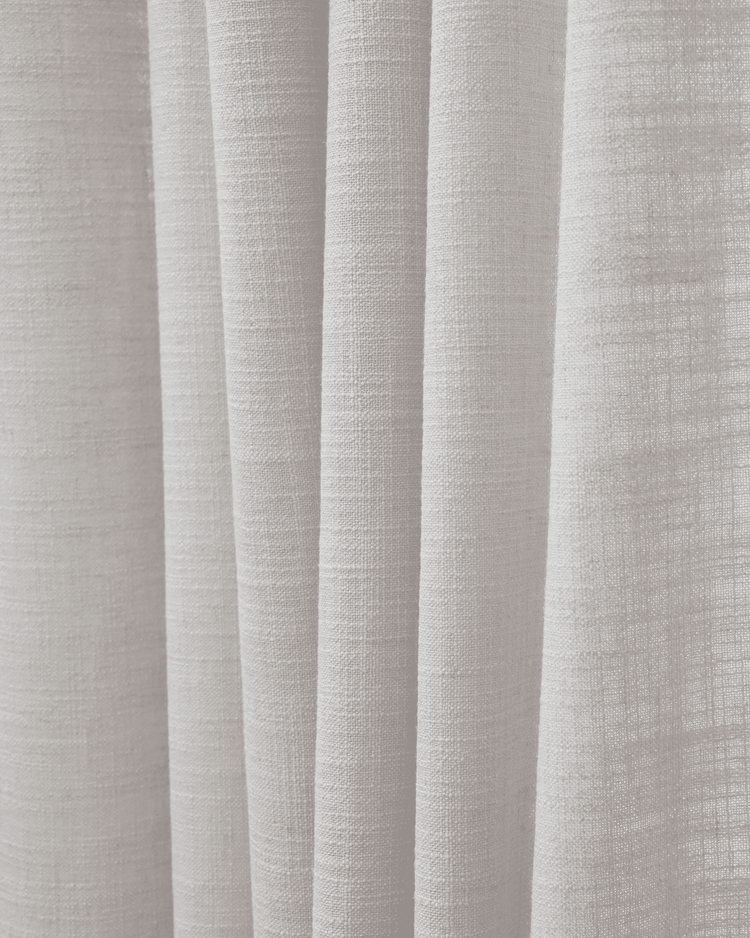
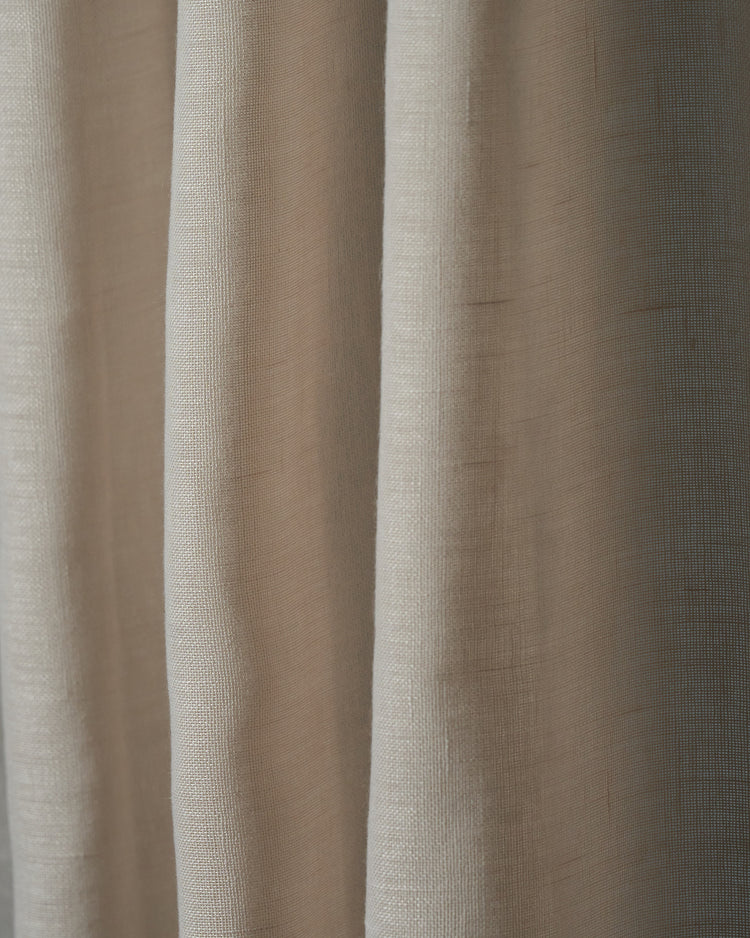
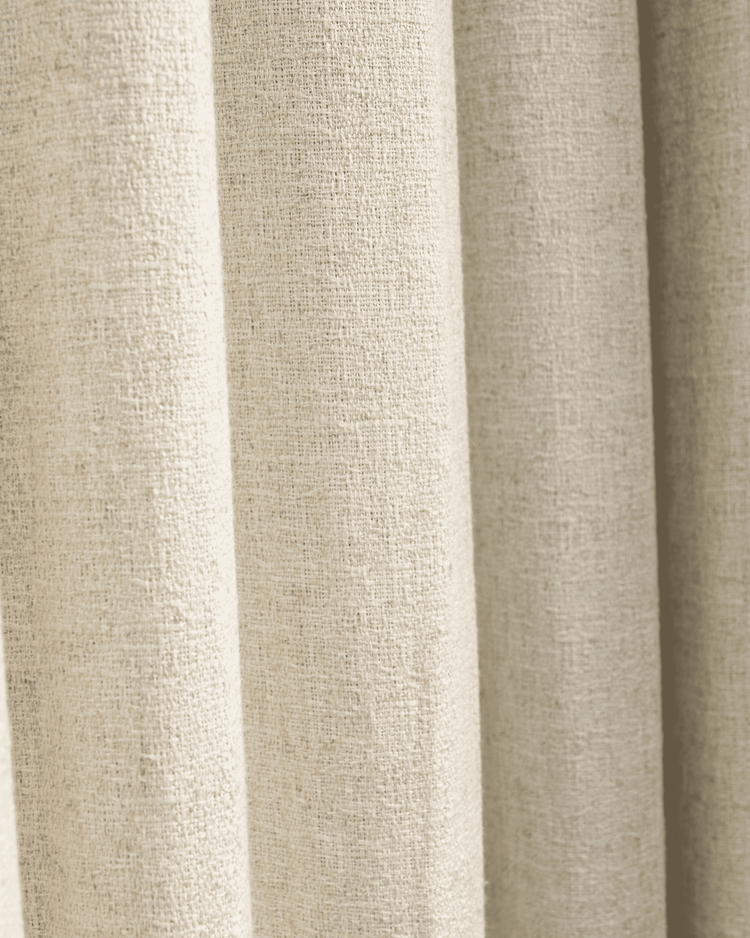
In a dining room, texture often screams "luxury" louder than bold patterns. A solid-colored curtain with a rich weave—like a slubbed linen blend or a heavy cotton velvet—adds sophistication without dominating the room.
Light colors expand the space and feel airy, while darker tones create a cozy, "supper club" atmosphere. Trust your gut, but ensure the fabric has enough weight to hang straight. Flimsy fabric is the enemy of elegance.
It’s Not Just "Decor"—It’s an Investment

Many homeowners hesitate to put fabric in a dining room because they worry about maintenance. The reality? High-quality custom blends are durable. They don't need to be washed weekly; a simple vacuum with a brush attachment keeps them dust-free.
Don’t let your dining room be an afterthought. By framing your windows with intentional, well-fitted drapery, you aren't just covering glass—you are finishing the room.