How to Make the Right Choice Between Blinds and Shades


In this article 9 sections
- Quick Comparison: The "Cheat Sheet"
- The Core Difference: Structure vs. Material
- Round 1: Light Control & Privacy
- Round 2: Cleaning & Maintenance
- Round 3: Energy Efficiency
- Round 4: Modern Safety & Smart Tech
- The "Hybrid" Option: Zebra Shades
- Price Check: What to Expect
- Installation: Inside vs. Outside Mount
Quick Comparison: The "Cheat Sheet"
| Feature | Blinds (Hard Slats) | Shades (Soft Fabric) |
|---|---|---|
| Light Control | Excellent. Tilt slats to direct light without raising. | Good. Usually all-or-nothing (unless you choose Zebra shades). |
| Privacy | Good, but slats have tiny gaps. | Complete solid coverage when lowered. |
| Insulation | Poor. Air flows through slats. | Superior. Cellular shades can reduce energy loss by 40%+. |
| Cleaning | High maintenance. Dust settles on every slat. | Low maintenance. Vacuum occasionally; stains are harder to remove. |
| Best For | Kitchens, Bathrooms, Offices. | Bedrooms, Living Rooms, Nurseries. |
The Core Difference: Structure vs. Material
The choice between blinds and shades isn't just aesthetic—it's mechanical.
- Blinds are "Hard" Treatments: Made of wood, metal, or vinyl slats. They allow you to tilt light. You can see out while preventing people from seeing in.
- Shades are "Soft" Treatments: Made of continuous fabric. They offer a cleaner look and better insulation, but generally, they are either "up" or "down."

Round 1: Light Control & Privacy
Winner: Blinds (usually)
Blinds are the ultimate tool for light management. By tilting slats 45 degrees, you can bounce natural light onto your ceiling—illuminating the room without glare on your TV or computer screen. This makes them the top choice for home offices and street-facing windows.
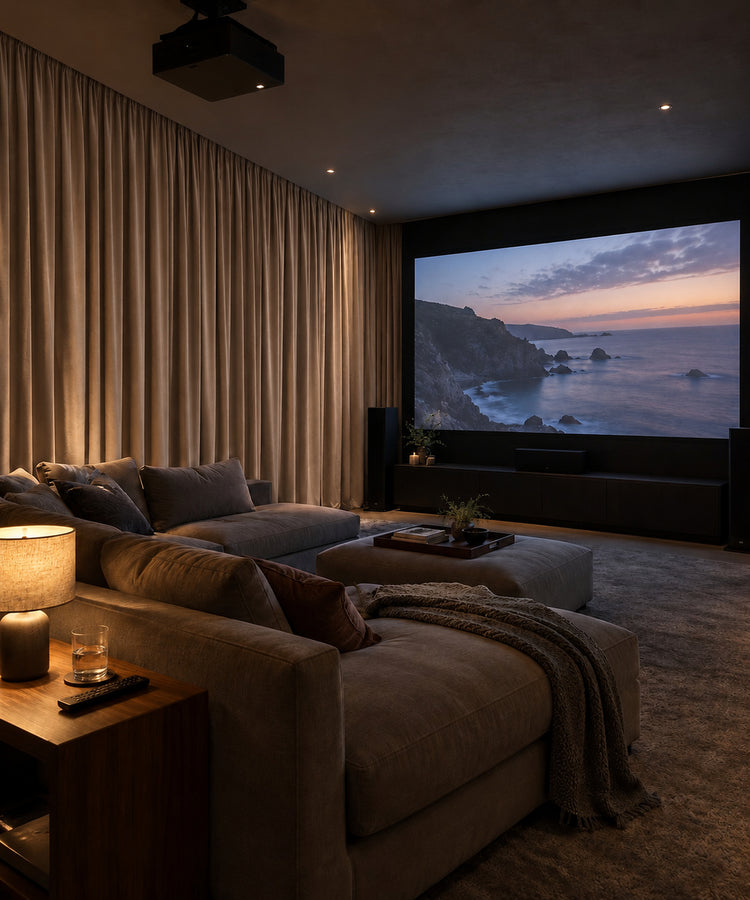
The Exception: If you need 100% darkness (for a nursery or home theater), shades win. A blackout roller or cellular shade blocks light more effectively than blinds, which always have tiny "light bleed" gaps between the slats.
Round 2: Cleaning & Maintenance
Winner: Shades
Let's be honest: Cleaning blinds is a chore. Dust settles on every single horizontal slat. To clean a standard blind, you are cleaning 50+ individual surfaces.
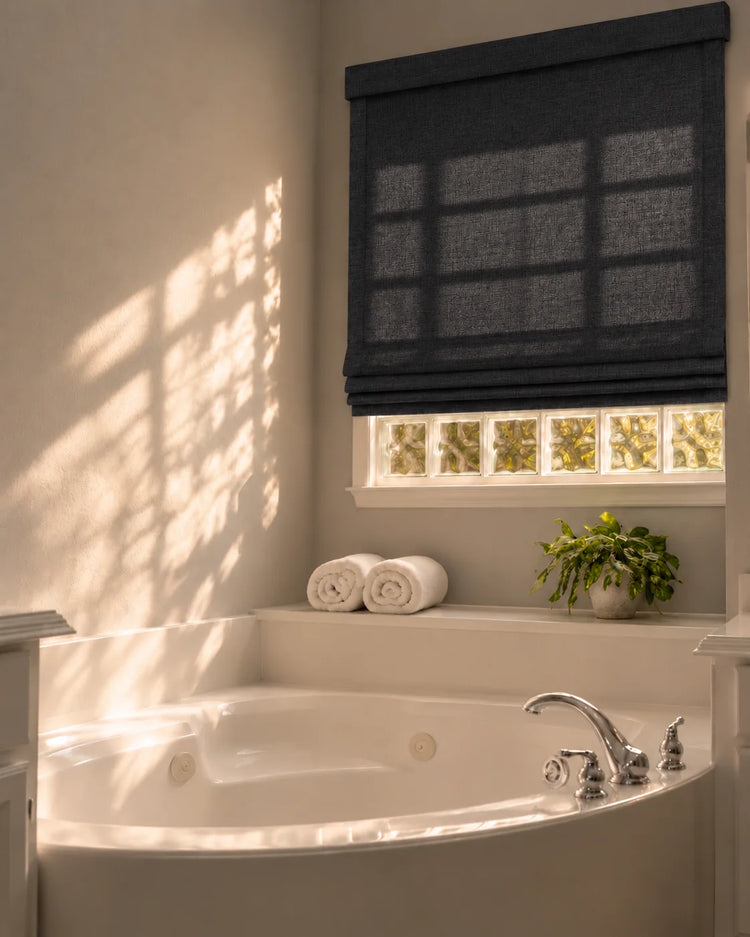
Shades are largely "set it and forget it." A quick swipe with a vacuum brush attachment once a month keeps them fresh. However, a warning: Kitchen grease and fabric don't mix. If you are covering a window above a sink or stove, stick to faux-wood blinds or wipeable vinyl roller shades. Fabric shades in a kitchen will trap odors and stains.

Round 3: Energy Efficiency
Winner: Cellular Shades
If your goal is to lower your electricity bill, blinds won't help you. They have too many gaps.
Cellular (Honeycomb) Shades are engineered for insulation. Their unique hexagonal shape traps dead air, creating a thermal barrier against your cold window glass in winter or hot sun in summer. In extreme climates, switching to cellular shades can noticeably alter the room's temperature.
Round 4: Modern Safety & Smart Tech
Winner: Tie (As long as you go Cordless)
Old-school dangling cords are a major strangulation hazard for pets and children. In the US, the industry standard has shifted heavily toward Cordless systems. Whether you choose blinds or shades, ensure you are buying "Cordless Lift" or motorized options.
The "Smart" Advantage
Shades often integrate better with smart home tech (Alexa/Google Home) because the motor only has to lift the weight of fabric. Smart blinds are available, but often more expensive because the motor must handle both tilting and lifting heavy slats.

The "Hybrid" Option: Zebra Shades
Feel stuck between the two? Look at Zebra (Dual Sheer) Shades. These use alternating bands of sheer and solid fabric. You can align the bands to see out (like open blinds) or offset them for privacy (like a closed shade). They offer the modern look of a roller shade with the functionality of a blind.
Price Check: What to Expect
Avoid the "bargain bin" trap. Cheap vinyl blinds ($15 range) will yellow and warp quickly. For a standard window in a US home, here is realistic pricing for quality that lasts:
- Budget Friendly ($30 - $60): Aluminum Mini Blinds, Basic Vinyl Roller Shades.
- Mid-Range ($50 - $100): Faux Wood Blinds, Cellular Shades, Zebra Shades.
- Premium ($100 - $200+): Real Wood Blinds, Roman Shades, Motorized Options.

 Drill-Free Installation
 Cordless option
 Eco-friendly woven
 Motorized Option
Installation: Inside vs. Outside Mount
Before you buy, decide on the mount. This changes how you measure.
- Inside Mount: The blind fits inside the window frame. This looks cleaner and custom-made. Requirement: You need at least 2-3 inches of window depth.
- Outside Mount: The blind mounts on the wall above the window. This blocks more light and hides ugly window trim. It also makes small windows look larger.
Pro Tip: Most retailers deduct a small amount (about 1/4 inch) from your measurement for inside mounts to ensure a smooth fit. Don't do the math yourself—give them the exact window opening size.