How to Soundproof a Bedroom?


In this article 2 sections
There are few things worse than finally drifting off to sleep, only to be jolted awake by a car alarm, a noisy neighbor, or a barking dog. Noise pollution isn't just an annoyance; it’s a health issue. To protect your sleep quality, you need to turn your bedroom into a sanctuary. While "soundproofing" is a technical term often reserved for recording studios, there are effective, budget-friendly ways to significantly reduce noise and dampen echoes in your home without tearing down drywall.
Understanding the Basics: Blocking vs. Absorbing
Before you start buying materials, it's important to understand how sound works. There are two main goals in a quiet bedroom:
- Sound Blocking (Sound Isolation): Preventing noise from entering the room (e.g., thick walls, sealed gaps).
- Sound Absorption: Reducing the echo and "reverberation" inside the room so noises don't bounce around and sound louder.
Most effective bedroom makeovers use a combination of both. Here are seven practical methods to create a quieter sleep environment.

7 Tips to Quiet Your Bedroom
1. Upgrade to Heavy Sound-Dampening Curtains
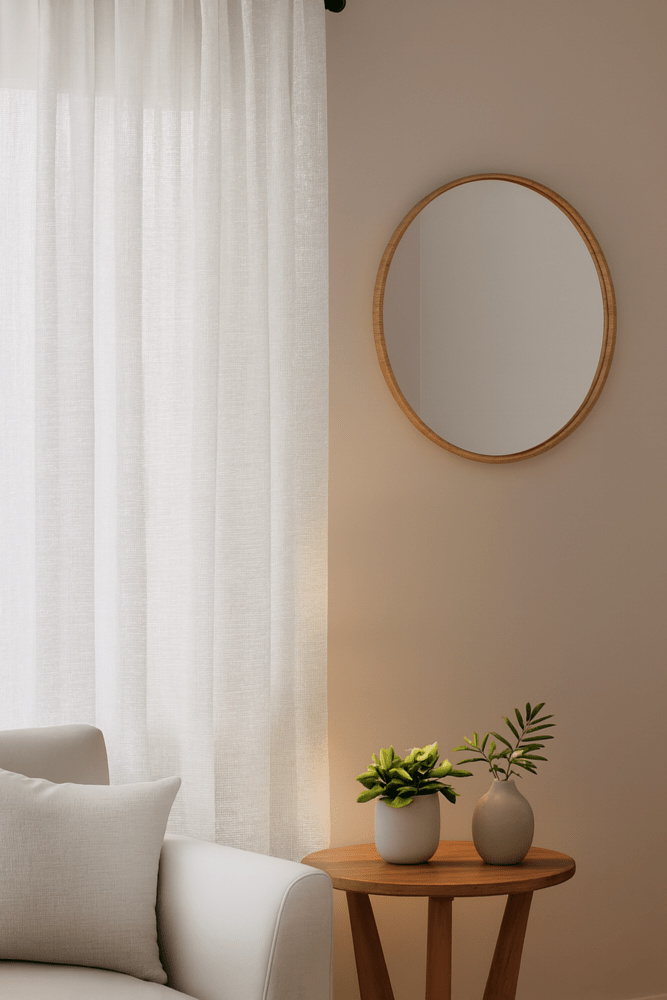
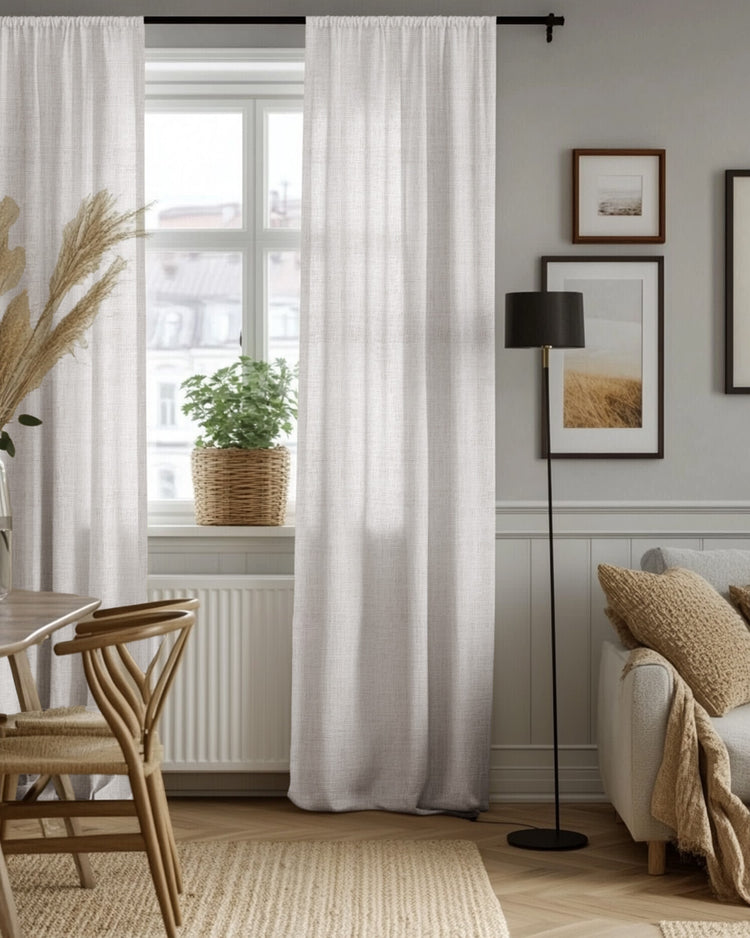
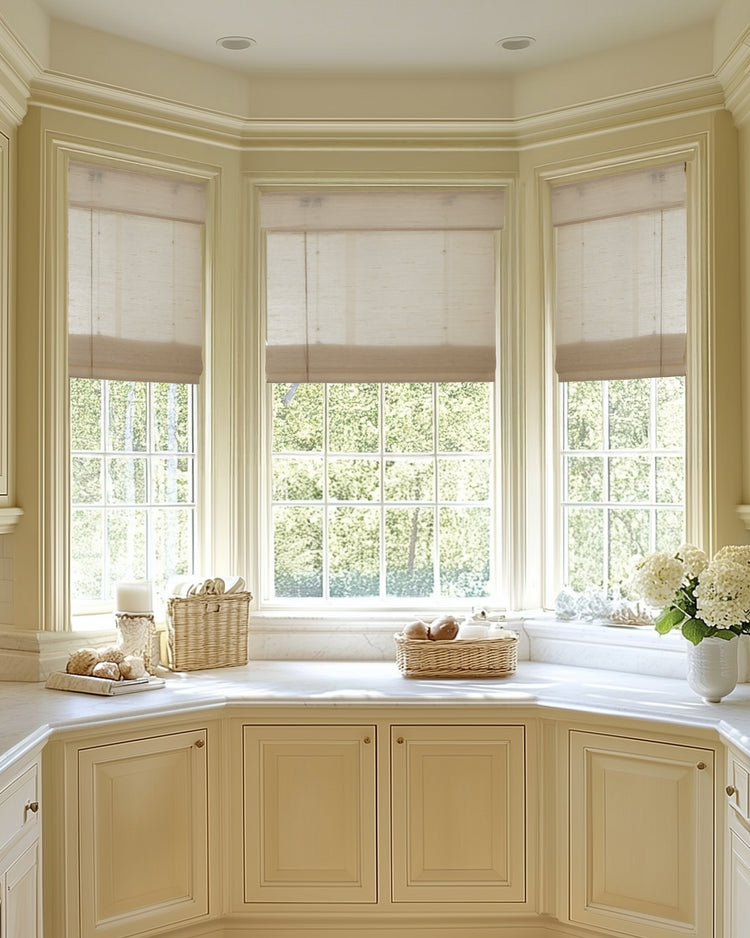
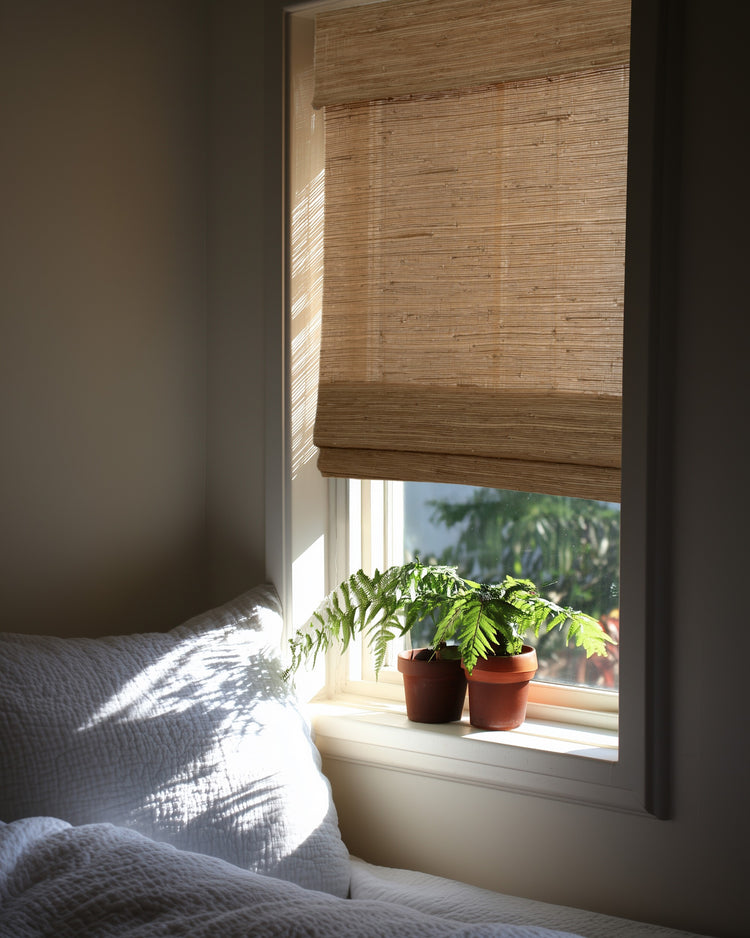
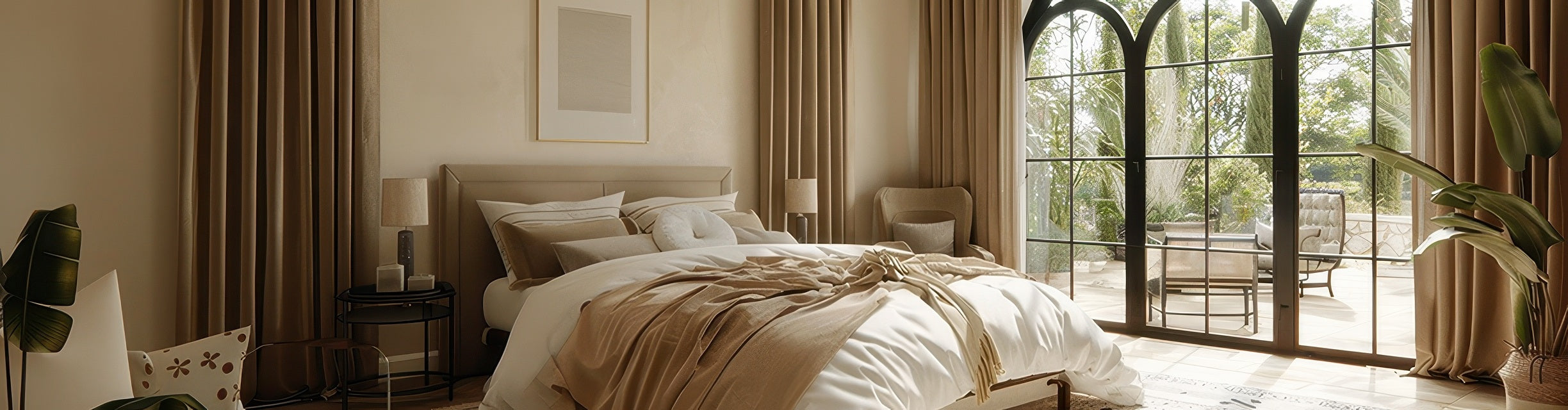
Windows are usually the weakest link in a bedroom when it comes to noise. Standard thin blinds do almost nothing to stop sound waves. Replacing them with high-quality soundproof curtains is one of the most effective upgrades you can make without construction.
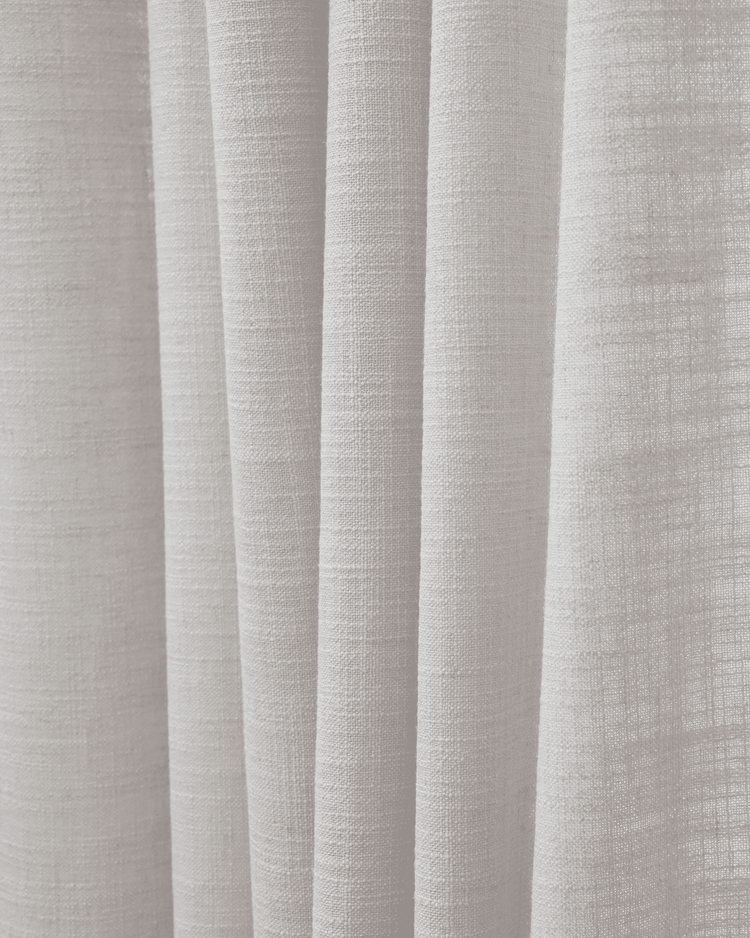
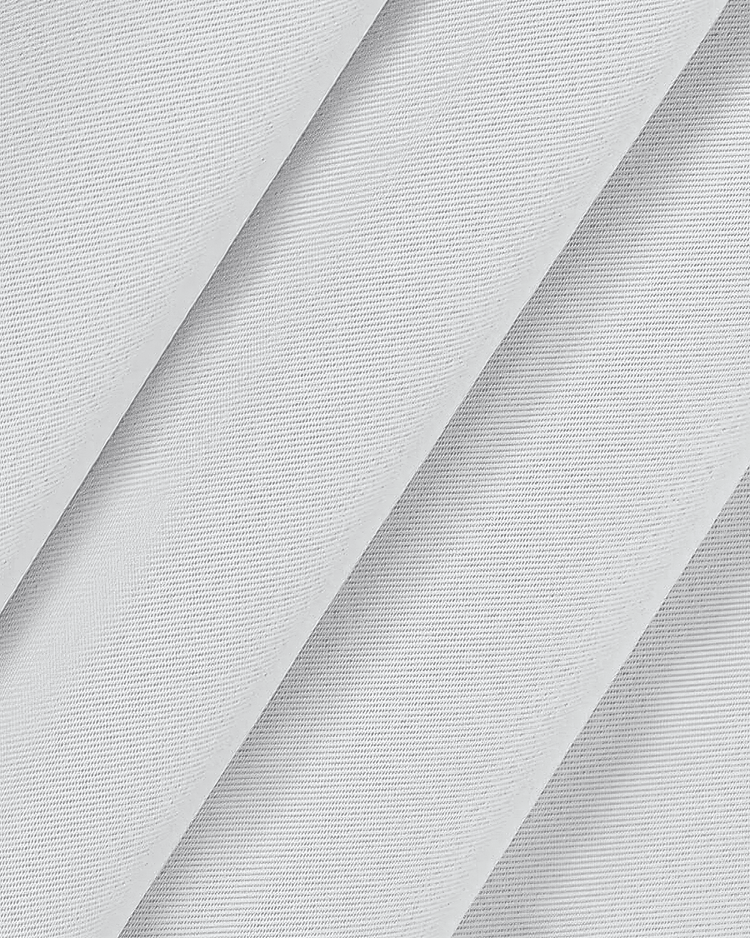
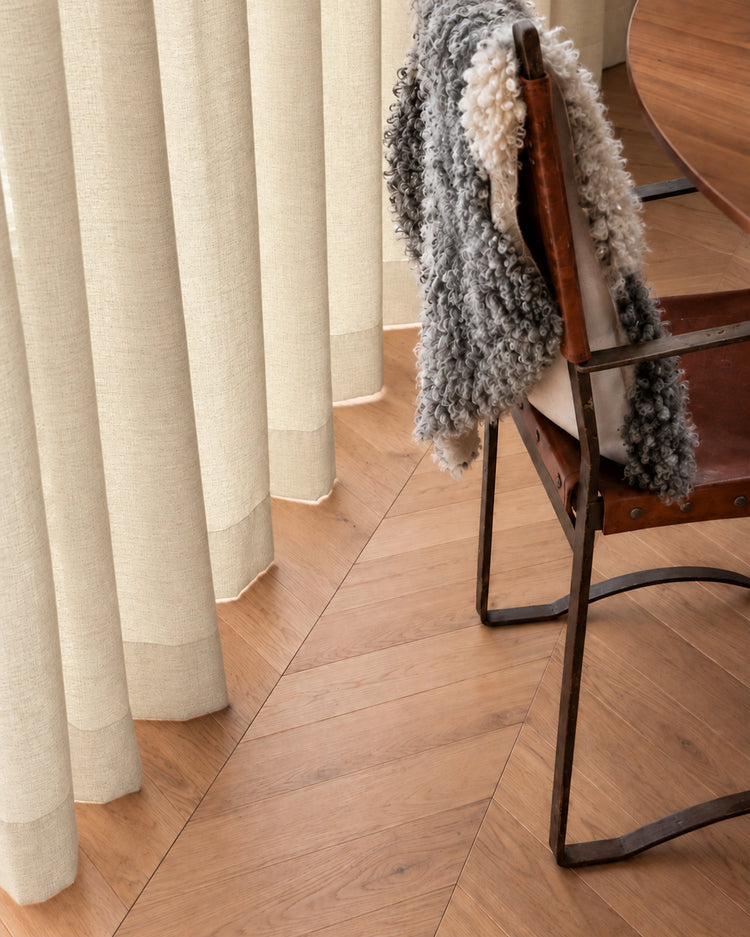
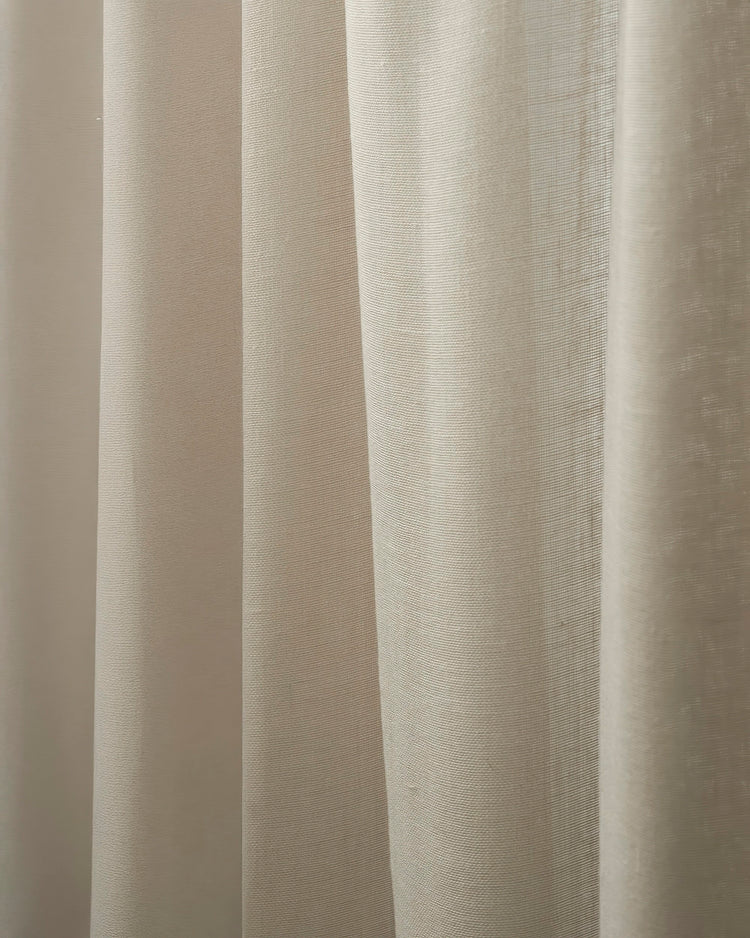
These curtains work by adding mass and density to your window area. The thick, multi-layered fabric dampens vibrations and absorbs sound waves that would otherwise bounce off the glass. As a major bonus, soundproofing curtains from brands like TheHues are excellent at blocking light (blackout), which is equally critical for deep REM sleep. They also offer thermal insulation, keeping your room cooler in summer and warmer in winter.

 100% Blackout
 Better sleep
 Noise Reducing
 Energy Saving
2. Seal the "Sound Leak" Under the Door
If you can see light coming through the gap under your bedroom door, sound is pouring in, too. Sound travels like water; it will find the easiest path through any crack.
The Fix: Install a door sweep or a draft stopper. This seals the gap between the door bottom and the floor. It is a cheap, five-minute fix that makes an immediate difference in blocking hallway noise, conversation, or television sounds from the rest of the house.
3. Use Door Curtains for Layered Protection
Internal hollow-core doors (standard in many US homes) are terrible at blocking noise. If you cannot replace the door with a solid-core wood door, you can add mass to it.
Hanging door curtains creates a secondary barrier. By installing a rod above the door frame and draping a heavy curtain over the door, you create an air pocket that traps sound. This not only muffles noise from the living room or hallway but also adds a cozy, textured look to your interior design.
4. Rearrange Furniture Strategically
You can use your existing furniture as a sound barrier. If you share a wall with a noisy neighbor or a loud living room, move your heaviest furniture—like fully loaded bookshelves, dressers, or wardrobes—against that shared wall.
The added mass of the furniture and the items inside it will help absorb vibrations and block some of the sound transfer. Conversely, try to position your bed on the quietest wall of the room, as far away from the noise source as possible.
5. Soften Hard Surfaces with Rugs
Hardwood and laminate floors look great, but they act like a mirror for sound, reflecting noise and making a room feel "loud." If you drop a phone on a hardwood floor, it creates a sharp clatter. On a carpet, it’s a dull thud.
Installing wall-to-wall carpeting or adding thick, high-pile area rugs with a dense underpad can dramatically change the acoustics of a bedroom. This absorbs foot traffic noise and prevents airborne sounds from reverberating around the room.
6. Consider Ceiling-Mounted Room Dividers
In large bedrooms or studio apartments, sound can travel freely across the open space. Hanging ceiling-mounted curtains can act as a room divider that softens the acoustics.
While they won't block a jackhammer outside, heavy fabric suspended from the ceiling reduces the volume of the room, meaning there is less air for sound to bounce through. This creates a "cocooning" effect around your bed, which psychologically and physically helps create a quieter atmosphere for sleep.
7. Add Acoustic Wall Panels
If you have thin walls, you might consider acoustic treatments. While "soundproof wallpaper" is mostly a myth, acoustic panels are real. These are foam or fabric-wrapped boards that you adhere to your walls.
These panels are designed to stop sound reflection. By mounting them on walls where sound tends to bounce (like behind your bed or opposite a TV), you clarify the sound inside your room and reduce the "bleed" of noise. For a more design-friendly approach, upholstered fabric wall tiles can serve as both a headboard and a sound absorber.