Soundproof Curtains for Content Creators: A Guide for Home Studios


If you are a musician, producer, or content creator, you know that the room you record in matters just as much as the microphone you use. You don't need a million-dollar facility to get great sound, but you do need to control your environment. For home studios—whether you are tracking vocals, mixing beats, or streaming on Twitch—the biggest enemies are external street noise and internal room echo (reverberation). This is where heavy-duty soundproof curtains come in. They are the most cost-effective way to "dry out" your room's sound and lower the noise floor. Here is the no-nonsense guide to optimizing your home studio with acoustic curtains.
Real Talk: What Does "Soundproofing" Actually Mean?
In the world of audio, terms get thrown around loosely. True "soundproofing" (Sound Isolation) means decoupling walls and building a room-within-a-room to stop physics-defying vibrations. That requires construction. However, for most home studios, the goal is actually Acoustic Treatment and Noise Dampening. High-quality soundproof curtains act as a barrier that dampens sound waves entering the room (like traffic hum) and, crucially, absorbs sound waves inside the room so they don't bounce off hard glass windows and ruin your recording.
Why Your Studio Needs Acoustic Control
The "room tone" can make or break a recording. If you have ever heard a podcast that sounds "boxy" or a vocal track with a metallic ring to it, that is the sound of poor acoustics. Hard surfaces like windows and drywall reflect sound, creating echoes that confuse the listener's ear. By installing proper acoustic curtains, you achieve two things: first, you lower the ambient noise floor by dampening outside interference; second, you kill the reverb, resulting in that tight, professional, "dry" studio sound that makes mixing infinitely easier.
Soundproofing vs. Acoustic Treatment: The Distinction
To build a great studio, you need to understand the difference. Soundproofing stops sound from entering or leaving (isolation). Acoustic Treatment controls how sound behaves inside the room (absorption). Heavy curtains are a hybrid solution. They offer a layer of isolation by adding mass to your windows (blocking some outside noise), but their primary superpower is absorption. They stop your vocals from bouncing off the glass and slapping back into the microphone. Using them correctly bridges the gap between a noisy bedroom and a treated workspace.
How to Maximize the Effect of Soundproof Curtains
Simply hanging a sheet up won't work. To get actual acoustic results, you need to treat these soundproofing curtains as a technical tool. They significantly reduce high and mid-frequency reflections, making your recordings sound clear and intimate. Here is how to configure them for a professional setup.

1. Measure for "Fullness" (Crucial Step)
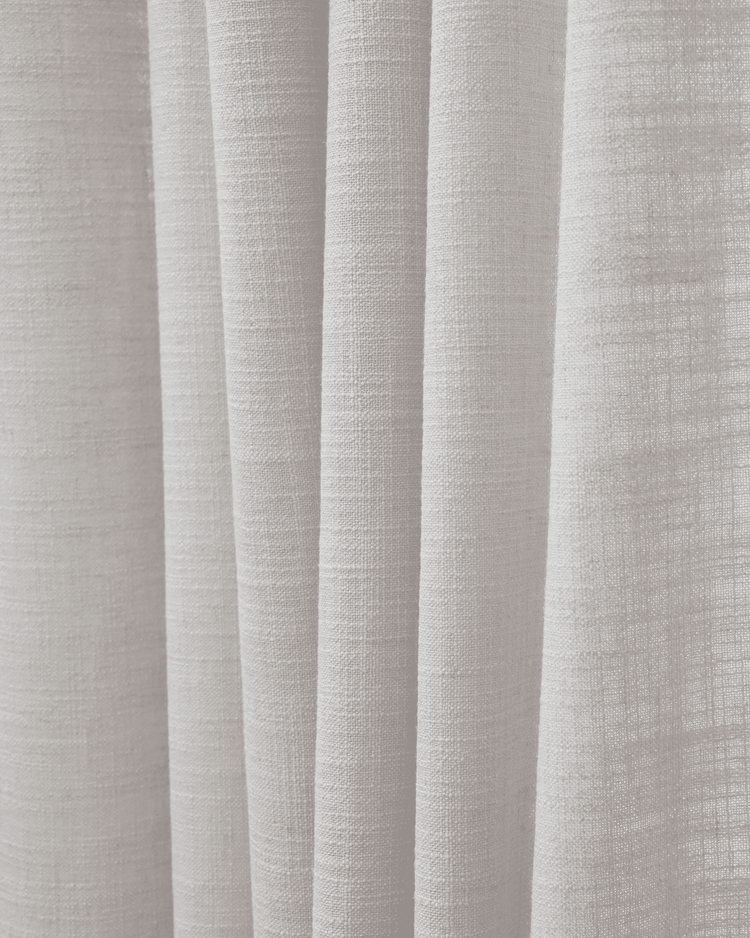
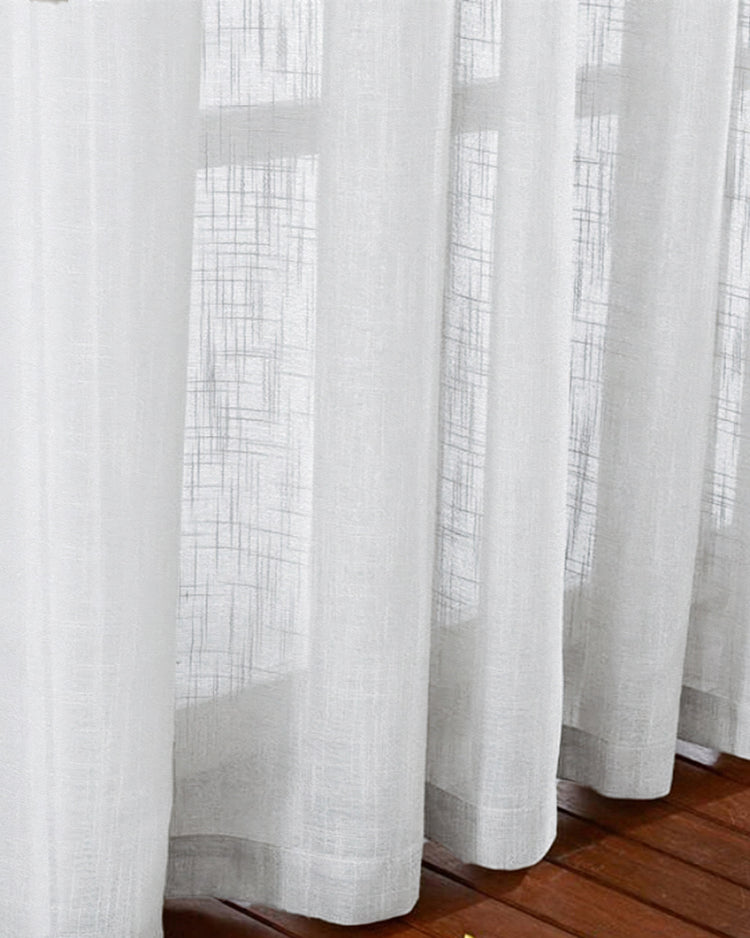
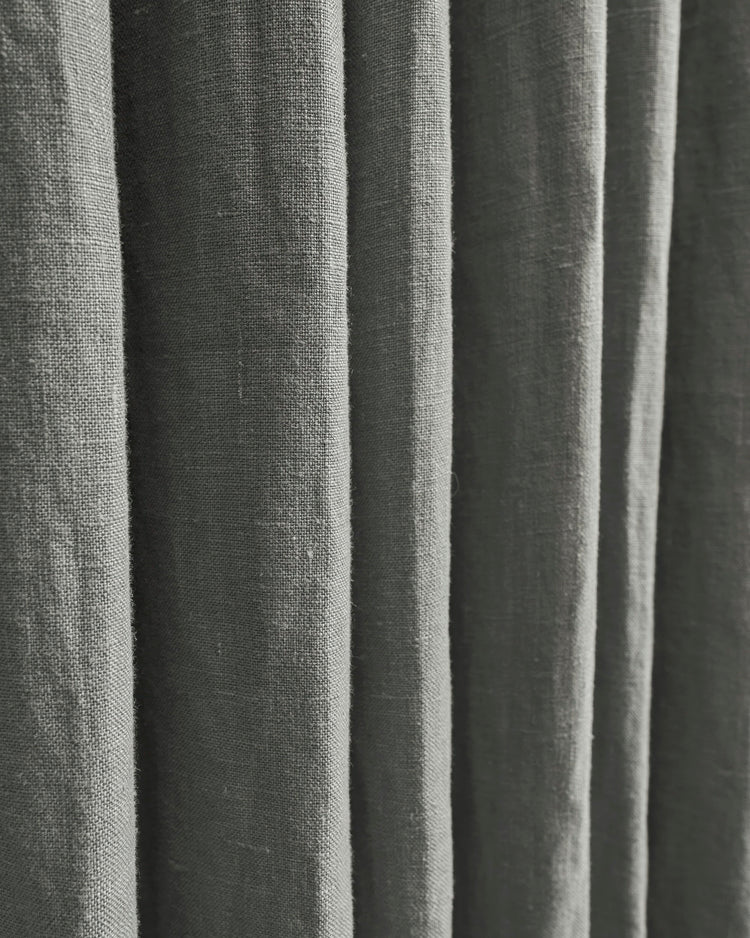
This is the most common mistake beginners make. Do not just measure the width of the window. For acoustic damping, curtains need to be pleated (wavy), not flat. Sound waves get trapped in the folds of the fabric. You should aim for a total curtain width that is 1.5x to 2x wider than the space you are covering. If your window is 50 inches wide, you want 75 to 100 inches of curtain width to ensure those deep, sound-absorbing pleats exist even when the curtains are closed.
2. Choose High-Density Materials
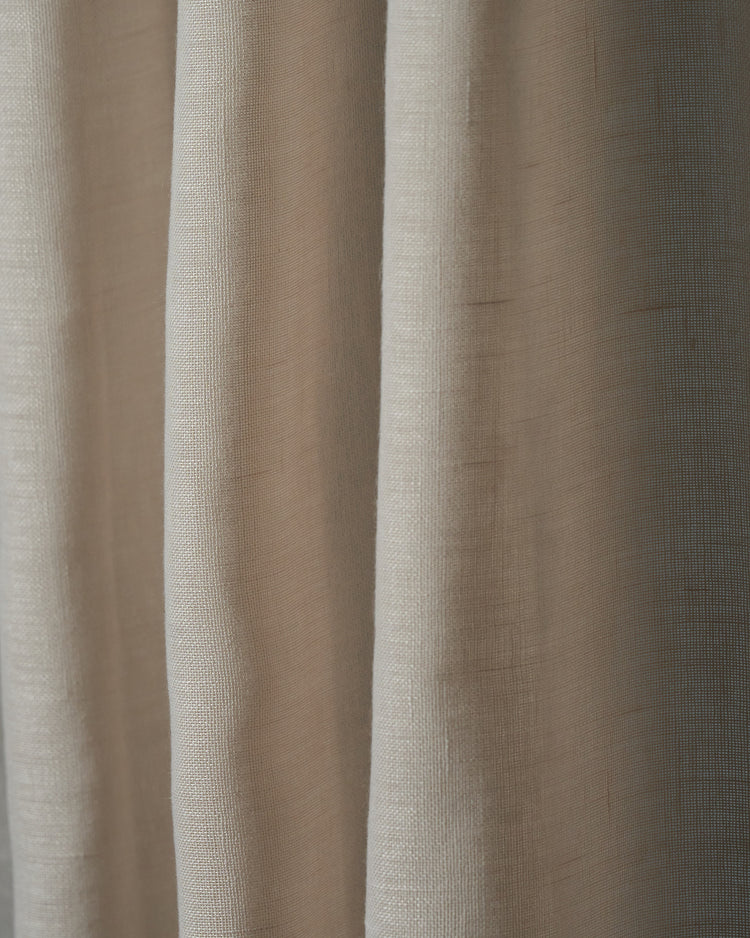
In acoustics, mass is king. Lightweight curtains are useless for audio. You need high-density, heavy fabrics. While velvet and suede are aesthetically pleasing, the internal construction matters most. You want curtains specifically engineered as soundproof curtains with multi-layer density. The heavier the curtain, the more kinetic energy (sound) it can absorb before that sound reflects back into your microphone.
3. The "Seal" Installation Method
It isn't rocket science, but the installation technique defines the performance. Sound acts like water; it will leak through any gap. To maximize performance:
- Go High and Wide: Install the rod 4-6 inches above the window frame and extend it past the sides.
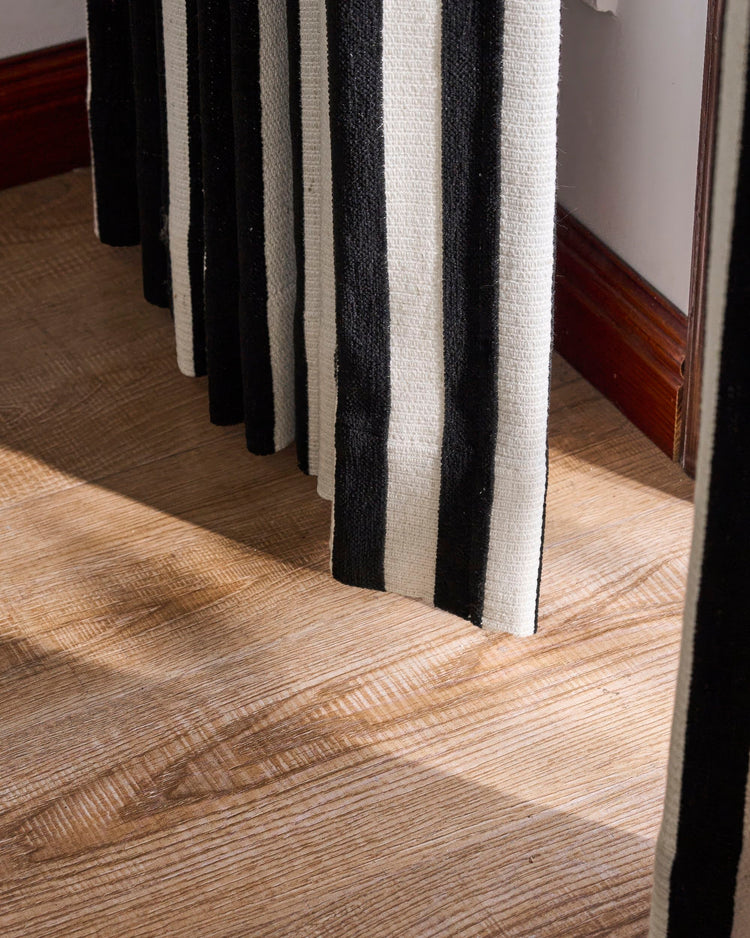
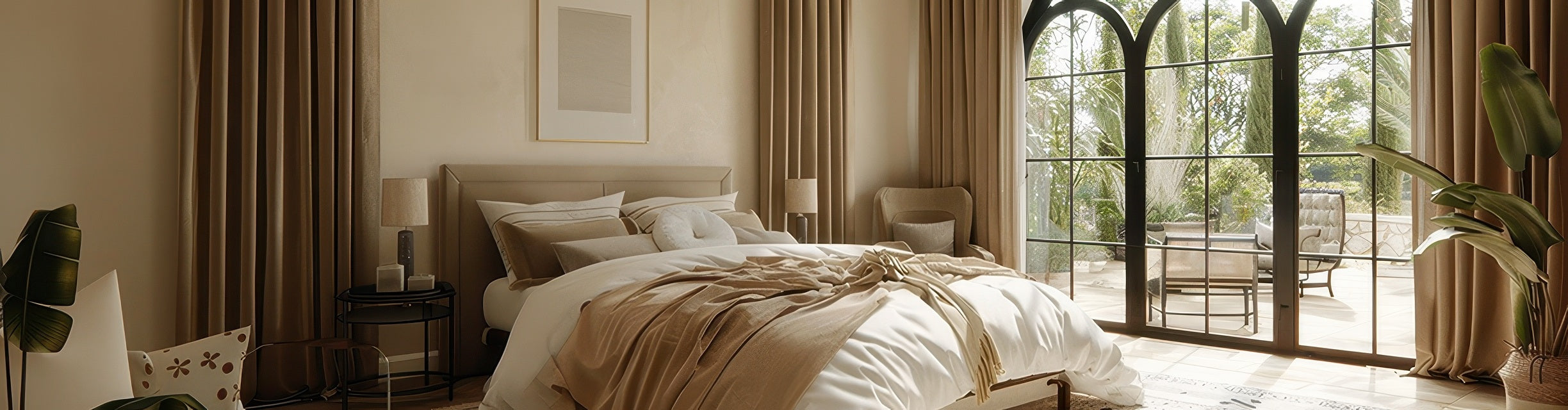
- Floor to Ceiling: If possible, have the curtains run from the ceiling all the way to the floor. This minimizes air gaps where sound can flank around the fabric.
- Wrap Around: Use curved curtain rods that allow the curtain to touch the wall on the sides, sealing the window completely.
4. The Power of Layers (4-Layer Construction)
For a home studio, standard insulated curtains often aren't enough. We recommend 4-layer soundproof curtains. These typically consist of a face fabric, high-density yarn, a detachable felt liner, and a backing layer. This multi-material approach traps air between layers, creating a "dead air space" that is highly effective at dissipating sound energy. If you are serious about recording, skip the 1-layer options and go for the 4-layer density.

 100% Blackout
 Better sleep
 Noise Reducing
 Energy Saving
5. Combine with Other Treatments
Curtains are the first line of defense, especially against windows (which are acoustically the worst part of any room). However, for a complete frequency balance, combine your curtains with other solutions. Use foam panels or acoustic fiberglass on parallel walls to catch mid-range frequencies, and consider bass traps in the corners for low-end control. The curtains handle the windows and high frequencies, while the panels handle the rest.
6. The Clap Test
Once your curtains are installed, perform the "Clap Test." Stand in the center of the room and clap your hands once, loudly. Before the curtains, you likely heard a metallic ringing sound (flutter echo). With the curtains drawn, that clap should sound tight, dry, and short. If you still hear echoes, check your seals or consider adding more fullness (more fabric) to the rod.
Are Soundproof Curtains Right for Your Studio?
If you have windows in your studio, the answer is yes. While no fabric can turn a room into a concrete bunker, soundproofing curtains are the most effective tool for taming window reflections and reducing outside bleed. They are the difference between an amateur recording that sounds like a bedroom and a professional track that sounds like a studio. Set your expectations correctly: they won't delete the sound of a jackhammer next door, but they will give you the controlled, professional acoustic environment you need to create your best work.