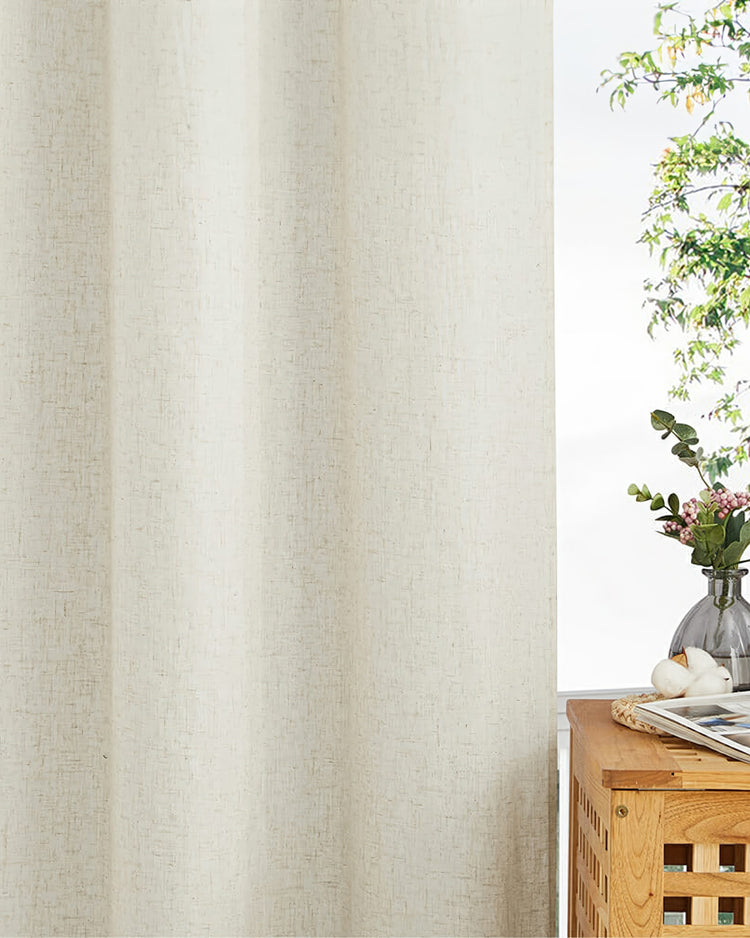
How to Order Curtain Swatches and Test Them at Home


In this article 8 sections
- Why Curtain Swatches Matter Before Ordering Custom Curtains
- How to Order Curtain Swatches Without Overbuying
- What to Compare Before Choosing Curtain Swatches
- How to Test Curtain Swatches at Home
- How to Choose the Best Curtain Swatch for Your Room
- What to Do After Choosing Your Favorite Swatch
- Curtain Swatches FAQ
- Final Takeaway
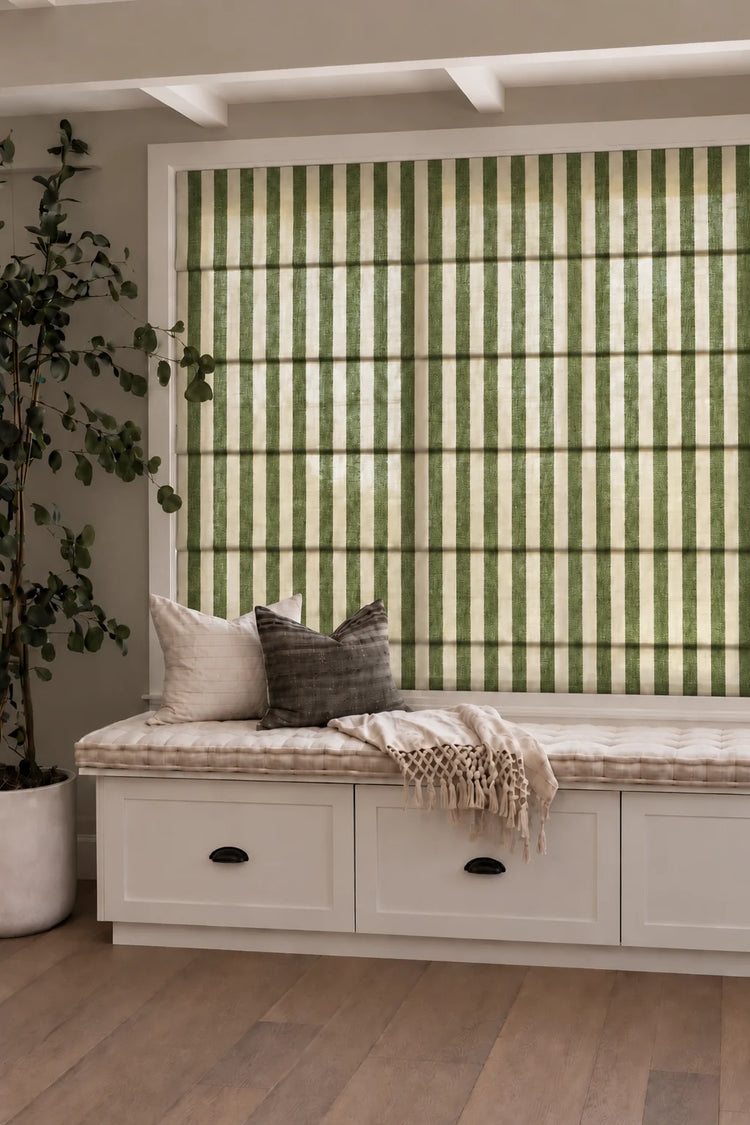
Curtain swatches are one of the easiest ways to avoid choosing the wrong fabric for custom curtains. A product photo can show color and style, but a swatch shows how the fabric actually looks in your room, under your light, next to your wall color, trim, flooring, and furniture.
This matters because curtain fabric can change more than you expect once it leaves the screen. A warm neutral may look cooler in a north-facing room. A white fabric may look too bright beside cream trim. A texture that looks soft online may feel too flat or too heavy in person.
In this guide, you will learn how to order curtain swatches without overbuying, how to test them at home, and how to turn your favorite sample into a more confident custom curtain order.
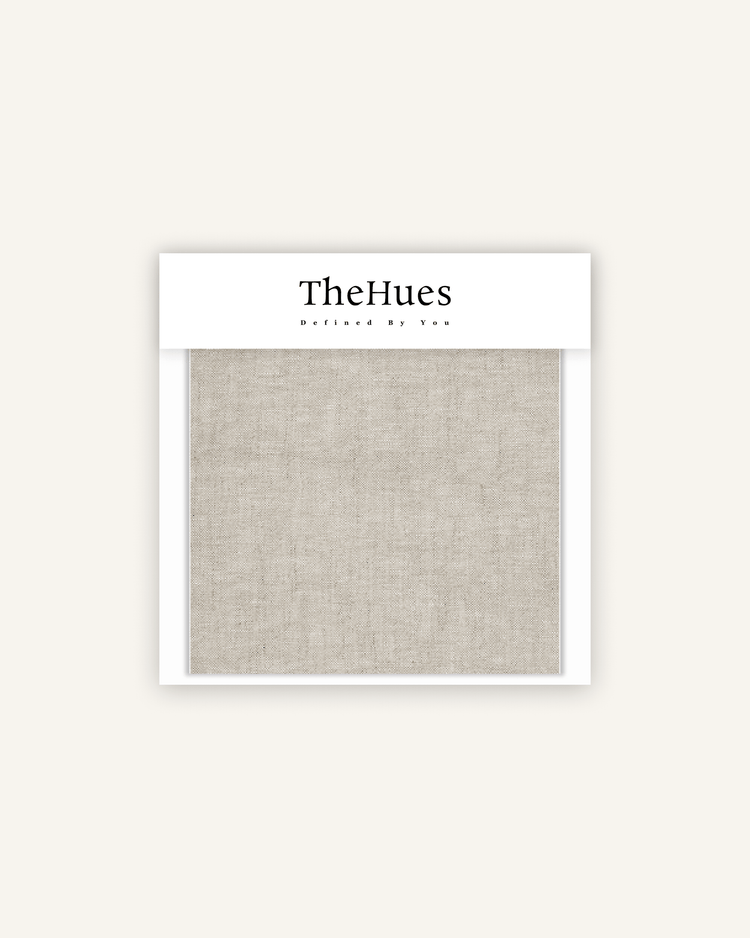
If you already have a shortlist, start with TheHues curtain swatches. Then use this guide to narrow your options before choosing size, header style, and lining.
Why Curtain Swatches Matter Before Ordering Custom Curtains
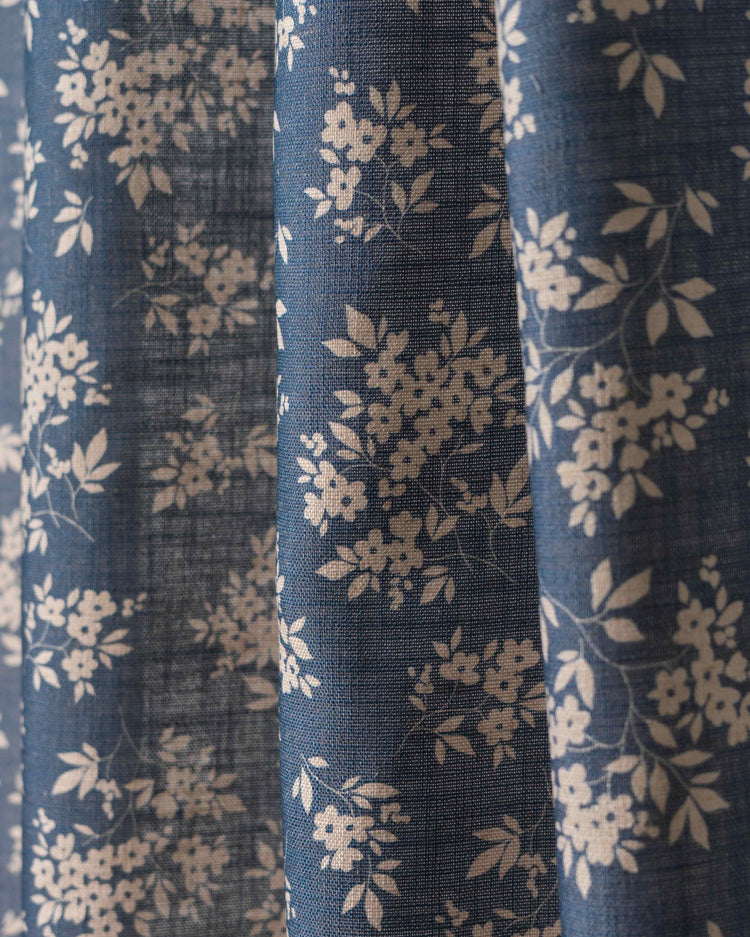
Screen images are helpful for browsing, but they cannot show every detail that affects how curtains will look in a real room. A curtain swatch lets you check the true color, undertone, texture, thickness, and light-filtering effect before placing a full custom order.
Swatches are especially useful when you are choosing custom curtains because small fabric decisions become much more important at full size. A slight undertone, weave texture, or opacity difference may look subtle on a sample card, but it can change the entire mood of the room once the curtains are installed.
Curtain swatches also make the decision process simpler. Instead of comparing dozens of online product photos, you can compare a smaller group of real fabrics in the space where they will actually hang.
Need help visualizing the final look? After you narrow your swatches to two or three favorites, use TheHues visualization tool to compare how different curtain styles may look in your room.

How to Order Curtain Swatches Without Overbuying
Ordering too many curtain samples can make the decision harder, not easier. The goal is not to collect every possible fabric. The goal is to compare a small group of strong options that each serve a clear purpose.
Start With Three to Five Options
For most rooms, three to five curtain swatches is enough. This gives you real comparison without creating a pile of similar choices.
A useful swatch set may include:
- One safe option that already fits your room palette.
- One slightly warmer or cooler version of that color.
- One fabric with a different texture or weave.
- One functional option if blackout, privacy, or thermal performance matters.
- One bolder option if you are considering deeper contrast or a richer material.
If every swatch is nearly identical, you may struggle to see the difference. If every swatch is completely unrelated, the comparison may feel scattered. A balanced set gives you enough contrast to make a clear decision.
Match the Swatches to the Room’s Purpose
The right curtain swatches for a bedroom may not be the right swatches for a living room. Before ordering, ask what the curtains need to do first.
- Bedroom: privacy, sleep support, softness, and light control.
- Living room: balanced daylight, texture, warmth, and style.
- Nursery: calm color, nap-friendly light control, and easy layering.
- Home office: glare control, visual calm, and enough brightness for work.
- Dining room: softness, texture, and a finished look without making the space feel heavy.
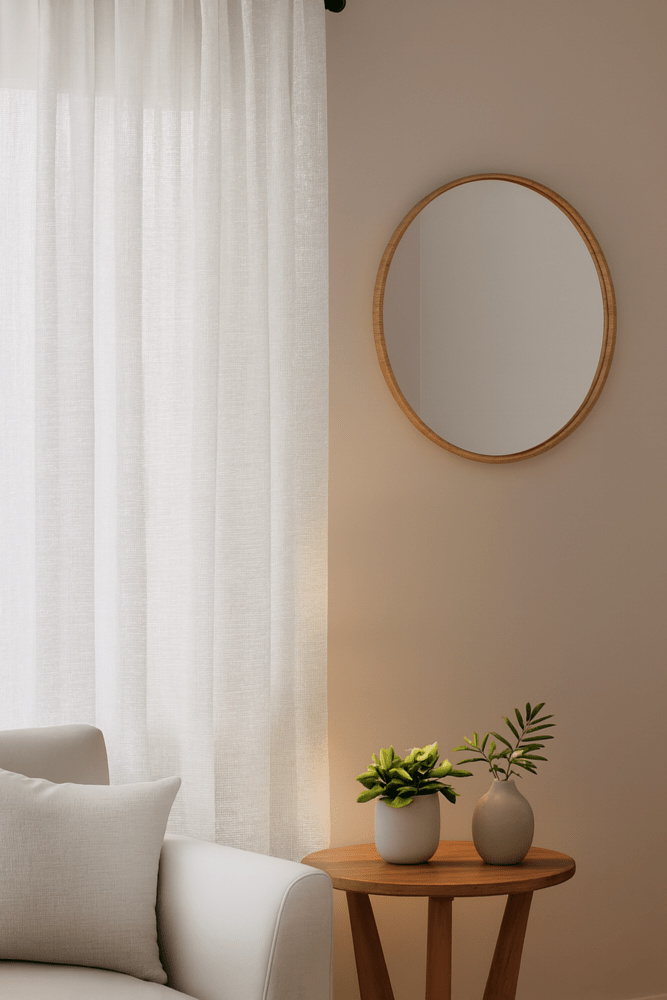
Once the room’s main job is clear, your swatch choices become easier. A light linen-look fabric may be perfect for a living room, while a heavier lined option may be better for a sunny bedroom.
Order for More Than Color
Most people start with color, but color is only one part of choosing curtain fabric. Your swatches should help you compare:
- Color and undertone
- Texture and weave
- Thickness and fabric weight
- Light filtering or blackout potential
- How the fabric fits the mood of the room
A fabric that looks perfect in color may still feel wrong if the texture is too flat, too shiny, too heavy, or too casual for the space. Swatches help you catch those details before ordering full-size curtains.
What to Compare Before Choosing Curtain Swatches
Before you place a swatch order, narrow your criteria. The more clearly you know what you are comparing, the more useful each sample will be when it arrives.
Color and Undertone
The main color is easy to notice. The undertone is where many curtain decisions go wrong.
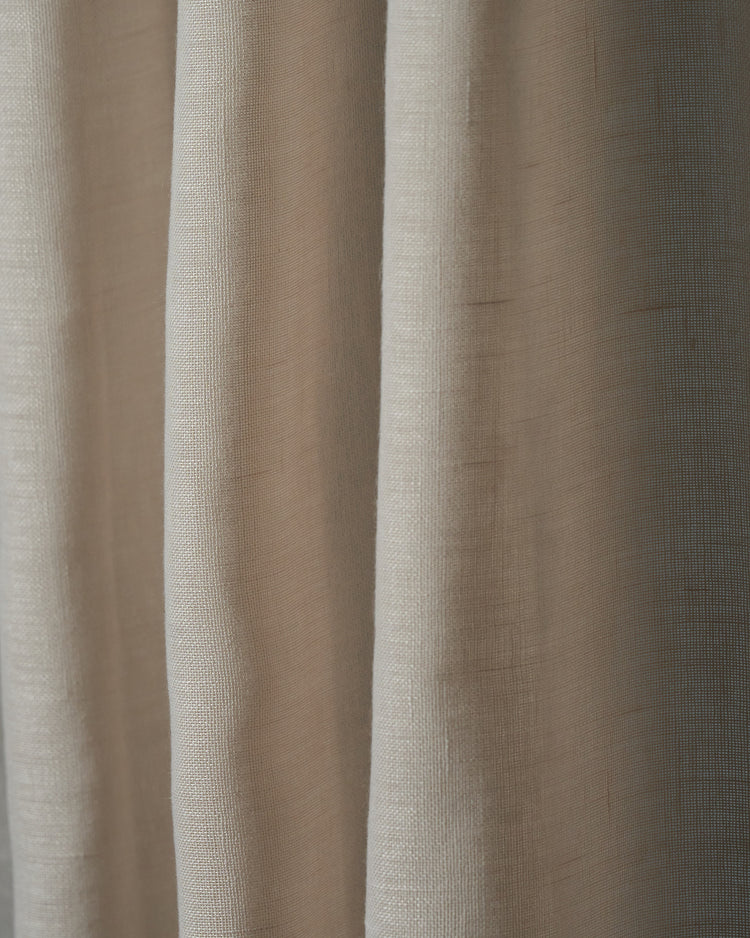
A beige fabric can lean warm, gray, yellow, pink, or green depending on the light in your room. A white curtain can look crisp in one space and too cold in another. Even soft neutrals can change depending on wall color, trim, flooring, and natural light.
If you are unsure, order at least one warmer option and one cooler option. Once both swatches are in the room, the better choice usually becomes much clearer.

Texture and Weave
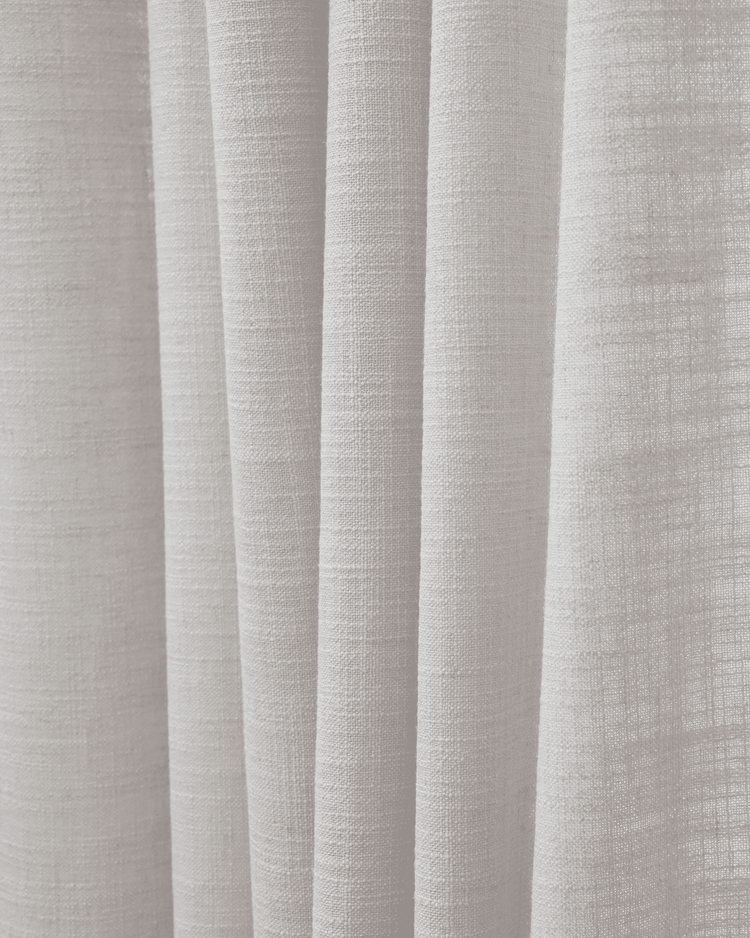
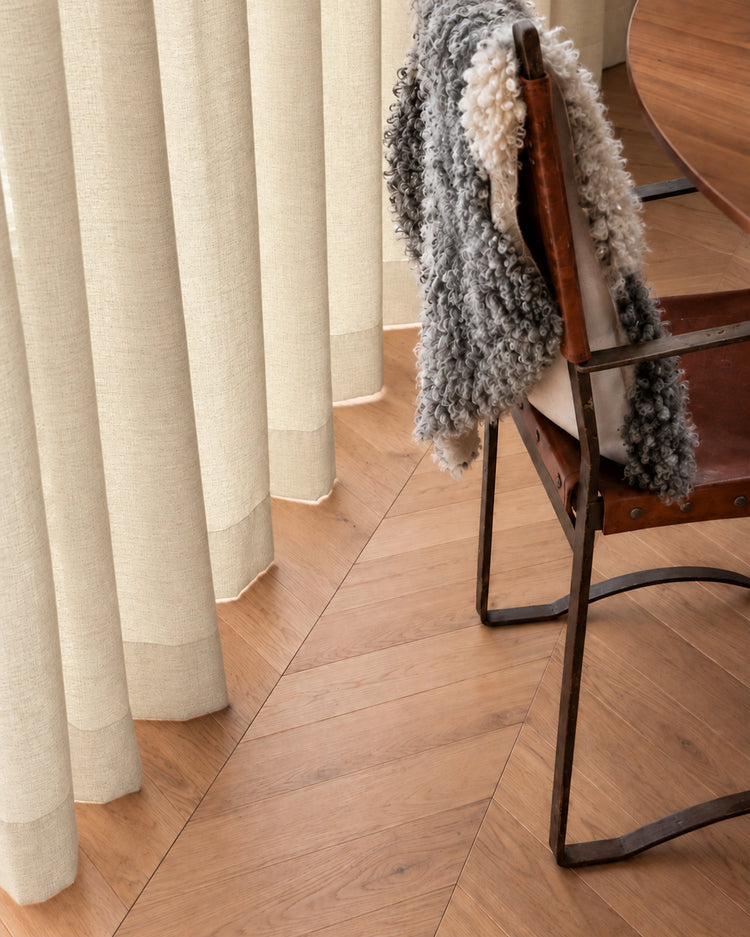
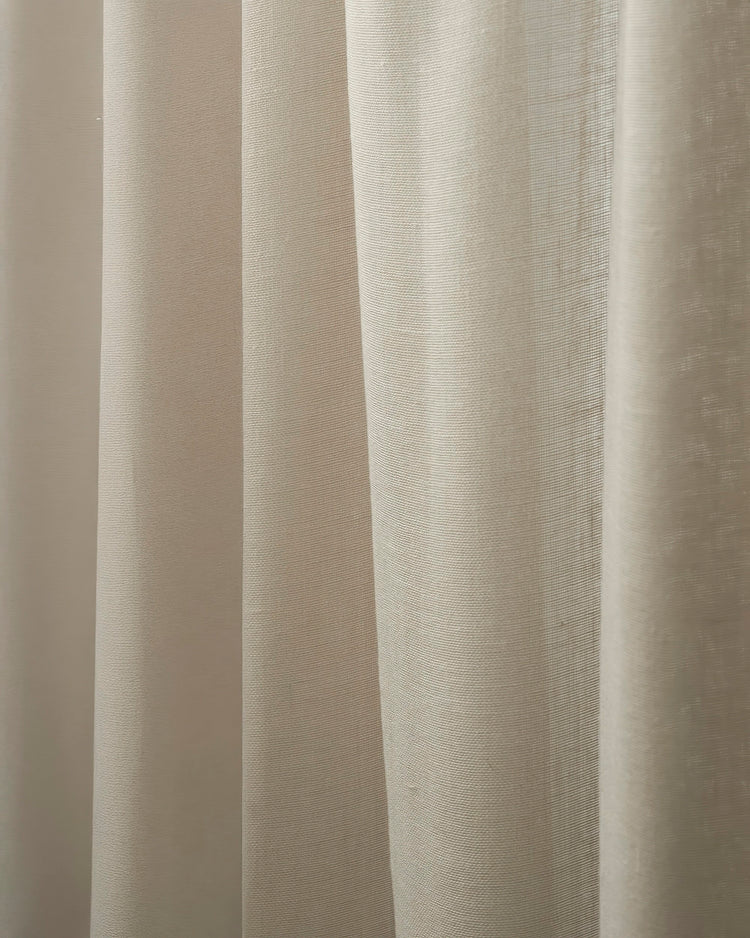
Texture changes how a curtain feels in the room, even when the color is similar. A smooth velvet, airy sheer, slubby linen-look weave, and crisp cotton blend can all create very different effects.
If you want the curtains to blend quietly into the space, choose a subtle texture. If you want the curtains to add depth, warmth, or visual interest, compare fabrics with more visible weave.

 Plant-based fiber
 Organic hand-feel
 Eco-conscious material
 Timeless elegance
Light Control and Privacy
If privacy, sleep, or glare control matters, compare those needs before choosing fabric. Do not pick a fabric based only on color and hope the lining solves everything later.
Ask whether the room needs:
- Decorative softness only
- Filtered daylight with light privacy
- Room-darkening support
- Full blackout support
- Extra help near bright, drafty, or sun-heavy windows

 Kid-friendly
 OEKO-TEX® Certified
 Durable
 Low maintenance
If you are deciding between light-filtering, blackout, privacy, or thermal options, review TheHues curtain liner guide before choosing your final fabric.
How to Test Curtain Swatches at Home
When your curtain swatches arrive, do not judge them only on a table or countertop. Curtains live beside the window, so the best test is to place each swatch where the curtain will actually hang.

1. Check Each Swatch in Morning, Midday, and Evening Light
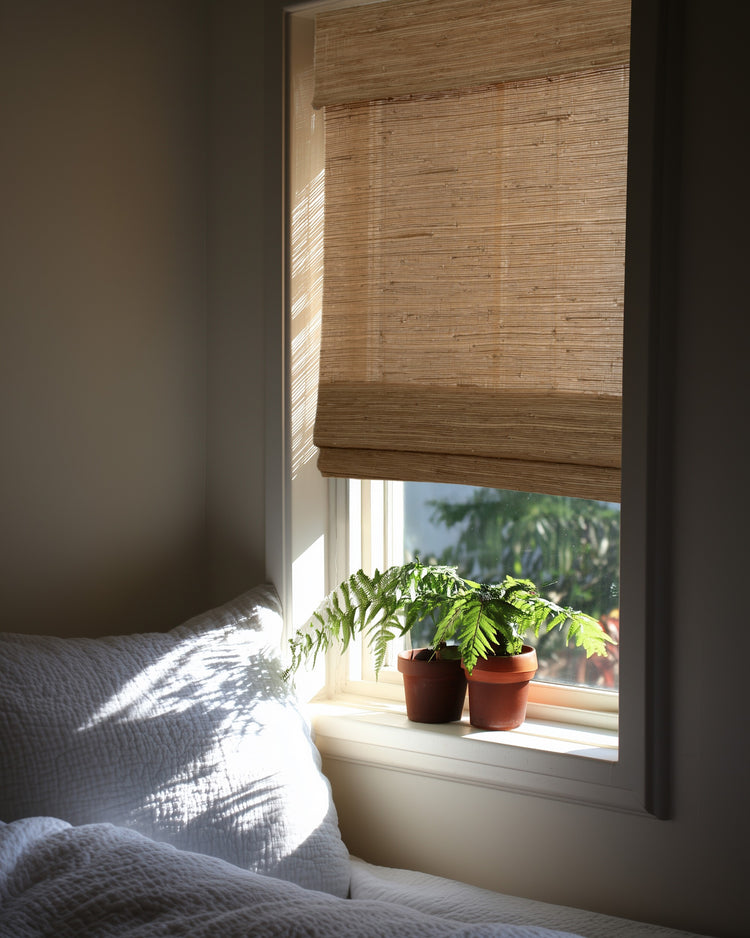
Natural light changes throughout the day, and curtain fabric can shift with it. A sample that looks warm at noon may look cooler in the evening. A fabric that looks soft in daylight may look dull under lamps.
If possible, check each swatch at three times:
- Morning light
- Midday light
- Evening light with lamps on
An easy method is to tape or pin each swatch near the window and take a quick phone photo at each time of day. This helps you compare the fabrics without relying only on memory.
2. Hold the Swatch Against the Actual Window
Do not test samples only against the wall. Curtains hang in front of glass, and backlighting can change how the fabric looks.
Hold the swatch where the curtain will hang and step back across the room. Look for:
- Whether the color still feels balanced near daylight
- Whether the weave looks too shiny, flat, or heavy
- Whether the room feels brighter, warmer, cooler, or more closed in
- Whether the fabric works with the window trim and wall color
This step is especially helpful for large windows, sliding doors, and rooms where the curtains will take up a lot of visual space.
3. Compare the Swatch With Paint, Trim, Flooring, and Hardware
Your curtain fabric does not need to match every finish exactly, but it should feel connected to the room.
Compare each swatch with:
- Wall paint
- Window trim
- Flooring or rugs
- Sofas, chairs, or bedding
- Metal finishes such as black, brass, nickel, or chrome hardware
This helps you separate a fabric that is simply beautiful from a fabric that is right for your space.
4. Test Privacy and Opacity
A small swatch cannot show the exact performance of a full curtain panel, but it can still give you a useful sense of opacity.

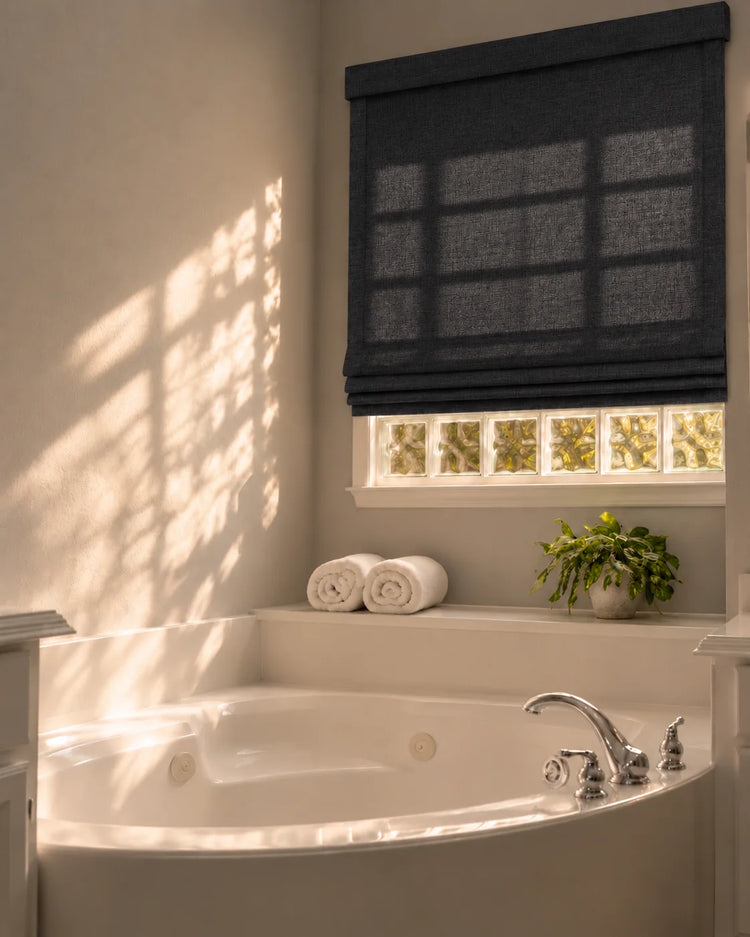
Hold the sample up to the window during the day. Then hold it in front of a lamp or flashlight in the evening.
Ask:
- Does the fabric glow more than expected?
- Can you see shapes through it?
- Does it feel light-filtering, semi-private, or too sheer?
- Would it need a liner to meet the room’s needs?
If you are choosing curtains for a bedroom, nursery, or media room, compare your fabric choices with TheHues blackout curtains and liner options before finalizing your order.
5. Touch and Fold the Fabric
Fabric feel matters, especially in rooms you use every day. Rub the swatch between your fingers. Fold it. Let it drape over your hand. Notice whether it feels soft, crisp, heavy, loose, or structured.
This will not show the exact drape of a full panel, but it can help you understand whether the material feels right for the room.
For example, a stiffer fabric may work well for a structured, tailored look. A softer linen-look fabric may feel better in a relaxed living room or bedroom.
Need a second opinion? Once you have two finalists, use TheHues free design service for help with color, layering, sizing, or room fit before you order.
How to Choose the Best Curtain Swatch for Your Room
At this stage, the goal is not to choose the prettiest sample by itself. The goal is to choose the fabric that looks right, performs well, and fits the way the room is used.
Eliminate by Function First
If a sample does not meet the room’s main need, remove it from consideration. A bedroom fabric that does not offer enough privacy or light control is not the best choice, even if the color is beautiful.
Use function as the first filter:
- Does it provide enough privacy?
- Does it manage light the way you need?
- Does it feel too heavy or too thin for the space?
- Does it work with the liner you plan to use?
Narrow by Mood Second
Once function is covered, think about how you want the room to feel.
- Calm and quiet
- Light and airy
- Tailored and structured
- Warm and cozy
- Softly layered
- More dramatic or high-contrast
This is where texture often becomes the deciding factor. Two similar neutral fabrics can create very different moods depending on weave, weight, and surface finish.
Use the Right Tool for the Next Question
Sometimes a swatch gives you enough confidence to move forward. Other times, it shows you what you still need to decide.
If you love the fabric but are unsure about size, header style, or panel layout, the next step is not always more swatches. It may be measurement or design support.
- Use TheHues curtain measurement guide to confirm width and length.
- Use the curtain header guide to choose how the curtain will hang.
- Browse the custom curtains collection to review fabric, liner, and configuration options.
What to Do After Choosing Your Favorite Swatch
Once you have a favorite fabric, move forward in the right order. This keeps the confidence you built during testing and helps prevent mistakes before checkout.
Confirm the Measurements
Measure the window carefully before ordering. Confirm the mount type, finished length, panel width, and how much coverage you want when the curtains are closed.
Fabric is important, but fit is what makes curtains look custom. A beautiful fabric can still look wrong if the panels are too short, too narrow, or hung at the wrong height.
Choose the Header Style
The header style affects how the curtain hangs, moves, and feels in the room. A pleated header can look more tailored, while a simpler header may feel more casual and easygoing.
Before checkout, decide whether your room needs a structured look, an easy-glide setup, or a softer everyday finish.
Choose the Right Liner
Your swatch helps you choose color and texture. The liner helps finish the function. If the room needs privacy, blackout, or extra comfort, choose the liner before finalizing the order.
This is especially important for bedrooms, nurseries, media rooms, and street-facing windows.
Review the Full Room Context One More Time
Before ordering, look at your winning swatch beside the main finishes in the room one final time. Check it near the wall, trim, flooring, furniture, and hardware.
If the fabric still feels right in those places, you are ready to move from sample testing to custom curtain planning.
Curtain Swatches FAQ
How many curtain swatches should I order?
For most rooms, three to five swatches is enough. This gives you a useful comparison without making the decision overwhelming.
Can curtain swatches show the exact drape of full curtains?
Not exactly. A swatch can show color, texture, thickness, and general fabric feel, but a full curtain panel will show drape more clearly. That is why measurement, header style, and design guidance are still important.
Can a curtain swatch help me decide if I need blackout lining?
Yes. A swatch can show whether the base fabric is sheer, light-filtering, or more substantial. If the fabric lets through more light than you want, you may need a blackout or privacy liner.
How long should I test curtain swatches at home?
At least one full day is best. If your room changes a lot between morning and evening light, test the swatches for two or three days before deciding.
Should curtain swatches match the wall color?
They do not need to match exactly. In many rooms, curtains look better when they coordinate with the wall color, trim, flooring, or furniture rather than matching one surface perfectly.
Final Takeaway
Ordering curtain swatches is not an extra step. It is the step that helps you choose the right custom curtains with more confidence.
Good curtain samples help you catch undertone issues, compare texture honestly, test privacy and light behavior, and understand how the fabric works with the room before you order full-size panels.
The simplest process is this: choose three to five curtain swatches, test them in real light, eliminate by function, then confirm measurements, header style, and lining before checkout.
For the next step, browse TheHues curtain swatches, confirm sizing with the curtain measurement guide, and use the visualization tool or free design service if you want extra confidence before ordering.