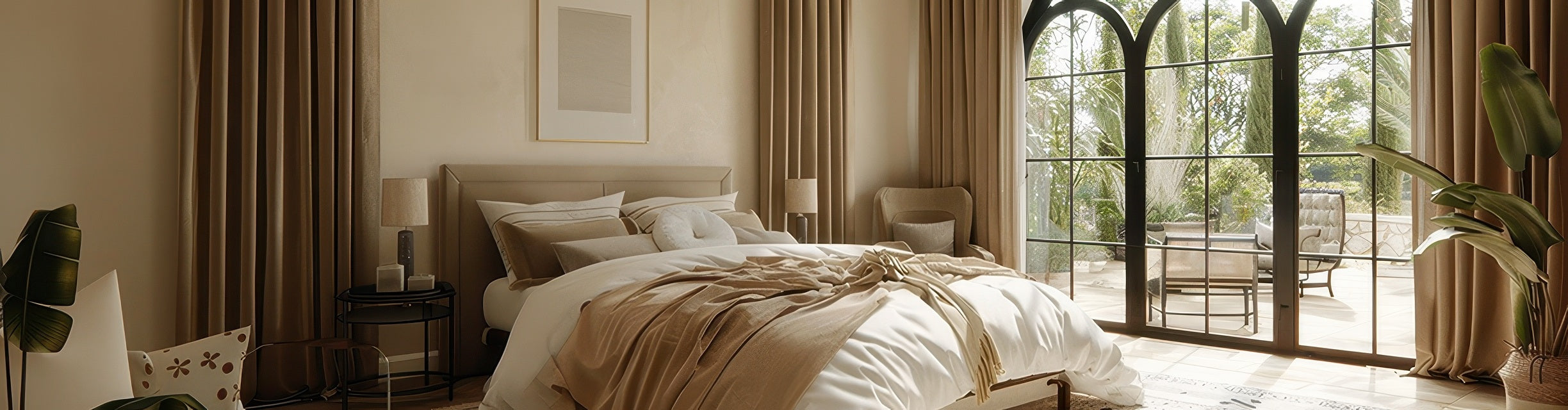
How much do custom curtains cost? Is your quote fair?


In this article 10 sections
- How Much Do Custom Curtains Cost Per Window?
- Budget, Mid-Range, and Premium Custom Curtain Quotes
- What a Fair Custom Curtain Quote Should Include
- What Changes the Cost of Custom Curtains?
- Why Are Custom Curtains So Expensive?
- Red Flags in a Custom Curtain Quote
- How to Compare Custom Curtain Quotes
- How to Lower the Cost of Custom Curtains
- Custom Curtains vs. Ready-Made Curtains
- The Real Test: Can the Quote Be Explained?
Custom curtains can make a room look more polished, better fitted, and more comfortable. But when you start comparing quotes, the price can feel confusing fast.
So, how much do custom curtains cost? The answer depends on window size, fabric, lining, fullness, header style, hardware, and installation. A simple custom panel for one standard window may cost much less than floor-to-ceiling blackout drapes for a wide bedroom or living room.
This guide explains what affects custom curtain pricing, what a fair quote should include, and how to lower the cost without ending up with curtains that look too short, too narrow, or unfinished.
How Much Do Custom Curtains Cost Per Window?
Custom curtain prices can vary widely because every window and setup is different. As a general starting point, here is how different curtain options usually compare:
| Project Type | Typical Price Range | What It Usually Includes |
|---|---|---|
| Ready-made curtains | $50-$500 per window | Standard-size panels, basic fabrics, simple hardware, limited size options |
| Online custom curtains | $300-$1,500+ per window | Custom sizing, selected fabric, selected header style, optional lining |
| Designer-managed custom drapes | $1,500-$4,000+ per window | Premium fabric, workroom labor, detailed design service, hardware, and installation |
These ranges are only a starting point. The actual cost of custom drapes depends on the details of your window and the level of finish you want.
The biggest difference in custom curtains vs. ready-made curtains is that custom work is priced around fit, fabrication, fabric choice, and function. You are not only paying for a piece of fabric. You are paying for curtains made to match your window size, preferred fullness, header style, and daily needs.
One important detail: some quotes are priced per panel, some are priced per pair, and some are priced per window. Always check this before comparing prices. A quote that looks cheaper may only include one panel, while another quote may include a full pair, lining, and hardware.
If you already have rough dimensions, start with the curtain measurement guide. A fair custom curtain quote starts with accurate measurements, not guesswork.

Budget, Mid-Range, and Premium Custom Curtain Quotes
Not every custom curtain quote is built the same way. A lower quote, a mid-range quote, and a premium quote may include very different specifications.
Budget Custom Curtain Quotes
A lower custom curtain quote usually means a more straightforward setup. It may include:
- A standard-height window
- A simpler fabric
- No specialty lining or a basic privacy liner
- Less fullness
- A simple header style
- No professional installation
This can work well for decorative curtains, guest rooms, dining rooms, or spaces where you mainly want a better fit and softer look.
Mid-Range Custom Curtain Quotes
A mid-range quote often includes one or two useful upgrades. For example, you may choose blackout lining for a bedroom, extra width for better fullness, or a more tailored header style for a living room.
This is often the most practical range for homeowners who want curtains that look custom without choosing the most expensive fabric or hardware.
Premium Custom Curtain Quotes
A premium quote usually reflects several cost factors at once: higher-end fabric, detailed fabrication, specialty lining, heavier hardware, and professional installation.
Floor-to-ceiling curtains, extra-wide windows, pinch pleats, ripple fold systems, heavy blackout drapes, and designer-managed projects can all move the quote into a higher range.
That does not automatically mean the quote is unfair. It means you need to understand exactly what is included.
What a Fair Custom Curtain Quote Should Include
A fair custom curtain quote should be easy to understand. You should not have to guess whether the price includes fabric, lining, labor, hardware, or installation.
A clear quote should include:
- Window dimensions or finished curtain dimensions.
- Panel count, including whether the price is per panel, per pair, or per window.
- Fabric name and quantity, often shown by yardage or finished width.
- Header style, such as pinch pleat, grommet, rod pocket, or ripple fold.
- Lining details, such as blackout, thermal, privacy, or unlined.
- Hardware details, including rods, rings, brackets, or tracks if included.
- Labor and installation, if they are billed separately.
- Shipping or delivery, especially for large, lined, or heavy panels.
If you cannot tell what is included, the price may still be normal, but the quote itself is not clear enough.
A Fair Quote Should Match the Result You Want
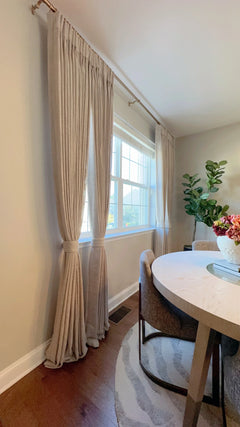
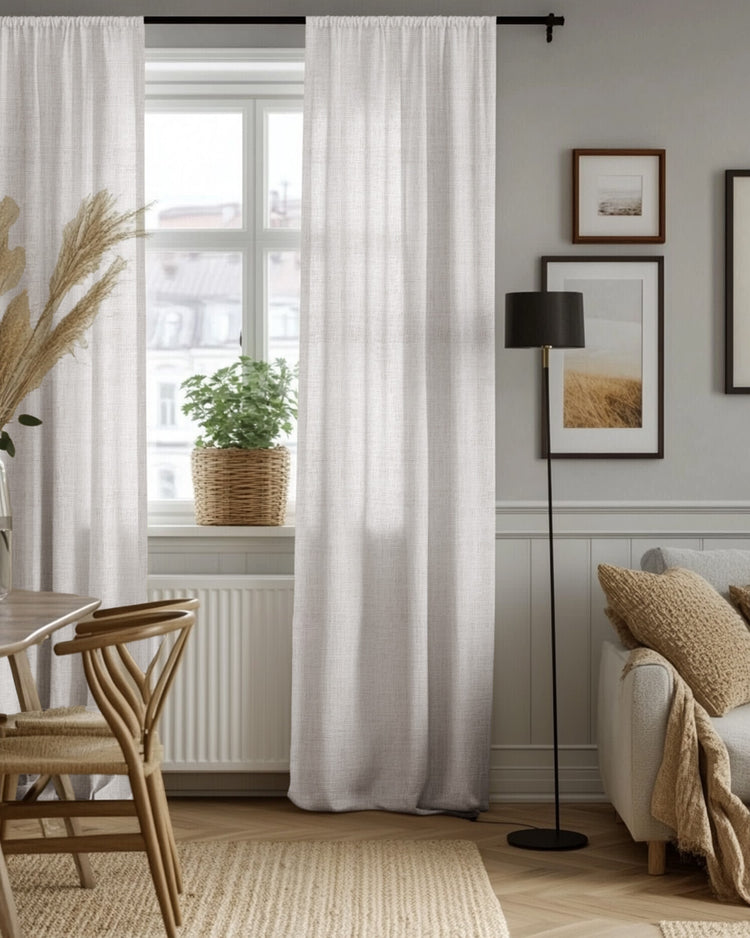
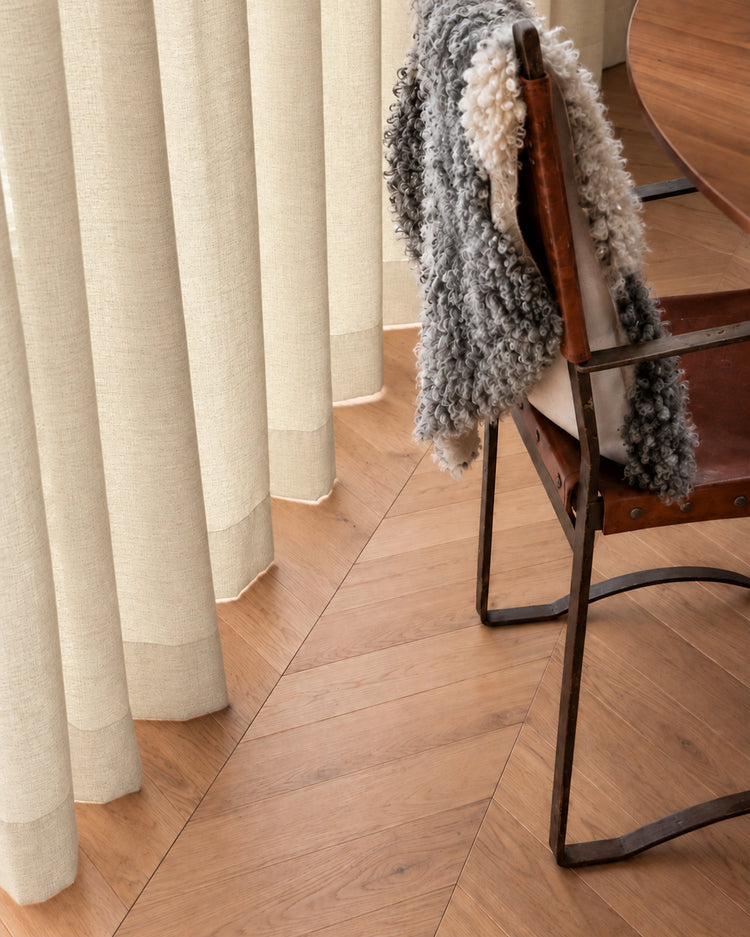
“Custom curtains” can mean many different things. Light linen-look panels for a dining room are not the same as blackout curtains for a street-facing bedroom.

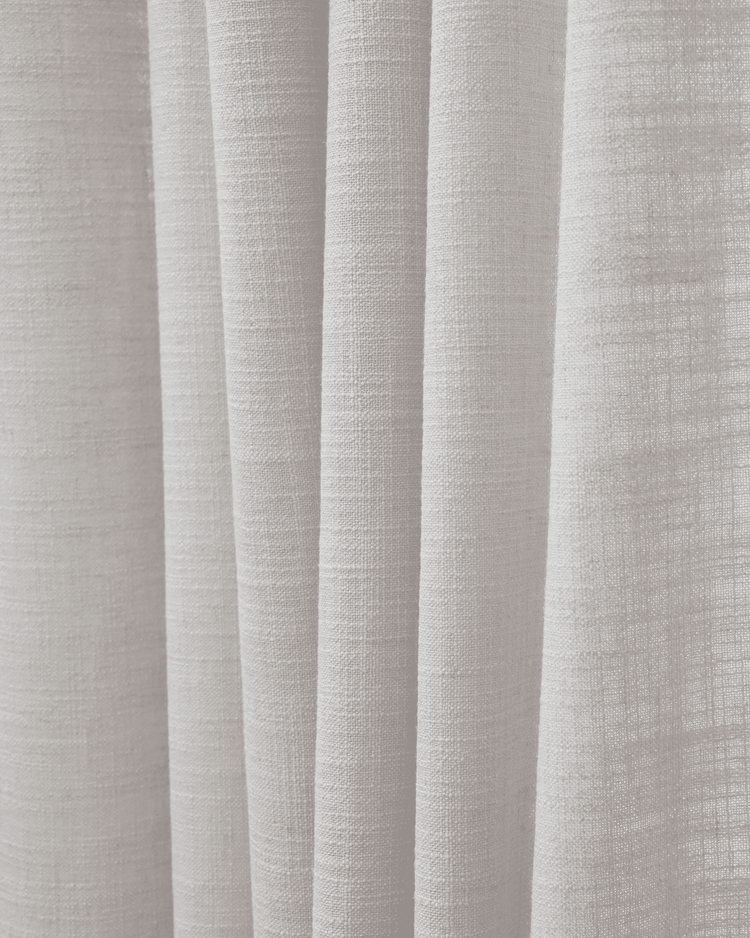
 Textured wave
 Relaxed Drape
 Breathable comfort
 Timeless design
If your goal is better sleep, glare control, privacy, or insulation, a higher quote may reflect useful performance upgrades rather than unnecessary markup. If your goal is only to soften the window visually, you may not need the most expensive lining or hardware.
Before comparing prices, ask one simple question: What problem should these curtains solve in this room?
If the answer is privacy, blackout, heat control, or daily use, the quote should include the right fabric, lining, fullness, and hardware for that purpose. If the answer is mainly decorative, you may be able to simplify the setup.

What Changes the Cost of Custom Curtains?
Most custom curtain sticker shock comes from comparing finished prices without comparing the actual specifications. Two quotes can look similar at first but include very different fabric, lining, width, hardware, or installation details.
1. Fabric Choice
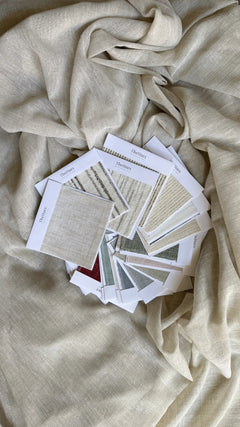
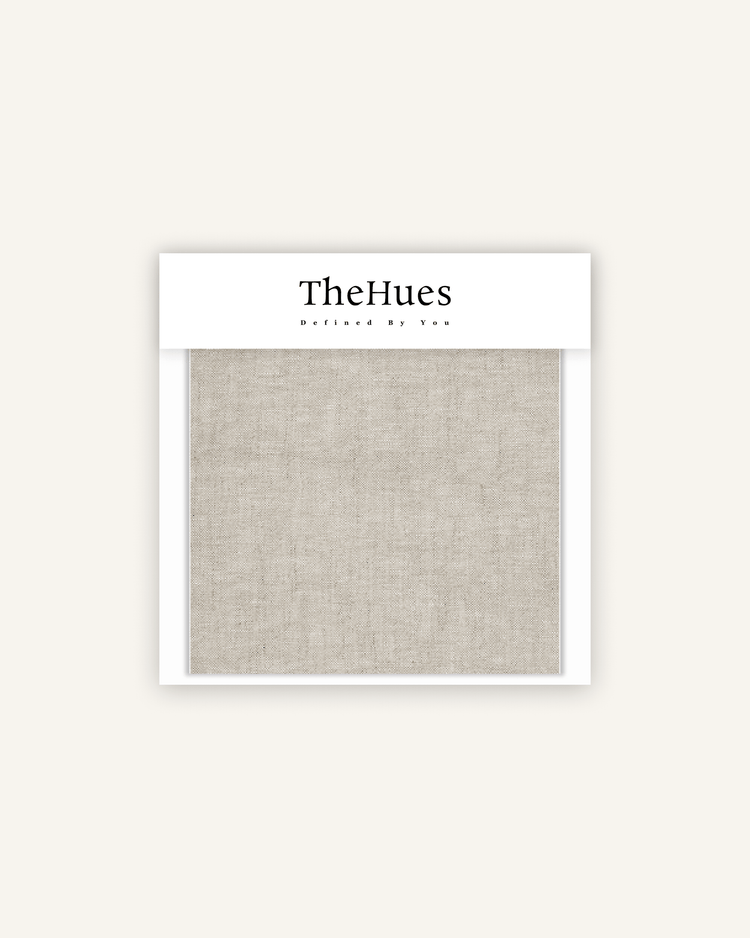
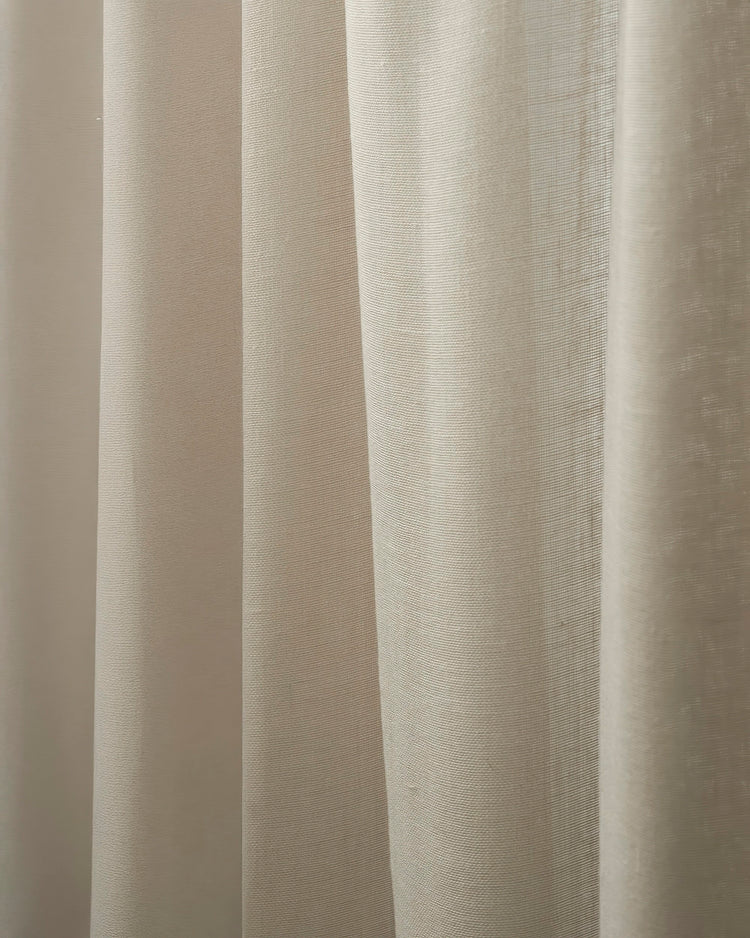
Fabric affects both appearance and price. A lightweight linen-look fabric usually costs less and requires less support than velvet, heavy textured fabric, or a dense blackout-ready weave.

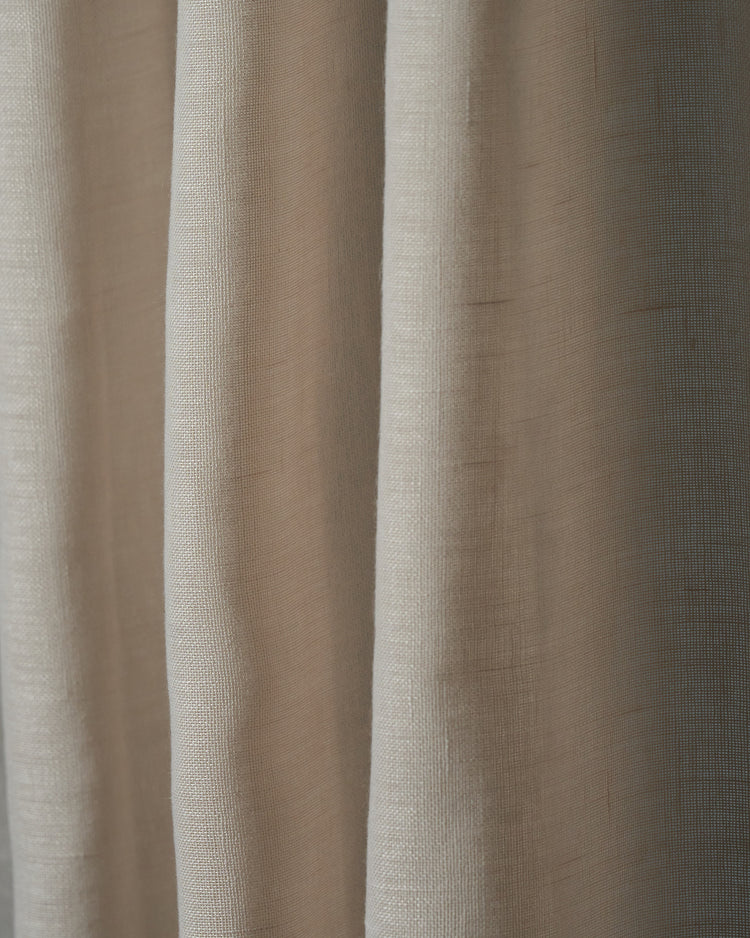
 Plant-based fiber
 Organic hand-feel
 Eco-conscious material
 Timeless elegance
Fabric cost can also increase when the curtain needs extra width, pattern matching, or a longer finished length. For example, a patterned fabric may require additional material so the pattern lines up properly across panels.
2. Window Size and Ceiling Height
Taller and wider windows need more fabric, more lining, and stronger support. A standard 84-inch curtain panel is very different from a floor-to-ceiling setup on a 10-foot wall.
Wide windows and sliding doors also need enough fullness to look balanced when closed and enough stack-back space to look clean when open. More coverage usually means more material and more labor.
3. Fullness Ratio
Fullness is the extra fabric used beyond the exact width of the window or rod. More fullness creates deeper folds and a richer custom look. Less fullness can lower the cost, but the curtains may look flat or too thin.
If two quotes use different fullness levels, they are not truly comparable. One quote may be cheaper simply because it uses less fabric.
Before approving a quote, confirm whether the curtains are designed for:
- Decorative side panels
- Everyday opening and closing
- Full privacy coverage when closed
- A fuller, more luxurious drape
4. Header Style
The curtain header affects both style and labor. Simple headers usually cost less. More structured headers, such as pinch pleat or ripple fold, often cost more because they require more precise fabrication and may need specific hardware.
If you are not sure which top style fits your room, compare options in the curtain header style guide.
5. Lining and Performance Needs
Lining can change both the price and the function of your curtains. A basic privacy liner is different from blackout lining. Blackout lining is different from heavier thermal or multi-layer construction.
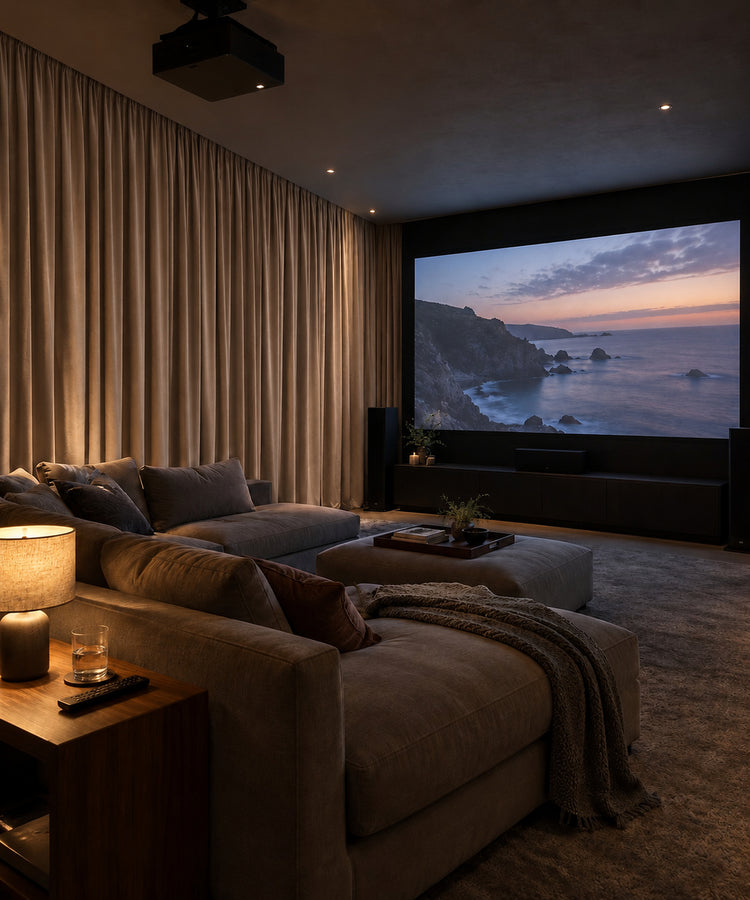
Bedrooms, nurseries, media rooms, and bright west-facing windows often justify stronger lining. Decorative dining room curtains may not need the same level of performance.
Use the curtain liner guide if you are comparing blackout, privacy, thermal, or light-filtering options.

6. Hardware and Installation
Hardware and installation can be separate from the curtain price. Rods, rings, brackets, curtain tracks, traverse systems, and professional installation can all add to the total.
This is especially true for wide windows, heavy lined curtains, high ceilings, or walls that need special mounting support.
When comparing custom curtain quotes, make sure you know whether the price includes hardware and installation or only the curtain panels.
Why Are Custom Curtains So Expensive?
Custom curtains cost more than ready-made panels because they involve more than standard fabric sizes. The final price may include measurement, fabric selection, custom cutting, sewing, lining, header construction, hardware planning, and installation.
In many cases, the expensive part is not only the fabric. It is the combination of material, labor, fit, and performance.
When a Higher Quote Makes Sense
A higher custom curtain quote may be reasonable when your room has:
- Extra-tall windows
- Extra-wide windows or sliding doors
- A need for true blackout
- Heavier fabric or denser lining
- Labor-intensive header styles
- Custom hardware or track systems
- Professional installation on difficult walls or high ceilings
This is especially true when the curtains need to solve a real comfort problem. For example, a bedroom that overheats in the afternoon or leaks light in the morning may need better lining, wider coverage, and more careful rod placement.
If your room needs both performance and style, compare your quote with a category built for that purpose, such as custom curtains with the right liner and header options.
When a Higher Quote Needs More Scrutiny
A higher quote deserves a closer look when:
- Dimensions are missing
- Panel count is unclear
- Liner type is vague
- Labor is rolled into one unexplained fee
- Hardware is mentioned but not described
- The seller cannot explain why the price is higher
Price alone is not the warning sign. Lack of detail is the warning sign.
Red Flags in a Custom Curtain Quote
You do not need to be a designer to review a custom curtain quote. Look for these common red flags before you approve the order.
The Quote Does Not Say Per Panel, Per Pair, or Per Window
This is one of the easiest ways to misread the total. A quote priced per panel may look much lower than a quote priced per window, but the final cost could be higher once you add the second panel.
The Finished Size Is Missing
If the quote does not show the finished curtain width and length, you cannot confirm whether the price matches the actual job.
Hardware Is Too Vague
“Hardware included” is not enough detail. A basic rod is different from a heavy-duty rod, a curtain track, or a traverse system. Ask what is included, what finish it comes in, and whether installation is included.
The Quote Uses Luxury Words but Few Details
Words like “premium,” “designer,” and “tailored” may describe a style, but they are not specifications. A fair quote should explain what fabric, lining, header, hardware, and measurements are included.
The Seller Cannot Explain Tradeoffs
If you ask how to lower the quote, the answer should be more helpful than “choose cheaper fabric.” A good quote review should explain how header style, fullness, liner choice, and hardware affect both price and performance.
How to Compare Custom Curtain Quotes
To compare curtain quotes fairly, make sure each quote is based on the same basic specification. Otherwise, the cheapest option may only be cheaper because it includes less.
Use the same baseline for every quote:
- Same window dimensions
- Same number of panels
- Same fullness target
- Same header style
- Same liner level
- Same hardware scope
- Same installation assumption
Then ask these questions:
- Is this quote per panel, per pair, or per window?
- What finished curtain size is included?
- What fabric is included?
- What liner is included, and what does it do?
- Does the price include hardware?
- Does the price include installation?
- What would lower the cost without changing the look too much?
- What would improve performance if I need more privacy, blackout, or insulation?
If you want help narrowing the curtain setup before ordering, use the visualization tool or request the free design service. This can help you compare fabric, header, and liner options before committing to the wrong setup.

How to Lower the Cost of Custom Curtains
You do not always need the most expensive option. In many rooms, you can lower the quote while still keeping the curtains polished and well-fitted.
Simplify the Header Style
If your quote includes a more labor-heavy header and your room does not need that formal look, ask about simpler alternatives. A cleaner top finish can still look tailored while reducing fabrication cost.
Use Premium Lining Only Where It Matters
Bedrooms, nurseries, and media rooms often benefit from blackout or thermal lining. A dining room, guest room, or decorative side-panel setup may not need the same level of performance.
Be Strategic About Fullness
Less fullness can reduce fabric and labor cost, but too little fabric can make curtains look flat. Ask what fullness level is being quoted and whether a slightly leaner version would still look balanced.
Separate Decorative Goals From Performance Goals
If the room mainly needs softness and texture, spend on the right fabric and proportion. If the room needs privacy, blackout, or insulation, spend where that function matters most: lining, coverage, and placement.
Measure Before Comparing Prices
Ready-made pricing can look appealing until the panels turn out too short, too narrow, or unable to close properly. If your window is wide, tall, or awkwardly placed, custom sizing can help you avoid buying twice.
For a practical example of how panel setup affects both look and cost, read one curtain panel or two. It is a simple way to understand why two similar-looking curtain setups can have different prices.
Custom Curtains vs. Ready-Made Curtains
Ready-made curtains can be a good choice for simple windows, rental homes, guest rooms, or spaces where exact sizing is not critical. They are usually less expensive and easier to buy quickly.
Custom curtains are usually the better choice when you need:
- A precise finished length
- Extra-wide or extra-tall coverage
- A specific header style
- Better blackout, privacy, or insulation
- Fabric and lining selected for your room
- A more polished, built-in look
The right choice depends on the room. A small guest room may not need custom drapes. A primary bedroom, living room, nursery, or large patio door may benefit much more from made-to-measure sizing.
The Real Test: Can the Quote Be Explained?
If you remember one rule, make it this: a fair custom curtain quote should be explainable in plain English.
You should know what size is being made, how many panels are included, what fabric and liner are being used, what header style is selected, and whether hardware and installation are part of the total.
Once those details are clear, the price becomes easier to judge. A higher quote may be fair if it includes better fabric, stronger lining, custom sizing, and proper installation. A lower quote may be a better fit if the room only needs a simple decorative treatment.
If you started by asking how much do custom curtains cost, the better question is: what exactly does this room need?
Start with accurate measurements, decide where performance matters, and compare every quote using the same specifications. Then choose the option that gives you the best balance of fit, function, and confidence.
Ready to price a better-fit solution? Compare custom curtains, use the curtain measurement guide, or send your room details to the free design service before ordering.