How the Right Curtains Can Lower Your Energy Bills (And Stop Money Leaking From Your Windows)


In this article 7 sections
- 1. The Real Cost of Drafty Windows: Why Your HVAC Is Working Overtime
- 2. Summer vs. Winter: How Thermal Curtains Fight Both Extremes
- 3. What Actually Makes a Curtain "Energy Efficient"? (Beyond the Hype)
- 4. The Installation Trap: Why Even the Best Curtains Fail If Installed Wrong
- 5. Stop Guessing: How to Test Insulation and Color Risk-Free Before Buying
- Frequently Asked Questions
- Finding Your Balance
Utility bills tend to bring unwelcome surprises during peak summer and winter months. If your air conditioner or furnace runs constantly while your home still feels uncomfortable, your windows are likely leaking thermal energy.
1. The Real Cost of Drafty Windows: Why Your HVAC Is Working Overtime
Uninsulated glass windows account for roughly 30 percent of residential heating and cooling energy loss.
When outdoor temperatures swing to extremes, heat moves directly through standard glass panes. In summer, heat enters the home; in winter, it escapes. Your HVAC system responds by running longer and harder to maintain a stable indoor temperature, directly increasing your monthly utility bills.
Because glass lacks the insulating mass of drywall, treating your window openings is one of the most effective ways to reduce daily energy waste.

💡 Pro Tip: Tired of watching your energy bills spike every season? Upgrading to high-performance drapes is the fastest fix. Check out the Quinn 4-Layers Woven Textured Thermal Curtain for optimal year-round insulation.
2. Summer vs. Winter: How Thermal Curtains Fight Both Extremes
Climate control requires managing two entirely different seasonal thermal challenges. Summer demands blocking radiant solar heat gain, while winter requires stopping conductive heat loss and chilly air drafts.
| Season | Thermal Problem at the Window | How Thermal Curtains Solve It |
|---|---|---|
| Summer | Intense sunlight pours through glass, converting light into heat and driving up AC loads. | Dense, reflective outer layers bounce solar rays away before heat builds up inside. |
| Winter | Indoor warmth hits cold glass, cools rapidly, and drops toward the floor as a cold draft. | Heavy multi-layer fabrics trap a layer of air, locking indoor heat inside the room. |
During hot months, sunlight streaming through unprotected glass warms up furniture and floors, forcing air conditioning units to run continuously.
When winter arrives, warm room air contacts cold glass and sinks, creating chilly convection currents near the floor. Thermal drapes form a physical boundary that mitigates both seasonal problems.
3. What Actually Makes a Curtain "Energy Efficient"? (Beyond the Hype)
Standard decorative drapes offer almost no thermal protection because light single-layer fabrics let air pass directly through the weave.
True energy-efficient window treatments rely on heavy mass and layered material construction.

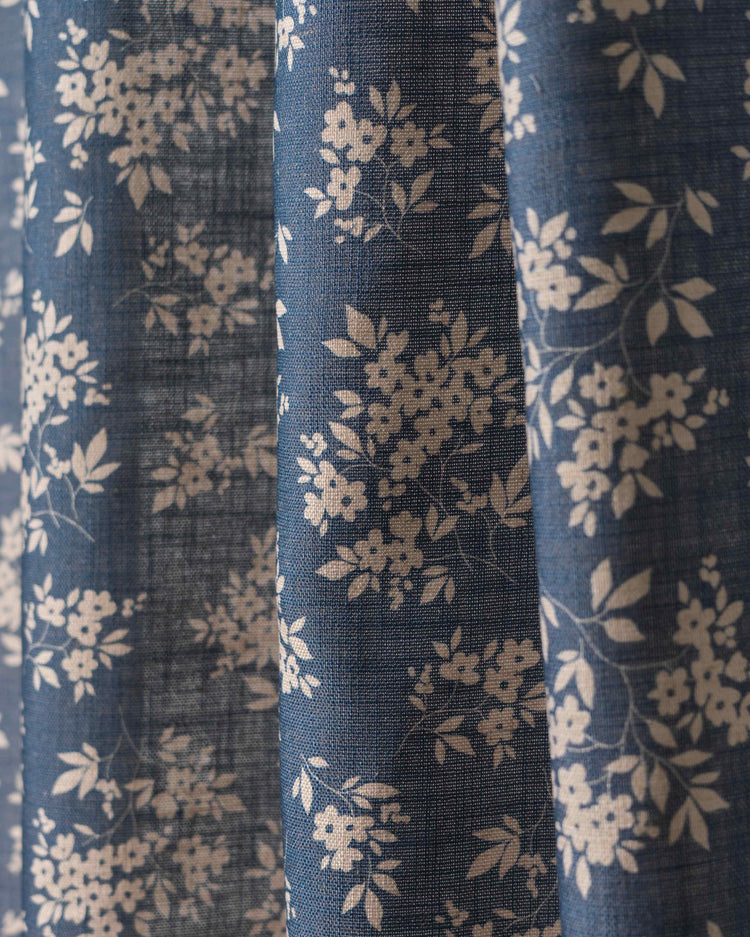
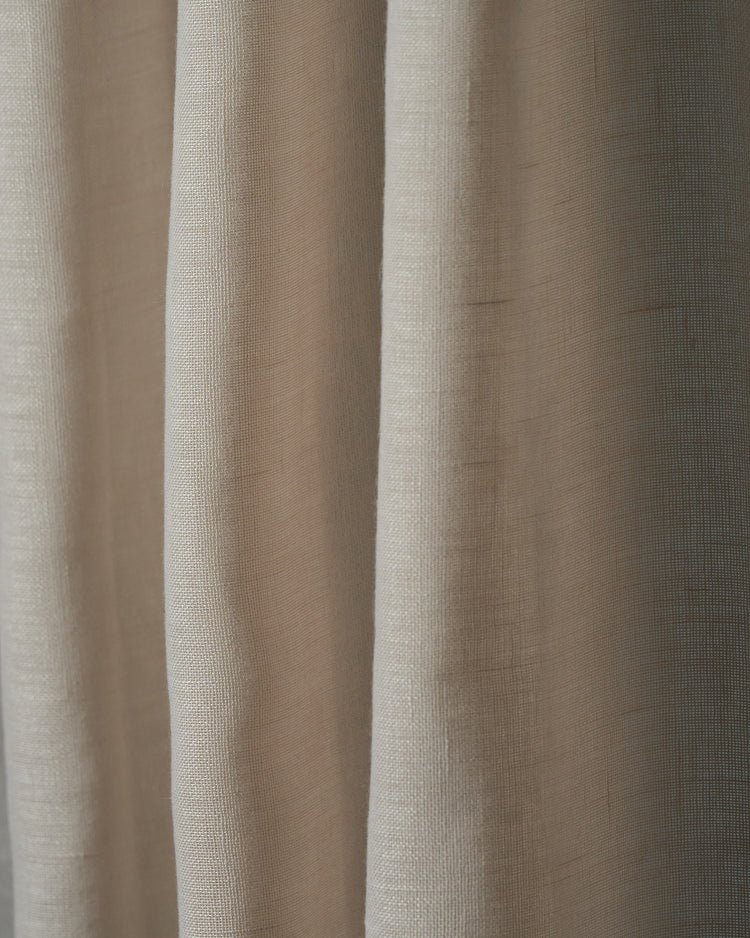
Quality thermal panels typically feature a multi-tier design (such as dense triple-weave or 4-layer structures): a tightly woven decorative face fabric, an inner core that stops heat transfer, and an outer backing that reflects radiant energy.
Checking fabric weight—measured in grams per square meter (GSM)—reveals true material density. High-density textiles create the sealed air pockets required for reliable temperature control. For a touch of luxury combined with max efficiency, many homeowners prefer heavyweight velvet options like the Classic 4 Layers Velvet Thermal Curtain.
4. The Installation Trap: Why Even the Best Curtains Fail If Installed Wrong
Purchasing high-performance thermal drapes only works if the panels are mounted correctly. Improper hanging methods leave open gaps where air flows freely around the fabric, nullifying the insulation benefit.
Standard flush-mounted rods leave wide openings at the top, sides, and bottom. Convection currents slip past these gaps easily. To stop thermal leaks, follow these mounting guidelines:
- Extend Past the Frame: Mount curtain brackets 4 to 6 inches wider than the window casing on each side to cover wall gaps.
- Elevate the Rod: Position hardware several inches above the upper window frame to prevent warm air from spilling over the top.
- Reach the Floor: Let panels rest flush against the baseboard or floor to stop bottom drafts from entering the room.
- Use Wraparound Hardware: Curved return rods hold the outer curtain edges flat against the wall, sealing side gaps completely.
5. Stop Guessing: How to Test Insulation and Color Risk-Free Before Buying
Choosing heavy thermal panels online introduces uncertainty regarding fabric density, actual weight, and how colors look in your home. Digital product photos cannot show how a heavy textile feels or reacts to room lighting.
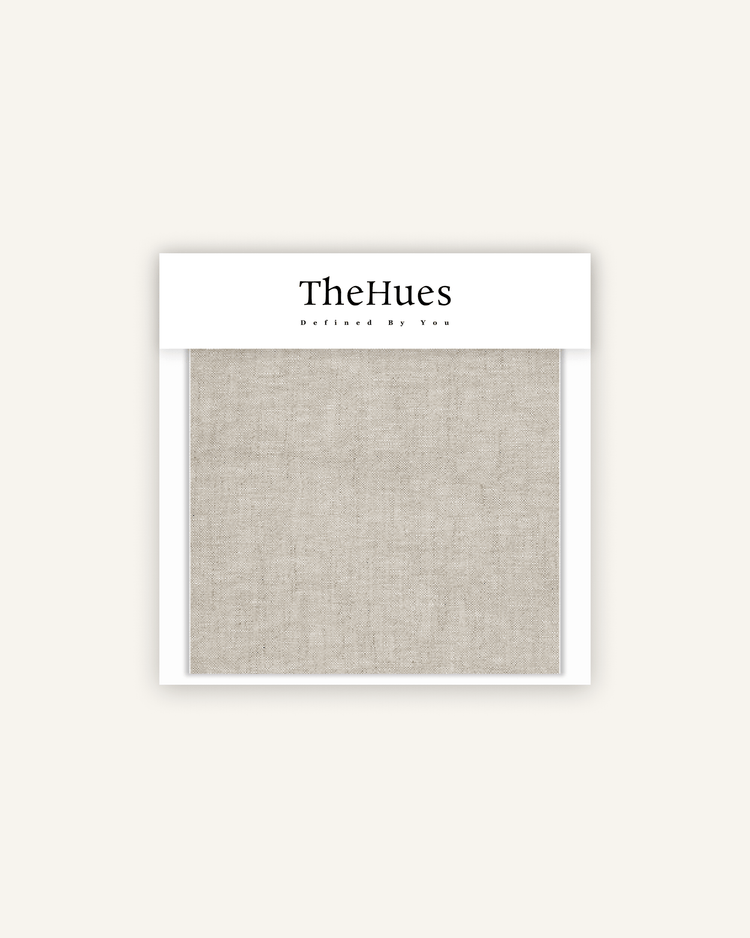
Ordering physical swatches eliminates this guesswork. Taping a real fabric sample to your wall lets you test its thickness and undertones under both morning daylight and evening lamps.
For full layout planning, utilize a Free Design Service to consult with specialists regarding your window sizing and sun exposure.
Pairing expert advice with a Free Mockup preview allows you to view digital renderings of insulated drapes placed over photos of your space, guaranteeing total confidence before you place an order.
Frequently Asked Questions
Do thermal curtains really lower electric and gas bills?
Yes. By adding an insulating barrier over window glass, thermal curtains reduce heat gain in summer and heat loss in winter. This lowers the daily workload on your central heating and cooling system, helping reduce utility expenses.
Are heavier curtains always better for energy efficiency?
Generally, yes. Fabric weight correlates directly with density and multi-layer construction. Heavier textiles have the mass needed to trap air and block thermal transfer effectively.
Do light-colored thermal curtains work as well as dark ones in the summer?
Modern multi-layer thermal panels insulate well regardless of face color because their dense inner core stops heat. However, light-colored backings or fabrics reflect direct solar radiation more efficiently on south- and west-facing windows.
Finding Your Balance
Upgrading window treatments provides a practical defense against high utility costs. Replacing thin decorative drapes with dense, multi-layered thermal panels helps stabilize indoor temperatures year-round. Testing physical fabric swatches and mounting your curtains high and wide ensures your investment keeps your home comfortable while keeping energy expenses under control.