How to Use Custom Curtains to Transform Any Room


Most people treat curtains as an afterthought, but they are the fastest way to make a room look expensive or cheap. Choosing the wrong fabric or mounting height can ruin the proportions of your space. This guide cuts through the noise to help you choose the right treatments for US homes, factoring in light control, HOA restrictions, and energy efficiency.
Bedroom Curtains: Sleep & Privacy First
Your bedroom has one job: sleep quality. If you have streetlights outside or a neighbor's security light beaming in, standard curtains won't cut it.
The "Hotel Blackout" Standard
Don't confuse "room darkening" with "blackout." If you are a light sleeper, work night shifts, or have a nursery:
- Go for 100% Blackout Liners: Standard thick fabrics still bleed light. You need a dedicated blackout liner sewn into the back.
- The "Halo" Effect: Light leaks around the edges of curtains. To fix this, extend your rod at least 10-12 inches past the window frame on each side, or use a "wraparound" French rod that returns to the wall.
HOA & Curb Appeal
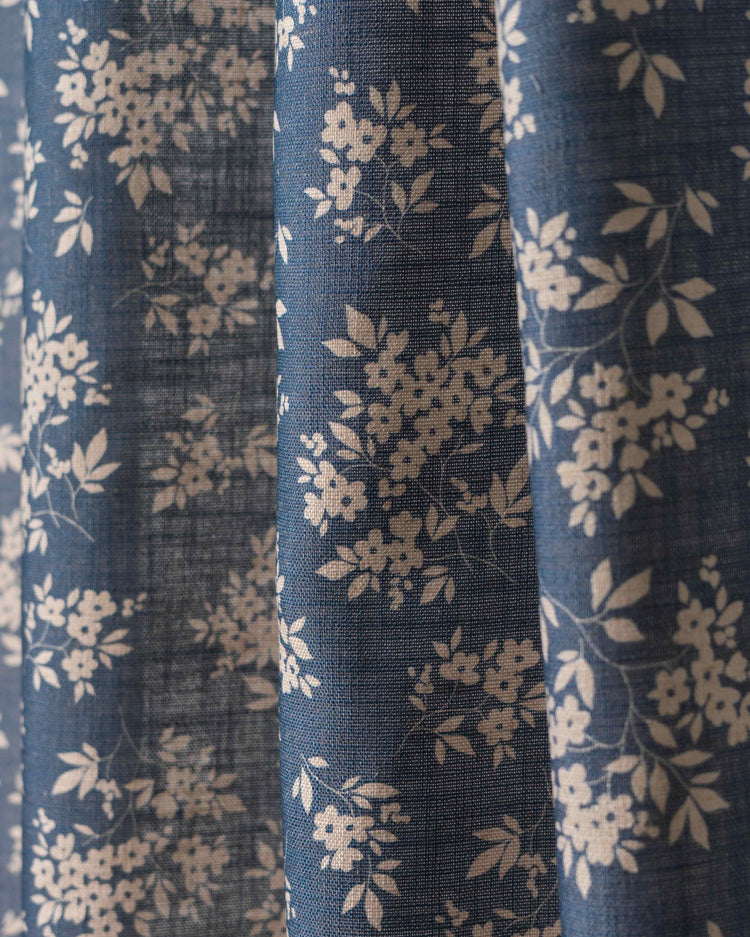
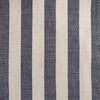
Crucial Note: Many US Homeowner Associations (HOAs) require window treatments to appear white or off-white from the street side. If you choose a navy blue or patterned curtain, ensure it is lined with white fabric on the back to avoid fines and maintain curb appeal.
Temperature Control
If you have older single-pane windows, thermal-lined drapery acts as insulation. It keeps the room cooler in the summer and traps heat in the winter, which can tangibly lower your HVAC usage.
Styling the Bedroom
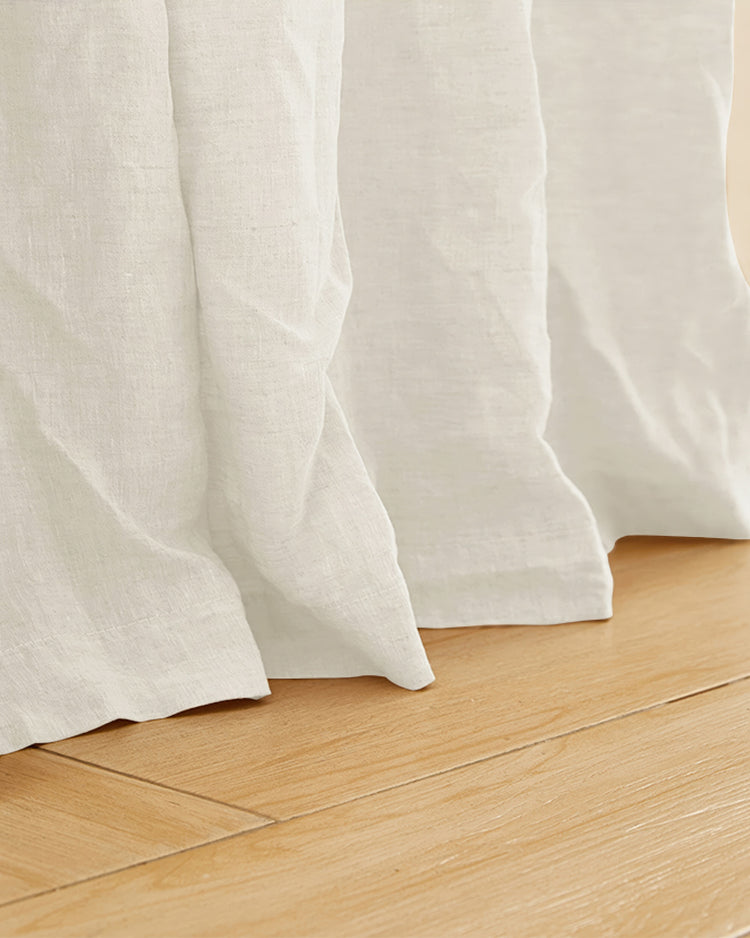
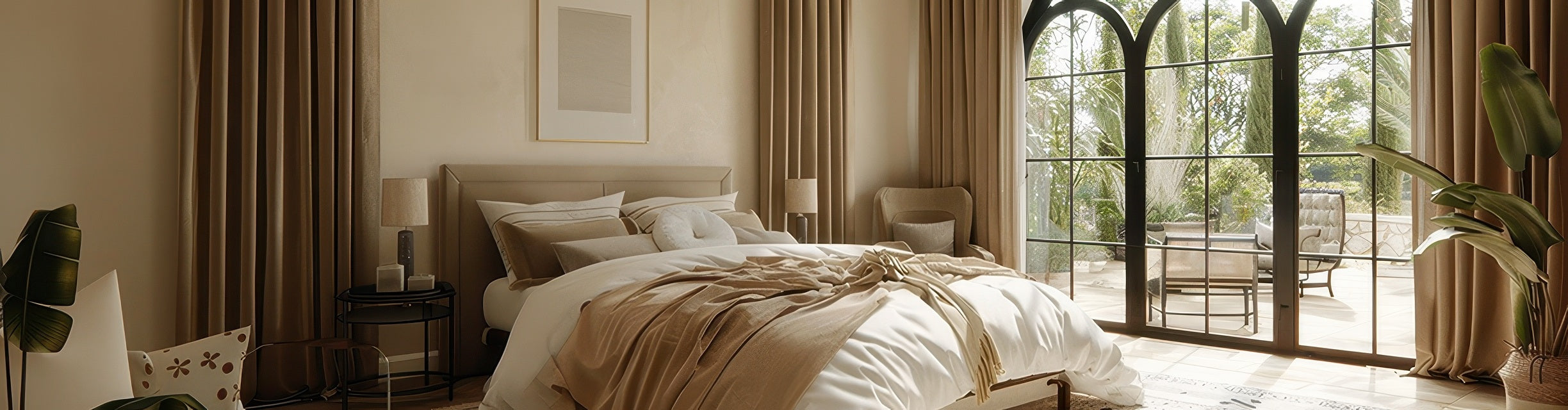
The Look: Floor-length is non-negotiable here. For a romantic, relaxed look, add 1-2 inches to the length for a "break" (where the fabric bends slightly at the floor). Avoid the "puddle" look (excessive fabric on the floor) in high-traffic areas where you might trip in the dark.

 100% Blackout
 Better sleep
 Noise Reducing
 Energy Saving
Living Room Curtains: High & Wide
The living room is where you host. The goal here is usually to make the room feel taller and more spacious.
The Golden Rule: High and Wide
Stop mounting your rods right above the window frame. To make your ceilings look higher and windows look larger:
- Height: Mount the rod at least 1/2 to 2/3 of the distance between the window frame and the ceiling (or crown molding). Closer to the ceiling is usually better.
- Width: Extend the rod 10-15 inches beyond the window frame on each side. When the curtains are open, the "stack" (bunched fabric) should rest against the wall, not covering the glass. This maximizes natural light.
Fabric & Vents
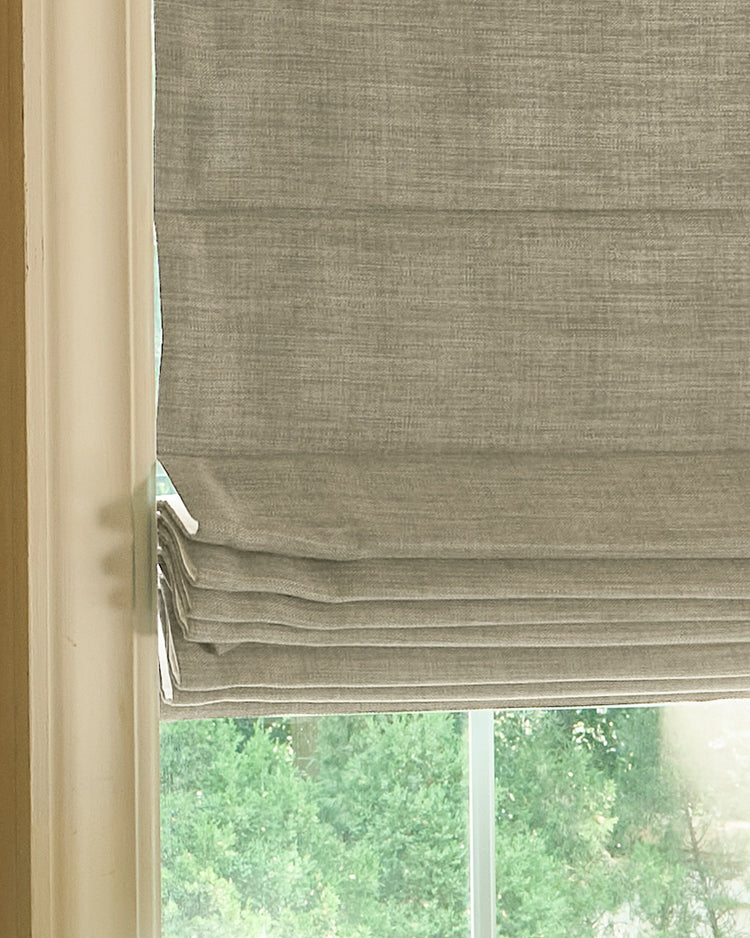
Check your floor. In many homes, HVAC vents are located directly under windows. Heavy floor-length drapes can block airflow or create a fire hazard with electric baseboard heaters. In these cases, consider ending the curtain just above the heat source or opting for Roman shades.
Linen vs. Velvet
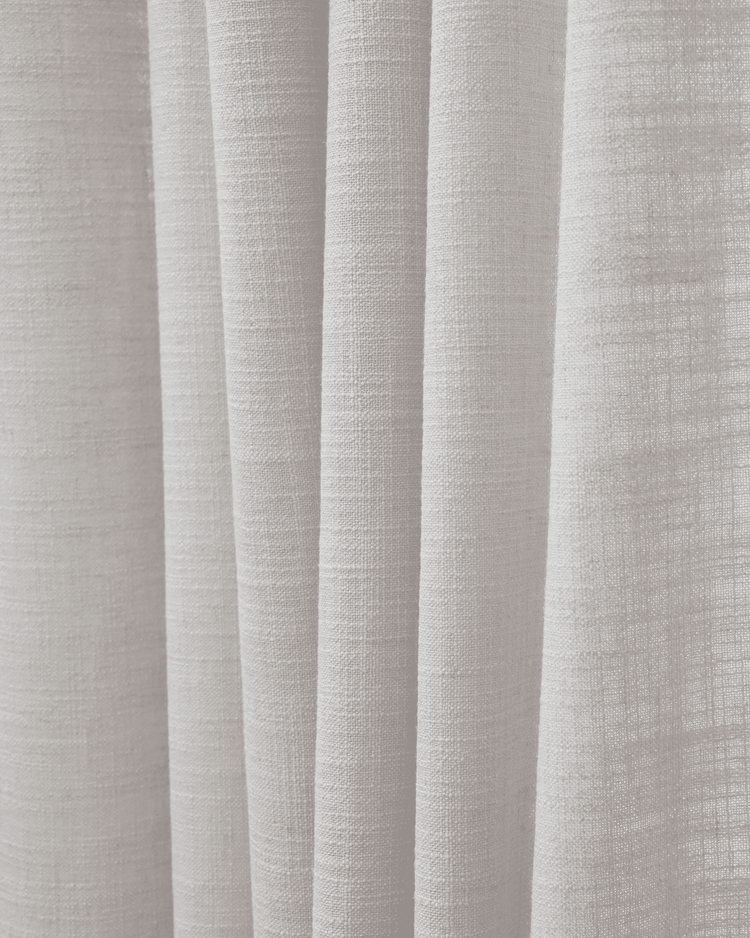
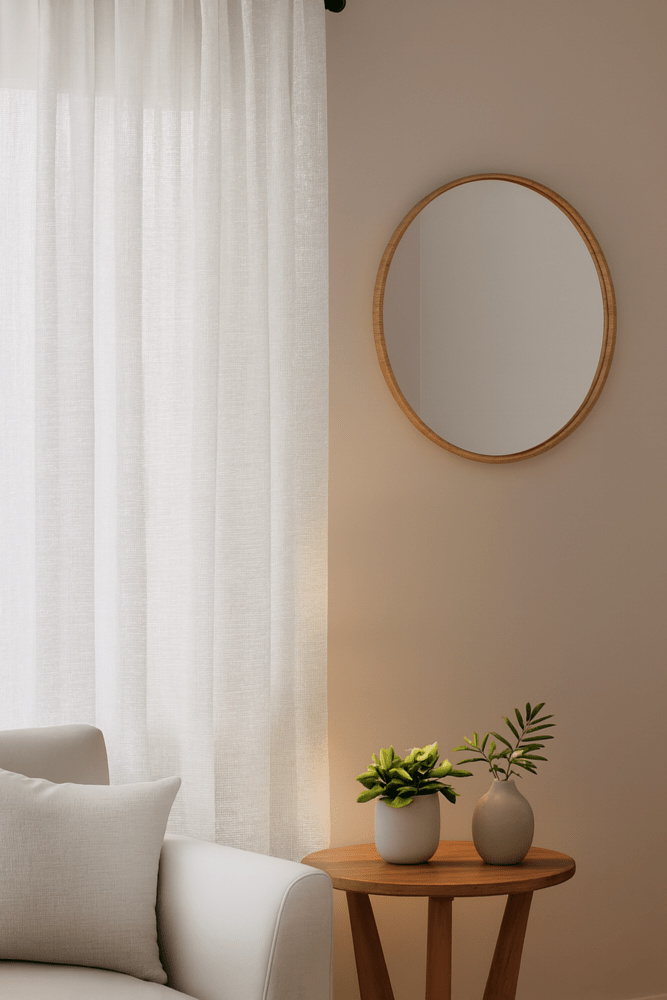
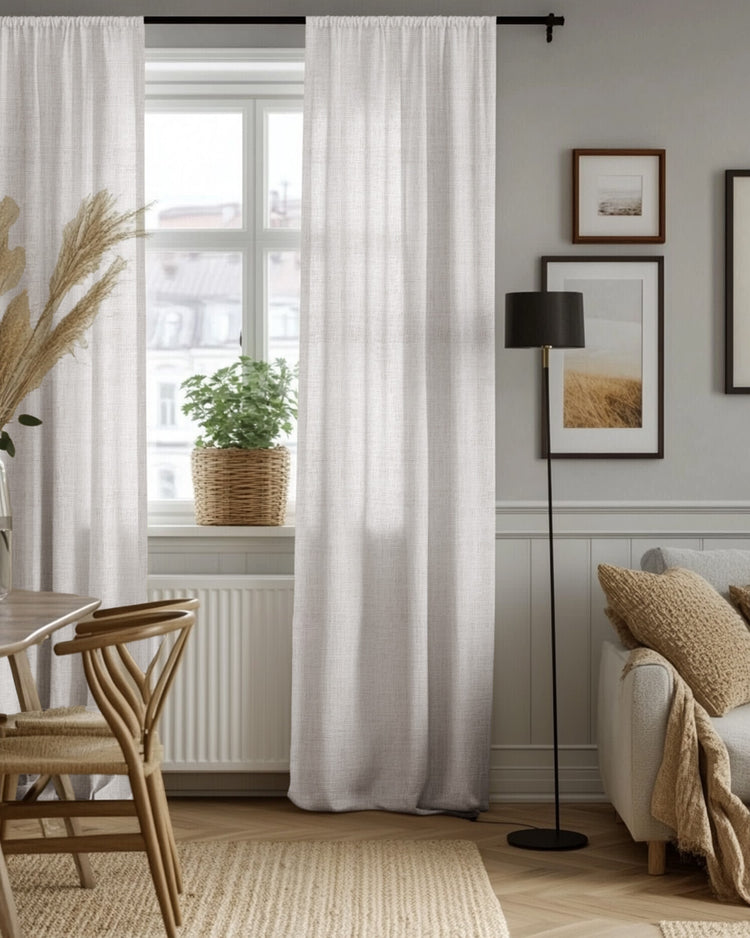
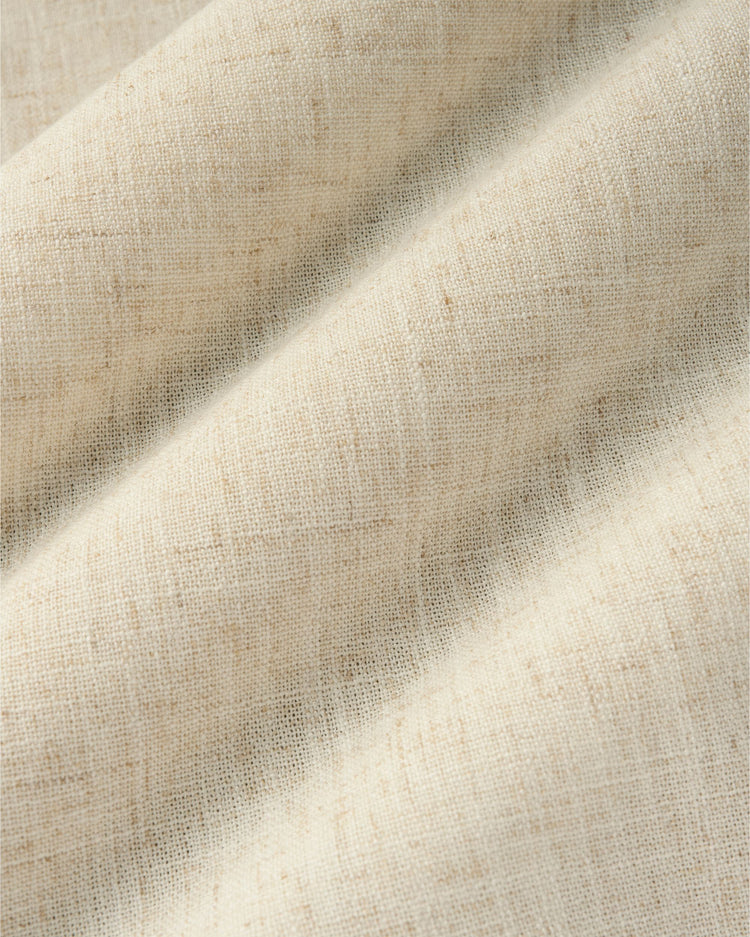
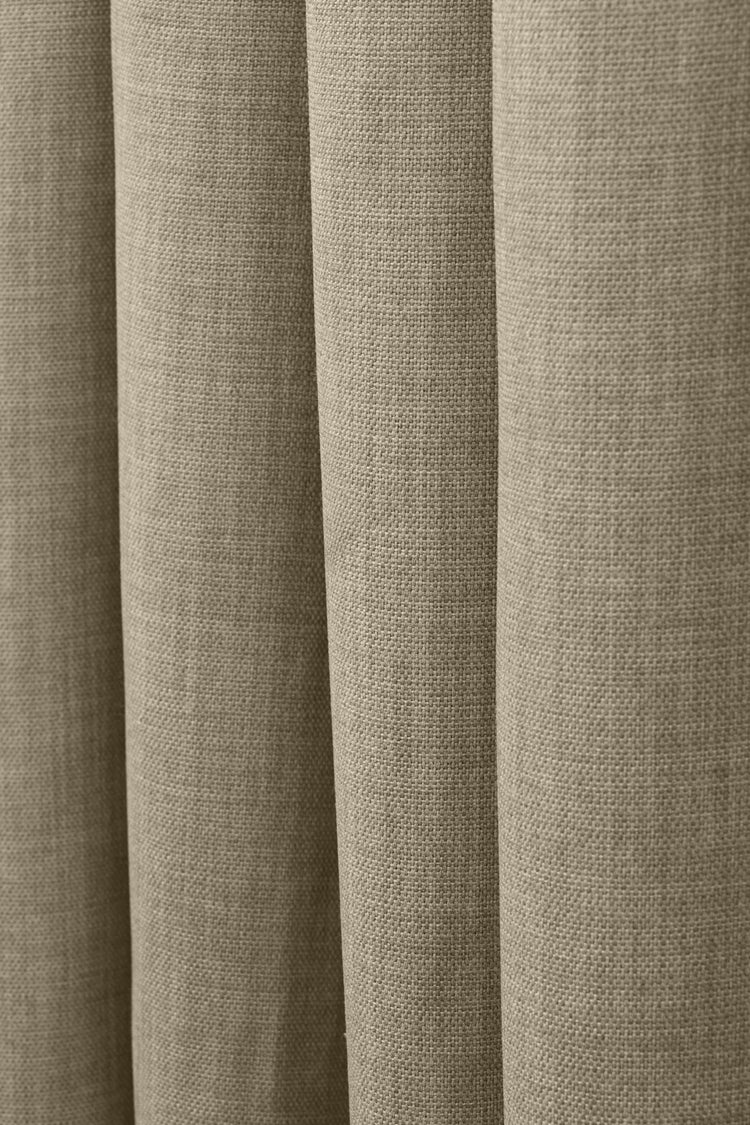
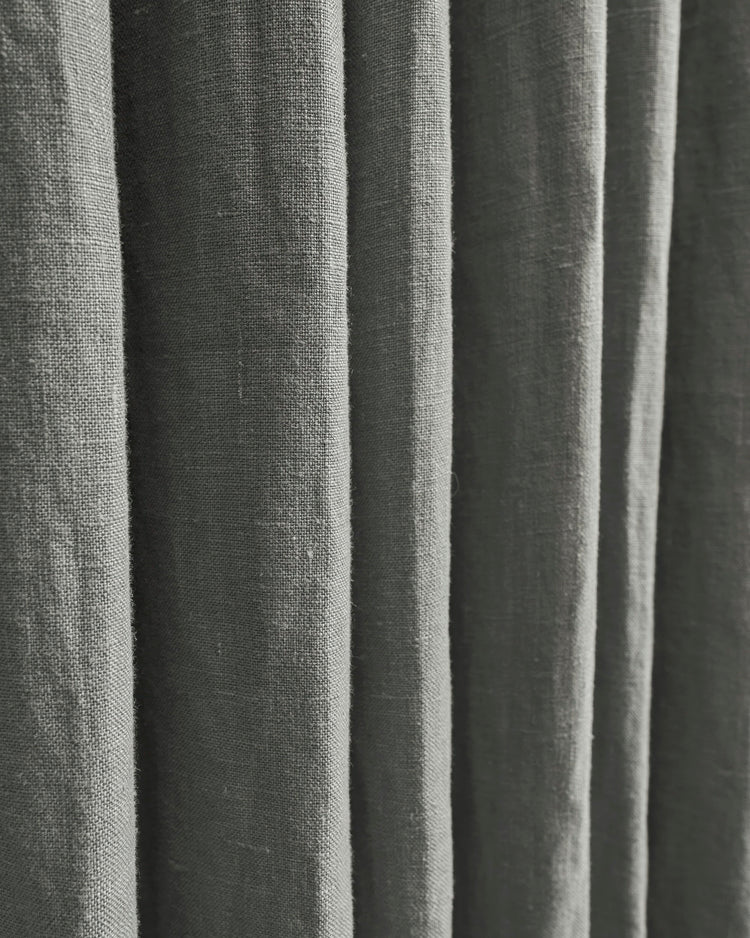
- Linen/Cotton blends: Perfect for a casual, organic, "Pottery Barn" aesthetic. They filter light beautifully but offer less privacy at night (silhouettes may be visible).
- Velvet: Adds weight, drama, and sound absorption. Great for media rooms or drafty large spaces.
Kitchen Curtains: Safety & Function
Kitchens are high-risk zones for fabrics due to grease, steam, and heat.
The "Danger Zone"
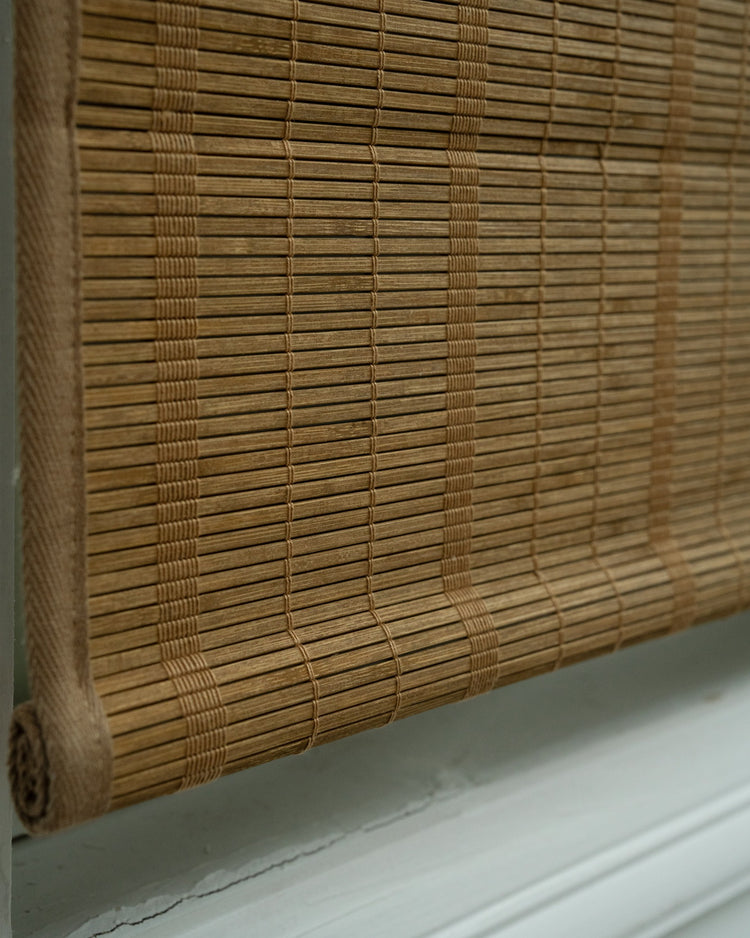
Never hang flowing curtains near a stove or range. It is a serious fire hazard. If your window is near the cooking area, opt for a wipeable roller shade or a faux-wood blind that won't absorb grease and odors.
Practical Options
- Faux Roman Shades: These add the softness of fabric but stay high up and away from splashes.
- Cafe Curtains: Covering only the bottom half of the window provides privacy from neighbors while letting sunlight stream in through the top. Ideally suited for breakfast nooks.
- Washability: If you choose fabric for the kitchen, ensure it is machine washable. Dry-clean only curtains in a kitchen will be ruined within months.
Bathroom Curtains: Moisture Management
Humidity kills standard curtains. Cotton absorbs moisture and breeds mildew; silk will water-spot immediately.
The Right Choice
Unless you have excellent ventilation, avoid heavy drapes.
- Polyester/Outdoor Fabrics: These resist mildew and won't shrink in humid environments.
- Privacy Films + Valance: A practical US bathroom combo is using frosted privacy film on the lower sash for 24/7 privacy, pairing it with a decorative valance or top-treatment for softness.
Home Office: The Video Call Background
Your curtains are likely visible on Zoom or Teams. They are part of your professional presentation.
Glare Control
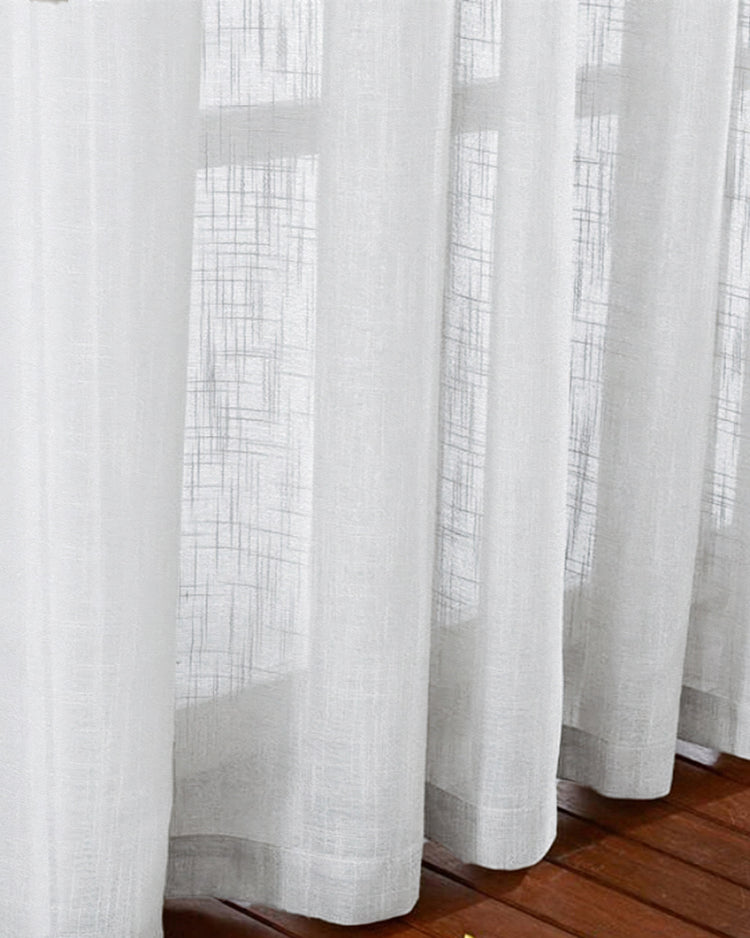
If the window is behind your screen, you need light control to prevent eye strain. If the window is behind you, you need light filtering to prevent the "witness protection" silhouette effect where your face is dark and the background is blown out.
The Camera Test
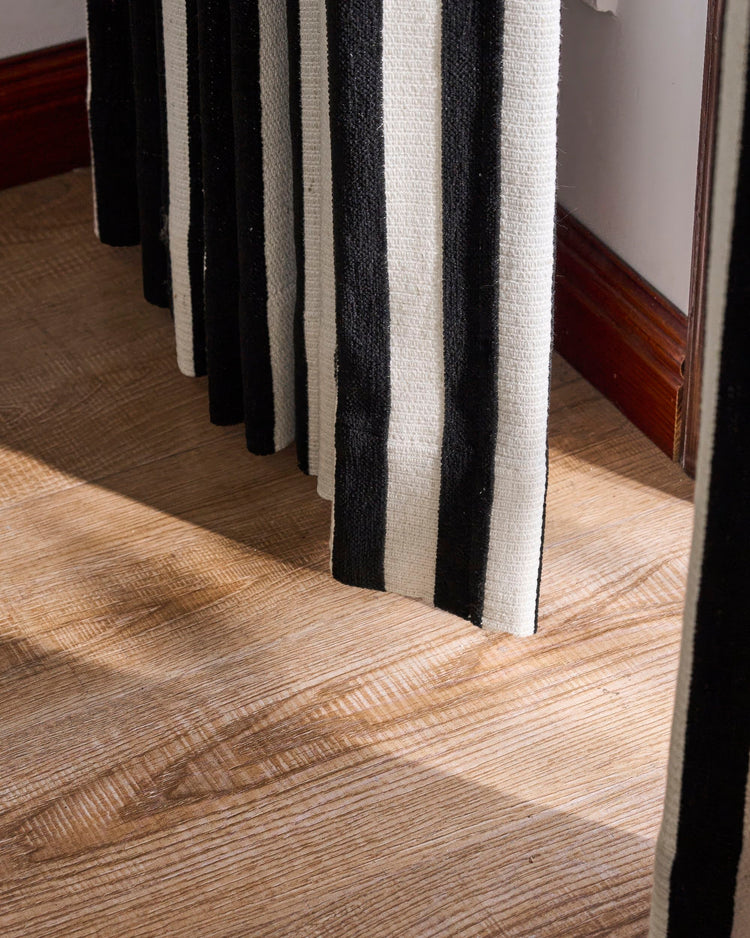
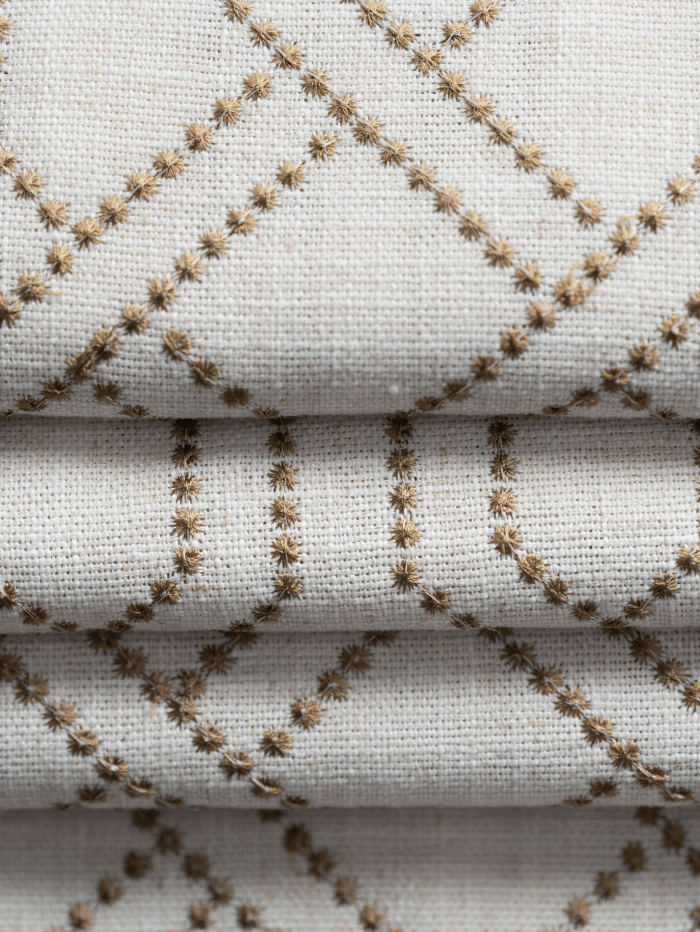
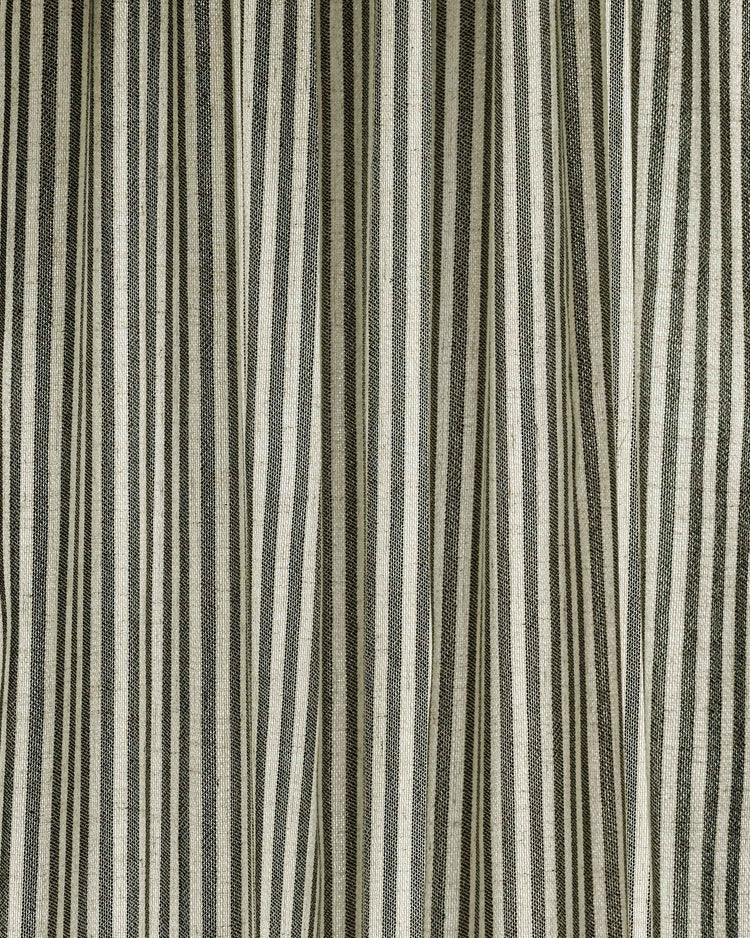
Avoid narrow, busy stripes or tiny checkered patterns, which can cause a "moire effect" (shimmering/strobing) on webcams. Solid, textured fabrics or large-scale patterns read best on camera.
Outdoor Curtains: Sunbrella or Bust
Do not use indoor curtains outside. They will fade in two weeks and mold in four.
Material Matters
Look for solution-dyed acrylic (like Sunbrella). The color goes all the way through the fiber (like a carrot), unlike printed polyester where the color is just on top (like a radish). This prevents fading from UV rays. Make sure you use rust-proof stainless steel grommets and heavy weights in the hem to stop them from flapping violently in the wind.
Sliding Glass Doors: The Traffic Problem
Sliding doors are high-traffic areas. The biggest mistake is using a rod that makes it difficult to open the door quickly.
Traverse Rods
Skip the standard rod with rings, which catch and snag. For sliders, use a traverse rod (uses a track and pin system). This allows you to glide the curtain open with a single pull of a wand or cord, keeping hand oils off the fabric.
The Stack
Glass doors are wide. Ensure you have enough wall space on the opening side for the curtain to stack completely clear of the door, otherwise, you'll be fighting the fabric every time you go outside.
Measuring for the "Custom" Look
If you want your curtains to look professionally installed, follow these two rules:
1. Fullness is Luxury
Cheap curtains look flat. For a high-end look, the total width of your curtain panels should be 2 to 2.5 times the width of the window. If your window is 50 inches wide, you need 100 to 125 inches of fabric width. Skimping here is why curtains look cheap.
2. The "Kiss" or The "Break"
Measure from the top of the rod to the floor.
- The Kiss: The curtain barely touches the floor. Hard to measure perfectly (requires exact leveling), but looks very tailored.
- The Break: Add 0.5 to 1 inch to the length so the fabric bends slightly on the floor. This hides uneven flooring and looks relaxed.
- The High-Water (Don't do this): Curtains that hang 1+ inches above the floor look like pants that are too short. Avoid at all costs.
Ready to get the perfect fit? Our measurement guide provides the exact diagrams you need to avoid mistakes.
Caring for Curtains
Dust is the enemy. Vacuum your curtains with an upholstery attachment every time you clean the room to keep allergens down. Only wash when absolutely necessary to preserve the pleats and lining structure.