Create a Polished Look With Floor-Length Curtains in the Kitchen


In this article 7 sections
Why Kitchens Need Softness (And Why Floor-Length Works)
Kitchens are often the hardest rooms in the house—literally. Between stone countertops, stainless steel appliances, and tiled floors, the space can feel sterile and cold. While standard blinds or valances offer utility, they do little to counteract those hard edges.
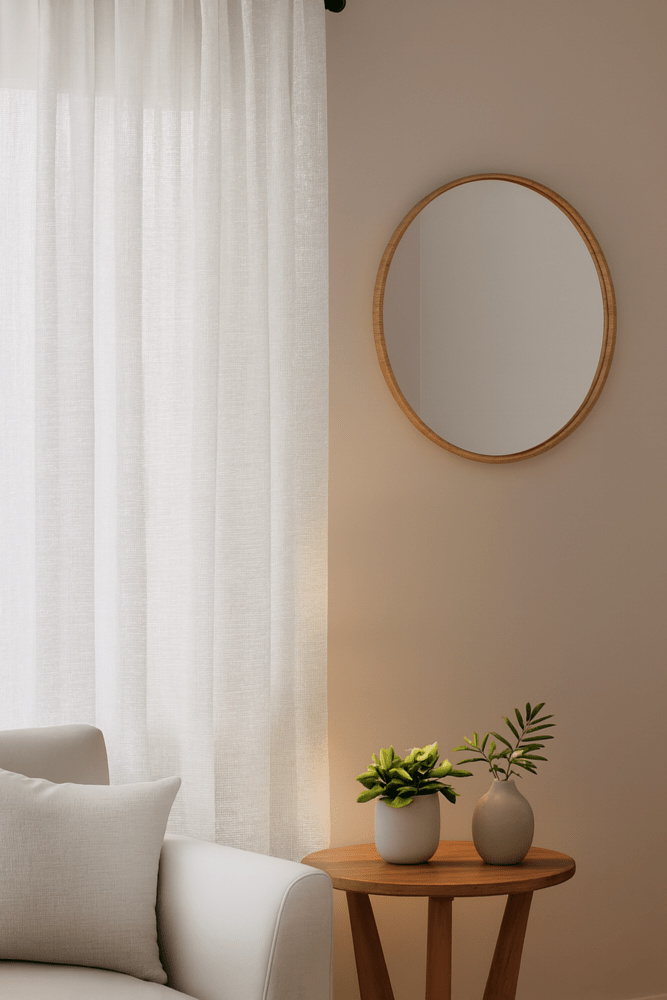
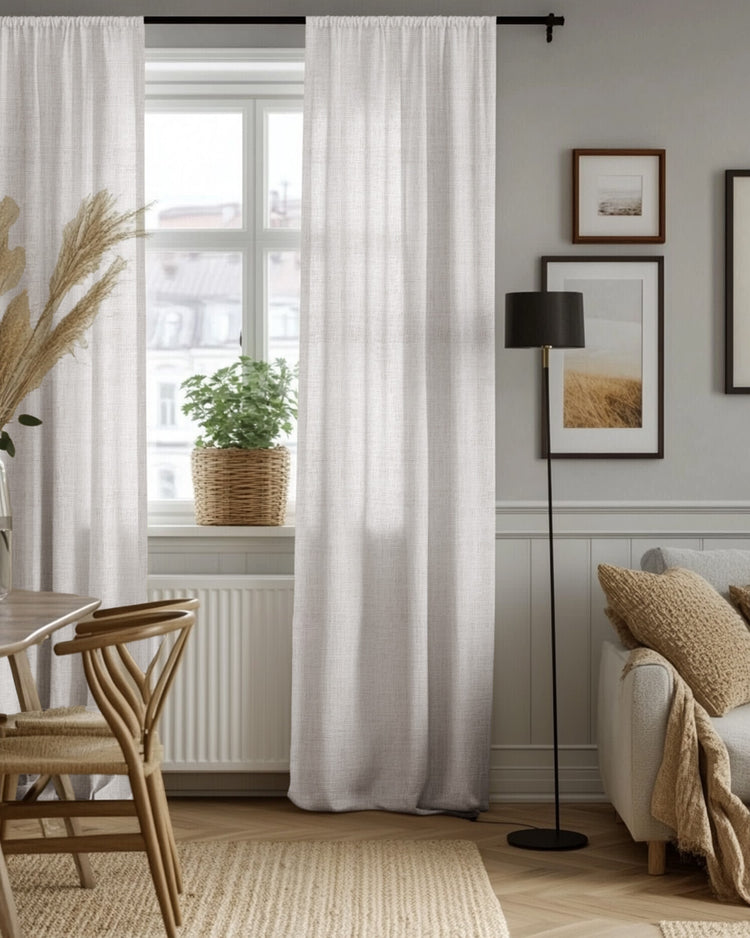
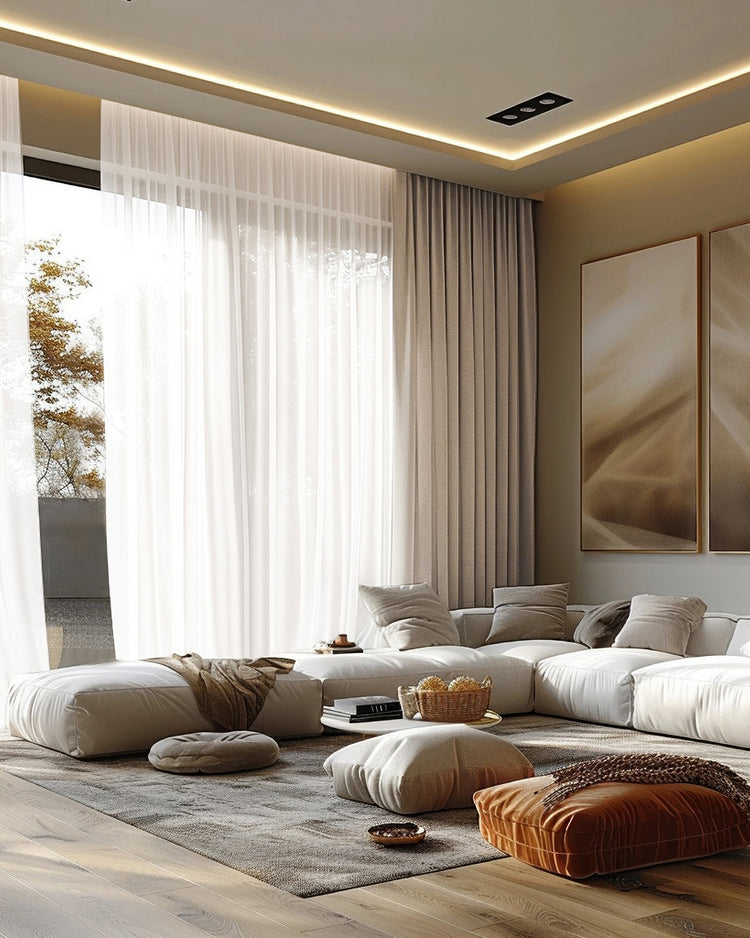
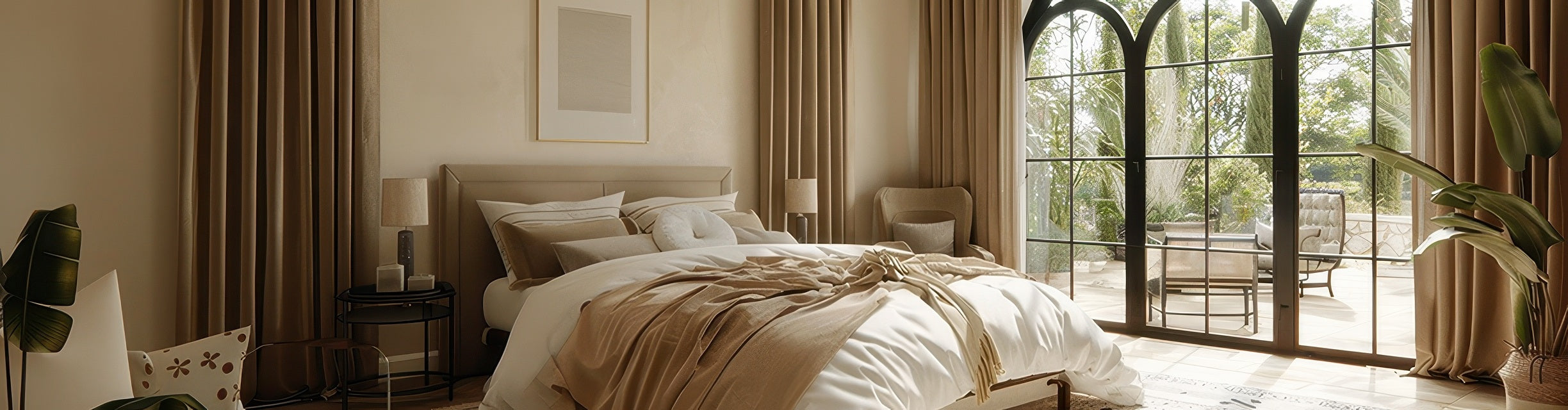
Floor-length curtains change the architecture of the room. They draw the eye upward, making ceilings look higher, and introduce a vertical layer of softness that grounds the space. This isn't just about aesthetics; it's about shifting the kitchen from a purely industrial workspace into a welcoming gathering hub.

The Best Locations for Long Curtains
Placement is the difference between a high-end look and a safety hazard. Floor-length drapes belong in specific zones away from the "work triangle" (sink, stove, fridge).
- Dining Nooks & Eat-In Areas: Frame the window next to your breakfast table to define the dining space separate from the prep zone.
- Sliding Glass & French Doors: This is the most practical use case. Vertical blinds are outdated; floor-length curtains offer better insulation against drafts and superior light control.
- Picture Windows: If you have a large window on a wall opposite your appliances, long curtains can turn it into a focal point.
Safety Note: Never place floor-length curtains near a stove, oven, or countertop toaster. Fabric creates a fire risk in cooking zones. Keep drapery at least 3-4 feet away from any heat source.
Choosing the Right Fabric: Function First
Kitchens are high-traffic zones prone to humidity, grease, and odors. Avoid heavy velvets or dry-clean-only silks—they will trap smells and moisture.
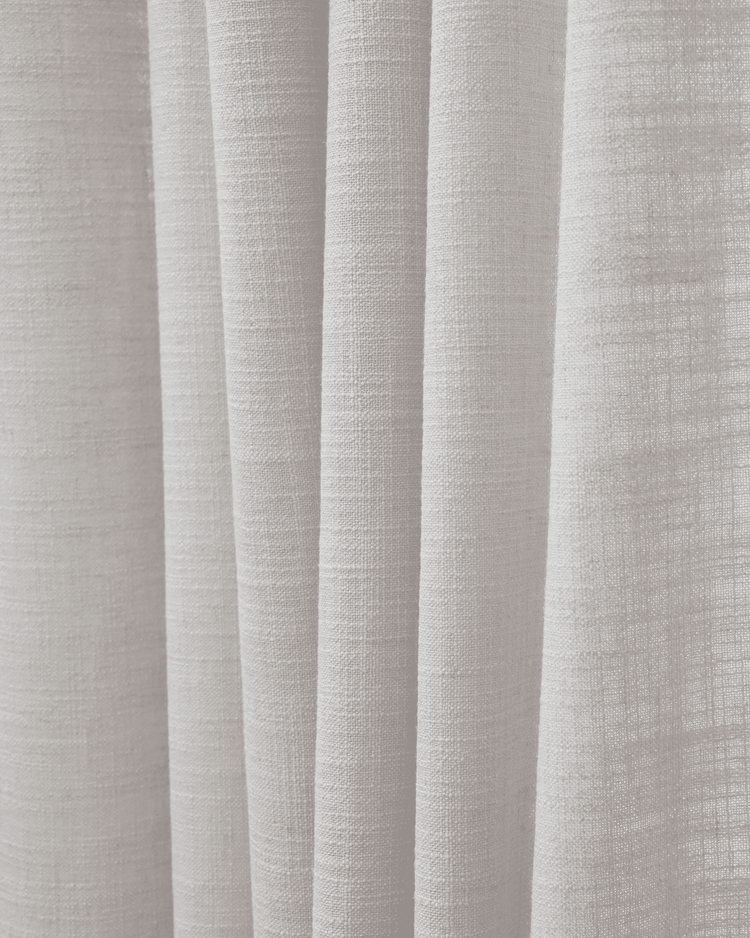
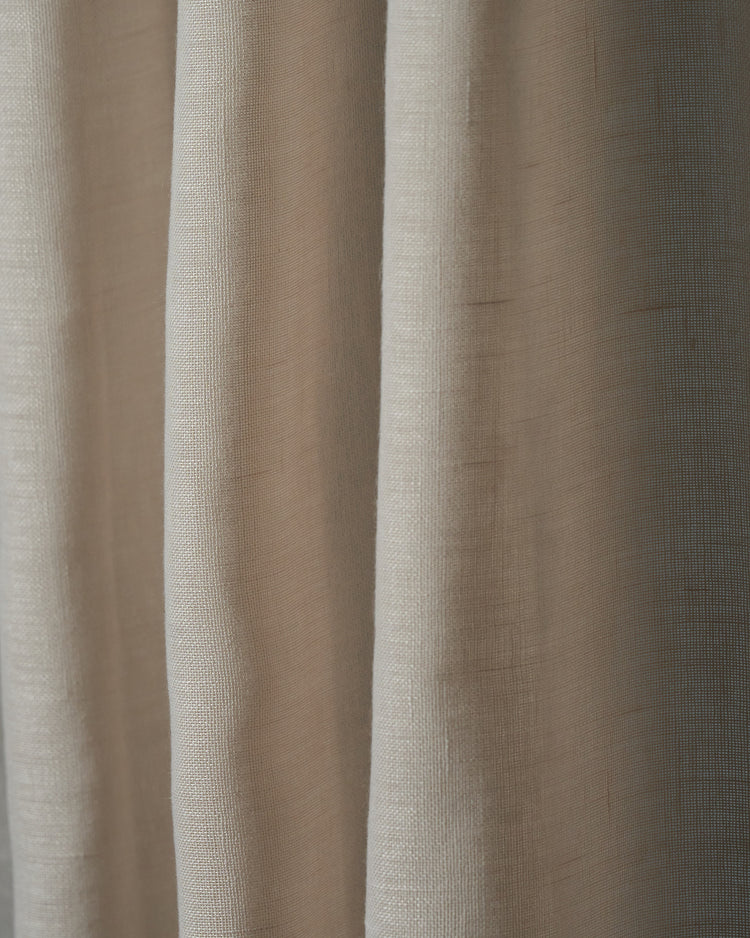
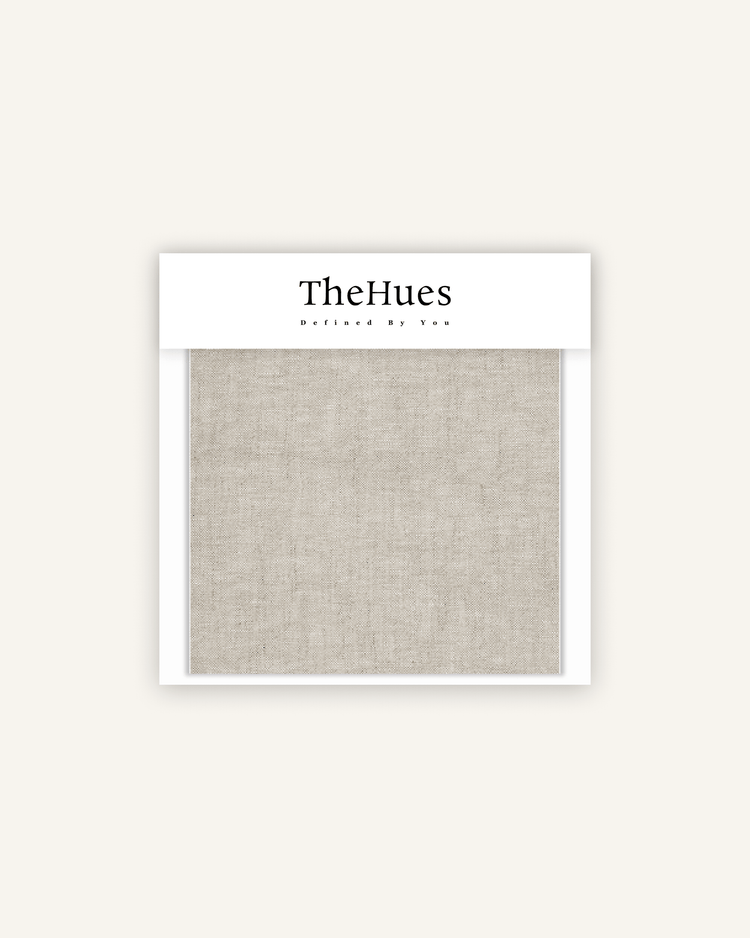
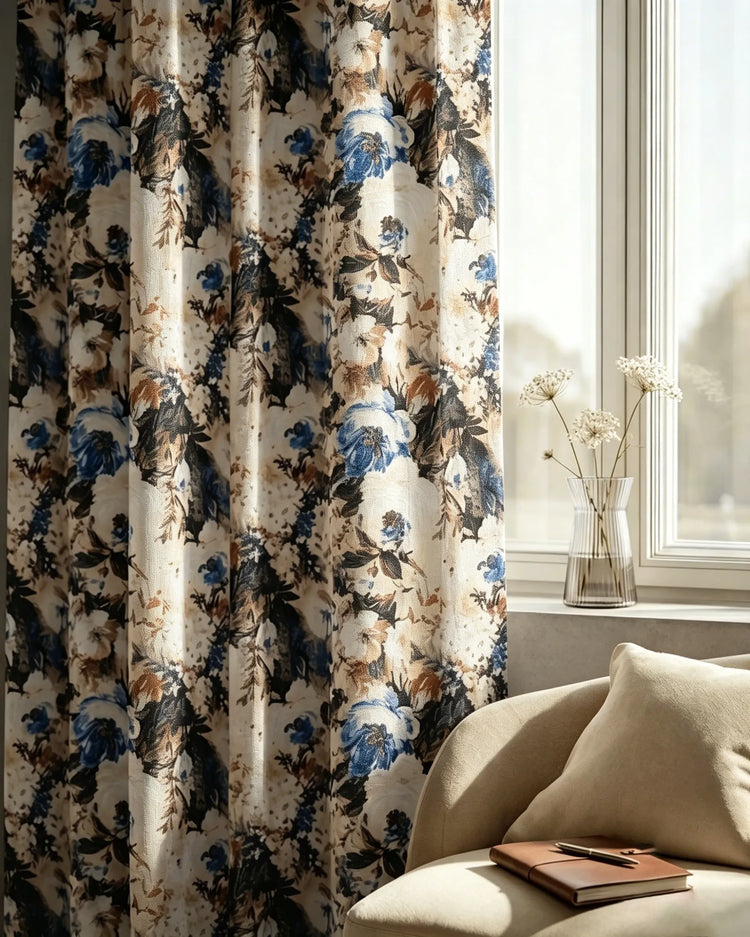
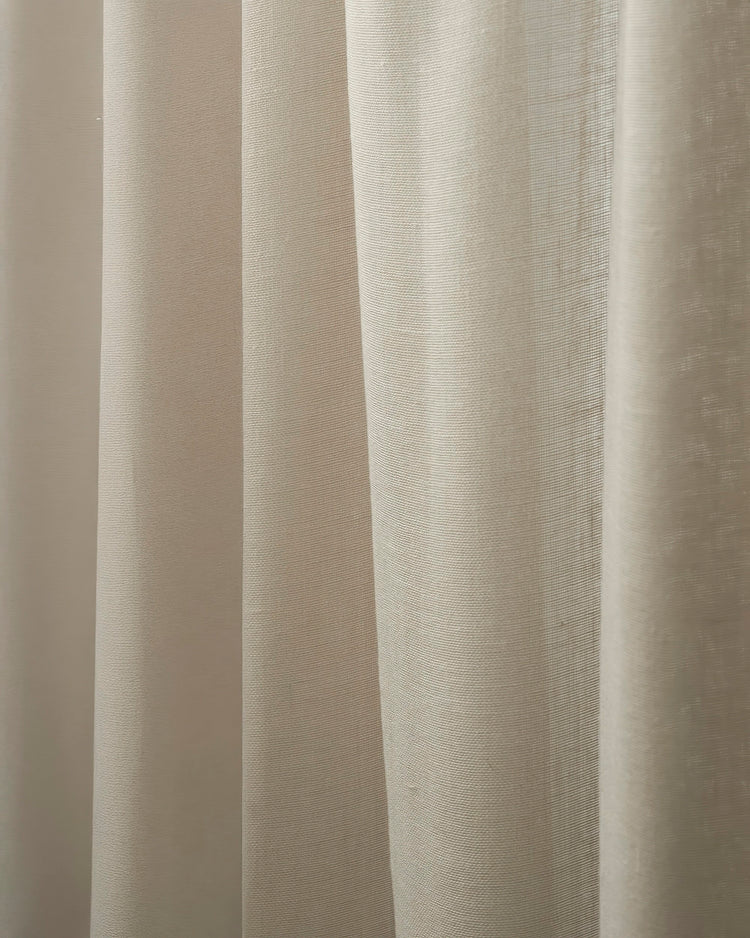
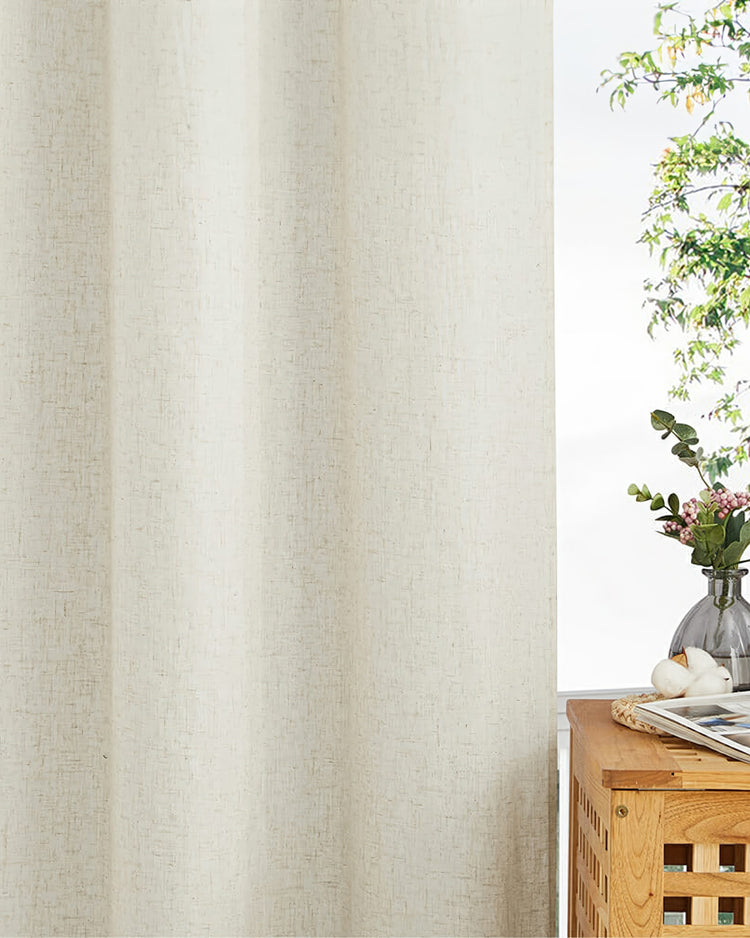
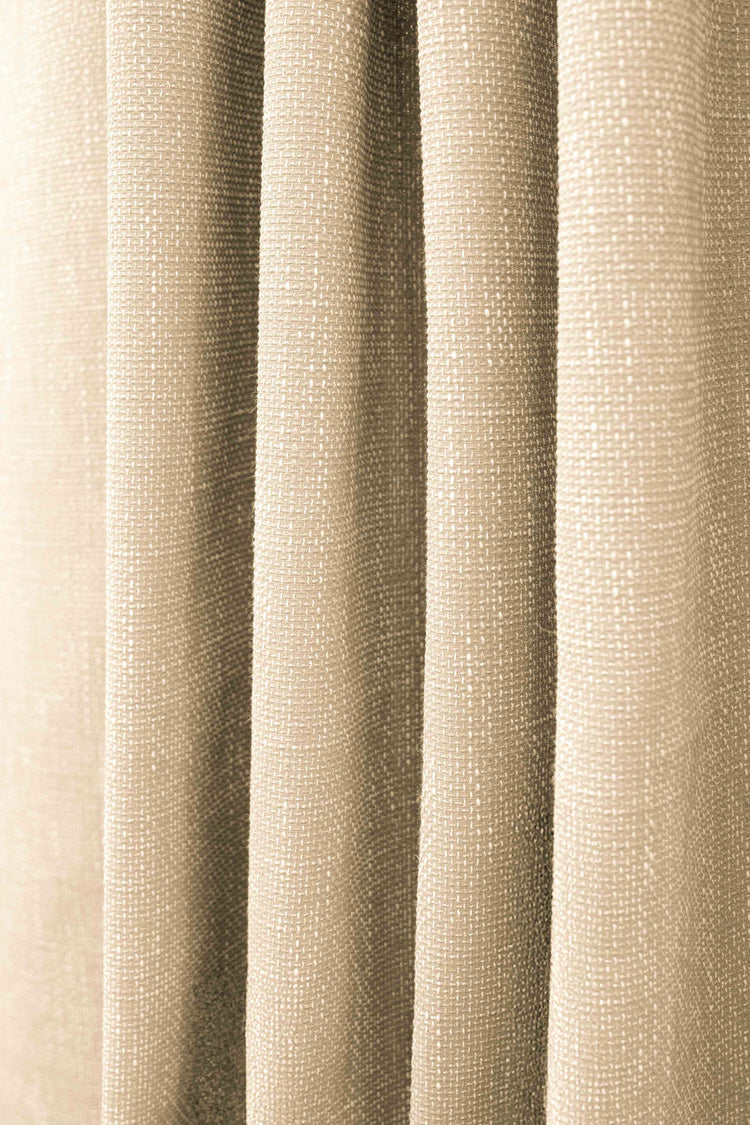
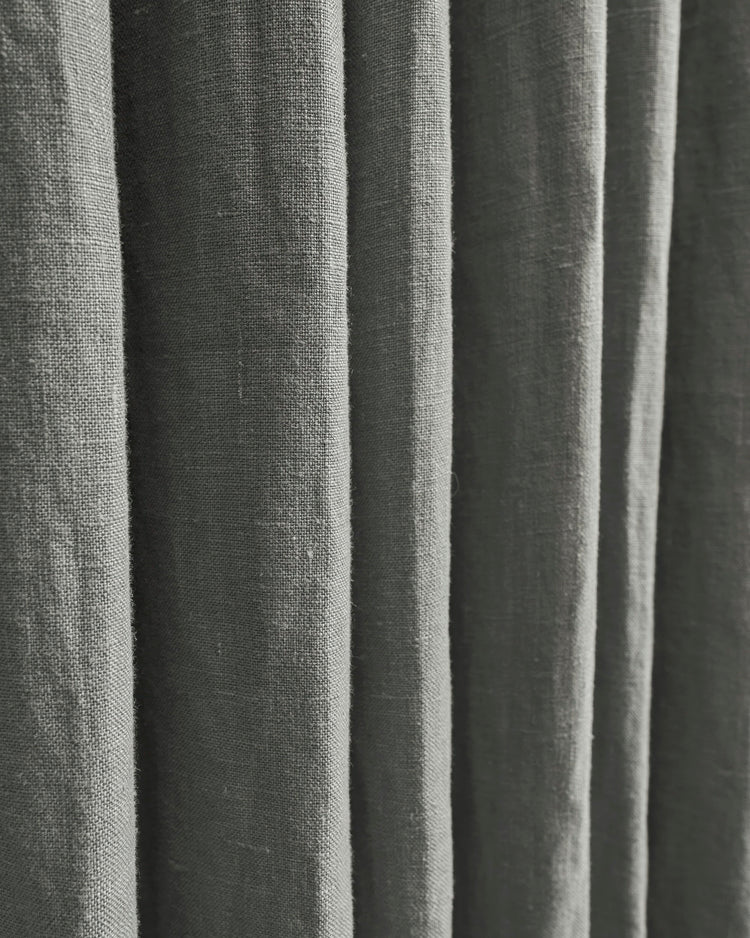
Instead, opt for linen blends, cotton, or high-performance polyesters. These materials breathe, resist mildew better than heavy fabrics, and offer a relaxed drape that suits the energy of a busy home. Crucially, look for fabrics that are machine washable. Being able to take them down and wash them is essential for kitchen hygiene.

 Kid-friendly
 OEKO-TEX® Certified
 Durable
 Low maintenance
The "Hover" vs. The "Puddle"
In a living room, you might let curtains "puddle" on the floor for a dramatic effect. Do not do this in a kitchen.
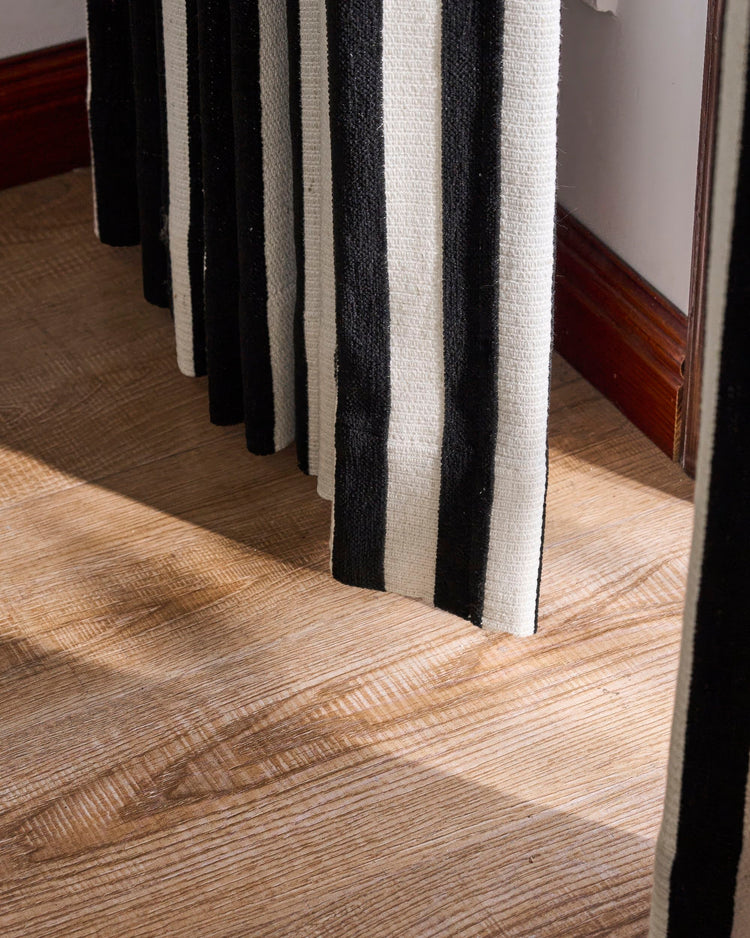
Kitchen floors require frequent sweeping and mopping. A curtain that drags on the floor will collect dust bunnies, pet hair, and crumbs. The ideal length for a kitchen curtain is a "kiss" (barely touching the floor) or a "hover" (hanging 1/2 inch above the floor). This keeps the hem clean and allows for easy cleaning underneath.
Layering for Privacy and Light Control

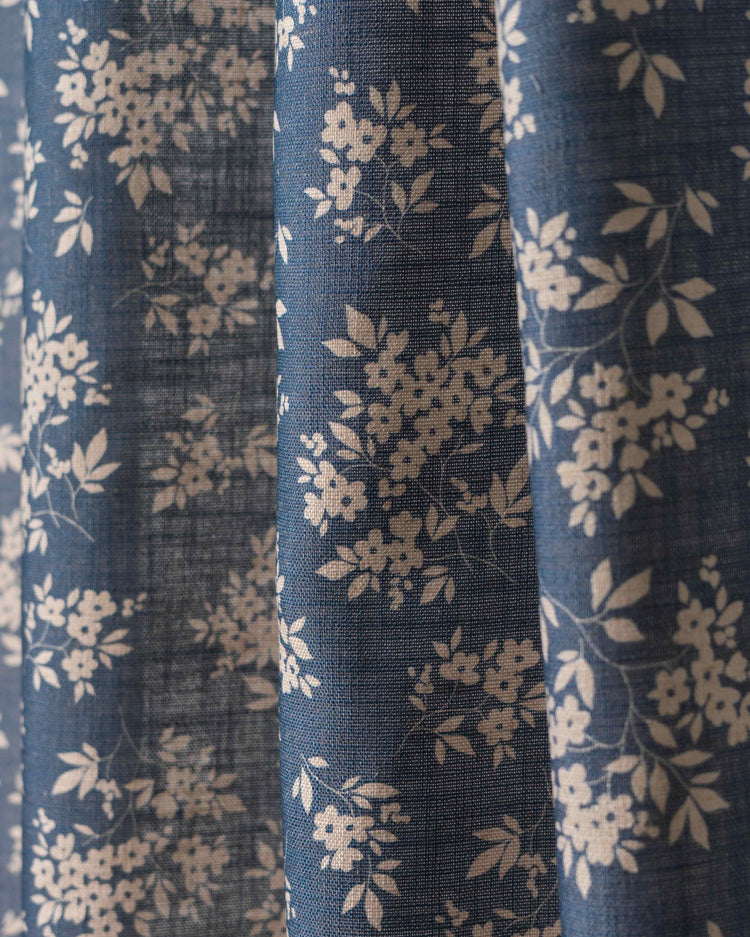
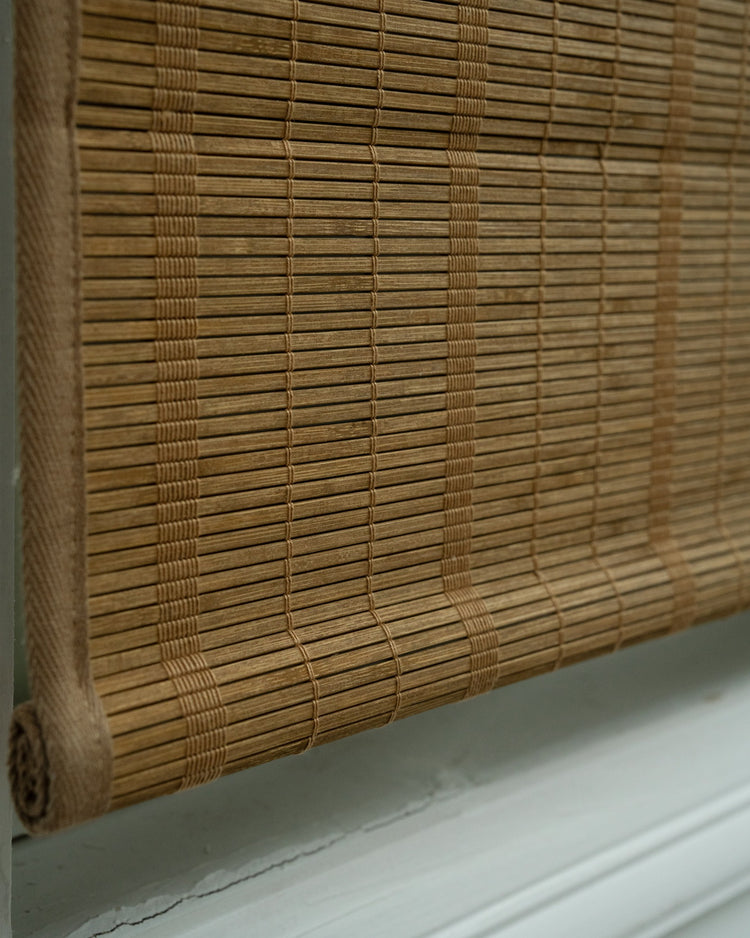
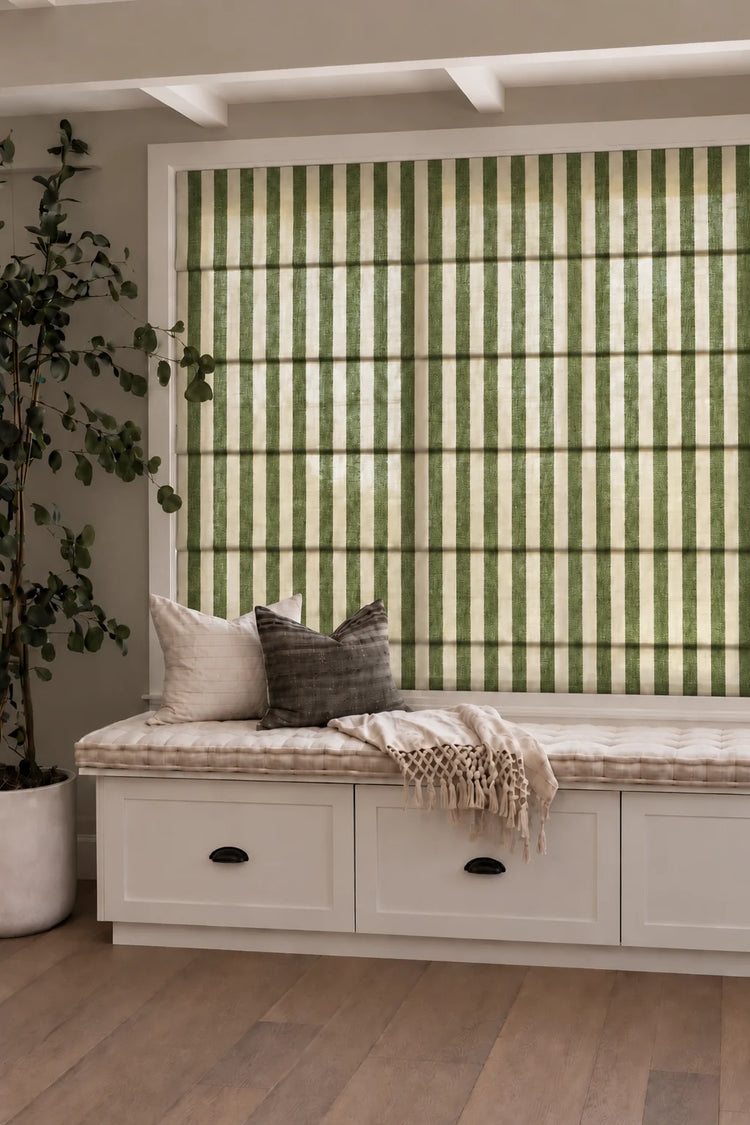
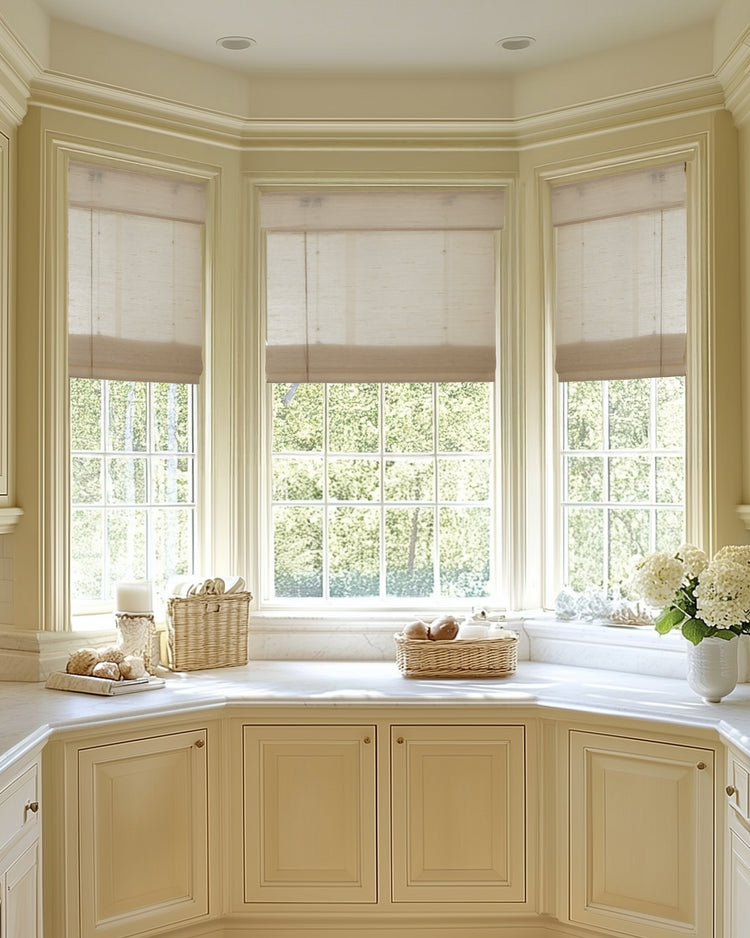
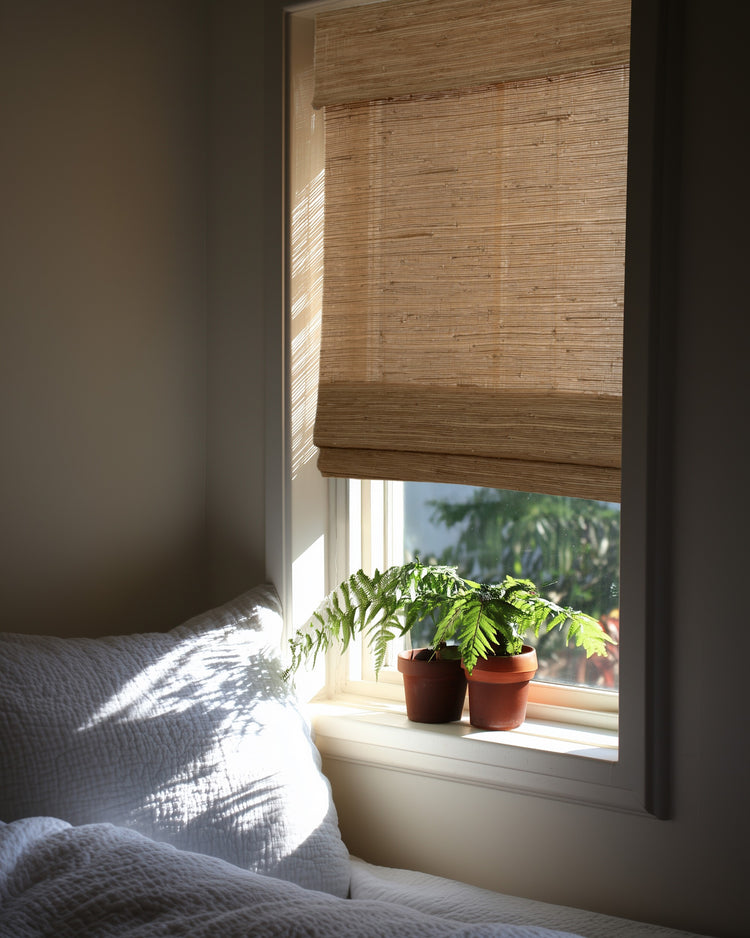
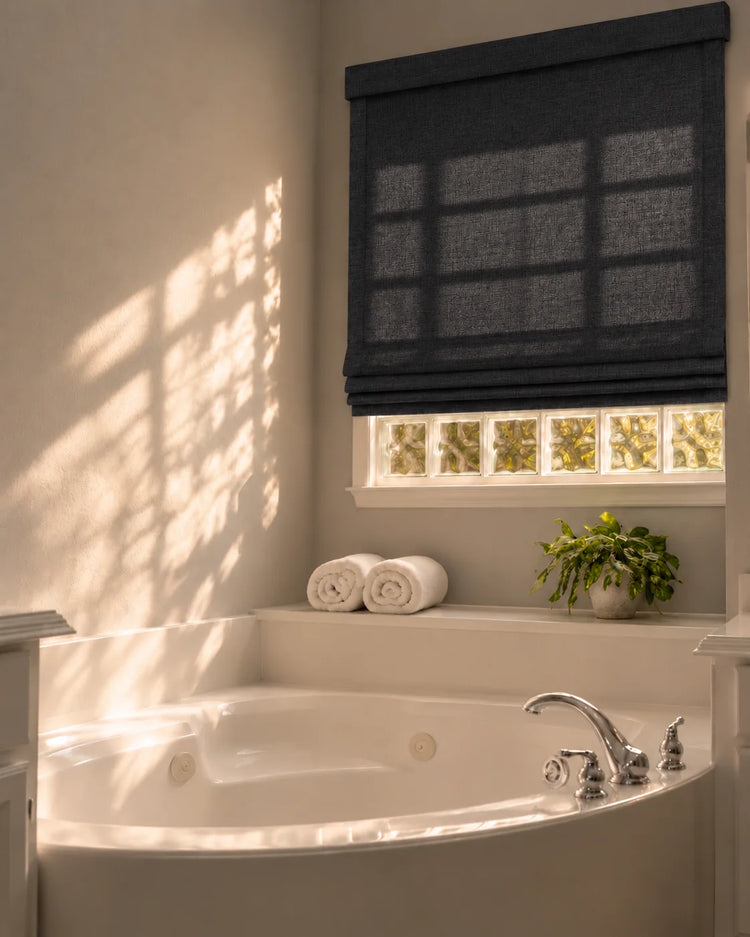
You don't have to choose between blinds and curtains. In fact, the most polished kitchens often use both. Install Roman shades or woven wood blinds inside the window frame for privacy and light filtering during the day. Then, flank the window with stationary floor-length panels to add texture and color.
This layered approach gives you the practicality of blinds (which stay clean and out of the way) with the decorative impact of drapery.
Hardware Details That Matter

Since kitchens are full of hardware (faucets, cabinet pulls, appliance handles), your curtain rod should coordinate with these existing finishes.
- Matte Black: Works perfectly in modern farmhouse or industrial kitchens.
- Brushed Brass or Gold: Adds warmth to white kitchens and pairs well with marble.
- Polished Nickel: Complements stainless steel appliances for a cohesive, professional look.
For the hanging style, grommets or back tabs are often superior to rings in a kitchen, as they slide easily and have a cleaner, more modern profile.
Final Thoughts: It’s About Balance
Floor-length curtains in the kitchen aren't just a trend; they are a solution for softening the harshness of a utility space. By choosing the right washable fabric, keeping the hem off the floor, and positioning them safely away from heat, you create a kitchen that feels as comfortable as a living room.