How Indoor Temperature Affects Your Health—and How Curtains & Shades Can Help


In this article 4 sections
Is your thermostat set to a reasonable temperature, yet you still feel a chill in the winter or sweating in the summer? You aren't imagining it. Your indoor temperature directly impacts your health, sleep quality, and wallet. While health experts recommend keeping indoor temperatures between 64°F and 75°F for optimal wellness, achieving this in a home with large windows or aging insulation is a battle—and an expensive one.
Your HVAC system is working overtime, but your windows are letting all that expensive air escape. The solution isn't necessarily a new heater; it's stopping the energy bleed with the right window treatments.
Do Curtains Actually Insulate?
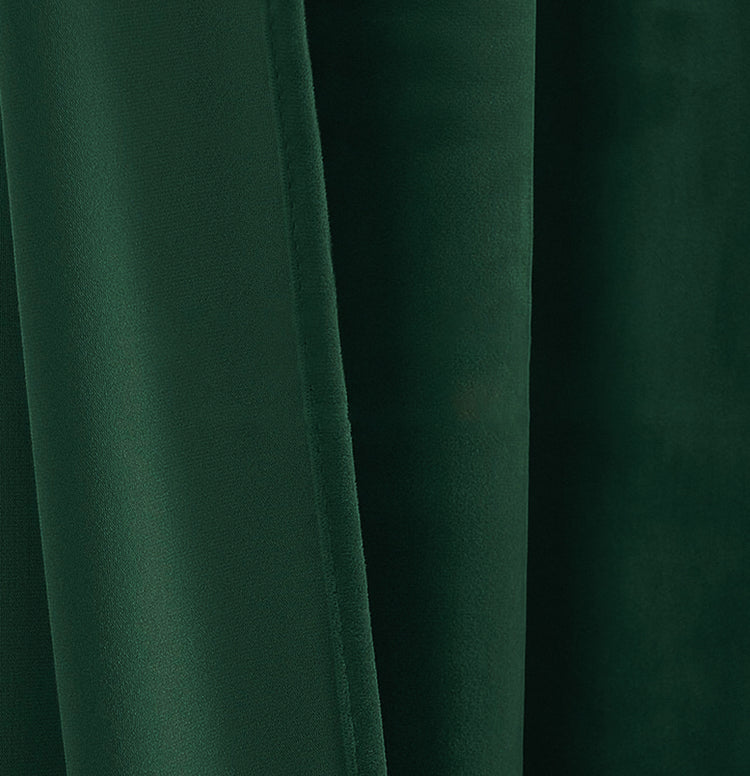
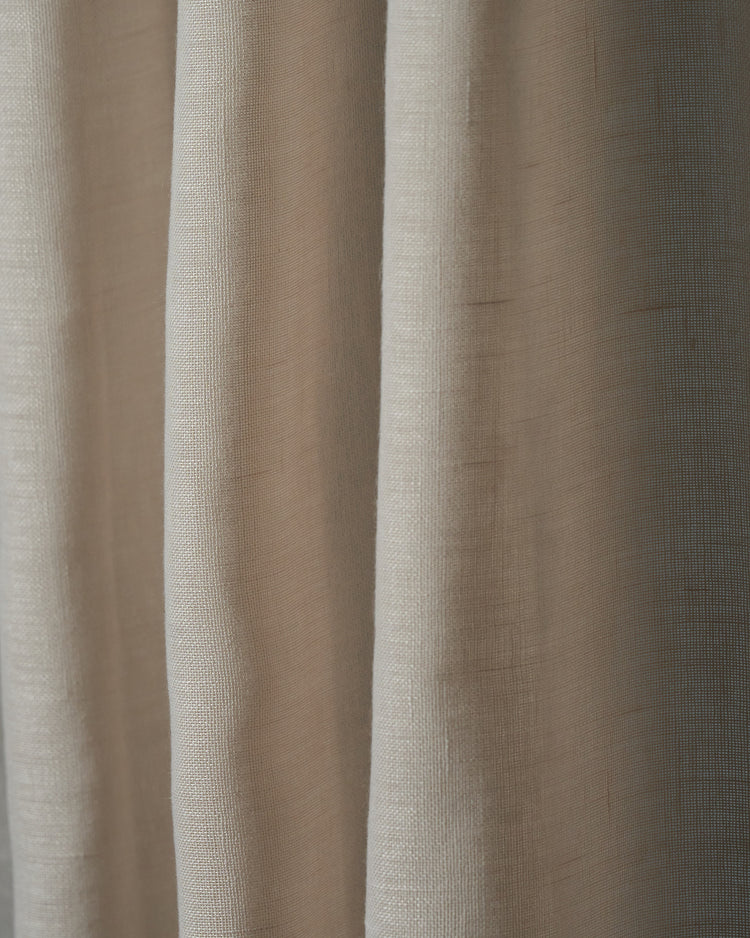
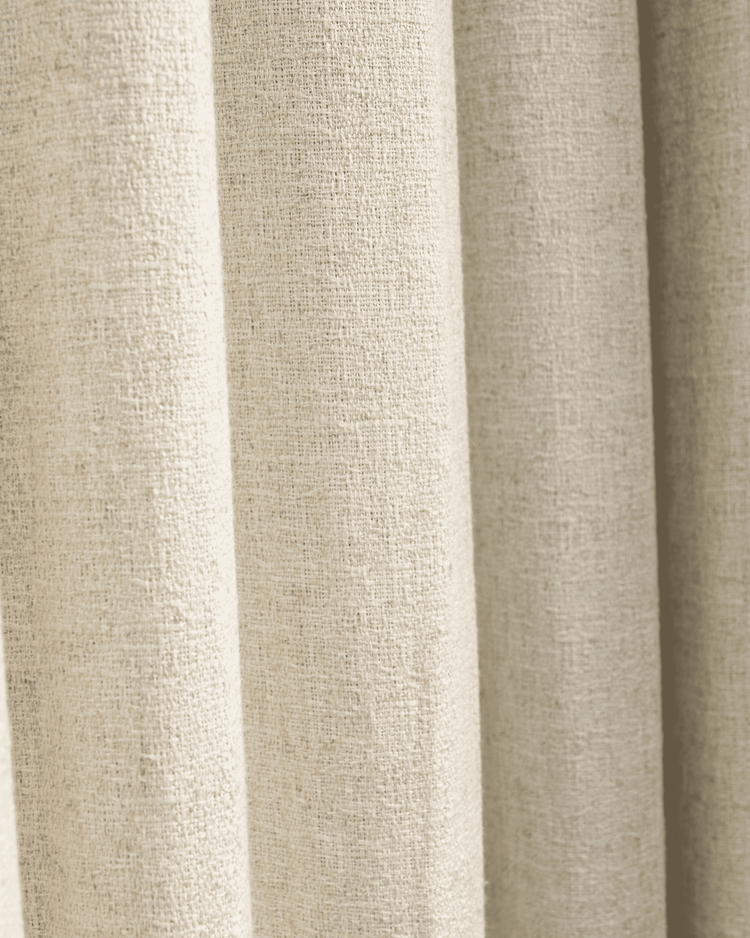
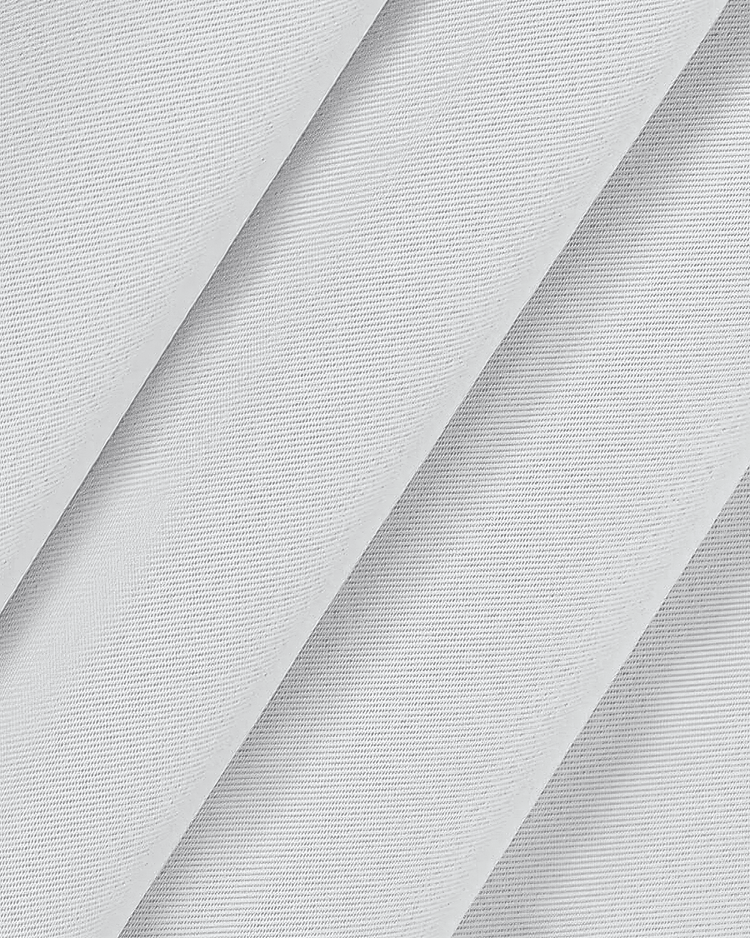
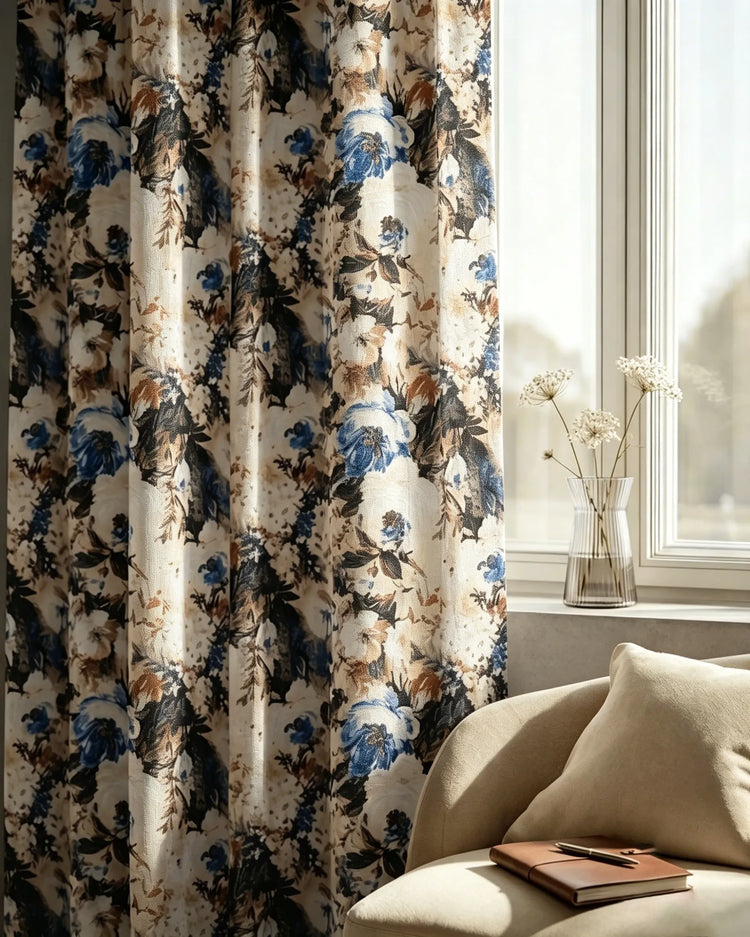
The short answer is yes—but standard decorative curtains won't cut it. A thin layer of cotton or sheer fabric provides privacy, but it does almost nothing to stop thermal transfer. To actually change the temperature of a room, you need thermal insulated curtains.
These are engineered with multiple layers, often including high-density foam or a reflective backing (vapor barrier). This design creates a dead-air space between the room and the window, acting as a shield. According to the U.S. Department of Energy, using medium-colored draperies with white-plastic backings can reduce heat gains by up to 33% during hot summers.

 100% Blackout
 Better sleep
 Noise Reducing
 Energy Saving
Pro Tip for Maximum Insulation
Buying the curtain is step one. Installation is step two. For thermal curtains to work effectively, they must act like a seal.
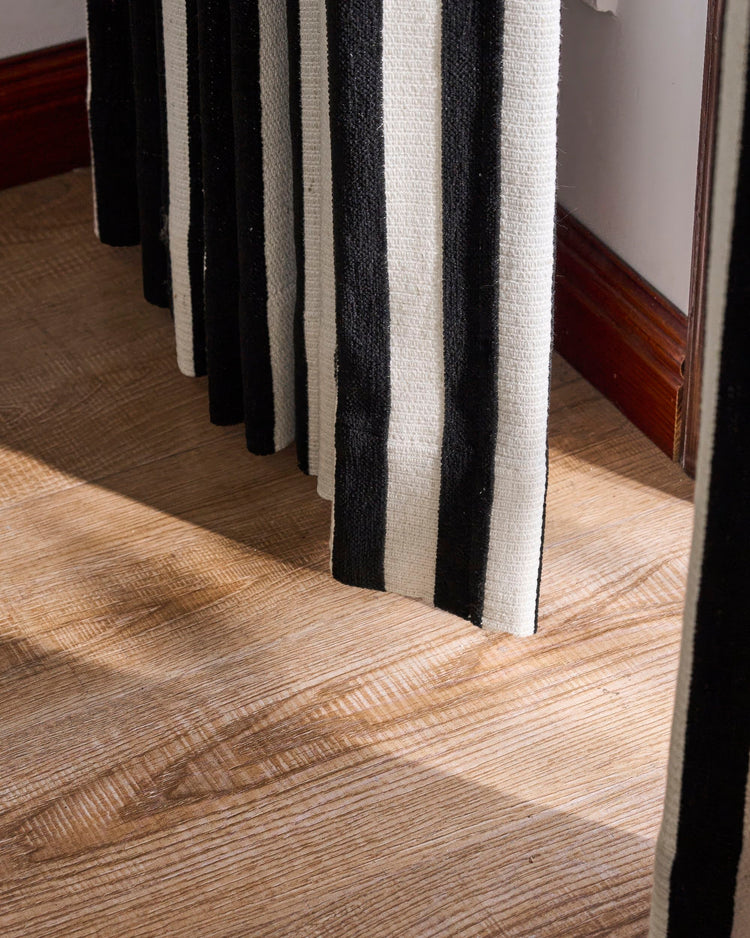
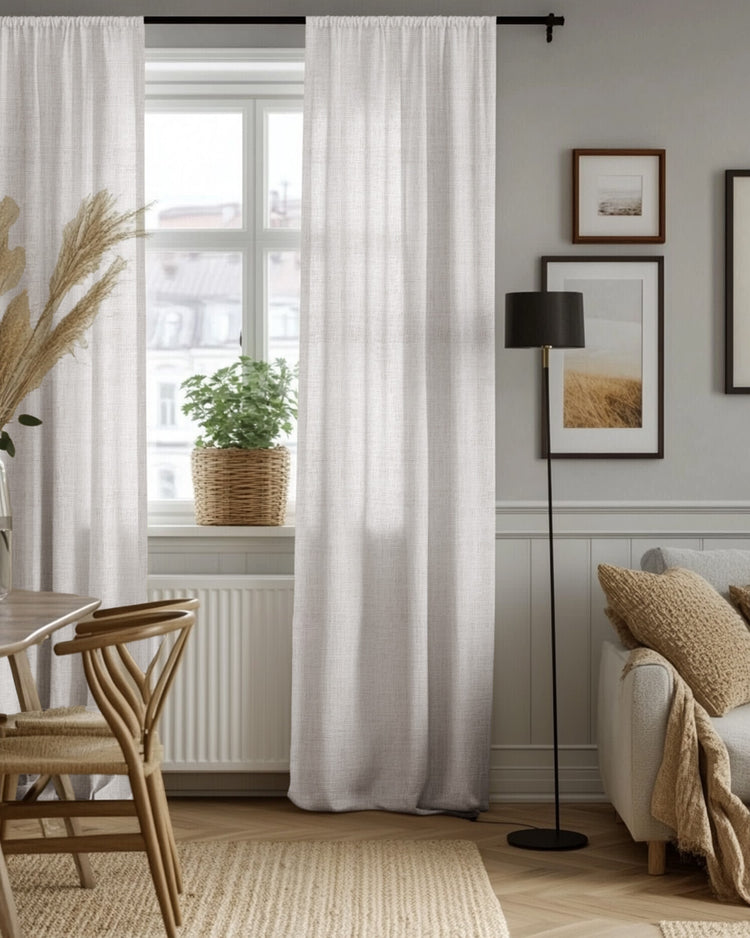
- Go Wide and Long: Curtains should overlap the window frame by at least 3 inches on the sides and reach the floor (or a windowsill).
- Close the Gaps: Use magnetic tape or Velcro to seal the curtain to the wall at the sides. This prevents the "chimney effect," where warm air slips behind the curtain and cools down against the glass.
The Science of Cellular Shades
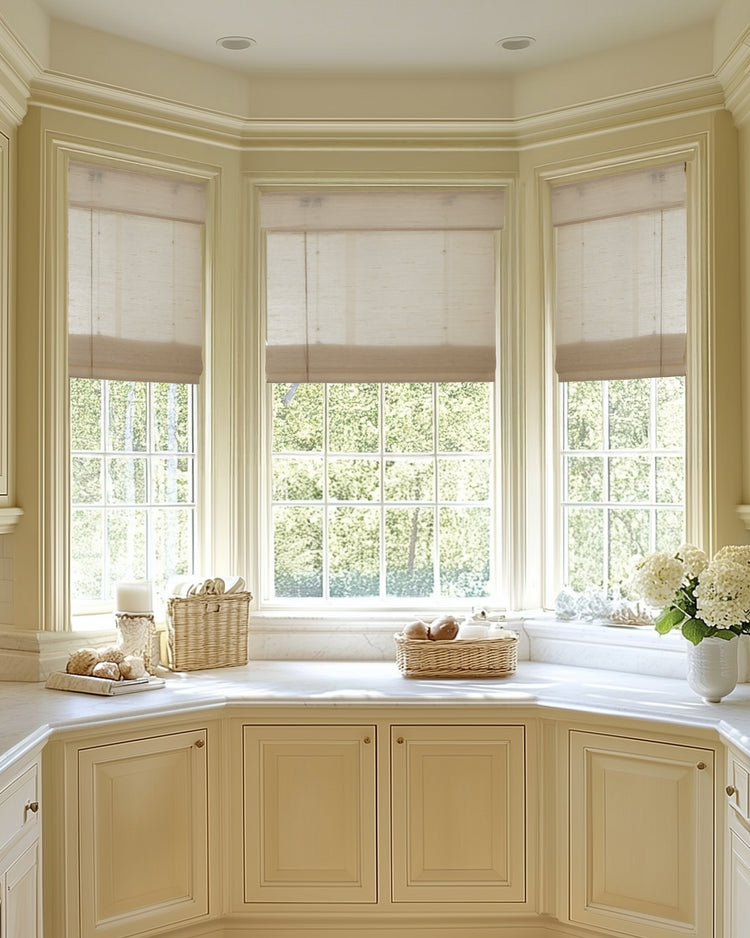
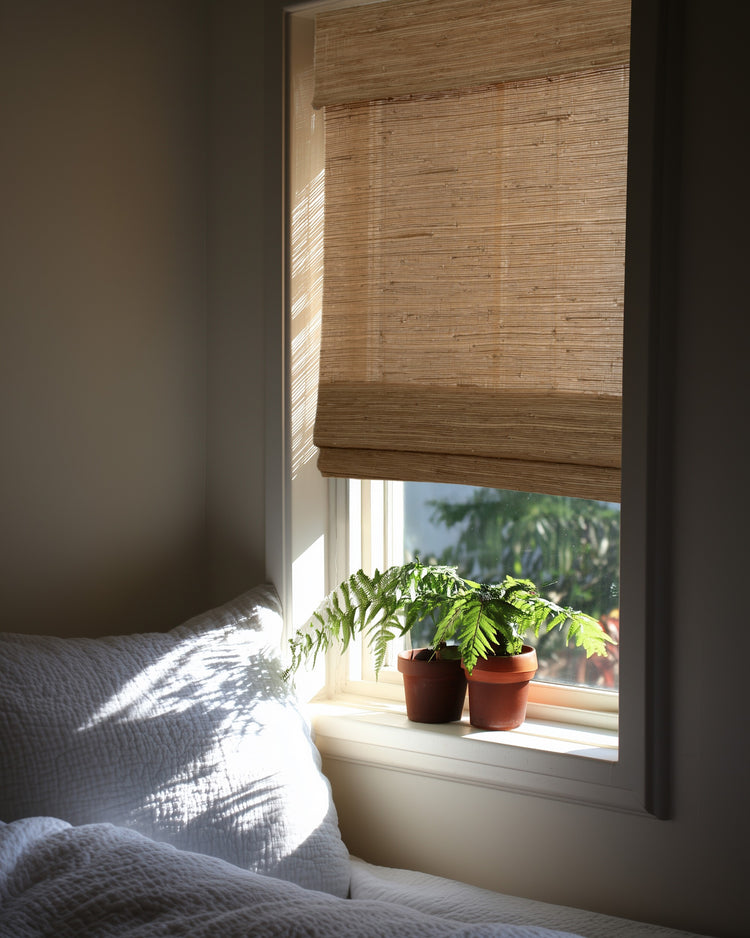
If heavy drapes don't fit your aesthetic, insulated cellular shades (honeycomb shades) are the highest-rated window treatments for energy efficiency. Their honeycomb geometry literally traps air in distinct pockets, slowing down the conduction of heat through the window.
In the heating season, tightly installed cellular shades can reduce heat loss through windows by 40% or more. In the cooling season, they can reduce unwanted solar heat by up to 60%. They offer a sleek, modern look without sacrificing performance.

Stop Burning Money on Utilities
Window treatments are arguably the most cost-effective home improvement project with the fastest return on investment. Roughly 30% of a home's heating energy is lost through windows. By simply upgrading to insulated shades or thermal curtains, you are effectively lowering your utility demand.
This isn't just about feeling cozy; it's about efficiency. Reducing the load on your air conditioner and furnace extends the lifespan of those expensive appliances and lowers your monthly overhead.
How to Choose the Right Solution
Don't just guess. Look for these specs when shopping:
- The Backing: Look for "thermal backing" or "blackout" liners. These are usually thicker and denser.
- The Color: For summer heat control, white or light-colored backings are essential to reflect sunlight back outdoors.
- The Layers: More layers generally equal a higher R-value (resistance to heat flow).
- The Strategy: Combine them. Mounting cellular shades inside the window frame and thermal drapes outside creates a dual-barrier system that is nearly virtually impenetrable to drafts.