Night Shift Survival: Build a Real Sleep Cave with Blackout Curtains


In this article 12 sections
- What makes blackout curtains work for daytime sleep?
- Start with a quick daylight leak check
- How to size blackout curtains for night shift sleep
- Choose hardware that reduces top and side light
- No-drill blackout curtain ideas for renters
- Pick a header style that helps block light
- Fabric and lining: dark color is not the same as blackout
- Blackout curtains can also help with heat and noise
- Quick comparison: what should you choose?
- Common blackout curtain mistakes to avoid
- FAQ: blackout curtains for night shift workers
- Final takeaway
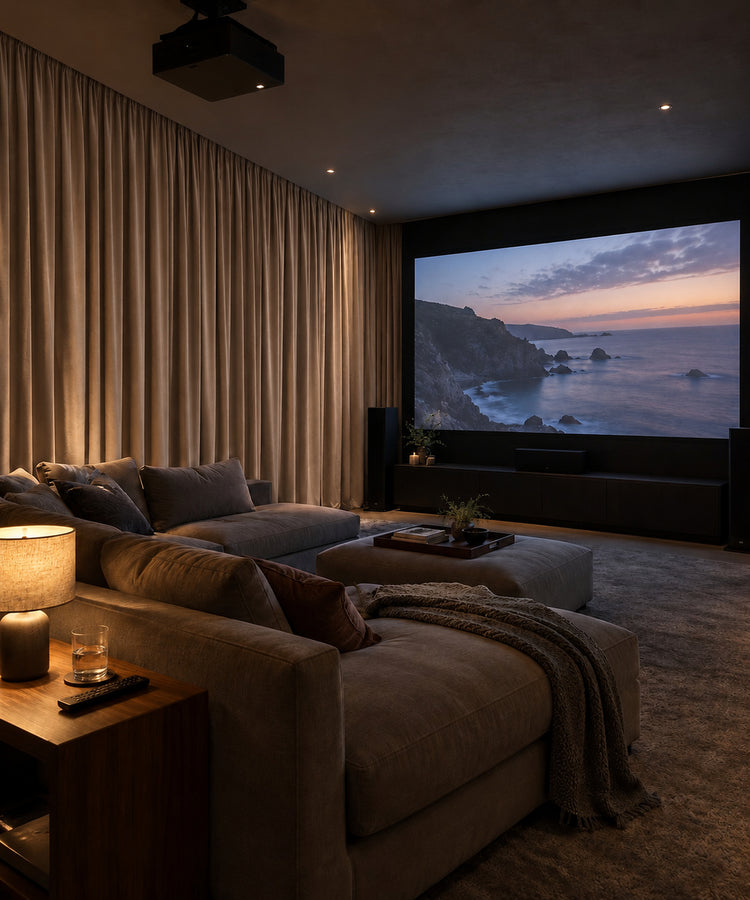
If you work nights, blackout curtains are not just a nice bedroom upgrade. They can help you create a darker, calmer room during the hours when your body needs to rest and the outside world is fully awake.
The key is choosing the right fabric and installing it the right way. A high-quality blackout curtain can still let daylight leak around the top, sides, center seam, or bottom edge if the window setup is not planned as a system.
This guide explains how to choose blackout curtains for night shift workers, how to reduce light leaks, and what to check before you buy. The goal is simple: make your daytime sleep space darker, cooler, quieter, and easier to use every day.
What makes blackout curtains work for daytime sleep?

Good blackout curtains do two jobs. First, the fabric or lining blocks light from passing through the panel. Second, the installation reduces the gaps where light sneaks around the curtain.
Many blackout problems are not caused by the fabric itself. They happen because sunlight enters through the top edge, side edges, center opening, or bottom gap. That is why a well-installed curtain with the right overlap can outperform a more expensive panel that leaves a glowing frame around the window.
Before you replace your curtains, treat the window like a light leak problem. Look for where daylight enters, then fix that area first.
Start with a quick daylight leak check

Do this test during bright daylight with the room lights turned off. Stand where your bed is and look toward the window.
- Check the top edge. Look for a bright strip above the rod or track.
- Check the sides. Look for light glowing along the window trim or wall.
- Check the center seam. If you use two panels, see whether the panels separate when closed.
- Check the bottom edge. Watch for sunlight bouncing off the floor and back into the room.
- Check blinds or shades behind the curtain. Small slivers at the frame can still brighten the room.
Once you know where the light is coming from, you can choose a better curtain size, header style, rod placement, or liner instead of guessing.
How to size blackout curtains for night shift sleep
For daytime sleep, curtain size matters as much as curtain fabric. Panels that only cover the glass usually leave too much side light.
For width, think beyond the window frame. Your curtains should cover enough wall on both sides so the fabric can block light that bounces around the trim. If your panels stop right at the frame, the sides can still glow in direct sun.
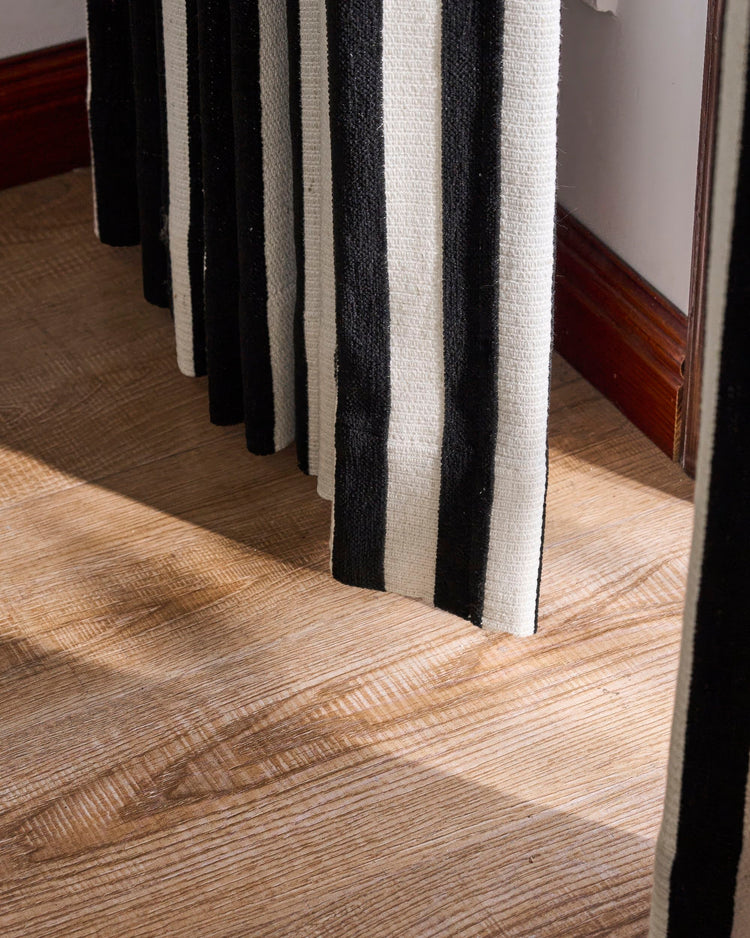
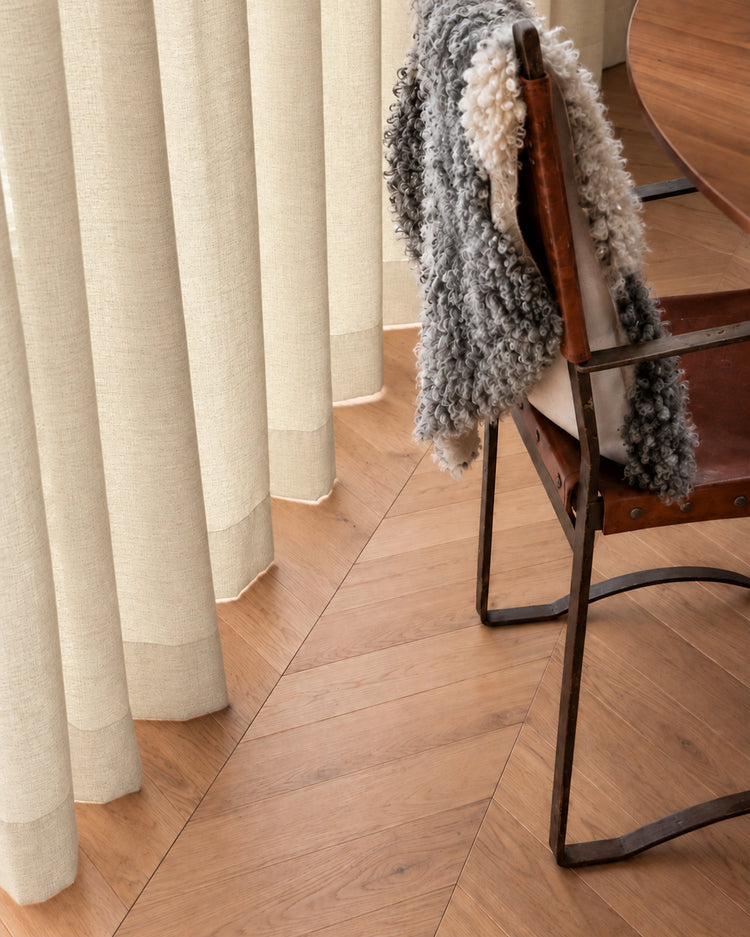
For length, floor-length curtains are usually the better choice for bedrooms. They reduce light bounce from the bottom edge and make the window feel more finished. If the window sits above a heater, radiator, or baseboard unit, follow the manufacturer’s clearance guidance and avoid letting fabric rest against heat sources.
Fullness also matters. Curtains pulled completely flat can create straight openings at the edges and center. A little extra fullness helps the fabric drape more naturally and close more securely.
If you are ordering made-to-measure panels, start with the TheHues curtain measurement guide before choosing your final width and length.
Choose hardware that reduces top and side light

If you only adjust one part of the setup, focus on how the curtain meets the wall.
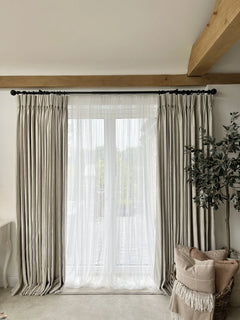
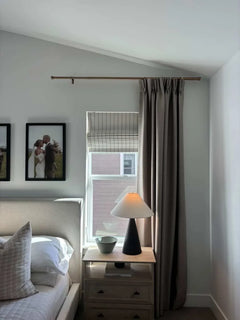
A wraparound rod, sometimes called a return rod, allows the fabric to curve back toward the wall. This helps reduce side glow, which is one of the most common reasons a bedroom still feels bright during the day.
Rod height matters too. Mounting the rod higher than the window frame can help reduce the top strip of light and make the room feel more polished. When possible, extend the rod wider than the frame so the panels can stack off the glass when open and cover more wall when closed.
For homeowners or long-term renters who can use tracks, a ceiling-mounted or wall-mounted track can also reduce gaps. The best option depends on your window shape, ceiling height, rental rules, and how often you open the curtains.
No-drill blackout curtain ideas for renters

Renters can still make a room much darker without drilling into the wall. The best setup is often a layered one: a main blackout curtain outside the frame plus a removable solution for the worst light gaps.
Use a tension rod inside the window frame
A tension rod can hold a temporary blackout layer inside the frame during sleep hours. This works best for smaller windows and lighter panels. Always check the rod’s weight limit and make sure it sits securely before adding fabric.
Add removable blackout panels where light leaks most
If the top edge or sides are the biggest problem, a removable inner panel can help cover the leak during the day. It does not need to be decorative if it sits behind your main curtain. It just needs to block the light path.
Do not ignore light from the door
Hallway light can undo a good window setup, especially in apartments or shared homes. A door sweep, draft stopper, or rolled towel can reduce light under the bedroom door without changing the room permanently.
Pick a header style that helps block light
The curtain header affects how close the fabric sits to the rod or track. For night shift bedrooms, that can make a real difference.
Grommet curtains are easy to slide and have a clean casual look, but the round openings can leave small gaps near the rod. Rod pocket and back tab styles often sit closer at the top, which may help if your main issue is light above the curtain line.
Pleated curtains can look more tailored and work well with rings or tracks, but the final result depends on the hardware and spacing. If you open and close the curtains every day, choose a header style that glides smoothly and stays aligned when closed.
You can compare common options in the TheHues curtain header guide before deciding.
Fabric and lining: dark color is not the same as blackout
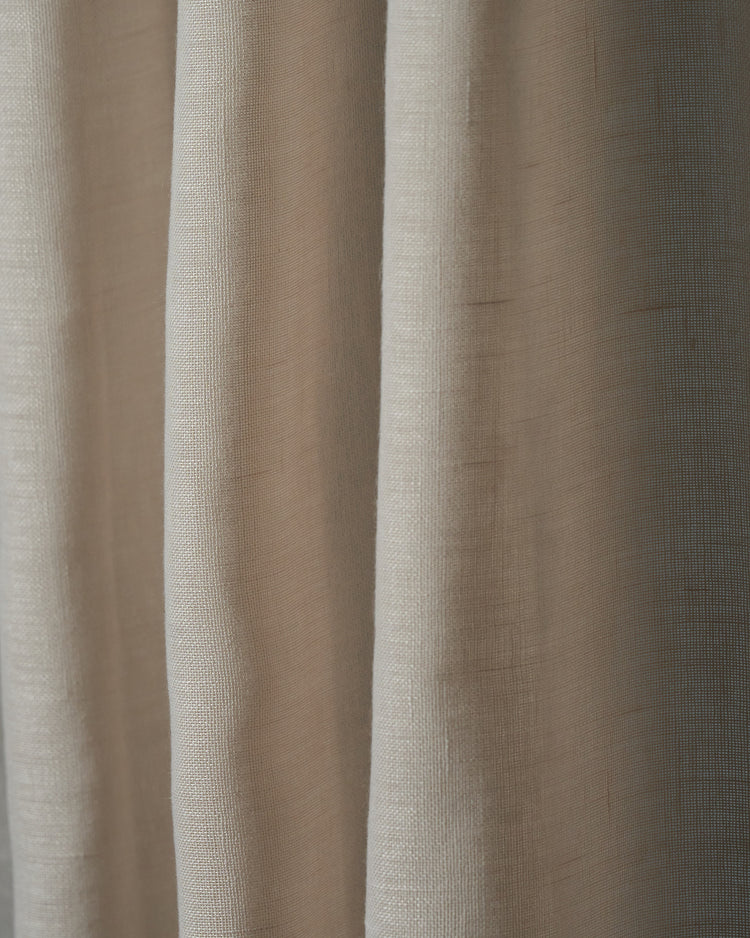
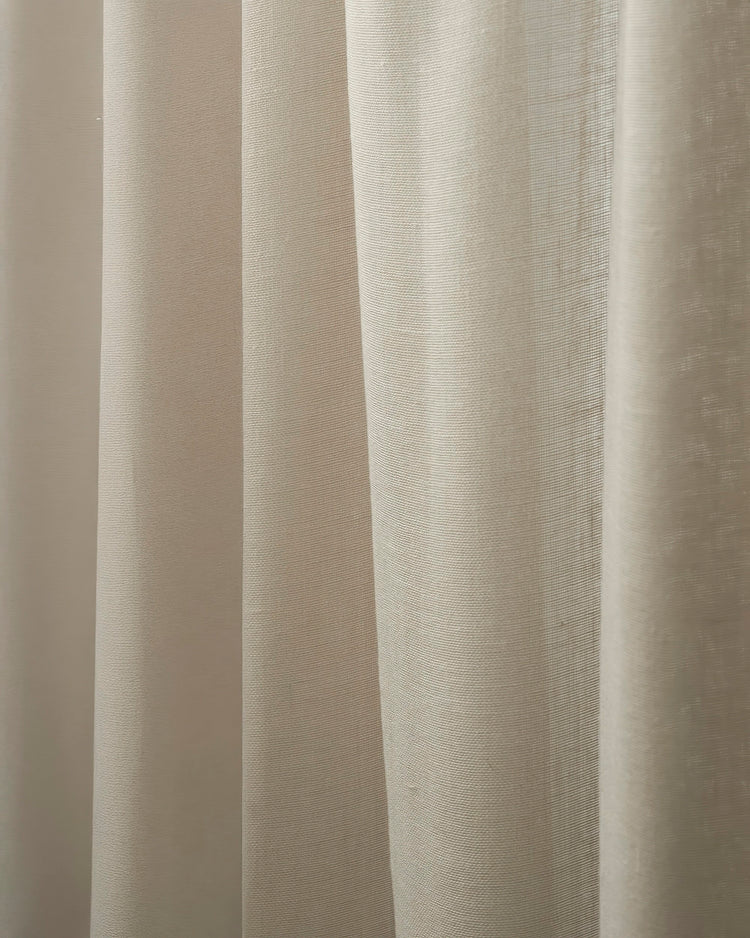
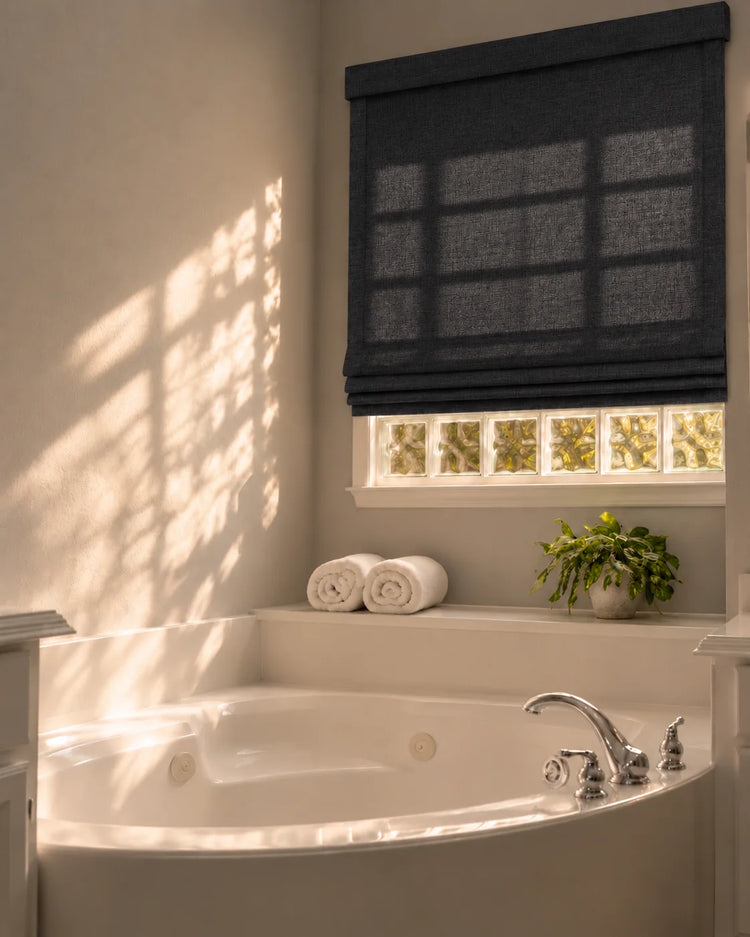
A dark curtain is not automatically a blackout curtain. Black, navy, or charcoal fabric can still glow when direct sun hits it if the weave or lining is not designed to block light.
For a night shift bedroom, focus on the curtain construction, not just the color. A true blackout lining or blackout fabric helps prevent light from passing through the panel itself. The installation then handles the light that tries to enter around the edges.
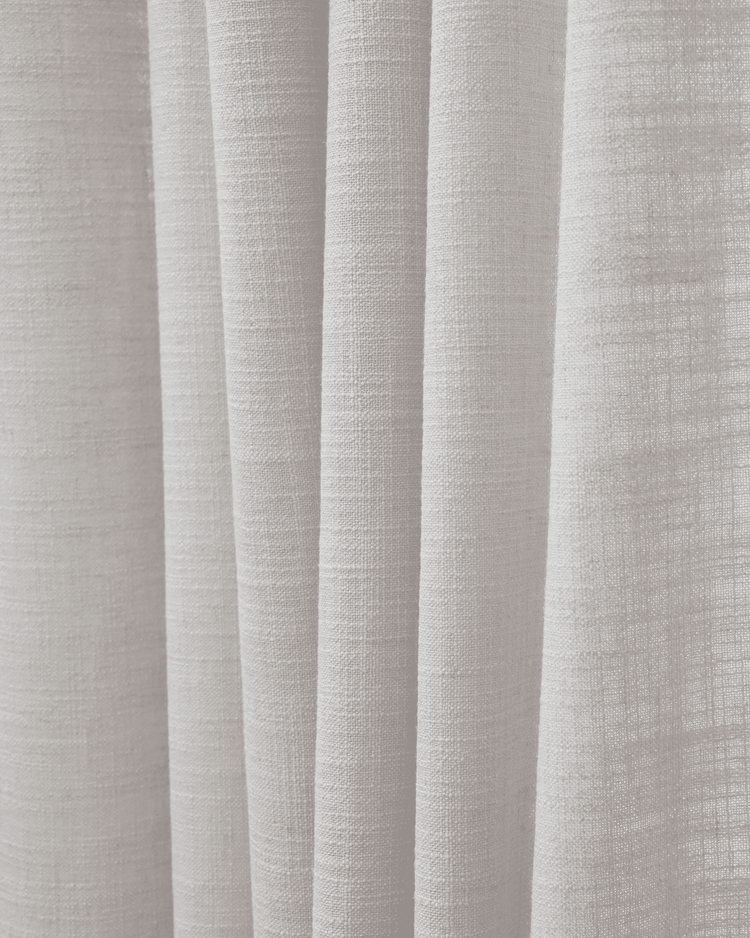
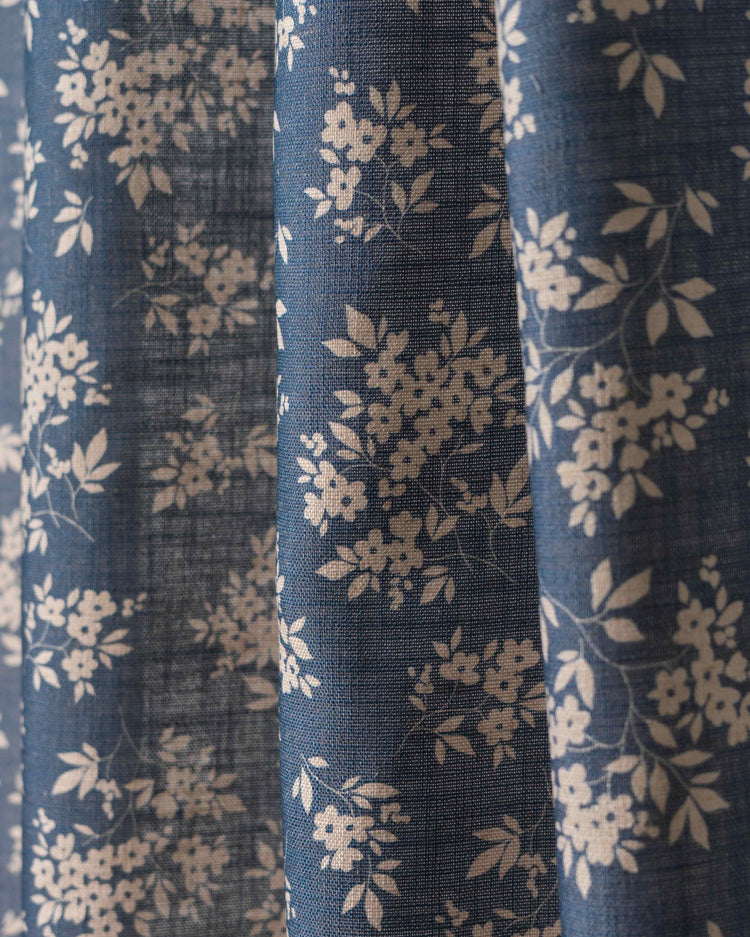
If you are deciding between several options, order fabric samples first and test them against your actual window in daylight. Hold each sample up to bright sun. If it glows in your hand, it may also glow once installed.
For stronger light control, compare options in the TheHues blackout curtains collection and review the curtain liner guide before finalizing your order.

 100% Blackout
 Better sleep
 Noise Reducing
 Energy Saving
Blackout curtains can also help with heat and noise
For night shift workers, darkness is usually the first priority. But daytime sleep is also affected by heat, traffic, lawn equipment, neighbors, and household noise.
Blackout curtains with heavier or layered construction can help the room feel more insulated. They may also soften some outside noise, especially when the panels are full, close to the wall, and wide enough to cover the window well. They should not be treated as a complete soundproofing solution, but they can be one useful layer in a quieter sleep setup.
If your bedroom gets hot during the day, consider whether thermal curtains or a blackout curtain with thermal lining would make sense for your window. The result depends on sun exposure, window type, installation, and room ventilation.

Quick comparison: what should you choose?
| Situation | Best curtain approach | What to watch for |
|---|---|---|
| Bright bedroom with direct sun | Blackout curtains with wide side coverage and a higher rod | Top and side gaps can still let in strong daylight |
| Rental bedroom | No-drill main curtain plus removable inner blackout layer | Check hardware weight limits and lease rules |
| Room gets hot during the day | Blackout curtains with thermal lining or layered coverage | Ventilation and window direction still matter |
| Street noise interrupts sleep | Fuller, heavier curtains plus white noise or other sound-control steps | Curtains can reduce some noise but will not fully soundproof a room |
| Large or wide windows | Custom curtains with enough width, fullness, and stack-back space | Panels that are too narrow may look flat and leak light |
Common blackout curtain mistakes to avoid
- Buying by color only. A dark fabric is not the same as blackout construction.
- Mounting the rod too close to the frame. This often leaves light at the top and sides.
- Choosing panels that are too narrow. The curtains need enough overlap to cover wall, not just glass.
- Ignoring the center seam. Two panels should overlap enough to prevent a bright vertical line.
- Forgetting the rest of the room. Door gaps, hallway light, electronics, and heat can all affect sleep quality.
FAQ: blackout curtains for night shift workers
Are blackout curtains enough for night shift sleep?
They can help a lot, especially when they are sized and installed correctly. For the darkest result, pair blackout fabric with good side coverage, a higher rod or track, and solutions for top, side, center, and bottom gaps.
Should night shift workers choose blackout curtains or room darkening curtains?
For daytime sleep, blackout curtains are usually the better starting point. Room darkening curtains can reduce brightness, but they may still let enough light through to make the room feel dim rather than dark.
What color blackout curtains work best?
The lining and construction matter more than the face color. Light-colored blackout curtains can still block light if they are made with the right liner. Dark curtains can still glow if the fabric is not designed for blackout performance.
How wide should blackout curtains be?
They should be wide enough to cover the window and overlap the wall on both sides. Wider coverage helps reduce side glow and gives the panels room to close without pulling flat.
Do blackout curtains help keep a room cooler?
They can help reduce direct sunlight and may make the room feel cooler, especially when paired with thermal lining and proper coverage. Results depend on the window, sun direction, glass type, and room ventilation.
Can renters use blackout curtains without drilling?
Yes. Tension rods, no-drill brackets, removable blackout panels, and temporary door-gap solutions can all help. Just check weight limits and lease rules before installing anything.
Final takeaway
The best blackout curtains for night shift workers are not just dark panels. They are part of a complete window setup that blocks light through the fabric and around the edges.
Start by checking where daylight leaks into the room. Then choose the right width, length, header style, lining, and hardware for your window. If you need a tailored fit for a difficult bedroom window, start with custom curtains, confirm measurements with the measurement guide, and use the visualization tool if you want to preview the setup before ordering.
A darker room will not fix every challenge of night shift work, but it can remove one of the biggest barriers to better daytime rest: sunlight that never should have reached your pillow.