

The window blinds are not just used to block light they also trap dust, grease, pet hairs and even cooking oil in the kitchen. With time, the use of dirty blinds makes your house look unattractive and unhealthy. It is in case you have ever wondered, what is the best method of cleaning blinds.
We are going to take you through the process of cleaning your blinds, demonstrate to you how to clean your blinds based on the type of course they are, and give you an idea of how to make them look like you never cleaned them. You will have your blinds almost clean at the end--and your entire room will be lighted up.
The importance of cleaning Blinds in Every Home
Blinds are also invisible but they just travel in the air and accumulate dust, pollen, dander of pets and even grease in the kitchen (or where cooking occurs). Over time, this buildup can:
- Less indoor air quality enrichment - worsens asthma or allergies.
- Turn your house untidy and disheartening.
- Reason produce any discolouration or staining upon the blind slats.
- Decrease the longevity of the blinds.
Blinds require a regular change, just like the upholstery or carpets, which is why many U.S. households whether having pets, children or a free-flowing kitchen also use blinds. They do not need to be cleaned, but are included in the maintenance of the home.

Best Way to Clean Blinds: Step‑by‑Step (Dusting & Light Cleaning)
To do daily cleaning (every 2–4 weeks), you do not have to use soap or an entire wash. It can be done in a short and efficient way as shown here:
- Close the blinds fully and make sure that all the slats are in the same direction.
- Remover dust can be use microfiber cloth, duster, or a vacuum with a soft-brush attachment to sweep downwards to cleanse the top. Begin at the head of the blinds and proceed downwards.
- Reverse the slats and repeat — this ensures you clean both sides.
- In the case of vertical blinds , carefully move every slat to either one side and clean it separately.
- When it has stubborn dust or pet hair , a damp cloth of microfiber (not dripping, only slightly damp) must be used to wipe down each slat, followed by a dry up to avoid streaks and water marks.
This way will ensure that your blinds are clean and will last longer but the best news is that it only takes 10-15 minutes per window. It’s arguably the best way to clean blinds in case it is performed frequently.

Deep Cleaning: When and How to Wash Blinds
Other times, it is not just dust, you could even notice greasy spots around the kitchen stove, moisture mold, or discoloration because of the sun. At such a time, deep cleaning is needed. Here’s how to do it:
In the case of Faux-Wood, Vinyl or Plastic Blinds
- Get off the blinds of the window.
- Prepare a bathtub or large basin with water of the right tempereature + mild dish soap . Do not use hot water it may distort the vinyl or even plastic.
- Put the blinds into Tub, flatten them, and it should be soaked in 15-20 minutes.
- A sponge or cloth should be used to clean each slat gently and especially in areas that have grease or grime.
- Wash with an excess of plain water.
- The blinds should be placed on a towel or allowed to dry thoroughly and then hung again.
For Aluminum or Metal Blinds
- Wipe the slats with a damp microfiber cloth firstly dust them down and no need to soak it.
- In case of grease (stains usually occur around the cooktop), put a few drops of dishwasher soap into the cloth.
- Wipe off all the slats using a soft and dry cloth to avoid rust or water spots.
For Fabric or Roller-Blinds
- Clean with vacuum cleaner an attachment with a brush. In the event of a need to do some deeper cleaning, consult the manufacturer instructions - most of them permit some light spot-cleaning, and some actually only a professional or hand-wash.
- Do not even get fabric blinds wet when a label does not specifically say that the blind can be washed.

Best Materials for Blinds in Kitchen & High-Use Areas
The selection of the appropriate blind materials not only affects the ease with which they can be washed but also the life period when used on a daily basis.
- Faux wood / vinyl / PVC blinds — The best material to use in a kitchen, waterproof, easy to clean, cheap.
- Aluminum or metal blinds — Very long lasting; they are heat and grease-resistant, can be quite noisy otherwise.
- Composite faux-wood blinds — Two of these types impart a convincing appearance of wood to the eye, though they are much easier to manage than actual wood; also they tend to resist warping.
- Fabric or bamboo blinds — Only when the windows are out of the rain, grease or direct sunlight, these materials are more delicate and they suit the living rooms/ bedrooms.
In the case of kitchens and busy places, the most viable option is the faux wood or vinyl blinds , which are easy to clean and durable in the long run.
How Many Times a Week Do you clean?
The following is an easy plan that will be applicable to most households in the U.S.:
- Dust every 2–4 weeks — with pets, particularly.
- Deep clean every 2–3 months for vinyl or aluminum blinds.
- Wipe down when required- wipe down fast when there is spillage, grease is splattering, or other cooking splashes.
- When the climate is humid or the cooking is heavy in the home, look to those who deep clean kitchen blinds after every month .
Light cleaning provides a reduction in accumulation of dirt and helps to make deep cleaning easier and less regular.

Common Mistakes to Avoid (And How to Prevent Them)
❌ Mistake: Using a Wet Cloth Without Drying
Leaving water in the blinds that are made of vinyl or metals may produce streaks, spots and slight warping. The washing should be dried at all times.
❌ Mistake: Bleach or Harsh Cleaners
Powerful chemicals may deny layers, discolour tiles or ruin clothes. Stick to mild dish soap or gentle cleaning solutions.
❌ Mistake: Soaking Real‑Wood Blinds
Wood is real and soaks up water, bends and even fractures. Do not use soak just use dry dust or dry law.
❌ Mistake: Ignoring Top Rails and Mechanism
The headrail and mechanism is prone to dust and dirt and this impacts on smooth operation. Vacuum crevice tool or soft brush should be used to clean them after every few months.
❌ Mistake: Using Abrasive Tools
Blinds are scratched and ruined with steel wool or hard brushes. Only use microfiber soft sponges. Avoiding them will make your blinds last longer and also will help them look fresh.
How to Choose a Blind Cleaner (and DIY Alternatives)
In case you buy readymade cleaning products, then seek the following qualities in a good blind cleaner :
- Mild, non-abrasive formula
- Safe for vinyl, metal, or faux-wood surfaces
- No bleach or harsh solvents
There are a lot of sprays on the market of the blind cleaner that fit these criteria. Clean greasy kitchen blinds with them occasionally - but make microfiber dusting and frequent wiping your regular cleaning routine on these.
DIY alternative: Fill a small amount of warm water with a couple of dispersions of dish soap and some little white vinegar – a clean and mild and successful blind cleaner that you can make at home.
Keep Your Blinds Clean, Keep Your Home Fresh
Blinds are mutes in the house, yanking the sunshine, providing room, defining the landscape. They do not merely look messy when they are dusty or stained or sticky, but they touch and smell of the space, as well. The best way to clean blinds isn’t complicated. By doing a little dust (or regular sweeping), seasonal thorough cleaning, and careful material selection, you may maintain your windows clean and sterile throughout the year.
To the majority of U.S. kitchens, the faux-wood or weave blinds are the most optimal choice: they are easy to clean, resistant to moisture and grease and durable. A toothed dusting now and then, a full service now and then and your blinds would easily last you several years.
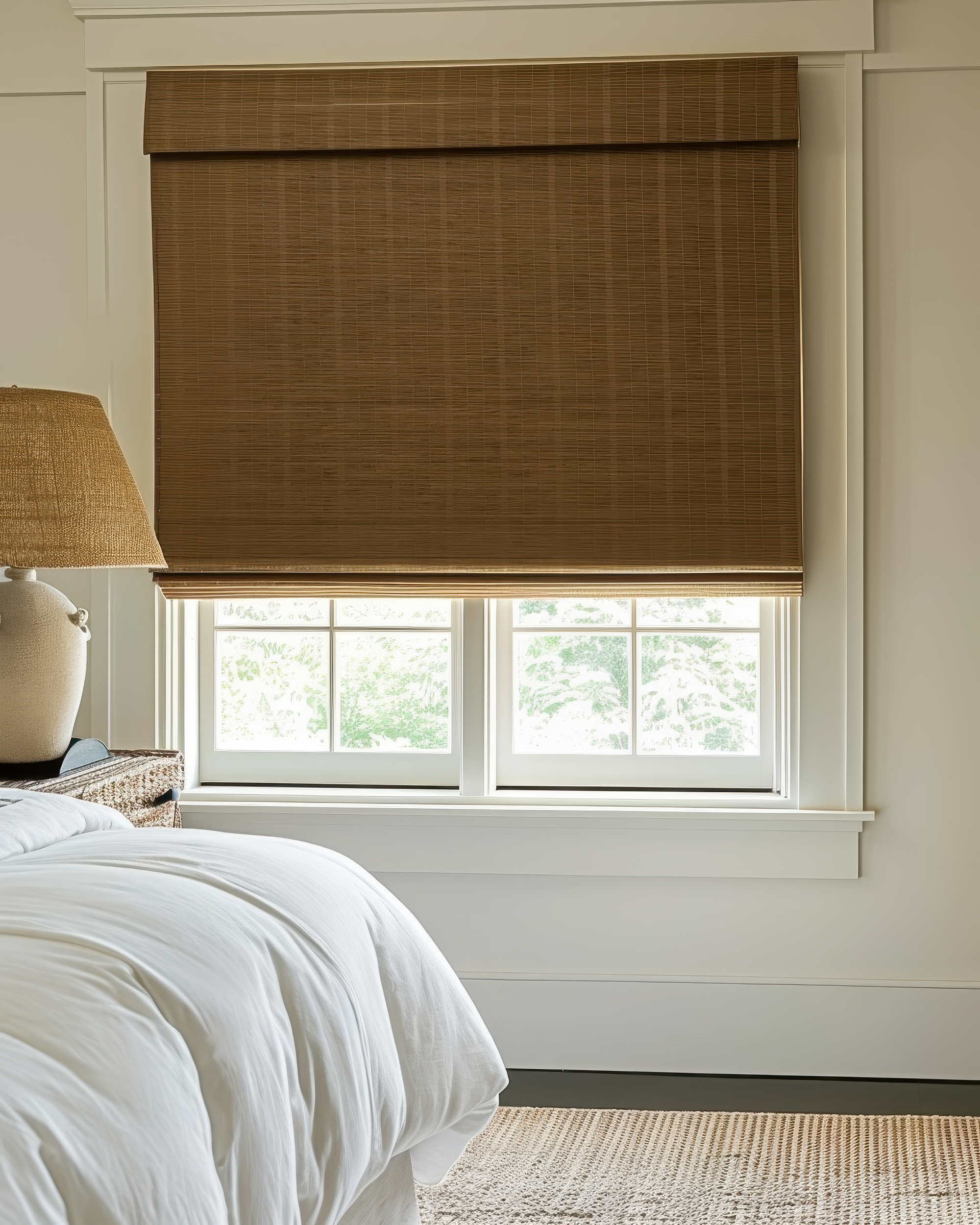
Use your blinds as part of your home-care ritual - and have your windows cleaned, your rooms sunny, your home care taken proper.