How to keep outdoor curtains from blowing in the wind


In this article 8 sections
- Quick answer: how to keep outdoor curtains from blowing in the wind
- Why outdoor curtains blow around in the first place
- Choose the right fix before buying heavier curtains
- How to keep outdoor curtains from blowing on different patio setups
- How fabric, size, and hardware affect wind control
- Mistakes that make outdoor curtains blow more
- FAQ
- Final takeaway
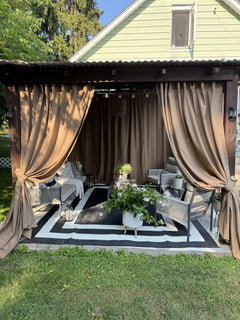
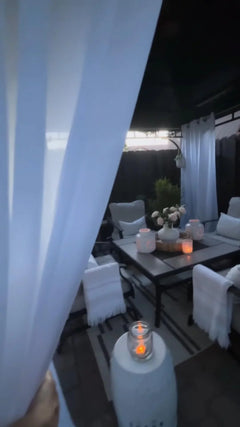
Outdoor curtains should create shade, privacy, and a more finished patio—not flap into furniture every time the breeze picks up. If you are trying to figure out how to keep outdoor curtains from blowing in the wind, the best fix depends on your wind level, your structure, and how the curtains are installed.
A simple tieback may be enough for a covered porch. A more exposed pergola may need weighted hems, side clips, or a bottom-secured setup. The goal is not to make outdoor curtains completely motionless. It is to keep them controlled enough for daily use while protecting the fabric, hardware, and surrounding furniture.

If you are planning a new setup, start with outdoor curtains designed for weather exposure instead of using indoor panels outside. Outdoor fabric, hardware, length, and anchoring all matter when wind is part of the space.

 Kid-friendly
 OEKO-TEX® Certified
 Durable
 Low maintenance
Quick answer: how to keep outdoor curtains from blowing in the wind
Use the lightest solution that matches your actual conditions. A covered porch and an open pergola should not be treated the same way.
| Wind condition | What usually works | What usually fails |
|---|---|---|
| Light breeze on a covered porch | Tiebacks, holdbacks, or modest hem weight | Loose oversized panels left open all day |
| Moderate cross-breeze | Weighted hems, side clips, magnets, or a lower guide | Tiebacks alone |
| Exposed pergola or open patio | Bottom-secured panels, top-and-bottom grommets, or stronger hardware | Weight strips alone |
| Storms or severe weather | Tie panels back securely or remove them | Leaving curtains loose and hoping the hardware holds |
Here is the practical version:
- For mild breeze: start with tiebacks or holdbacks.
- For daily cross-breeze: add a second point of control, such as side clips, magnets, or a bottom cable.
- For exposed patios or pergolas: use a curtain setup that is guided at both the top and bottom.
- For storms: do not test the fabric or hardware. Secure the curtains or take them down.
Outdoor curtains can handle normal outdoor movement when they are specified correctly. They are not meant to act as permanent storm screens.
Why outdoor curtains blow around in the first place
Most patio curtains move too much for one of three reasons: the fabric is too light, the panel has too much loose surface area, or the installation controls the curtain only from the top.
Light fabric can lift and twist once air gets behind it. Too much fullness gives wind more material to catch. A top-only rod lets the lower half swing, slap, and wrap around posts or furniture.
Exposure also matters. A covered porch softens wind. An open pergola, balcony corner, poolside frame, or side yard can create a tunnel effect that makes the same breeze feel stronger. That is why the fix should match your structure, not just the weather forecast.
Choose the right fix before buying heavier curtains
Heavier fabric can help, but it is not always the first or best solution. Start with the simplest fix that solves the problem in your space.
Use tiebacks or holdbacks for light breeze
Tiebacks are the easiest way to keep outdoor curtains under control on a covered porch or protected patio. They gather the panel, reduce loose fabric, and keep the curtain from drifting into chairs, planters, or tables.

Tiebacks work best when:
- your patio is covered or partly protected
- wind is mild and predictable
- you only need privacy at certain times of day
- the panels are not oversized or overly full
If you are choosing a heading style for a new order, review the curtain header guide. Some curtain tops are easier to gather, move, and manage outdoors than others.
Add weighted hems when the bottom keeps lifting
Weighted hems help when the lower edge of the curtain swings inward or outward but the rest of the setup is already stable. They are a good next step for patios with steady but moderate breeze.
Weights work best when:
- the panel is already the right length
- the rod or track is sturdy
- the breeze is moderate, not gust-heavy
- the curtain is not installed in a wide-open exposure
Weights can improve stability, but they do not replace a true anchor in a windy space. If the whole panel is twisting, wrapping, or pulling on the hardware, you probably need a second point of control.
Use clips, magnets, or hook-and-loop fasteners for side control
Side clips, magnets, and hook-and-loop fasteners are useful when the curtain keeps drifting sideways or wrapping around a post. They can also be helpful for renters who want a less permanent adjustment before changing the full setup.
These options are worth considering when:
- you need control at the side edge more than at the entire bottom hem
- your frame or post material works with magnetic or clip-on solutions
- you want a reversible fix for a rental patio or balcony
- the wind problem is moderate rather than severe
For stronger daily wind, these small fixes may still need to be paired with a bottom guide or more secure hardware.
Use a bottom rod, tension cable, or top-and-bottom grommet setup for exposed spaces
For open patios, pergolas, gazebos, and poolside privacy panels, a bottom-secured setup is usually the most reliable solution. A lower rod or cable keeps the panel from acting like a sail. A top-and-bottom grommet design gives the curtain a guided path so it can move slightly without blowing loose.

If your curtains blow around every day, skip half-fixes. A better-guided system is usually more practical than replacing damaged panels or bent hardware later.
If you are not sure whether your opening needs a simple tieback or a bottom-secured system, send a photo of the patio or pergola through the free design service before you order.
How to keep outdoor curtains from blowing on different patio setups
Outdoor curtains work best when the setup matches the space. A covered porch, balcony, and open pergola all need different levels of control.
Covered porch
A covered porch is usually the easiest outdoor curtain setup to manage. Start with tiebacks or holdbacks. If the hems still float, add moderate hem weight.
If your porch also gets strong afternoon sun, choose fabric for both movement and light control. Outdoor curtains should be stable, but they should also handle UV exposure, moisture, and regular use.

Pergola or gazebo
Pergolas and gazebos usually need more planning because air can move through the structure from several directions. Weighted hems may help, but the lower part of the panel often needs guidance.

For pergola curtains, prioritize:
- strong rods, tracks, or posts
- bottom guidance or side anchoring
- less excess fullness than you might use indoors
- outdoor-rated fabric that can handle sun and moisture
Balcony or renter setup
Renters may not be able to drill into masonry, siding, or posts. That does not mean outdoor curtains are impossible, but the setup needs realistic limits.
For renter-friendly outdoor curtains, consider:
- tension hardware rated for the actual curtain weight
- clips or magnets where the structure allows them
- smaller panels instead of one large, sail-like panel
- regular tieback use when privacy is not needed
If a balcony is windy every day, a no-drill setup may still have limits. That is not always a curtain problem. It may be a hardware and exposure problem.
Open patio or poolside privacy panel
Open patios and poolside privacy panels are the hardest setups because they face side wind, splash exposure, and direct sun. If the goal is full-time privacy, choose sturdier outdoor fabric and a system that secures the lower edge.
If your main goal is overhead shade rather than side privacy, a sun shade sail may solve the actual problem better than curtains.
How fabric, size, and hardware affect wind control
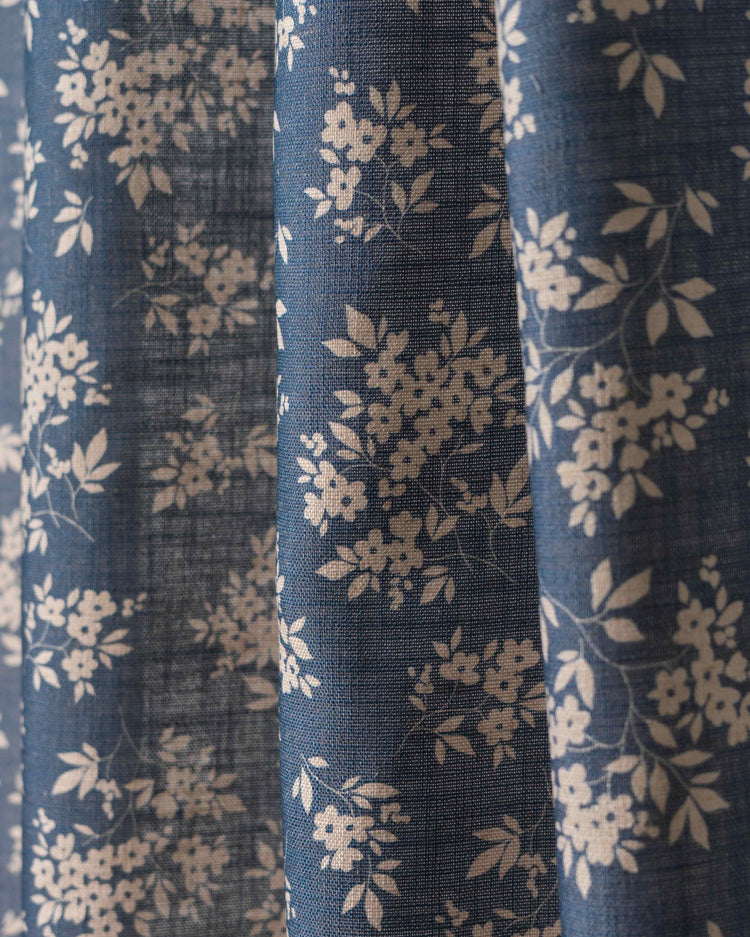
Do not choose outdoor curtains by color alone. Fabric weight, panel size, fullness, length, and hardware all affect how the curtains behave in daily weather.
Choose outdoor-rated fabric
Outdoor curtains need more than a washable label. They should be made for UV exposure, moisture, and repeated movement. Indoor curtains may look fine at first, but outdoor conditions can expose weak points quickly.
For more exposed patios, compare outdoor curtain options with enough structure for the location. For covered spaces, you may be able to choose a softer look as long as the fabric is still suitable for outdoor use.
Understand water-resistant vs. waterproof outdoor curtains
Water-resistant fabric is often enough for a covered porch or roofed patio. It helps with occasional moisture while keeping the curtain easier to move and manage.
Waterproof outdoor curtains may make more sense in areas exposed to direct rain, but waterproof does not mean windproof. You still need the right length, fullness, and anchoring.
Measure for outdoor conditions
Curtains that drag on the ground collect dirt and moisture. Panels with too much extra width catch more air. Both issues can make outdoor curtains harder to control and shorten their useful life.
Before ordering custom panels, use the curtain measurement guide to confirm width, length, and clearance. Outdoor curtains should look soft and finished, but they should not be so oversized that they become difficult to manage.
Use hardware that can handle outdoor use
Indoor rods and weak brackets are common reasons outdoor curtains fail. Choose hardware that is appropriate for the structure, curtain weight, moisture level, and exposure.
Rust-resistant or exterior-rated hardware is especially important in rainy, humid, or coastal areas. If you want to preview the finished look before ordering, the visualization tool can help you compare fabric and layout choices.
Mistakes that make outdoor curtains blow more
Most outdoor curtain problems come from the setup, not one single product detail. Avoid these common mistakes before you replace the curtains.
Leaving panels loose all day
If your patio gets breeze at the same time every afternoon, tie the curtains back until you actually need privacy or shade. Loose panels collect more wind.
Using indoor curtains outside
Indoor curtains are not designed for repeated sun, moisture, and wind. They may fade, hold moisture, or strain at the header faster than expected.
Relying on weight alone in exposed spaces
Weight helps, but it does not solve every wind problem. Once a patio is truly exposed, you usually need another point of control.
Ignoring storm days
Outdoor curtains should be secured or removed when strong wind or severe weather is expected. Even a well-designed daily setup should not be treated like permanent storm protection.
Ordering panels that are too large
Bigger is not always better outside. Oversized panels can look dramatic in a staged photo, but they create more loose surface area for wind to push.
If you want broader planning help for a patio update, the guide on outdoor porch curtains covers sun, rain, wind, and hardware choices in a wider context.
FAQ
Are weighted hems enough for windy patios?
Sometimes. Weighted hems can work on covered porches or patios with mild to moderate breeze. For exposed pergolas or open patios, a bottom-secured setup usually works better.
What is the best fabric for windy outdoor curtains?
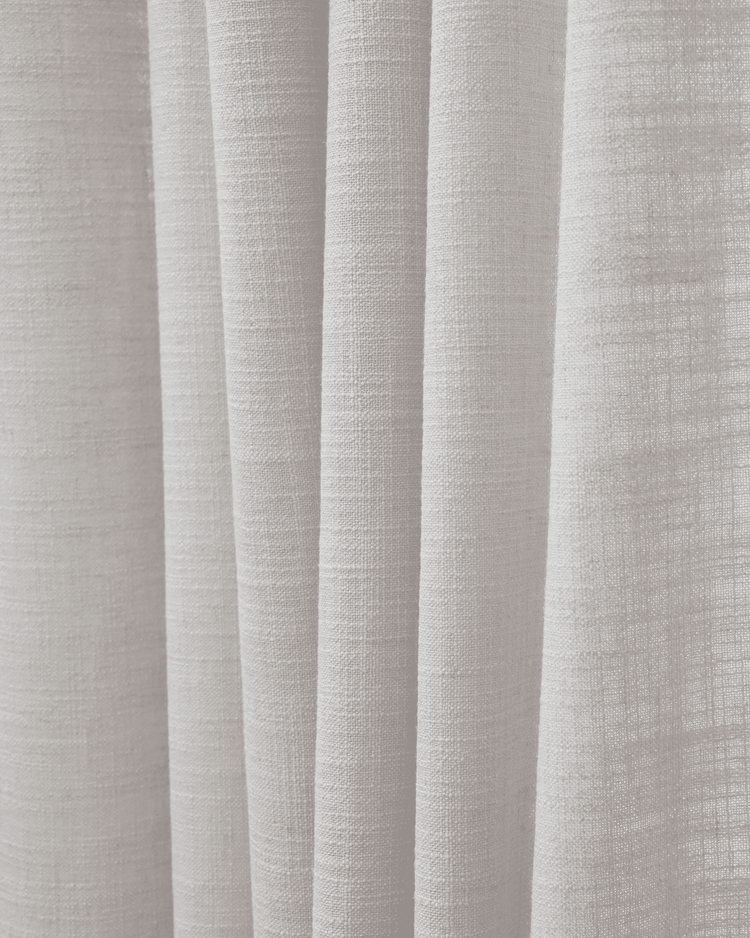
Choose outdoor-rated fabric with enough structure for the exposure level. Heavier, more structured outdoor panels usually behave better than lightweight decorative fabric, especially in daily breeze.
Can you secure outdoor curtains without drilling?
In some lower-wind setups, yes. Tiebacks, clips, magnets, and tension hardware can help. In high-wind spaces, no-drill solutions may still have limits.
What is better for wind: tiebacks or bottom anchors?
Tiebacks are better for light breeze and flexible daily use. Bottom anchors or lower guides are better for exposed setups where the curtain needs to stay in position.
Should you remove outdoor curtains during storms?
Yes. If strong wind or severe weather is coming, tie outdoor curtains back securely or remove them. This helps protect the fabric, hardware, and surrounding furniture.
Final takeaway
The best way to keep outdoor curtains from blowing in the wind is not always to buy the heaviest panel. The better approach is to match the curtain setup to the structure, wind pattern, and daily use of the space.
For a covered porch, tiebacks and moderate hem weight may be enough. For cross-breeze, add clips, magnets, or another side-control point. For exposed pergolas and open patios, choose a bottom-secured or top-and-bottom guided setup.
If you want outdoor curtains that look tailored and behave better in daily weather, compare outdoor curtains, confirm sizing with the measurement guide, and use the free design service if you want a second opinion before ordering.