8 Benefits of Blackout Curtains that You Can Bring into Your Home


In this article 7 sections
Most people think blackout curtains are just for shift workers or college students who want to sleep until noon. That’s a mistake.
While their primary job is blocking light, high-quality blackout curtains are actually a home performance tool. They are the most cost-effective way to upgrade your sleep hygiene, lower your monthly utility bills, and protect your interior investments—all without a major renovation.
If you are on the fence about whether they are worth the investment, here is the brutally honest breakdown of what they actually do (and what they don’t).
1. Deep Sleep & Circadian Rhythm Control
It’s not just about "darkness." It’s about melatonin. Even a small amount of light from a streetlamp or a neighbor’s porch light can suppress your body's natural melatonin production, preventing you from entering deep REM sleep.
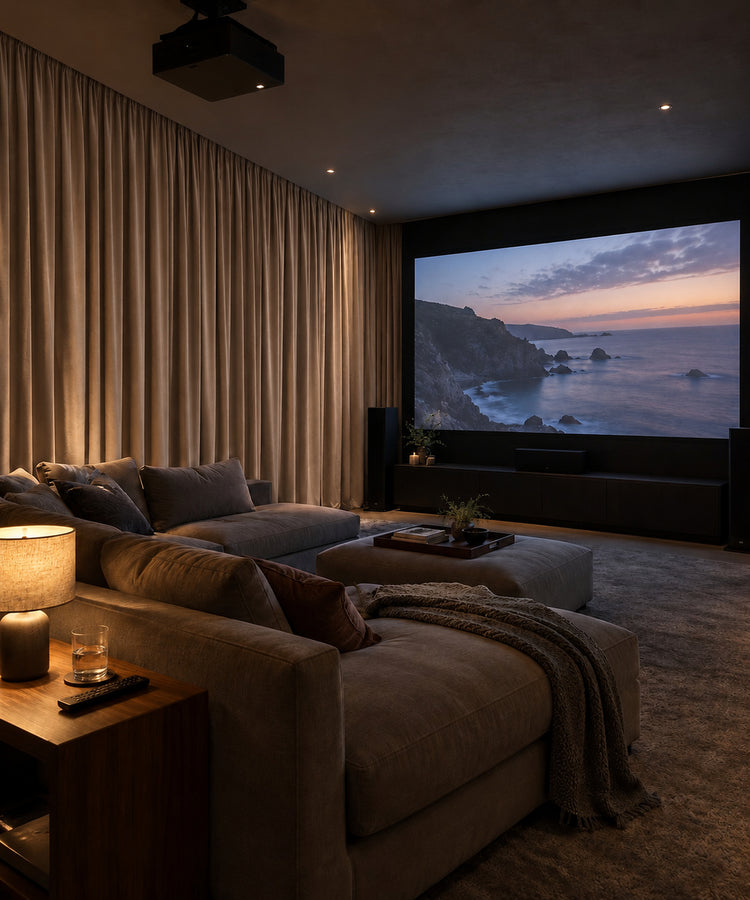
Blackout curtains create a "sleep cave" environment. This is non-negotiable for:
- Shift workers: Who need to trick their biological clock during the day.
- Parents: Creating a dark environment is the fastest way to extend a baby’s nap time.
- Light-sensitive sleepers: If the sunrise wakes you up at 5:30 AM before your alarm, you are losing precious rest.

 100% Blackout
 Better sleep
 Noise Reducing
 Energy Saving
2. Significant Energy Savings (The ROI)
Windows are the "weakest link" in your home’s insulation. The U.S. Department of Energy estimates that roughly 30% of residential heating and cooling energy is lost through windows.
Think of thermal blackout curtains as an extra layer of insulation for your walls.
- In Summer: They reflect solar radiation back out, stopping your room from turning into a greenhouse. This reduces the load on your AC.
- In Winter: They trap warm air inside, preventing drafts.
Pro Tip: For maximum energy efficiency, choose curtains with a dedicated white thermal liner on the back.
3. Protection for Floors and Furniture
UV rays are silent destroyers. Over time, direct sunlight will bleach your hardwood floors, fade your expensive sofa, and weaken carpet fibers. By the time you notice the damage—like a rug that is two different colors when you move it—it is irreversible.
Drawing your blackout curtains during peak sun hours (usually 10 AM to 3 PM) acts as "sunscreen" for your home interiors, extending the lifespan of your furniture significantly.

4. Privacy (The Silhouette Problem)
Standard light-filtering curtains have a hidden flaw: The Silhouette Effect.
During the day, they provide privacy. But at night, when your lights are on inside and it is dark outside, standard curtains turn into a projection screen. Neighbors can often see clear outlines of movement inside. Blackout curtains are opaque; they offer 100% visual privacy, regardless of lighting conditions.
5. A Note on Noise (Managing Expectations)
Let’s be real: A piece of fabric cannot "soundproof" your home. If a truck drives by, you will still hear it.
However, heavy blackout drapes dampen sound. They reduce the echo in a room and can muffle high-pitched noises (like birds or distant traffic) by about 5–10 decibels. If you live in a busy city, they take the "sharpness" out of the outside noise, making the room feel calmer.
6. How to Get the "True Blackout" Look
A common complaint is light leaking around the edges. This isn't a curtain defect; it's an installation choice.
To get the hotel-quality darkness shown in photos, follow these two rules:
- Go High and Wide: Mount your rod at least 4-6 inches above the window frame and extend it 8-12 inches past the sides.
- Use Wrap-Around Rods: Curved rods allow the curtain to sit flush against the wall, eliminating side gaps.
Style Meets Function
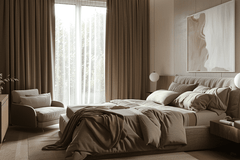
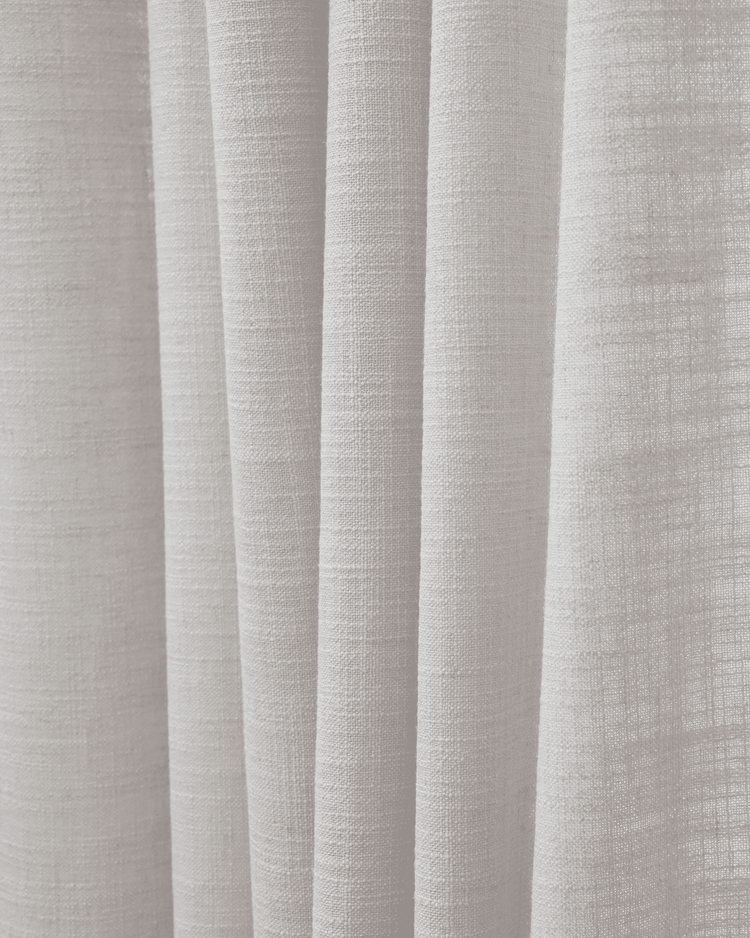
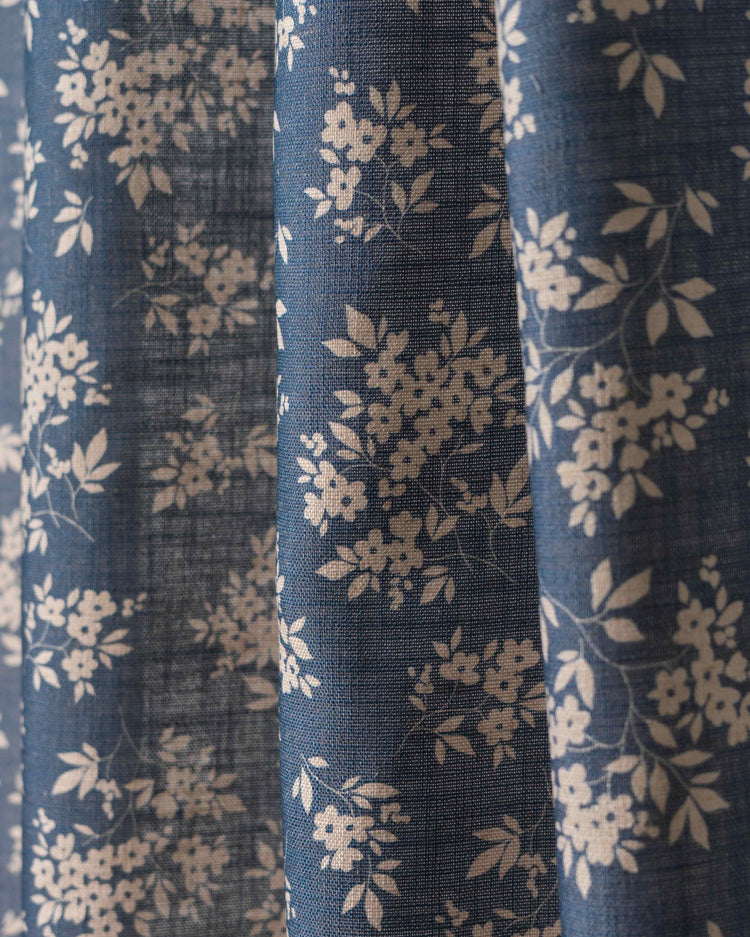
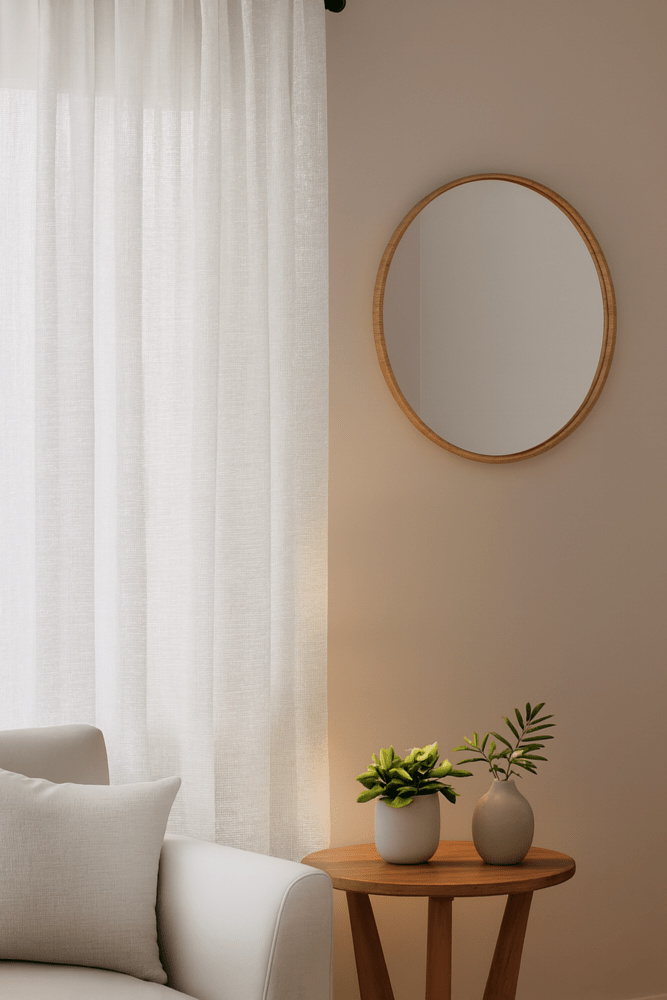
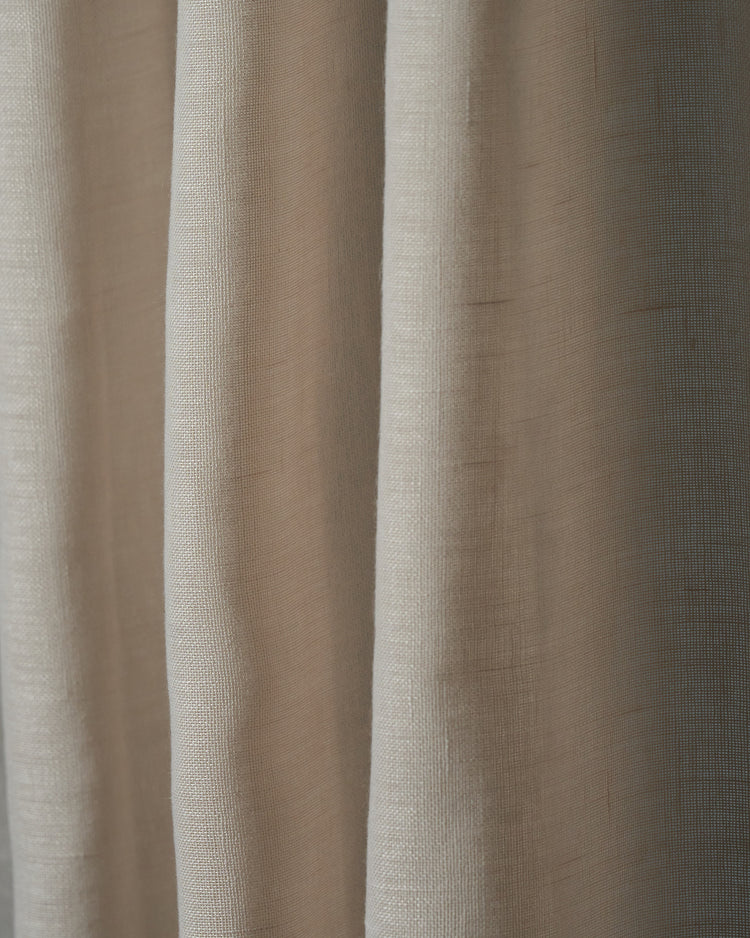
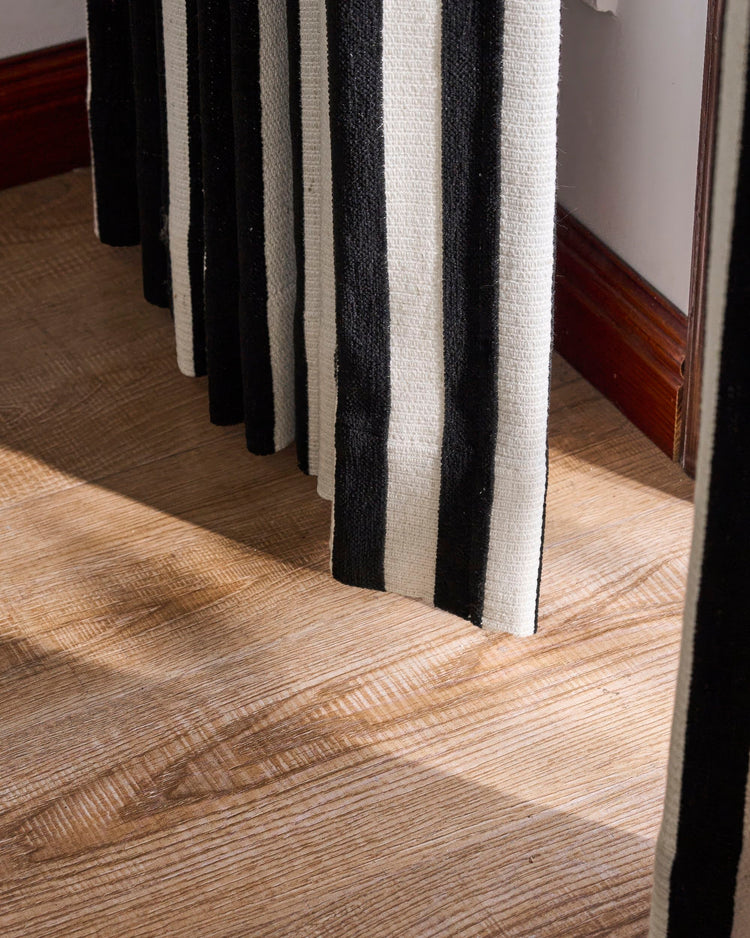
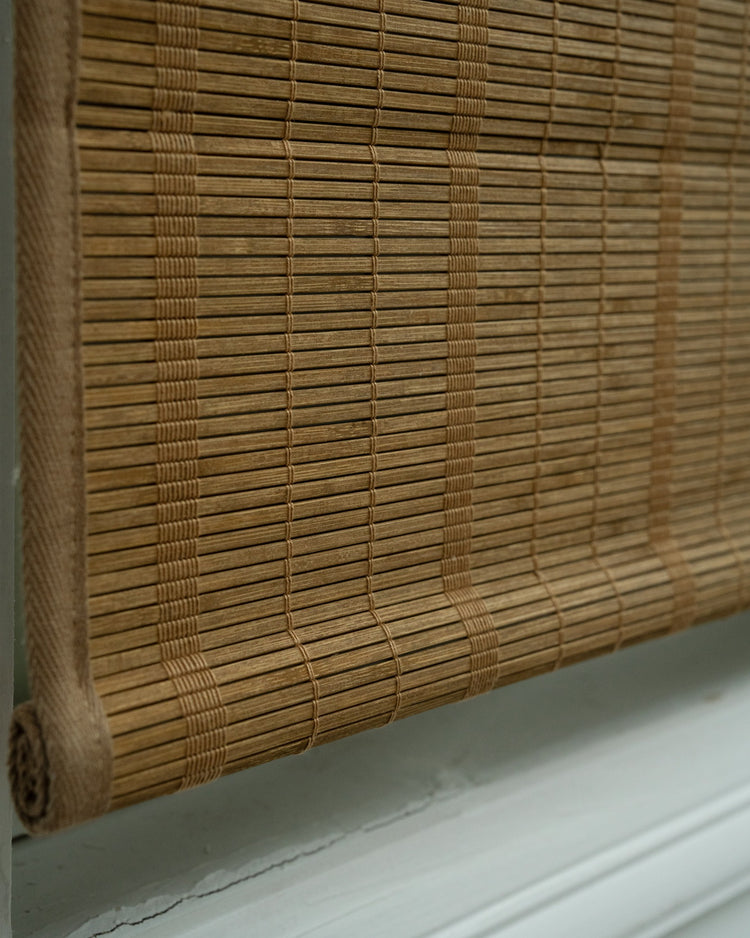
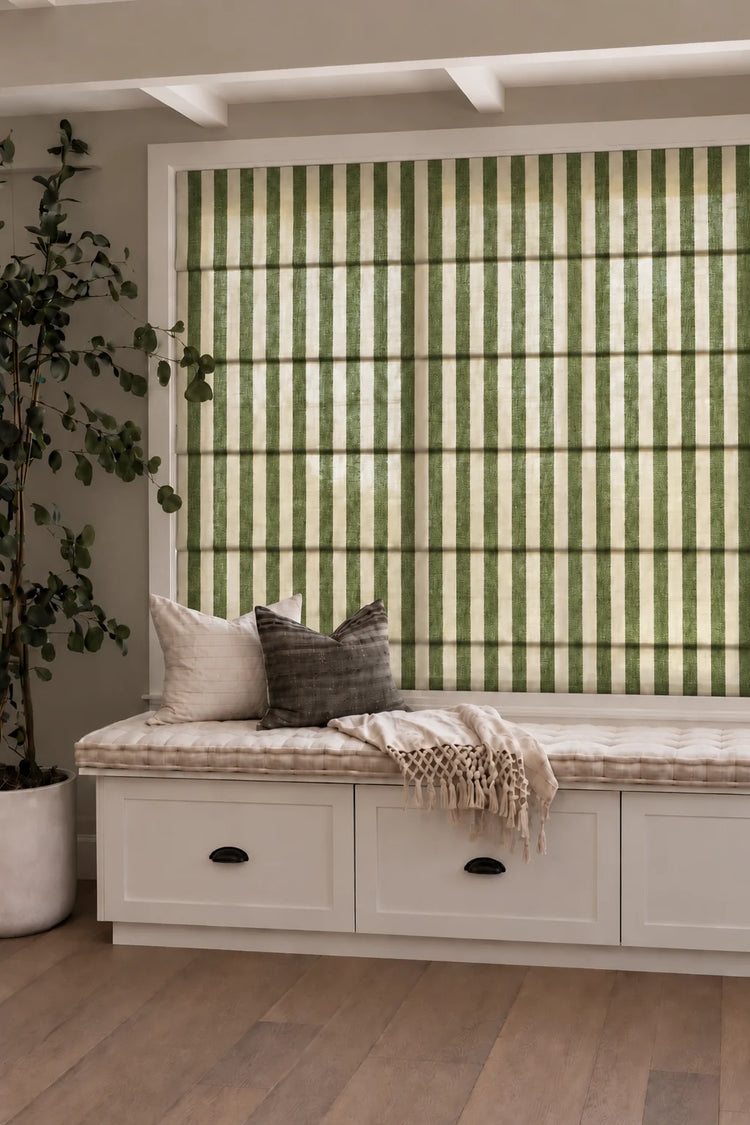
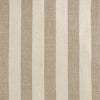
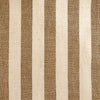
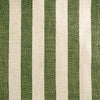
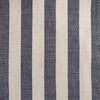
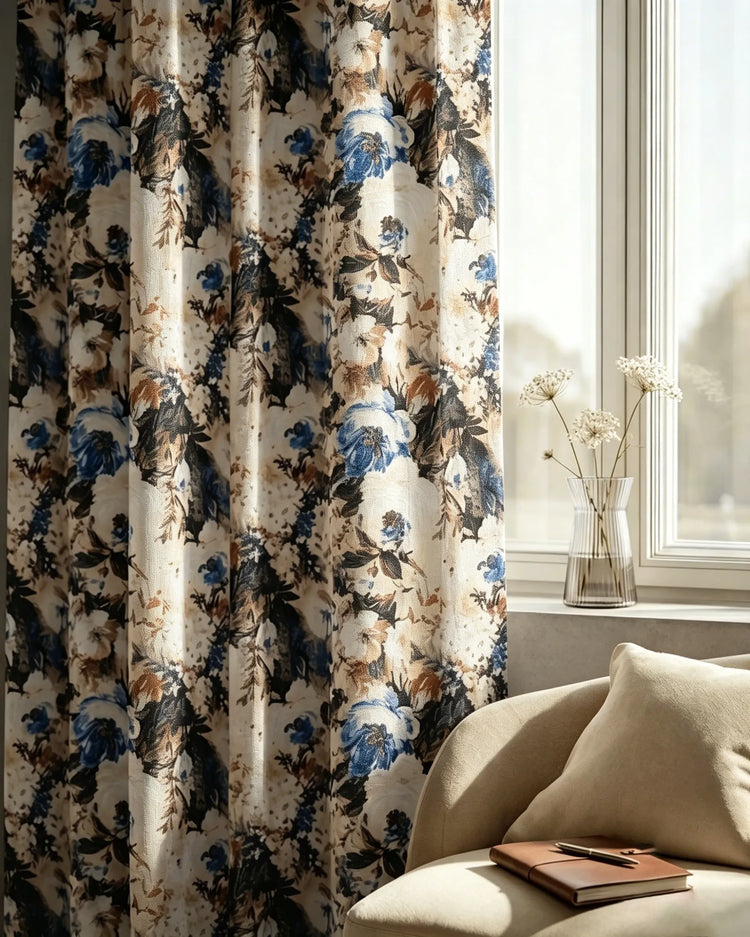
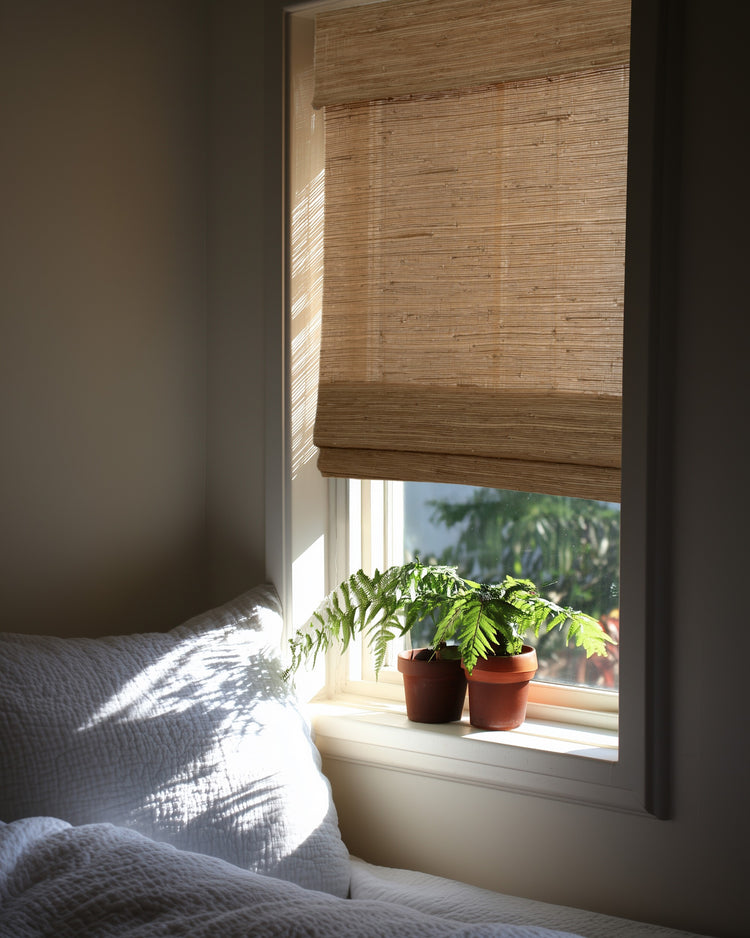
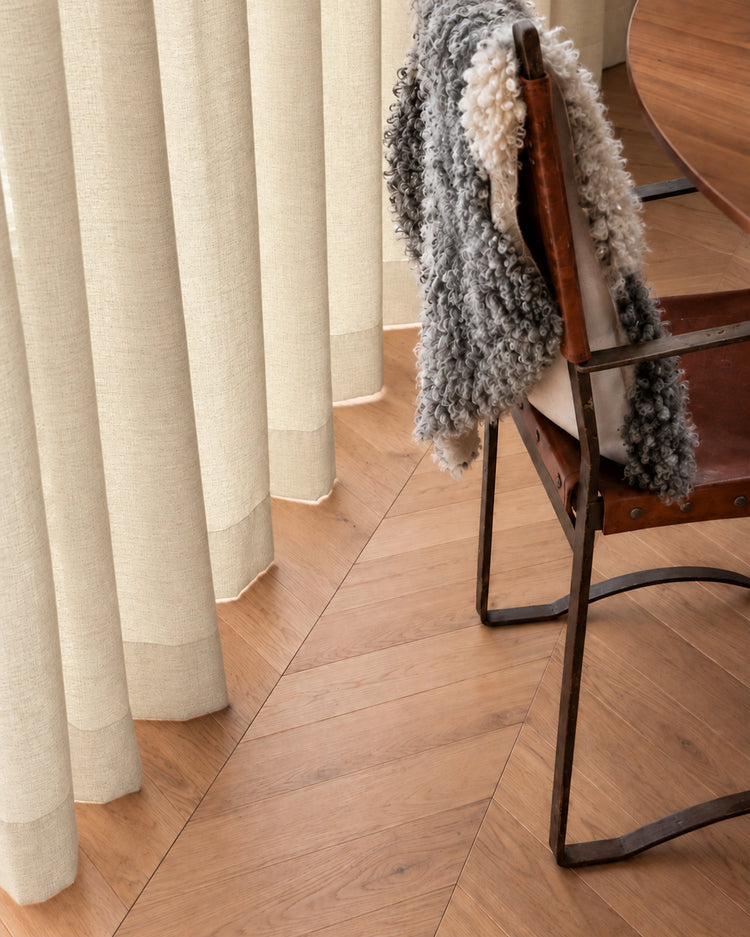
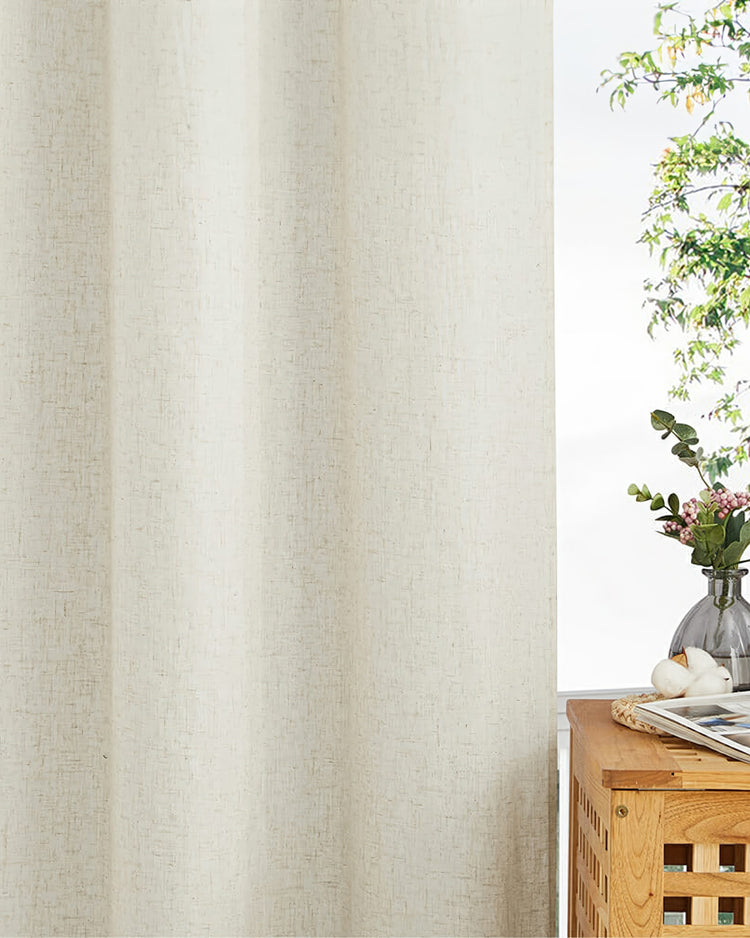
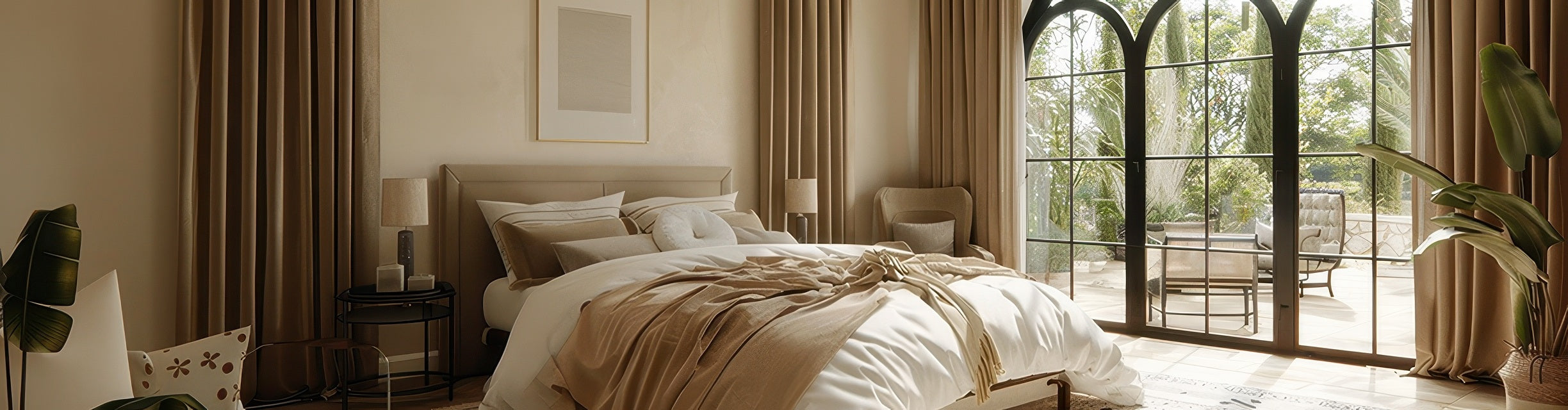
Gone are the days when blackout curtains looked like stiff plastic sheets. Modern custom blackout curtains from TheHues come in linens, velvets, and textured weaves. You get the aesthetic of high-end design with the engineering of a sleep tool.
Ready to reclaim your sleep and lower your energy bill? Check the measurements of your windows and upgrade your setup.