Can I Use Drapes Instead of Closet Doors


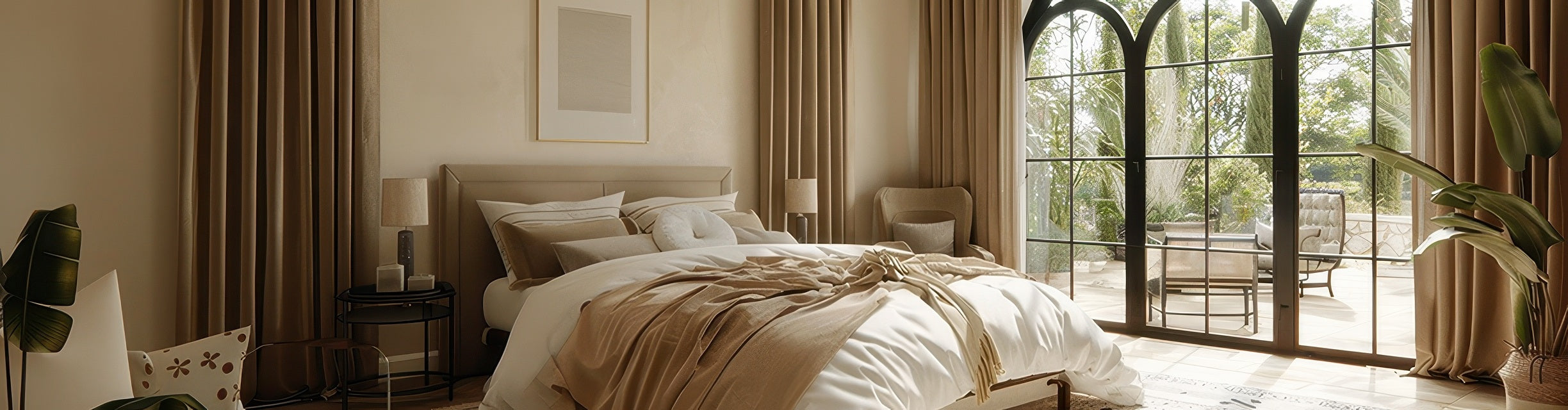
Yes, you can use drapes instead of closet doors, and for many closets it is the better choice: a curtain costs less than a new door, hangs flat against the wall so it never blocks the room, and lets you change the look with a single fabric swap. The trade-off is privacy and sound control. A solid door gives a firm, unbroken screen and muffles the clatter of hangers; a fabric panel does neither as well. If your closet is in a bedroom, hallway, or rental and you mainly want quick access and a softer look, curtains are a strong swap. If you need to fully hide and quiet the contents, a real door still wins. Below you will find the install steps, how to measure for a rod or track, a side-by-side comparison, style pairings, and answers to the most common closet-curtain questions.

Curtains vs. closet doors: which should you choose?
The right pick depends on how often you open the closet, how much privacy you need, and whether you can drill into the wall. Here is the honest comparison.
| Factor | Curtains / drapes | Hinged or sliding closet doors |
|---|---|---|
| Floor and swing clearance | Hang flat against the wall; nothing swings into the room | Hinged doors need swing room; bifold and sliders need track space |
| Daily access | Pull aside in one motion; easy for a quick grab | Open one panel or slide one side at a time |
| Privacy and “hiding clutter” | Good with lined or room-darkening fabric; sheers stay see-through | Strong, unbroken screen |
| Sound | Fabric softens sound; it does not seal the opening | A solid door blocks far more noise |
| Cost and effort | Lower; rod or track plus a custom panel | Higher; doors, track, and hardware, often professional fit |
| Changing the look | Swap the fabric in minutes | Refinishing or replacing a door is slow and costly |
| Renter-friendly | Yes, with tension rods or removable hardware | Usually a permanent change |
Use curtains when the closet is in a casual or shared space, when a door would crowd a tight room, or when you rent and cannot make permanent changes. Keep or install a real door when you need a firm sound barrier or a crisp, formal built-in look. For the closet’s larger cousin, the reach-in vs. walk-through opening, see our best sliding door coverings guide.

How do you hang curtains for closet doors? Step by step
You can install closet curtains in an afternoon with basic tools. Work in this order so your measurements and hardware match the panel you order.
- Decide rod or track first. A standard curtain rod suits most reach-in closets and a casual, gathered look. A ceiling-mounted track is the better choice for frequent side-to-side access, a wide opening, or a clean, flush look with no rod showing.
- Plan the mounting height and width. TheHues typically recommends placing the rod about 4 to 8 inches above the opening, which makes the closet look taller. Extending the rod a few inches past each side of the opening lets the panel clear the doorway when pulled back and reduces the side gap when closed.
- Mark and check for studs or solid backing. Use wall-appropriate screws and anchors for the bracket points. Position rod brackets roughly 4 to 6 inches inward from each rod end, excluding finials, and add a center bracket on a wide span so the rod does not sag. Two people make this step easier and straighter.
- Mount the hardware. Level the brackets, drill pilot holes, set anchors, and fix the rod or track. For a track, confirm it is rated for your panel’s finished weight, especially with heavier fabrics.
- Hang and dress the panel. Slide grommets onto the rod, hook rings or gliders onto a track, or feed a rod pocket over the rod. Adjust the folds so the panel hangs evenly, then check that it pulls aside cleanly without catching the floor.
Renting and want zero wall damage? A tension rod inside the opening or a no-drill bracket avoids holes; see our tension rod hacks for setups that hold up. For a deeper rod walkthrough, read how to measure and select curtain rods.
Rod or track for a closet curtain?
Choose a rod for casual reach-in closets where you open the closet occasionally and like a soft, gathered look. Choose a ceiling track when you open the closet often, the opening is wide, or you want the panel to glide smoothly and sit flush without a visible rod.
- Curtain rod: simple, lower cost, and fine for grommet, rod-pocket, or back-tab panels. Match the rod’s outer diameter to your header. Rod pockets accept up to about a 1.77-inch rod; back tabs accept up to about 1.50 inches. Also match the rod’s load rating to the panel weight.
- Ceiling track: the stronger pick for daily, side-to-side operation and wide closets. Tracks use gliders or rollers for an easy pull and work well with pleated or hook headers. They are also the standard for room-divider setups, so the same hardware logic applies; see our curtain room divider ideas.
One caution: a header that works with rings is not automatically track-compatible. If you want a track, choose a pleated or hook-based header that TheHues lists for tracks, and pick a track rated for the actual finished weight of the panel.
How do you measure for closet door curtains?
Measure the installed rod or track path, not just the closet opening, and choose your fabric width from a header-specific fullness number rather than a generic rule. This is the step that prevents a panel that looks flat or one that bunches too much to draw.
Width. First decide where the rod or track will sit, usually a few inches past each side of the opening. Then size the panel from this formula:
Finished width per panel = rod or track width x recommended fullness ÷ number of panels
Skip the old “1.5 to 2 times the opening” shortcut. The correct fullness depends on the header you pick. A few TheHues examples:
| Header | Light-filtering / room-darkening fullness | Notes for a closet |
|---|---|---|
| Grommet top | 1.5x | Easy side-to-side pull; visible rings; great for daily access |
| Rod pocket | 1.5x | Gathered, casual look; less convenient for frequent opening |
| Back tab | 1.5x | Soft folds, concealed attachment |
| Pinch pleat, track or rings | About 1.1x finished width | Fullness is already sewn into the pleats; do not multiply again |
So a 60-inch rod with a grommet header and two panels needs two 45-inch finished-width panels: 60 x 1.5 ÷ 2. For sheers, fullness usually runs higher on rod-pocket and back-tab headers so the panel does not look thin.
Height. Measure from the bottom of the rod or track to the floor, not from the ceiling unless the track actually mounts at the ceiling. For a closet, a “hover” finish about 1 inch off the floor is the practical choice: it pulls aside cleanly, collects less dust, and avoids a puddle that frays the crisp line of the opening. Expect finished dimensions to vary by roughly 1 to 2 inches due to normal manufacturing tolerance.
For one panel or two, a center-opening closet usually takes two panels you part in the middle; a narrow reach-in can use a single one-way panel. Our guide on one curtain panel or two walks through the decision, and the curtain heading types guide compares headers in detail.
What fabric and style work best for closet curtains?
Match the fabric to how much you need to hide and the mood of the room. Closet curtains are a low-risk place to be a little bolder than your window treatments.
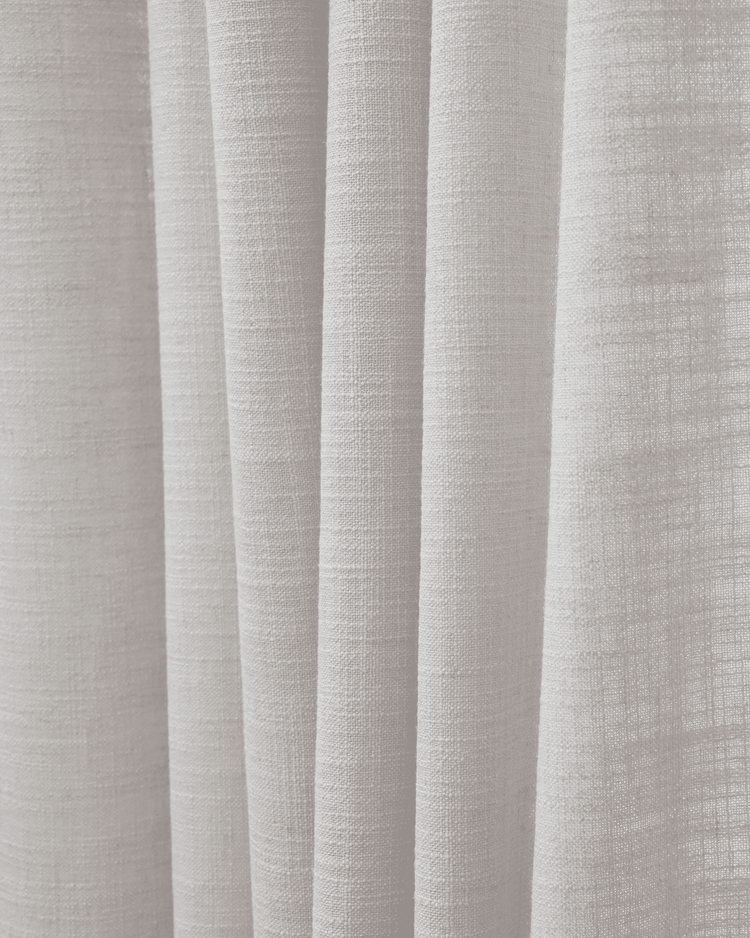
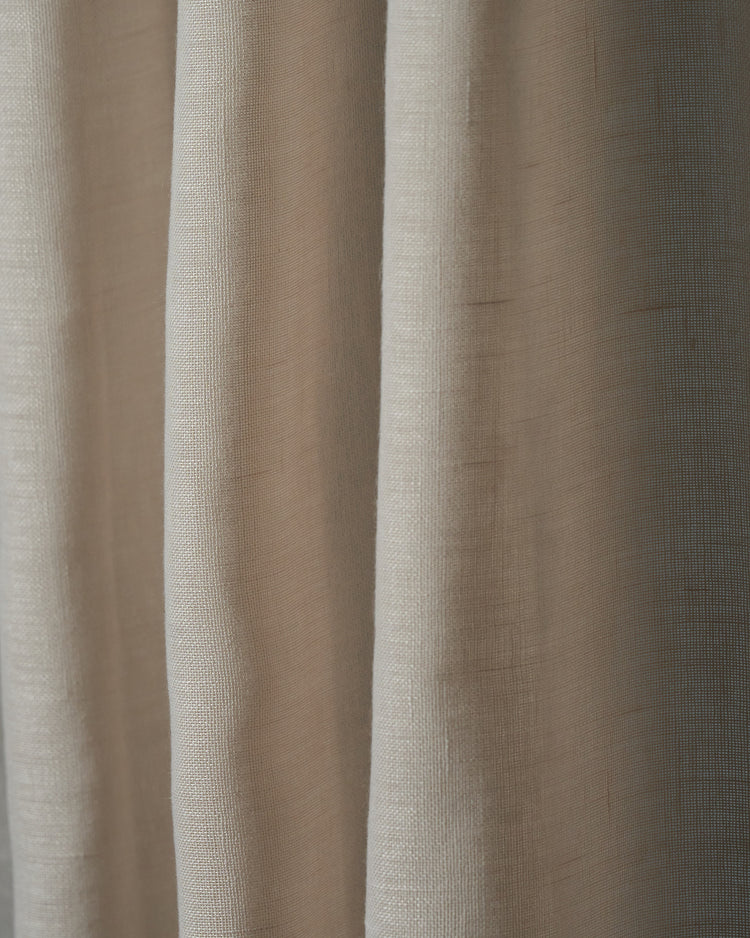
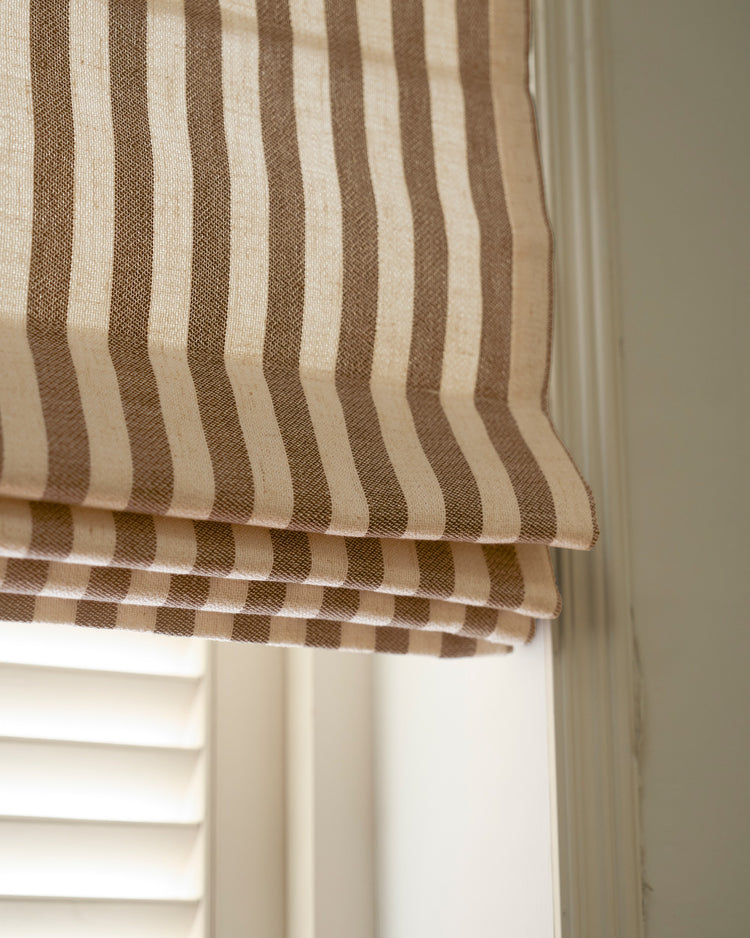
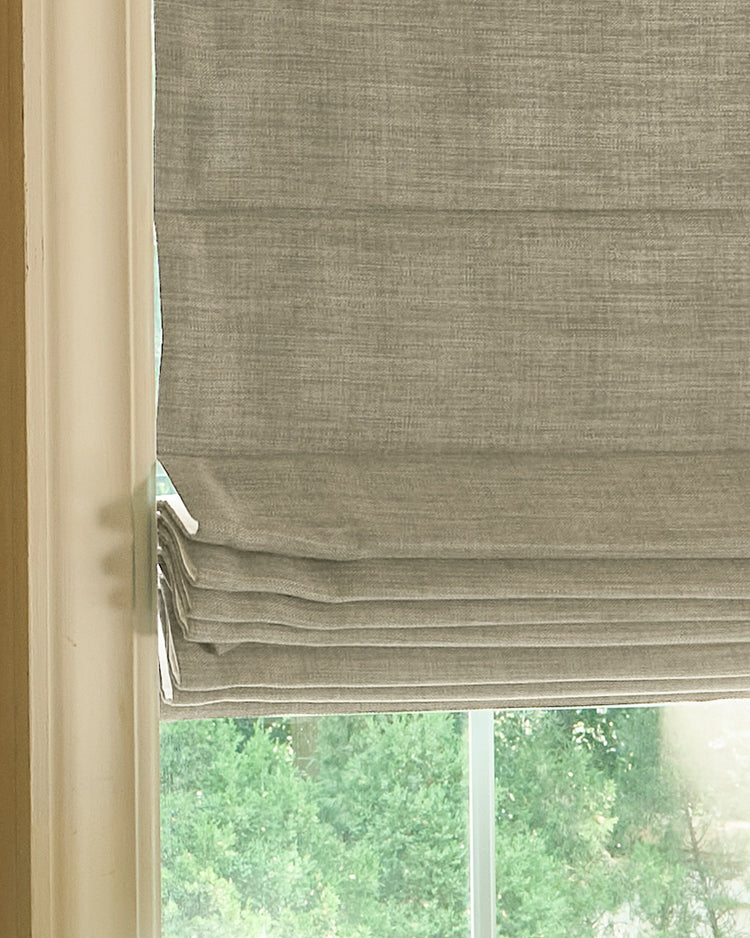
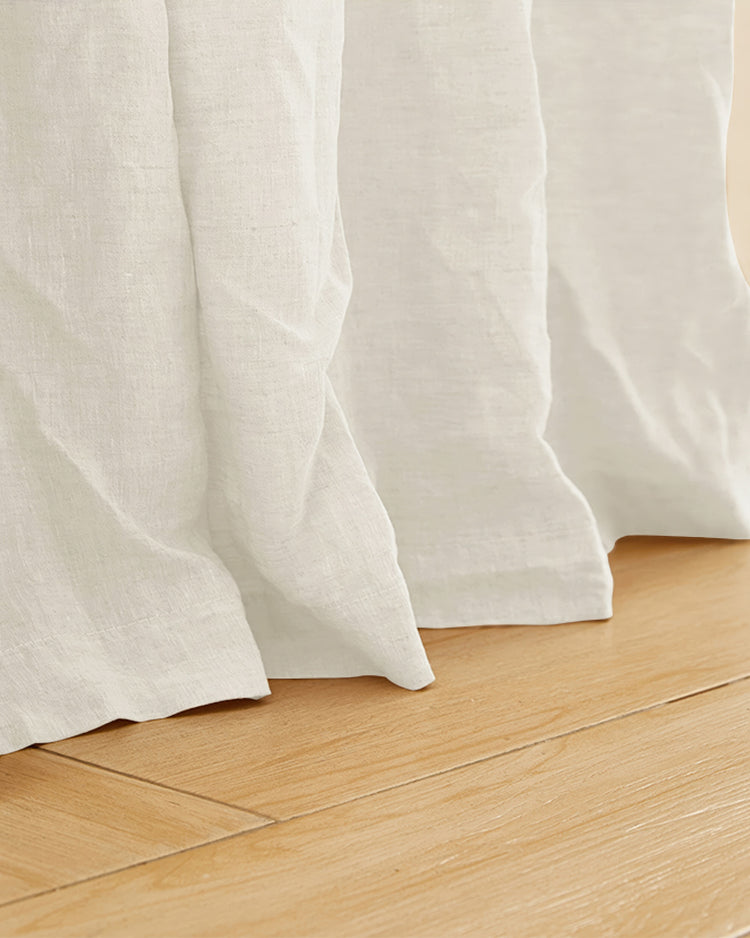
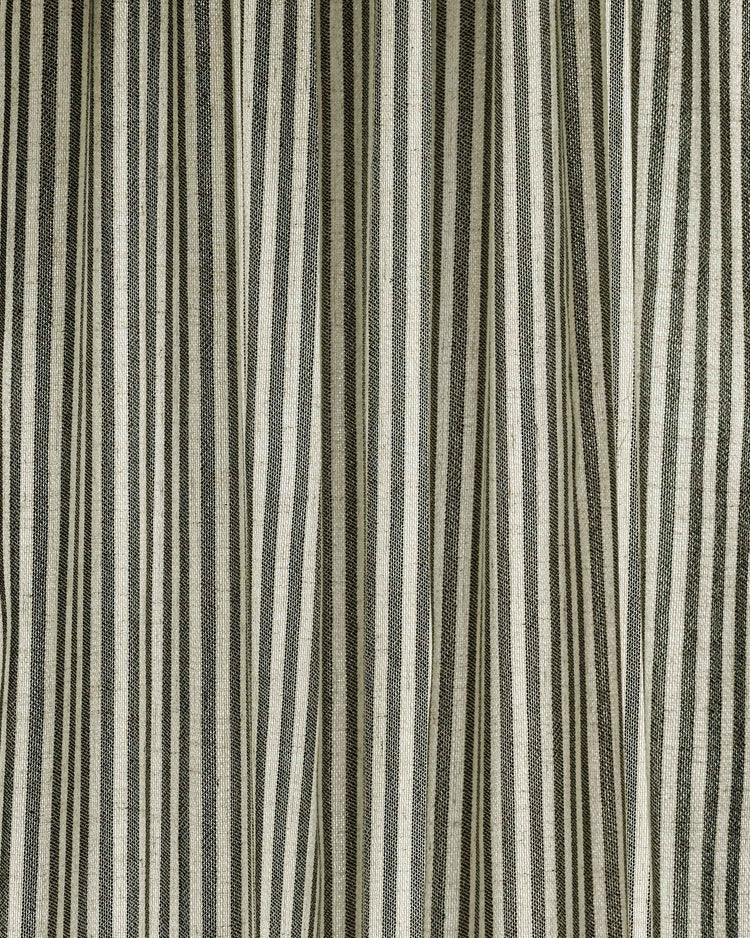
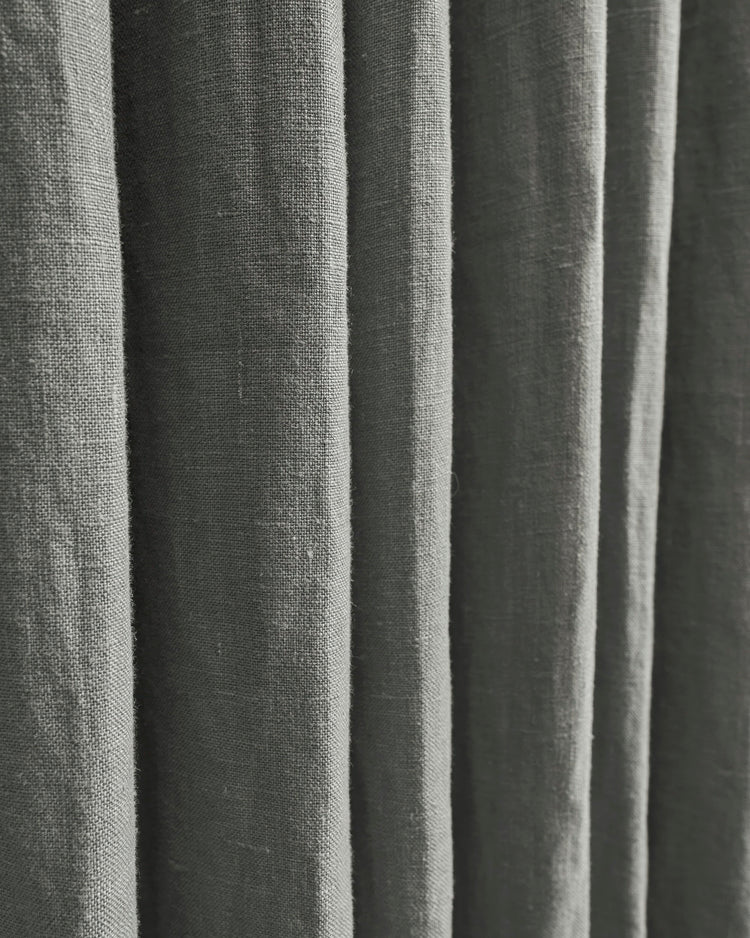
- Linen and linen-look: breathable and timeless, with a relaxed drape. Expect natural texture and some wrinkling on pure linen; a linen blend holds its shape better. Good when the closet sits in a bright, airy room.
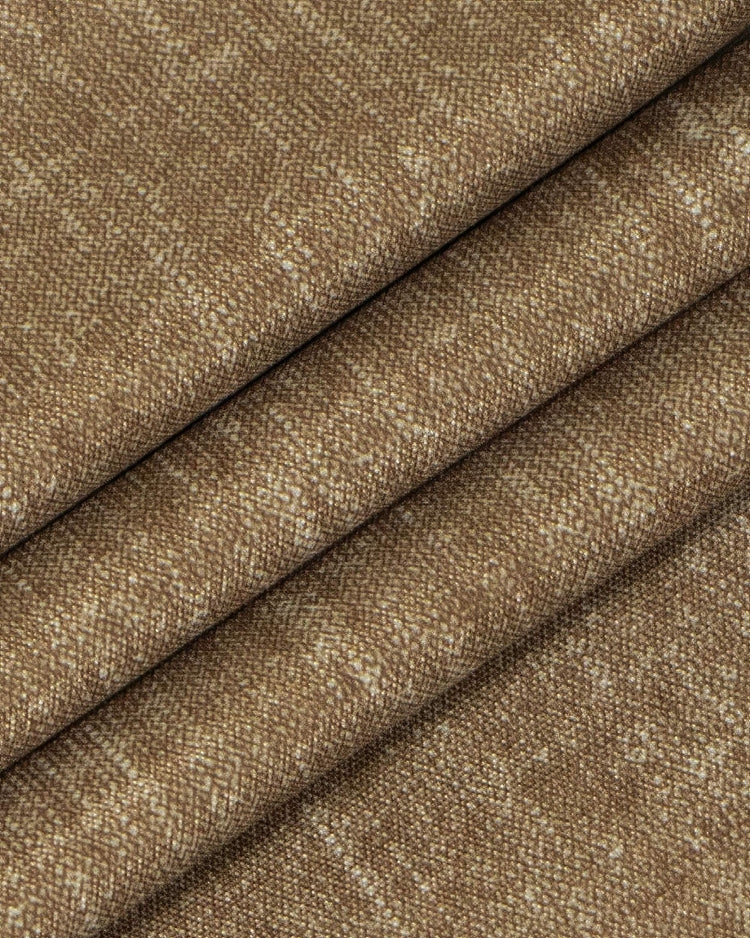
- Velvet: dense and plush, with rich color and more body. It reads as luxe for a bedroom or dressing nook and falls in heavier folds, so confirm your rod or track is rated for the weight.
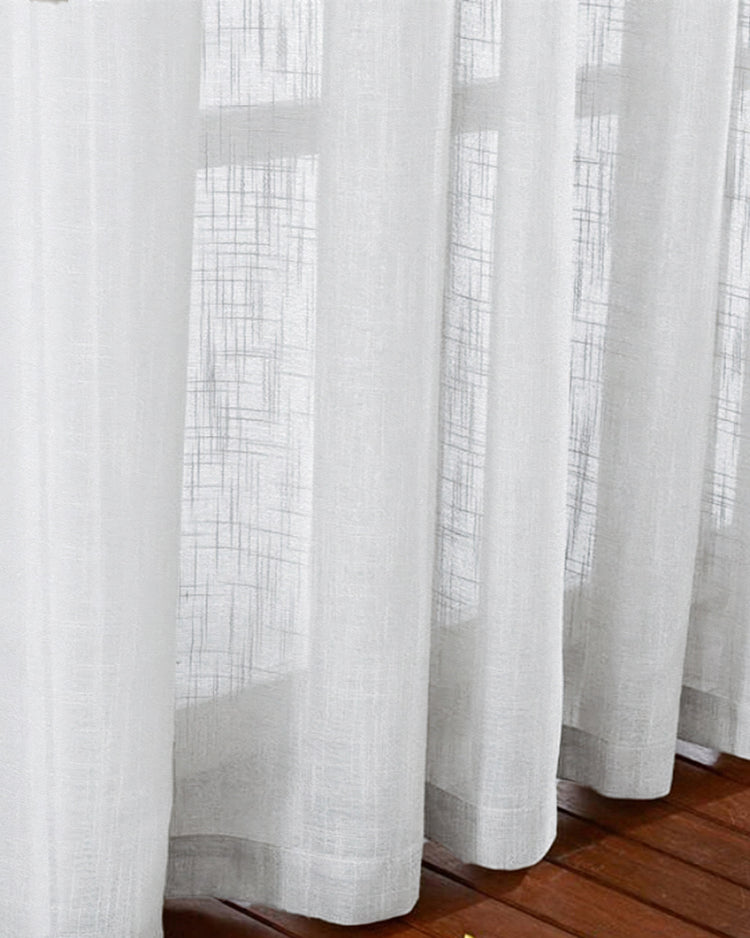
- Sheer: softens the opening and lets light through, but it will not hide contents, especially with the closet light on. Use it for looks, not concealment, or layer it under a heavier panel; our complete guide to sheer curtains covers layering.
- Lined or room-darkening: the right call when you want to truly hide clutter or keep a shared-room dressing area private. The added layer blocks more light and sight than a single unlined panel.
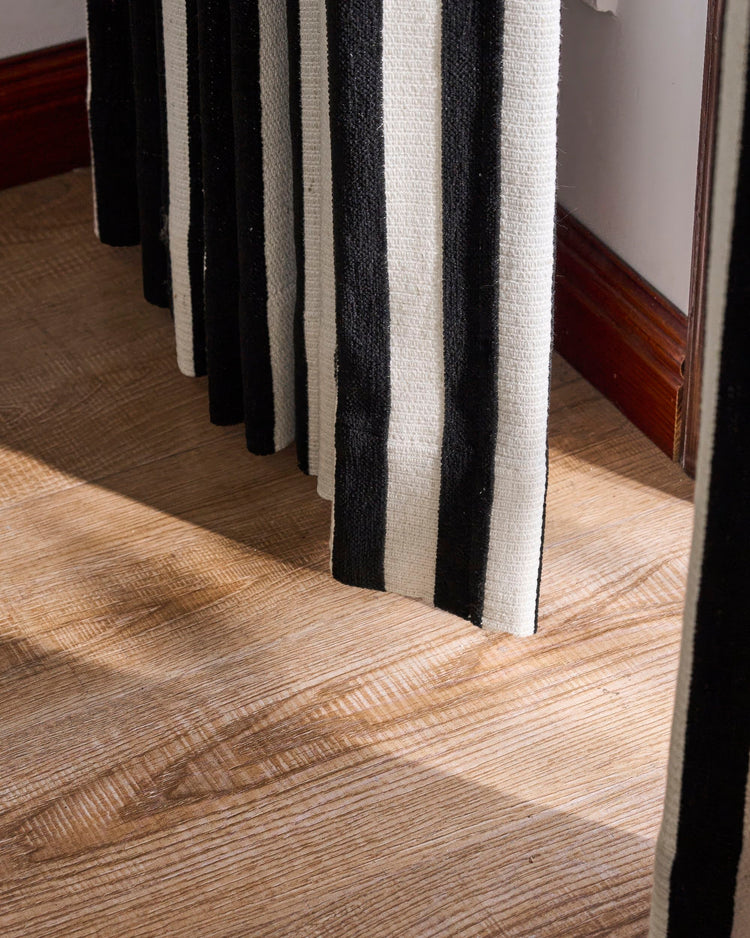
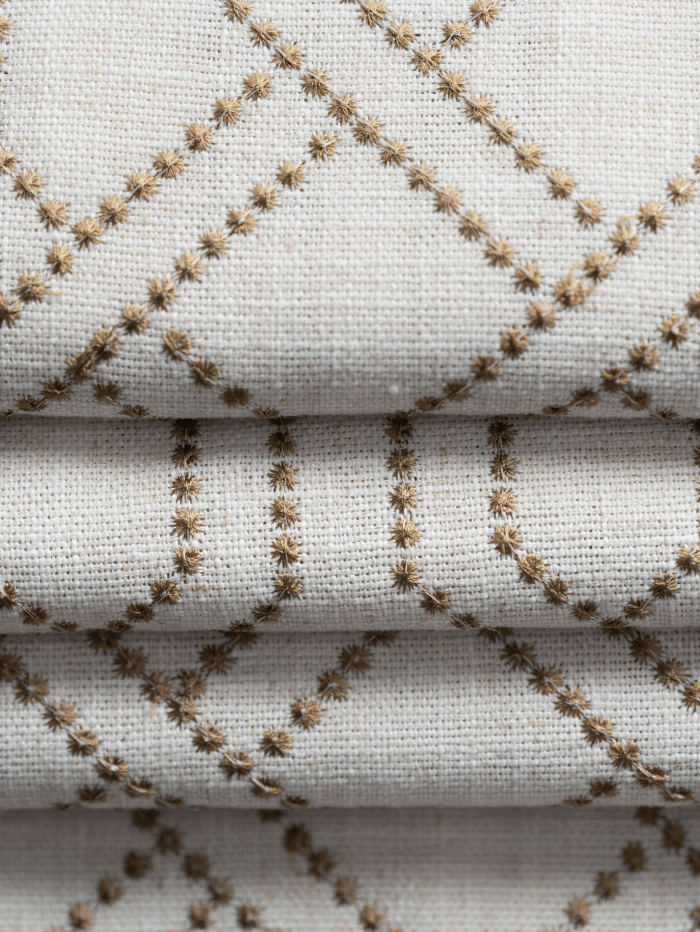
For color, light neutrals, such as white, beige, and soft gray, keep a small room feeling open, while a deep navy, emerald, or burgundy panel turns the closet into a feature wall. Vertical stripes make the opening look taller. If the room is already busy, keep the closet panel solid or subtly textured so it calms rather than competes.

 100% Blackout
 Better sleep
 Noise Reducing
 Energy Saving
Practical tips and common mistakes
- Do not size the panel to the opening alone. Size it to the rod or track path and your header’s fullness, or the panel will look flat or refuse to draw.
- Match hardware to weight. A heavy velvet or lined panel needs a rod or track rated for it. Skip clip-ring hardware on heavy fabric; TheHues recommends clips for lightweight or sheer panels only.
- Set the hem to hover. About 1 inch off the floor keeps the line crisp and the panel easy to sweep aside; a puddle gathers dust right next to your clothes.
- Renters: go no-drill. Tension rods or removable brackets avoid wall holes and come down clean when you move.
- Pick a header that fits your hardware. Ring-friendly headers are not all track-compatible, so confirm before you order if you plan to use a track.
Frequently asked questions
Can you use curtains instead of closet doors?
Yes. Curtains are a common, budget-friendly swap that saves floor and swing space and lets you restyle the closet with a fabric change. The trade-off is less privacy and sound control than a solid door, which you can offset with a lined or room-darkening panel.
How do I hang curtains for closet doors?
Pick a rod for casual closets or a ceiling track for frequent, wide-opening access. Mount the hardware about 4 to 8 inches above the opening and a few inches past each side, anchor the brackets into solid backing, then hang and dress the panel so it clears the floor by about an inch.
Do closet curtains hide clutter and keep clothes private?
A lined or room-darkening panel hides contents well; a sheer one does not, especially with the closet light on. For a shared bedroom or dressing area, choose a lined or blackout fabric for real privacy.
Rod or track for a closet curtain?
Use a rod for occasional access and a casual look. Use a ceiling track when you open the closet often, the opening is wide, or you want a smooth glide and a flush, no-rod appearance. Make sure the track is rated for the panel’s weight.
How wide should closet curtains be?
Size them to the rod or track width times your header’s fullness, divided by the number of panels, not by a blanket multiple of the opening. Many room-darkening grommet, rod-pocket, and back-tab headers use about 1.5x fullness; sewn pleats already include their fullness, so order about 1.1x of finished width.
Ready to set up your closet?
Run your numbers through the TheHues measurement guide, order swatches to test fabric and opacity in your room, then customize a panel sized to your rod or track.