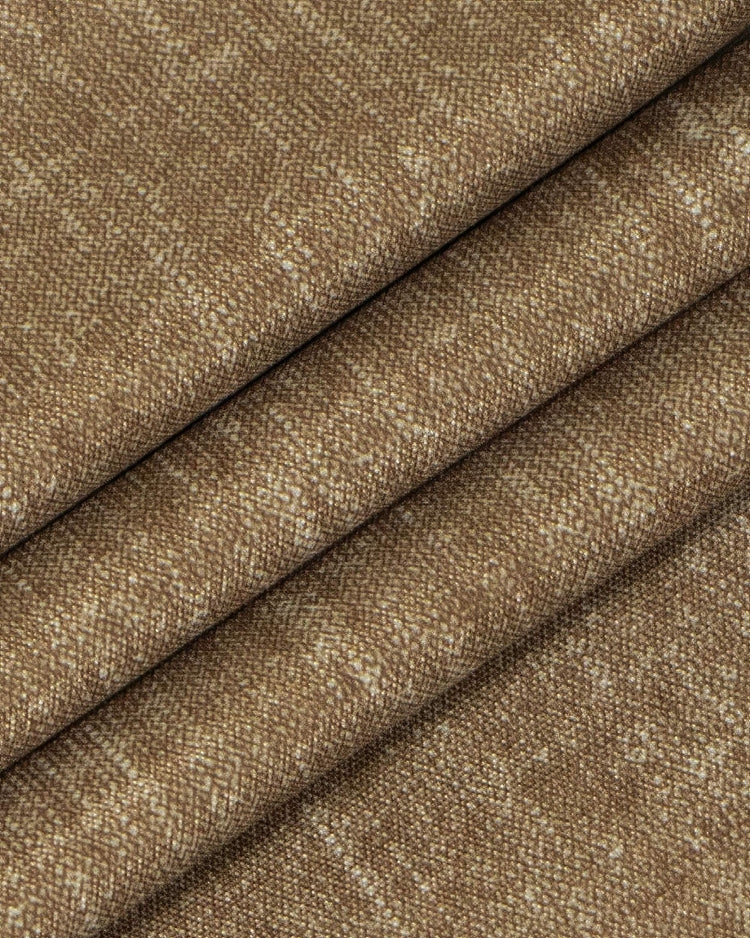
Cotton or Linen Which Is the Right Material for Your Window Treatments


Choose linen when you want soft, diffused daylight, a relaxed organic texture, and an airy feel, and you accept that real linen wrinkles and costs more. Choose cotton when you want crisper structure, easier everyday care, more color and pattern options, and a lower price. In short: linen sets a mood, cotton handles daily life. The rest of this guide breaks the decision down by drape, light control, care and shrinkage, price, durability, and the specific room you are outfitting, with an honest comparison table and FAQ at the end.
One thing to settle first, because it changes everything below: “pure linen” and “linen look” are not the same fabric. The guidance here treats genuine 100% linen and natural cotton as the baselines. Blends and linen-look fabrics behave differently, and we flag that where it matters.
Linen vs cotton curtains: the quick comparison table
| Factor | Pure linen | Cotton and cotton blends |
|---|---|---|
| Texture | Natural slubs, visible weave, organic and tactile | Smoother, more uniform, matte |
| Drape | Relaxed, soft folds; never crisp | Hangs more neatly; holds structure |
| Wrinkles | Wrinkles and creases readily; this is normal | Wrinkles less; easier to keep smooth |
| Light | Diffuses daylight into a soft glow | Depending on weight, contains light more evenly |
| Daytime privacy | Looser weave can be more sheer | Tighter weaves screen more |
| Care | Often gentler handling; check the label | Often more forgiving; check the label |
| Shrink risk | Higher if washed warm or hot | Depends heavily on blend and finish |
| Price | Higher | Generally lower |
| Best for | Living rooms, sunrooms, relaxed and design-forward spaces | Kids’ rooms, kitchens, high-traffic areas, budget projects |
Use this as the at-a-glance answer. Everything below explains the why, and where blends and lining quietly change the outcome.
What is the real difference between linen and cotton fabric?
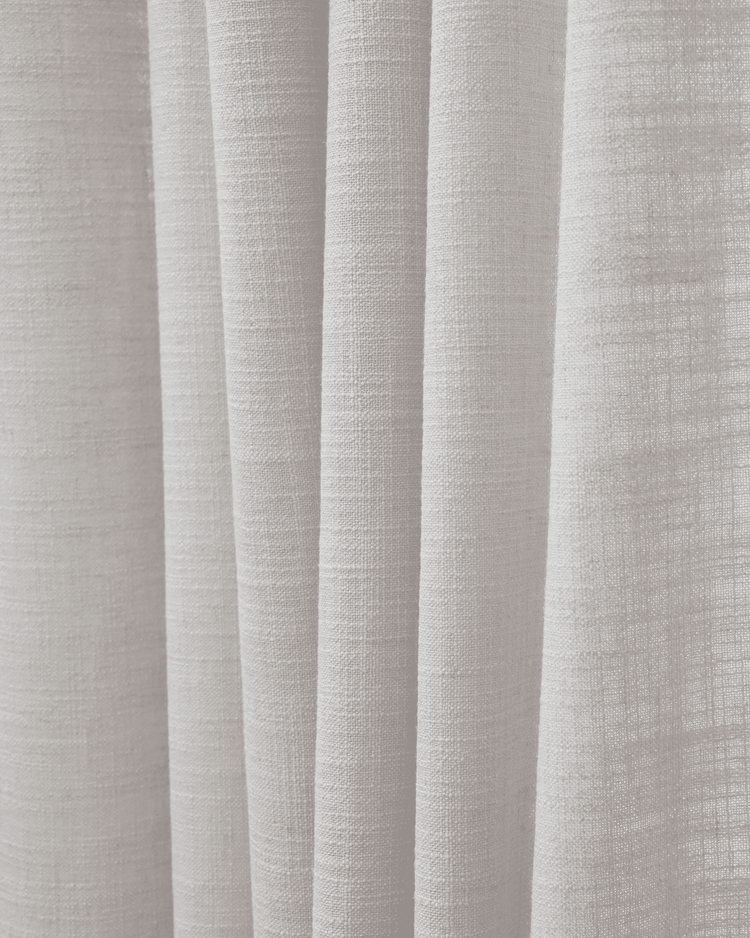
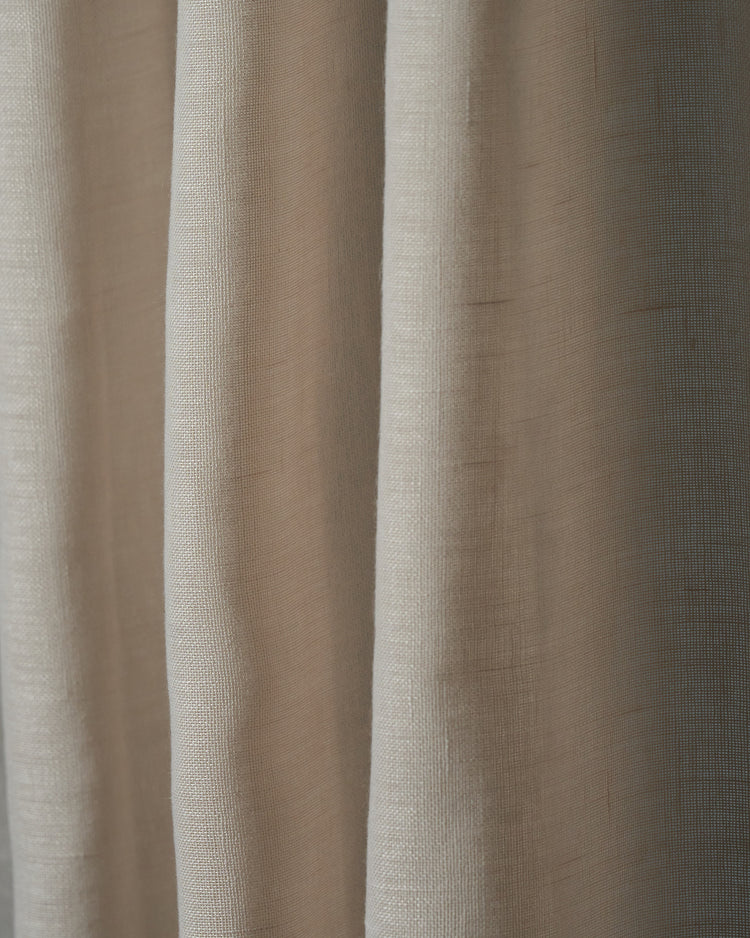
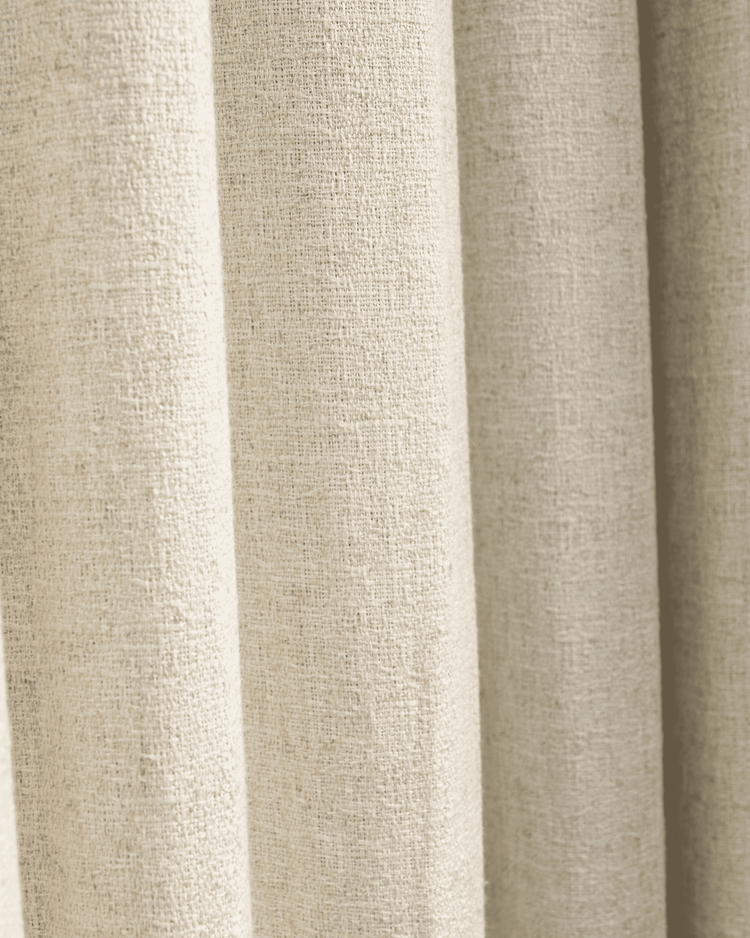
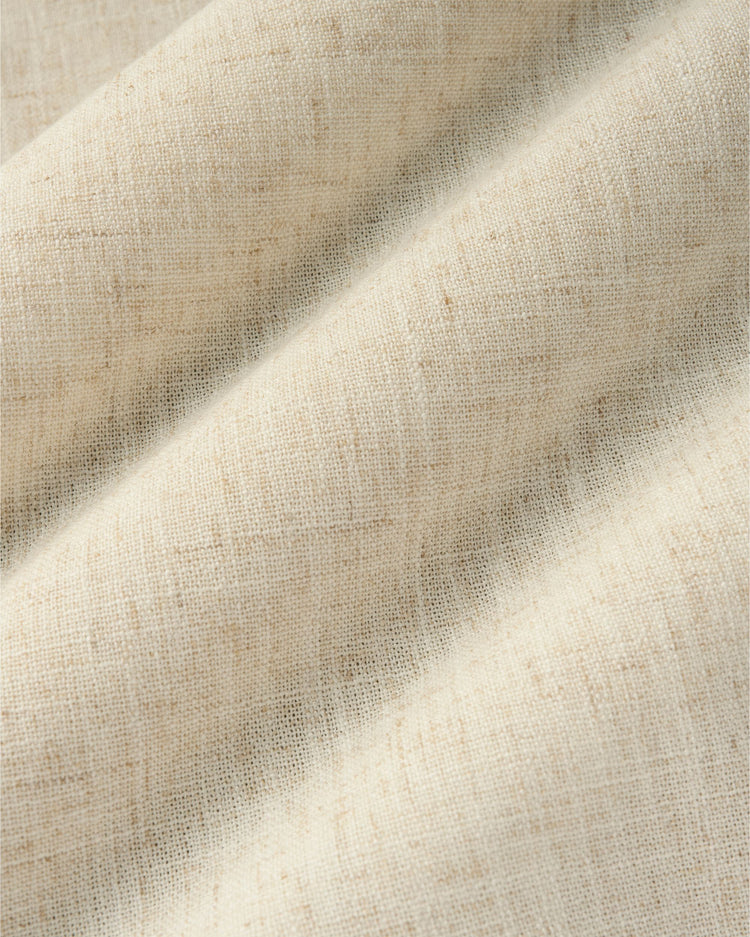
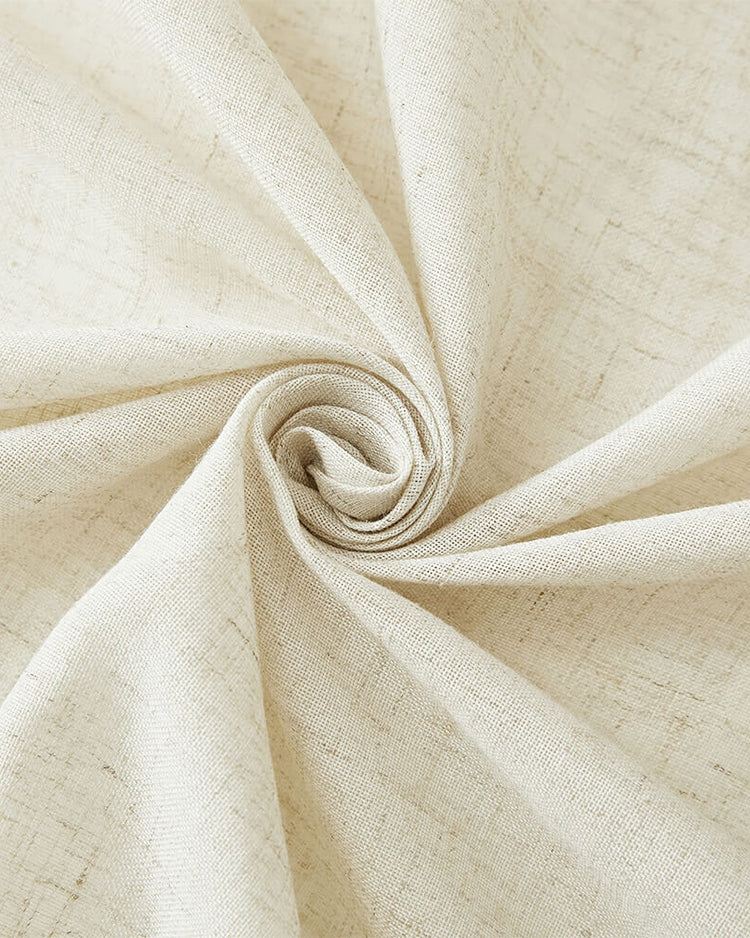
Linen comes from the flax plant. Its fibers are strong, the weave is slightly irregular, and that irregularity, the visible slubs, is the whole point of the look. Linen reads as natural, breathable, and lived-in, and it softens with age.

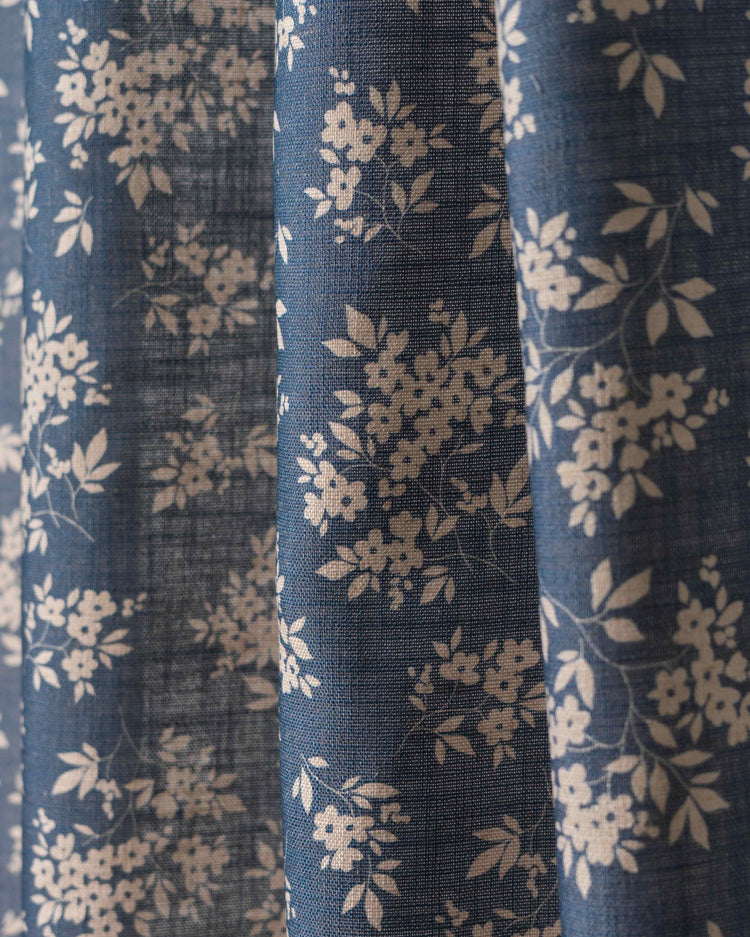
Cotton comes from the cotton plant. The fiber is finer and more even, so cotton fabric feels smoother and takes dye, prints, and finishes in a wider range. That is why cotton dominates patterned, colorful, and tailored curtain styles.
A critical caveat for shopping online: many curtains sold as “linen” are actually linen look, faux linen, or a linen blend. These can keep a linen-like texture while resisting wrinkles better and tolerating easier care, but they are not pure linen and will not behave exactly like it. Before you decide, read the fiber content on the product page, not just the product name. We cover this distinction in detail in our guide to faux linen versus genuine linen.
How do linen and cotton drape differently?
Drape is where the two fabrics separate most visibly.
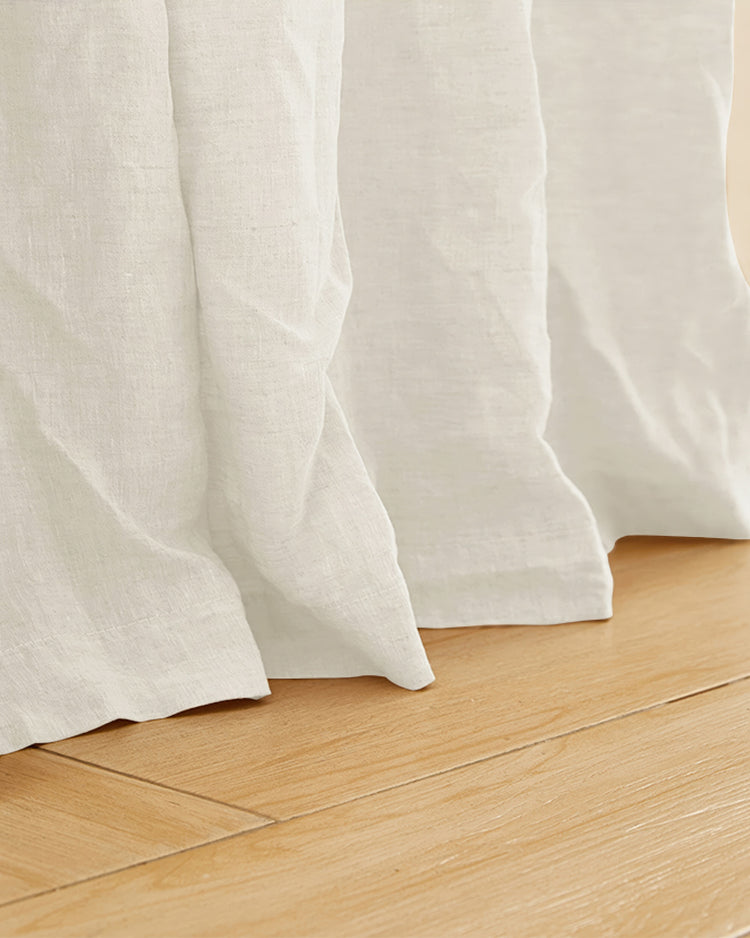
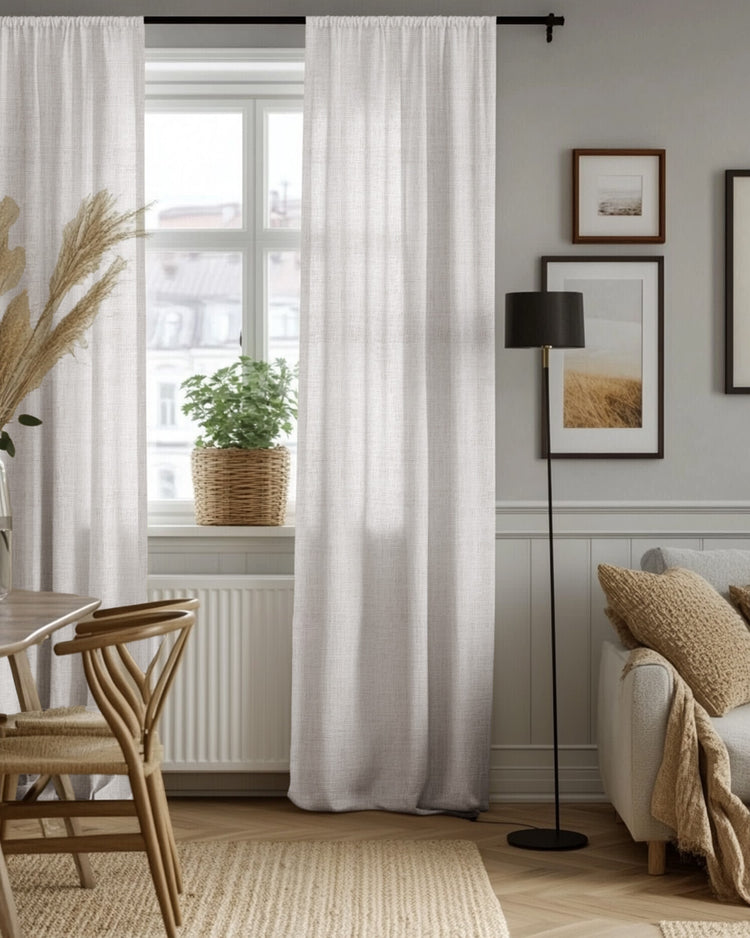
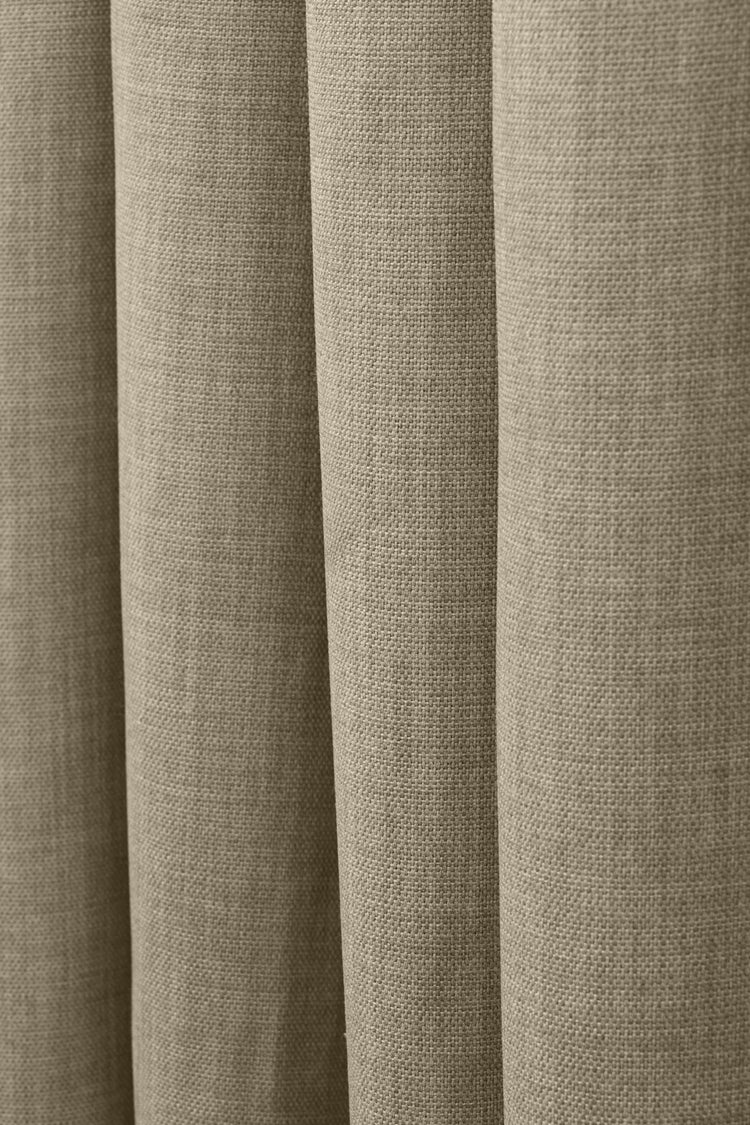
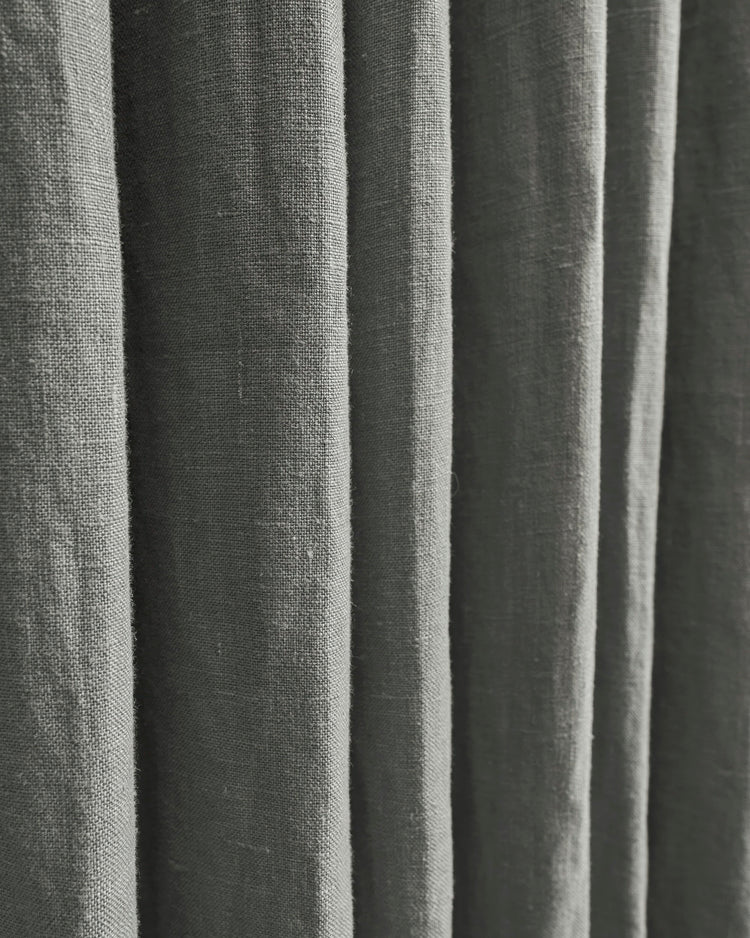
- Linen falls in soft, relaxed folds. It will not give you sharp, structured pleats, and it tends to look slightly tousled even when freshly hung. If your style leans coastal, Scandinavian, minimalist, or organic-modern, that softness is exactly what you want.
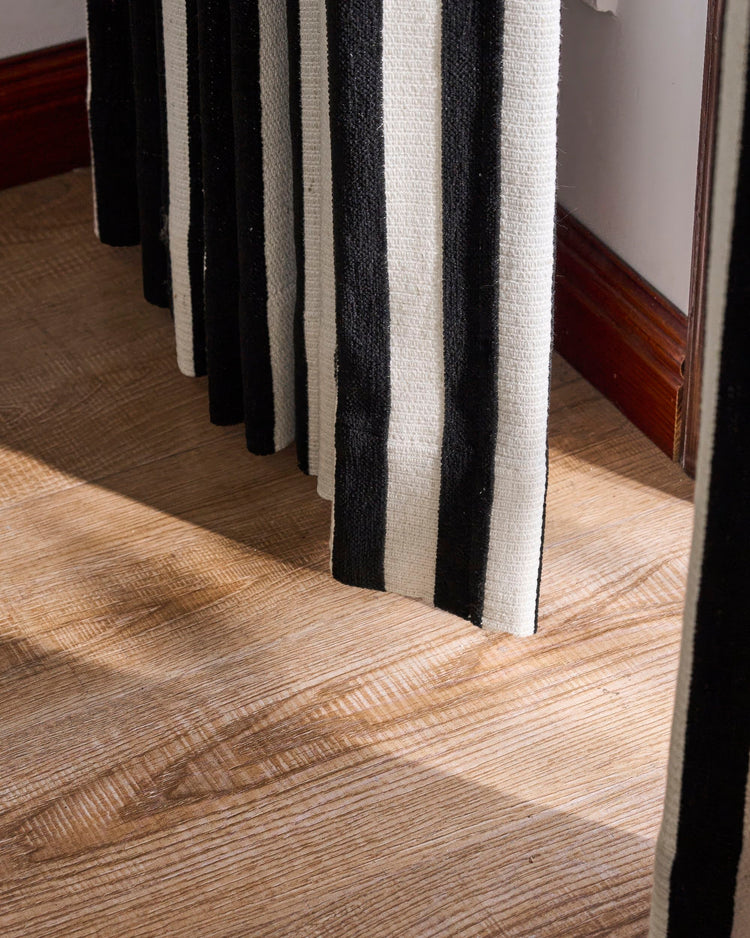
- Cotton holds its shape better. It hangs more neatly and supports crisper headers and tailored looks, which suits traditional and structured interiors.

A note that holds for both fabrics: the header style and fullness you choose affect drape as much as the fiber does. A relaxed fabric on a pleated header still reads more tailored than the same fabric on a rod pocket. If drape matters to you, decide fabric and header together, and confirm the recommended fullness on the product’s size guide before ordering.
Which blocks more light, linen or cotton?
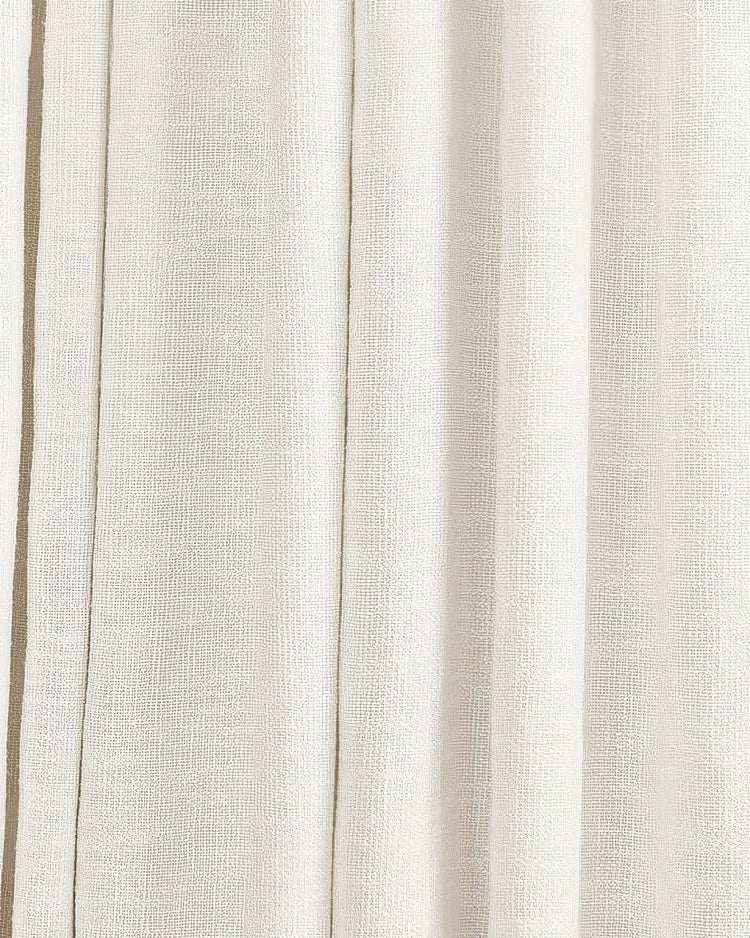
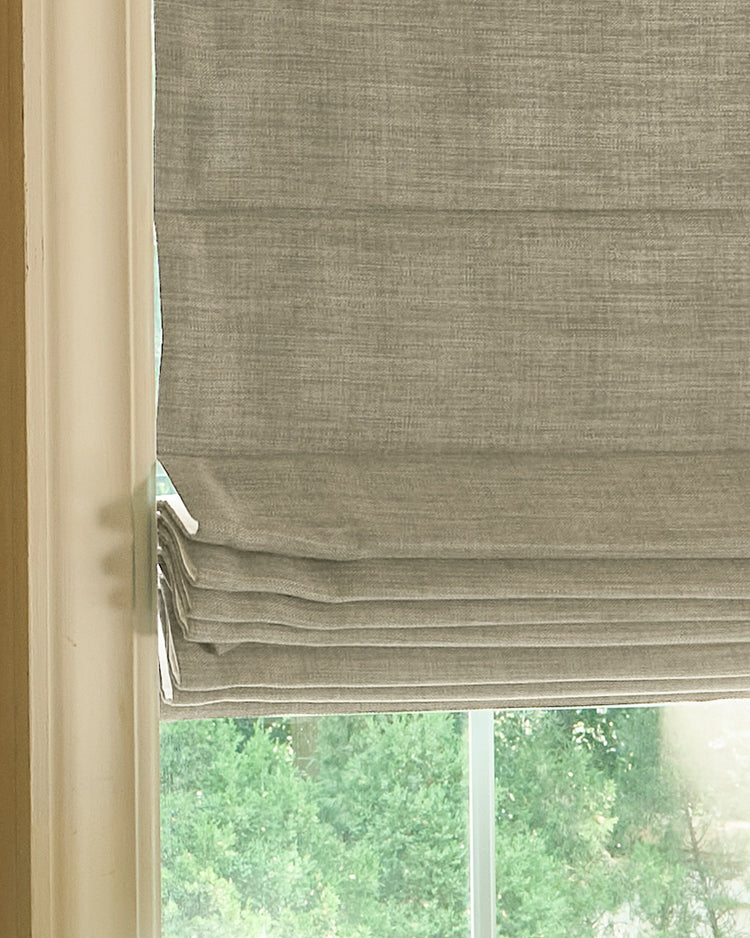
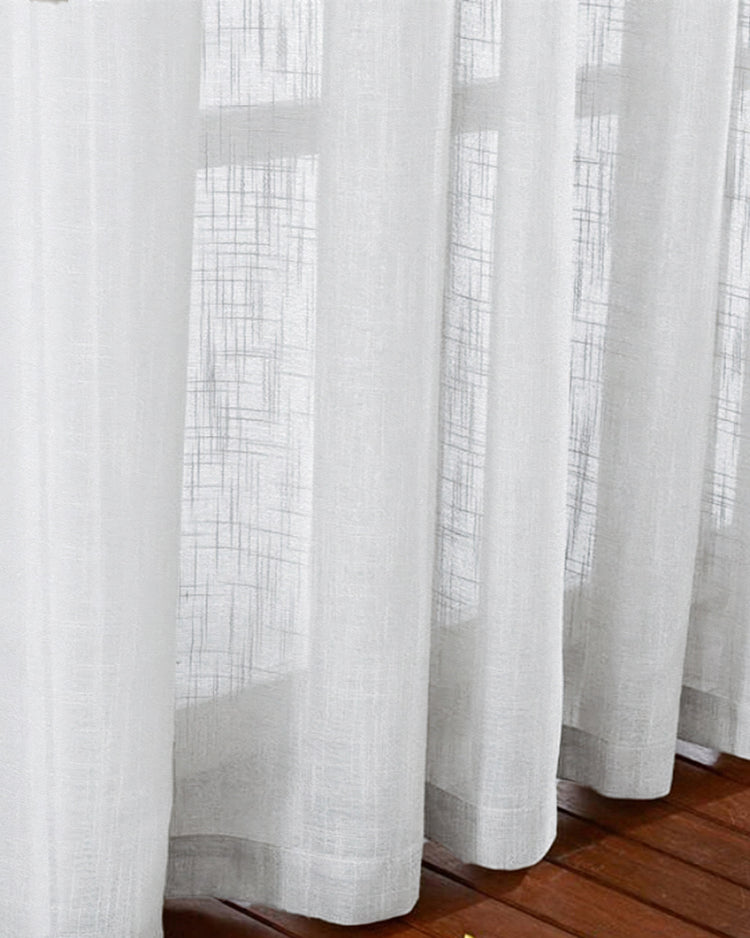
Linen diffuses light; cotton tends to contain it. Linen’s looser, more open weave lets daylight filter through as a soft, ambient glow, which is why it is a favorite for living rooms and sunrooms where you want brightness without harsh glare. A heavier, tighter cotton weave blocks more even light and creates a sharper indoor/outdoor boundary, which helps in bedrooms or media rooms.
Two honest limits to keep in mind:
- Neither pure linen nor standard cotton is a blackout fabric on its own. Looser linen in particular can be fairly sheer, offering softer daytime screening but limited nighttime privacy once interior lights are on.
- True darkness comes from construction, not fiber. If you need to block light, the answer is a blackout liner or a dedicated blackout construction, plus enough panel width, overlap, and a header that brings the fabric close to the wall. Even then, light can leak at the top, sides, and center. We explain the levels of light control in our guide to blackout vs room darkening vs light filtering curtains.
So you can absolutely get a linen or cotton look with serious light control, but it comes from the liner and the install, not from the face fabric alone.
Do linen or cotton curtains shrink, and how do you care for them?
Care is the question that trips up the most buyers, and the honest answer is: it depends on the exact fabric, blend, and lining, so follow the care label on your specific curtains rather than any blanket rule.
That said, here are the realistic tendencies:
- Pure linen can shrink if washed in warm or hot water, and it wrinkles by nature. Many linen and linen-look curtains do best with a cold, gentle wash and line or air drying, with optional steaming or light ironing if you want a smoother finish, and some are recommended for dry cleaning. Our step-by-step on how to wash linen curtains walks through it.
- Cotton is often more forgiving day to day, but shrinkage still depends on the blend and any finish. A natural untreated cotton can shrink with heat; a pre-shrunk or blended cotton usually behaves better.
- Lining and added layers change the rules. A lined, coated, or multi-layer curtain may have completely different instructions than the bare face fabric, and some require removing hooks, rings, or a detachable liner before any cleaning.
Practical rules that apply to both:
- Read the product’s care section before the first wash; do not assume machine-washable.
- Skip bleach, high heat, and tumble drying unless the label explicitly allows them.
- Wash on the gentlest effective setting and dry low or air dry to limit shrinkage.
- When in doubt, spot-test an inconspicuous corner or ask TheHues support before washing the whole panel.
If “throw it in the wash” is non-negotiable for your household, lean toward a cotton or easy-care linen blend and confirm the label says machine washable.
Are linen curtains more durable than cotton, and which costs more?
On price, linen is generally the premium choice and cotton is generally more affordable, mostly because of how flax is grown, processed, and woven. Treat that as a directional rule, not a fixed dollar figure: actual pricing depends on weave, weight, width, length, lining, and header.
On durability, both are strong natural fibers. Linen’s fibers are notably tough and tend to soften and improve with age rather than wear out, while cotton can be more prone to sun fading over time depending on the dye and exposure. The bigger longevity lever is usually care and sun exposure, not the fiber alone, so a well-maintained, properly lined panel of either fabric can last for years.
The takeaway: if budget is the deciding factor or you refresh your decor often, cotton stretches your dollars further. If you want a fabric you will keep and that ages gracefully, linen is the longer-term investment. For a broader look at fabric value across materials, see how to choose the right curtain material like an expert.

Cotton or linen by room: which should you pick?
Match the fabric to how the room is actually used.
- Living room or sunroom: Linen. You usually want soft, diffused daylight and a relaxed, airy feel, and these rooms tolerate a little wrinkle and upkeep. Add a liner if you also want evening privacy.
- Bedroom or media room: Cotton, or linen with a blackout liner. The priority is controlling light and privacy. A heavier cotton screens more on its own; a liner is what gets you real darkness either way.
- Kids’ room, playroom, or family room: Cotton or an easy-care blend. You want a fabric that handles spills, frequent washing, and daily wear. Prioritize a washable label.
- Kitchen: Cotton or a washable blend. Moisture, cooking residue, and frequent cleaning favor the lower-maintenance option.
- Dining room or formal spaces: Either works; choose by style. Cotton supports crisp, tailored looks; linen brings understated, organic elegance.
- Warm climates or rooms that need airflow: Linen, for its breathable, lightweight feel. For temperature questions specifically, see do linen curtains block heat.
Still deciding on linen? Our guide to choosing linen curtains for your home covers weight, color, and lining choices in more depth.

 Plant-based fiber
 Organic hand-feel
 Eco-conscious material
 Timeless elegance
Frequently asked questions
Is linen or cotton better for curtains?
Neither is universally better. Linen wins for soft light, breathable texture, and a relaxed premium look. Cotton wins for easier care, crisper structure, more color and pattern options, and a lower price. Pick based on the room’s use, your care tolerance, and your budget.
Do linen curtains wrinkle more than cotton?
Yes. Pure linen wrinkles and creases readily, and that relaxed texture is part of its character, not a defect. Cotton resists wrinkles better. If you dislike creasing, choose cotton or a linen-look blend engineered for better shape retention.
Do linen or cotton curtains shrink when washed?
Both can shrink, especially with heat. Pure linen is more shrink-prone, and natural untreated cotton can shrink too, while pre-shrunk or blended versions hold up better. Always follow the specific care label, and use cold water with low or air drying to reduce the risk.
Can linen or cotton curtains be blackout?
Not by the face fabric alone. To block light you need a blackout liner or a dedicated blackout construction, plus enough width, overlap, and a header that pulls the panel close to the wall. You can get a linen or cotton appearance with strong light control, but it comes from the lining and the install.
Is “linen look” the same as real linen?
No. Linen-look, faux linen, and linen blends mimic the texture but often resist wrinkles better and are easier to care for. They are not 100% flax linen. Check the fiber content on the product page before you buy.
Which is cheaper, cotton or linen curtains?
Cotton is generally more affordable; linen is typically the premium option. Exact pricing depends on weave, weight, size, lining, and header, so compare the specific products rather than relying on the fabric name alone.
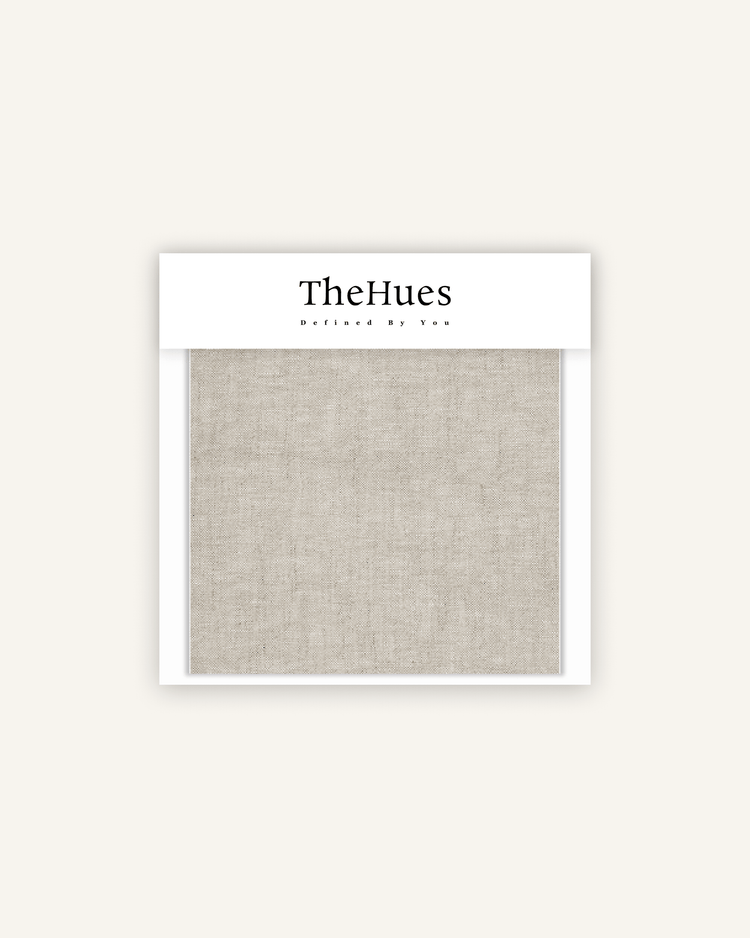
Once you have narrowed down the fabric, order swatches so you can judge the texture, color, and light behavior in your own room before committing to a custom order.