How to Layer Curtains Beautifully


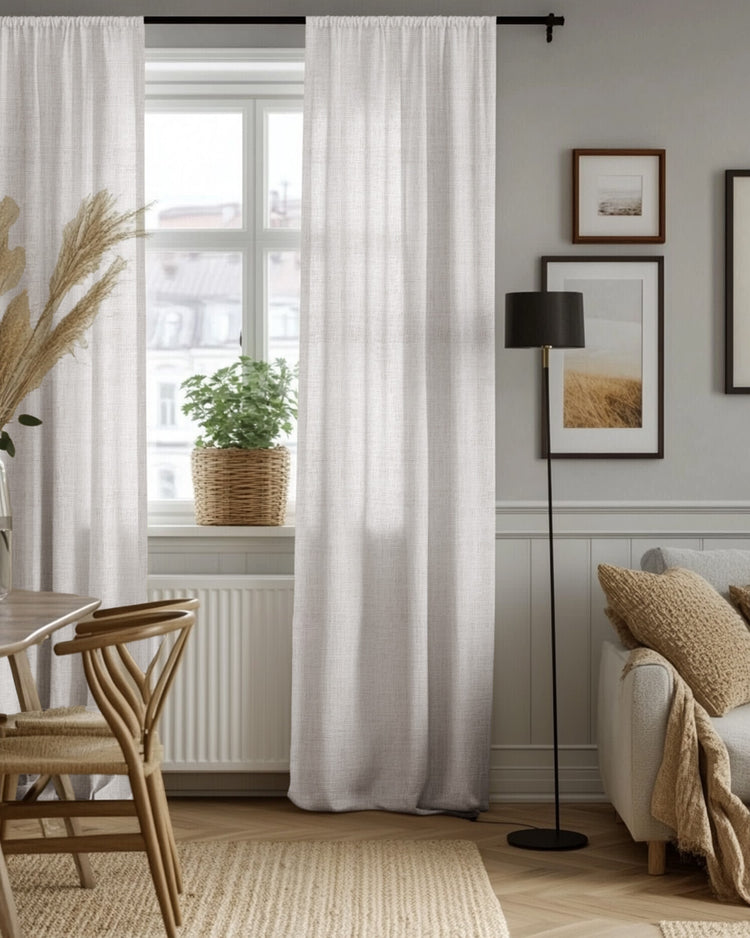
To layer curtains, hang a light-filtering or sheer panel closest to the glass and a heavier room-darkening or blackout panel in front of it, then control the two layers independently. The cleanest way to do this is a double curtain rod, with a front rod and a back rod on one bracket, so each layer opens and closes on its own. You can also hang both panels on a single rod for a fixed, decorative look, but you lose independent operation. Layering is what gives you soft daytime light plus real nighttime privacy from the same window without choosing one or the other.
One thing to set straight up front: layering does not automatically create a blackout room. Stacking a sheer behind a blackout panel improves softness and daytime privacy, but room darkness depends on how well the front layer covers the top, sides, and center of the window. We will cover that below, along with rod choices, color and texture pairing, and room-by-room setups.

What does layering curtains actually mean?
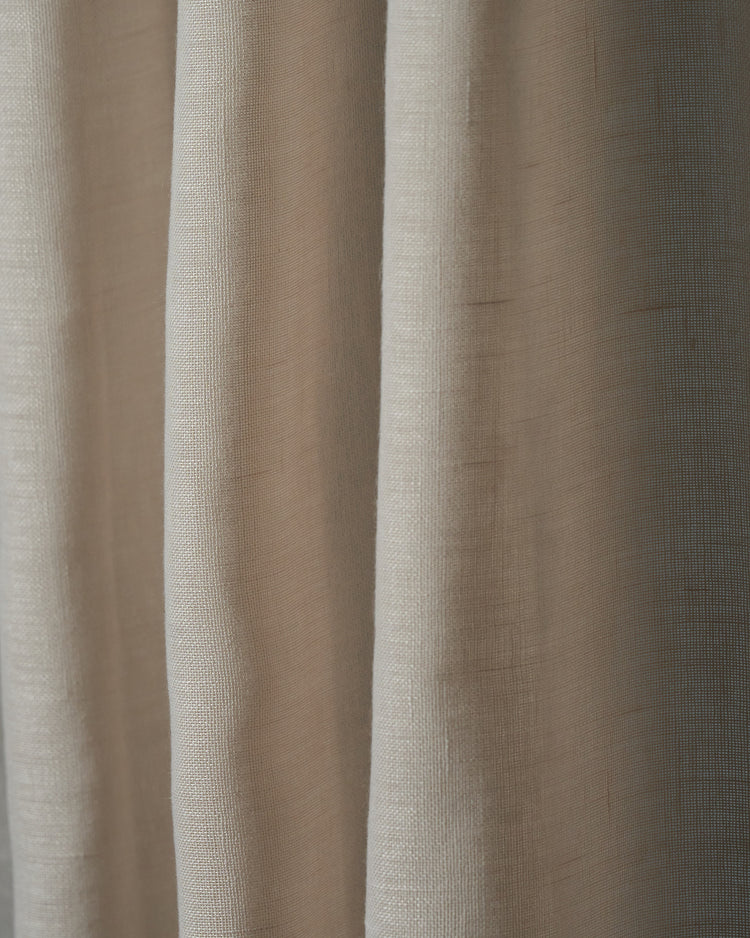
Layering curtains means running two, and sometimes three, window treatments on the same window so each one does a different job. The most common pairing is a sheer or light-filtering panel for soft daytime light and a blackout or room-darkening panel for privacy and sleep. But the idea is flexible: you can layer sheer over sheer for an airy look, or pair a shade against the glass with drapes on top for a tailored, built-in feel.
You layer for three reasons:
- Function. Two layers let you fine-tune light, privacy, and an extra insulating or noise-reducing layer through the day. Open the front panel for filtered light, close it for darkness.
- Depth and style. Two fabrics add texture, color contrast, and a sense of fullness that a single flat panel cannot match.
- Effortless polish. A layered window reads as “designed” even when the setup is simple. It looks like more thought went in than it actually took.
Do I need a double curtain rod, or can I use a single rod?
It depends on whether you want to operate the two layers separately. Here is the honest trade-off.
| Setup | How it works | Best for | Trade-off |
|---|---|---|---|
| Double rod, front + back rod on one bracket | Sheer on the back rod, heavier panel on the front; each draws independently | Bedrooms, street-facing rooms, anyone who wants filtered light by day and darkness by night | Slightly more hardware; the front rod must project far enough to clear the back panel |
| Single rod, two panels | Both panels share one rod, such as sheers in the center and solids at the ends | A fixed decorative look where you rarely change the arrangement | You cannot fully close one layer without the other; less light flexibility |
| Shade + curtain | Inside-mounted shade against the glass, curtain on a rod above and outside the frame | Precise vertical light control plus soft side framing | Two products to measure and mount separately |
For most US homes, the double curtain rod is the practical winner because it preserves independent control. If you go that route, the key spec is projection, which means how far the front bracket holds the rod off the wall. The front layer has to clear the back layer so the panels do not drag against each other. If you are layering over an inside-mounted shade instead, the curtain rod has to project past the shade’s headrail. For sizing and bracket types, see our guide to buying and hanging double curtain rods.
Can you hang two curtains on one rod?
Yes. You can hang two panels on a single rod and still get a layered look, especially with grommet or rod-pocket headers where you slide the back panel on first. It works well for a fixed, decorative arrangement. The limitation is operation: because both layers ride the same rod, you cannot slide the sheer open while keeping the blackout panel closed. If independent day/night control matters, choose a double rod.

How do I layer sheer and blackout curtains the right way?
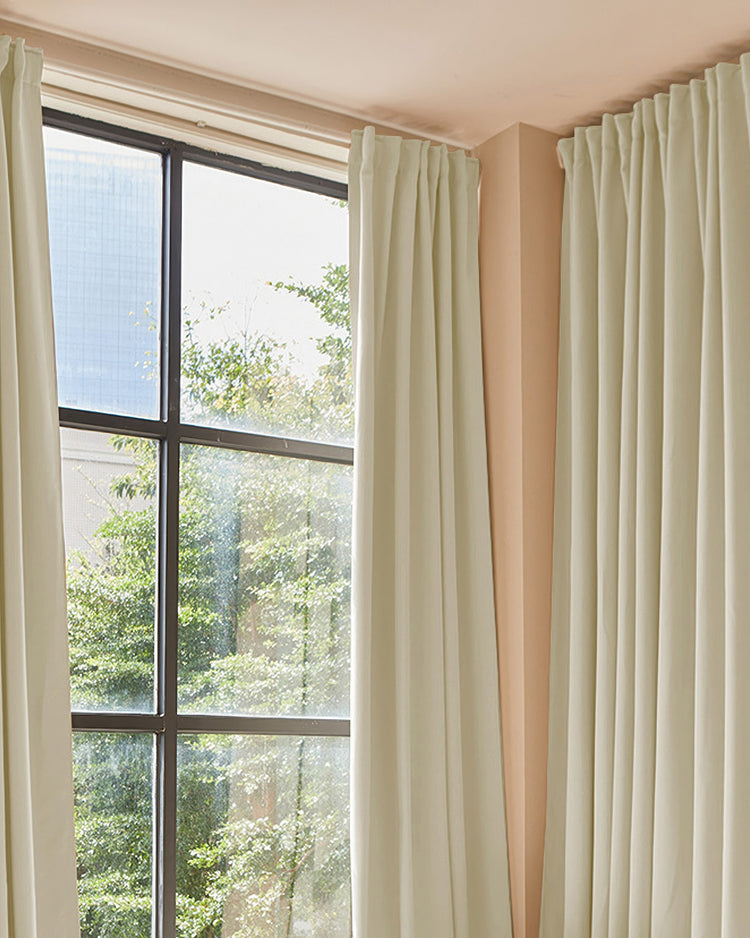
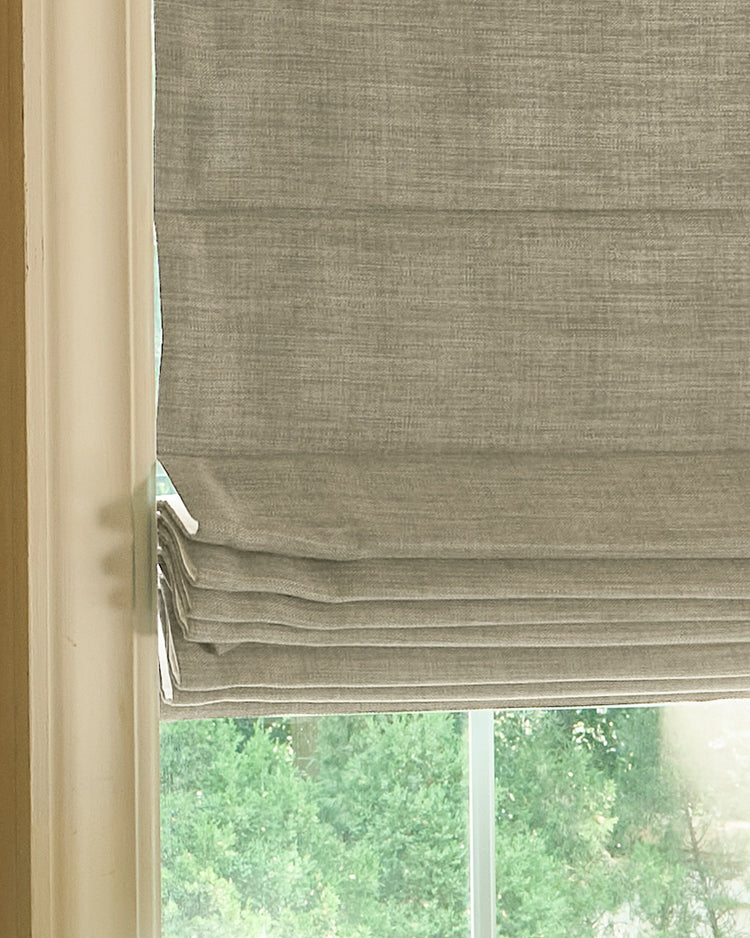
Put the sheer closest to the glass and the blackout or room-darkening panel in front, on the room side. During the day, close the sheer and open the front panel for soft, private light. At night, close the front panel for darkness.
A few expertise points that keep this from going wrong:
- Layering alone does not seal a room dark. A 100% blackout fabric blocks light through the material, but the installed room still leaks light at the top, sides, center gap, and floor if the front panel is too narrow or mounted too low. To darken a bedroom, mount the front rod high and wide. TheHues generally suggests placing the rod about 4 to 8 inches above the frame and extending it 4 to 12 inches beyond each side. Favor more side overlap, and make sure the two center panels overlap rather than just meet. Inspect the gaps after hanging, not just the fabric spec.
- Match the front panel to the real job. “Room darkening” reduces a lot of light but is not true blackout; “100% blackout” means the material itself blocks light. Pick the label that matches your need rather than assuming any dark fabric equals blackout.
- Do not over-order width on pleated headers. Skip the generic “2 to 2.5x the window” rule. Fullness depends on the header. Grommet tops use about 1.5x, rod-pocket and back-tab sheers want more, around 2x, to avoid looking flat, and pinch-pleat or Euro-pleat panels already have fullness sewn in, so you order roughly 1.1x the rod width. Use the header guide for your chosen panel instead of one blanket number.
For the physical mechanics of getting the sheer to hang cleanly behind the front drape, our piece on layering sheers behind drapes covers the hanging methods in detail.


 100% Blackout
 Better sleep
 Noise Reducing
 Energy Saving
What are the best curtain layering combinations?
Here are the combinations worth knowing, from most practical to most decorative.
Solid over sheer, the everyday workhorse
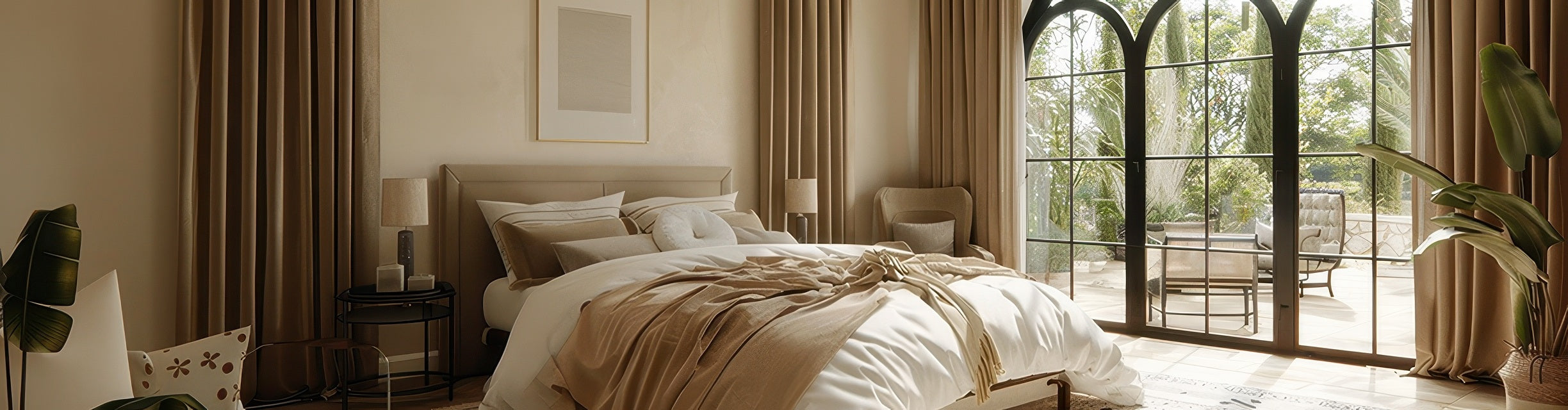
A solid blackout or room-darkening panel in front, a sheer behind. This is the default for bedrooms and street-facing living rooms because it covers both ends of the spectrum: filtered light and daytime privacy when the front is open, real privacy and darkness when it is closed. A common single-rod variation places two solid panels at the ends with sheers in the center.
Sheer over solid, soft and elegant
Reverse the order for a softer, more diffused look where the sheer veils a solid backdrop. This leans decorative; it reads beautifully in formal living and dining rooms but gives you less crisp light control than solid-over-sheer.
Sheer over sheer, bright and airy
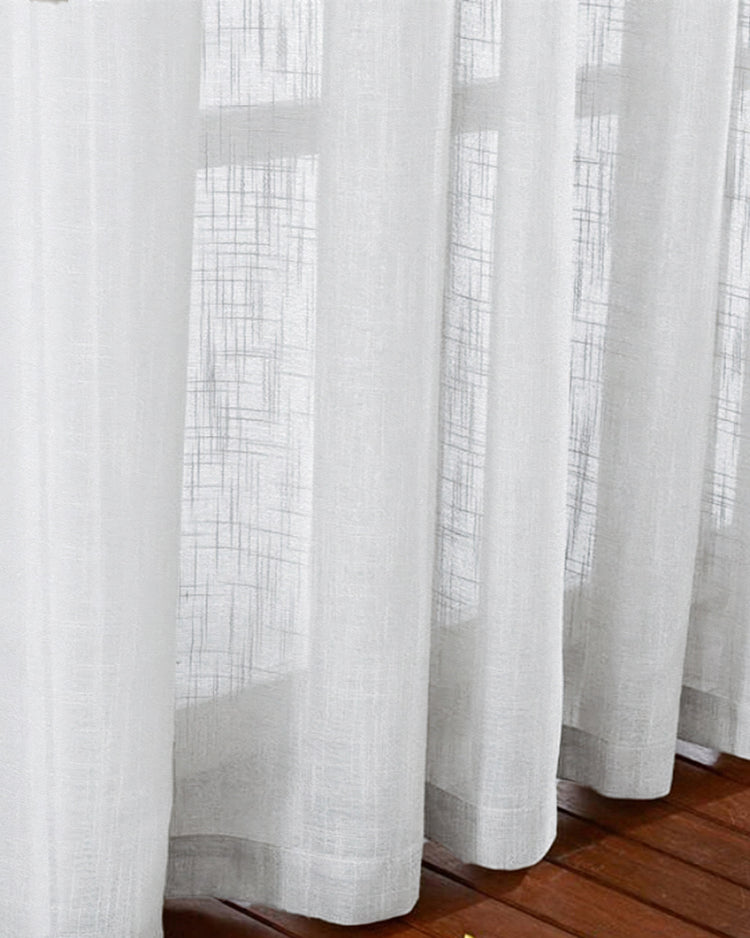
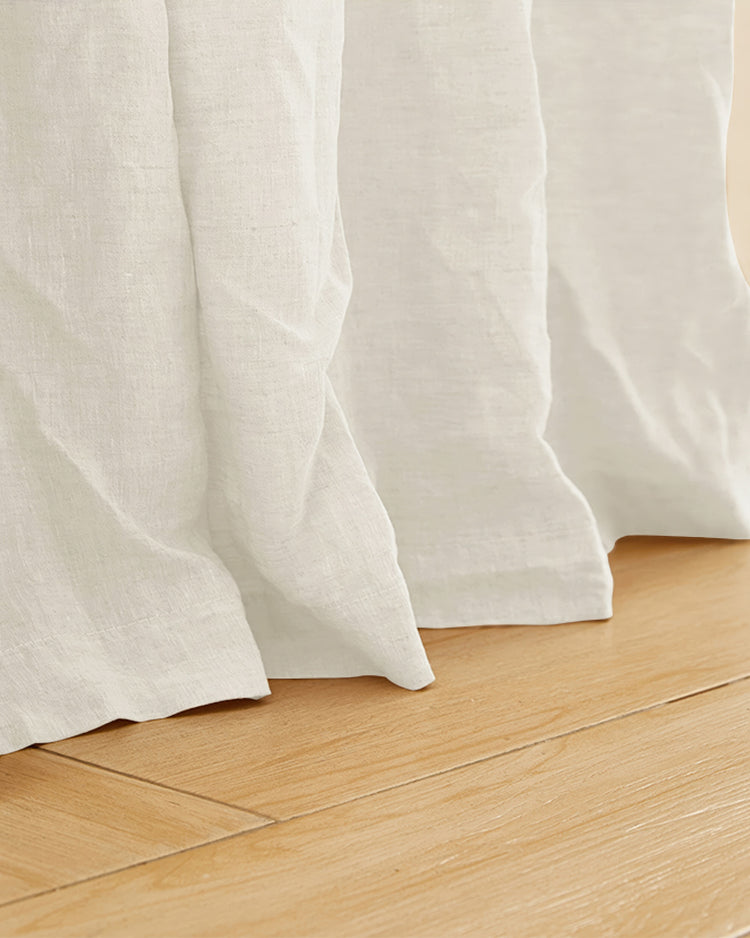
Two sheer layers, either in the same color or two tones within one family, create a light-drenched room. This is lovely in dining rooms, sunrooms, and living rooms, but skip it in bedrooms because it offers little nighttime privacy once interior lights are on.


 Daytime Privacy
 Airy drape
 Gentle airflow
 Layered styling
Shade plus curtain, tailored and built-in
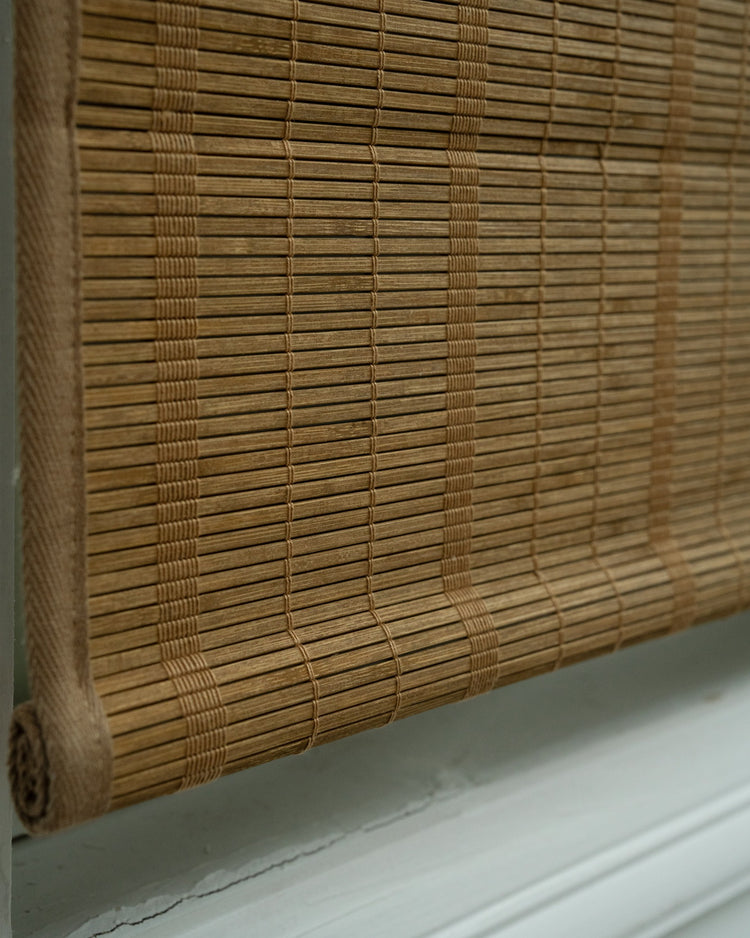
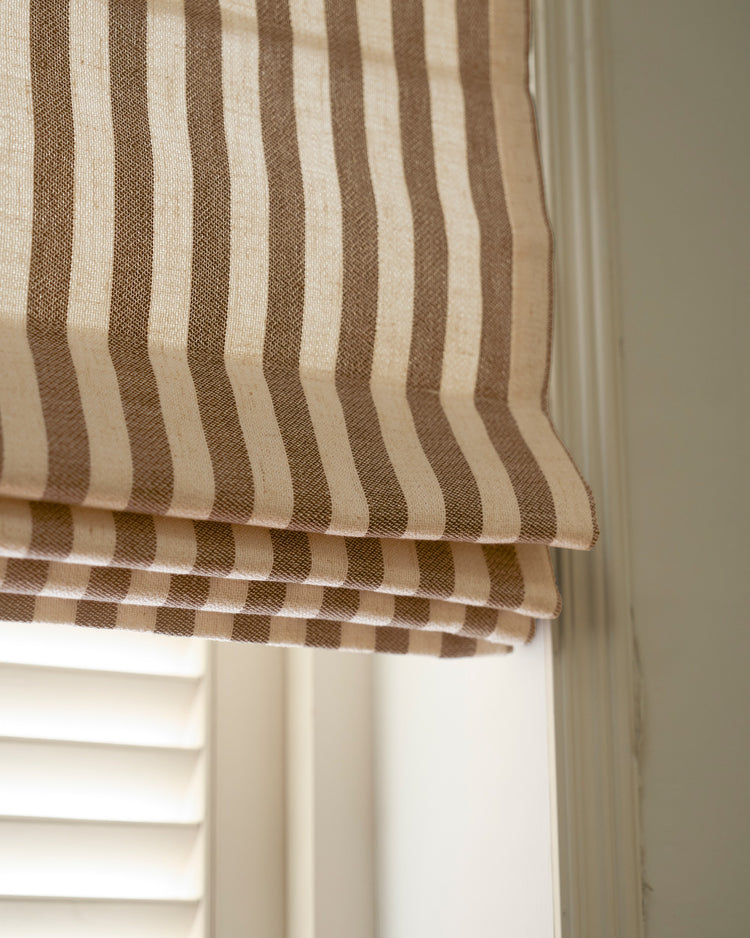
An inside-mounted shade hugs the glass for precise vertical light control, while curtains on an outside-mounted rod frame the window and soften the edges. This keeps the window frame clear for the curtain rod and gives a clean, finished look. See how to put curtains over a shade or blinds for mounting order.
How do I pair colors and textures when layering?
Start with one focal layer and let the others support it. Pick the panel you want noticed first, usually the front drape, give it the bold color, pattern, or richest texture, and keep the second layer quieter so they do not compete.
Practical pairing rules:
- Decide blend or contrast against the wall. If the front layer contrasts strongly with the wall color, it becomes a statement piece and frames the window dramatically. If it sits close to the wall tone, the window recedes and the room feels calmer and larger. Take your wall color into account before you choose, the same way you would for choosing a curtain color for a room.
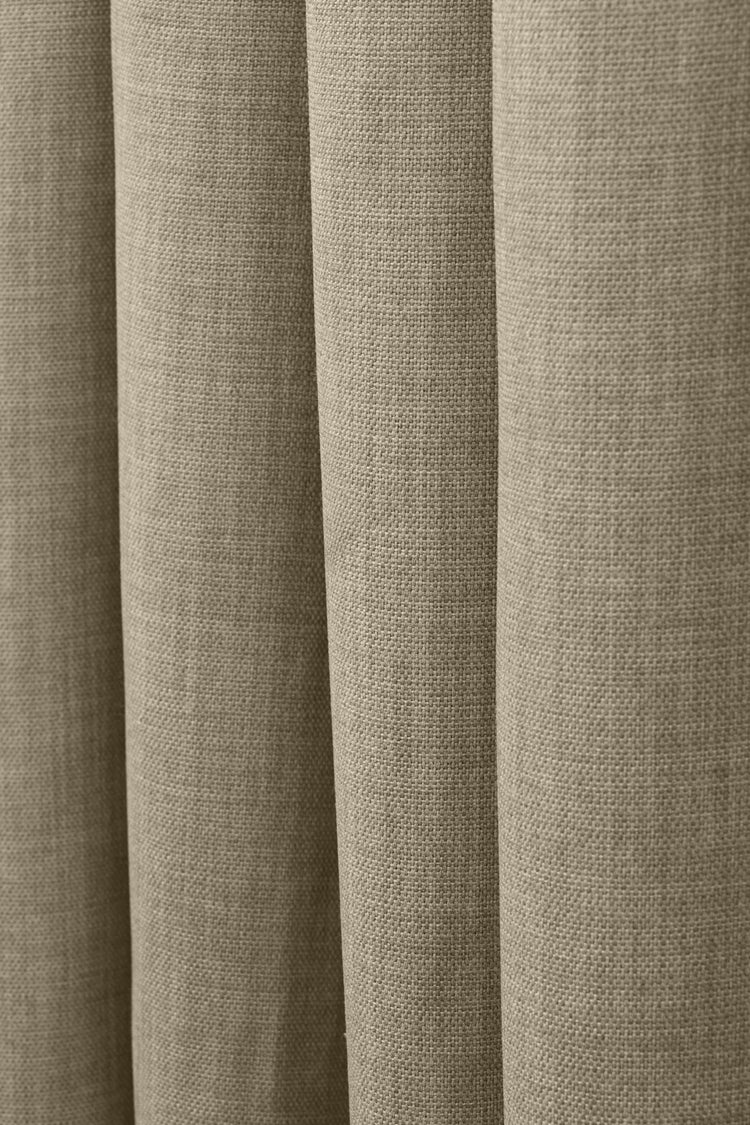
- Stay in one color family for a subtle look. When you want layering without visual noise, choose two different hues within the same family, for example, a pale oatmeal sheer behind a deeper sand drape. The contrast is there but muted.
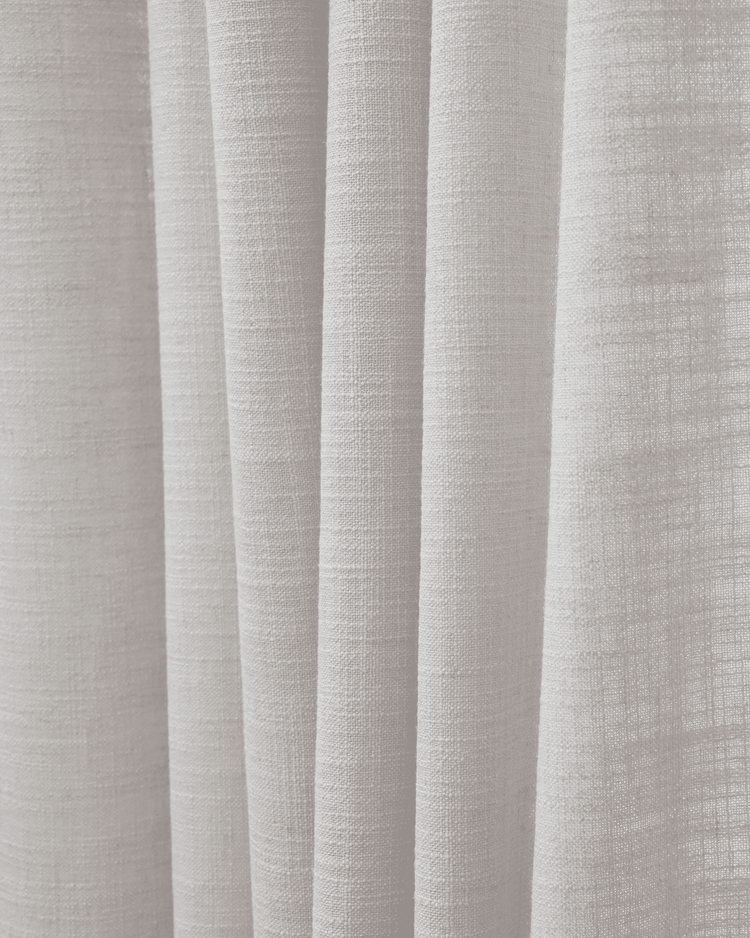
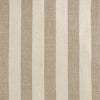
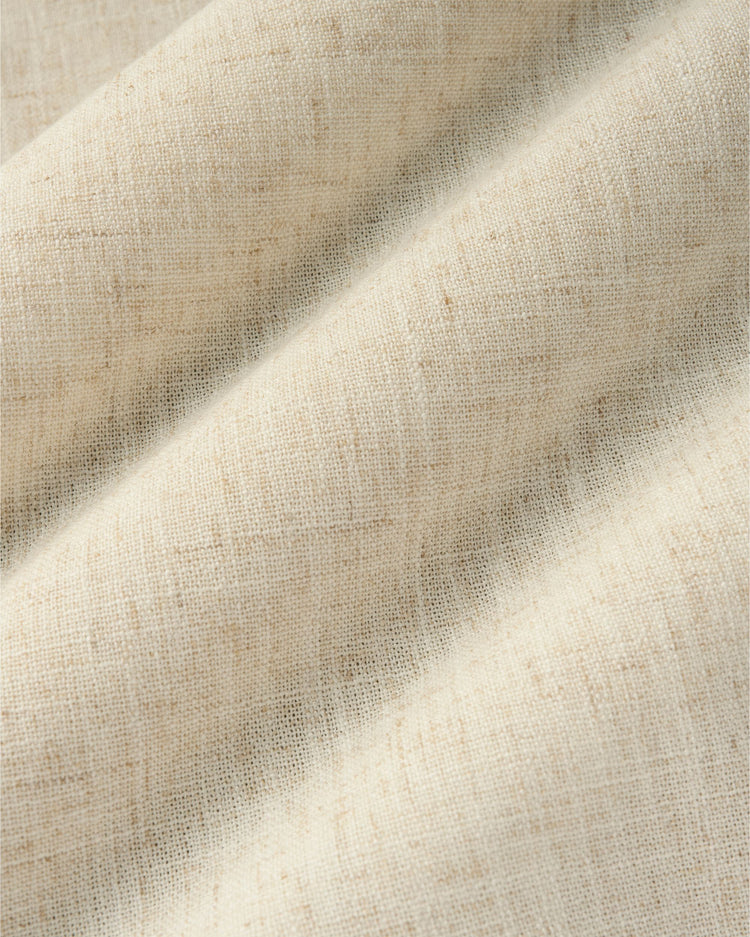
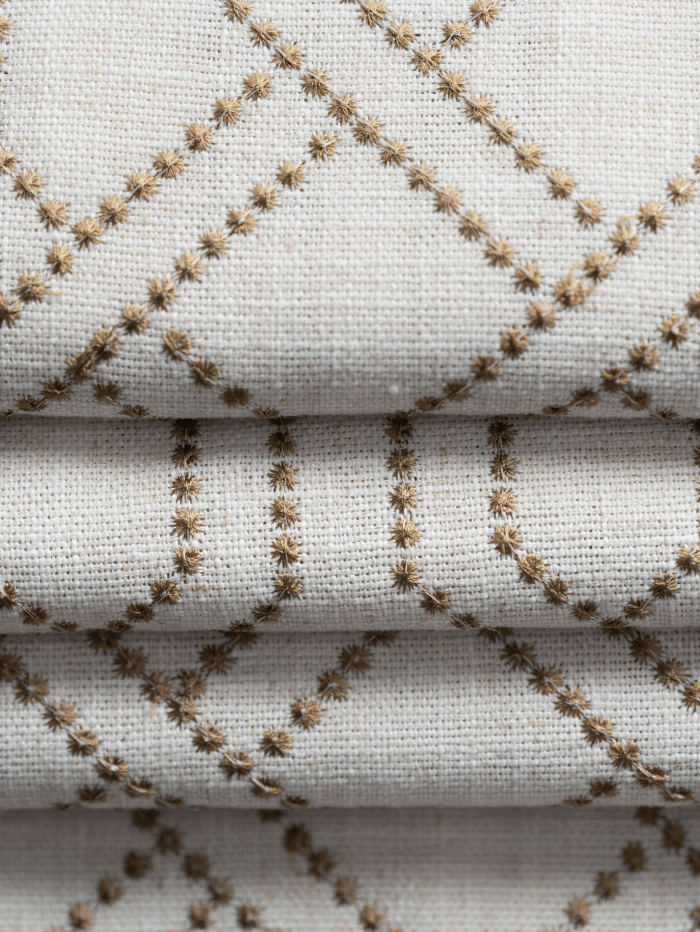
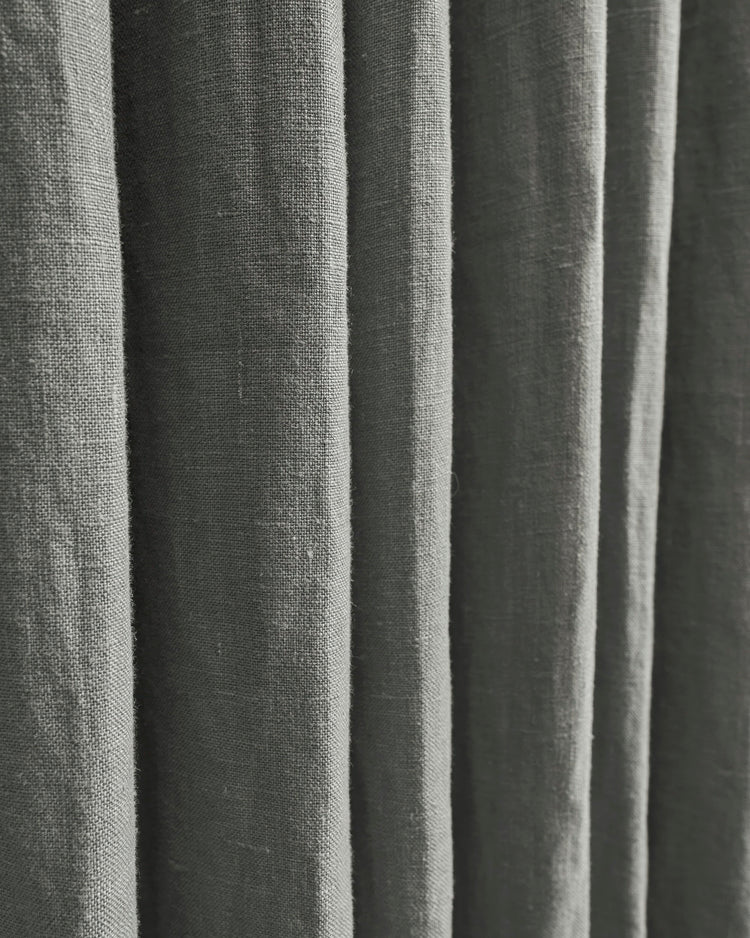
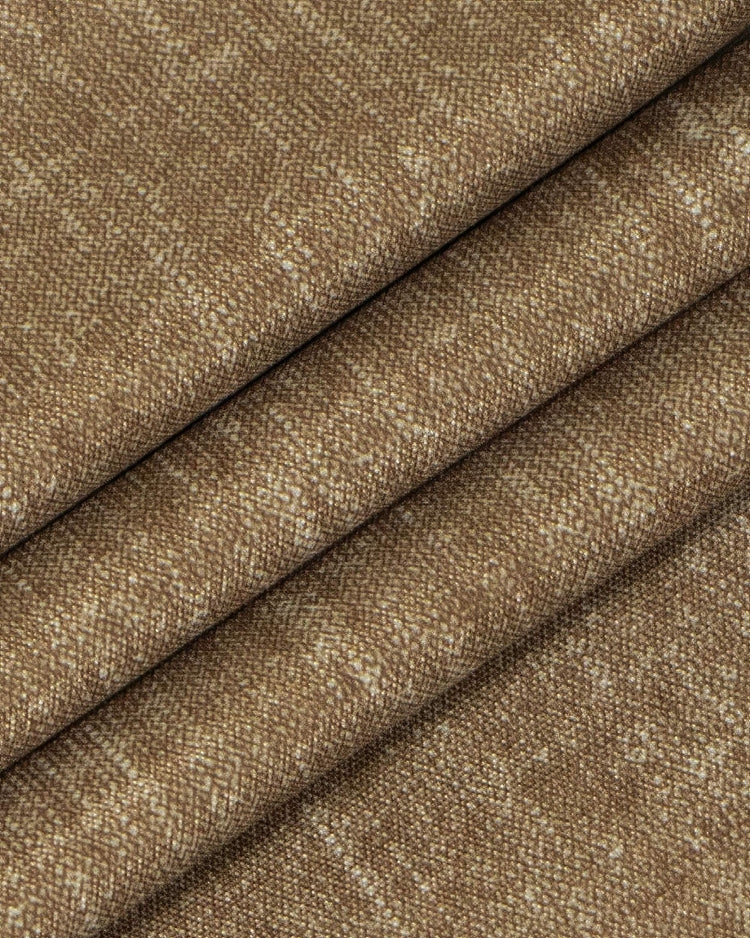
- Mix textures, not just colors. A crisp linen-look sheer behind a plush velvet panel adds depth even if both are neutral. Contrast in texture often does more work than contrast in color.
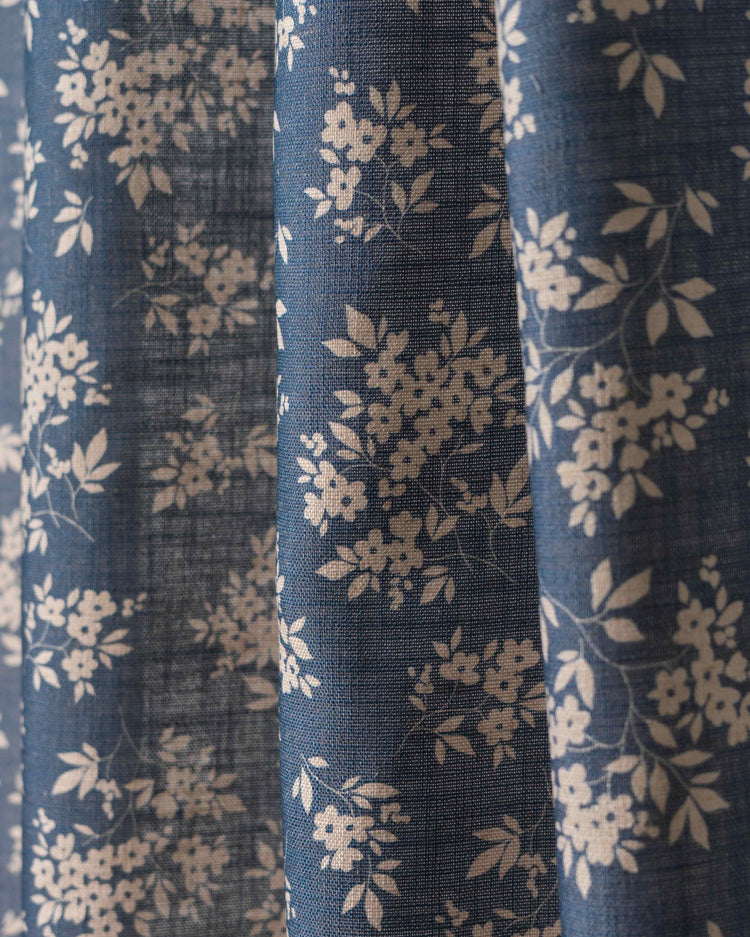
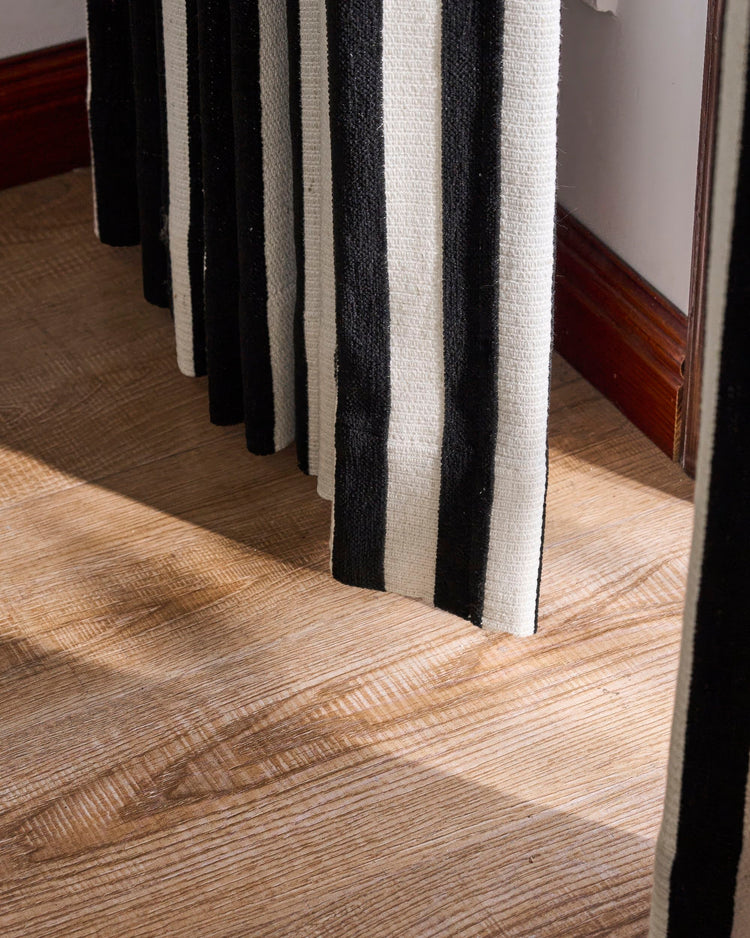
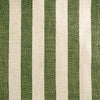
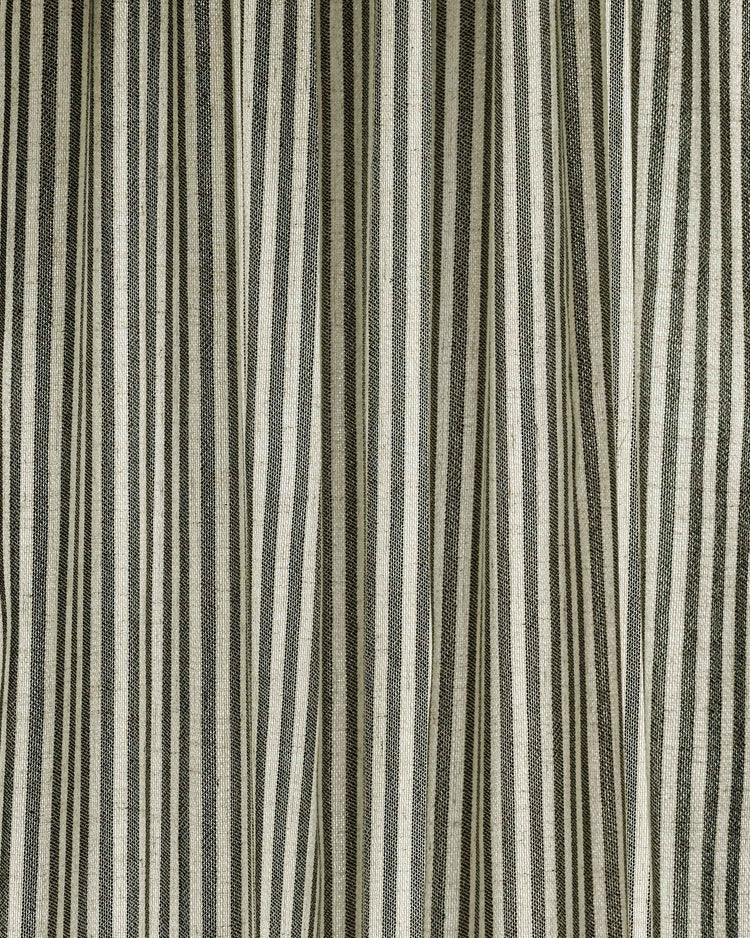
- Pattern goes on one layer only. If you want a patterned sheer for a romantic feel, keep the front panel solid so the two do not fight. Note that on patterned or jacquard fabric, pattern placement can vary between panels, so order swatches if alignment matters.
Texture also depends on fiber. Pure linen brings natural slubs and a relaxed drape but wrinkles; velvet adds body and richness but is heavy and needs hardware rated for the weight; synthetics hold color and resist wrinkles. Our guide to choosing curtain material breaks down the trade-offs.
How should I layer curtains by room?
Match the setup to how the room is used.
- Bedroom: Solid blackout front panel over a sheer, on a double rod, mounted high and wide with overlapping center panels for real darkness. Add a heavier or four-layer front panel if you also want insulation and noise reduction; describe these as sound-reducing, not soundproof.
- Living room: Solid-over-sheer on a double rod gives daytime softness and evening privacy. If the room is street-facing, treat the sheer’s nighttime limits seriously; sheers do not hide a lit room after dark.
- Dining room or sunroom: Sheer-over-sheer or a light-filtering pair keeps the space bright and welcoming where full darkness is not the goal.
- Nursery or kids’ room: Prioritize blackout for naps and a cordless or safely secured setup. Keep tiebacks and any cords out of reach, and avoid long floor puddles that become a trip or climbing hazard.
- Home office: A light-filtering front layer cuts screen glare while keeping the room usable; add a room-darkening panel if the window faces strong afternoon sun.
What length and finishing touches work for layered curtains?
Length sets the mood. There are three common floor finishes:
- Float, or hover: about 1 inch above the floor. Easiest to keep clean and best for active rooms, pets, and uneven floors.
- Kiss: the hem just grazes the floor. The most tailored look, but it needs precise measuring.
- Puddle: about 3 inches of fabric pooling on the floor for a soft, formal effect. It gathers more dust, so treat it as decorative rather than the default. More on this in our curtain length and puddling guide.
For finishing touches, tiebacks and holdbacks hold the front layer open to reveal the sheer and let in more light, decorative finials dress the rod ends, and a valance or scarf over the top adds a final flourish if you want a more formal, glamorous result.
Frequently asked questions
Does layering curtains make a room blackout?
No. Layering improves softness, privacy, and insulation, but room darkness depends on coverage. Even a 100% blackout front panel leaves light gaps at the top, sides, and center if it is mounted too low or too narrow. Mount high and wide, overlap the center panels, and inspect the gaps.
Which layer goes in front, the sheer or the solid?
The sheer goes closest to the glass and the solid or blackout panel goes in front on the room side. This lets you open the front panel for filtered daytime light and close it for nighttime privacy.
Can I layer curtains over a shade?
Yes. Mount the shade inside or against the window for vertical light control, then hang the curtain on a rod above and outside the frame. Make sure the curtain rod projects far enough to clear the shade’s headrail.
How wide should layered curtains be?
Use the fullness for your header rather than a blanket rule. Grommet tops run about 1.5x the rod width, rod-pocket and back-tab sheers want around 2x, and pleated headers already include fullness, so you order roughly 1.1x. Check the header guide for your specific panel.
Can I get a layered look on a single rod?
Yes, by hanging two panels on one rod. It works for a fixed decorative arrangement but does not let you operate the layers independently. For separate day/night control, use a double rod.
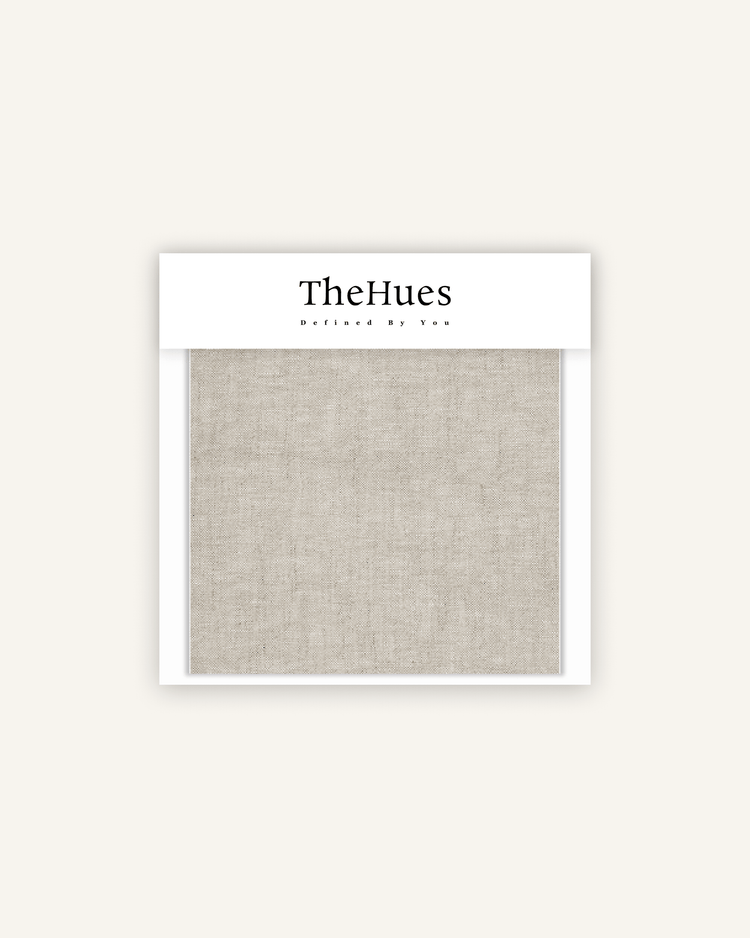
Ready to build your own layered window? Order swatches to test color and texture pairings against your wall, then customize each panel to your exact window size so the front layer covers cleanly and the layers hang the way you planned.