What Color Curtains Go With Gray Walls


The safe pick for gray walls is a soft neutral that matches your wall’s undertone, such as ivory or crisp white for cool gray, and beige or greige for warm gray. The bold pick is a saturated accent like navy, mustard yellow, olive green, or dusty rose. The single decision that makes either work is reading your gray’s undertone first. Gray is never just “gray” — it leans cool, warm, or neutral, and the curtain color that looks intentional with a cool gray can look muddy against a warm gray. Below you will find a quick undertone test, a color-by-color pairing table, room-by-room picks, and how light vs. dark gray changes the answer.
How do I tell if my gray walls are cool, warm, or greige?
Before you choose a single curtain color, identify your wall’s undertone. This one step prevents the most common mistake: a curtain that “almost” matches but quietly clashes. As Better Homes & Gardens notes, gray is forgiving but still carries an undertone that decides which colors flatter it.
Try these three checks:
- The white-paper test. Hold a sheet of bright white printer paper flat against the wall in daylight. The wall’s undertone will reveal itself against the pure white: a blue or violet tinge means cool gray, a beige, yellow, or brown tinge means warm gray, also called greige, and almost no shift means a true neutral gray.
- The neighbor test. Look at the gray next to the colors already in the room. Cool grays sharpen next to chrome, glass, and white; warm grays glow next to wood, brass, and leather. If your gray fights your wood floor, it is probably cooler than you thought.
- The all-day test. Gray shifts more than almost any color across the day. Check it in morning, midday, and lamp-lit evening light before you commit. North-facing rooms pull gray cooler and bluer; south- and west-facing rooms warm it up.
Once you know the undertone, the rule is simple: pair warm gray with warm curtain colors and cool gray with cool curtain colors to blend, or break the rule on purpose with a single bold contrast color. Greige sits in the middle and is the most flexible base of all.
What is the safest curtain color for gray walls?
A soft neutral matched to your undertone. Neutrals let the gray stay the backbone of the room while the curtains do quiet supporting work, so the look reads “designed,” not accidental.
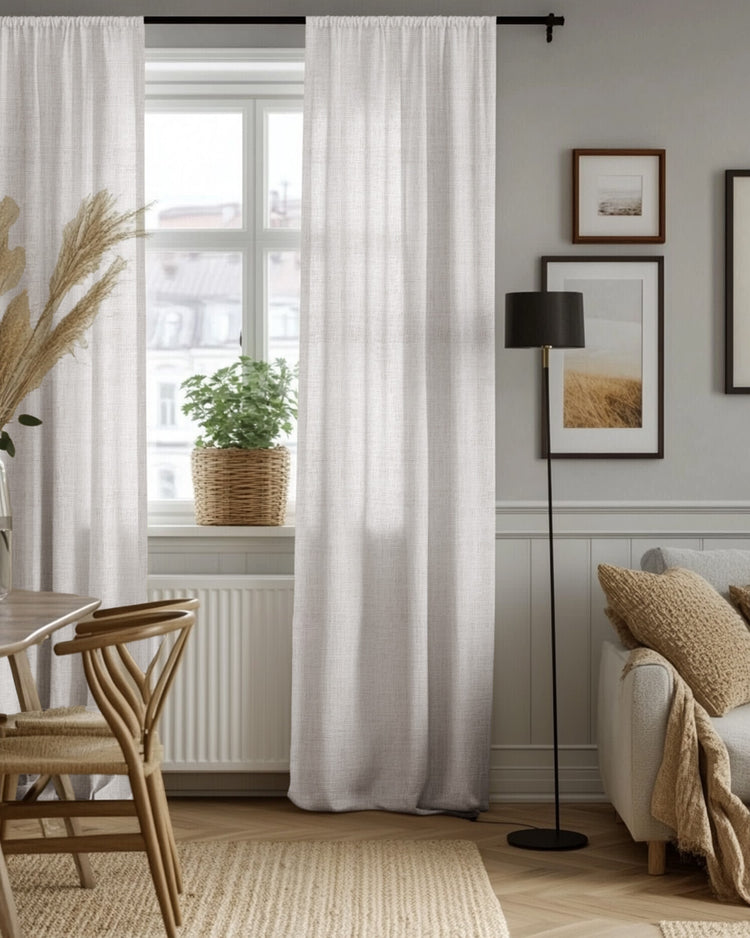
- Cool gray walls: crisp white, ivory, dove, or pale silver. Ivory in particular softens a cool light-gray wall and keeps the room airy.
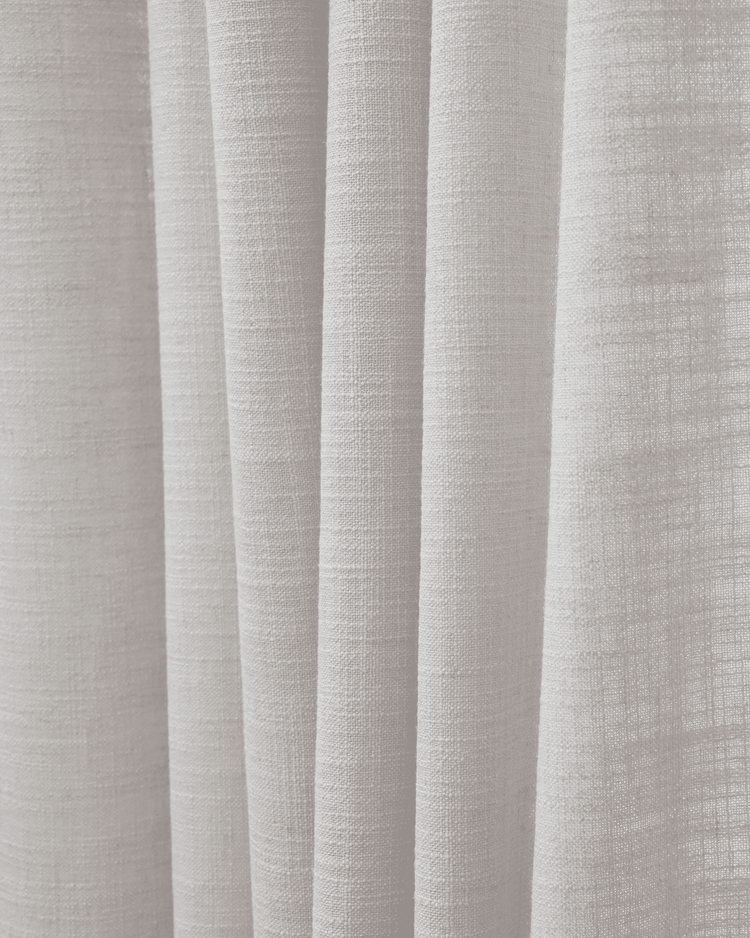
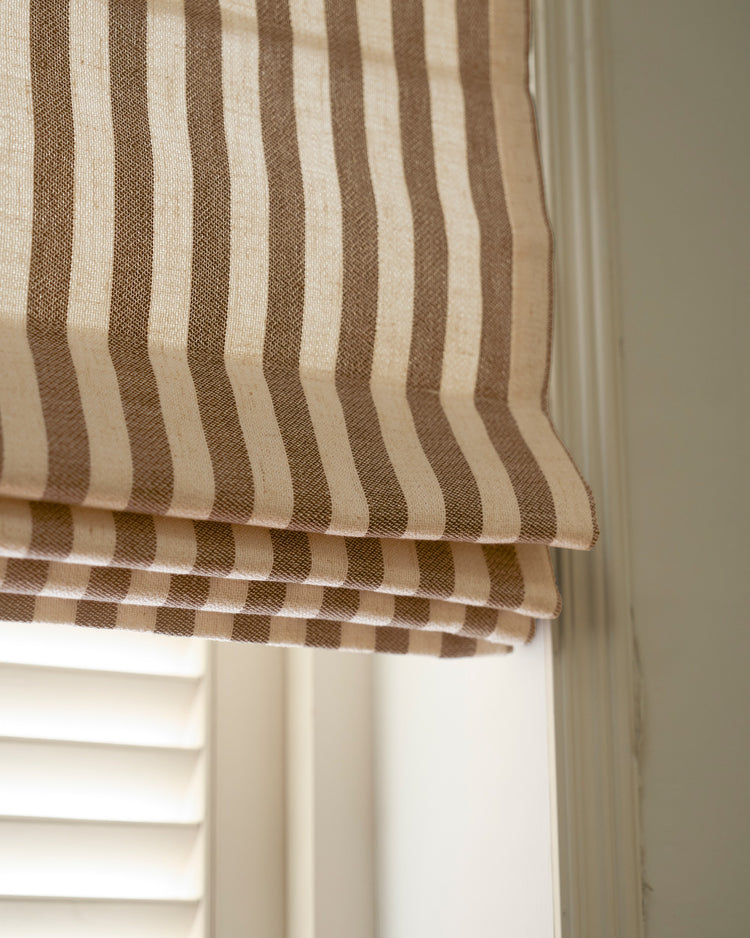
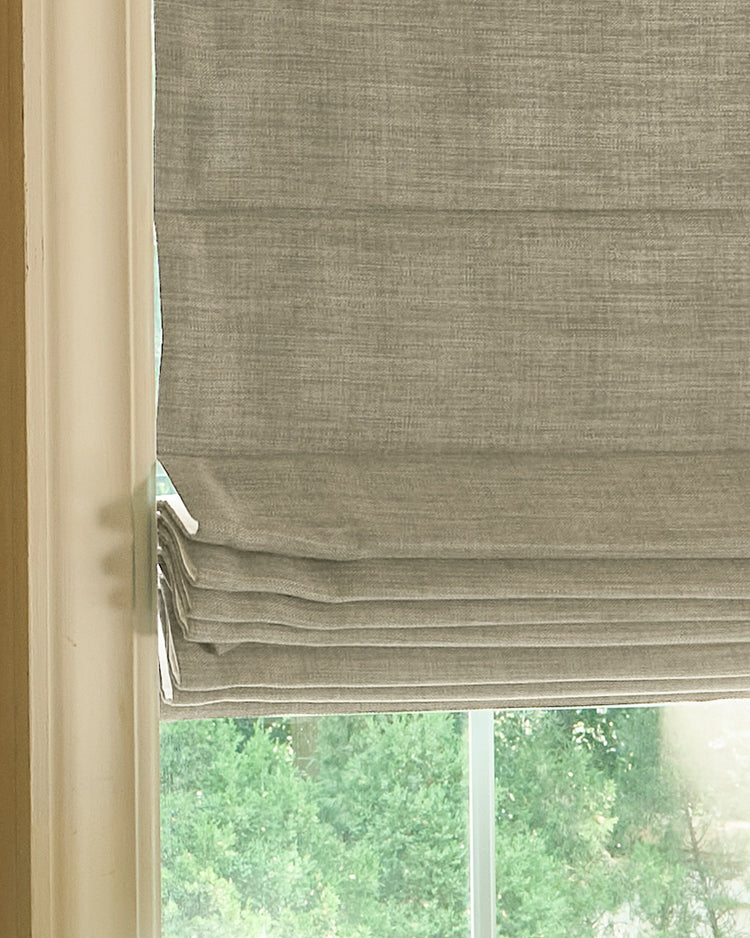
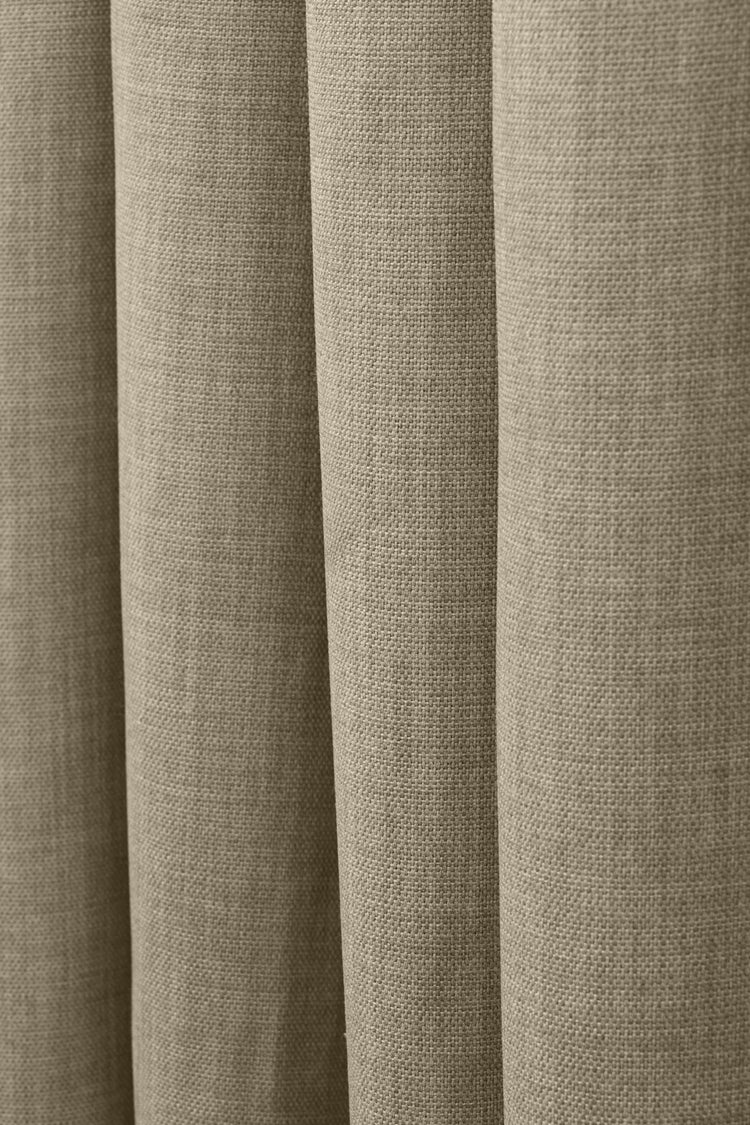
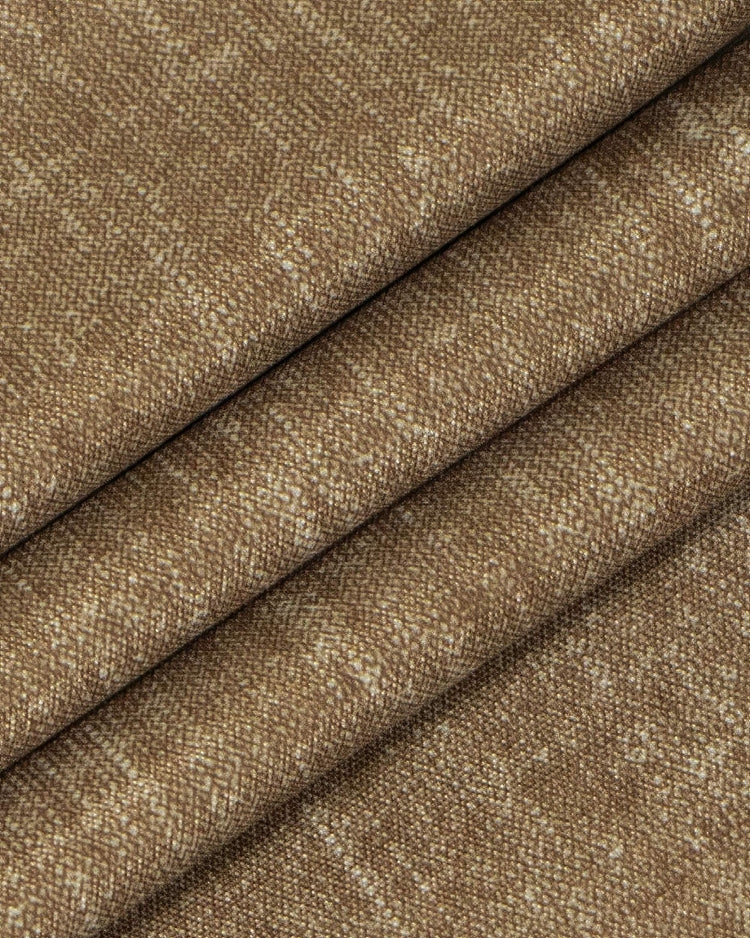
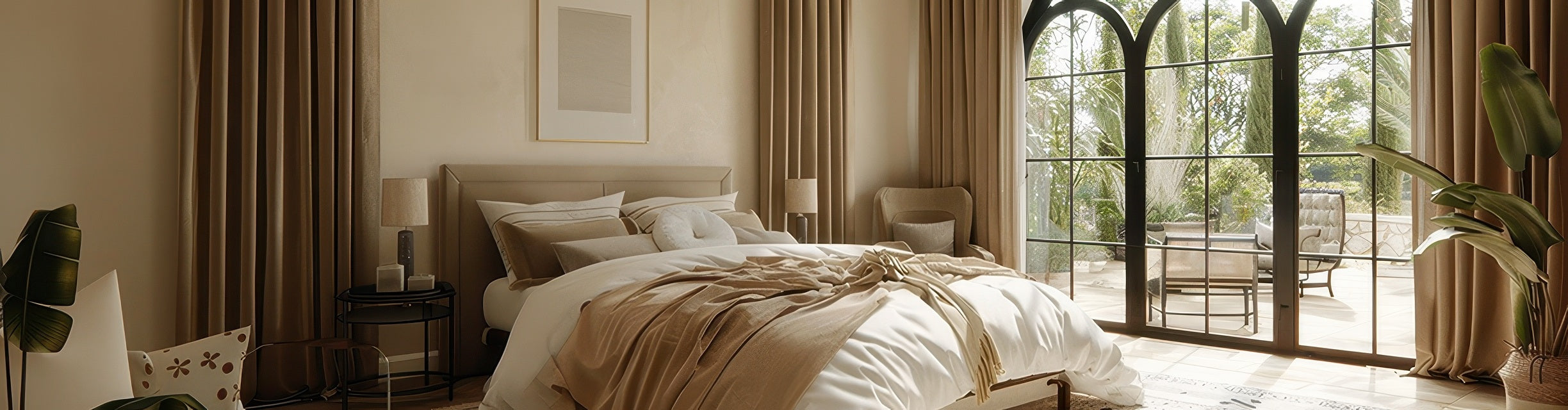
- Warm gray / greige walls: beige, tan, oatmeal, or a warm greige curtain. These echo the warmth so the window does not go flat.
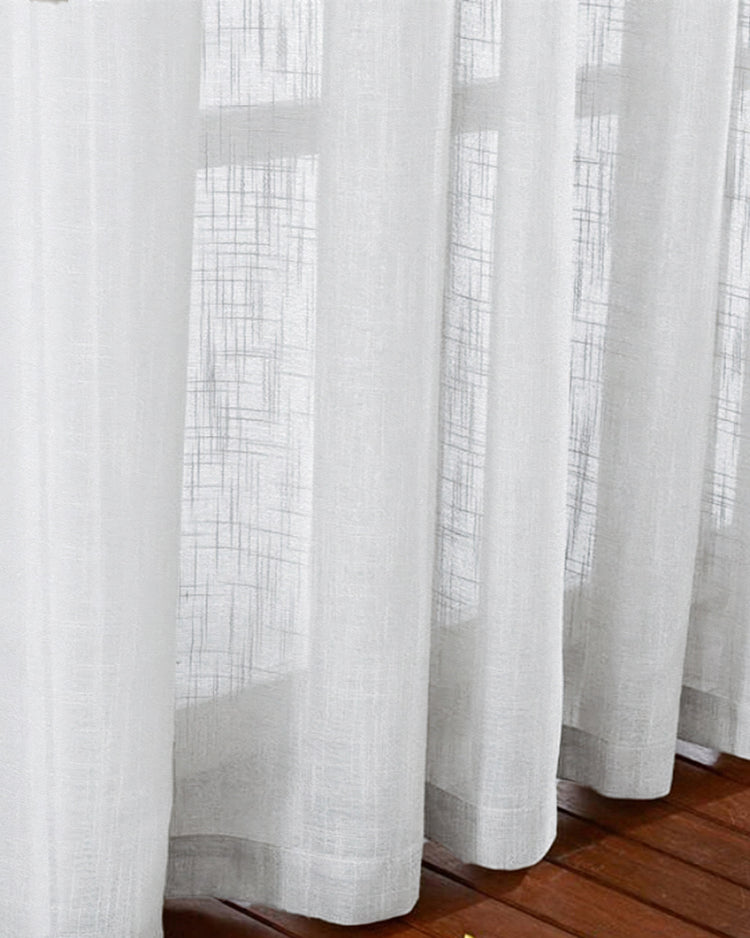
- Either undertone: off-white and cream are near-universal and forgiving.
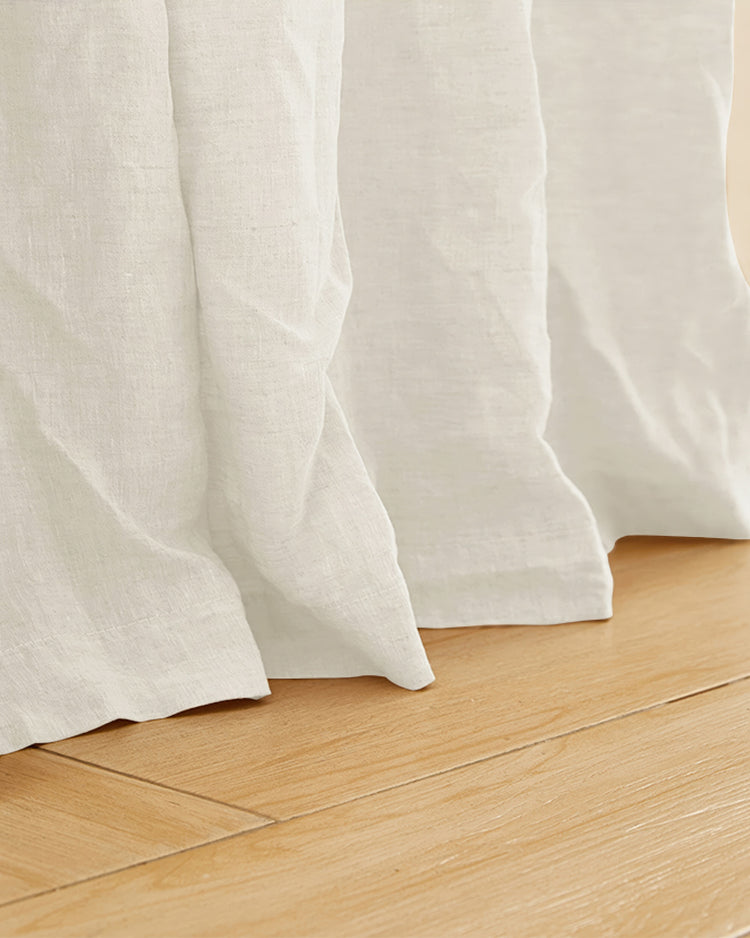
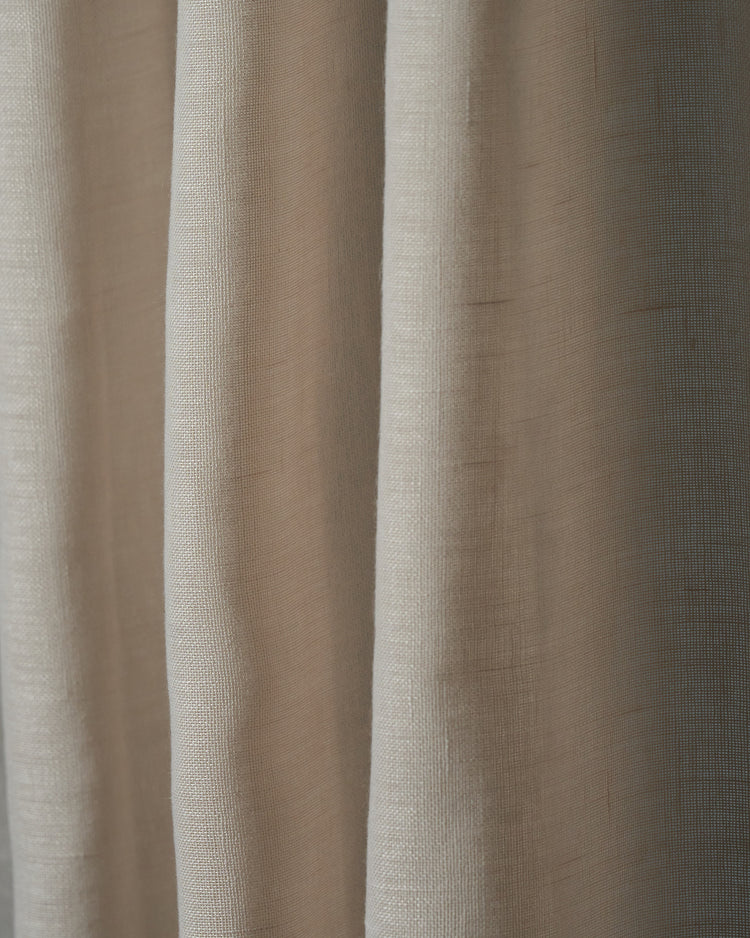
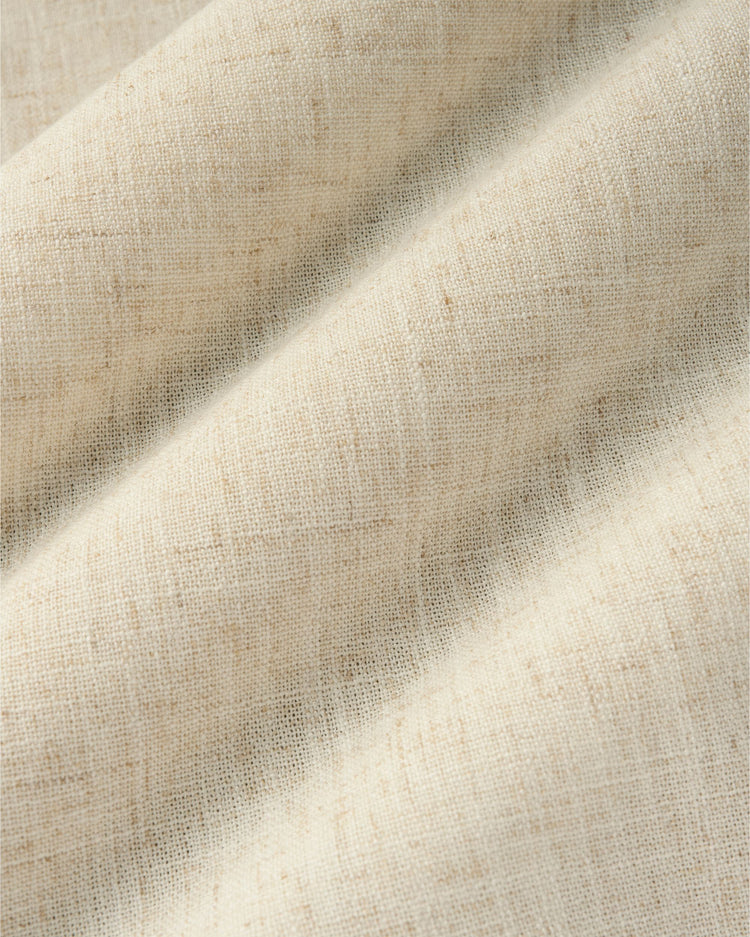
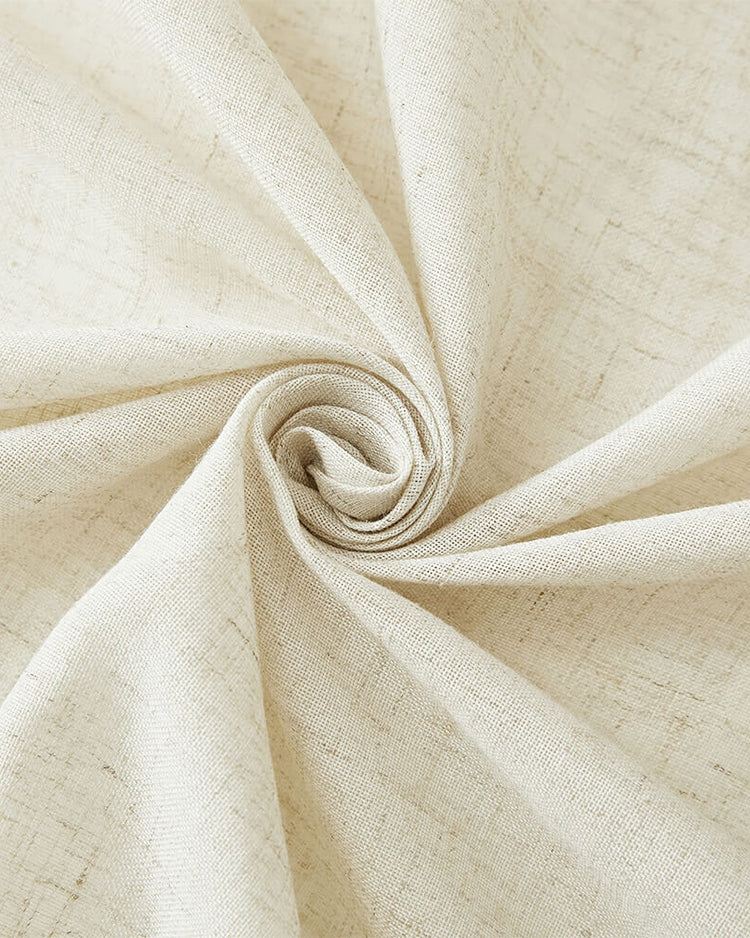
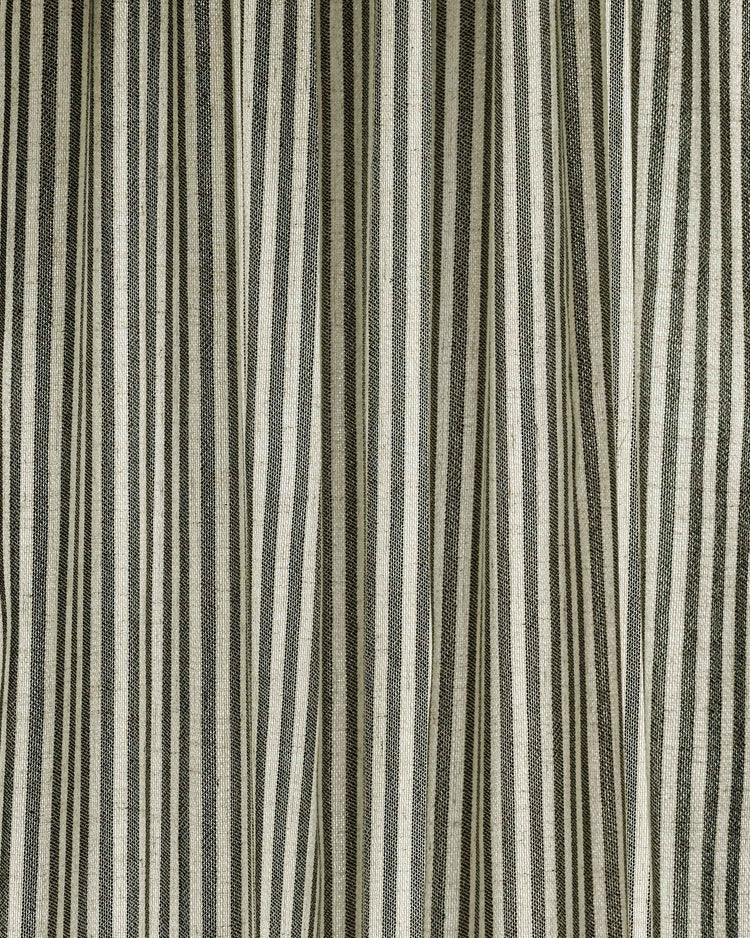
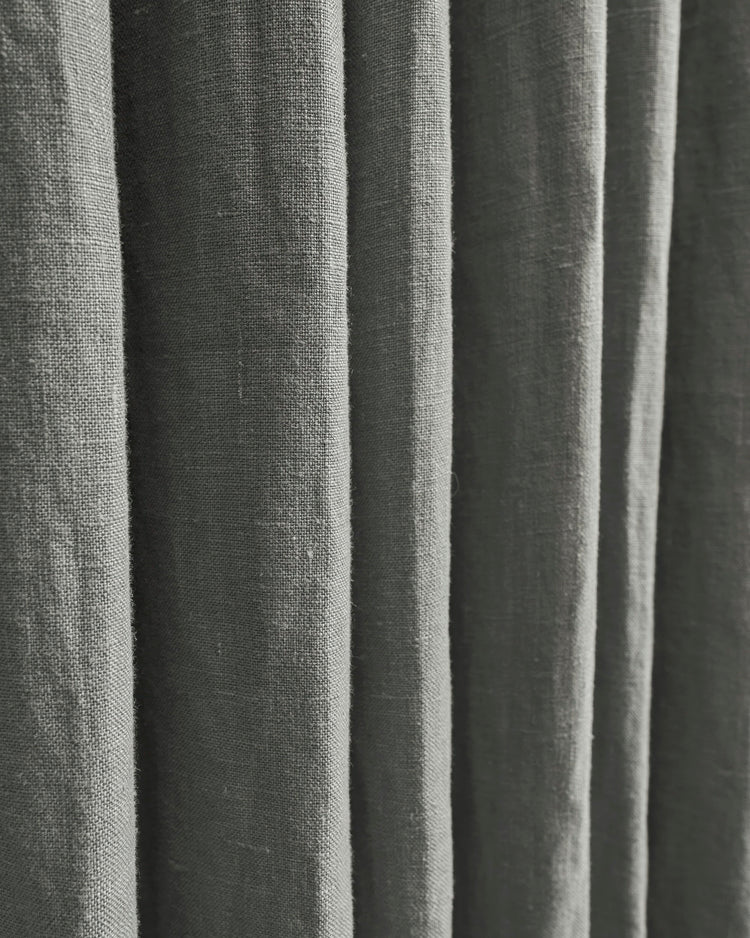
If you want subtle texture without adding a color decision, linen and linen-blend curtains carry a neutral beautifully. Expect natural slubs and a relaxed drape with pure linen, where wrinkles are part of the look; a linen-blend or linen-look fabric holds its shape better and is easier to care for. Match the fabric’s exact care label rather than assuming all linen washes the same way.

What is the tone-on-tone gray-on-gray approach?
Tone-on-tone means hanging gray curtains a few shades lighter or darker than the wall. It is the most elegant, minimal option and a favorite for industrial and modern spaces, because it adds depth without introducing a new color.
The rule that keeps it from looking like a paint mismatch: shift the value, not the undertone. Pair a light-gray wall with charcoal or mid-gray drapes, or reverse it with dark walls and lighter curtains, but keep both in the same temperature family. A cool wall wants cool gray curtains; a warm wall wants warm gray. Mixing a cool-gray wall with a warm-gray curtain is the usual culprit when gray-on-gray looks “off.”
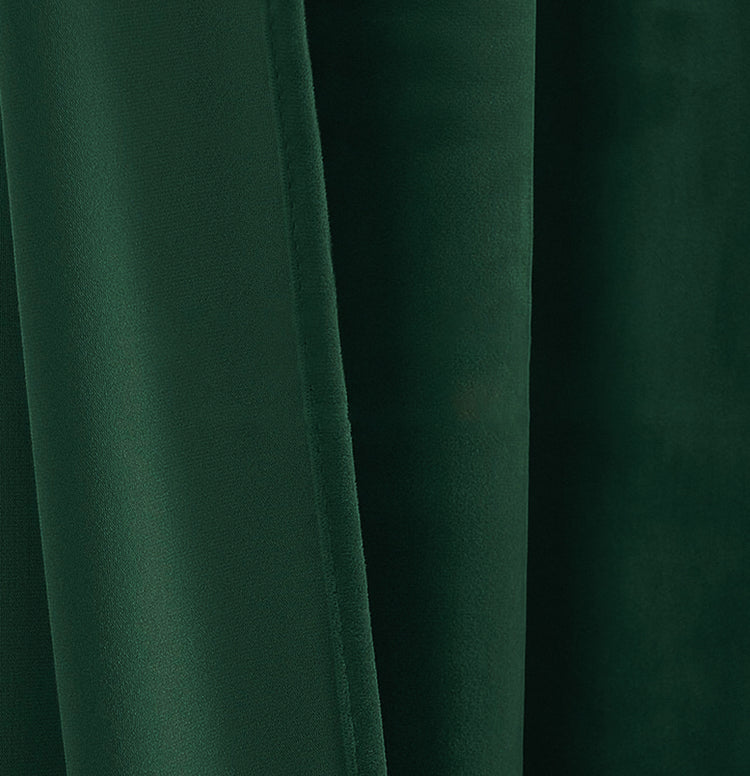
Velvet is the standout fabric for this look. Its sheen catches light and reads as a distinct, richer layer even in the same color family, which is why a charcoal velvet panel against a light-gray wall feels luxe rather than monotone.
Curtain colors for gray walls: the pairing table
Use this as a quick reference. “Effect” tells you the mood; “best when” tells you the undertone or scenario where it shines.
| Curtain color | Effect on gray walls | Best when |
|---|---|---|
| White / ivory | Clean, airy, brightening | Cool or light gray; small or north-facing rooms |
| Beige / tan / greige | Warm, soft, grounded | Warm gray; rooms with wood furniture |
| Charcoal / mid-gray, tone-on-tone | Sophisticated, minimal, moody | Any gray; modern or industrial style |
| Navy blue | Rich, dramatic, anchoring | Light gray with light furniture; living rooms |
| Black | High-contrast, formal, bold | Light-to-mid gray; modern spaces |
| Mustard / golden yellow | Energetic, warm, balancing | Cool gray that needs warmth |
| Dusty rose / blush pink | Soft, chic, feminine | Cool or greige; bedrooms, nurseries |
| Olive / sage green | Earthy, calming, organic | Warm or greige; rooms with natural textures |
| Burgundy / brick red | Cozy, warm, statement | Warm gray; fall/winter and formal rooms |
| Lavender / violet | Subtle, dreamy, especially as a sheer | Cool gray; bedrooms |
| Floral / large-scale pattern | Lively, decorative | Plain furniture that needs a focal point |
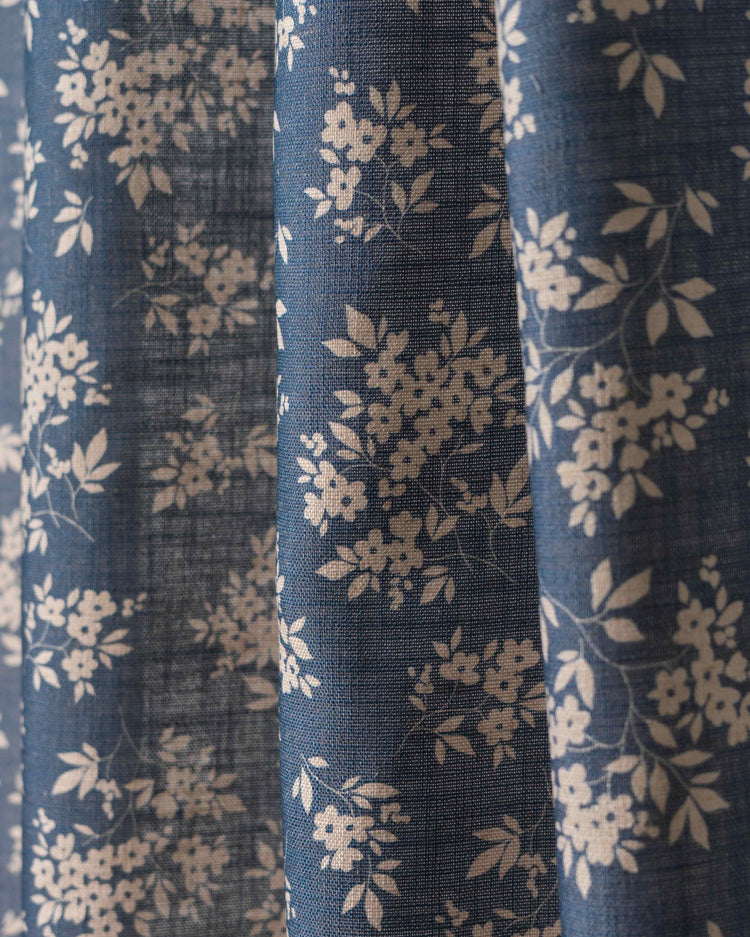
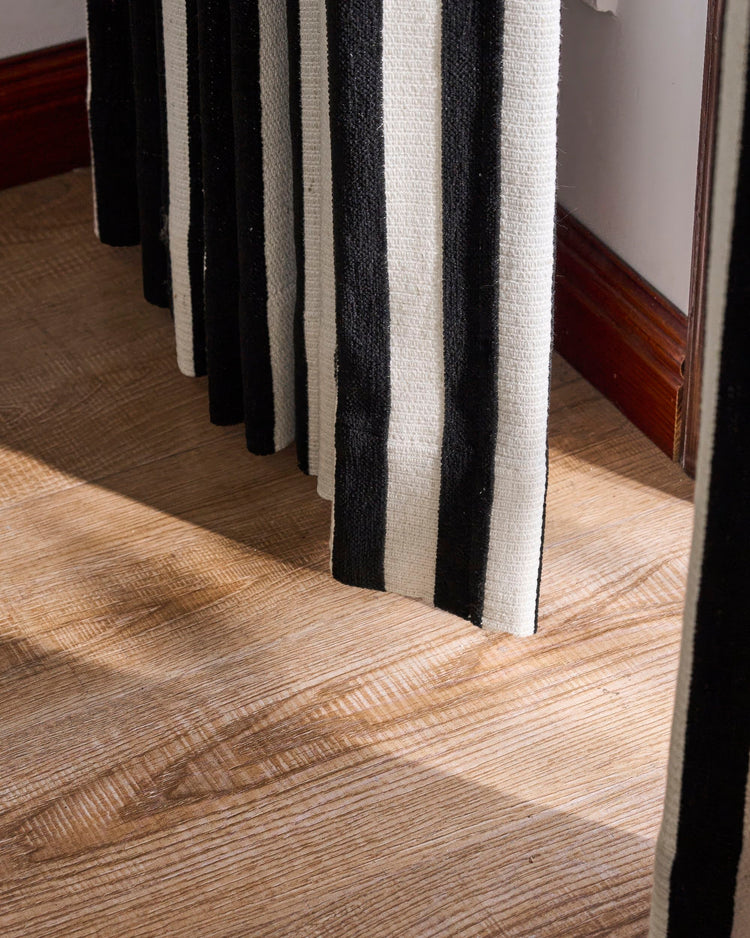
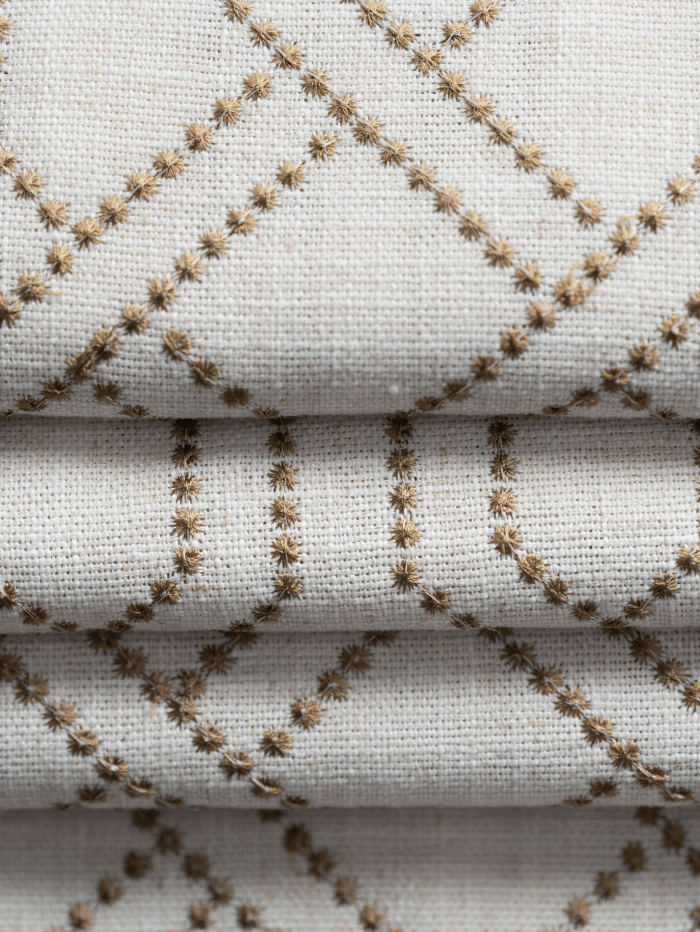
A quick guardrail on patterns: a large-scale floral or print reads as one balanced color from across the room, while a busy small print can look cluttered against gray. If in doubt, go bigger and simpler with the pattern, and order a swatch first, since pattern placement can vary panel to panel on made-to-measure orders.
What color curtains go with light gray walls?
Light gray is the most flexible wall color you can own. It behaves almost like an off-white, so nearly every curtain color works. Lean into that freedom:
- To brighten and keep it airy: white, ivory, or pale neutral. Best for small rooms or north-facing windows that already feel dim.
- To add drama: this is where light gray earns its keep. Navy, black, or charcoal drapes pop hard against a pale wall and give a flat room instant structure. A navy panel beside a white sofa is a classic for a reason.
- To add a pop of color: mustard yellow and dusty rose both look fresh on light gray because the pale base lets the color sing without competing.
If you want softness with light coming through, a colored sheer such as lavender, blush, or pale gold lets the wall and curtain blend while daylight filters in. Remember sheers diffuse light and offer limited daytime screening, and they are not reliable nighttime privacy once interior lights are on, so layer them with a heavier panel where privacy matters.

What color curtains go with dark gray or charcoal walls?
Dark gray walls are already a statement, so your curtain job is usually to balance the weight, not pile on more. Two directions work:
- Lighten and lift: white, ivory, or light-gray curtains stop the room from feeling like a cave and give the eye somewhere to rest. This is the safer move for bedrooms and smaller spaces.
- Go full drama, tone-on-tone dark: charcoal or black drapes against a charcoal wall create an enveloping, cocoon-like room — gorgeous in a media room, a moody den, or a formal bedroom. Use texture, such as velvet or a heavier weave, so the curtain still reads as a separate layer.
Because dark walls absorb light, factor in the room’s natural light before you commit to dark curtains too. In a bright south- or west-facing room you can afford heavier, darker drapes; in a dim room, keep the curtains lighter so the space does not close in.

 100% Blackout
 Better sleep
 Noise Reducing
 Energy Saving
Best curtain colors by room
The right color also depends on what the room is for. Here is how the picks shift by space. For deeper room-specific styling, see our bedroom curtain ideas and living room curtain ideas.
Bedroom
Bedrooms reward calm, restful colors and benefit most from light control. Soft neutrals, such as ivory and greige, dusty rose, sage, or a tone-on-tone gray all create a relaxing backdrop. Function matters here: if you want daytime darkness or street-facing privacy, choose a room-darkening or 100% blackout construction in your chosen color. Note that “100% blackout” describes the fabric blocking light through the material — real room darkness also depends on how much the panel overlaps the window at the top, sides, and center, so mount wide and high for the best seal.
Living room
Living rooms can take more personality. If your furniture is plain, such as a white sofa or wood tones, pull in a richer curtain — deep green, navy, or a textured pattern — as the room’s color moment. If the room is already busy, keep curtains neutral and let them frame the windows quietly. Floor-length drapes give the most tailored look; velvet adds a cozy, lounge-like weight in navy or charcoal.
Nursery and kids’ rooms
Dusty rose, soft sage, pale blue, and gentle neutrals all sit beautifully on gray and create a soothing space. Prioritize blackout for daytime naps and a consistent sleep schedule — see whether babies need blackout curtains. Safety comes first in these rooms: choose cordless lift options where possible, anchor hardware securely, and keep any cords or tiebacks out of reach.
Home office or dining room
These rooms can handle a slightly bolder hand. A deep navy or charcoal reads focused and a little formal; mustard or olive adds warmth without shouting. For glare on a screen or table, a room-darkening panel you can draw partway gives you control through the day.
What color curtains go with gray walls and brown furniture?
When brown wood furniture is in the room, you are working with a warm element, so bridge the cool gray and the warm wood instead of fighting either. Warm and earthy curtain colors do this best:
- Cream, tan, and beige, the most foolproof options
- Olive or sage green
- Burgundy or brick red, especially for a cozy fall or winter feel
- Navy blue, a cool color that still grounds warm wood beautifully
- Black, for a crisp, modern contrast
The combination of cool gray walls and warm brown wood already feels sophisticated; your curtains just need to nod to the wood’s warmth so the room reads cohesive rather than split into a cool half and a warm half.
How fabric and light change the final color
Two curtains in the “same” color can look different depending on fabric and light, so judge the real thing, not a screen:
- Texture shifts the color. Velvet deepens and enriches a hue; linen and cotton read softer and more matte; a sheer lightens everything. The same “navy” looks dressier in velvet than in linen.
- Light shifts the color. North-facing rooms cool a color down; south- and west-facing rooms warm it up; evening lamplight warms it further. Gray walls amplify this because they are so reactive to light.
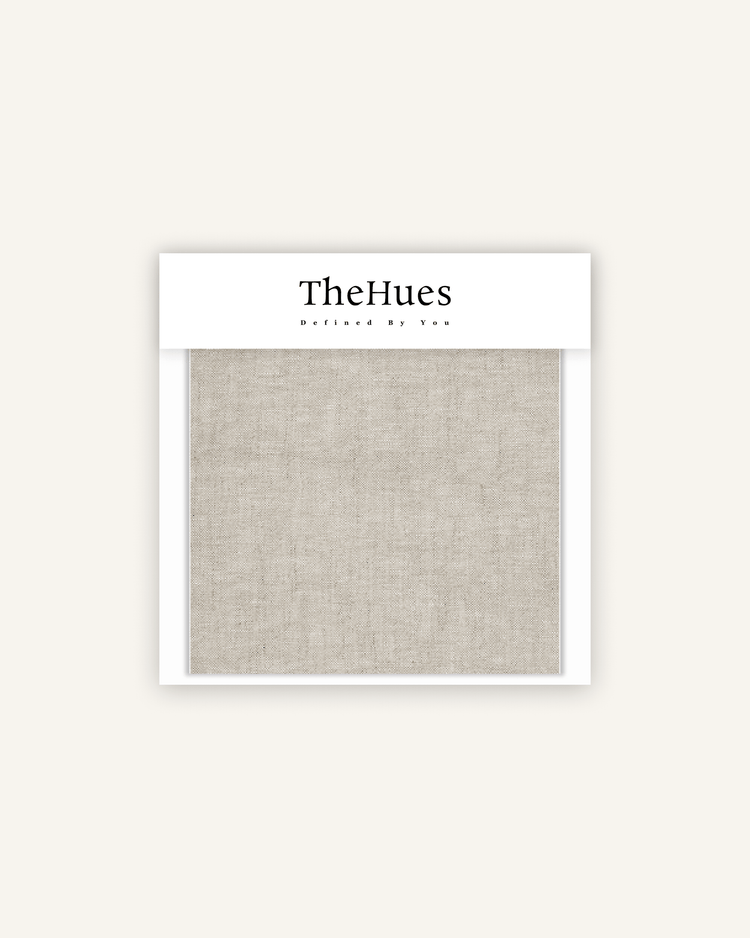
- Always swatch at home. Order fabric samples, tape them to the gray wall, and look at them in morning, midday, and evening light before ordering custom panels. This is the single best way to avoid a “looked great online, wrong in person” surprise.
For a broader framework on choosing color in any room, see our guide to choosing the right curtain color for your room.
Frequently asked questions
What is the most popular curtain color for gray walls?
Soft neutrals, including white, ivory, beige, and greige, are the most popular and most forgiving, because they match almost any gray undertone and keep the wall as the room’s anchor. Navy is the most popular bold choice.
Should curtains be lighter or darker than gray walls?
Either works. Lighter curtains keep the room airy and open; darker or tone-on-tone curtains add depth and drama. For a small or dim room, go lighter; for a large or bright room, you can go darker.
Do gray walls and white curtains look good together?
Yes — it is a clean, timeless pairing that suits everything from farmhouse to contemporary. Crisp white sharpens a cool gray; warm white or ivory flatters a greige wall better than a stark bright white.
Can I use bold-colored curtains with gray walls?
Absolutely. Gray is a neutral backdrop that makes saturated colors pop. Pick one lead accent color, such as navy, mustard, olive, or dusty rose, and echo it in a pillow or rug so it looks intentional rather than random.
What curtain color makes a gray room feel warmer?
Warm and earthy tones — beige, tan, mustard, olive, burgundy, and dusty rose — add warmth to a cool gray room. Pair them with warm metals, such as brass, and wood tones to reinforce the effect.
Bottom line
Start with your gray’s undertone, then choose to blend with a matched neutral or tone-on-tone curtain, or contrast with one bold accent. Factor in the room’s light, the furniture you already own, and the fabric texture, then swatch at home before you buy. When you are ready to see your pick in your space, order fabric samples and use the visualization tool to preview color, header style, and panel setup before placing a custom order.