How to Choose Curtains That Will Help Soundproof Your Home


Let’s be real: The garbage truck at 6 AM doesn't care about your sleep schedule. Neither does the neighbor’s barking dog.
If you are reading this, you are tired of the noise and you are skeptical. You’ve probably asked yourself: Do soundproof curtains actually work, or is it just marketing hype?
The honest truth: No curtain will make your home 100% silent. If a company promises you that, they are lying. However, high-quality acoustic curtains can significantly dampen the harshness of noise, stop echoes, and turn a jagged, loud room into a softer, quieter sanctuary.
The Difference Between "Blocking" and "Absorbing"
To choose the right product, you need to understand how sound works. It acts like water—it flows through the path of least resistance.
- Sound Blocking: This requires mass (heavy materials) to stop sound from entering. Windows are the weak link here.
- Sound Absorption: This reduces the echo inside your room. Hard surfaces (glass, wood floors) bounce sound around, making everything louder. Soft materials absorb that energy.

Good acoustic curtains do a mix of both. They add a layer of mass to the window to block some ingress, and they drastically cut down the internal echo, which makes the remaining noise feel much less stressful to your ears.
The 3 Rules for Buying Curtains That Actually Help
1. Weight is King
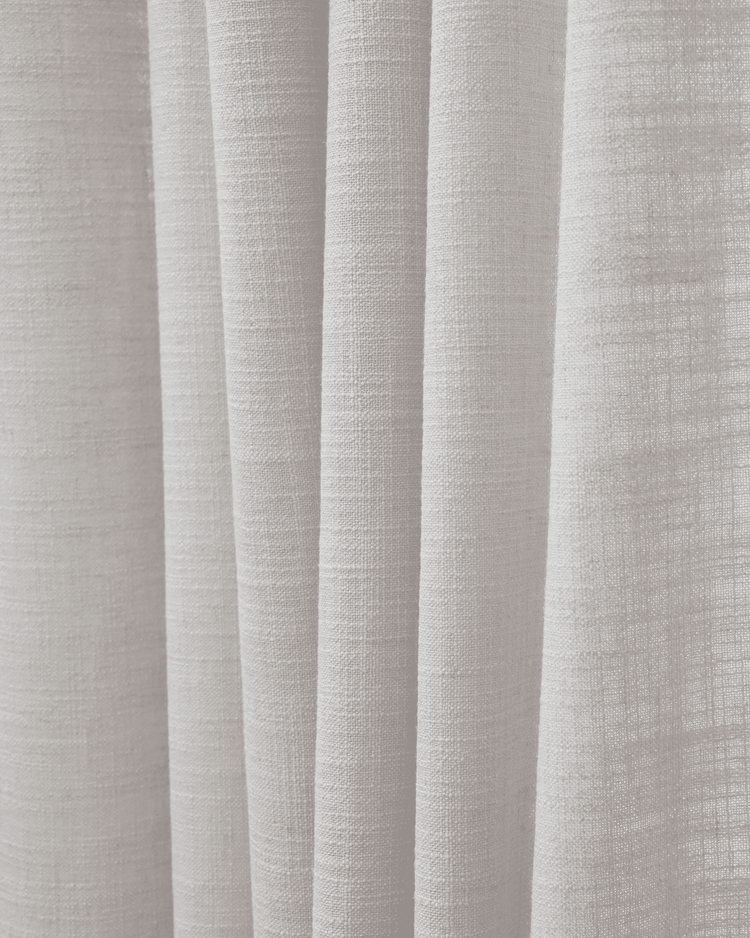
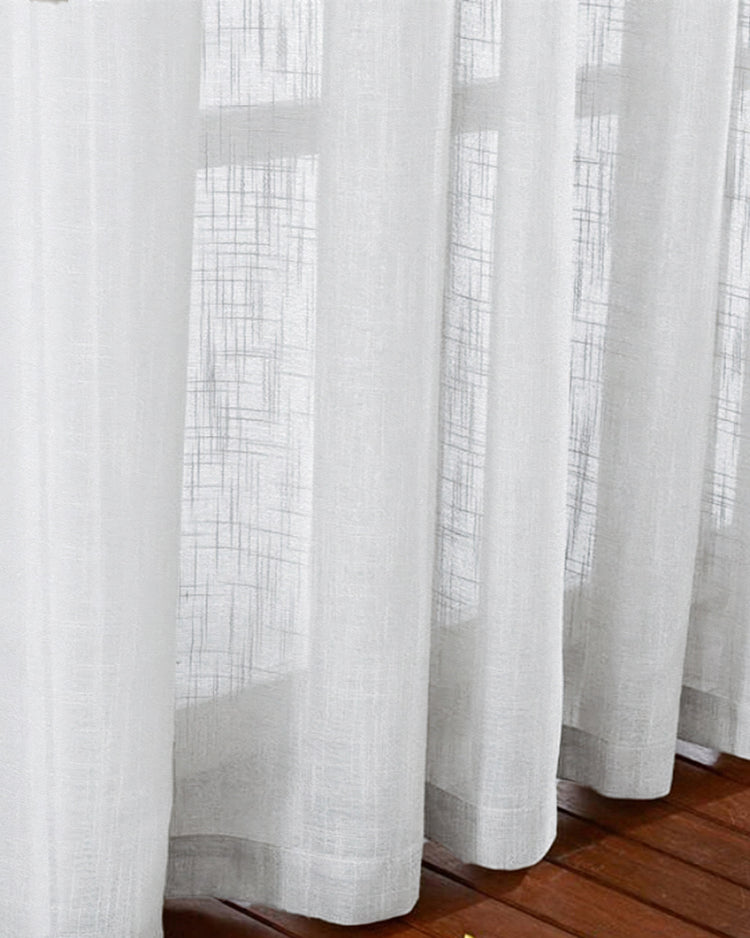
If you can see light through the curtain, sound is walking right through it, too. You need high-density fabric. The best performers typically use a triple-weave technology or a dedicated liner:
- Layer 1: Decorative face fabric (Velvet or high-thread-count Polyester).
- Layer 2: High-density yarn or foam coating (The barrier).
- Layer 3: Backing layer.
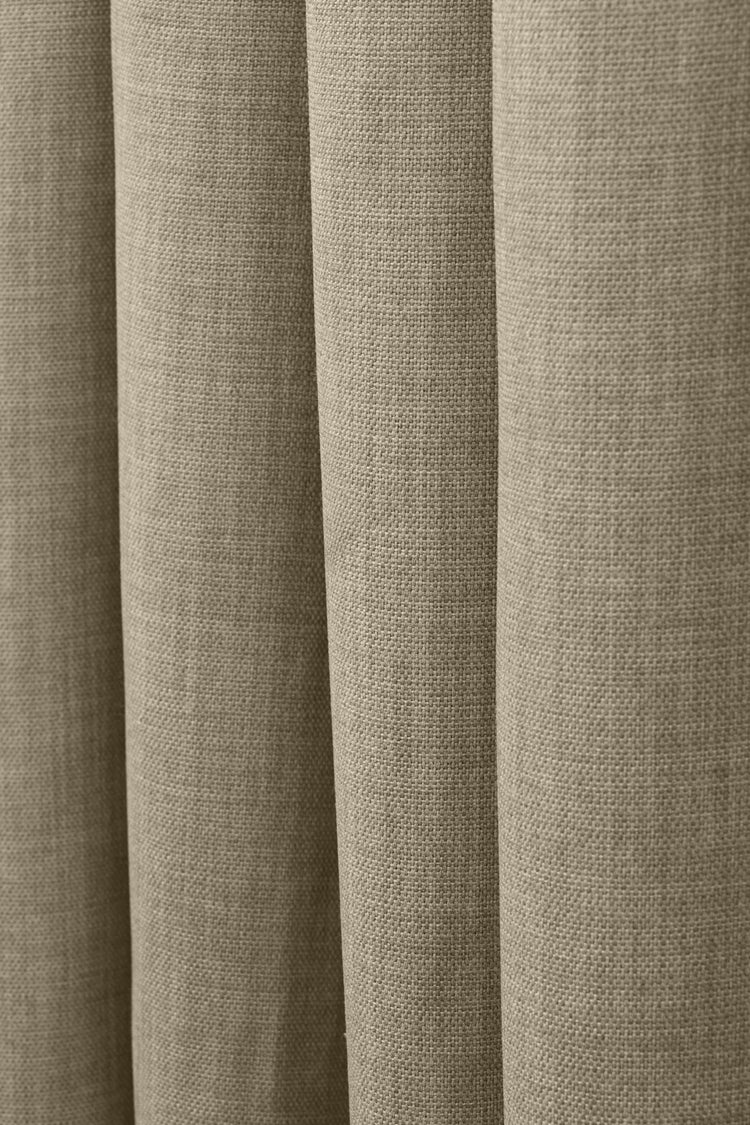
Pro-Tip: Check the weight. If the curtains feel light and airy, put them back. You want heavy, substantial drapery.
2. The "Seal" Matters More Than the Fabric
This is where most people fail. You can buy the most expensive curtains in the world, but if there is a gap on the side, the sound will leak through just like a draft of cold air.
Don't just measure the window frame. You need to go High and Wide.
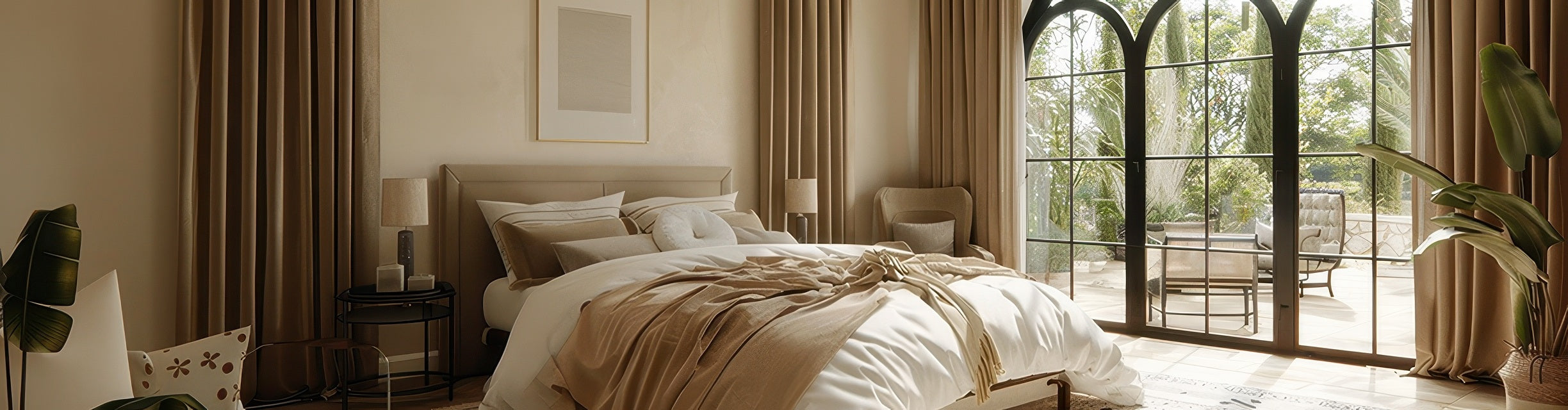
- Go Wide: Add at least 8-10 inches to the width of your window so the curtains can pleat properly and cover the wall edges.
- Go High: Mount your rod as close to the ceiling as possible (or ceiling mount it). This traps the sound at the top.
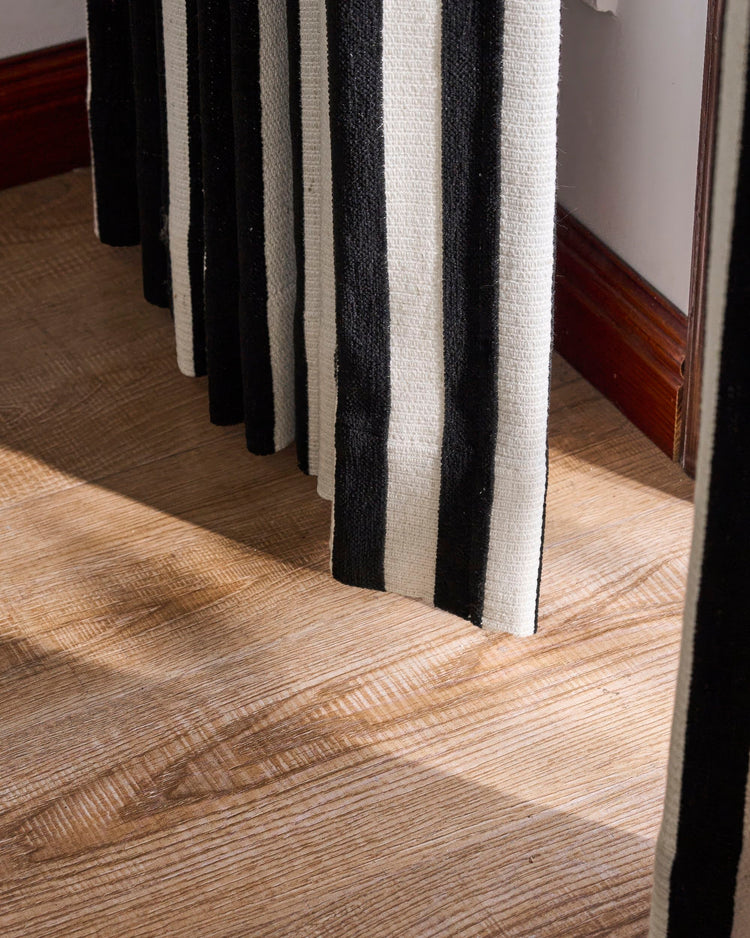
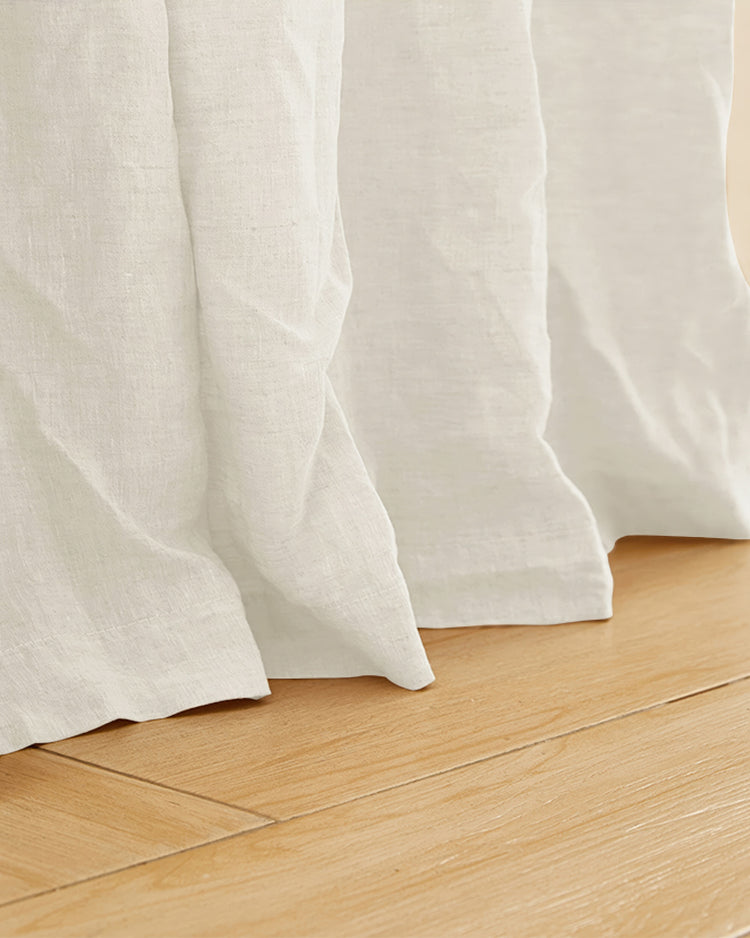
- Go Long: Let them "puddle" slightly on the floor to seal the bottom gap.

 100% Blackout
 Better sleep
 Noise Reducing
 Energy Saving
3. Rethink the Hardware (The Grommet Problem)
Many people love grommets (metal rings) for the modern look. However, from a physics standpoint, grommets create holes at the top of your curtain where sound can pass through.
If maximum quiet is your goal, consider:
- Rod Pockets or Back Tabs: These create a tighter seal against the rod.
- The "Wrap Around" Hack: If you use a standard rod, buy a "curved" French return rod that allows the curtain to wrap all the way to the wall, closing the side gaps.
Realistic Expectations: What Will Change?
If you install high-quality, heavy soundproof curtains correctly, here is what you can expect:
- Muffled Traffic: The sharp "hiss" of tires on pavement becomes a dull hum.
- Better Sleep: The combination of 100% blackout (usually standard with soundproof curtains) and dampened noise creates a "cocoon" effect.
- Thermal Benefits: The same density that blocks sound also blocks drafts, lowering your energy bill.
They won't stop the vibration of a jackhammer next door—that requires structural construction. But for the annoying daily hum of urban life, they are the most cost-effective upgrade you can make to your bedroom or home office.
Ready to lower the volume? Start with the heaviest drapes your rod can hold, and remember: cover the gaps.