Can You See Through Woven Shades?


In this article 3 sections
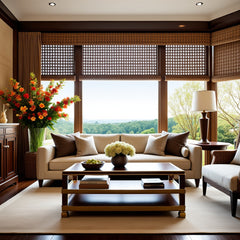
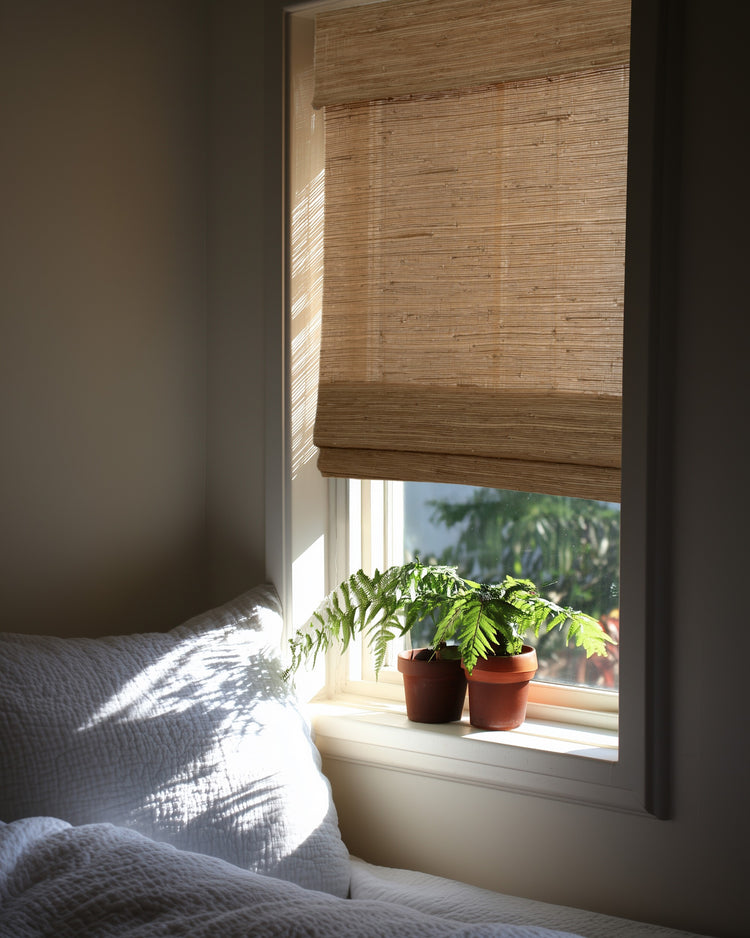
When choosing window treatments, woven wood shades are a top contender for their natural texture and warmth. But there is one question every homeowner asks before buying: Can you see through them?
The short answer is: It depends on the liner. Unlined woven shades are semi-transparent, while lined options provide privacy. Your choice determines whether your shades are merely decorative or fully functional privacy shields. Here is everything you need to know to make the right choice.

1. The 3 Levels of Opacity: Unlined, Privacy, and Blackout
The visibility of woven wood shades falls into three distinct categories based on how they are lined. Understanding the difference is key to getting the look—and the privacy—you need.
Unlined (Open & Airy)
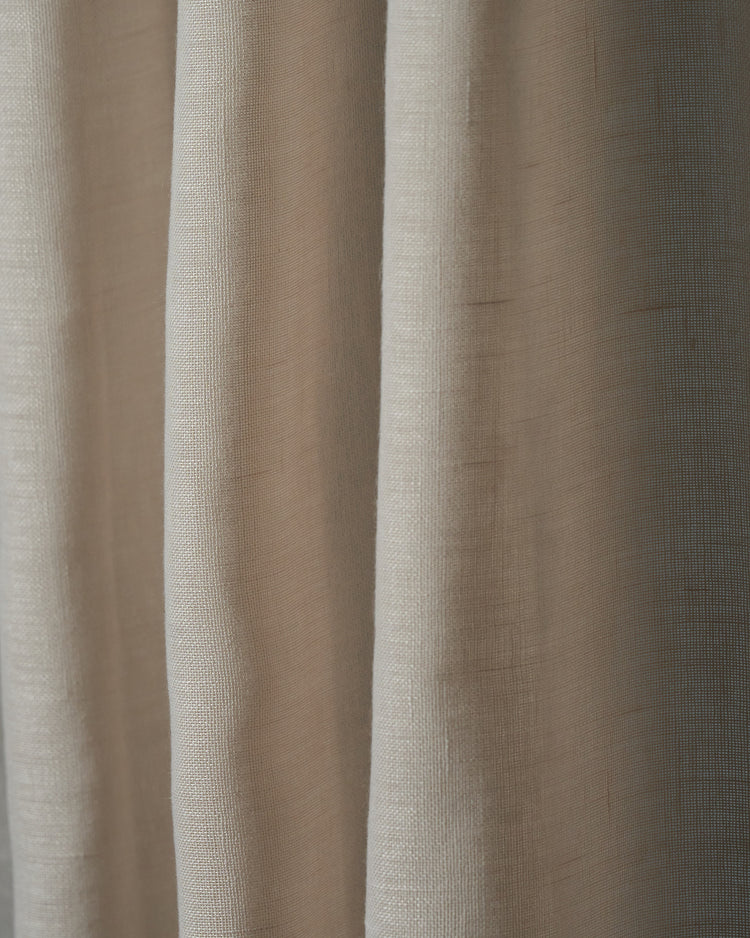
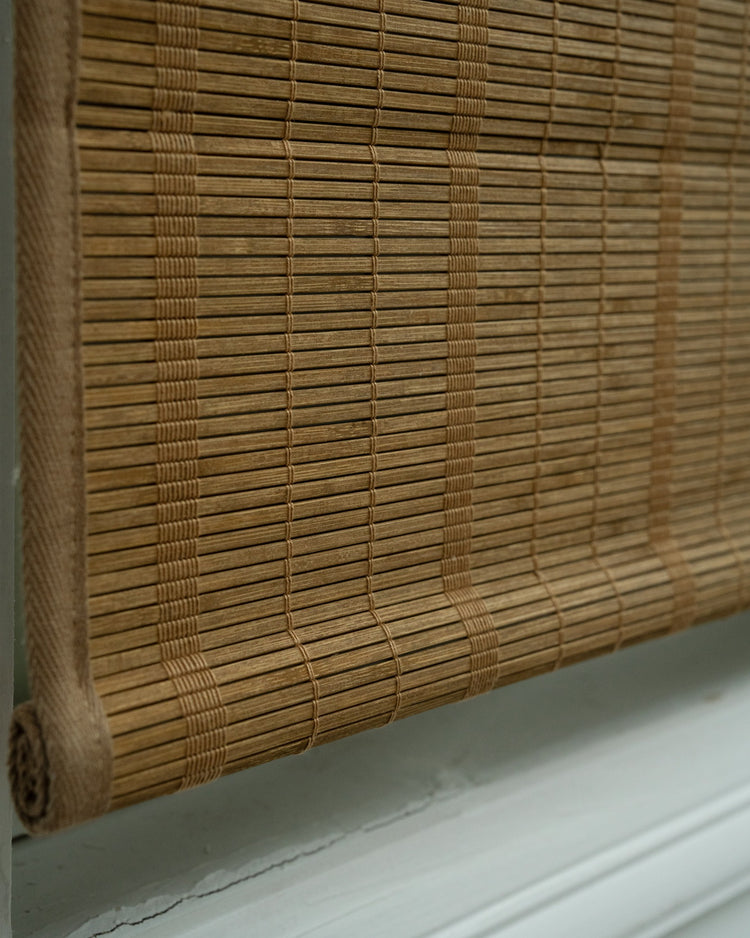
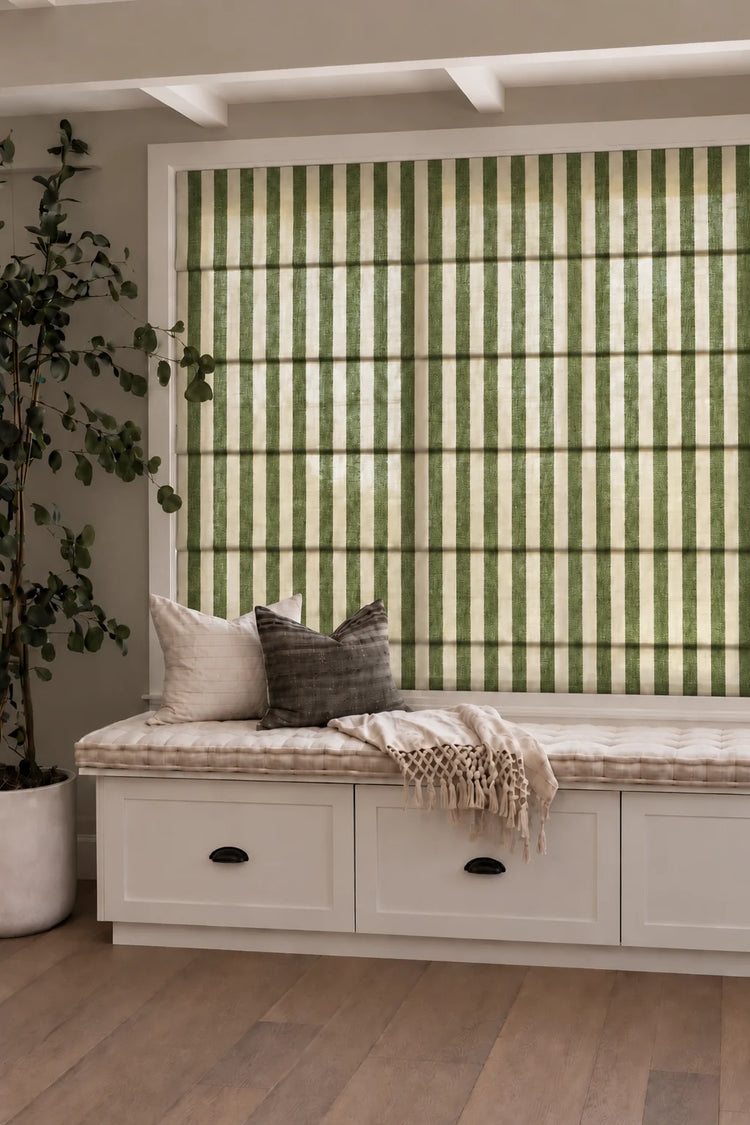
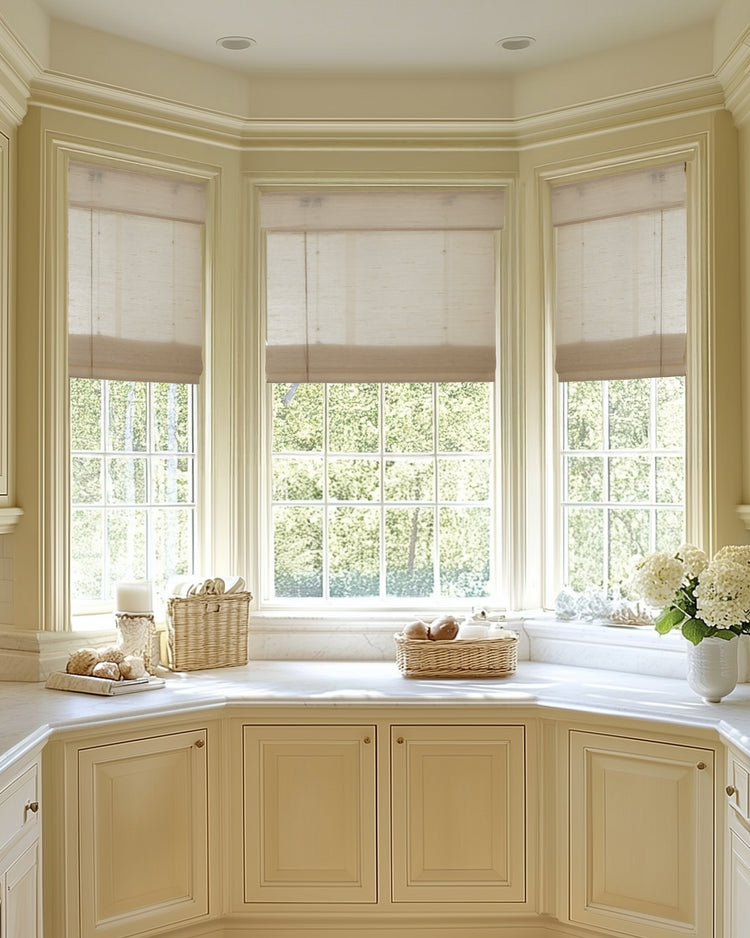
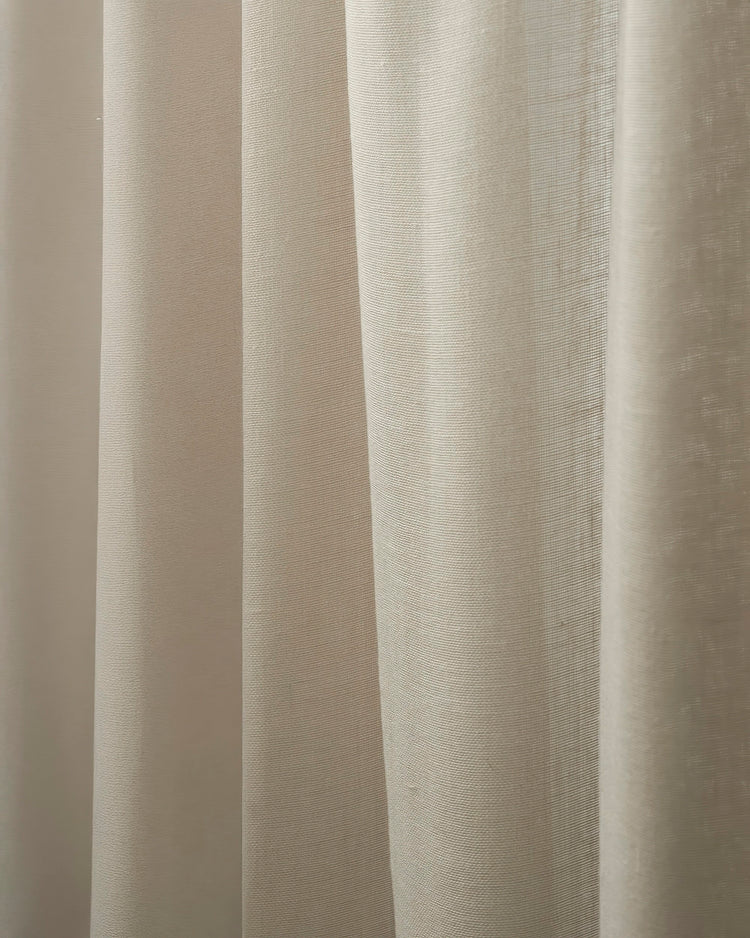
Unlined shades are made of a single layer of natural bamboo, reeds, or grasses. They behave similarly to sheer curtains.
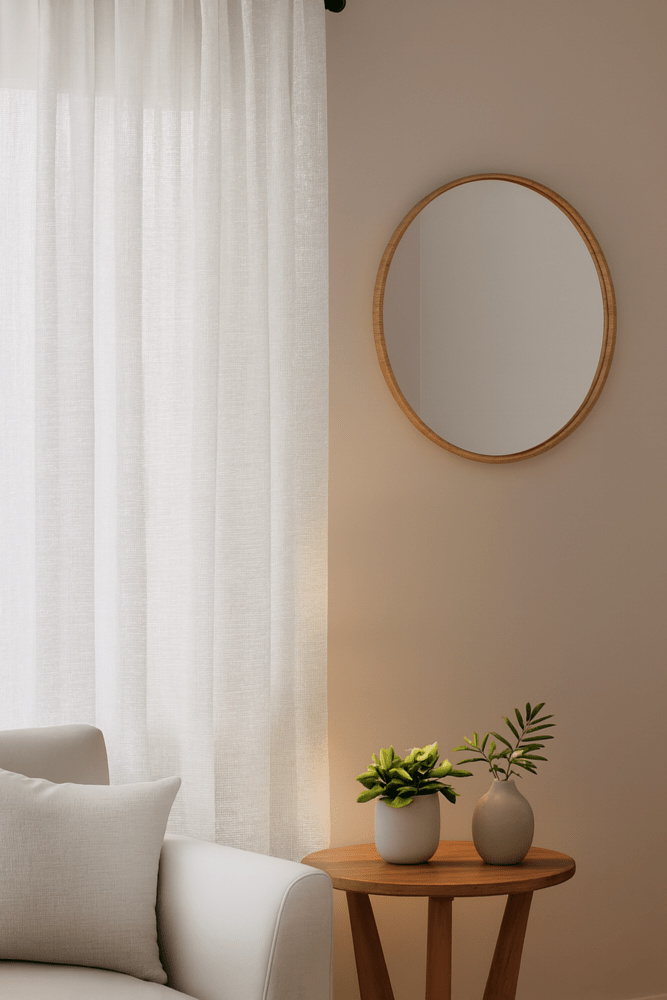
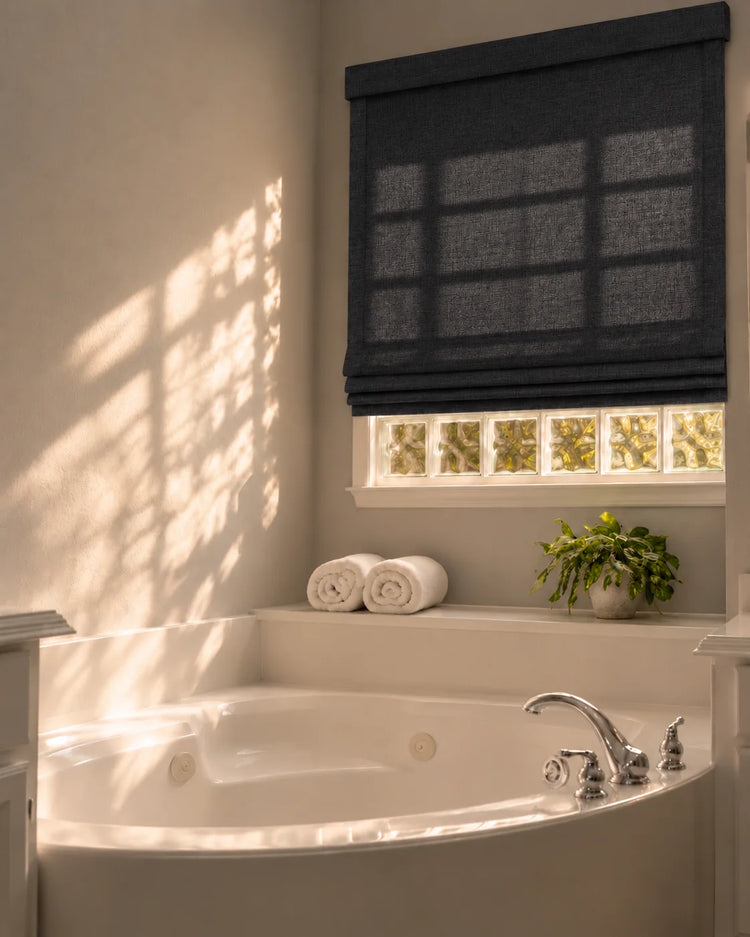
- Daytime: They filter sunlight beautifully, casting a warm glow into the room while allowing you to see a blurry view of the outdoors.
- Nighttime: They offer zero privacy. When your interior lights are on, neighbors can see clearly into your home.
- Best For: Kitchens, sunrooms, and dining areas where natural light is more important than privacy.

 Drill-Free Installation
 Cordless option
 Eco-friendly woven
 Motorized Option
Privacy Liner (Light Filtering)
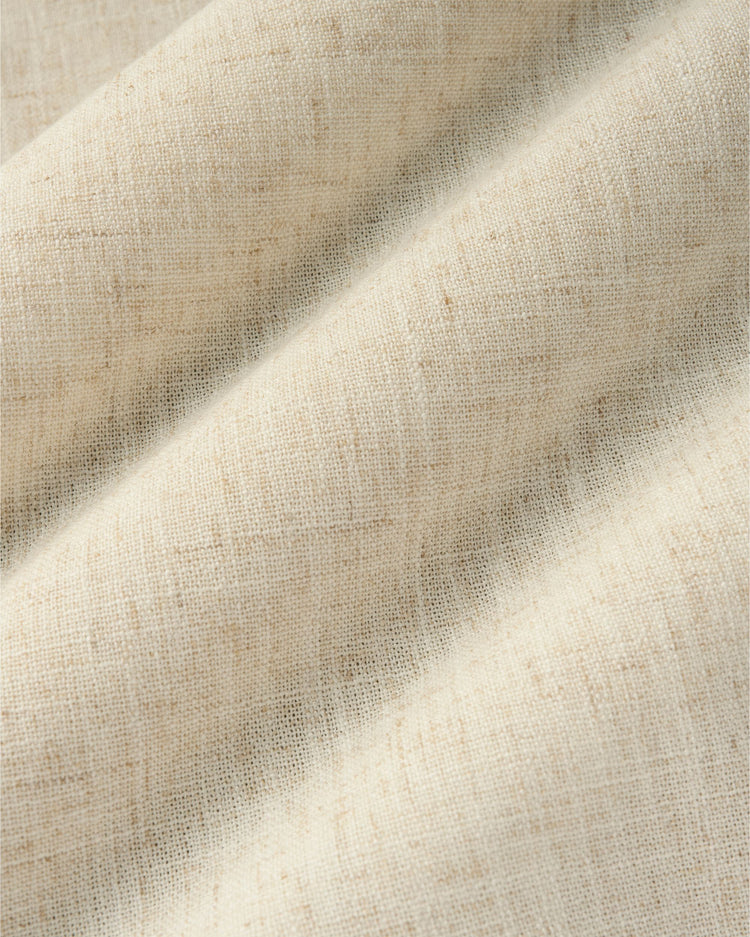
A privacy liner is sewn onto the back of the woven material. It strikes a balance between seclusion and brightness.
- Daytime: It blocks the view from the outside while still allowing soft, diffused daylight to enter the room. You won't see out, and people can't see in.
- Nighttime: It provides substantial privacy. While vague shadows or silhouettes might be visible if you are standing directly against the window, details are obscured.
- Best For: Living rooms and common areas where you want to avoid the "fishbowl" effect without darkening the room.
Blackout Liner (Total Blockage)
Blackout liners are designed for maximum control. They block 99% of incoming light and provide 100% privacy.
- Daytime & Nighttime: Complete opacity. No one can see in, and no light leaks through the fabric weave.
- Best For: Bedrooms, nurseries, and media rooms where sleep and light control are non-negotiable.

2. Why Add a Liner? (Beyond Just Privacy)
While privacy is the main driver, adding a liner to your woven woods offers three other critical benefits:
- Protection from Sun Damage: Natural materials like bamboo and jute can dry out or fade in harsh direct sunlight. A liner acts as a shield, extending the life of your shades and protecting your furniture and floors from UV rays.
- Temperature Control: Unlined shades offer little insulation. A privacy or blackout liner adds a thermal barrier, helping keep your room cooler in the summer and warmer in the winter.
- Uniform Curb Appeal: Unlined shades look like wood from the street. Lined shades provide a uniform white or neutral appearance from the exterior, complying with many HOA regulations.

Conclusion: Which Shade is Right for You?
Natural woven shades bring an organic, textured aesthetic to any space, but the "liner" is the secret ingredient that makes them livable.
If you love the open, breezy feel of a sunroom, go unlined. If you need to dress a bedroom window, a blackout liner is essential for sleep. For everywhere else, a privacy liner usually offers the perfect middle ground.
Ready to find your perfect match? Explore the customization options on our TheHues woven shade collection to see how easily you can balance rustic beauty with modern practicality.