What are Woven Shades and What's Right for You?


In this article 7 sections
The Rise of Biophilic Design: Why Woven Shades Are Taking Over
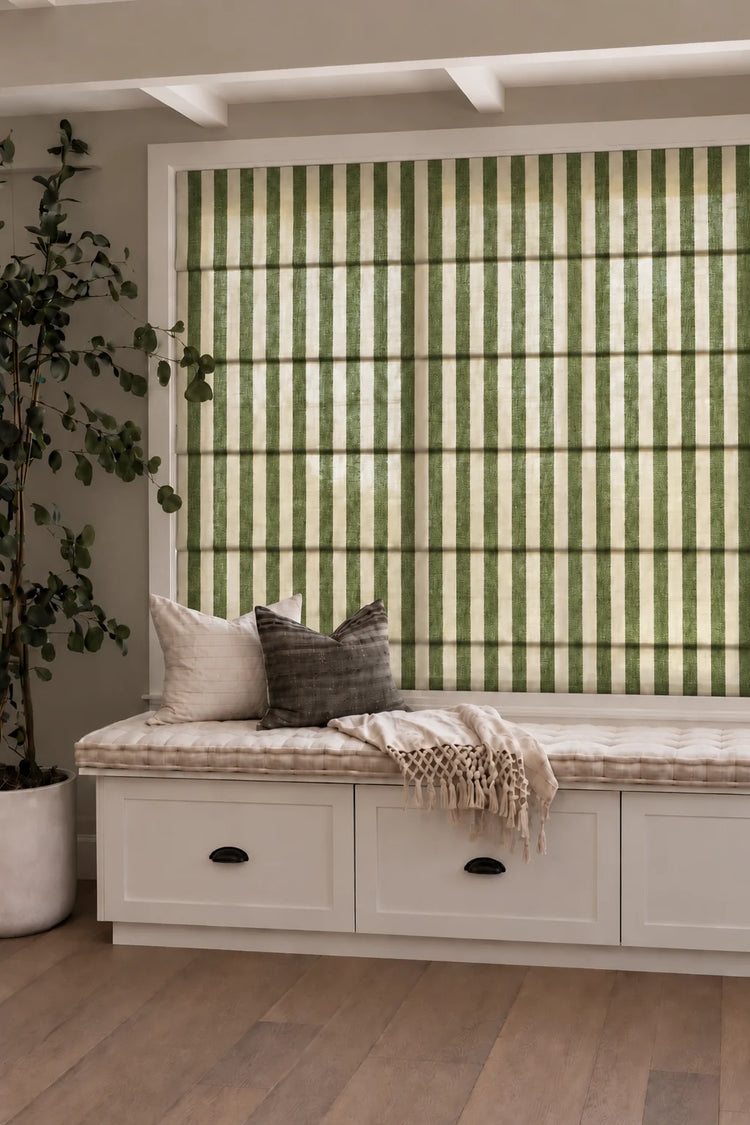
Woven shades have graduated from coastal cottages to becoming a staple in high-end modern interiors. As the "Biophilic design" trend (bringing the outdoors in) dominates the US market, these shades offer the perfect balance of organic texture and architectural clean lines.
Unlike synthetic blinds, woven shades act as a statement piece. They don't just cover a window; they add depth, warmth, and a curated feel that elevates a room from "furnished" to "designed."
What Are Woven Window Shades?
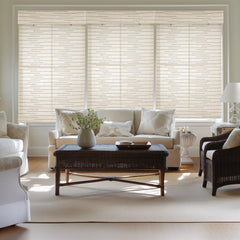
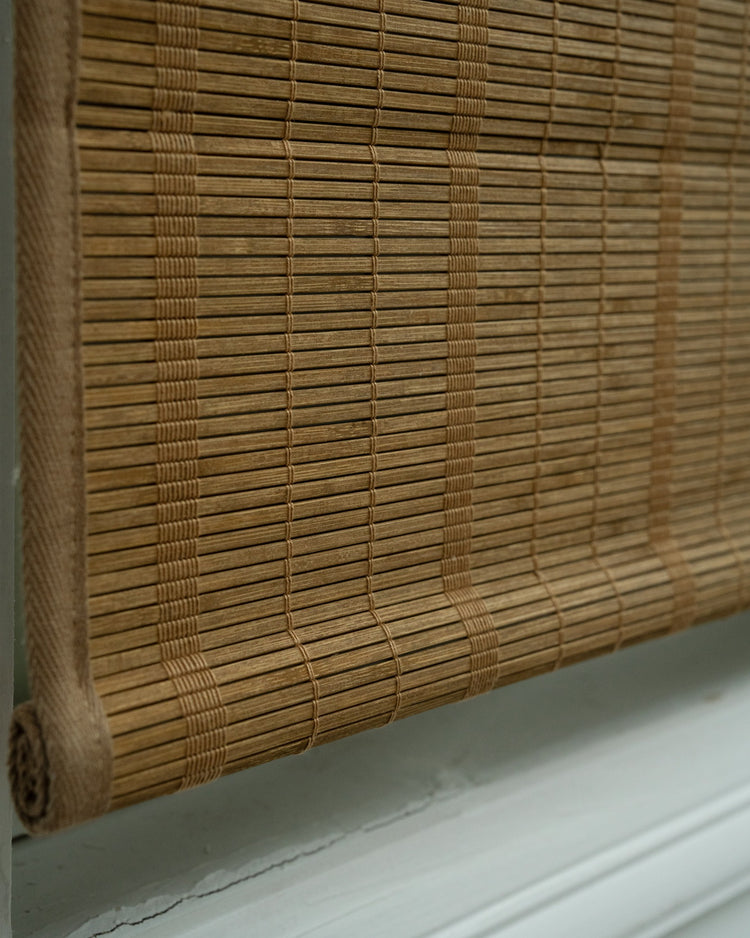
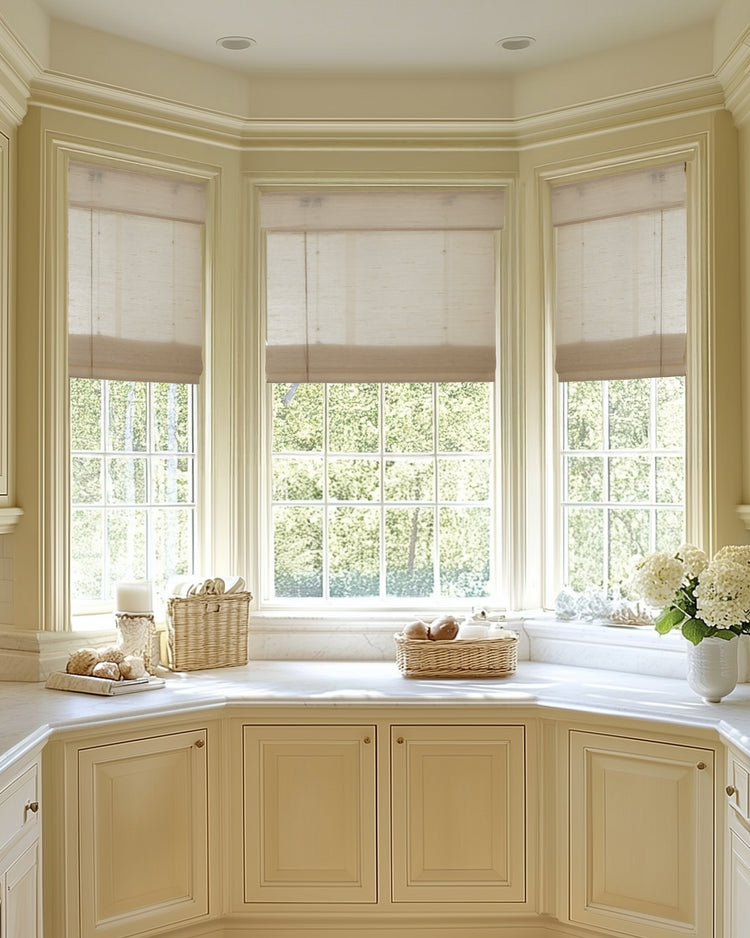
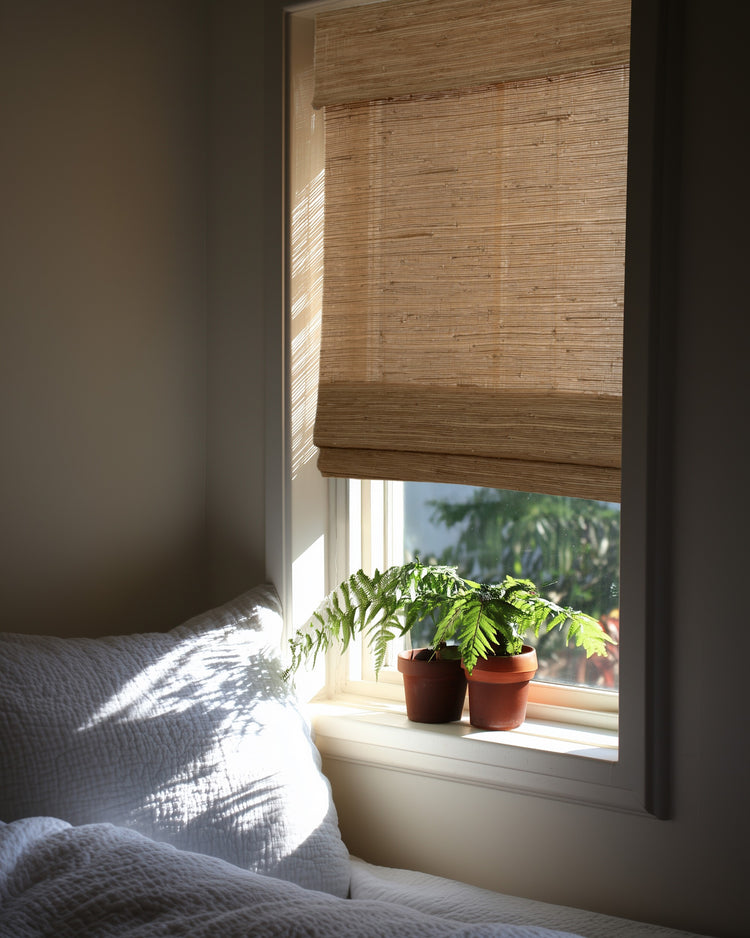
Woven window shades (often called Bamboo Shades or Matchstick Blinds) are crafted from renewable resources like bamboo, jute, reeds, grasses, and rattan. The fibers are woven into distinct patterns, ranging from delicate, sheer weaves to chunky, rustic textures.
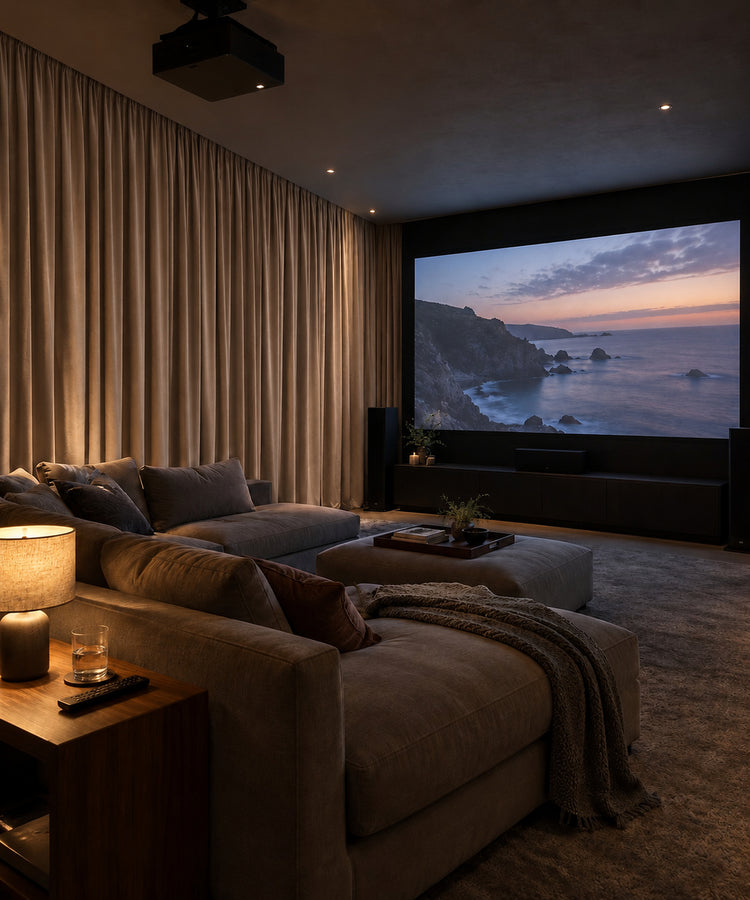
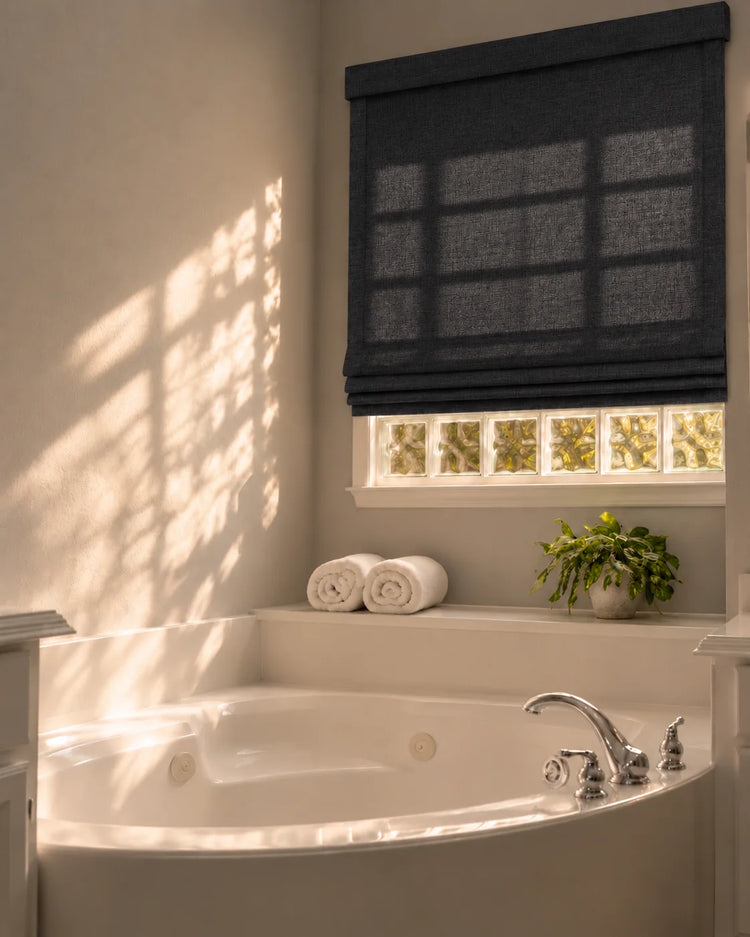
The Light Filtration Factor: The magic of woven woods lies in how they handle sunlight. Unlined, they filter light rather than blocking it, casting beautiful, dappled shadows into your room. However, for bedrooms or media rooms, they must be paired with the correct liner.

Woven Wood Styles: Roman vs. Roller
Understanding the mechanism is key to choosing the right look for your window.
- Standard Roman Fold (Flat Fold): The most popular choice for modern homes. When raised, the shade stacks neatly in flat layers. It offers a clean, minimalist profile that showcases the material's grain.
- Waterfall Fold (Hobbled): This style retains soft folds even when lowered, creating a cascading, drapery-like effect. It adds volume and traditional elegance to a space but requires more fabric.
- Woven Roller Shades: A hybrid option where woven material operates on a roller mechanism. This is ideal for a sleek, ultra-low profile look where you don't want a "stack" of wood at the top of the window blocking the view.
Design & Functionality: The Layered Look
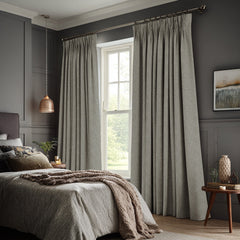
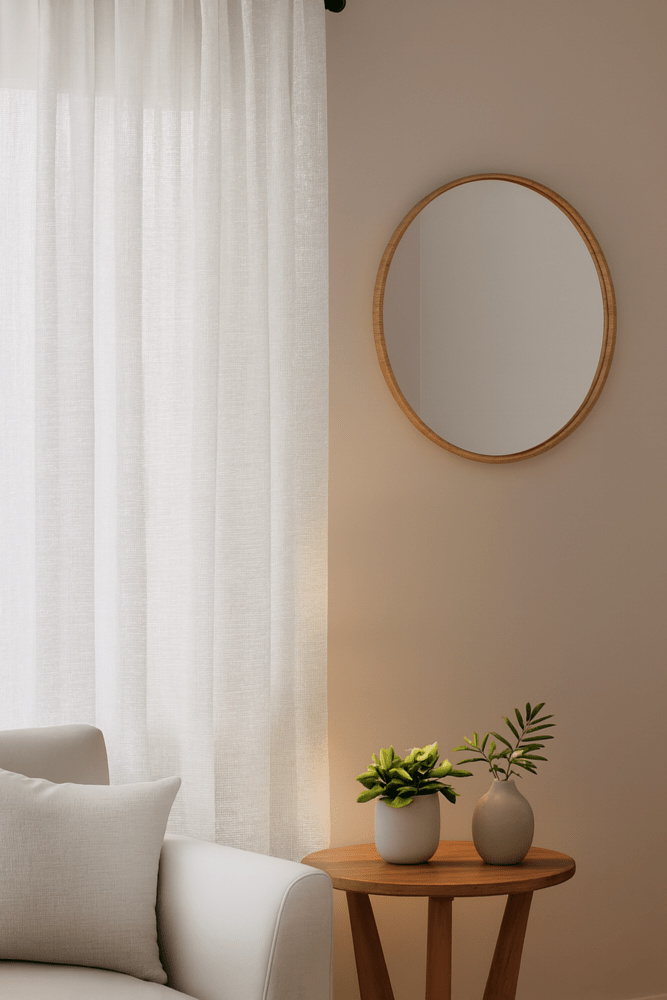
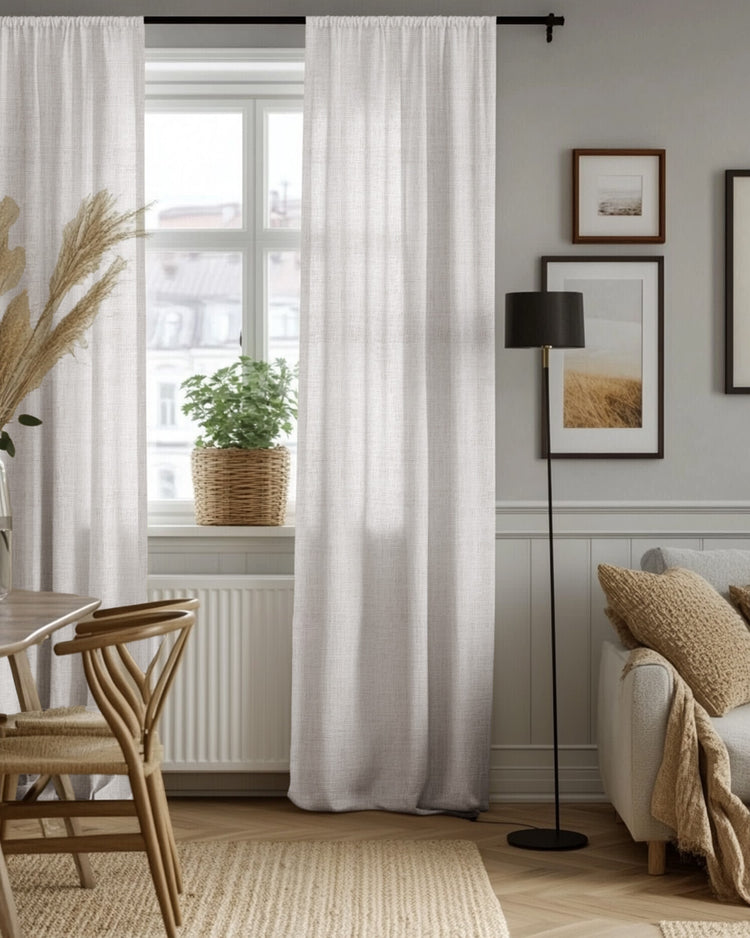
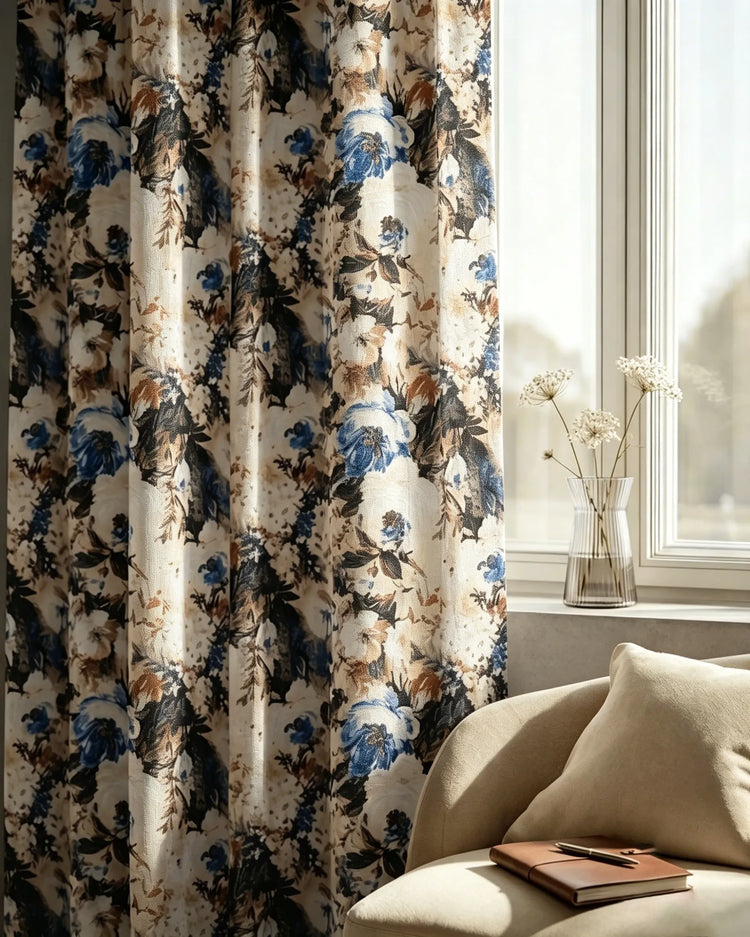
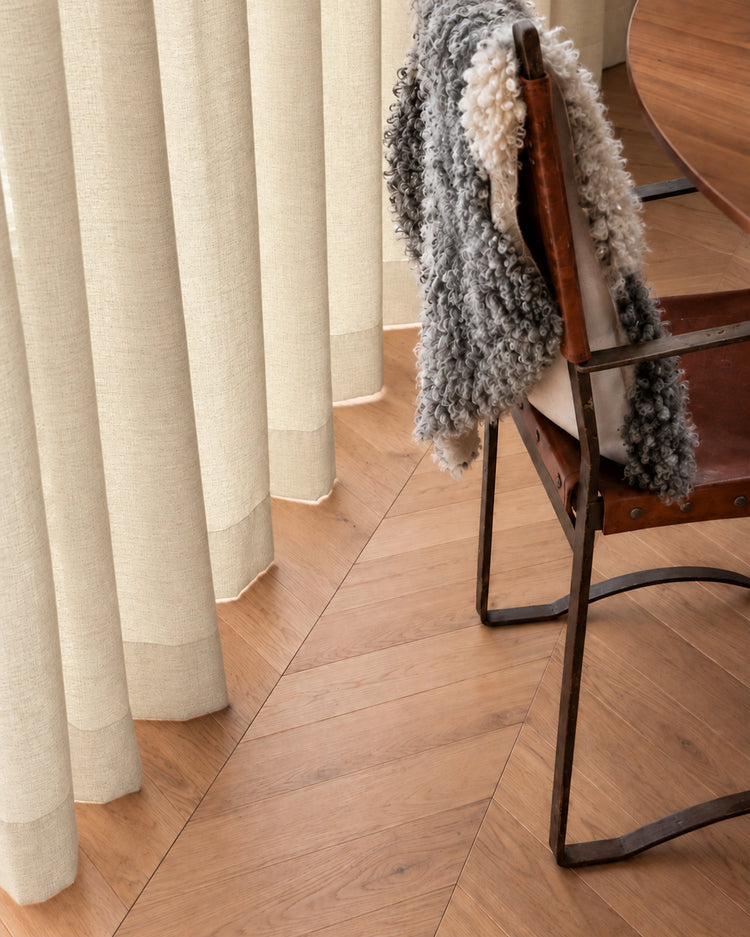
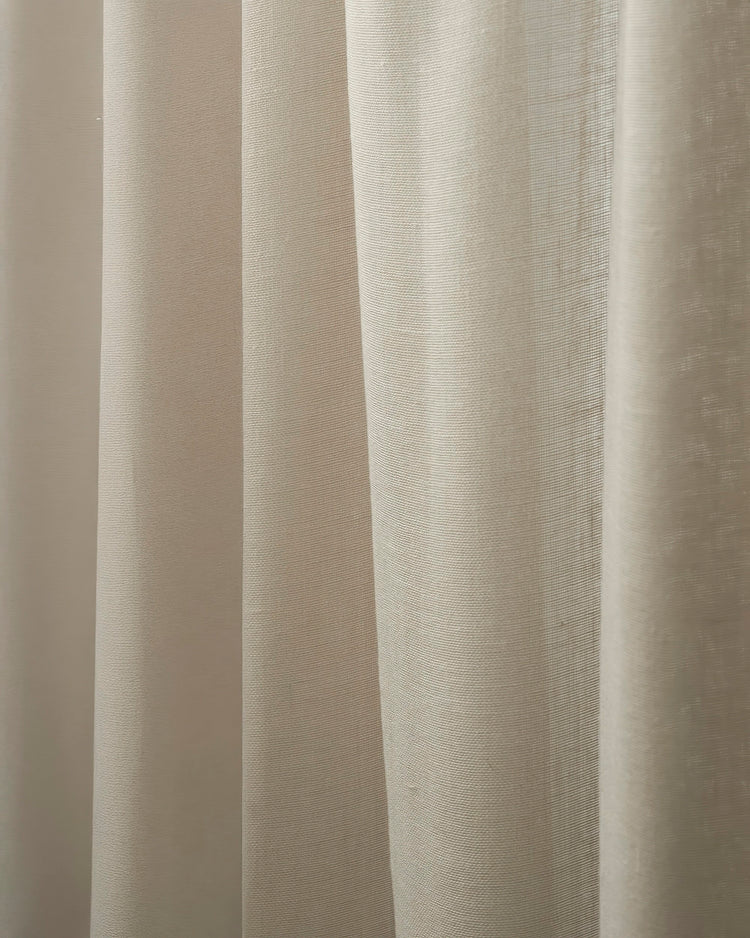
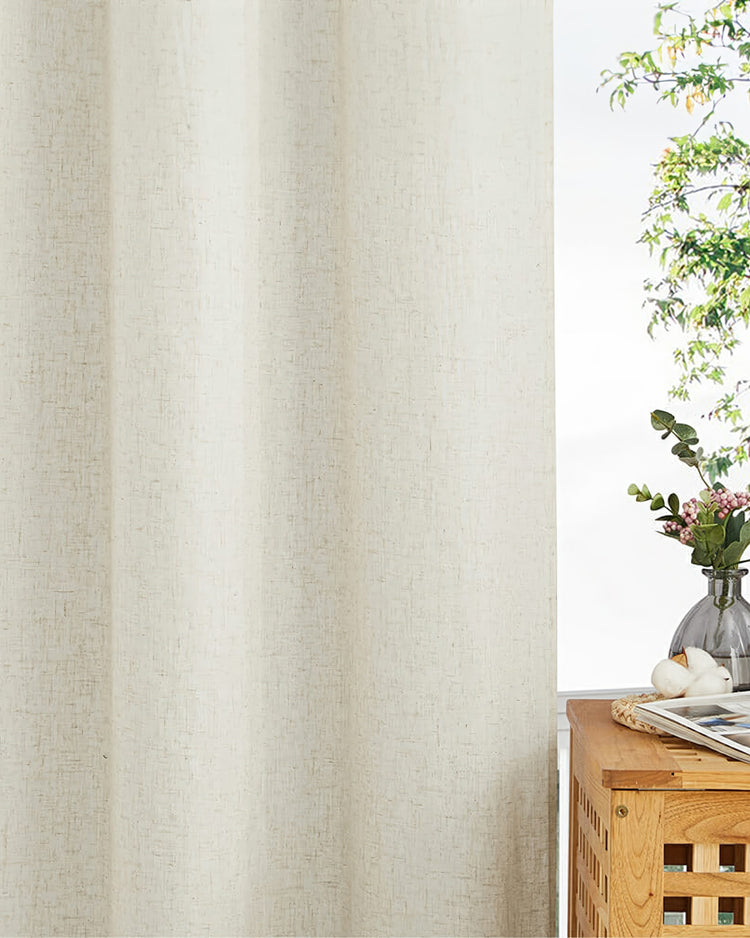
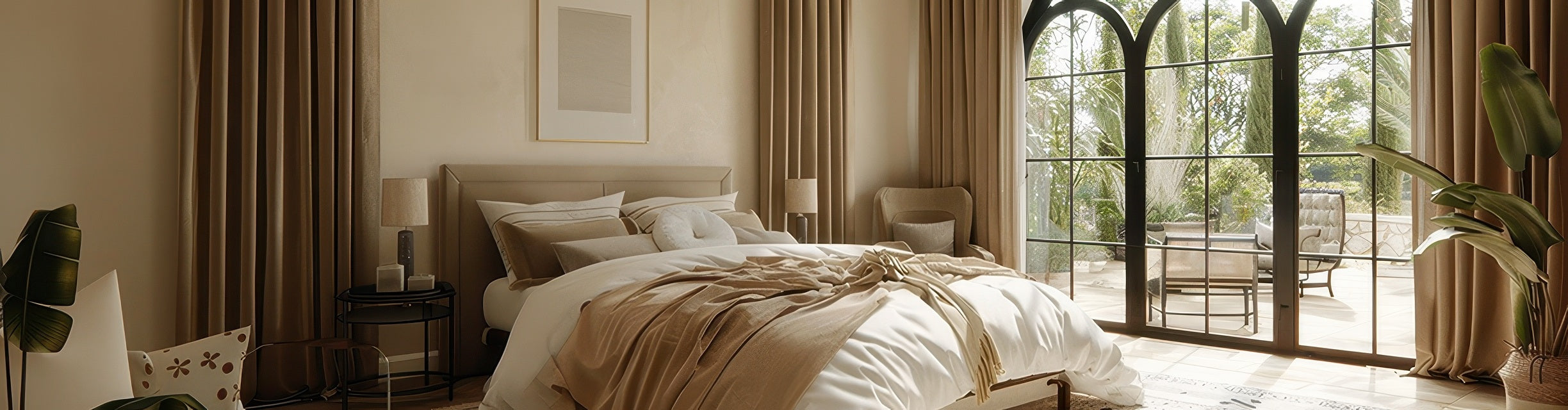
Woven shades are the "jeans" of the window world—they go with everything. They are frequently paired with sheer curtains or heavy drapes. Installing drapery panels on the outside of the window frame, with the woven shade mounted inside, creates a professional, multi-dimensional designer look that also maximizes insulation.

Key Considerations: Where to Use Them
While versatile, natural materials have limitations you must respect to ensure longevity.
- Living Rooms & Dining Areas: The sweet spot for woven shades. The texture warms up neutral walls and creates a cozy focal point.
- Bedrooms (Privacy Warning): Natural weaves are often see-through at night when the lights are on inside. For bedrooms, a privacy or blackout liner is non-negotiable.
- Kitchens & Bathrooms (Humidity Check): Be cautious. Natural reeds and bamboo can absorb moisture, leading to warping or mildew in poorly ventilated bathrooms. For these areas, look for "faux" woven options made from composite materials that mimic the look without the moisture risk.

 Drill-Free Installation
 Cordless option
 Eco-friendly woven
 Motorized Option
Customization: Getting the Details Right
To achieve a high-end look, customization is critical. Don't settle for "close enough."
1. Mount Type
Inside Mount: The shade sits inside the window casing. This is the preferred modern look, but requires sufficient window depth. It showcases your trim/molding.
Outside Mount: The shade is mounted on the wall above the window. This is excellent for making small windows appear taller and wider, or for concealing ugly window casings.
2. Liner Options
Unlined: Best for common areas where you want a view through the shade.
Privacy Liner: Filters light but prevents people from seeing in.
Blackout Liner: ideal for nurseries and light-sensitive sleepers.
3. Control & Safety (Crucial)
If you have children or pets, Cordless or Motorized lifts are the only safe options. Dangling cords pose a strangulation hazard and are being phased out of the US market. Cordless lifts also offer a cleaner look, free of visual clutter.
Final Verdict
Woven shades are more than a trend; they are a classic element of American interior design. Whether you prefer the rustic charm of the farmhouse style or the clean lines of mid-century modern, these shades provide the texture your room is missing. Measure twice, consider your privacy needs, and opt for a liner to get the most out of your investment.