Blackout vs Room Darkening vs Light Filtering Curtains


The short version: light filtering curtains keep a room bright while softening glare and adding a little privacy, room darkening curtains cut most daylight for a dim, restful space, and blackout curtains use a tightly woven or lined construction built to block light through the fabric itself. The terms describe how much light the material lets through, from most, light filtering, to least, blackout, with room darkening in the middle. One thing worth knowing before you buy: “100% blackout” describes the fabric, not the finished room. Even the best blackout panel can leak light at the top, sides, and center gap unless it is hung wide and high. Below is a side-by-side table, a plain-English explanation of each type, and a by-room recommendation so you can match the right one to your space.
What's the difference between light filtering, room darkening, and blackout curtains?
All three reduce light, heat, and visibility to some degree. The difference is how much, and what that means for the room.
| Light filtering | Room darkening | Blackout | |
|---|---|---|---|
| What the fabric does | Diffuses and softens daylight; room stays bright | Blocks most daylight; room goes dim but not fully dark | Built to block light through the material, using a tight weave, coating, or lining |
| Light left in the room | A lot — a soft, even glow | A little — shadowy, restful | Very little through the fabric; any remaining light comes from edge gaps |
| Daytime privacy | Some; outlines and silhouettes can still show | Good; not see-through | Good; not see-through |
| Nighttime privacy, interior lights on | Limited — silhouettes visible | Strong | Strongest |
| Best for | Living rooms, kitchens, dining rooms, home offices | Bedrooms, nurseries, media rooms wanting some softness | Bedrooms, nurseries, home theaters, shift-worker sleep |
| Weight | Lightweight; works with most rods | Heavier; may want sturdier hardware | Usually heaviest, especially lined or 4-layer; plan hardware accordingly |
| Relative cost | Lowest | Mid | Highest, because of extra fabric, lining, or multi-layer build |
Two rules cut through most of the confusion. First, room darkening is not the same as blackout. Room darkening means “significantly dimmer,” while blackout means the fabric is constructed to stop light passing through it. Second, how dark your room actually gets depends as much on installation as on fabric. A blackout panel hung too narrow will still glow around the edges, and a room darkening panel hung wide and high can feel darker than a poorly installed blackout one.
What are light filtering curtains?
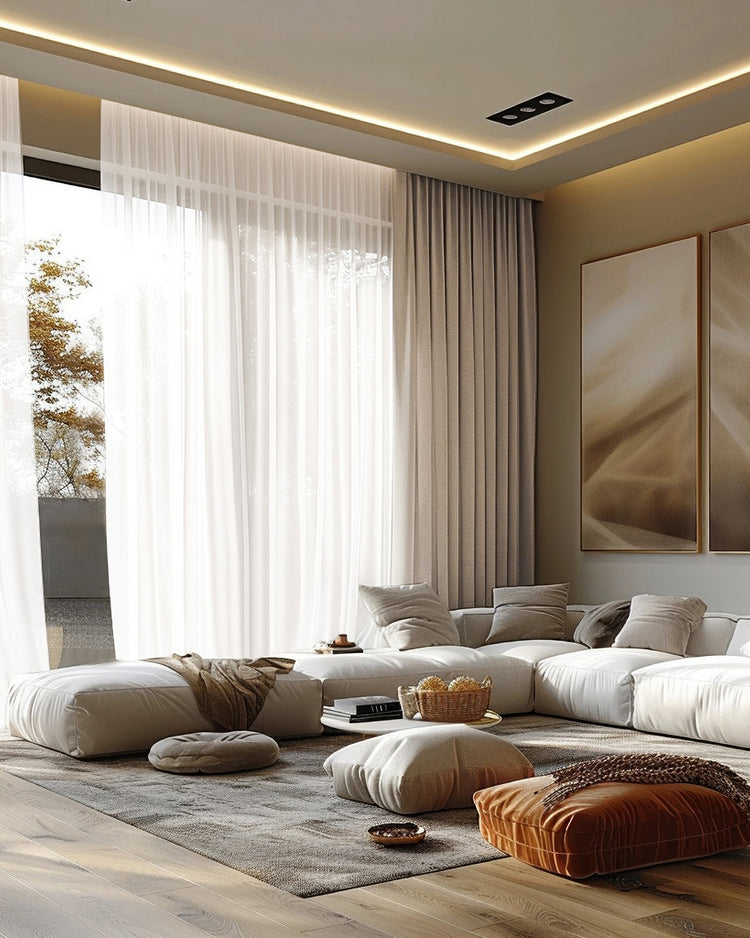
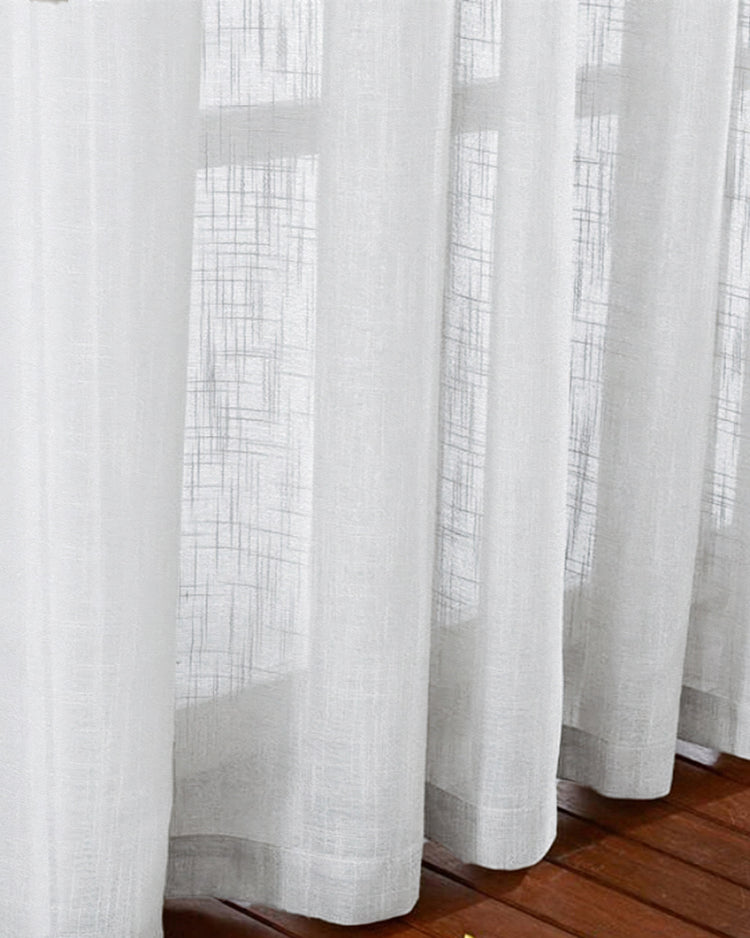
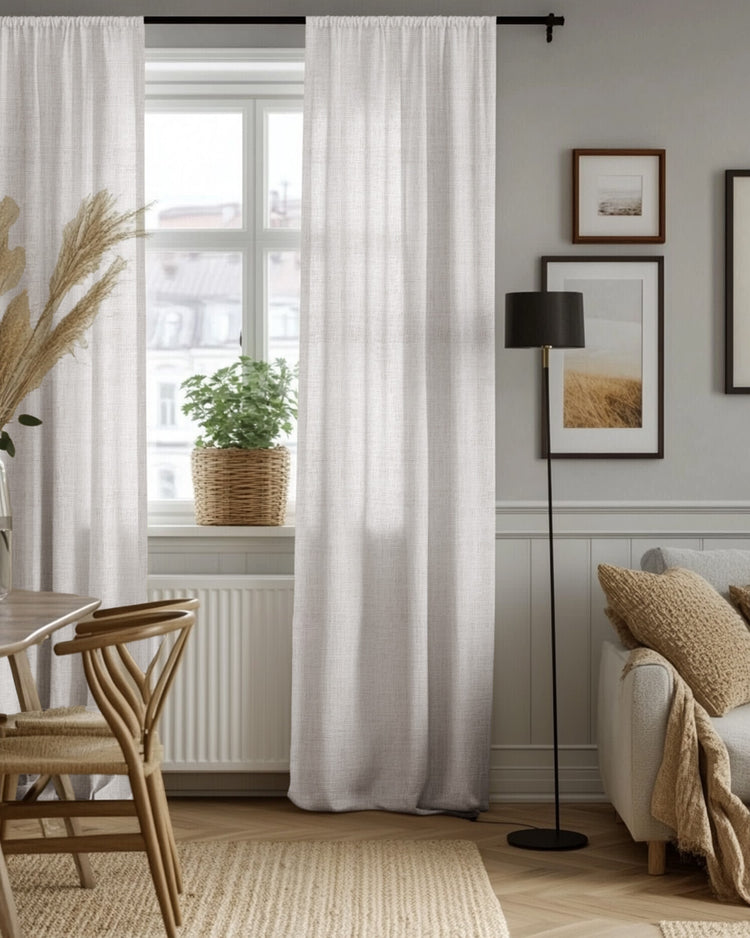
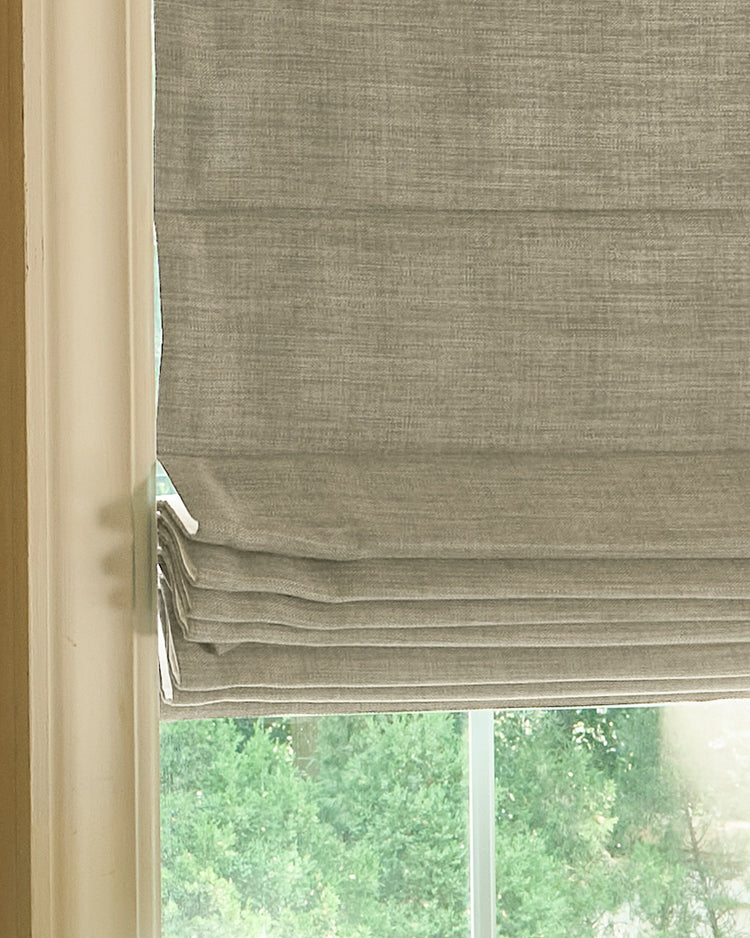
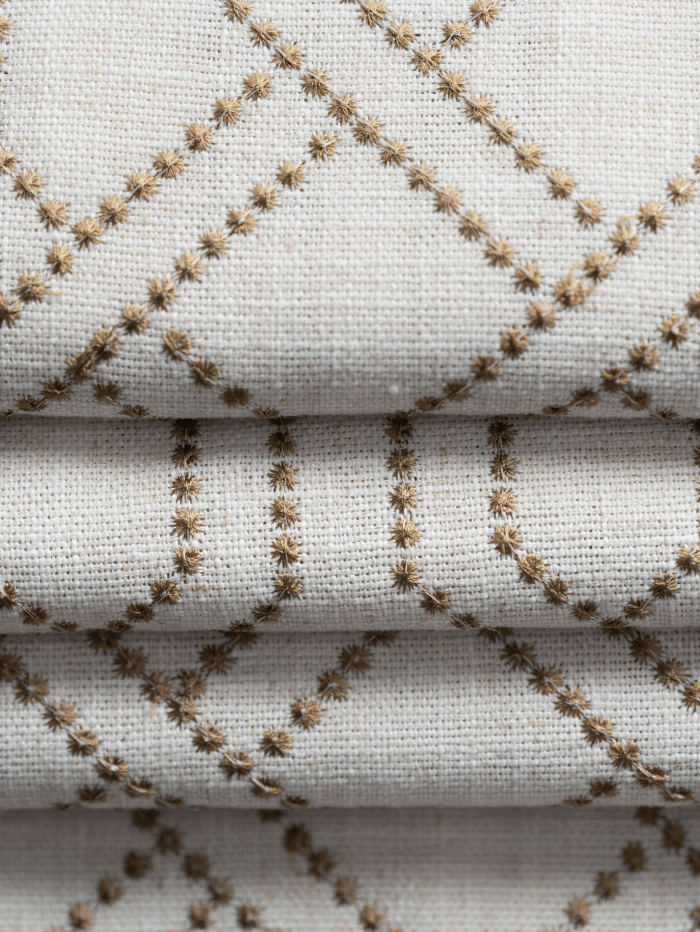
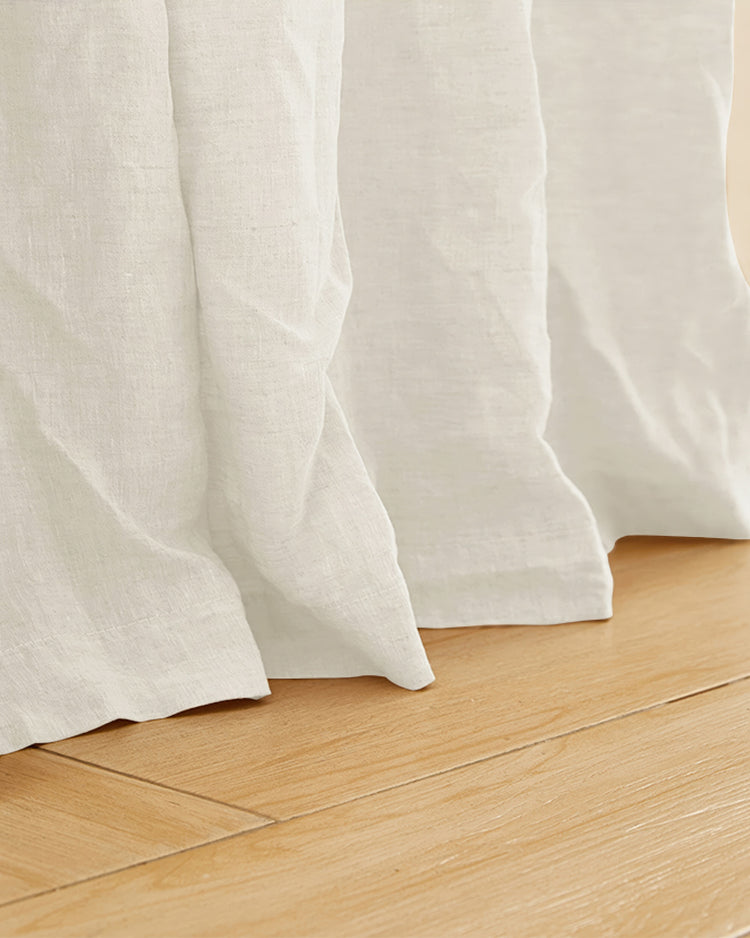
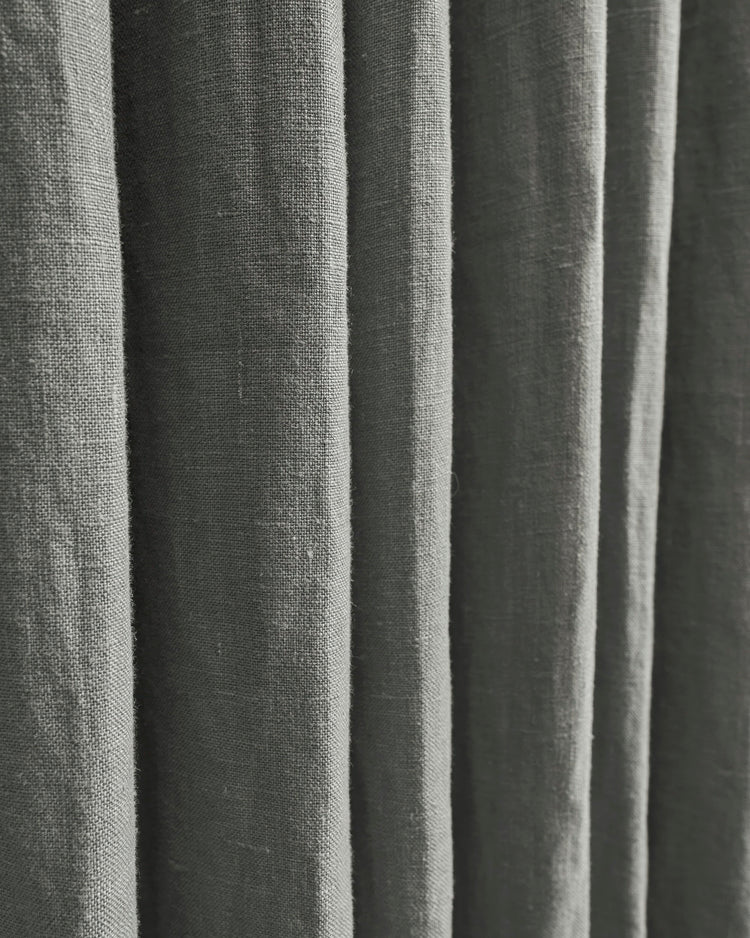
Light filtering curtains soften and scatter incoming daylight so the room stays bright without harsh direct sun on your floors, screens, or furniture. Think of them as the daytime workhorse: they take the edge off glare while still letting you skip the lamps.
Light filtering is a step up in opacity from a true sheer curtain. Sheers are translucent and let in the most light; light filtering fabrics are woven a little denser, so they cut more glare and give a thin layer of daytime privacy. The exact amount of light any specific fabric blocks varies by weave and color, so check the product page rather than assuming a fixed percentage.
Light filtering curtains are a good fit when you want to:
- Keep a space naturally bright through the day
- Soften strong morning or afternoon sun without going dark
- Add a light privacy layer to a living room, kitchen, or office
- Layer over or under heavier drapes for flexible day/night control
The trade-offs: they offer limited insulation, and they are not reliable privacy at night. Once your interior lights are on, your silhouette can show through. For that reason they are rarely the right pick for a bedroom on their own, though they pair well with a heavier panel when you want both softness and control.

 100% Blackout
 Better sleep
 Noise Reducing
 Energy Saving
What are room darkening curtains?
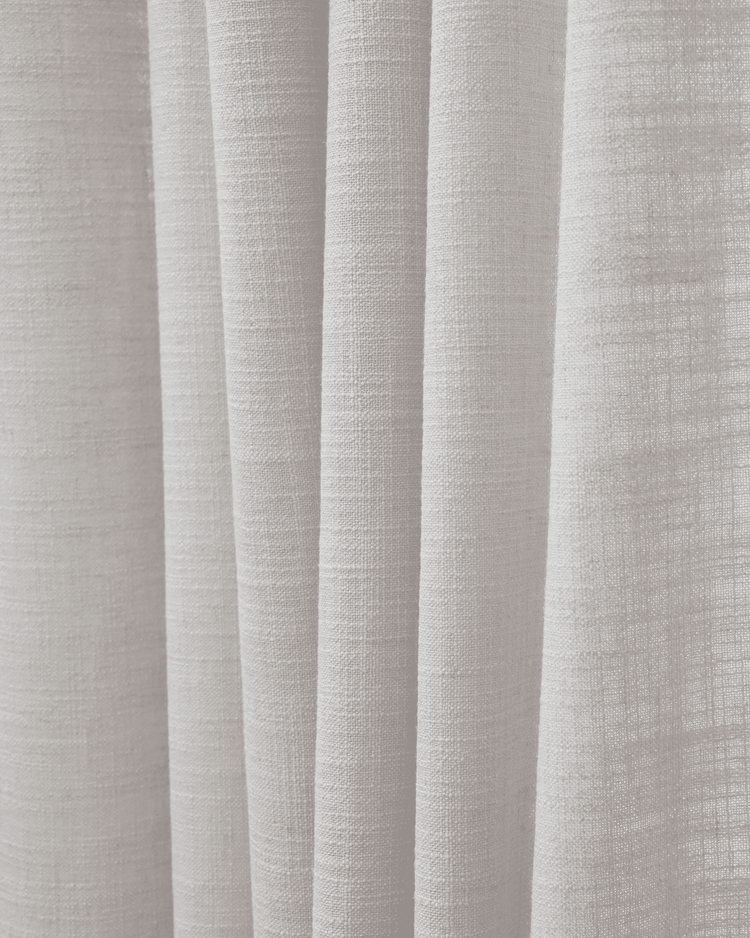
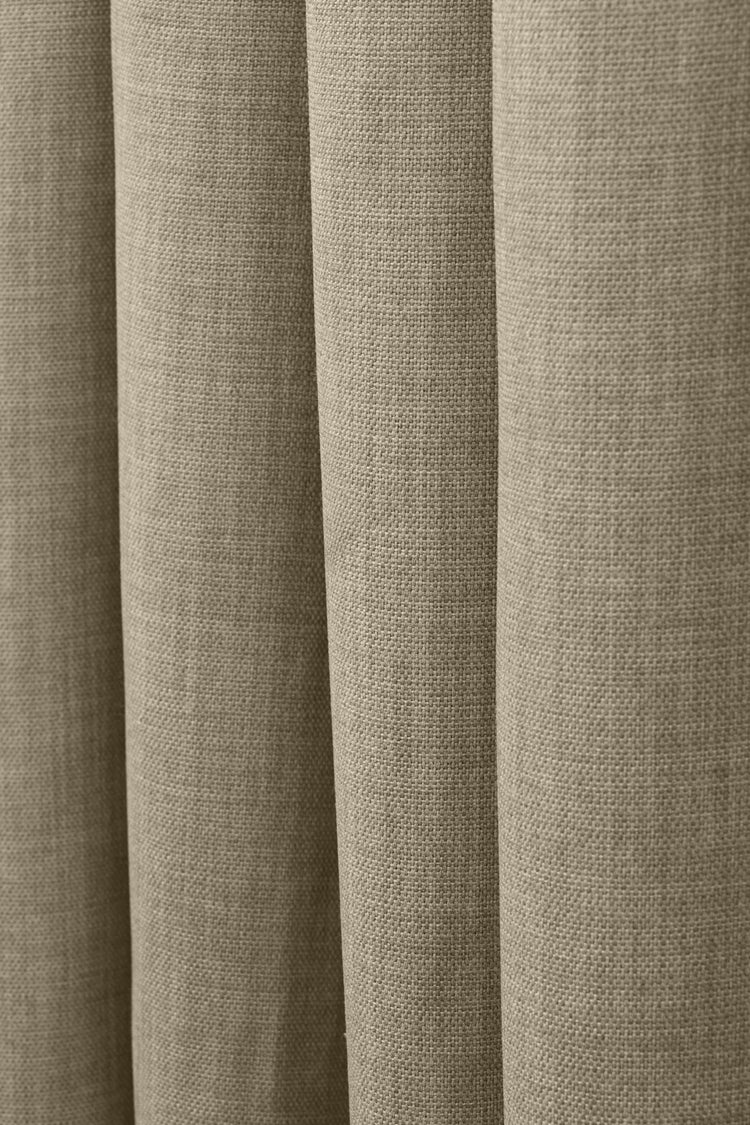
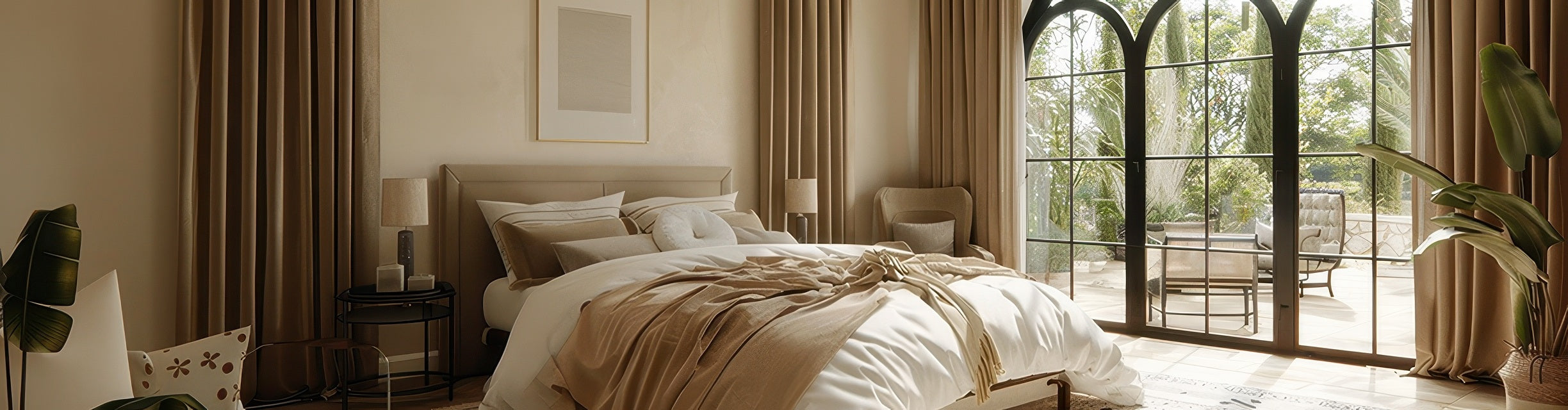
Room darkening curtains block most incoming light to create a dim, restful space, without the near-total darkness of true blackout. They are the middle ground: noticeably darker than light filtering, but they still let a faint amount of light register at the edges, which some people actually prefer for naps or relaxed evenings.
Room darkening panels are typically woven tighter or made from heavier fabric than light filtering ones, so they read as opaque and are not see-through, day or night. That makes them a solid privacy choice for bedrooms and bathrooms. They also help with glare on TVs and monitors and add a bit more thermal buffering than a thin panel.
Choose room darkening when you:
- Want a dim, calm bedroom but do not need pitch black
- Like a little ambient light during a daytime nap
- Need real privacy without committing to the heaviest, most expensive option
- Want better screen glare control in a media or living space
The honest limitation: because the fabric is not built to stop light the way a dedicated blackout construction is, you will not get true theater-level darkness. If your sleep depends on total dark, such as shift work, a light-sensitive sleeper, or an infant’s nap schedule, step up to blackout.
What are blackout curtains?
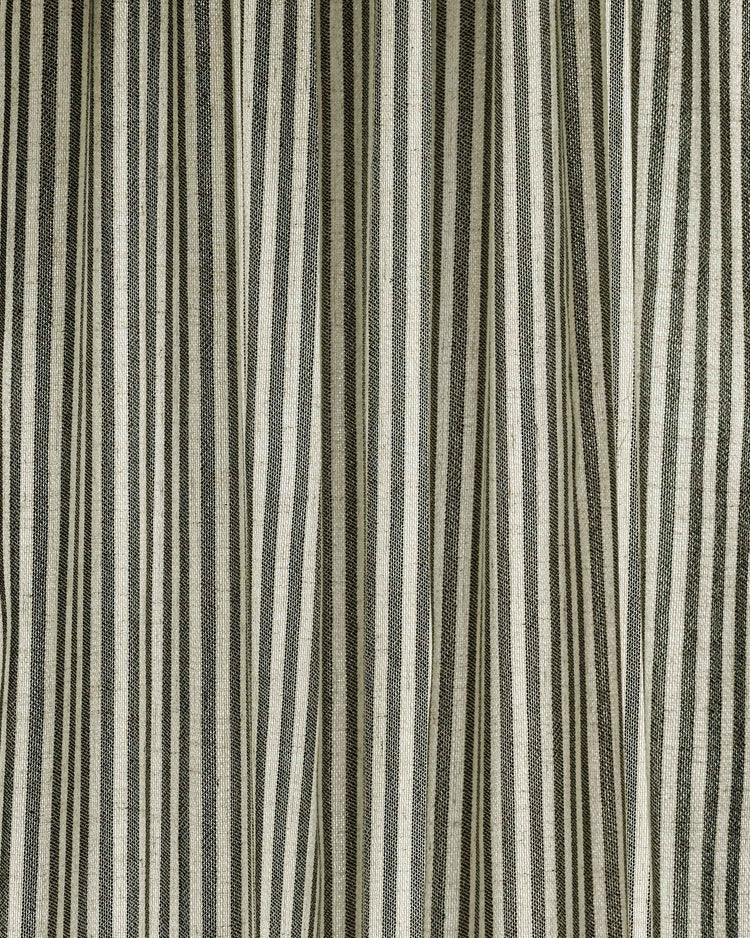
Blackout curtains use a construction specifically designed to block light from passing through the fabric: a tightly woven dense weave, a coated face fabric, an added 100% blackout liner, or a multi-layer build. That is the key distinction: blackout is defined by the material’s job, not by how dark your particular room ends up.

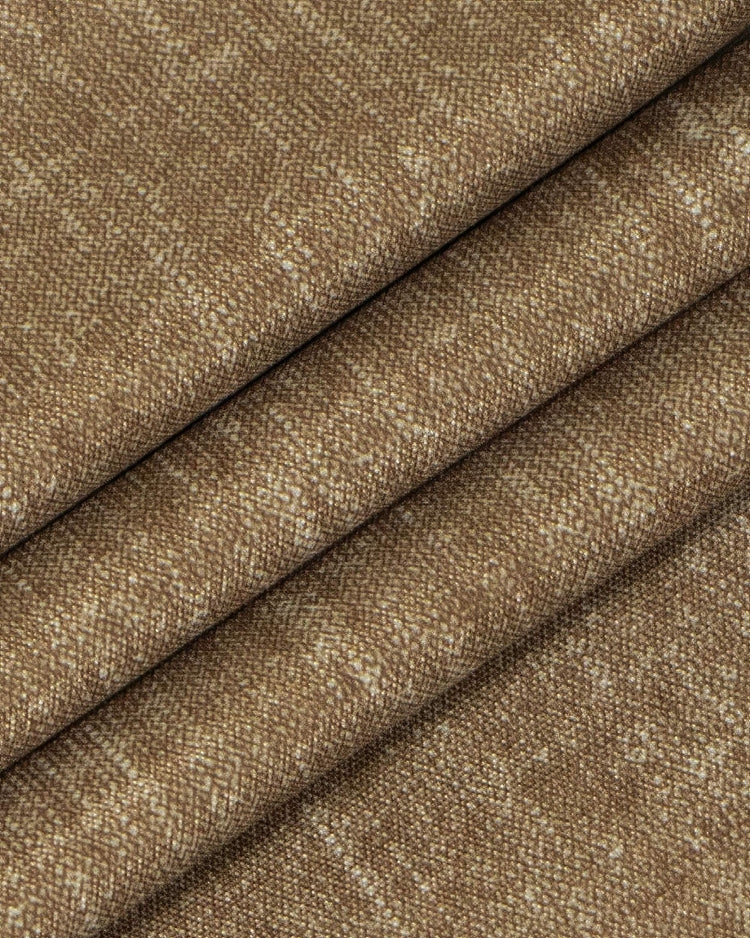
At TheHues, blackout is not built one single way. Some panels achieve it with a coated or densely woven fabric, others add a 100% blackout liner behind the face fabric, and the 4-layer construction stacks a decorative face, a sound-absorbing felt layer, an air-purifying layer, and a backing. They are not interchangeable, so check how a given product reaches blackout before assuming it matches another.
Blackout curtains earn their place when you need to:
- Sleep past sunrise, work night shifts, or block street and car lights
- Keep a nursery dark for daytime naps and a steady sleep schedule
- Set up a home theater or media room
- Protect your circadian rhythm from light pollution
A few realistic trade-offs: blackout panels are usually the heaviest of the three, so confirm your rod or track is rated for the weight. They also need lamps on during the day once closed. And the big one, covered next, is that the fabric alone will not seal a room.
Why “100% blackout” doesn't mean a pitch-black room
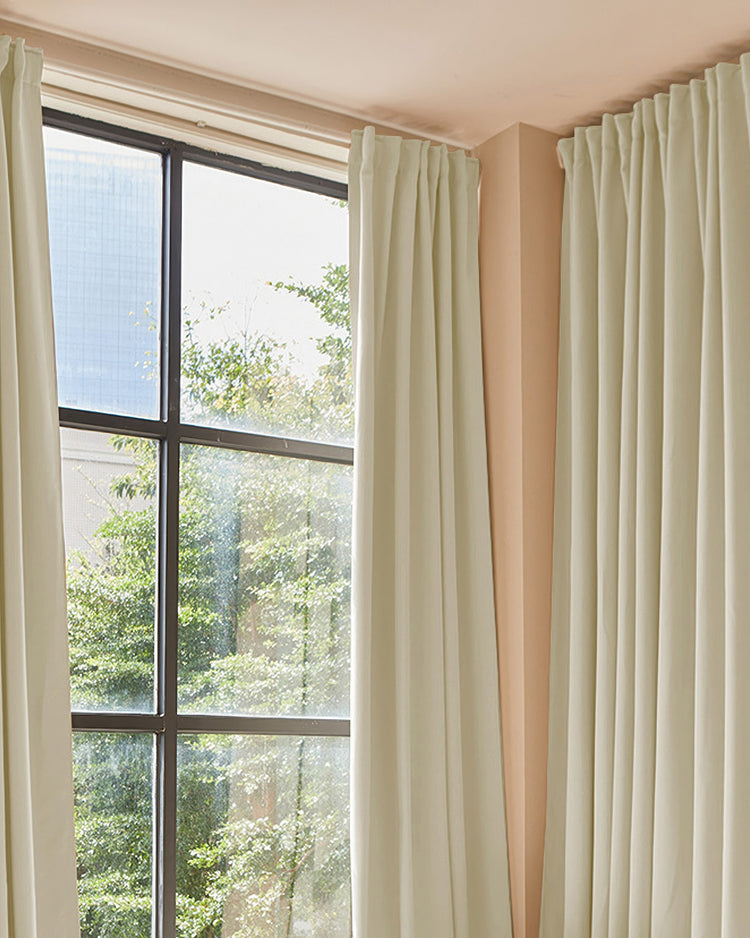
This trips up more buyers than any other point: a “100% blackout” rating describes light blocked through the fabric, not light that sneaks in around it. Even a perfect blackout panel can leave a glow at the top, down the sides, through the center where two panels meet, and along the floor.
Installation is what closes those gaps. To get a genuinely dark room:
- Mount wide. Extend the rod or track 4 to 12 inches beyond each side of the window frame so the panels overlap the wall, not just the glass.
- Mount high. Place the rod 4 to 8 inches above the frame, or higher, to reduce the light halo at the top.
- Overlap the center. With a two-panel setup, make sure the panels meet and cross slightly so no center seam of light shows.
- Go long. Choose a length that reaches the floor rather than stopping at the sill.
For a full walkthrough, see how to hang blackout curtains and the common mistakes to avoid when hanging blackout curtains. The takeaway: pick the right fabric for the job, then install it to seal the perimeter. Fabric performance and installation work together; one without the other leaves you disappointed.
Which curtain is best for each room?
Match the light level the room actually needs, then layer if you want flexibility.
- Bedroom, adult: Blackout for the best sleep, especially if streetlights or early sun reach the window. Room darkening works if you like a faint ambient glow. Layer a light filtering or sheer panel in front for daytime softness.
- Nursery / kids’ room: Blackout, to protect nap and bedtime schedules. Choose cordless lifts or secure tiebacks for safety.
- Living room: Light filtering for a bright, welcoming space. Add room darkening or blackout drapes if you watch TV during the day and fight glare.
- Home office: Light filtering keeps the room bright while cutting screen glare. Add a darker layer if afternoon sun washes out your monitor.
- Kitchen / dining room: Light filtering — you want brightness and easy care, not darkness.
- Home theater / media room: Blackout, mounted wide and high, for the deepest dark.
- Bathroom: Room darkening or blackout for solid privacy day and night.
Want temperature control on top of light control? Heavier room darkening and blackout builds add insulation; see our thermal curtains buyer’s guide for the energy angle. And remember the 25% of home heat lost through gaps and windows is reduced by coverage and sealing, not by the fabric label alone.
Frequently asked questions
Is room darkening the same as blackout?
No. Room darkening blocks most light for a dim room; blackout uses a construction built to stop light passing through the fabric. Blackout is darker, usually heavier, and typically costs more.
Are light filtering curtains see-through?
Not fully transparent, but they are not private at night. During the day they give a thin privacy layer; once interior lights are on, your silhouette can show. Use them in living rooms and kitchens, not bedrooms, unless you layer.
Can you see through room darkening curtains?
No. Their tighter weave and heavier fabric mean you cannot see through them, including silhouettes, which is why they work for bedrooms and bathrooms.
Do blackout curtains make a room completely dark?
The fabric blocks light through itself, but real-room darkness depends on installation. Mount the panels wide, high, overlapping at the center, and long to close the edge gaps that cause a light halo.
Which is cheapest?
Generally light filtering is the most affordable, room darkening sits in the middle, and blackout costs the most because of extra fabric, lining, or multi-layer construction.
Can I get both bright days and dark nights?
Yes, layer. Hang a light filtering or sheer panel for daytime softness and a room darkening or blackout panel for night. It is the most flexible setup for bedrooms.
Choosing your curtains with confidence
Start with the function the room needs, whether bright, dim, or dark, then pick the matching type and plan the install so the fabric can actually do its job. If you are between room darkening and blackout for a bedroom, or unsure how wide to mount for a true blackout, run your window through the TheHues measurement guide and order swatches to compare opacity in your own light before you commit to a custom order.