Why Are Custom Curtains So Expensive? A Simple Cost Breakdown


In this article 8 sections
- Why custom curtains cost more than ready-made panels
- The main cost drivers behind custom curtains
- Why pleated and floor-to-ceiling curtains usually cost more
- When custom curtains are worth the cost
- When ready-made curtains may be the smarter choice
- How to lower custom curtain cost without ruining the result
- FAQ: custom curtain cost
- Final takeaway
Custom curtains often cost more than shoppers expect because they are not built like standard ready-made panels. You are usually paying for a better fit, more fabric, selected lining, finishing details, and hardware that supports the way the curtains will actually hang and operate.
If you have asked why are custom curtains so expensive, the answer is not just “premium fabric.” The price usually comes from several choices working together: window size, fullness, header style, lining, panel length, and how much support the project needs before it is installed.
This guide breaks down what drives custom curtain cost, when custom curtains are worth it, when ready-made curtains may be enough, and how to simplify your order without ending up with a result that looks unfinished.
Why custom curtains cost more than ready-made panels
Most ready-made curtains are produced in preset widths and lengths. That keeps the price lower, but it also means the panel may not fully fit your window, wall, or light-control needs.
Custom curtains are made around your measurements and selected details. A custom curtain usually includes:
- extra width for fullness, so the panel drapes instead of hanging flat
- a chosen header style that affects both the look and construction
- lining or interlining for privacy, blackout, or thermal support
- custom length for your ceiling height, sill height, or floor break
- hardware, rings, tracks, or brackets that match the curtain weight and style
That is why the price can feel higher than expected. You are not just buying one rectangle of fabric. You are buying a window treatment system that needs to fit the room, function correctly, and look intentional when it is open and closed.
If you want a more realistic starting point before comparing quotes, use the TheHues curtain measurement guide first. It will help you estimate the width, panel count, and length you actually need before you judge the price.

The main cost drivers behind custom curtains
Custom curtain pricing becomes easier to understand when you separate it into the decisions that affect material, labor, and installation.
| Cost driver | Why it affects price | Where it matters most |
|---|---|---|
| Window size and fullness | Wider and longer curtains require more fabric | Large windows, tall ceilings, wide patio doors |
| Fabric choice | Material weight, texture, and construction can change cost | Linen-look fabrics, velvet, specialty weaves |
| Lining | Adds fabric, sewing, and performance | Bedrooms, nurseries, media rooms, thermal needs |
| Header style | Some headers need more fabric and more detailed sewing | Pleated curtains, ripple fold, tailored looks |
| Hardware | Heavier curtains need stronger rods, tracks, or brackets | Wide spans, floor-to-ceiling panels, layered curtains |
| Shipping and handling | Large panels are bulkier and need careful packaging | Extra-long, lined, or multi-room orders |
1. Window size, panel count, and fullness
Window size is often the biggest reason a custom curtain quote feels higher than expected. A curtain should usually be wider than the window itself so it can close properly and still look soft, not stretched.
Fullness is the extra fabric that creates folds and movement. Without enough fullness, curtains can look thin, flat, or too small for the room. With more fullness, the panels look more finished, but they also use more fabric.
This is especially important for custom curtains for large windows, sliding doors, and rooms with tall ceilings. The larger the window, the more quickly width, length, lining, and hardware add to the total cost.

2. Fabric quality and yardage
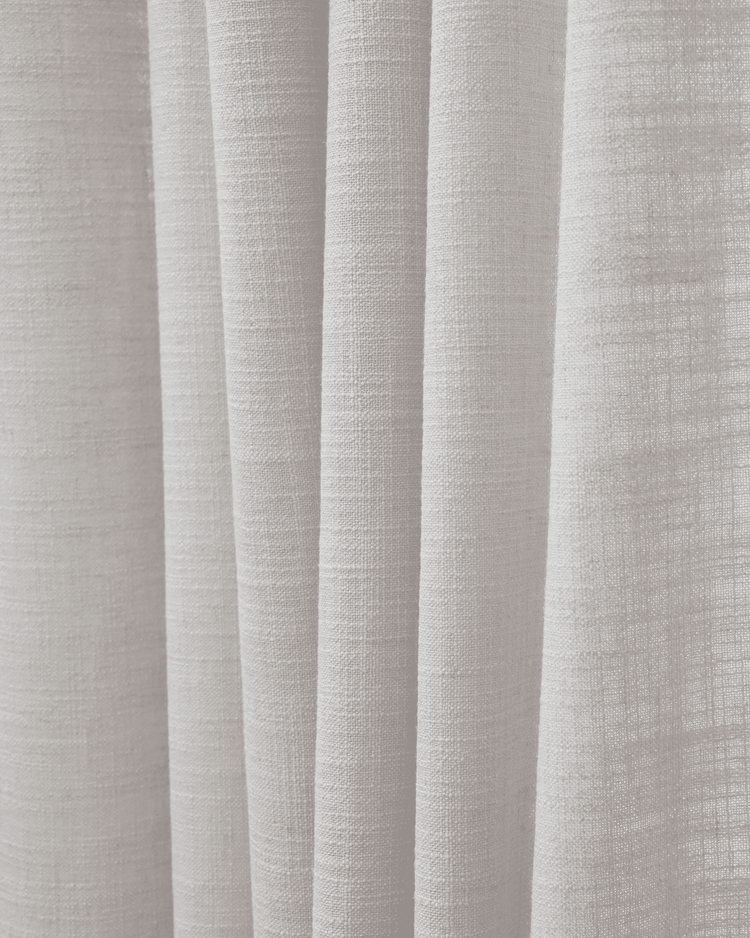
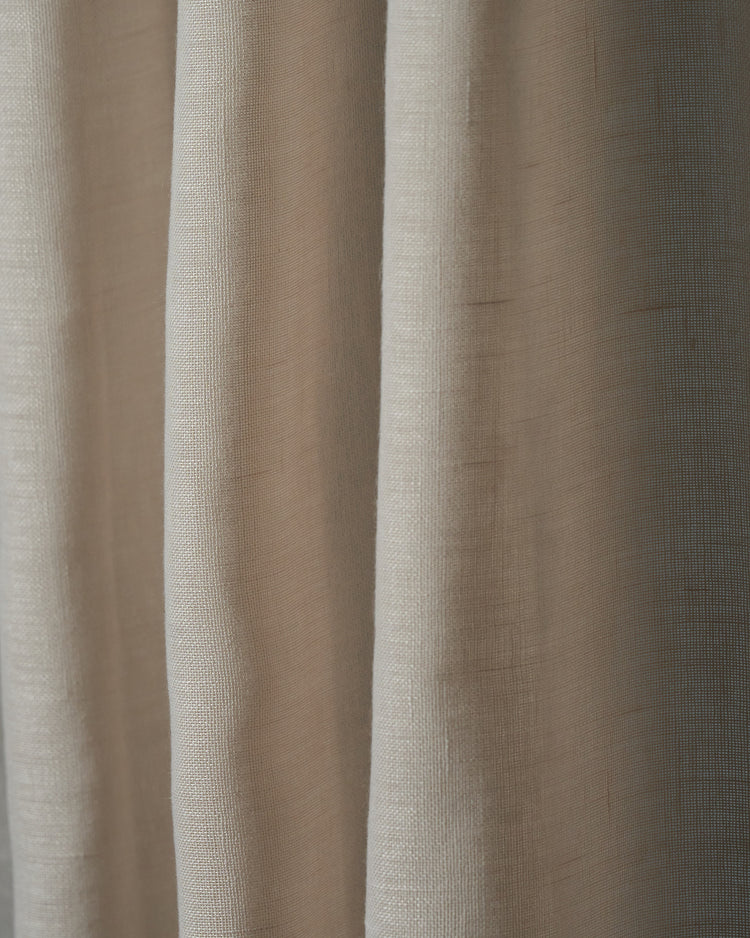
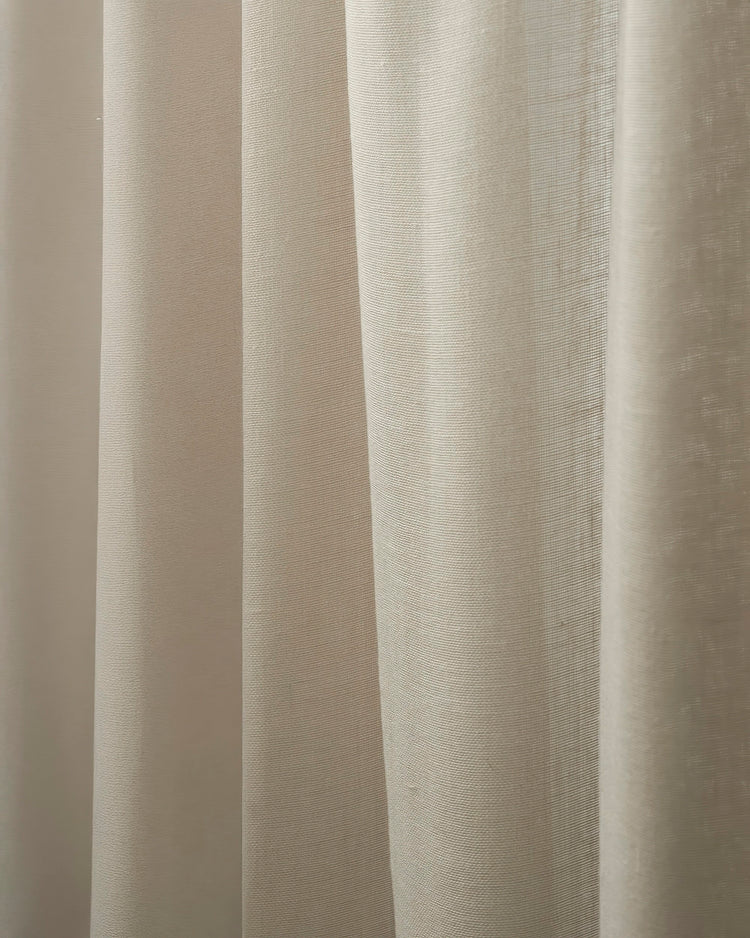
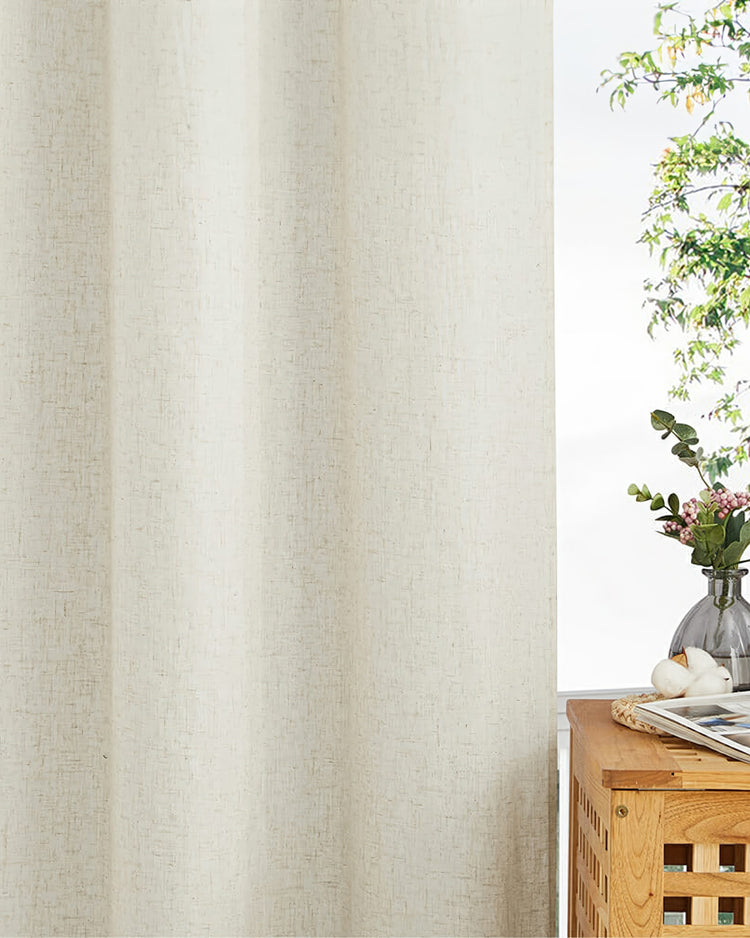
Fabric is both a style choice and a budget choice. A heavier fabric, textured weave, velvet-like finish, or more structured material usually costs more than a simple lightweight panel fabric.
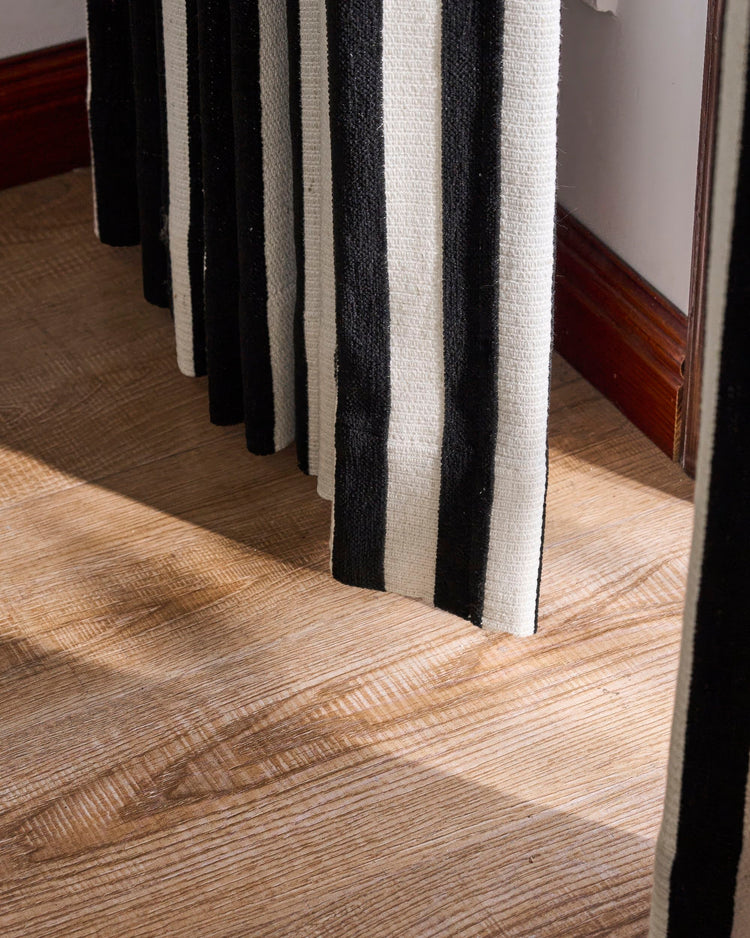
Length also matters. A floor-length curtain uses more fabric than a sill-length curtain. A tall 120-inch panel is not just a slightly longer version of a 96-inch panel; it can require more careful cutting, handling, pressing, and packaging.

 100% Blackout
 Better sleep
 Noise Reducing
 Energy Saving
If you are trying to control cost, start by deciding where premium fabric matters most. A formal living room or primary bedroom may justify a more elevated fabric, while a guest room or lower-traffic space may not need the same level of detail.
3. Lining, interlining, and blackout upgrades
Lining can raise the price, but it can also change how well the curtains work. A decorative unlined panel is different from a lined curtain made for privacy, light control, insulation, or better drape.
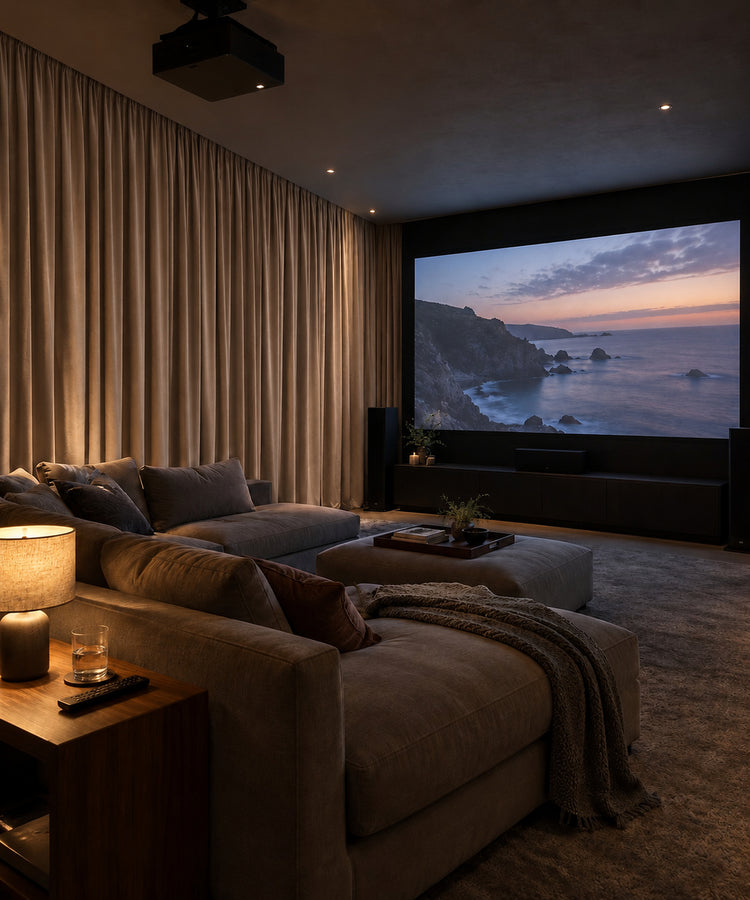
For bedrooms, nurseries, and media rooms, blackout curtains can help reduce unwanted light when they are sized and installed correctly. For cold or drafty rooms, thermal curtains may help improve comfort near the window, especially when paired with good coverage and proper installation.
The U.S. Department of Energy notes that window coverings can help manage heat gain and heat loss, depending on the type of covering, how it is installed, and when it is used. That is a good reason to treat lining as a functional decision, not just an upgrade.
If you are unsure which lining makes sense, review the TheHues curtain liner guide before choosing. Paying for the wrong lining is one of the easiest ways to make a custom order feel expensive without solving the right problem.


4. Header style and sewing complexity
The header is the top of the curtain. It affects how the fabric hangs, how the curtain moves, and how formal the room feels.
Some header styles are simple and casual. Others create a more tailored look but may require more fabric, more precise construction, or specific hardware. That is why two curtains made from the same fabric can have different prices if the header styles are different.
Before choosing a style, review the curtain header guide. A simpler header may be the right choice if you want a clean look and a more controlled budget. A pleated or more tailored header may be worth it for a room where proportion and finish matter more.
5. Hardware, rods, tracks, and installation
Hardware is easy to underestimate. A lightweight ready-made panel may work on a basic rod, but heavy lined custom curtains may need stronger support.
Depending on the window, you may need:
- a stronger curtain rod or track
- larger brackets or center supports
- rings, hooks, or carriers that match the header style
- more careful mounting for wide or tall windows
This matters most for extra-wide windows, layered curtains, and floor-to-ceiling setups. The more fabric you add, the more important the hardware becomes.
6. Oversized handling and shipping
Large custom panels are harder to cut, press, fold, inspect, and ship than standard ready-made curtains. Extra-long or heavily lined panels can also be bulkier in packaging.
That handling does not always appear as one obvious line item, but it is part of why custom curtains cost more. A wide living room window may need split panels, more fullness, lining, and stronger hardware. On paper it is one window, but in production it is a larger, more detailed project.
Why pleated and floor-to-ceiling curtains usually cost more
If your quote changes quickly after adjusting one detail, it is often because that detail affects both fabric and labor.
Pleated headers create a more tailored look
Pleated curtains look polished because the fullness is built into the construction. That can make the finished window feel more structured and high-end, but it may also increase fabric use and sewing complexity.
If you like the tailored look but want to manage the budget, simplify one variable at a time:
- choose a simpler header in less formal rooms
- use pleats only in the most visible room
- keep blackout lining where it matters most and choose a more practical fabric
- avoid overbuilding rooms that only need softness or privacy
Extra-long and extra-wide curtains multiply cost
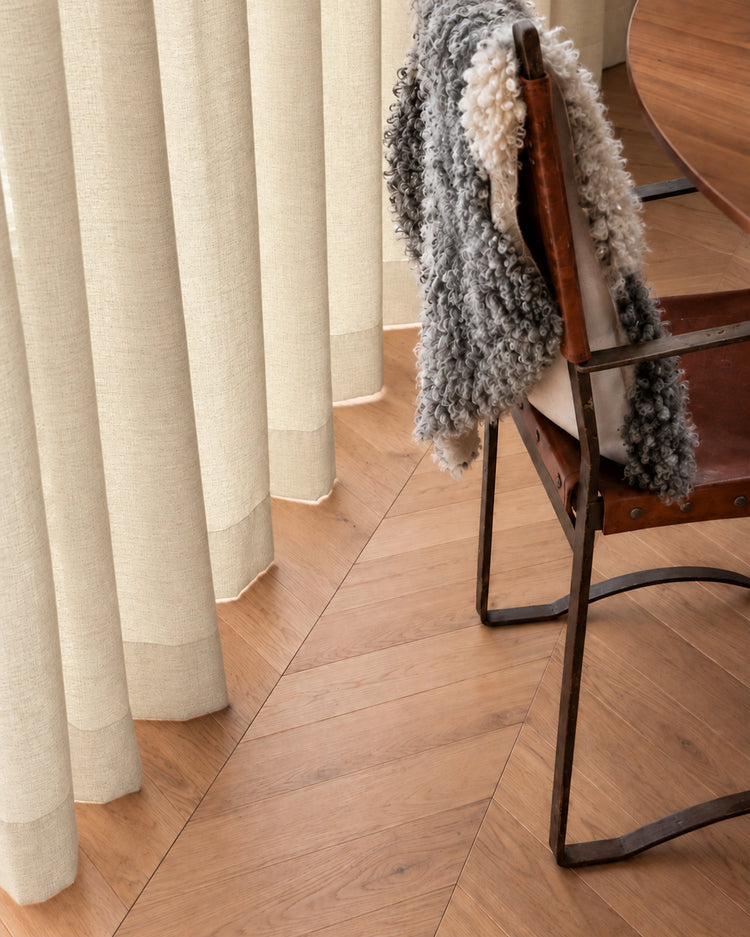
Floor-to-ceiling curtains can make a room feel taller and more finished, but they use more fabric and usually need more careful hardware planning.
Extra-wide curtains can add another layer of cost because they may require multiple panels, more seams, more lining, and more stack-back space. This does not mean you should avoid large custom curtains. It means the layout should be planned before you place the order.
Use the visualization tool if you want to compare a taller mount, a different header, or one-panel versus two-panel layout before committing.

When custom curtains are worth the cost
Custom curtains are not automatically the right choice for every room. They are most useful when the window has a size problem, the room has a clear function need, or the finished look matters enough to justify the extra planning.
Non-standard windows
Custom curtains are often worth considering for bay windows, extra-wide windows, narrow sidelights, tall old-house windows, patio doors, and awkward ceiling lines.
Ready-made panels may work in some of these spaces, but they often leave one of these problems:
- poor coverage at the sides or bottom
- weak stack-back when the curtains are open
- a length that is almost right but not quite
- a room that looks unfinished even after the curtains are hung
Bedrooms, nurseries, and glare-sensitive rooms
If you need stronger darkness, privacy, or insulation, custom curtains can be worth the premium because fit affects performance. Even a good blackout fabric can let in light if the panels are too narrow or the rod is mounted poorly.
For a bedroom, nursery, media room, or home office with strong glare, it often makes sense to invest in the room where the function changes daily comfort.
Design-led rooms where proportion matters
In a living room, dining room, or primary bedroom, curtains often become part of the room's architecture. The right length, fullness, stack-back, and fabric weight can make the whole space feel more finished.
That does not mean every detail needs to be the most expensive option. It means the design choices should match the room's importance and how often you use it.
When ready-made curtains may be the smarter choice
A helpful custom curtain guide should say this clearly: ready-made curtains can be the better buy in some rooms.
If the window is a common size, the room is temporary, and you mainly want softness or basic privacy, ready-made panels may be enough. That can be true for:
- guest rooms
- short-term rentals
- spare bedrooms
- low-traffic rooms
- spaces where exact length and fullness are less important
The best approach is not custom everywhere or ready-made everywhere. It is to match the product to the job. Use custom where fit and performance matter most, and save simpler solutions for lower-priority spaces.
How to lower custom curtain cost without ruining the result
The best way to save money is not to remove every useful feature. It is to simplify the choices that do not matter as much for your specific room.
1. Simplify the header style
If you want to lower the quote while keeping a polished look, start with the header. A simpler header can reduce sewing complexity and may reduce fabric needs.
2. Use premium fabric only where it matters most
You may not need the same fabric in every room. Use your best fabric in the most visible or most-used space, then choose a more practical option elsewhere.
3. Prioritize lining by room
Blackout lining may be important in a bedroom, but unnecessary in a dining room. Thermal support may matter near drafty windows, but less in a shaded hallway. Choose lining based on the room's real job.
4. Measure before comparing prices
A quote based on the wrong width is not useful. Measure first, then compare options. This helps you avoid under-ordering fabric or paying for a layout that does not fit.
5. Decide on panel count early
One panel and two panels can look and function differently, especially on wide windows. Decide early so your quote reflects the way you will actually use the curtains.
6. Use design support before ordering
Custom curtains become expensive fastest when you pay to fix avoidable mistakes. If you are unsure about fabric, header style, fullness, or layout, use the free design service before placing the order.
FAQ: custom curtain cost
How much do custom curtains cost per panel?
There is no single standard price because width, length, fullness, fabric, lining, and header style all affect the total. If you are estimating custom drapes cost per panel, start with the window size and lining need before comparing any headline price.
Are custom curtains better than ready-made curtains?
Custom curtains are better when you need exact sizing, better coverage, stronger light control, or a more tailored look. Ready-made curtains can still be a smart choice for standard windows, temporary spaces, or rooms where function is simple.
Why do blackout custom curtains cost more?
Blackout custom curtains usually require a blackout lining or blackout-ready construction. They may also need more careful sizing and stronger hardware to reduce light leaks and support the added fabric weight.
Are custom curtains worth it for large windows?
Often, yes. Large windows are where ready-made panels can look too narrow, too short, or too light for the scale of the room. Custom sizing can help you get better coverage, fuller drape, and a more balanced stack-back.
How can I avoid overpaying for custom curtains?
Start with accurate measurements, choose lining based on the room's real needs, compare header styles, and avoid paying for premium fabric in rooms where it will not make much difference. Using a visualization tool or design service before ordering can also help you avoid expensive mistakes.
Final takeaway
Custom curtains cost more because they involve more than fabric. The final price reflects size, fullness, lining, header style, hardware, handling, and the level of fit you want from the finished window treatment.
That does not mean you should order custom curtains for every room. It means custom makes the most sense where fit, function, and proportion will noticeably improve the space.
Start with the curtain measurement guide, compare header and lining options, use the visualization tool if you are unsure, and reach out to TheHues' free design service when the window feels hard to plan. A clear plan makes the quote easier to understand and much easier to judge fairly.